How do spiral gears handle high-load applications?
How do spiral gears handle high-load applications?
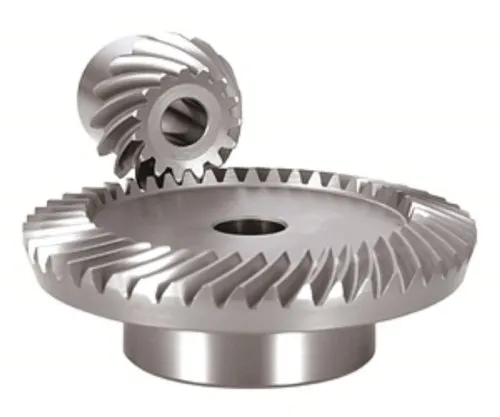
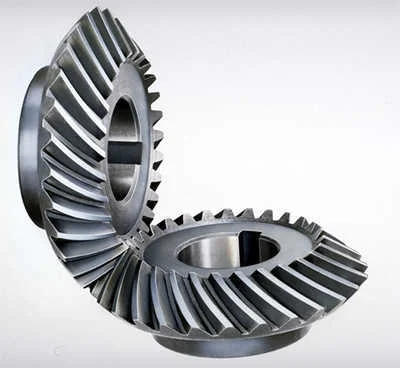
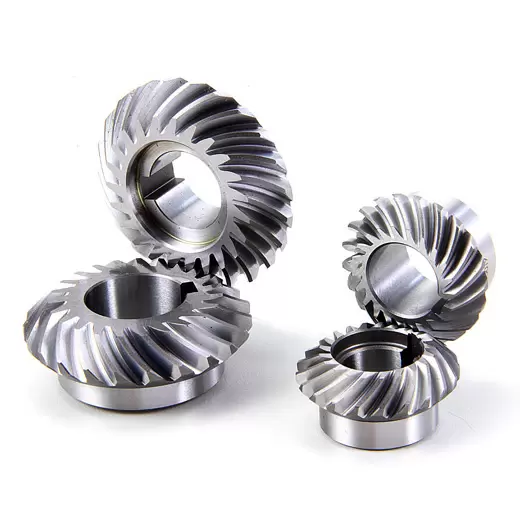
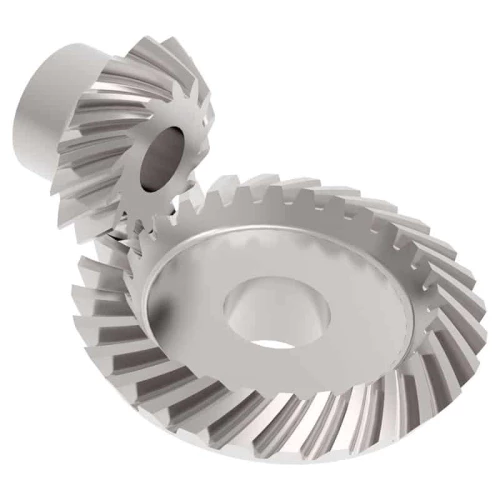
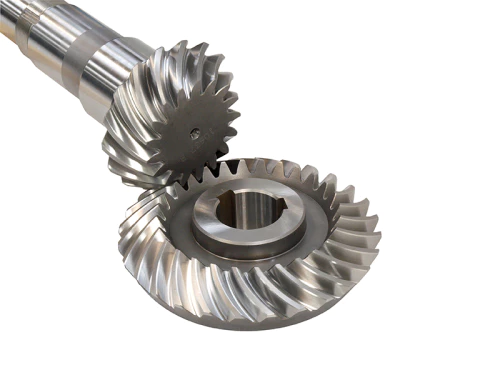
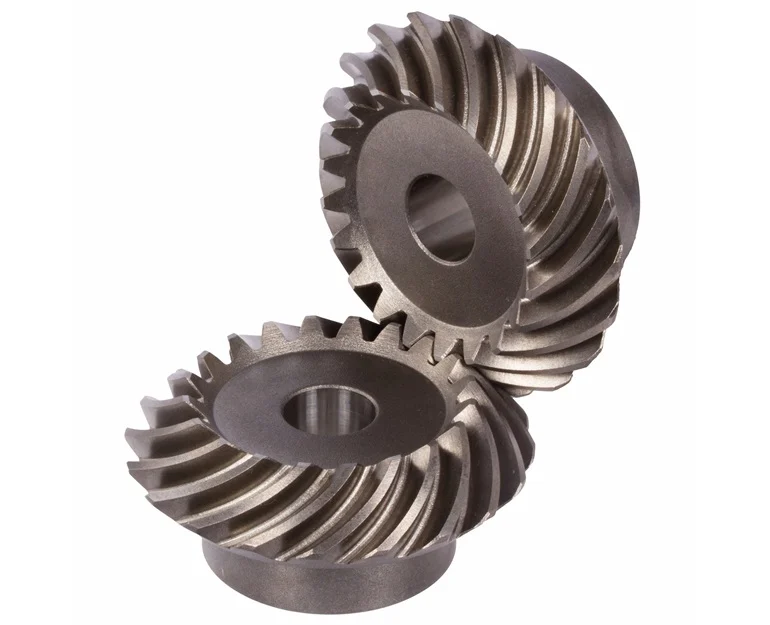
A spiral gear, also known as a spiral bevel gear, is a type of gear that has curved teeth instead of straight teeth. The tooth profile of a spiral gear is designed to form a spiral curve around the gear axis. This curved tooth profile allows for smoother and more gradual engagement between the mating gears, resulting in improved load distribution and reduced noise compared to straight-cut gears.
Advantages of Spiral Gears
Increased Load Capacity
The curved tooth profile of spiral gears enables a larger contact area between the mating gears, allowing for higher load-carrying capacity and improved power transmission efficiency.
Improved Efficiency
The gradual engagement of spiral gears results in reduced sliding friction and improved meshing efficiency. This leads to higher overall gear system efficiency, especially in applications with high-speed and high-torque requirements.
Reduced Noise and Vibration
The spiral tooth profile of spiral gears helps in achieving smoother and quieter gear operation. The gradual contact between the teeth reduces impact and vibration, resulting in reduced noise levels compared to straight-cut gears.
Better Load Distribution
The spiral tooth profile allows for a more uniform load distribution across the gear teeth. This helps in minimizing localized tooth stresses and improves the overall durability and reliability of the gear system.
Enhanced Lubrication
The curved tooth profile of spiral gears facilitates better lubricant flow and retention between the teeth. This improves the lubrication effectiveness, reduces wear, and enhances the longevity of the gear system.
Versatile Applications
Spiral gears can be used in a wide range of applications, including automotive transmissions, industrial machinery, marine propulsion systems, and aerospace applications. Their ability to handle high loads, high speeds, and varying operating conditions makes them suitable for diverse gear applications.
Misalignment Tolerance
Spiral gears exhibit better tolerance to misalignment compared to some other gear types. The curved tooth profile allows for a certain degree of misalignment without compromising the gear’s performance and durability.
Ease of Assembly
Spiral gears are relatively easier to assemble compared to other complex gear types, such as hypoid gears. This simplifies the manufacturing and assembly processes, leading to cost savings and improved production efficiency.
Working Principle of Spiral Gears
The working principle of spiral gears is based on the meshing of the curved teeth profiles. When two spiral gears come into contact, the curved teeth engage gradually, starting from the outer edge of the gears and moving towards the center. This gradual engagement reduces impact forces, minimizes sliding friction, and ensures smooth and efficient power transmission. The curved tooth profiles allow for a larger contact area, leading to improved load distribution, higher load capacity, and reduced wear. The spiral gears rotate in opposite directions and transfer torque and rotational motion between shafts that are perpendicular to each other.
Applications of Spiral Gears
Industrial Machinery: Spiral gears are widely used in various industrial machinery applications, including gearboxes, conveyors, and heavy-duty equipment.
Automotive Industry: Spiral gears are essential components in automotive transmissions and differentials, providing reliable power transmission and load handling capabilities.
Robotics: Spiral gears find applications in robotics, enabling precise motion control and efficient power transfer in robotic systems.
Medical Equipment: Spiral gears are used in medical equipment such as surgical tools and imaging devices, ensuring smooth and reliable operation.
Power Generation: Spiral gears are employed in power generation systems, such as wind turbines and hydroelectric generators, to transmit torque and convert rotational motion into electrical energy.
Agricultural Machinery: Spiral gears are utilized in agricultural machinery, including tractors and harvesters, to transmit power and handle heavy loads in various farming operations.
Aerospace Industry: Spiral gears are employed in aerospace applications, such as aircraft engines and landing gear systems, to provide efficient power transmission and withstand high-load conditions.
Marine Propulsion: Spiral gears play a crucial role in marine propulsion systems, ensuring reliable power transmission and maneuverability of ships and boats.
Mining and Construction Equipment: Spiral gears are used in mining and construction equipment, providing robust power transmission capabilities for heavy-duty operations.
Installation and Maintenance of Spiral Gears
Installation:
Ensure Proper Alignment
Check Gear Clearances
Lubrication
Torque Application
Maintenance:
Regular Inspection
Lubrication Maintenance
Cleanliness
Check for Abnormal Noise or Vibration
Gear Tooth Inspection
Misalignment Correction
Record Keeping
How to Select the Right Spiral Gear
Determine Application Requirements
Consider Gear Ratio
Assess Load Capacity
Evaluate Speed Requirements
Analyze Gear Size and Dimensions
Assess Gear Material
Evaluate Gear Quality and Accuracy
Consider Noise and Vibration
Review Cost Considerations
Seek Expert Advice
About EVER POWER
EVER POWER is a professional manufacturer of gears in China. Our products are exported to different countries such as Spain, the Netherlands, the United States, South Korea, Turkey, and Russia. We are committed to helping customers develop new products and solve technical and quality problems. With high-quality products, fair prices, and perfect services, we aim to meet the needs of users. We adhere to the principles of quality first, timely delivery, and credit first. We sincerely welcome friends from the business community to cooperate with us and create brilliance together.
Frequently Asked Questions (FAQs)
What are the main advantages of using spiral gears in high-load applications?
The advantages of using spiral gears in high-load applications include increased load capacity, improved efficiency, reduced noise and vibration, better load distribution, enhanced lubrication, versatile applications, misalignment tolerance, and ease of assembly.
How do spiral gears handle misalignment?
Spiral gears are designed to handle a certain degree of misalignment without compromising performance and durability. The curved tooth profile allows for smoother engagement and accommodates slight misalignments between mating gears.
Can spiral gears be used in high-speed applications?
Yes, spiral gears are suitable for high-speed applications. The gradual engagement and improved load distribution of spiral gears help in reducing friction and heat generation, making them capable of handling high speeds.
What maintenance measures should be taken for spiral gears?
Regular inspection, lubrication maintenance, cleanliness, checking for abnormal noise or vibration, gear tooth inspection, misalignment correction, and record-keeping are some of the maintenance measures for spiral gears.
How to select the right spiral gear for a specific application?
To select the right spiral gear, factors such as application requirements, gear ratio, load capacity, speed requirements, gear size and dimensions, gear material, gear quality and accuracy, noise and vibration considerations, cost, and seeking expert advice should be taken into account.
What are the considerations for gear tooth helix angle in spiral gear systems?
What are the considerations for gear tooth helix angle in spiral gear systems?
A spiral gear, also known as a spiral bevel gear, is a type of gear that has curved teeth instead of straight teeth. The tooth profile of a spiral gear is designed to form a spiral curve around the gear axis. This curved tooth profile allows for smoother and more gradual engagement between the mating gears, resulting in improved load distribution and reduced noise compared to straight-cut gears.
Advantages of Spiral Gears
1. Increased Load Capacity
The curved tooth profile of spiral gears enables a larger contact area between the mating gears, allowing for higher load-carrying capacity and improved power transmission efficiency.
2. Improved Efficiency
The gradual engagement of spiral gears results in reduced sliding friction and improved meshing efficiency. This leads to higher overall gear system efficiency, especially in applications with high-speed and high-torque requirements.
3. Reduced Noise and Vibration
The spiral tooth profile of spiral gears helps in achieving smoother and quieter gear operation. The gradual contact between the teeth reduces impact and vibration, resulting in reduced noise levels compared to straight-cut gears.
4. Better Load Distribution
The spiral tooth profile allows for a more uniform load distribution across the gear teeth. This helps in minimizing localized tooth stresses and improves the overall durability and reliability of the gear system.
5. Enhanced Lubrication
The curved tooth profile of spiral gears facilitates better lubricant flow and retention between the teeth. This improves the lubrication effectiveness, reduces wear, and enhances the longevity of the gear system.
6. Versatile Applications
Spiral gears can be used in a wide range of applications, including automotive transmissions, industrial machinery, marine propulsion systems, and aerospace applications. Their ability to handle high loads, high speeds, and varying operating conditions makes them suitable for diverse gear applications.
7. Misalignment Tolerance
Spiral gears exhibit better tolerance to misalignment compared to some other gear types. The curved tooth profile allows for a certain degree of misalignment without compromising the gear’s performance and durability.
8. Ease of Assembly
Spiral gears are relatively easier to assemble compared to other complex gear types, such as hypoid gears. This simplifies the manufacturing and assembly processes, leading to cost savings and improved production efficiency.
Working Principle
The working principle of spiral gears is based on the meshing of the curved teeth profiles. When two spiral gears come into contact, the curved teeth engage gradually, starting from the outer edge of the gears and moving towards the center. This gradual engagement reduces impact forces, minimizes sliding friction, and ensures smooth and efficient power transmission. The curved tooth profiles allow for a larger contact area, leading to improved load distribution, higher load capacity, and reduced wear. The spiral gears rotate in opposite directions and transfer torque and rotational motion between shafts that are perpendicular to each other.
Applications of Spiral Gears
Spiral gears find applications in various industries:
Industrial Machinery: Spiral gears are used in various types of industrial machinery, such as gearboxes, conveyors, and machine tools.
Automotive Industry: Spiral gears are essential components in automotive transmissions and differential systems.
Robotics: Spiral gears are used in robotic systems for precise and smooth motion control.
Medical Equipment: Spiral gears are employed in medical devices and equipment, such as surgical robots and imaging systems.
Power Generation: Spiral gears are utilized in power generation systems, including wind turbines and hydroelectric generators.
Agricultural Machinery: Spiral gears are found in agricultural machinery, such as tractors and harvesting equipment.
Aerospace Industry: Spiral gears are used in aviation and aerospace applications, including aircraft engines and landing gear systems.
Marine Propulsion: Spiral gears are crucial components in marine propulsion systems, such as ship engines and thrusters.
Mining and Construction Equipment: Spiral gears are employed in heavy-duty mining and construction machinery, such as excavators and bulldozers.
Installation and Maintenance
Installation:
Ensure Proper Alignment: Proper alignment of spiral gears is crucial for optimal performance and longevity.
Check Gear Clearances: Verify that the gear clearances are within the recommended specifications.
Lubrication: Apply the appropriate lubricant to ensure smooth operation and reduce wear.
Torque Application: Apply the specified torque during the installation process to ensure secure and accurate gear engagement.
Maintenance:
Regular Inspection: Conduct regular inspections to identify any signs of wear, damage, or misalignment.
Lubrication Maintenance: Follow the recommended lubrication schedule and ensure proper lubricant levels.
Cleanliness: Keep the gear system free from dirt, debris, and contaminants.
Check for Abnormal Noise or Vibration: Monitor the gear system for any unusual noise or vibration, which may indicate potential issues.
Gear Tooth Inspection: Inspect the gear teeth for signs of wear, pitting, or chipping.
Misalignment Correction: Address any misalignment issues promptly to prevent further damage.
Record Keeping: Maintain detailed records of maintenance activities and inspections for future reference.
How to Select the Right Spiral Gear
Determine Application Requirements: Identify the specific requirements of the gear system, such as load capacity, speed, and operating conditions.
Consider Gear Ratio: Select the appropriate gear ratio based on the desired speed and torque requirements.
Assess Load Capacity: Evaluate the load capacity of the gear to ensure it can handle the applied loads without failure.
Evaluate Speed Requirements: Determine the required operating speed range and select a gear that can accommodate the speed requirements.
Analyze Gear Size and Dimensions: Consider the available space and physical constraints to select a gear with suitable size and dimensions.
Assess Gear Material: Choose the appropriate gear material based on factors such as strength, durability, and resistance to wear.
Evaluate Gear Quality and Accuracy: Ensure the gear meets the required quality standards and has accurate tooth profiles for proper meshing.
Consider Noise and Vibration: Take into account the noise and vibration levels of the gear system and select a gear that minimizes these factors.
Review Cost Considerations: Consider the cost of the gear, including manufacturing, installation, and maintenance costs.
Seek Expert Advice: Consult with experts in the field of gear design and engineering to get professional guidance and recommendations.
About EVER POWER
EVER POWER is a professional manufacturer of gears in China. Our products are exported to different countries such as Spain, the Netherlands, the United States, South Korea, Turkey, and Russia. We are dedicated to helping customers develop new products and solve technical and quality problems. We prioritize high-quality products, fair prices, and perfect services to meet the needs of our customers.
In short, we adhere to the principles of quality first, timely delivery, and credit first. We treat every business partner sincerely and wholeheartedly welcome friends from the business community to cooperate with us to develop together and create brilliance.
Besides spiral gears, EVER POWER also offers other gear products such as worm gears, helical gears, spur gears, plastic gears, and metric gear racks. Customers are welcome to inquire about customized products.
EVER POWER is a rapidly developing company with hundreds of employees, including many engineers. We have fixed assets of 20 million yuan and an annual output value of 50 million yuan. Our company has a complete set of strict quality management systems and is equipped with precision measuring instruments such as optical projectors and 16 full-process production monitoring systems. With considerable competitiveness in the industry, EVER POWER aims to provide high-quality gears to customers worldwide.
FAQs
Q: Why are spiral gears preferred over straight-cut gears?
A: Spiral gears offer several advantages over straight-cut gears, including smoother engagement, improved load distribution, reduced noise, and enhanced efficiency.
Q: What types of applications can spiral gears be used in?
A: Spiral gears have versatile applications in industries such as industrial machinery, automotive, robotics, medical equipment, power generation, agricultural machinery, aerospace, marine propulsion, and mining and construction equipment.
How do you calculate the gear tooth surface hardness in spiral gears?
How do you calculate the gear tooth surface hardness in spiral gears?
A spiral gear, also known as a spiral bevel gear, is a type of gear that has curved teeth instead of straight teeth. The tooth profile of a spiral gear is designed to form a spiral curve around the gear axis. This curved tooth profile allows for smoother and more gradual engagement between the mating gears, resulting in improved load distribution and reduced noise compared to straight-cut gears.
Advantages of Spiral Gears:
Increased Load Capacity: The curved tooth profile of spiral gears enables a larger contact area between the mating gears, allowing for higher load-carrying capacity and improved power transmission efficiency.
Improved Efficiency: The gradual engagement of spiral gears results in reduced sliding friction and improved meshing efficiency. This leads to higher overall gear system efficiency, especially in applications with high-speed and high-torque requirements.
Reduced Noise and Vibration: The spiral tooth profile of spiral gears helps in achieving smoother and quieter gear operation. The gradual contact between the teeth reduces impact and vibration, resulting in reduced noise levels compared to straight-cut gears.
Better Load Distribution: The spiral tooth profile allows for a more uniform load distribution across the gear teeth. This helps in minimizing localized tooth stresses and improves the overall durability and reliability of the gear system.
Enhanced Lubrication: The curved tooth profile of spiral gears facilitates better lubricant flow and retention between the teeth. This improves the lubrication effectiveness, reduces wear, and enhances the longevity of the gear system.
Versatile Applications: Spiral gears can be used in a wide range of applications, including automotive transmissions, industrial machinery, marine propulsion systems, and aerospace applications. Their ability to handle high loads, high speeds, and varying operating conditions makes them suitable for diverse gear applications.
Misalignment Tolerance: Spiral gears exhibit better tolerance to misalignment compared to some other gear types. The curved tooth profile allows for a certain degree of misalignment without compromising the gear’s performance and durability.
Ease of Assembly: Spiral gears are relatively easier to assemble compared to other complex gear types, such as hypoid gears. This simplifies the manufacturing and assembly processes, leading to cost savings and improved production efficiency.
Working Principle of Spiral Gears:
The working principle of spiral gears is based on the meshing of the curved teeth profiles. When two spiral gears come into contact, the curved teeth engage gradually, starting from the outer edge of the gears and moving towards the center. This gradual engagement reduces impact forces, minimizes sliding friction, and ensures smooth and efficient power transmission. The curved tooth profiles allow for a larger contact area, leading to improved load distribution, higher load capacity, and reduced wear. The spiral gears rotate in opposite directions and transfer torque and rotational motion between shafts that are perpendicular to each other.
Applications of Spiral Gears:
Industrial Machinery: Spiral gears are commonly used in various types of industrial machinery, including gearboxes, conveyors, and machine tools. Their high load capacity and efficient power transmission make them suitable for heavy-duty applications.
Automotive Industry: Spiral gears are utilized in automotive applications, such as differential gears and steering systems. Their smooth operation and high torque capacity contribute to improved vehicle performance and handling.
Robotics: Spiral gears are employed in robotic systems for precise motion control and efficient power transmission. Their compact design and high load capacity make them ideal for robotic applications.
Medical Equipment: Spiral gears find application in medical devices and equipment, such as surgical instruments and imaging systems. Their low noise and vibration characteristics make them suitable for sensitive medical environments.
Power Generation: Spiral gears are used in power generation equipment, such as wind turbines and hydroelectric generators. Their ability to handle high torque and varying loads makes them essential components in power generation systems.
Agricultural Machinery: Spiral gears are widely used in agricultural machinery, including tractors and harvesters. Their durability and load-carrying capacity make them suitable for demanding agricultural operations.
Aerospace Industry: Spiral gears are employed in aerospace applications, such as aircraft engines and landing gear systems. Their high reliability and performance under extreme conditions ensure safe and efficient aircraft operations.
Marine Propulsion: Spiral gears are utilized in marine propulsion systems, including ship propulsion and marine gearbox applications. Their ability to handle high torque and withstand harsh marine environments is crucial for marine equipment.
Mining and Construction Equipment: Spiral gears are commonly found in mining and construction equipment, such as excavators and crushers. Their robustness and high-load capability enable efficient operation in challenging mining and construction environments.
Installation and Maintenance of Spiral Gears:
Installation:
Ensure Proper Alignment: Proper alignment of the mating gears is crucial for smooth and efficient operation. Use alignment tools and techniques to achieve accurate gear alignment.
Check Gear Clearances: Verify that the gear clearances are within the recommended tolerances. Proper clearance ensures smooth engagement and prevents excessive wear.
Lubrication: Apply the appropriate lubricant to the gear teeth to reduce friction and ensure proper lubrication. Follow the manufacturer’s recommendations for lubrication type and interval.
Torque Application: Apply the specified torque to the gear fasteners during installation. Proper torque ensures secure gear attachment and prevents loosening during operation.
Maintenance:
Regular Inspection: Perform regular inspections to check for signs of wear, damage, or misalignment. Address any issues promptly to prevent further damage.
Lubrication Maintenance: Monitor and maintain proper lubrication levels to ensure smooth gear operation and prevent premature wear.
Cleanliness: Keep the gear system clean and free from dirt, debris, and contaminants. Regularly clean the gears and surrounding components to prevent interference with gear performance.
Check for Abnormal Noise or Vibration: Monitor the gear system for any abnormal noise or vibration during operation. Investigate and resolve the root cause to prevent potential gear failure.
Gear Tooth Inspection: Inspect the gear teeth for signs of wear, pitting, or damage. Replace any damaged or worn gear teeth to maintain optimal gear performance.
Misalignment Correction: Address any gear misalignment issues promptly to prevent excessive wear and premature failure. Use appropriate alignment techniques and tools.
Record Keeping: Maintain a record of gear installation, maintenance, and inspection activities. This helps track performance, identify trends, and plan future maintenance activities.
How to Select the Right Spiral Gear:
Determine Application Requirements: Consider the specific requirements of the gear application, such as load capacity, speed, and environmental conditions.
Consider Gear Ratio: Determine the desired gear ratio based on the application’s torque and speed requirements.
Assess Load Capacity: Evaluate the expected load capacity of the gear system to ensure it can handle the required loads without failure.
Evaluate Speed Requirements: Consider the gear system’s operating speed and select a spiral gear that can handle the desired rotational speed.
Analyze Gear Size and Dimensions: Determine the appropriate gear size and dimensions based on the available space and the mating gear requirements.
Assess Gear Material: Select a suitable gear material that can withstand the application’s operating conditions and provide the required strength and durability.
Evaluate Gear Quality and Accuracy: Consider the gear’s quality and accuracy to ensure precise and reliable gear performance.
Consider Noise and Vibration: Evaluate the gear’s noise and vibration characteristics to ensure they meet the application’s requirements.
Review Cost Considerations: Consider the gear’s cost in relation to its performance and durability to ensure a cost-effective solution.
Seek Expert Advice: Consult with gear experts or manufacturers to get recommendations and guidance on selecting the right spiral gear for the application.
About EVER POWER:
EVER POWER is a professional manufacturer of gears in China. Our products are exported to different countries such as Spain, the Netherlands, the United States, South Korea, Turkey, and Russia. We sincerely hope to help customers develop new products and solve technical and quality problems. We are committed to meeting the needs of our users with high-quality products, fair prices, and perfect services. We adhere to the principles of quality first, timely delivery, and credit first, treating every business partner sincerely. We wholeheartedly welcome friends from the business community to cooperate with us to develop together and create brilliance.
Besides spiral gears, EVER POWER also offers other gear products such as Worm Gear, spiral bevel gear, Helical Gear, Spur Gear, plastic gear, metric gear rack, etc. Customers are welcome to inquire about customized products.
EVER POWER is a professional manufacturer of gears in China. Its products are mainly sold to hundreds of fixed suppliers such as domestic steel rolling mills, shipyards, precision machine tool factories, automation machinery factories, and various distribution companies, and exported to Western Europe, the Middle East, and Southeast Asia and other countries and
What are the methods for improving the gear mesh alignment in spiral gear systems?
A spiral gear, also known as a spiral bevel gear, is a type of gear that has curved teeth instead of straight teeth. The tooth profile of a spiral gear is designed to form a spiral curve around the gear axis. This curved tooth profile allows for smoother and more gradual engagement between the mating gears, resulting in improved load distribution and reduced noise compared to straight-cut gears.
Advantages of Spiral Gears
1. Increased Load Capacity:
The curved tooth profile of spiral gears enables a larger contact area between the mating gears, allowing for higher load-carrying capacity and improved power transmission efficiency.
2. Improved Efficiency:
The gradual engagement of spiral gears results in reduced sliding friction and improved meshing efficiency. This leads to higher overall gear system efficiency, especially in applications with high-speed and high-torque requirements.
3. Reduced Noise and Vibration:
The spiral tooth profile of spiral gears helps in achieving smoother and quieter gear operation. The gradual contact between the teeth reduces impact and vibration, resulting in reduced noise levels compared to straight-cut gears.
4. Better Load Distribution:
The spiral tooth profile allows for a more uniform load distribution across the gear teeth. This helps in minimizing localized tooth stresses and improves the overall durability and reliability of the gear system.
5. Enhanced Lubrication:
The curved tooth profile of spiral gears facilitates better lubricant flow and retention between the teeth. This improves the lubrication effectiveness, reduces wear, and enhances the longevity of the gear system.
6. Versatile Applications:
Spiral gears can be used in a wide range of applications, including automotive transmissions, industrial machinery, marine propulsion systems, and aerospace applications. Their ability to handle high loads, high speeds, and varying operating conditions makes them suitable for diverse gear applications.
7. Misalignment Tolerance:
Spiral gears exhibit better tolerance to misalignment compared to some other gear types. The curved tooth profile allows for a certain degree of misalignment without compromising the gear’s performance and durability.
8. Ease of Assembly:
Spiral gears are relatively easier to assemble compared to other complex gear types, such as hypoid gears. This simplifies the manufacturing and assembly processes, leading to cost savings and improved production efficiency.
Working Principle of Spiral Gears
The working principle of spiral gears is based on the meshing of the curved teeth profiles. When two spiral gears come into contact, the curved teeth engage gradually, starting from the outer edge of the gears and moving towards the center. This gradual engagement reduces impact forces, minimizes sliding friction, and ensures smooth and efficient power transmission. The curved tooth profiles allow for a larger contact area, leading to improved load distribution, higher load capacity, and reduced wear. The spiral gears rotate in opposite directions and transfer torque and rotational motion between shafts that are perpendicular to each other.
Applications of Spiral Gears
Spiral gears have versatile applications in the following industries:
Industrial Machinery: Spiral gears are commonly used in various industrial machinery applications, such as conveyor systems, gearboxes, and power transmission systems.
Automotive Industry: Spiral gears find applications in automotive transmissions, differential mechanisms, and other drivetrain components.
Robotics: Spiral gears are used in robotic systems to transmit power and motion between different parts of the robot.
Medical Equipment: Spiral gears are utilized in medical devices such as surgical instruments and imaging equipment.
Power Generation: Spiral gears play a crucial role in power generation applications, including wind turbines, hydroelectric generators, and gas turbines.
Agricultural Machinery: Spiral gears are employed in agricultural machinery like tractors and harvesters for power transmission.
Aerospace Industry: Spiral gears are used in aerospace applications, including aircraft engines, landing gear systems, and space exploration equipment.
Marine Propulsion: Spiral gears are utilized in marine propulsion systems to transfer power from engines to propellers.
Mining and Construction Equipment: Spiral gears find applications in heavy machinery used in mining and construction activities.
Installation and Maintenance of Spiral Gears
Installation:
Ensure Proper Alignment: Proper alignment between the mating gears is crucial for efficient gear meshing. Use alignment tools and techniques to align the gears accurately.
Check Gear Clearances: Verify that the gear clearances are within the recommended tolerances to ensure smooth operation and prevent premature wear.
Lubrication: Apply the recommended lubricant to the gear teeth to minimize friction and wear. Follow the manufacturer’s guidelines for lubrication intervals and methods.
Torque Application: Apply the specified torque during gear installation to ensure proper engagement and load distribution.
Maintenance:
Regular Inspection: Regularly inspect the gear system for any signs of wear, damage, or misalignment. Address any issues promptly to prevent further damage.
Lubrication Maintenance: Monitor and maintain proper lubrication levels and quality to ensure optimal gear performance and longevity.
Cleanliness: Keep the gear system clean and free from debris or contaminants that can interfere with gear meshing and lubrication.
Check for Abnormal Noise or Vibration: Monitor the gear system for any abnormal noise or vibration, which can indicate potential issues that require attention.
Gear Tooth Inspection: Periodically inspect the gear teeth for signs of wear, pitting, or chipping. Replace any damaged or worn gear teeth as necessary.
Misalignment Correction: If misalignment is detected, take appropriate measures to correct the misalignment and restore proper gear meshing.
Record Keeping: Maintain proper records of maintenance activities, including inspections, lubrication, and repairs, to track the gear system’s performance and history.
How to Select the Right Spiral Gear
Determine Application Requirements: Analyze the specific requirements of the gear application, such as torque, speed, load capacity, and operating conditions.
Consider Gear Ratio: Evaluate the required gear ratio based on the desired speed and torque output.
Assess Load Capacity: Determine the maximum load that the gear system needs to handle and choose a spiral gear with appropriate load-carrying capacity.
Evaluate Speed Requirements: Consider the operating speed range and select a spiral gear that can handle the desired speed without compromising performance.
Analyze Gear Size and Dimensions: Determine the available space and constraints for gear installation and select a spiral gear that fits the dimensional requirements.
Assess Gear Material: Consider the application’s environmental conditions, temperature, and required durability to choose the suitable gear material, such as steel, bronze, or other alloys.
Evaluate Gear Quality and Accuracy: Ensure that the spiral gear meets the required quality standards and has accurate tooth profiles for proper meshing.
Consider Noise and Vibration: Evaluate the noise and vibration requirements of the application and choose a spiral gear that offers the desired level of noise and vibration reduction.
Review Cost Considerations: Consider the cost and budget constraints while selecting a spiral gear, balancing performance, quality, and affordability.
Seek Expert Advice: Consult with gear manufacturers or industry experts to get professional guidance and recommendations for selecting the right spiral gear based on the application’s specific needs.
About EVER POWER
EVER POWER is a professional manufacturer of gears in China. Its products are mainly sold to hundreds of fixed suppliers such as domestic steel rolling mills, shipyards, precision machine tool factories, automation machinery factories, and various distribution companies and exported to Western Europe, the Middle East, and Southeast Asia and other countries and regions. The developing EVER POWER currently has hundreds of employees, including many engineers, with fixed assets of 20 million yuan and an annual output value of 50 million yuan.
The company has a complete set of strict quality management systems, equipped with a series of precision measuring instruments such as optical projectors and 16 full-process production monitoring systems. EVER POWER has considerable competitiveness in the same industry.
Frequently Asked Questions (FAQ)
1. What are the advantages of using spiral gears in gear systems?
Spiral gears offer advantages such as increased load capacity, improved efficiency, reduced noise and vibration, better load distribution, enhanced lubrication, versatile applications, misalignment tolerance, and ease of assembly.
2. What industries can benefit from using spiral gears?
What are the considerations for gear backlash in spiral gear systems?
Introduction
A spiral gear, also known as a spiral bevel gear, is a type of gear that has curved teeth instead of straight teeth. The tooth profile of a spiral gear is designed to form a spiral curve around the gear axis. This curved tooth profile allows for smoother and more gradual engagement between the mating gears, resulting in improved load distribution and reduced noise compared to straight-cut gears.
Advantages of Spiral Gears
1. Increased Load Capacity
The curved tooth profile of spiral gears enables a larger contact area between the mating gears, allowing for higher load-carrying capacity and improved power transmission efficiency.
2. Improved Efficiency
The gradual engagement of spiral gears results in reduced sliding friction and improved meshing efficiency. This leads to higher overall gear system efficiency, especially in applications with high-speed and high-torque requirements.
3. Reduced Noise and Vibration
The spiral tooth profile of spiral gears helps in achieving smoother and quieter gear operation. The gradual contact between the teeth reduces impact and vibration, resulting in reduced noise levels compared to straight-cut gears.
4. Better Load Distribution
The spiral tooth profile allows for a more uniform load distribution across the gear teeth. This helps in minimizing localized tooth stresses and improves the overall durability and reliability of the gear system.
5. Enhanced Lubrication
The curved tooth profile of spiral gears facilitates better lubricant flow and retention between the teeth. This improves the lubrication effectiveness, reduces wear, and enhances the longevity of the gear system.
6. Versatile Applications
Spiral gears can be used in a wide range of applications, including automotive transmissions, industrial machinery, marine propulsion systems, and aerospace applications. Their ability to handle high loads, high speeds, and varying operating conditions makes them suitable for diverse gear applications.
7. Misalignment Tolerance
Spiral gears exhibit better tolerance to misalignment compared to some other gear types. The curved tooth profile allows for a certain degree of misalignment without compromising the gear’s performance and durability.
8. Ease of Assembly
Spiral gears are relatively easier to assemble compared to other complex gear types, such as hypoid gears. This simplifies the manufacturing and assembly processes, leading to cost savings and improved production efficiency.
Working Principle
The working principle of spiral gears is based on the meshing of the curved teeth profiles. When two spiral gears come into contact, the curved teeth engage gradually, starting from the outer edge of the gears and moving towards the center. This gradual engagement reduces impact forces, minimizes sliding friction, and ensures smooth and efficient power transmission. The curved tooth profiles allow for a larger contact area, leading to improved load distribution, higher load capacity, and reduced wear. The spiral gears rotate in opposite directions and transfer torque and rotational motion between shafts that are perpendicular to each other.
Applications
1. Industrial Machinery: Spiral gears are commonly used in various types of industrial machinery, such as gearboxes, conveyors, and mixers. They provide reliable and efficient power transmission in heavy-duty applications.
2. Automotive Industry: Spiral gears are utilized in automotive transmissions, differential systems, and steering assemblies. Their ability to handle high torque loads and provide smooth operation makes them suitable for automotive applications.
3. Robotics: Spiral gears find applications in robotics for precise motion control and power transmission. They are used in robot joints, robotic arms, and other mechanical systems.
4. Medical Equipment: Spiral gears are used in medical equipment such as surgical robots, imaging devices, and diagnostic instruments. They ensure precise and reliable motion control in medical applications.
5. Power Generation: Spiral gears are employed in power generation systems, including wind turbines, hydroelectric generators, and gas turbines. They provide efficient power transmission in these energy conversion systems.
6. Agricultural Machinery: Spiral gears are used in agricultural machinery such as tractors, harvesters, and irrigation systems. They provide reliable power transmission for various agricultural applications.
7. Aerospace Industry: Spiral gears are utilized in aviation and aerospace applications, including aircraft engines, landing gear systems, and helicopter transmissions. Their durability and high load capacity make them suitable for aerospace environments.
8. Marine Propulsion: Spiral gears are used in marine propulsion systems, including ship engines and propeller systems. They provide efficient and reliable power transmission in marine environments.
9. Mining and Construction Equipment: Spiral gears are employed in heavy-duty mining and construction equipment, such as excavators, bulldozers, and crushers. They can handle high loads and provide reliable power transmission in demanding environments.
Installation and Maintenance
Installation:
1. Ensure Proper Alignment: Proper alignment of the spiral gears is crucial for optimal performance. Ensure that the gears are aligned correctly to avoid premature wear and excessive backlash.
2. Check Gear Clearances: Verify the gear clearances to ensure smooth meshing and proper operation. Insufficient clearances can result in excessive friction and wear.
3. Lubrication: Apply the appropriate lubricant to the gear teeth to reduce friction and wear. Follow the manufacturer’s recommendations for lubrication intervals and the type of lubricant to be used.
4. Torque Application: Apply the correct torque during gear installation to ensure proper engagement and prevent damage to the gears. Follow the manufacturer’s specifications for torque values.
Maintenance:
1. Regular Inspection: Perform regular inspections of the gear system to check for any signs of wear, damage, or misalignment. Promptly address any issues to prevent further damage.
2. Lubrication Maintenance: Monitor the lubrication levels and quality regularly. Replace the lubricant as recommended by the manufacturer to ensure proper lubrication effectiveness.
3. Cleanliness: Keep the gear system clean and free from debris or contaminants that can affect gear performance. Regularly clean the gear system and remove any foreign particles.
4. Check for Abnormal Noise or Vibration: Monitor the gear system for any abnormal noise or vibration during operation. These can indicate potential issues that need to be addressed.
5. Gear Tooth Inspection: Inspect the gear teeth periodically to check for signs of wear, pitting, or damage. Replace any damaged gears to maintain optimal gear system performance.
6. Misalignment Correction: If misalignment is detected, take appropriate measures to correct it. Misalignment can lead to premature wear and reduced gear system performance.
7. Record Keeping: Maintain a record of maintenance activities, inspections, and any repairs or replacements performed. This record can help in tracking the gear system’s performance and identifying any recurring issues.
How to Select the Right Spiral Gear?
1. Determine Application Requirements: Assess the specific requirements of the gear application, such as load, speed, and operating conditions. This will help in selecting the appropriate spiral gear.
2. Consider Gear Ratio: Determine the required gear ratio based on the desired speed and torque output. Calculate the gear ratio to ensure it meets the application’s requirements.
3. Assess Load Capacity: Determine the maximum load that the gear system will encounter. Select a spiral gear with a load capacity that exceeds the application’s maximum load to ensure durability and reliability.
4. Evaluate Speed Requirements: Consider the speed at which the gear system will operate. Choose a spiral gear that can handle the desired speed without compromising performance.
5. Analyze Gear Size and Dimensions: Evaluate the available space for the gear system. Consider the gear size and dimensions to ensure proper fit and compatibility with the surrounding components.
6. Assess Gear Material: Select a suitable material for the spiral gear based on the application requirements. Consider factors such as strength, wear resistance, and corrosion resistance.
7. Evaluate Gear Quality and Accuracy: Choose a spiral gear that meets the required quality and accuracy standards. High-quality gears ensure reliable performance and longer lifespan.
8. Consider Noise and Vibration: Evaluate the noise and vibration requirements of the application. Select a spiral gear with features that minimize noise and vibration levels.
9. Review Cost Considerations: Consider the budget constraints and cost-effectiveness of the spiral gear. Evaluate the overall value and performance of the gear in relation to its price.
10. Seek Expert Advice: Consult with gear experts or manufacturers to get recommendations and technical guidance for selecting the right spiral gear for the specific application.
About EVER POWER
Our products are exported to different countries such as Spain, the Netherlands, the United States, South Korea, Turkey, and Russia. At the same time, we sincerely hope to help customers develop new products and solve technical and quality problems. We are willing to meet the needs of users with high-quality products, fair prices, and perfect services.
In short, we adhere to the principles of quality first, timely delivery, and credit first, treat every business partner sincerely, and wholeheartedly welcome friends from the business community to cooperate with us to develop together and create brilliance.
Besides, EVER POWER also offers other gear products such as Worm Gear, spiral bevel gear, Helical Gear, Spur Gear, plastic gear, metric gear rack, etc. Customers are welcome to inquire about customized products.
EVER POWER is a professional manufacturer of gears in China. Its products are mainly sold to hundreds of fixed suppliers such as domestic steel rolling mills, shipyards, precision machine tool factories, automation machinery factories, and various distribution companies, and exported to Western Europe, the Middle East, and Southeast Asia and other countries and regions. The developing EVER POWER currently has hundreds of employees, including many engineers, with fixed assets of 20 million yuan and an annual output value of 50 million yuan.
The company has a complete set of strict quality management systems, equipped with a series of precision measuring instruments such as optical projectors and 16 full-process production monitoring systems. EVER POWER has considerable competitiveness in the same industry.
How do you calculate the tooth bending stress in spiral gears?
How do you calculate the tooth bending stress in spiral gears?
A spiral gear, also known as a spiral bevel gear, is a type of gear that has curved teeth instead of straight teeth. The tooth profile of a spiral gear is designed to form a spiral curve around the gear axis. This curved tooth profile allows for smoother and more gradual engagement between the mating gears, resulting in improved load distribution and reduced noise compared to straight-cut gears.
Advantages of Spiral Gears
1. Increased Load Capacity
The curved tooth profile of spiral gears enables a larger contact area between the mating gears, allowing for higher load-carrying capacity and improved power transmission efficiency.
2. Improved Efficiency
The gradual engagement of spiral gears results in reduced sliding friction and improved meshing efficiency. This leads to higher overall gear system efficiency, especially in applications with high-speed and high-torque requirements.
3. Reduced Noise and Vibration
The spiral tooth profile of spiral gears helps in achieving smoother and quieter gear operation. The gradual contact between the teeth reduces impact and vibration, resulting in reduced noise levels compared to straight-cut gears.
4. Better Load Distribution
The spiral tooth profile allows for a more uniform load distribution across the gear teeth. This helps in minimizing localized tooth stresses and improves the overall durability and reliability of the gear system.
5. Enhanced Lubrication
The curved tooth profile of spiral gears facilitates better lubricant flow and retention between the teeth. This improves the lubrication effectiveness, reduces wear, and enhances the longevity of the gear system.
6. Versatile Applications
Spiral gears can be used in a wide range of applications, including automotive transmissions, industrial machinery, marine propulsion systems, and aerospace applications. Their ability to handle high loads, high speeds, and varying operating conditions makes them suitable for diverse gear applications.
7. Misalignment Tolerance
Spiral gears exhibit better tolerance to misalignment compared to some other gear types. The curved tooth profile allows for a certain degree of misalignment without compromising the gear’s performance and durability.
8. Ease of Assembly
Spiral gears are relatively easier to assemble compared to other complex gear types, such as hypoid gears. This simplifies the manufacturing and assembly processes, leading to cost savings and improved production efficiency.
Working Principle of Spiral Gears
The working principle of spiral gears is based on the meshing of the curved teeth profiles. When two spiral gears come into contact, the curved teeth engage gradually, starting from the outer edge of the gears and moving towards the center. This gradual engagement reduces impact forces, minimizes sliding friction, and ensures smooth and efficient power transmission. The curved tooth profiles allow for a larger contact area, leading to improved load distribution, higher load capacity, and reduced wear. The spiral gears rotate in opposite directions and transfer torque and rotational motion between shafts that are perpendicular to each other.
Applications of Spiral Gears
Industrial Machinery: Spiral gears are commonly used in various industrial machinery applications, including gearboxes, conveyors, and heavy-duty equipment.
Automotive Industry: Spiral gears are used in automotive applications such as differentials and transmissions.
Robotics: Spiral gears play a crucial role in robotic systems, transmitting motion and torque in precise and efficient ways.
Medical Equipment: Spiral gears are used in medical devices and equipment that require high precision and reliability.
Power Generation: Spiral gears can be found in power generation equipment, such as wind turbines and hydroelectric generators.
Agricultural Machinery: Spiral gears are used in agricultural machinery, including tractors and harvesters.
Aerospace Industry: Spiral gears are utilized in aerospace applications, such as aircraft engines and landing gear systems.
Marine Propulsion: Spiral gears are used in marine propulsion systems, ensuring efficient power transmission in ships and boats.
Mining and Construction Equipment: Spiral gears are commonly used in heavy-duty mining and construction equipment for reliable power transmission.
Installation and Maintenance of Spiral Gears
Installation:
Ensure Proper Alignment: Proper alignment is critical for optimal gear performance. Ensure that the gears are properly aligned during installation.
Check Gear Clearances: Check and adjust gear clearances according to the manufacturer’s specifications to ensure proper meshing and engagement.
Lubrication: Apply the recommended lubricant to the gears to reduce friction and wear.
Torque Application: Apply the specified torque to the fasteners during gear installation to ensure proper clamping force.
Maintenance:
Regular Inspection: Perform regular inspections to check for any signs of wear, damage, or misalignment.
Lubrication Maintenance: Monitor lubrication levels and replenish lubricant as needed to maintain proper gear lubrication.
Cleanliness: Keep the gears and gear housing clean and free from debris to prevent contamination and damage.
Check for Abnormal Noise or Vibration: Monitor gear operation for any abnormal noise or vibration, which may indicate a potential issue.
Gear Tooth Inspection: Periodically inspect the gear teeth for signs of wear, pitting, or other damage. Replace any damaged gears as necessary.
Misalignment Correction: Address any gear misalignment issues promptly to prevent premature wear and failure.
Record Keeping: Maintain records of gear maintenance activities, including inspections, lubrication, and repairs, for future reference.
How to Select the Right Spiral Gear
Determine Application Requirements: Assess the specific requirements of your gear application, such as load, speed, and operating conditions.
Consider Gear Ratio: Determine the required gear ratio based on the desired speed and torque output.
Assess Load Capacity: Evaluate the load capacity of the gear to ensure it can handle the anticipated loads.
Evaluate Speed Requirements: Consider the speed requirements and choose a gear that can operate within the desired speed range.
Analyze Gear Size and Dimensions: Determine the appropriate gear size and dimensions based on the available space and mating gear requirements.
Assess Gear Material: Select a suitable gear material based on factors such as strength, durability, and compatibility with the application environment.
Evaluate Gear Quality and Accuracy: Ensure that the gear meets the required quality standards and has the necessary accuracy for the application.
Consider Noise and Vibration: Take into account the noise and vibration characteristics of the gear to ensure they meet the desired levels.
Review Cost Considerations: Consider the cost of the gear and its overall value proposition in relation to the application requirements.
Seek Expert Advice: Consult with gear experts or manufacturers to get professional advice and recommendations.
About EVER POWER
EVER POWER is a professional manufacturer of gears in China. Our products are exported to different countries such as Spain, the Netherlands, the United States, South Korea, Turkey, and Russia. We aim to help customers develop new products and solve technical and quality problems. We are committed to meeting the needs of our users with high-quality products, fair prices, and perfect services. We adhere to the principles of quality first, timely delivery, and credit first. We sincerely welcome friends from the business community to cooperate with us and create brilliance together.
Besides spiral gears, EVER POWER also offers other gear products such as worm gears, helical gears, spur gears, plastic gears, and metric gear racks. Customers are welcome to inquire about customized products.
EVER POWER has a complete set of strict quality management systems, equipped with a series of precision measuring instruments such as optical projectors and 16 full-process production monitoring systems. With our considerable competitiveness in the industry, we continue to serve our customers with excellent gear products.
Frequently Asked Questions (FAQs)
1. Can spiral gears handle high loads?
Yes, spiral gears have a larger contact area and improved load distribution, allowing them to handle higher loads compared to some other gear types.
2. Are spiral gears suitable for high-speed applications?
Yes, spiral gears are suitable for high-speed applications due to their improved efficiency and load-carrying capacity.
3. Do spiral gears require special lubrication?
Spiral gears benefit from proper lubrication to reduce friction and wear. It is recommended to use lubricants specifically designed for gear applications.
4. Can spiral gears be used in harsh environments?
Spiral gears can be manufactured from materials that are suitable for harsh environments, such as stainless steel or corrosion-resistant alloys.
Methods for Improving the Wear Resistance of Spiral Gears
What are the methods for improving the wear resistance of spiral gears?
A spiral gear, also known as a spiral bevel gear, is a type of gear that has curved teeth instead of straight teeth. The tooth profile of a spiral gear is designed to form a spiral curve around the gear axis. This curved tooth profile allows for smoother and more gradual engagement between the mating gears, resulting in improved load distribution and reduced noise compared to straight-cut gears.
Advantages of Spiral Gears
Increased Load Capacity: The curved tooth profile of spiral gears enables a larger contact area between the mating gears, allowing for higher load-carrying capacity and improved power transmission efficiency.
Improved Efficiency: The gradual engagement of spiral gears results in reduced sliding friction and improved meshing efficiency. This leads to higher overall gear system efficiency, especially in applications with high-speed and high-torque requirements.
Reduced Noise and Vibration: The spiral tooth profile of spiral gears helps in achieving smoother and quieter gear operation. The gradual contact between the teeth reduces impact and vibration, resulting in reduced noise levels compared to straight-cut gears.
Better Load Distribution: The spiral tooth profile allows for a more uniform load distribution across the gear teeth. This helps in minimizing localized tooth stresses and improves the overall durability and reliability of the gear system.
Enhanced Lubrication: The curved tooth profile of spiral gears facilitates better lubricant flow and retention between the teeth. This improves the lubrication effectiveness, reduces wear, and enhances the longevity of the gear system.
Versatile Applications: Spiral gears can be used in a wide range of applications, including automotive transmissions, industrial machinery, marine propulsion systems, and aerospace applications. Their ability to handle high loads, high speeds, and varying operating conditions makes them suitable for diverse gear applications.
Misalignment Tolerance: Spiral gears exhibit better tolerance to misalignment compared to some other gear types. The curved tooth profile allows for a certain degree of misalignment without compromising the gear’s performance and durability.
Ease of Assembly: Spiral gears are relatively easier to assemble compared to other complex gear types, such as hypoid gears. This simplifies the manufacturing and assembly processes, leading to cost savings and improved production efficiency.
Working Principle of Spiral Gears
The working principle of spiral gears is based on the meshing of the curved tooth profiles. When two spiral gears come into contact, the curved teeth engage gradually, starting from the outer edge of the gears and moving towards the center. This gradual engagement reduces impact forces, minimizes sliding friction, and ensures smooth and efficient power transmission. The curved tooth profiles allow for a larger contact area, leading to improved load distribution, higher load capacity, and reduced wear. The spiral gears rotate in opposite directions and transfer torque and rotational motion between shafts that are perpendicular to each other.
Applications of Spiral Gears
Industrial Machinery: Spiral gears are commonly used in various industrial machinery applications, such as conveyors, mixers, and gearboxes. They provide reliable power transmission and can handle high loads and speeds.
Automotive Industry: Spiral gears find applications in automotive transmissions, differential gears, and steering systems. Their smooth operation and high load capacity make them suitable for these demanding applications.
Robotics: Spiral gears are used in robotics for precise and efficient motion control. They can handle complex movements and provide accurate power transmission.
Medical Equipment: Spiral gears are utilized in medical equipment, such as surgical robots and imaging devices. They offer quiet operation and high reliability.
Power Generation: Spiral gears are employed in power generation equipment, including wind turbines and hydroelectric generators. They can withstand heavy loads and harsh operating conditions.
Agricultural Machinery: Spiral gears are used in agricultural machinery, such as tractors and harvesters, to ensure reliable power transmission and durability.
Aerospace Industry: Spiral gears find applications in aircraft engines and landing gear systems. They provide reliable and efficient power transmission in aerospace applications.
Marine Propulsion: Spiral gears are used in marine propulsion systems, providing efficient and reliable power transmission for ships and boats.
Mining and Construction Equipment: Spiral gears are utilized in mining and construction equipment, such as excavators and bulldozers. They can handle heavy loads and challenging operating conditions.
Installation and Maintenance of Spiral Gears
Installation:
Ensure Proper Alignment: Proper alignment between mating gears is crucial for optimal performance and longevity of spiral gears.
Check Gear Clearances: Verify that the clearances between mating gears are within the recommended range to prevent interference and ensure smooth operation.
Lubrication: Apply the appropriate lubricant to ensure proper lubrication between the gear teeth and minimize wear.
Torque Application: Follow the recommended torque values during gear installation to ensure proper engagement and prevent damage.
Maintenance:
Regular Inspection: Perform routine inspections to check for any signs of wear, damage, or misalignment.
Lubrication Maintenance: Monitor and maintain proper lubrication levels to prevent excessive wear and ensure smooth gear operation.
Cleanliness: Keep the gear system clean and free from contaminants to prevent premature wear and damage.
Check for Abnormal Noise or Vibration: Monitor the gear system for any abnormal noise or vibration, which may indicate potential issues.
Gear Tooth Inspection: Inspect the gear teeth for any signs of pitting, chipping, or excessive wear. Replace or repair damaged gears as necessary.
Misalignment Correction: Address any misalignment issues promptly to prevent further damage and ensure proper gear operation.
Record Keeping: Maintain a record of maintenance activities, including inspections, lubrication, and repairs, for future reference and analysis.
How to Select the Right Spiral Gear
Determine Application Requirements: Assess the specific requirements of your gear application, including load, speed, and operating conditions.
Consider Gear Ratio: Determine the required gear ratio based on the desired output speed and torque.
Assess Load Capacity: Evaluate the maximum load that the gear needs to handle and ensure that the selected spiral gear can accommodate it.
Evaluate Speed Requirements: Consider the required operating speed range and select a spiral gear that can handle the desired speed without compromising performance.
Analyze Gear Size and Dimensions: Determine the appropriate gear size and dimensions based on the available space and mating gear requirements.
Assess Gear Material: Consider the material properties required for the gear application, such as strength, durability, and resistance to wear and corrosion.
Evaluate Gear Quality and Accuracy: Ensure that the selected spiral gear meets the required quality standards and has accurate tooth profiles for optimal performance.
Consider Noise and Vibration: If low noise and vibration are critical for your application, select a spiral gear with appropriate tooth design and surface finish.
Review Cost Considerations: Evaluate the cost of the spiral gear, considering factors such as manufacturing complexity, material cost, and long-term maintenance expenses.
Seek Expert Advice: Consult with gear experts or manufacturers to get guidance on selecting the right spiral gear for your specific application.
About EVER POWER
EVER POWER is a professional gear manufacturer in China. We specialize in producing high-quality spiral gears and other gear products such as worm gears, helical gears, spur gears, plastic gears, metric gear racks, and more. Our products are exported to various countries worldwide, including Spain, the Netherlands, the United States, South Korea, Turkey, and Russia.
At EVER POWER, we are committed to helping customers develop new products and solve technical and quality problems. We prioritize delivering high-quality products, offering fair prices, and providing excellent services to meet the needs of our users.
We adhere to the principles of quality first, timely delivery, and credit first. We treat every business partner sincerely and wholeheartedly welcome friends from the business community to cooperate with us, develop together, and create brilliance.
For inquiries about customized products or any other gear-related needs, please feel free to contact us.
Frequently Asked Questions (FAQ)
1. How are spiral gears different from straight-cut gears?
Spiral gears have curved teeth profiles, while straight-cut
How do spiral gears handle shock and impact loads?
How do spiral gears handle shock and impact loads?
Introduction
A spiral gear, also known as a spiral bevel gear, is a type of gear that has curved teeth instead of straight teeth. The tooth profile of a spiral gear is designed to form a spiral curve around the gear axis. This curved tooth profile allows for smoother and more gradual engagement between the mating gears, resulting in improved load distribution and reduced noise compared to straight-cut gears.
Advantages of Spiral Gears
Increased Load Capacity
Improved Efficiency
Reduced Noise and Vibration
Better Load Distribution
Enhanced Lubrication
Versatile Applications
Misalignment Tolerance
Ease of Assembly
Working Principle
The working principle of spiral gears is based on the meshing of the curved teeth profiles. When two spiral gears come into contact, the curved teeth engage gradually, starting from the outer edge of the gears and moving towards the center. This gradual engagement reduces impact forces, minimizes sliding friction, and ensures smooth and efficient power transmission. The curved tooth profiles allow for a larger contact area, leading to improved load distribution, higher load capacity, and reduced wear. The spiral gears rotate in opposite directions and transfer torque and rotational motion between shafts that are perpendicular to each other.
Applications
Industrial Machinery: Spiral gears are commonly used in industrial machinery for power transmission and torque conversion.
Automotive Industry: Spiral gears find applications in automotive transmissions, providing smooth and efficient gear operation.
Robotics: Spiral gears are used in robotic systems for precise motion control and power transmission.
Medical Equipment: Spiral gears are utilized in medical equipment for accurate and reliable gear performance.
Power Generation: Spiral gears are employed in power generation systems for efficient torque transfer.
Agricultural Machinery: Spiral gears are used in agricultural machinery for reliable and durable gear operation.
Aerospace Industry: Spiral gears are utilized in aerospace applications for their high load capacity and durability.
Marine Propulsion: Spiral gears are used in marine propulsion systems for efficient power transmission.
Mining and Construction Equipment: Spiral gears find applications in mining and construction equipment for their ability to handle heavy loads and harsh operating conditions.
Installation and Maintenance
Installation:
Ensure Proper Alignment
Check Gear Clearances
Lubrication
Torque Application
Maintenance:
Regular Inspection
Lubrication Maintenance
Cleanliness
Check for Abnormal Noise or Vibration
Gear Tooth Inspection
Misalignment Correction
Record Keeping
How to Select the Right Spiral Gear
Determine Application Requirements
Consider Gear Ratio
Assess Load Capacity
Evaluate Speed Requirements
Analyze Gear Size and Dimensions
Assess Gear Material
Evaluate Gear Quality and Accuracy
Consider Noise and Vibration
Review Cost Considerations
Seek Expert Advice
About EVER POWER
EVER POWER is a professional manufacturer of gears in China. Its products are mainly sold to hundreds of fixed suppliers such as domestic steel rolling mills, shipyards, precision machine tool factories, automation machinery factories, and various distribution companies, and exported to Western Europe, the Middle East, and Southeast Asia and other countries and regions. The developing EVER POWER currently has hundreds of employees, including many engineers, with fixed assets of 20 million yuan and an annual output value of 50 million yuan.
The company has a complete set of strict quality management systems, equipped with a series of precision measuring instruments such as optical projectors and 16 full-process production monitoring systems. EVER POWER has considerable competitiveness in the same industry.
Frequently Asked Questions (FAQs)
Q: What are the advantages of using spiral gears?
A: Spiral gears offer increased load capacity, improved efficiency, reduced noise and vibration, better load distribution, enhanced lubrication, versatility in applications, misalignment tolerance, and ease of assembly.
Q: How do spiral gears handle shock and impact loads?
A: The curved tooth profile and gradual engagement of spiral gears help in reducing impact forces and minimizing sliding friction, allowing them to effectively handle shock and impact loads.
Q: Where are spiral gears commonly used?
A: Spiral gears find applications in various industries, including industrial machinery, automotive industry, robotics, medical equipment, power generation, agricultural machinery, aerospace industry, marine propulsion, and mining and construction equipment.
Q: What factors should be considered when selecting a spiral gear?
A: Factors such as application requirements, gear ratio, load capacity, speed requirements, gear size and dimensions, gear material, gear quality and accuracy, noise and vibration, cost considerations, and seeking expert advice should be considered when selecting a spiral gear.
Q: What sets EVER POWER apart as a gear manufacturer?
A: EVER POWER is known for its strict quality management systems, advanced production monitoring systems, competitive pricing, and commitment to providing high-quality products, timely delivery, and excellent customer service.
What are the considerations for gear tooth modifications in spiral gear systems?
Introduction
A spiral gear, also known as a spiral bevel gear, is a type of gear that has curved teeth instead of straight teeth. The tooth profile of a spiral gear is designed to form a spiral curve around the gear axis. This curved tooth profile allows for smoother and more gradual engagement between the mating gears, resulting in improved load distribution and reduced noise compared to straight-cut gears.
Advantages of Spiral Gears
Increased Load Capacity
The curved tooth profile of spiral gears enables a larger contact area between the mating gears, allowing for higher load-carrying capacity and improved power transmission efficiency.
Improved Efficiency
The gradual engagement of spiral gears results in reduced sliding friction and improved meshing efficiency. This leads to higher overall gear system efficiency, especially in applications with high-speed and high-torque requirements.
Reduced Noise and Vibration
The spiral tooth profile of spiral gears helps in achieving smoother and quieter gear operation. The gradual contact between the teeth reduces impact and vibration, resulting in reduced noise levels compared to straight-cut gears.
Better Load Distribution
The spiral tooth profile allows for a more uniform load distribution across the gear teeth. This helps in minimizing localized tooth stresses and improves the overall durability and reliability of the gear system.
Enhanced Lubrication
The curved tooth profile of spiral gears facilitates better lubricant flow and retention between the teeth. This improves the lubrication effectiveness, reduces wear, and enhances the longevity of the gear system.
Versatile Applications
Spiral gears can be used in a wide range of applications, including automotive transmissions, industrial machinery, marine propulsion systems, and aerospace applications. Their ability to handle high loads, high speeds, and varying operating conditions makes them suitable for diverse gear applications.
Misalignment Tolerance
Spiral gears exhibit better tolerance to misalignment compared to some other gear types. The curved tooth profile allows for a certain degree of misalignment without compromising the gear’s performance and durability.
Ease of Assembly
Spiral gears are relatively easier to assemble compared to other complex gear types, such as hypoid gears. This simplifies the manufacturing and assembly processes, leading to cost savings and improved production efficiency.
Working Principle
The working principle of spiral gears is based on the meshing of the curved teeth profiles. When two spiral gears come into contact, the curved teeth engage gradually, starting from the outer edge of the gears and moving towards the center. This gradual engagement reduces impact forces, minimizes sliding friction, and ensures smooth and efficient power transmission. The curved tooth profiles allow for a larger contact area, leading to improved load distribution, higher load capacity, and reduced wear. The spiral gears rotate in opposite directions and transfer torque and rotational motion between shafts that are perpendicular to each other.
Applications
Industrial Machinery: Spiral gears are widely used in various industrial machinery applications, such as gearboxes, conveyors, and machine tools. They are known for their durability and high load-carrying capacity.
Automotive Industry: Spiral gears are used in automotive differentials and transmissions to transfer power between the engine and wheels. Their efficiency and load-carrying capabilities make them suitable for demanding automotive applications.
Robotics: Spiral gears find applications in robotic systems, where precise and efficient power transmission is crucial. They are used in robot joints, manipulators, and other motion control mechanisms.
Medical Equipment: Spiral gears are used in medical devices and equipment, such as surgical robots, imaging systems, and prosthetic devices. Their smooth operation and high reliability are essential in medical applications.
Power Generation: Spiral gears are utilized in power generation equipment, including wind turbines, hydroelectric generators, and industrial generators. They help in converting rotational motion into electrical energy efficiently.
Agricultural Machinery: Spiral gears are found in agricultural machinery, such as tractors, combines, and harvesters. They provide reliable power transmission for various farming operations.
Aerospace Industry: Spiral gears are used in aerospace applications, including aircraft engines, landing gear systems, and helicopter transmissions. They withstand high loads and extreme operating conditions.
Marine Propulsion: Spiral gears are essential in marine propulsion systems, such as boat engines and ship transmissions. They provide reliable power transmission in maritime environments.
Mining and Construction Equipment: Spiral gears are employed in heavy-duty mining and construction equipment, such as excavators, bulldozers, and mining trucks. They handle the demanding operating conditions in these industries.
Installation and Maintenance
Installation:
Ensure Proper Alignment: During installation, it is crucial to align the spiral gears accurately to ensure smooth and efficient power transmission.
Check Gear Clearances: Verify that the gear clearances adhere to the manufacturer’s specifications to prevent unwanted contact and premature wear.
Lubrication: Apply the appropriate lubricant to the gear teeth to minimize friction and wear. Follow the manufacturer’s recommendations for lubrication intervals and types.
Torque Application: Apply the recommended torque to the fasteners during gear assembly. Over-tightening or under-tightening can affect gear performance and lifespan.
Maintenance:
Regular Inspection: Periodically inspect the spiral gears for any signs of wear, damage, or misalignment. Address any issues promptly to prevent further damage.
Lubrication Maintenance: Monitor the lubrication levels and condition of the gear teeth to ensure proper lubrication. Replenish or replace the lubricant as needed.
Cleanliness: Keep the gear system clean and free from debris, dust, or contaminants. Regularly clean the gears to prevent abrasive particles from causing premature wear.
Check for Abnormal Noise or Vibration: Monitor the gear operation for any abnormal noise or vibration. These can indicate potential issues that require attention.
Gear Tooth Inspection: Inspect the gear teeth for signs of wear, pitting, or chipping. If necessary, perform gear tooth corrections or replacements to maintain optimal performance.
Misalignment Correction: Address any gear misalignment issues promptly to prevent excessive wear and premature failure. Proper alignment ensures efficient power transmission.
Record Keeping: Maintain records of gear installation, maintenance, and any repairs or modifications performed. This documentation aids in tracking gear performance and planning future maintenance activities.
Selecting the Right Spiral Gear
Determine Application Requirements: Consider the specific requirements of the gear application, such as load, speed, and operating conditions.
Consider Gear Ratio: Evaluate the desired gear ratio and its impact on torque and speed requirements.
Assess Load Capacity: Determine the required load-carrying capacity of the gear system to ensure it can handle the applied loads without failure.
Evaluate Speed Requirements: Analyze the rotational speed requirements of the gear system and select a spiral gear suitable for the desired speed range.
Analyze Gear Size and Dimensions: Consider the available space and dimensional constraints for gear installation.
Assess Gear Material: Choose the appropriate gear material based on factors such as strength, wear resistance, and corrosion resistance.
Evaluate Gear Quality and Accuracy: Ensure the selected spiral gear meets the required quality standards and has accurate tooth profiles for optimal performance.
Consider Noise and Vibration: Evaluate the noise and vibration characteristics of the spiral gear to ensure they align with the application’s requirements.
Review Cost Considerations: Consider the cost of the spiral gear, including its manufacturing, installation, and maintenance costs, in relation to the overall budget.
Seek Expert Advice: Consult with gear experts or manufacturers to get guidance and recommendations for selecting the most suitable spiral gear for the application.
About EVER POWER
EVER POWER is a professional manufacturer of gears in China. We export our products to different countries such as Spain, the Netherlands, the United States, South Korea, Turkey, and Russia. Our company is dedicated to helping customers develop new products and solve technical and quality problems. We prioritize high-quality products, fair prices, and perfect services to meet the needs of our users.
At EVER POWER, we adhere to the principles of quality first, timely delivery, and credit first. We sincerely treat every business partner and wholeheartedly welcome friends from the business community to cooperate with us to develop together and create brilliance.
Besides spiral gears, EVER POWER also offers other gear products such as Worm Gear, Helical Gear, Spur Gear, plastic gear, metric gear rack, and more. Customers are welcome to inquire
How do you calculate the dynamic load capacity of spiral gears?
How do you calculate the dynamic load capacity of spiral gears?
A spiral gear, also known as a spiral bevel gear, is a type of gear that has curved teeth instead of straight teeth. The tooth profile of a spiral gear is designed to form a spiral curve around the gear axis. This curved tooth profile allows for smoother and more gradual engagement between the mating gears, resulting in improved load distribution and reduced noise compared to straight-cut gears.
Advantages of Spiral Gears
Increased Load Capacity: The curved tooth profile of spiral gears enables a larger contact area between the mating gears, allowing for higher load-carrying capacity and improved power transmission efficiency.
Improved Efficiency: The gradual engagement of spiral gears results in reduced sliding friction and improved meshing efficiency. This leads to higher overall gear system efficiency, especially in applications with high-speed and high-torque requirements.
Reduced Noise and Vibration: The spiral tooth profile of spiral gears helps in achieving smoother and quieter gear operation. The gradual contact between the teeth reduces impact and vibration, resulting in reduced noise levels compared to straight-cut gears.
Better Load Distribution: The spiral tooth profile allows for a more uniform load distribution across the gear teeth. This helps in minimizing localized tooth stresses and improves the overall durability and reliability of the gear system.
Enhanced Lubrication: The curved tooth profile of spiral gears facilitates better lubricant flow and retention between the teeth. This improves the lubrication effectiveness, reduces wear, and enhances the longevity of the gear system.
Versatile Applications: Spiral gears can be used in a wide range of applications, including automotive transmissions, industrial machinery, marine propulsion systems, and aerospace applications. Their ability to handle high loads, high speeds, and varying operating conditions makes them suitable for diverse gear applications.
Misalignment Tolerance: Spiral gears exhibit better tolerance to misalignment compared to some other gear types. The curved tooth profile allows for a certain degree of misalignment without compromising the gear’s performance and durability.
Ease of Assembly: Spiral gears are relatively easier to assemble compared to other complex gear types, such as hypoid gears. This simplifies the manufacturing and assembly processes, leading to cost savings and improved production efficiency.
Working Principle
The working principle of spiral gears is based on the meshing of the curved teeth profiles. When two spiral gears come into contact, the curved teeth engage gradually, starting from the outer edge of the gears and moving towards the center. This gradual engagement reduces impact forces, minimizes sliding friction, and ensures smooth and efficient power transmission. The curved tooth profiles allow for a larger contact area, leading to improved load distribution, higher load capacity, and reduced wear. The spiral gears rotate in opposite directions and transfer torque and rotational motion between shafts that are perpendicular to each other.
Applications of Spiral Gears
Industrial Machinery: Spiral gears are widely used in various industrial machinery applications, including gearboxes, conveyors, and machine tools. Their high load capacity and efficiency make them suitable for heavy-duty operations.
Automotive Industry: Spiral gears are commonly used in automotive transmissions to transfer power between the engine and the wheels. They provide smooth and efficient gear shifting, ensuring optimal performance and fuel efficiency.
Robotics: Spiral gears are used in robotic systems to transmit power and motion between different components. Their high load capacity and precision make them ideal for precise robotic movements.
Medical Equipment: Spiral gears find applications in medical equipment, such as surgical robots and imaging devices. They provide reliable and precise power transmission, ensuring accurate and efficient medical procedures.
Power Generation: Spiral gears are utilized in power generation systems, including wind turbines and hydroelectric generators. They enable efficient power transmission from the rotating shaft to the electrical generator.
Agricultural Machinery: Spiral gears are used in agricultural machinery, such as tractors and harvesters, to transfer power and motion. They withstand heavy loads and harsh operating conditions, ensuring reliable performance in the field.
Aerospace Industry: Spiral gears are employed in aerospace applications, including aircraft engines and landing gear systems. They provide reliable and efficient power transmission, meeting the stringent requirements of the aerospace industry.
Marine Propulsion: Spiral gears are used in marine propulsion systems, such as ship engines and thrusters. They provide robust and efficient power transmission in demanding marine environments.
Mining and Construction Equipment: Spiral gears are utilized in heavy-duty mining and construction equipment, such as excavators and bulldozers. They enable reliable power transmission, even in rugged and challenging operating conditions.
Installation and Maintenance
Installation:
Ensure Proper Alignment: Proper alignment of spiral gears is crucial for optimal performance and longevity. Carefully align the gears to minimize misalignment and ensure smooth operation.
Check Gear Clearances: Verify that there is sufficient clearance between the gear teeth to prevent interference and ensure smooth rotation. Adjust the clearances as necessary.
Lubrication: Apply a suitable lubricant to the gear teeth to reduce friction and wear. Follow the manufacturer’s recommendations for lubrication intervals and types of lubricants.
Torque Application: Apply the specified torque during gear installation to ensure proper engagement and prevent damage. Use a torque wrench for accurate torque application.
Maintenance:
Regular Inspection: Periodically inspect the spiral gears for signs of wear, damage, or misalignment. Address any issues promptly to prevent further damage.
Lubrication Maintenance: Maintain proper lubrication by regularly applying lubricant to the gear teeth. Monitor lubricant levels and quality to ensure optimal gear performance.
Cleanliness: Keep the gear system clean and free from debris to prevent wear and interference. Regularly clean the gears and surrounding areas, making sure to remove any contaminants.
Check for Abnormal Noise or Vibration: Monitor the gear system for any abnormal noise or excessive vibration during operation. Investigate and resolve the causes of such issues to prevent gear failure.
Gear Tooth Inspection: Inspect the gear teeth for any signs of wear, pitting, or damage. Replace any worn or damaged gears to maintain gear system integrity.
Misalignment Correction: Address any gear misalignment issues promptly to prevent premature wear and failure. Adjust the gear alignment as necessary to ensure smooth and efficient gear operation.
Record Keeping: Keep a record of maintenance activities, including inspections, lubrication, and repairs. This helps track the maintenance history and facilitates timely maintenance planning.
How to Select the Right Spiral Gear
Determine Application Requirements: Identify the specific requirements of your gear application, including load capacity, speed, torque, and operating conditions.
Consider Gear Ratio: Evaluate the desired gear ratio for your application. The gear ratio affects the speed and torque output of the gear system.
Assess Load Capacity: Calculate the anticipated load on the gear system and select a spiral gear with an appropriate load capacity to ensure reliable operation.
Evaluate Speed Requirements: Determine the required rotational speed of the gear system and select a spiral gear with a suitable speed rating to meet the application demands.
Analyze Gear Size and Dimensions: Consider the available space and dimensional constraints of your application. Select a spiral gear that fits within the available space without compromising performance.
Assess Gear Material: Choose a suitable gear material based on the application requirements, considering factors such as strength, durability, and compatibility with other components.
Evaluate Gear Quality and Accuracy: Ensure that the selected spiral gear meets the required quality and accuracy standards. High-quality gears ensure reliable and efficient gear system performance.
Consider Noise and Vibration: Evaluate the noise and vibration levels of the gear system and select a spiral gear with features that minimize noise and vibration, such as improved tooth profile and precision manufacturing.
Review Cost Considerations: Consider the cost-effectiveness of the spiral gear, taking into account factors such as initial cost, maintenance requirements, and expected service life.
Seek Expert Advice: If unsure about the selection process, consult with a gear expert or manufacturer who can provide guidance based on your specific application requirements.
About EVER POWER
EVER POWER is a professional manufacturer of gears in China. Its products are exported to different countries such as Spain, the Netherlands, the United States, South Korea, Turkey, and Russia. The company aims to help customers develop new products and solve technical and quality problems, offering high-quality products, fair prices, and perfect services. EVER POWER adheres to the principles of quality first, timely delivery, and credit first, treating every business partner sincerely. The company welcomes cooperation from the business community to develop together and create brilliance.
Besides spiral gears, EVER POWER also offers other gear products such as Worm Gear, Helical Gear, Spur Gear, plastic gear, metric gear rack, etc. Customers can inquire about customized products to meet their specific requirements.
EVER POWER has a complete set of strict quality management systems and is equipped with a series of precision measuring instruments such as optical projectors and 16 full-process production monitoring systems