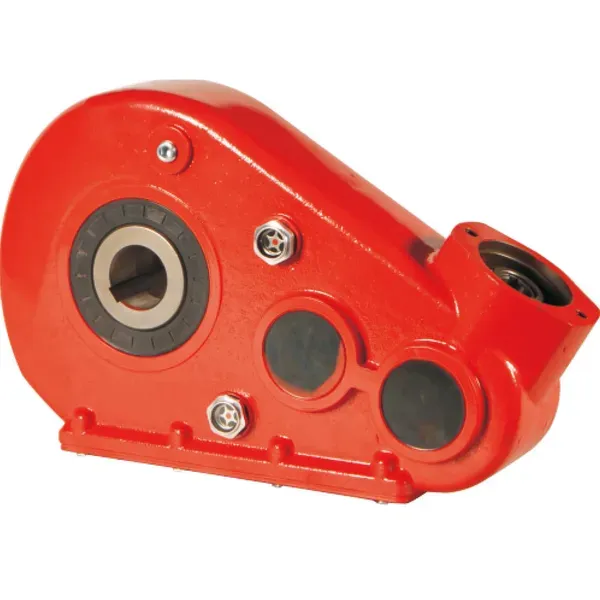
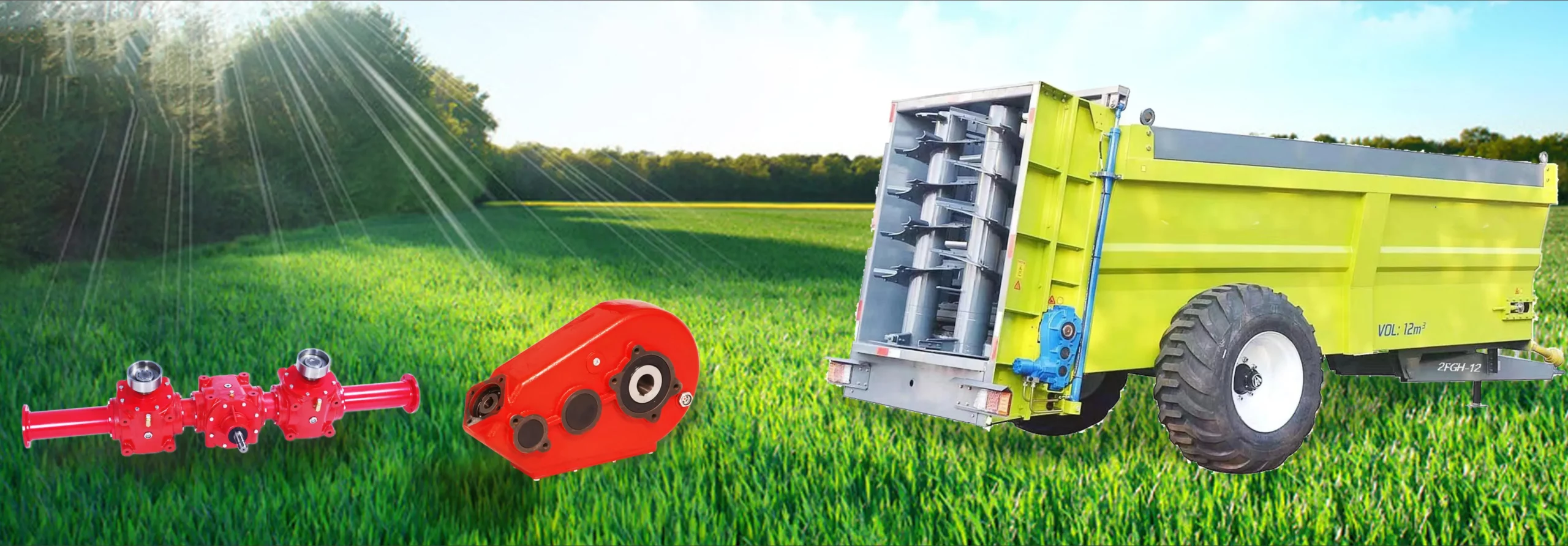
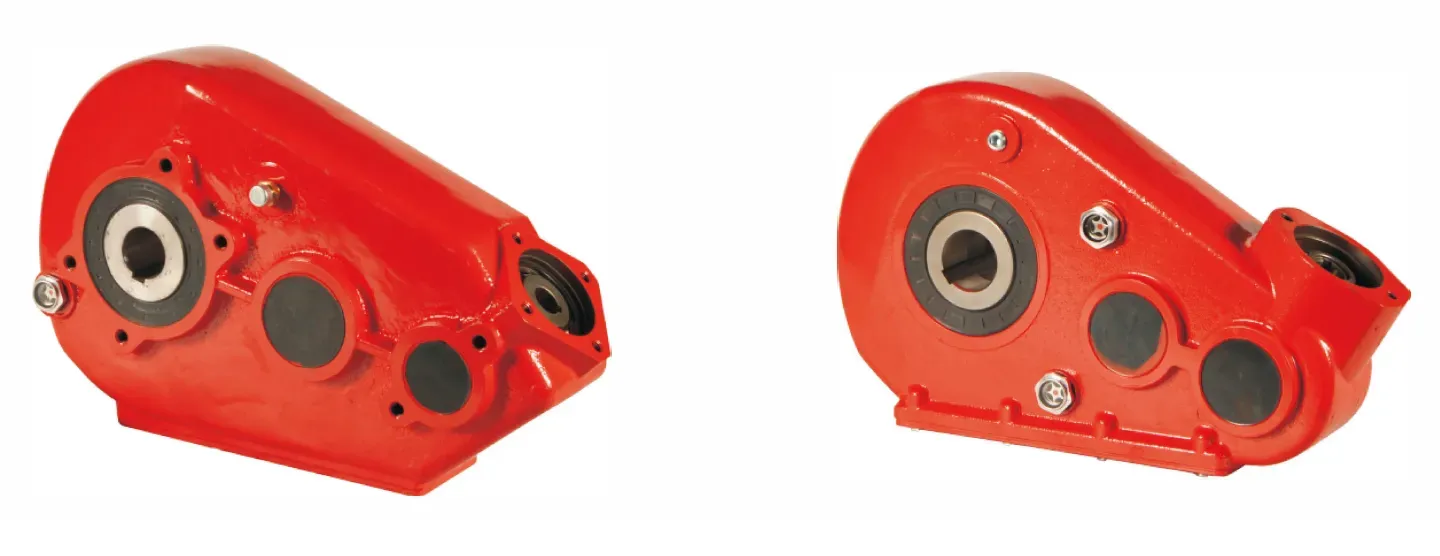
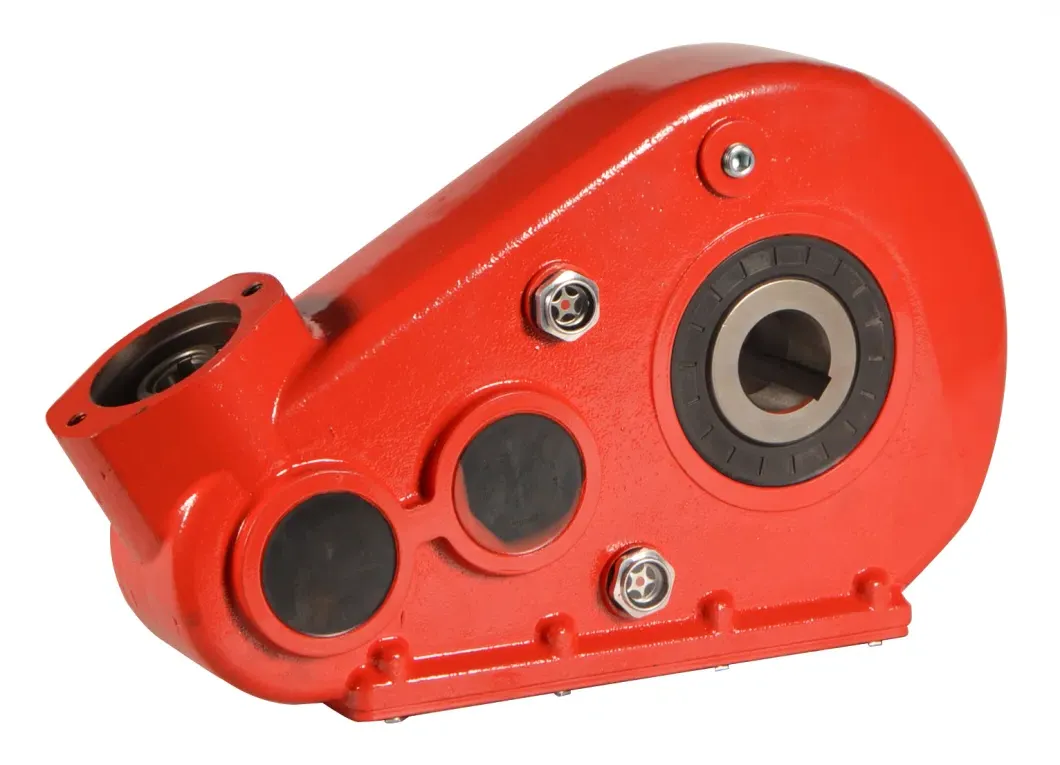
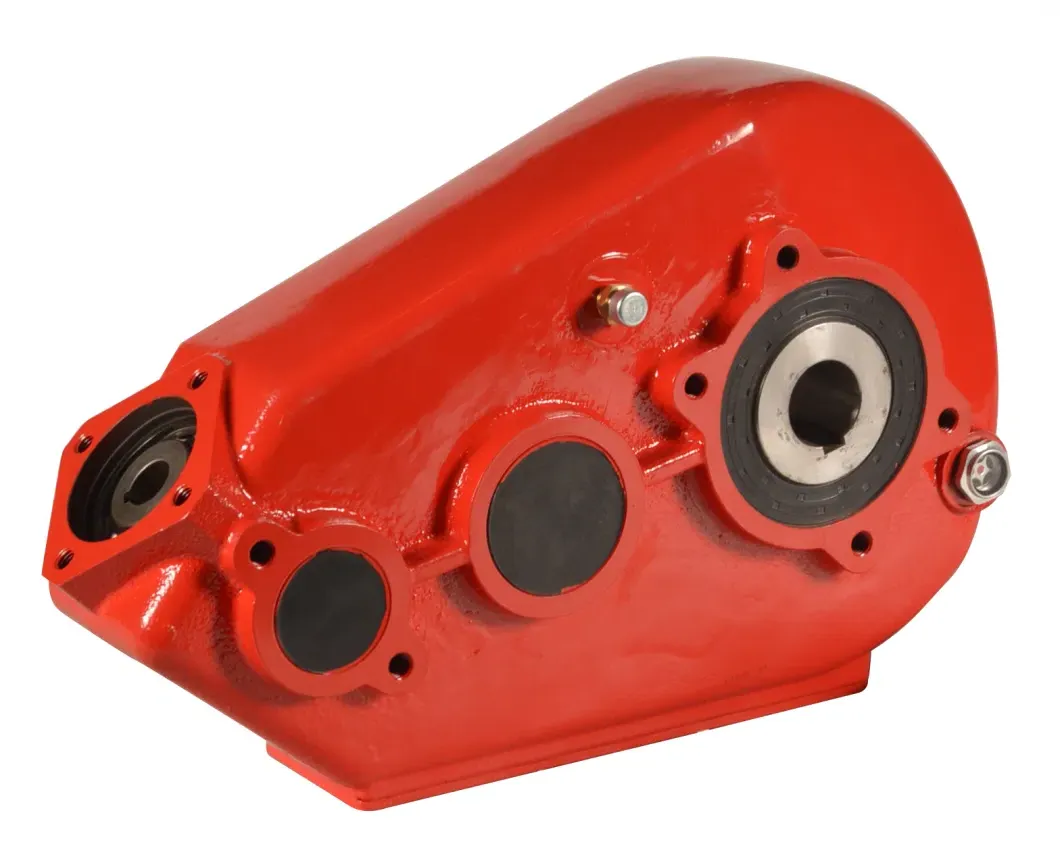
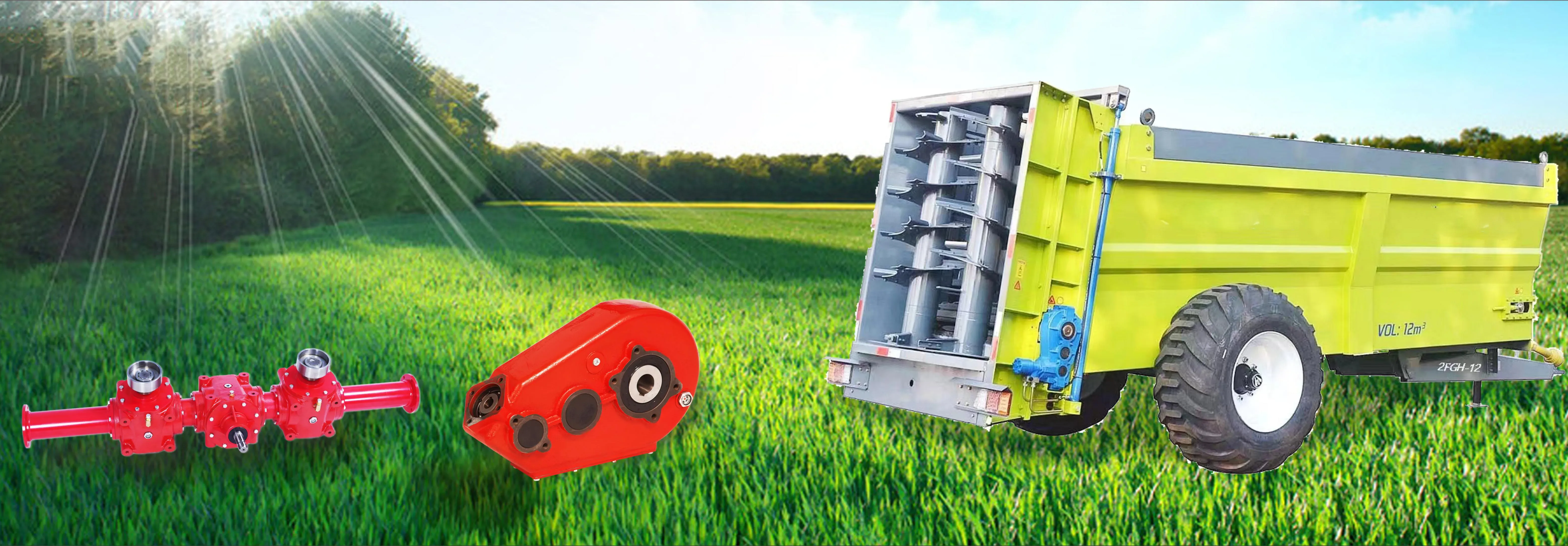
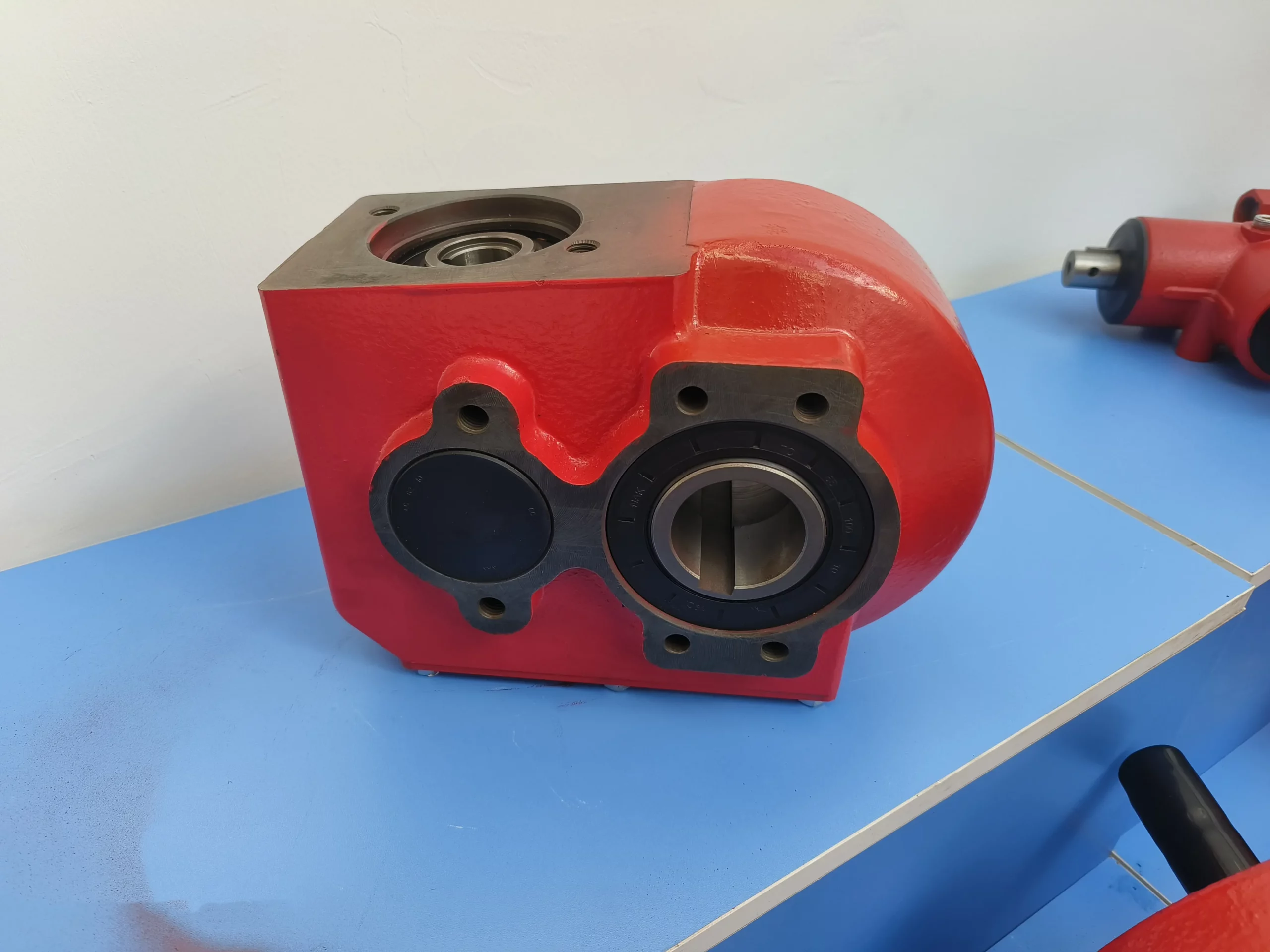
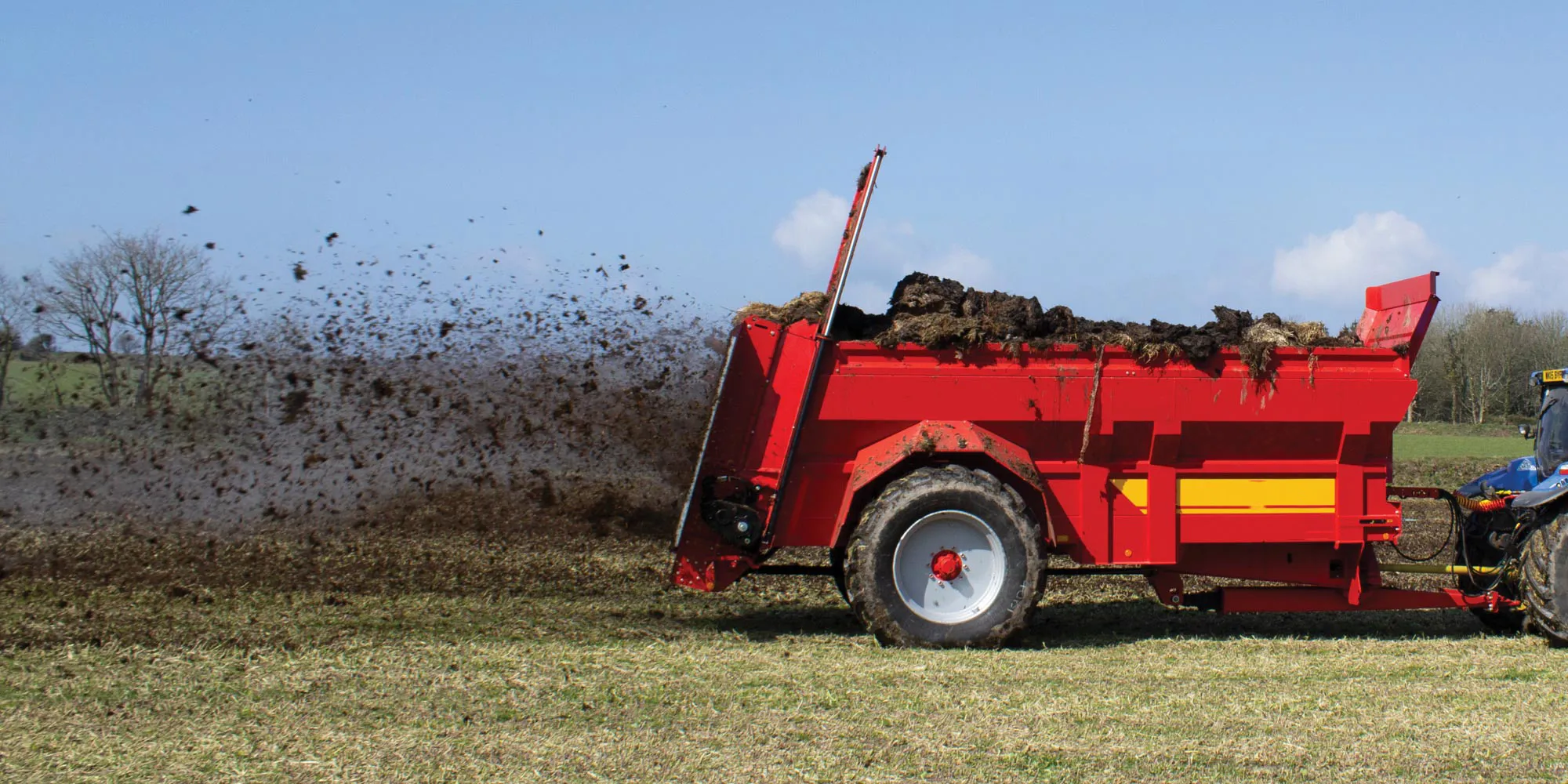
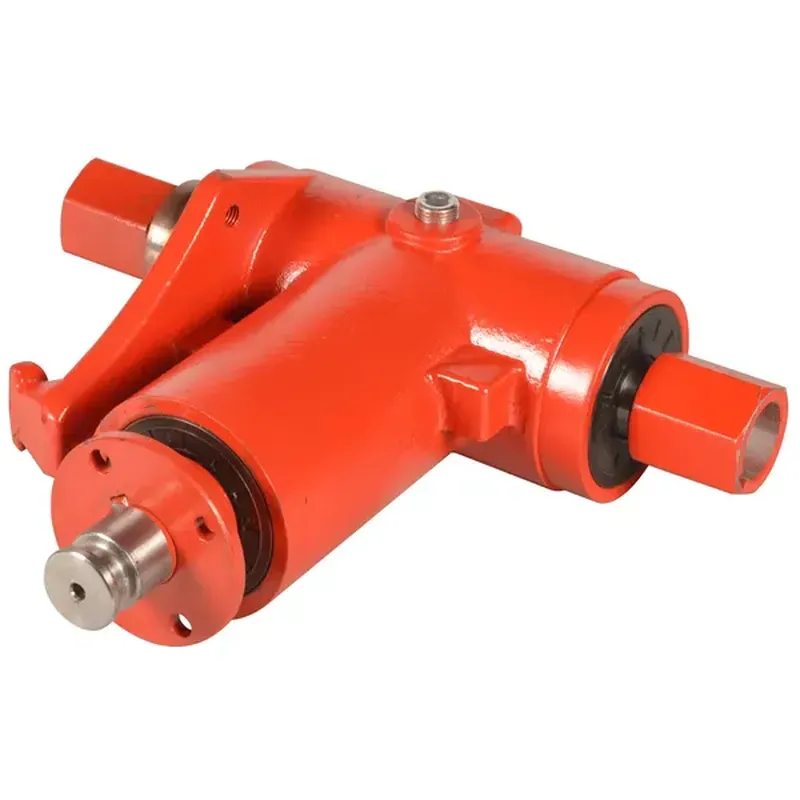
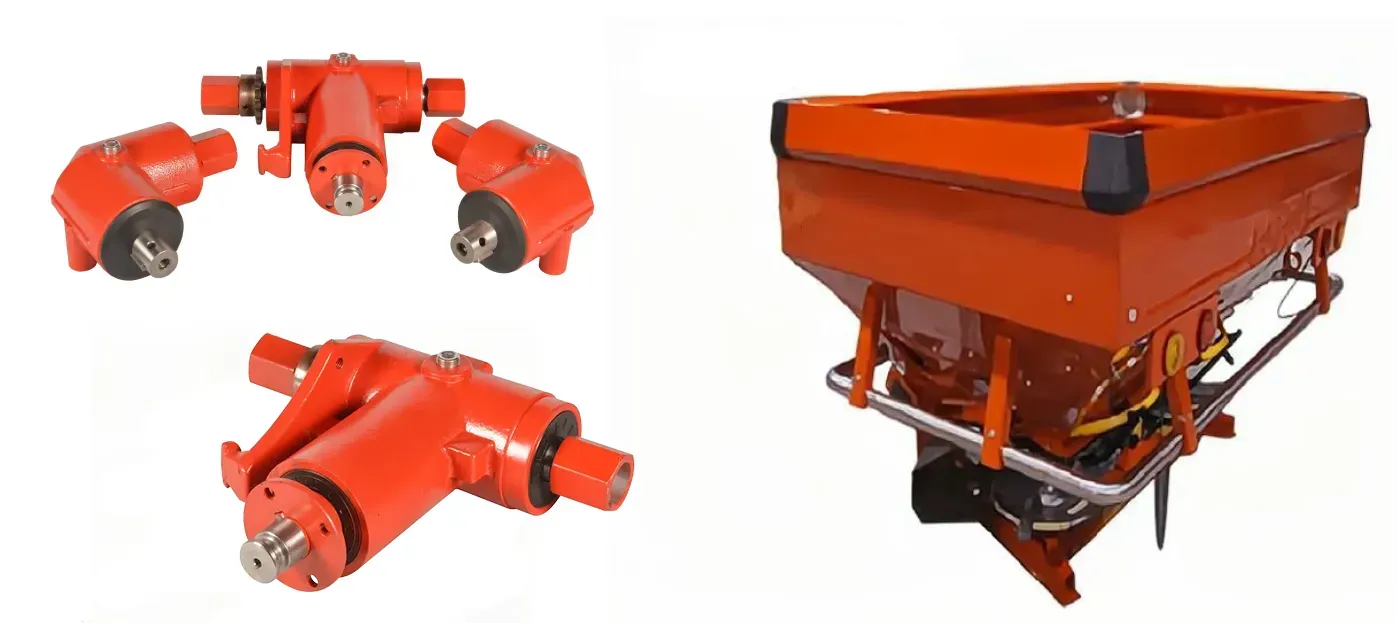
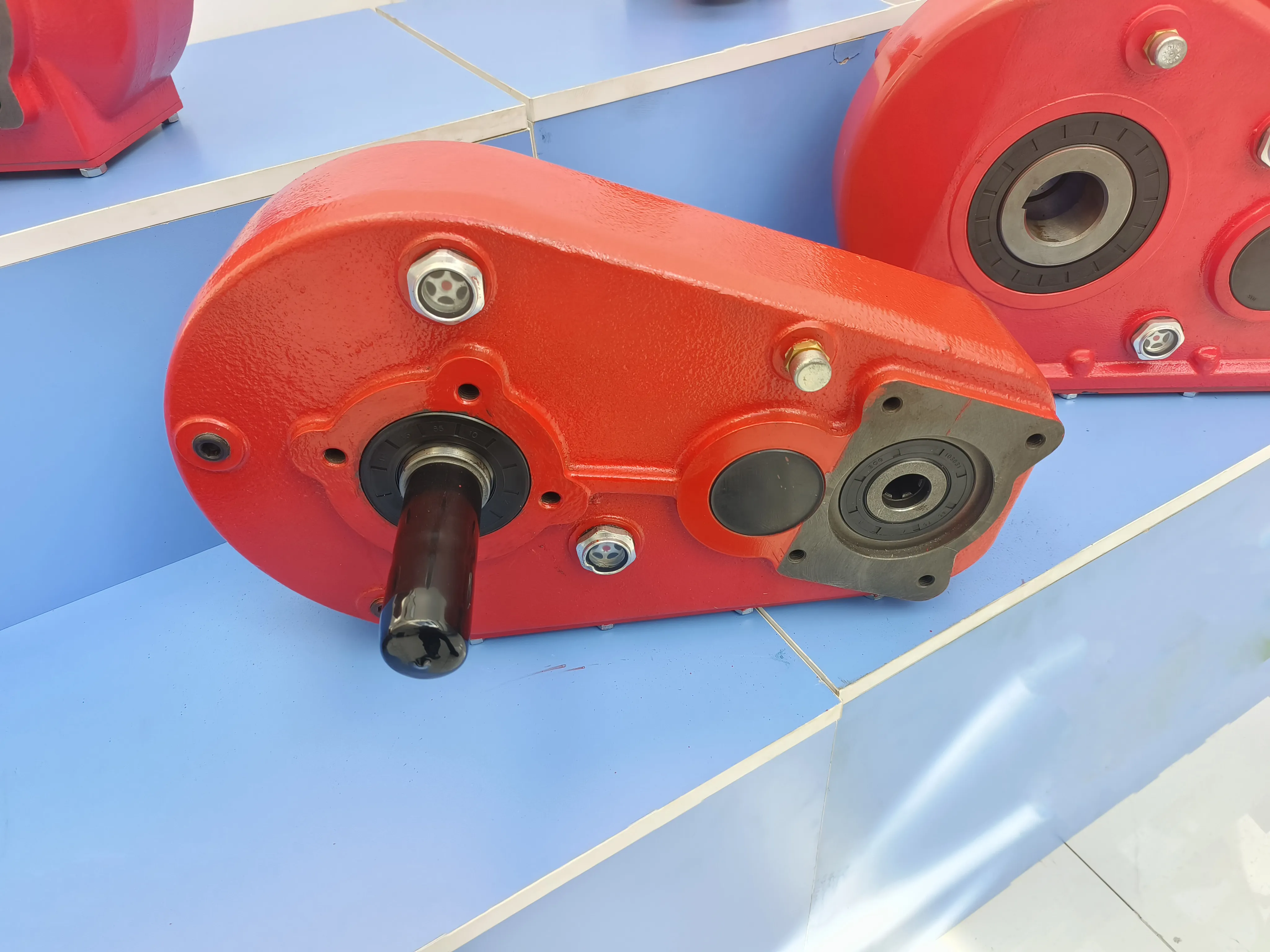
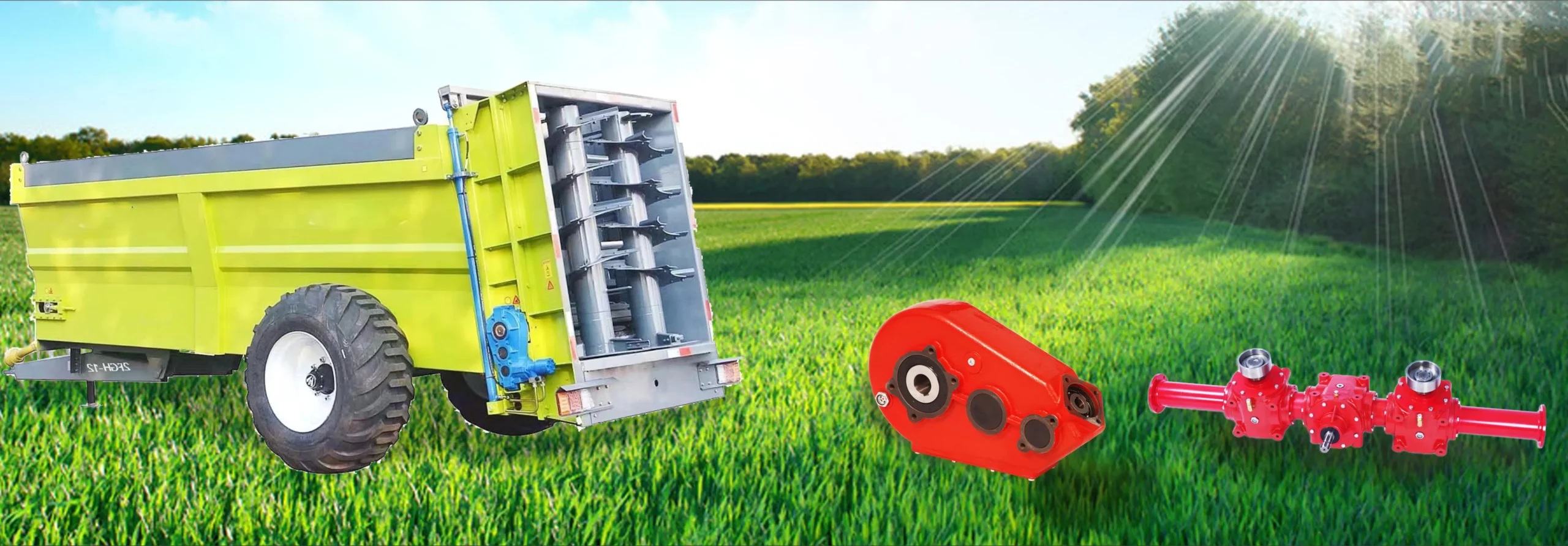
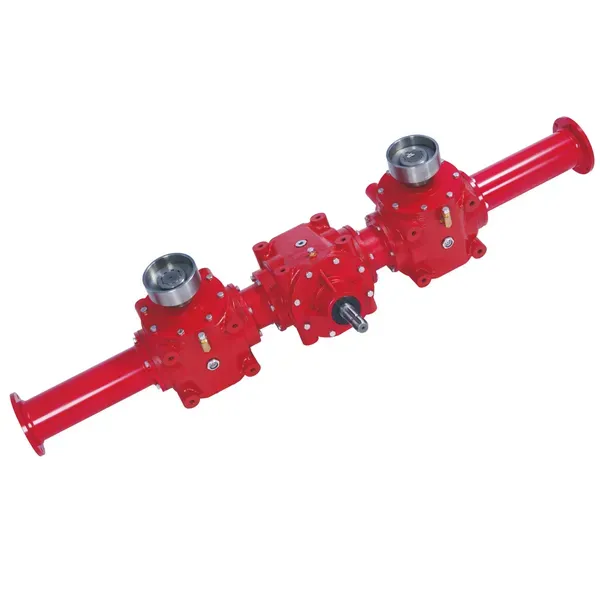
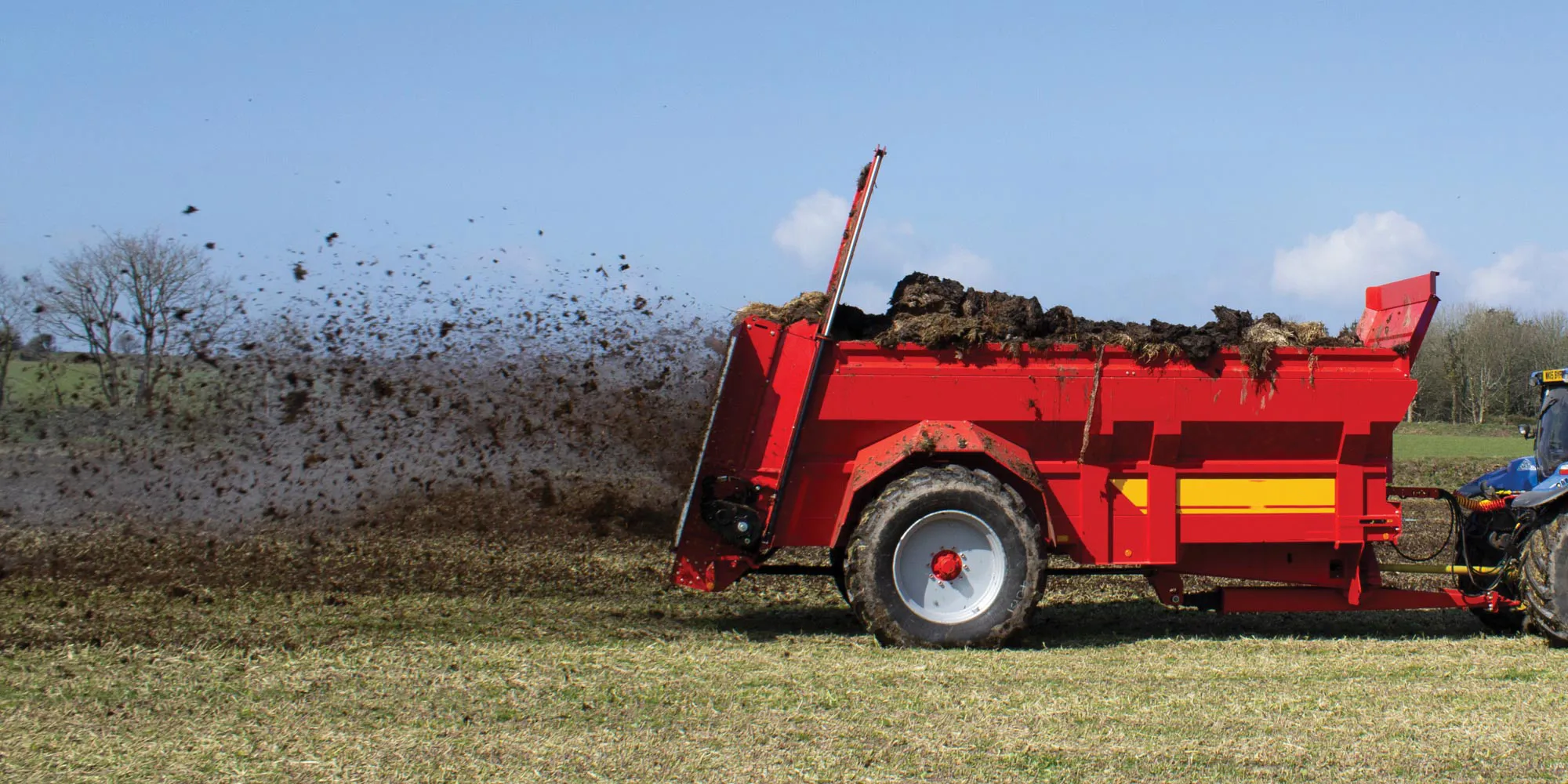
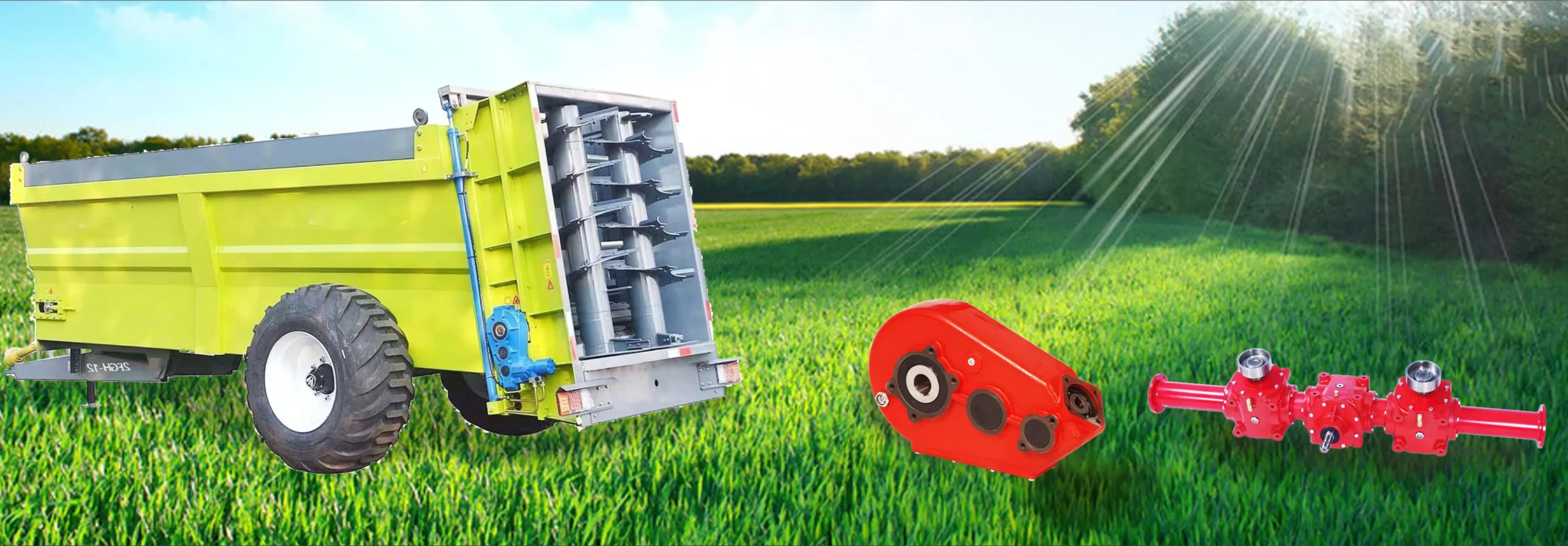
A manure spreader gearbox is a crucial component in agricultural machinery, particularly in the operation of a manure spreader. The gearbox essentially converts the power from the tractor into the required mechanical action to distribute manure evenly over fields as fertilizer. This mechanical system is specifically designed for high torque and low-speed operations, ensuring an efficient and uniform spread of manure.
Key Benefits:
Using a manure spreader gearbox in agricultural operations offers several significant benefits:
1. Enhanced Efficiency
The gearbox in a manure spreader is crucial for controlling the discharge rate and spread pattern, ensuring manure is evenly distributed across fields. This uniform distribution is key to preventing nutrient-rich zones from overlapping, which can lead to over-fertilization and potential crop damage. By ensuring an even spread, crops can absorb nutrients more effectively, promoting uniform growth throughout the field.
2. Increased Productivity
By mechanizing the spreading of manure, the gearbox reduces the labor and time traditionally required for manual spreading. This efficiency allows farmers to treat larger areas in less time, significantly boosting overall farm productivity. It also minimizes human error and fatigue associated with manual labor, further enhancing operational efficiency.
3. Improved Soil Health
Uniform manure spreading helps enhance soil fertility by adding organic matter that improves soil structure and aeration. This leads to better root growth and enhanced water retention, crucial for healthy crop development. Additionally, the gradual decomposition of organic matter provides a sustained release of nutrients, which is more beneficial for crop uptake than the quick release from synthetic fertilizers.
4. Durability and Reliability
Gearboxes in manure spreaders are built to endure the abrasive nature of manure and the varying outdoor conditions typical in farming. Their robust construction helps withstand regular exposure to moisture, dirt, and mechanical stress, ensuring reliable performance with minimal maintenance needs. This reliability is crucial for maintaining consistent farm operations and avoiding unexpected breakdowns.
5. Environmental Benefits
Properly spread manure minimizes the risk of runoff, which can lead to nutrient leaching into nearby water bodies, causing pollution and ecosystem disruption. The gearbox’s precise control over the spreader helps maintain environmental compliance and promotes sustainable farming practices by ensuring that nutrients are absorbed by the soil rather than washed away.
6. Adaptability
Manure spreader gearboxes often feature various settings that can be adjusted according to the type of manure and specific agricultural needs. This adaptability allows farmers to optimize their spreading operations based on soil type, crop requirements, and manure consistency, ensuring that each application meets the exact needs of the soil and crops, thus enhancing the effectiveness of the manure as a fertilizer.
Common Applications of the Manure Spreader Gearbox
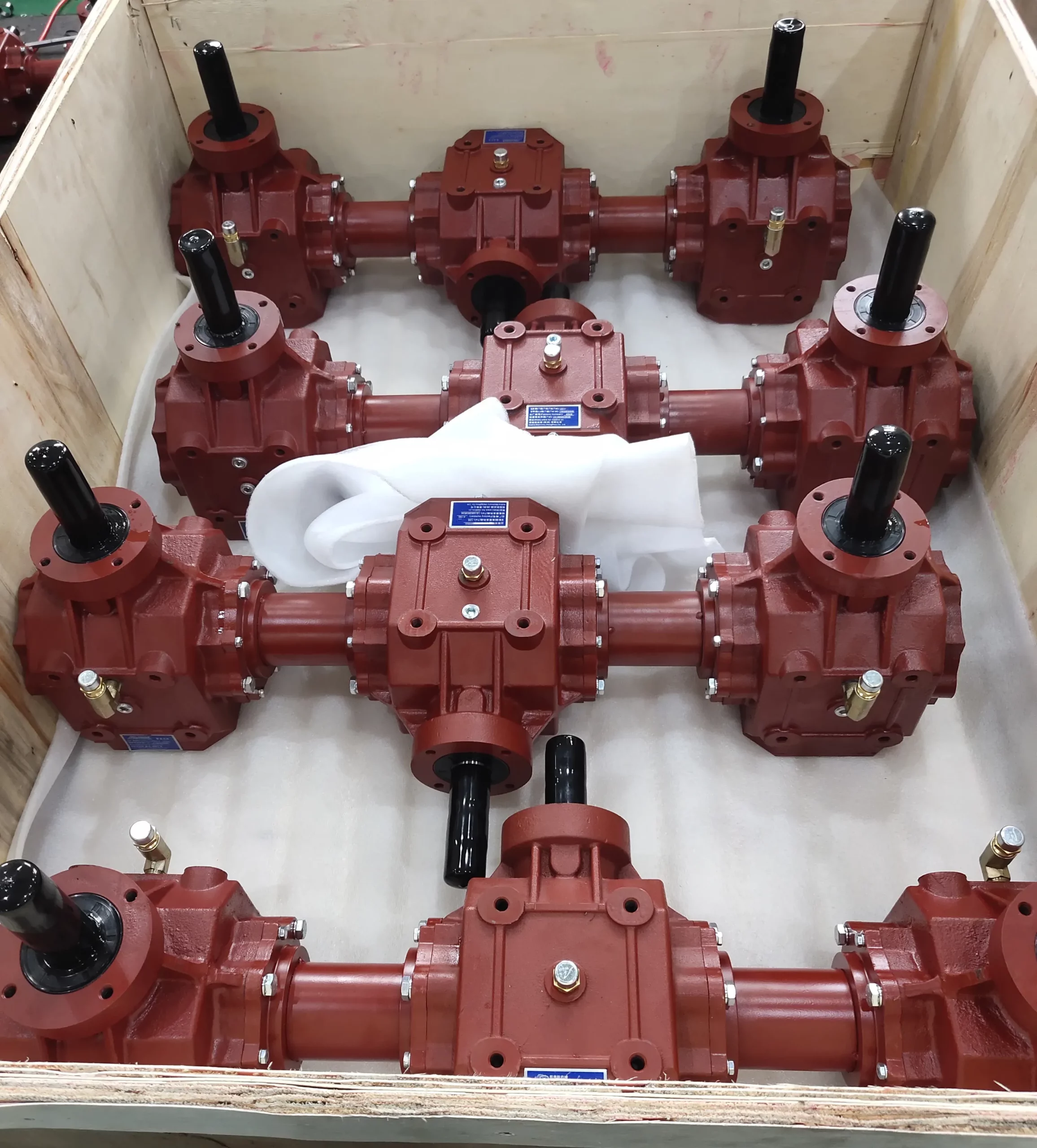
The manure spreader gearbox finds its application primarily in agriculture, aiding in various tasks that enhance farm productivity and soil health. Here are some common applications of the manure spreader gearbox:
1. Crop Farming
The primary use of the manure spreader gearbox is in crop farming, where it helps distribute organic manure evenly across fields. This application is essential for providing crops with necessary nutrients that enhance growth, improve yield, and increase resistance to diseases and pests. The gearbox ensures that manure is spread in a controlled manner, avoiding both under-fertilization and over-fertilization, which can be detrimental to crop health.
2. Orchards and Vineyards
In orchards and vineyards, precise nutrient management is crucial due to the sensitivity of fruits and vines to soil conditions. The manure spreader gearbox facilitates the uniform application of organic fertilizers, helping maintain soil fertility and pH levels. This is particularly important for sustaining high-quality fruit production over many seasons.
3. Pasture Management
The gearbox is also used in the management of pastures where livestock graze. Even the distribution of manure helps enhance soil quality and promote the growth of nutritious forage. This not only improves the health of the grazing animals by providing them with richer, more diverse pasturelands but also aids in maintaining the ecological balance of the grazing area.
4. Large Garden and Landscape Areas
Beyond commercial agriculture, manure spreader gearboxes are used in large residential or public gardens and parks. They help maintain soil fertility and support the landscaping efforts by providing a natural fertilizer option that enhances plant growth while being environmentally friendly.
5. Horticulture
In horticultural applications, such as the cultivation of vegetables and ornamental plants, the gearbox helps apply manure in precise quantities, which is crucial for delicate plants that require specific nutrient levels. Proper nutrient management through effective manure spreading can significantly impact the health and yield of these plants.

Working Principle:
The working principle of a manure spreader gearbox involves a series of mechanical interactions that enable the effective spreading of manure over agricultural fields. Here’s a step-by-step breakdown of how it functions:
1. Power Input
The manure spreader gearbox is typically powered by the tractor’s power take-off (PTO). The PTO transfers rotational power from the tractor’s engine to the gearbox. This connection allows the gearbox to harness the tractor’s mechanical energy to operate the manure spreading mechanisms.
2. Gear Transmission
Inside the gearbox, this rotational power is transmitted through a series of gears. These gears are designed to modify the input speed and torque according to the requirements of the spreading process. The arrangement and size of these gears determine how much the speed is increased or decreased, enabling precise control over the spreader’s output.
3. Speed and Torque Adjustment
The gearbox adjusts the speed and torque of the output shaft to suit the specific needs of manure spreading. By reducing the input speed and increasing the torque, the gearbox ensures that the spreading mechanism operates at the optimal speed for even distribution of manure.
4. Drive Mechanism Activation
The output from the gearbox drives the mechanical components of the manure spreader, such as chains, belts, or augers, depending on the spreader’s design. These components are responsible for moving the manure from the storage area to the spreading mechanism.
5. Spreading Mechanism Operation
The final stage involves the actual dispersal of manure. This can be achieved through various mechanisms such as spinning disks, flinging tines, or sliding plates, which scatter the manure across the field. The speed and force with which these mechanisms operate are crucial for ensuring that manure is spread evenly and at the desired coverage rate.
Installation Steps:
Installing a manure spreader gearbox is a detailed process that requires attention to safety and precision to ensure optimal performance and prevent mechanical failures. Here are the general steps involved in installing a manure spreader gearbox:
1. Preparation and Safety Checks
Before installation begins, ensure the tractor and manure spreader is on stable, level ground, and the ignition is turned off to prevent any accidental operation. Gather all necessary tools and parts for the installation. Check the gearbox and all accompanying components for any signs of damage or defects to avoid issues during and after installation.
2. Mounting the Gearbox
Position the gearbox onto the manure spreader, aligning it with the mounting points provided. It is crucial that the gearbox is mounted securely to prevent any movement that could lead to misalignment. Use bolts and nuts to secure the gearbox in place, ensuring they are tightened to the manual’s specifications to avoid any loose connections that could cause operational failures.
3. Connecting to the Power Take-Off (PTO)
Attach the gearbox’s input shaft to the tractor’s PTO shaft. This connection must be tight and secure, with the PTO shaft correctly aligned to avoid undue stress on the gearbox. Ensure that all safety shields are in place to protect the operator and others nearby from moving parts.
4. Linking Drive Components
Depending on the manure spreader’s design, connect the gearbox’s output to the drive mechanisms of the spreader, such as chains or belts. These connections must be accurately aligned and tensioned to ensure efficient transfer of power from the gearbox to the spreading mechanism.
5. Testing Rotational Movement
Once all mechanical connections are made, perform a manual test of the gearbox by rotating the input shaft by hand. This check is to ensure that there is smooth transmission of motion to the spreading mechanisms without any unusual resistance or noise, indicating a correct installation.
6. Operational Testing
After manual checks, conduct a test run with the tractor at a low speed to verify the functionality of the gearbox in operation. Observe the manure spreader during operation to ensure that the manure is being spread evenly and that there are no signs of mechanical distress. Adjustments may be necessary if any issues are observed.
Manure Spreader Gearbox Troubleshooting Steps
Troubleshooting a manure spreader gearbox involves identifying and resolving common issues that may affect its performance and longevity. Here are some typical problems and their potential solutions:
1. Excessive Noise or Vibration
Unusual noise or vibration often indicates misalignment or imbalance in the gearbox or its connected components. Check for loose or worn-out gears and bearings and ensure that all connections are tight. Additionally, ensure the gearbox is properly aligned with the power take-off and the spreading mechanisms.
2. Leakage of Oil
If oil leaks are observed, it could be due to worn seals or gaskets or possibly a crack in the gearbox casing. Inspect the gearbox for any damaged parts and replace the seals or gaskets as necessary. Ensure the gearbox is not overfilled with oil, as this can also cause leaks.
3. Overheating
Gearbox overheating can be caused by inadequate lubrication, excessive load, or operating at too high of a speed. Check the oil level and quality; replace it if it’s degraded. Also, consider reducing the load on the gearbox or adjusting the operational speed to within recommended limits.
4. Difficulty in Engaging or Disengaging
If the gearbox is hard to engage or disengage, this might be due to a misalignment between the gearbox and the tractor’s PTO, or an issue with the clutch mechanism. Ensure all connections are properly aligned and functioning smoothly. Check the clutch for wear and adjust or replace it as needed.
5. Reduced Spreading Efficiency
When the manure is not being spread evenly or effectively, the issue may lie in the connection between the gearbox and the spreading mechanism. Inspect for any wear or damage on the drive belts, chains, or gears that connect the gearbox to the spreader. Adjust the tension or replace worn parts as necessary.
6. Gear Slipping or Failure
Gear slipping or failure to transmit power can be caused by worn gears or inadequate lubrication. Inspect the gears for wear and ensure that the gearbox is correctly lubricated with the right type of oil. If wear is extensive, the damaged gears need to be replaced.
Why Choose EVER-POWER’s Manure Spreader Gearbox?
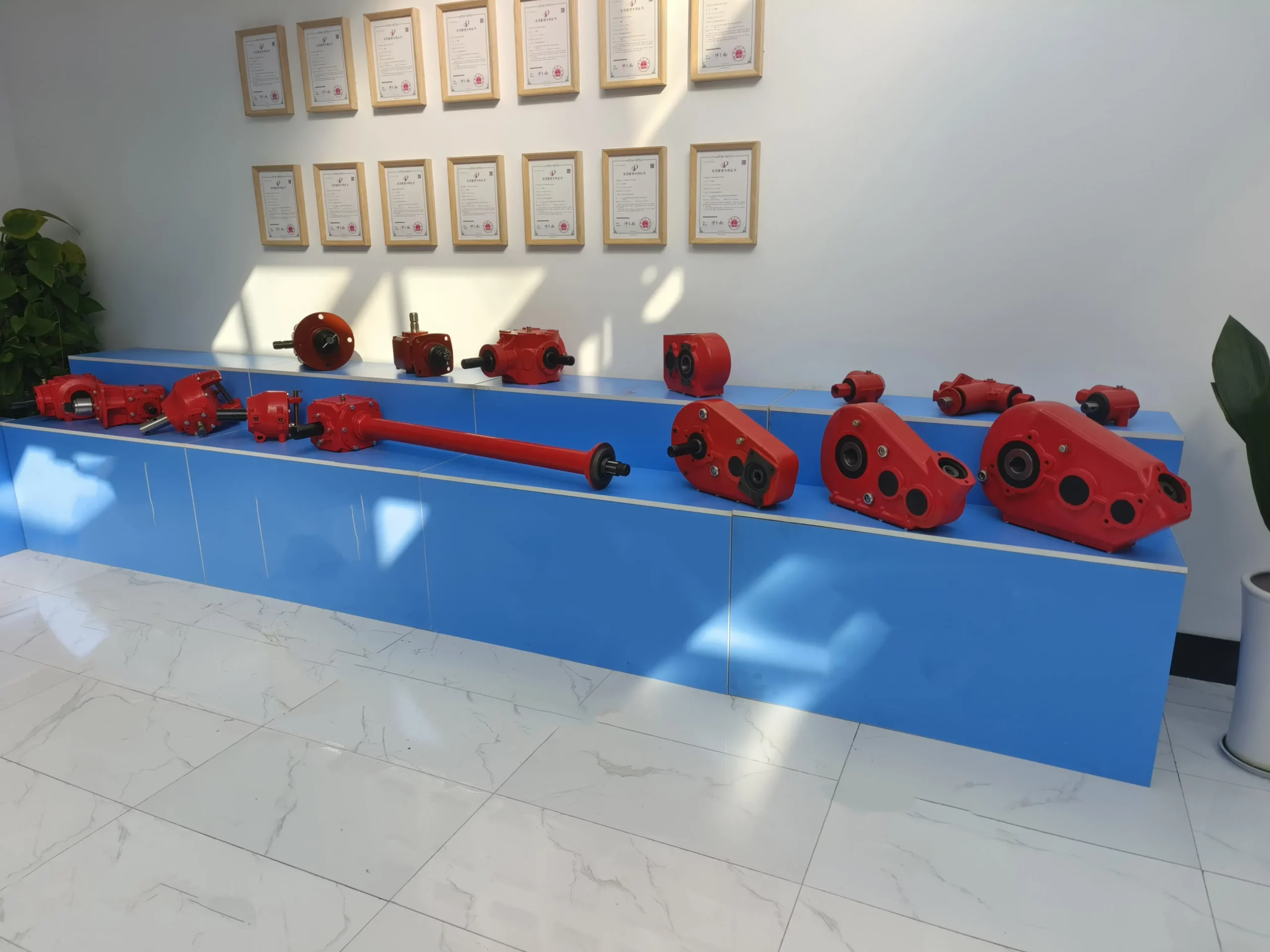
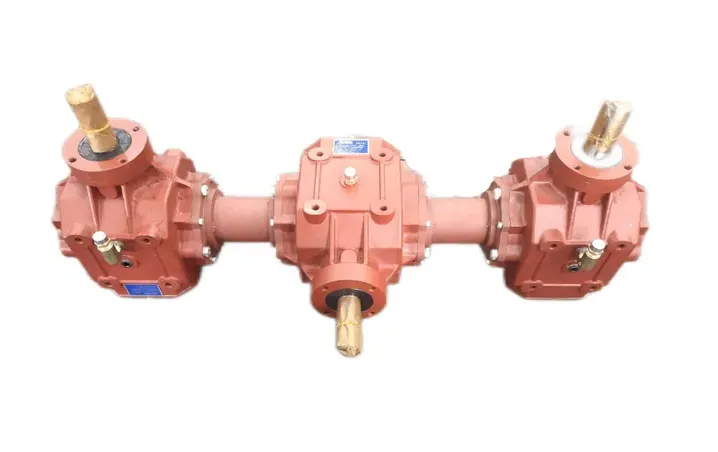
EVER-POWER is a prominent manufacturer of high-performance manure spreader gearboxes for a variety of applications. Our manure spreader gearboxes are perfect replacements for John Deere, New Holland, Kuhn, Massey Ferguson, CLAAS, AGCO, Case IH, Kubota, Artex, Knight, Peecon, Bergmann, Samson Agro, Annaburger, Bunning, Kirchner, Vredo, Teagle and other brands of gearboxes. Our technical staff can reconfigure an existing design or assist you in designing a custom agricultural PTO gearbox if a standard or existing design does not fit your application. Shaft rotation, speed ratio, design type, load nature, mounting position, and the application’s environment are all considerations when choosing an agricultural gearbox.
We can offer many types of agricultural gearboxes and PTO shafts, such as rotary cutter gearboxes, rotary tiller gearboxes, feed mixer gearboxes, lawn mower gearboxes, fertilizer spreader gearboxes, flail mower gearboxes, post hole digger gearboxes, corn headers gearboxes, fertilizer mixer gearboxes, round baler gearboxes, square baler gearboxes, irrigation reels gearboxes, manure spreader gearboxes, fertilizer seeder gearboxes, rotary rake gearboxes, gearbox for hay tedders, etc. If you want to buy manure spreader gearboxes, please get in touch with us.
About EVER-POWER
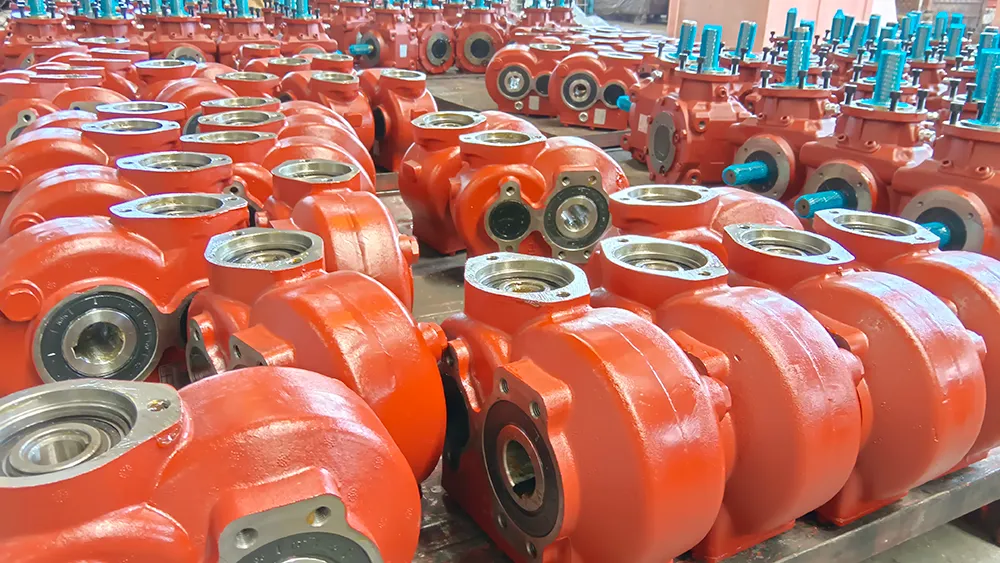
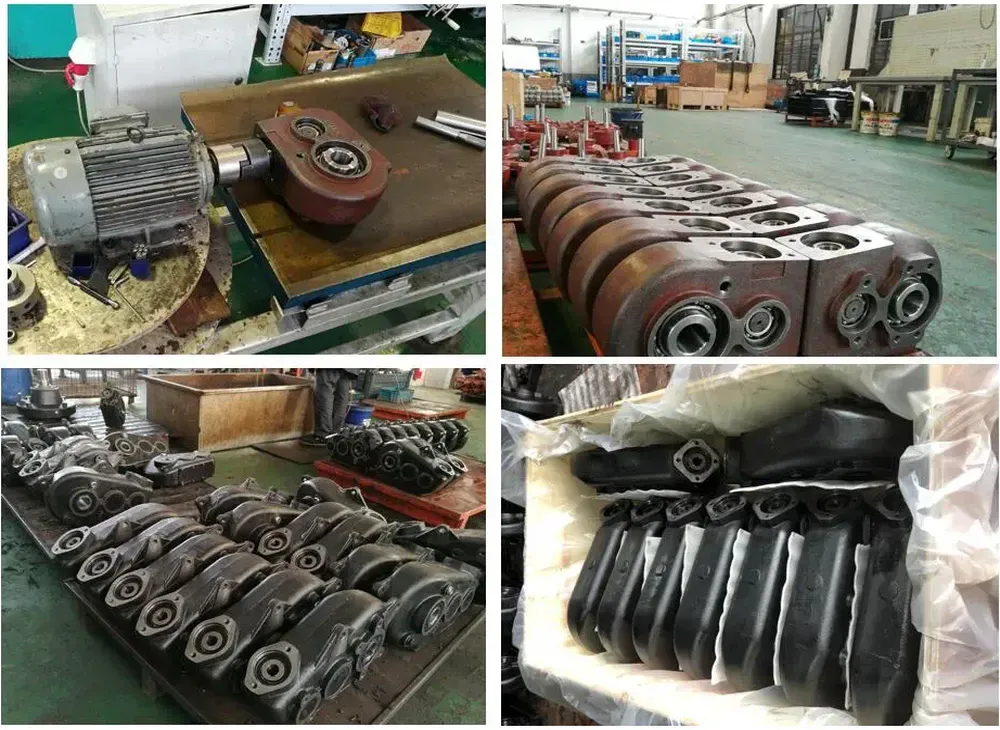
EVER-POWER is a leading company in the field of agricultural machinery production. We hold international certifications for quality and safety, ensuring that our products meet the highest standards. We offer customized services, tailoring our products to meet your specific agricultural needs. Our production facilities utilize advanced technology to ensure the durability and efficiency of our gearboxes. We also offer excellent after-sales services, providing support and assistance throughout the life cycle of our products.
Author: Yjx