What is a Manure Spreader Gearbox?
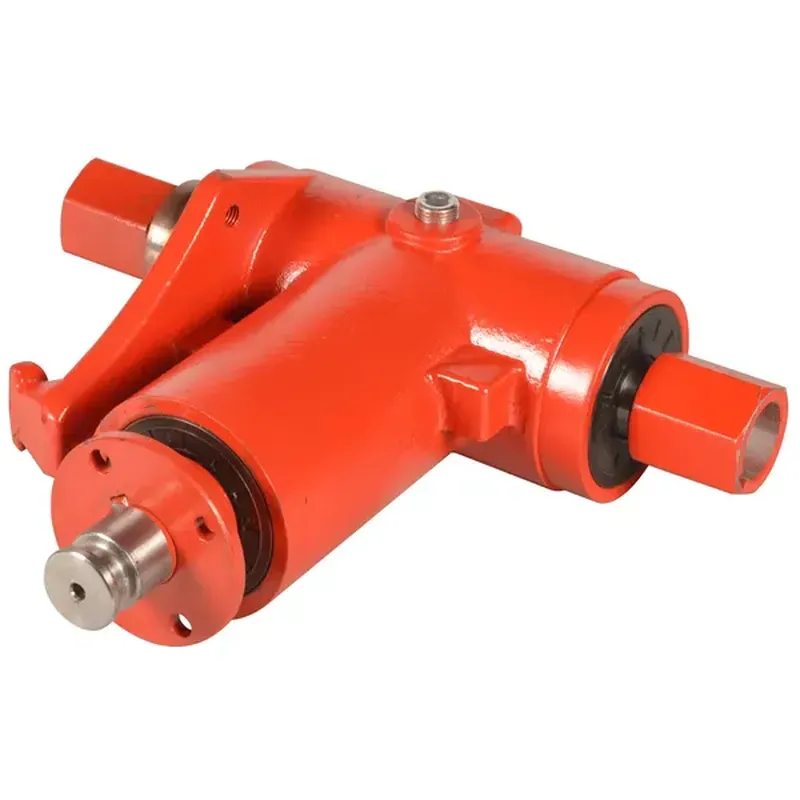
A Manure Spreader Gearbox is a critical component used in agriculture, specifically in the operation of a manure spreader. This vital mechanical device converts the power from the tractor into necessary actions to efficiently distribute manure over fields as fertilizer.
Advantages of Using a Manure Spreader Gearbox
A Manure Spreader Gearbox has several key advantages, which include:
- Efficient Power Conversion: It transforms high-speed, low-torque rotation from the tractor’s PTO shaft into lower-speed, higher-torque output. This is vital as spreading manure efficiently requires high torque but not necessarily high speeds.
- Integrated Functionality: It works in tandem with other components like conveyors and beaters to distribute power evenly, leading to effective manure spreading.
- Adjustability: It allows for adjustments based on the type of manure being spread, desired spread width, and the amount of manure applied per acre.
- Enhances Productivity: It helps in increasing the efficiency and productivity of farming operations, as manure is spread evenly and in the right quantities.
- Durability: It is designed to withstand tough farming conditions, ensuring longevity and reliable performance.
- Customization: Different designs and configurations can be made available to suit specific farm requirements.
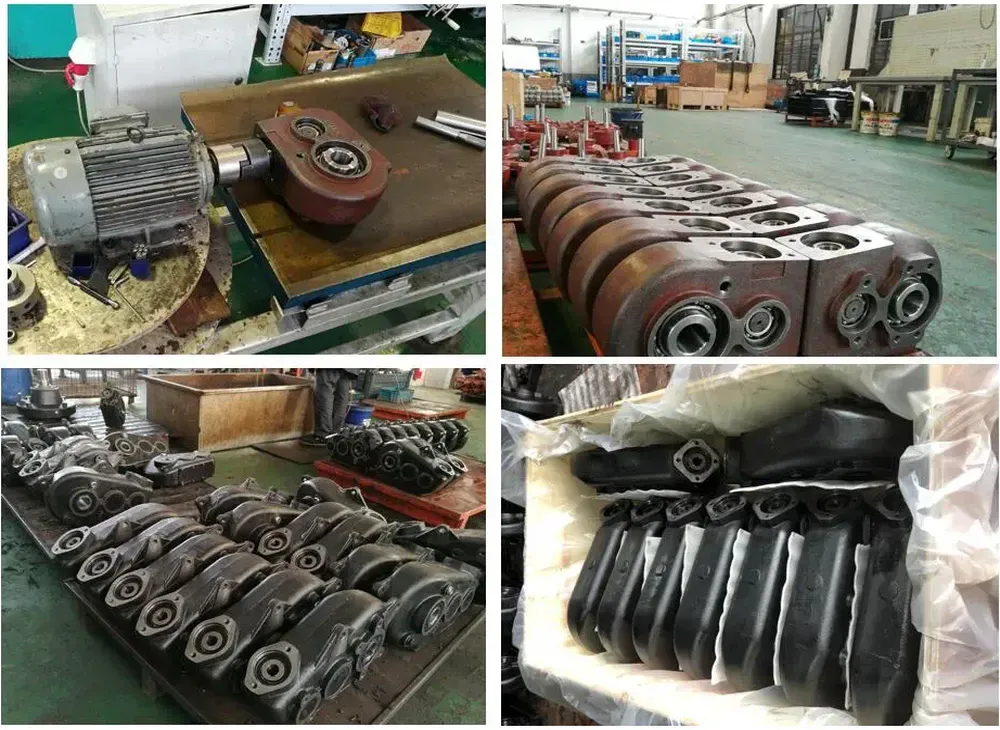
At EVER-POWER, we specialize in producing high-quality, durable, and efficient Manure Spreader Gearboxes that meet your specific needs.
Applications of a Manure Spreader Gearbox
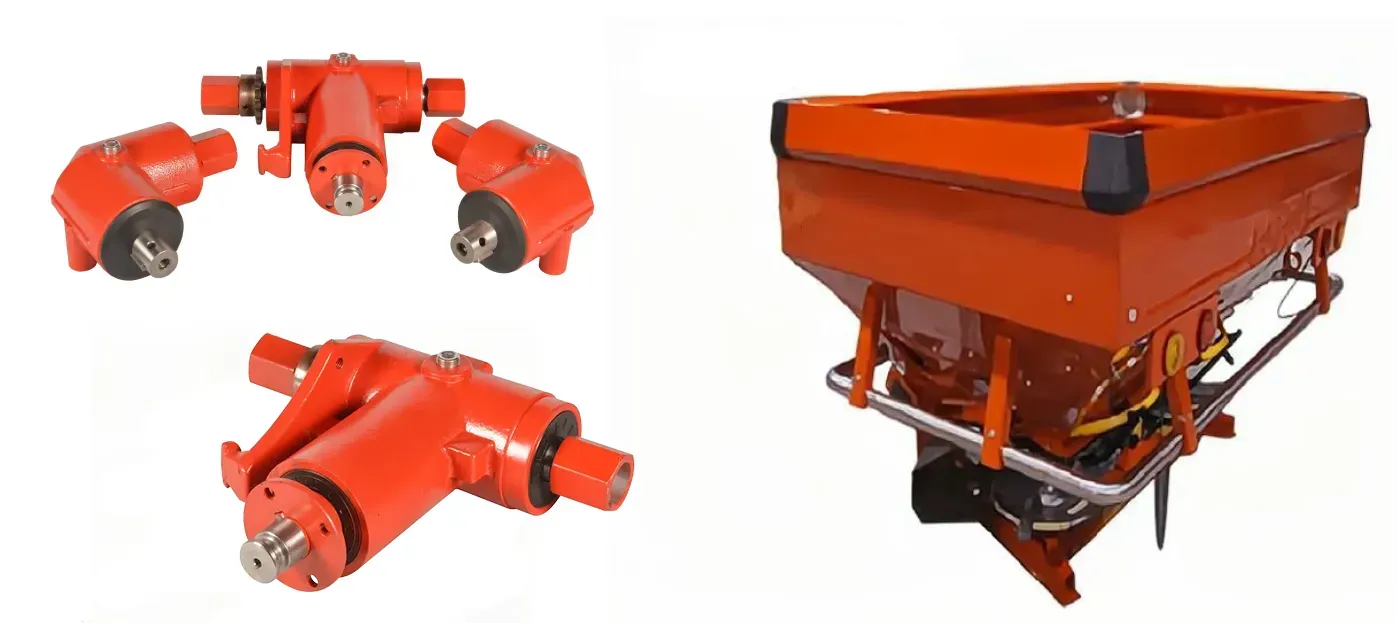
Manure Spreader Gearboxes have wide-ranging applications, which include:
- Manure spreading in various agricultural fields.
- Used in different types of manure spreaders, from small-scale farm machinery to large industrial manure spreaders.
- Adaptable to different types of tractors and power sources.
- Can be used in other farming equipment requiring power conversion and distribution.
- Application in organic farming for even spreading of organic manure.
- Utilized in waste management in farms where manure is spread as a method of disposal.

Working Principle of the Manure Spreader Gearbox
The working principle of a manure spreader gearbox is fundamentally tied to the overall operation of a manure spreader, which is used in agriculture to distribute manure over fields as a fertilizer. The gearbox is a crucial component in this process, as it converts the power from the tractor into the necessary mechanical action to spread the manure. Here’s a simplified explanation of how it works:
- Power Source Connection: The manure spreader is typically powered by a tractor. The gearbox is connected to the tractor’s PTO shaft. This shaft transfers the engine’s power from the tractor to the manure spreader.
- Speed and Torque Conversion: Once the power reaches the gearbox, it converts the high-speed, low-torque rotation from the tractor’s PTO shaft into lower-speed, higher-torque output. This conversion is crucial because spreading manure efficiently requires a lot of torque but not necessarily high speeds.
- Mechanical Movement: The converted power is then transmitted to the various components of the manure spreader. In a typical setup, this includes driving mechanisms such as conveyors or beaters. The gearbox might directly drive these components or work in conjunction with chains and sprockets to distribute the power evenly.
- Manure Spreading: The beaters, which are rotating mechanisms with paddles or tines, throw the manure out of the spreader and onto the field. Simultaneously, a conveyor system moves the manure from the storage area towards the beaters. The speed at which the conveyor moves can often be adjusted to control the rate of manure application, which is critical for ensuring that the nutrients are spread evenly and in the right quantities.
- Adjustability and Control: Many modern manure spreaders allow for adjustments to the gearbox output, which can change the spreader’s operation based on the type of manure being spread, the desired spread width, and the amount of manure applied per acre. This might involve changing gears manually or through hydraulic systems that adjust the gear ratios automatically.

Structural Components of the Manure Spreader Gearbox
The structural components of a manure spreader gearbox play critical roles in its operation, converting power from the tractor into the mechanical action needed to spread manure efficiently across fields. A typical gearbox, especially in the context of agricultural equipment like manure spreaders, includes several key parts, each contributing to its functionality:
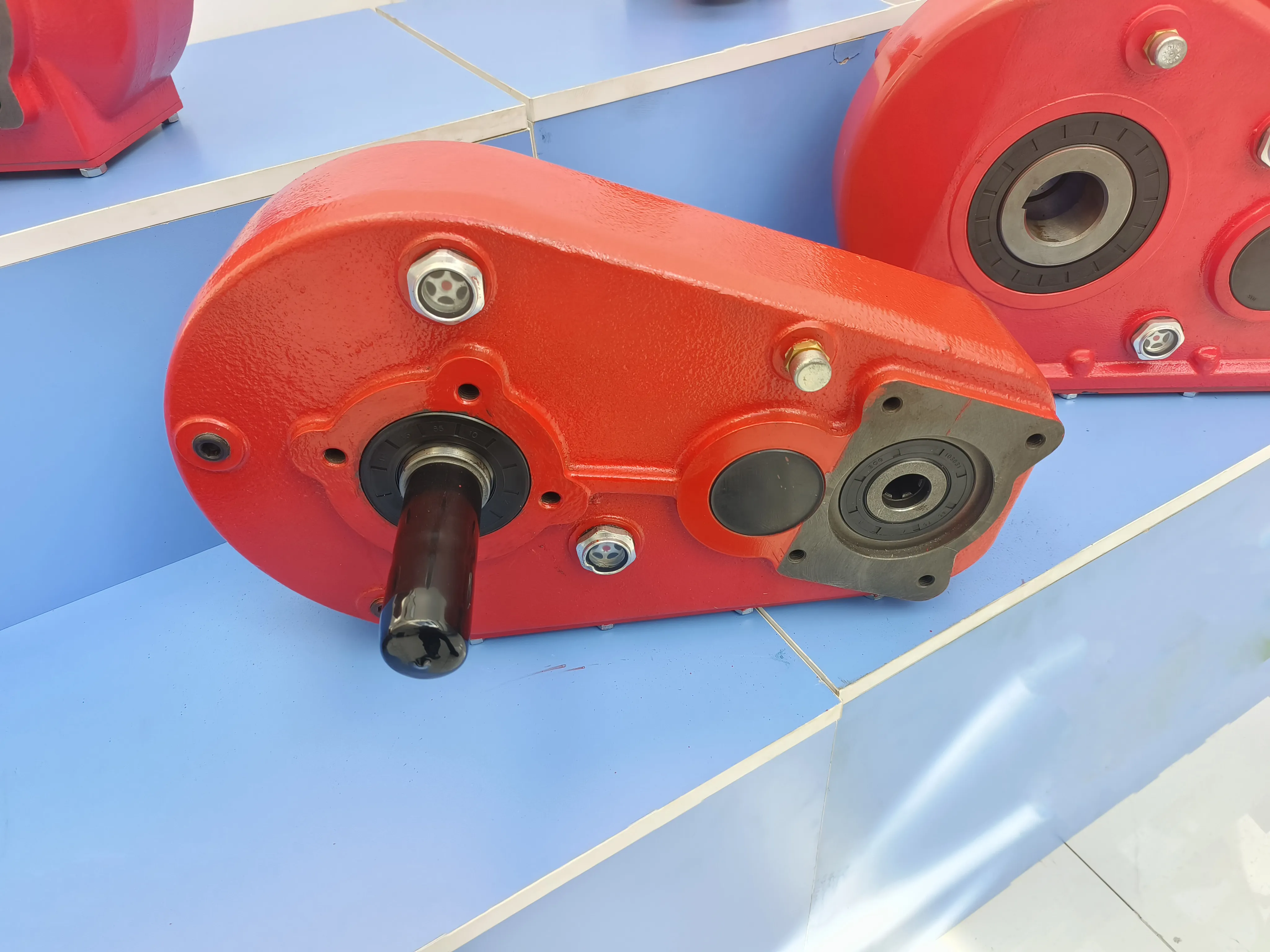
- Housing: The housing is the outer shell that protects the internal components of the gearbox. It’s usually made of cast iron or aluminum for durability and strength. The housing also serves as a framework that supports all internal components and often includes mounting points for securing the gearbox to the manure spreader.
- Gears: Inside the gearbox are various gears, including spur gears, helical gears, or bevel gears, depending on the design and requirements of the spreader. These gears interlock in specific configurations to change the speed and torque of the output shaft relative to the input shaft. The arrangement determines the reduction ratio and the direction of the output.
- Bearings: Bearings support the rotating shafts within the gearbox, reducing friction and wear. Common types used in gearboxes include ball bearings, roller bearings, and needle bearings. They are critical for the smooth operation of the gears and help to extend the life of the gearbox.
- Shafts: The input shaft is connected to the PTO from the tractor, transmitting power into the gearbox. The output shafts then carry the modified power (reduced speed and increased torque) to the spreading mechanism of the manure spreader.
- Seals: Seals are used to prevent the leakage of lubricant from the gearbox and to keep out dirt, moisture, and other contaminants. Proper sealing is vital for the longevity and efficiency of the gearbox.
- Lubrication System: Gearboxes typically contain an internal lubrication system to minimize wear and heat from friction between moving parts. This system might include splash lubrication, where gears dip into an oil sump, or forced lubrication, where oil is pumped to necessary areas.
How to Install the Manure Spreader Gearbox to Manure Spreader
Installing a gearbox on a manure spreader is a critical process that ensures the efficient operation of the spreader. Installing a manure spreader gearbox onto a manure spreader typically involves the following steps:
- Position the gearbox: Carefully position the gearbox near the installation site on the manure spreader. If the gearbox is heavy, you may need mechanical assistance or a lifting device to safely move it into place.
- Align the gearbox: Align the gearbox with the mounting points on the manure spreader. Ensure that the output shaft of the gearbox is correctly aligned with the drive mechanism of the spreader (e.g., the conveyor belt or spreading mechanism).
- Secure the gearbox: Once aligned, secure the gearbox to the manure spreader using bolts or mounting hardware provided. Tighten the bolts by hand initially to ensure proper alignment.
- Torque the bolts: Use a torque wrench to tighten the bolts to the manufacturer’s specified torque settings. This ensures a secure fit without over-tightening, which could damage the components.
- Connect the driveline: Attach the driveline from the tractor’s PTO shaft to the input shaft of the gearbox. Ensure that the driveline is correctly aligned and securely fastened to prevent disconnection during operation. Go over all connections, bolts, and fasteners to ensure everything is tight and secure.
- Test the installation: Once everything is installed and checked, connect the manure spreader to the tractor. Perform a test run at a low speed in an open area to ensure the gearbox operates smoothly and the manure spreader functions as expected. Listen for any unusual noises and observe the operation of the spreading mechanism to confirm proper installation.
Choose the Right Manure Spreader Gearbox for Manure Spreader
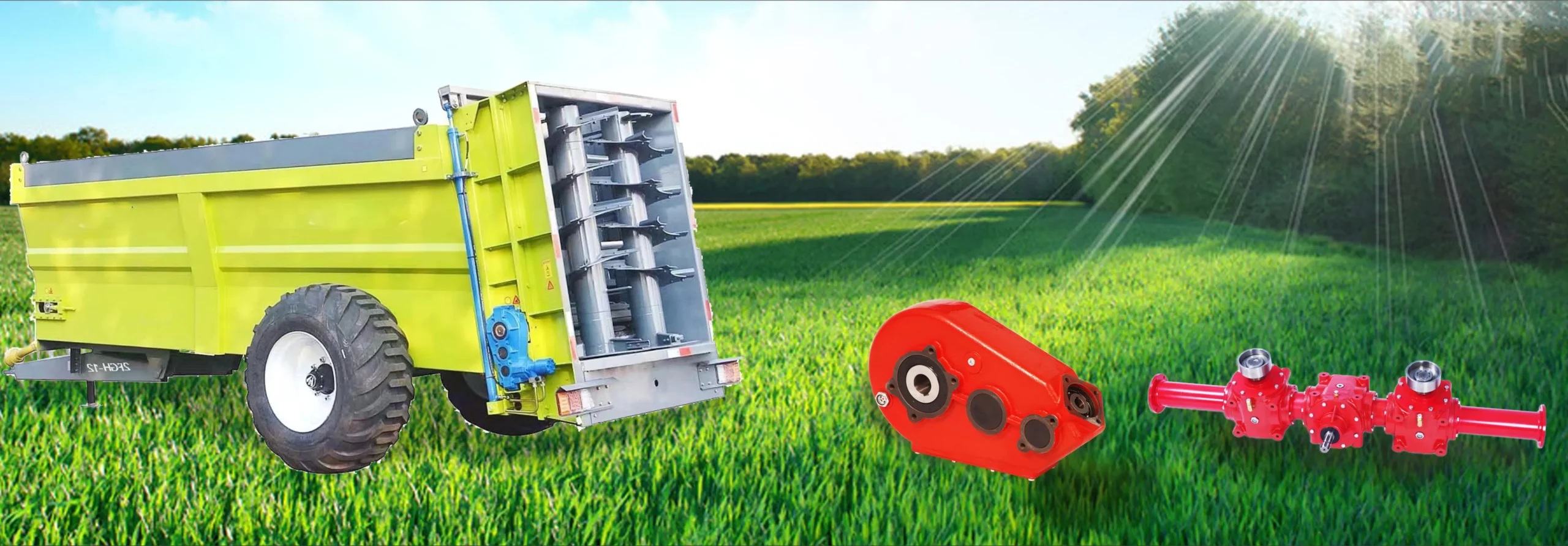
Choosing the right gearbox for a manure spreader is crucial for optimal performance, durability, and efficiency. The gearbox is the heart of the manure spreader, converting power from the tractor into the mechanical action needed to spread the manure. Here are key considerations to ensure you select the appropriate gearbox for your manure spreader:
- Power Requirements: Determine the power requirements of your manure spreader, including the required input speed and torque. Ensure that the gearbox you choose can handle the power output of your tractor’s PTO and provide the necessary speed and torque for efficient spreading.
- Gear Ratio: Consider the gear ratio of the gearbox. The gear ratio determines the relationship between the input and output speeds and affects the spreading speed and force. Select a gearbox with a gear ratio that matches your spreading requirements. A higher gear ratio will provide increased speed but lower torque, while a lower gear ratio will offer higher torque but lower speed.
- Shaft Size and Connection: Check the size and type of the input and output shafts on both the gearbox and the manure spreader. Ensure that they are compatible and can be properly connected. The shafts should have matching dimensions and connection types (e.g., splines, keyways) to ensure a secure and efficient power transmission.
- Durability and Construction: Look for a gearbox that is built with durable materials and has a robust construction. It should be able to withstand the demands of the manure spreading operation, including the load, vibration, and exposure to harsh conditions. Consider gearboxes made of high-quality metals such as cast iron or steel for enhanced durability.
- Bearing and Seal Quality: The gearbox should have reliable bearings and seals to ensure smooth operation and prevent lubricant leakage. High-quality bearings and seals contribute to the longevity and performance of the gearbox. Look for gearboxes that use reputable bearing brands and have effective sealing mechanisms.
- Compatibility and Fit: Ensure that the dimensions and mounting points of the gearbox are compatible with your manure spreader. Consider the available space in the manure spreader frame and the mounting requirements specified by the manufacturer. Verify that the selected gearbox will fit properly and can be securely mounted in your manure spreader.

Why Choose EVER-POWER’s Manure Spreader Gearbox?
EVER-POWER is a prominent manufacturer of high-performance agricultural gearboxes for a variety of applications. Our technical staff can reconfigure an existing design or assist you in designing a custom agricultural PTO gearbox if a standard or existing design does not fit your application. Shaft rotation, speed ratio, design type, load nature, mounting position, and the application’s environment are all considerations when choosing an agricultural gearbox.
We can offer many types of agricultural gearboxes and PTO shafts, such as rotary cutter gearboxes, rotary tiller gearboxes, feed mixer gearboxes, lawn mower gearboxes, fertilizer spreader gearboxes, flail mower gearboxes, post hole digger gearboxes, corn headers gearboxes, fertilizer mixer gearboxes, round baler gearboxes, square baler gearboxes, irrigation reels gearboxes, manure spreader gearboxes, fertilizer seeder gearboxes, rotary rake gearboxes, gearbox for hay tedders, etc. If you want to buy agricultural gearboxes, please get in touch with us.
Our company prides itself on professionalism, international certifications, offering customized services, state-of-the-art production facilities, and excellent after-sales services. We are committed to delivering quality products and services that exceed customer expectations.
Author: Yjx