Tag Archives: Horizontal Feed Mixer Gearbox

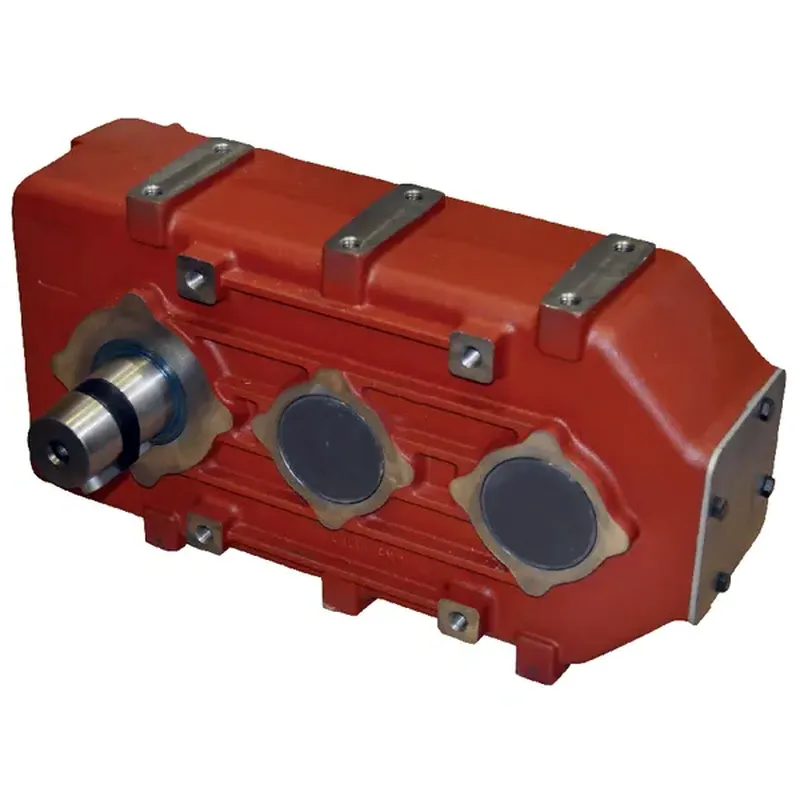
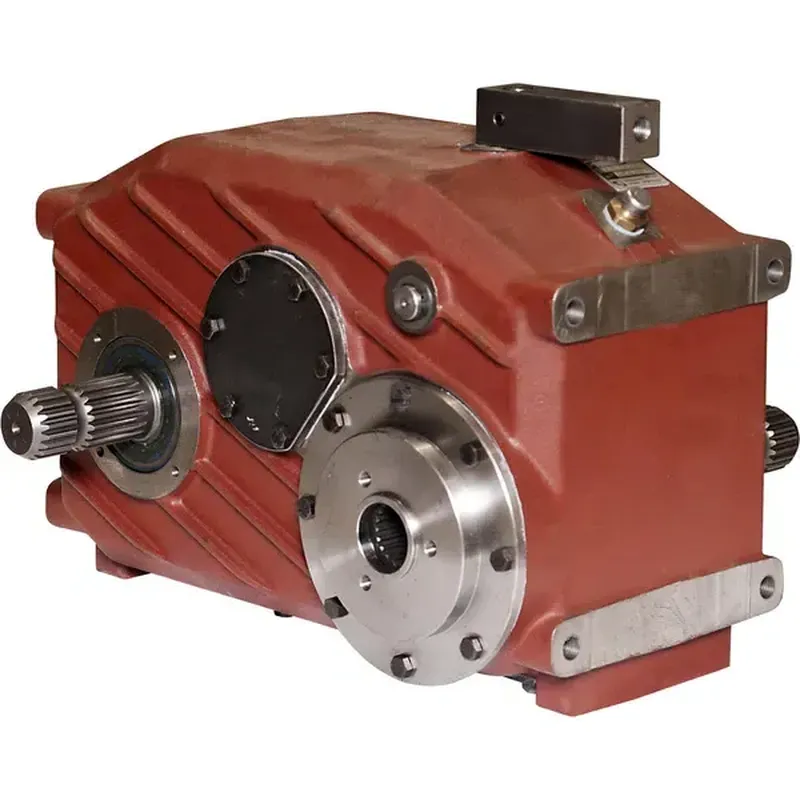
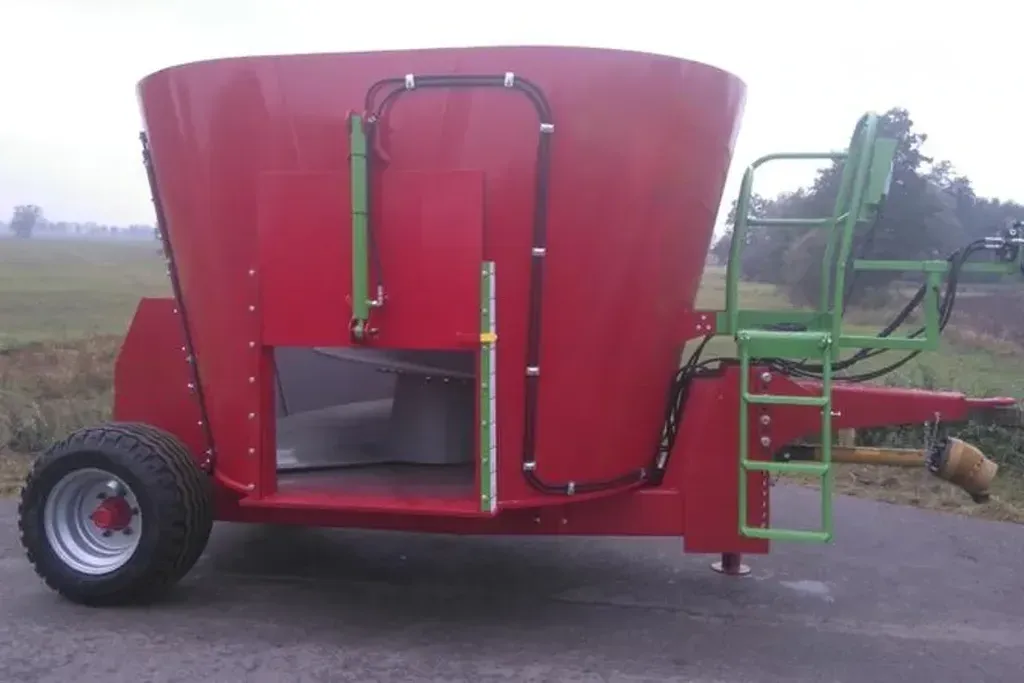
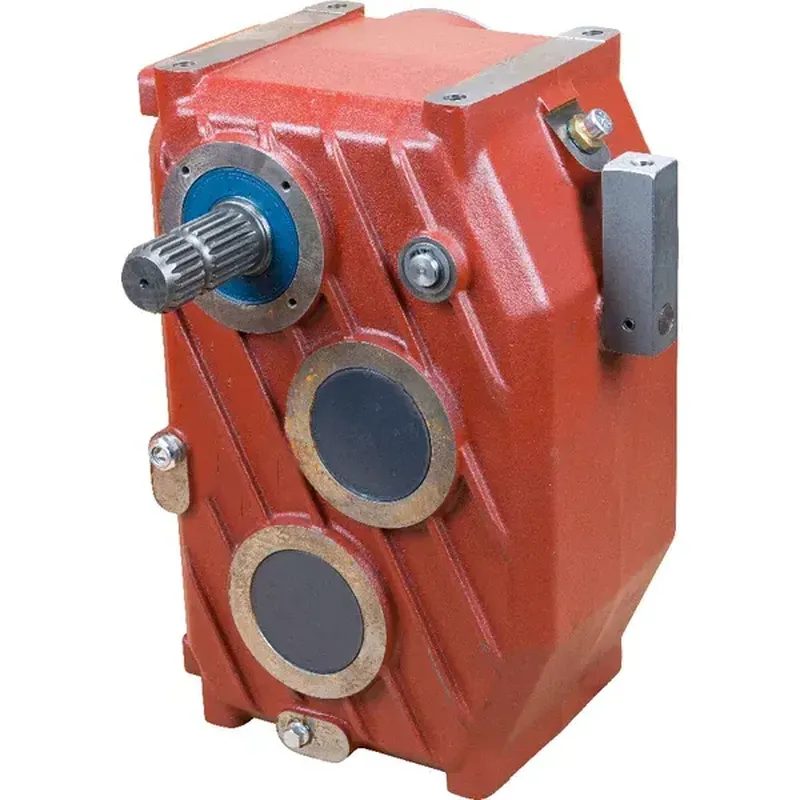
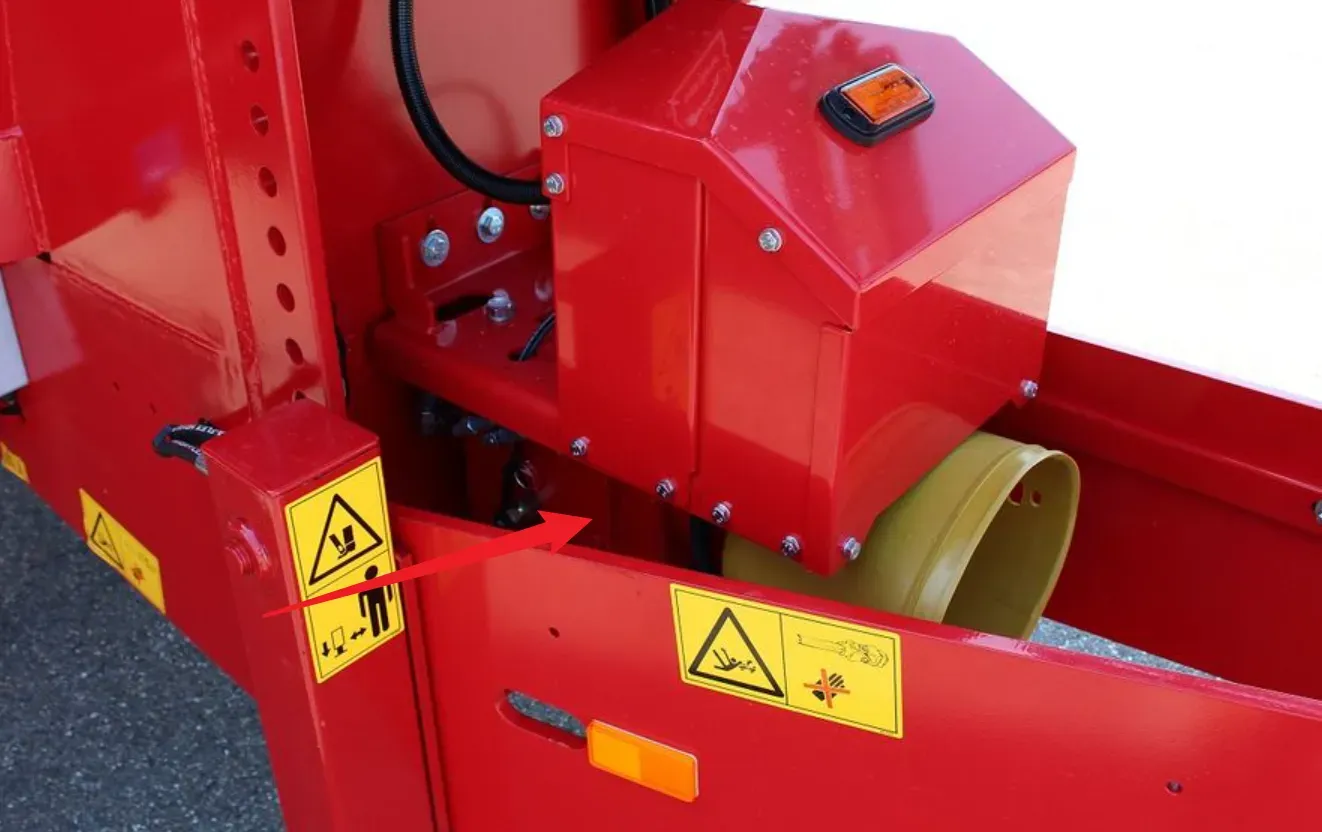
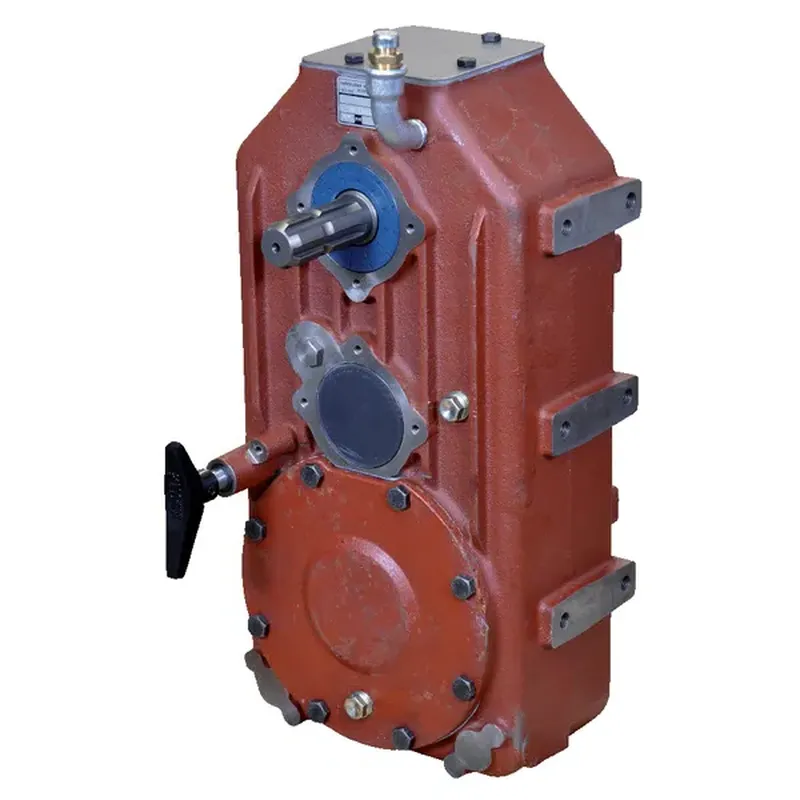
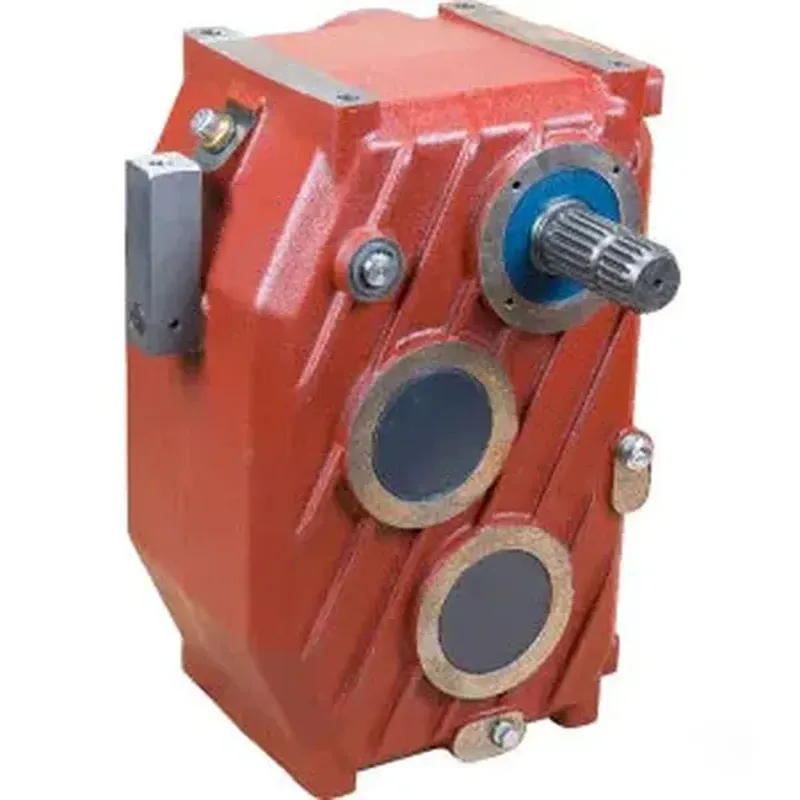
Horizontal Feed Mixer Gearbox D732A for Dairy Farming

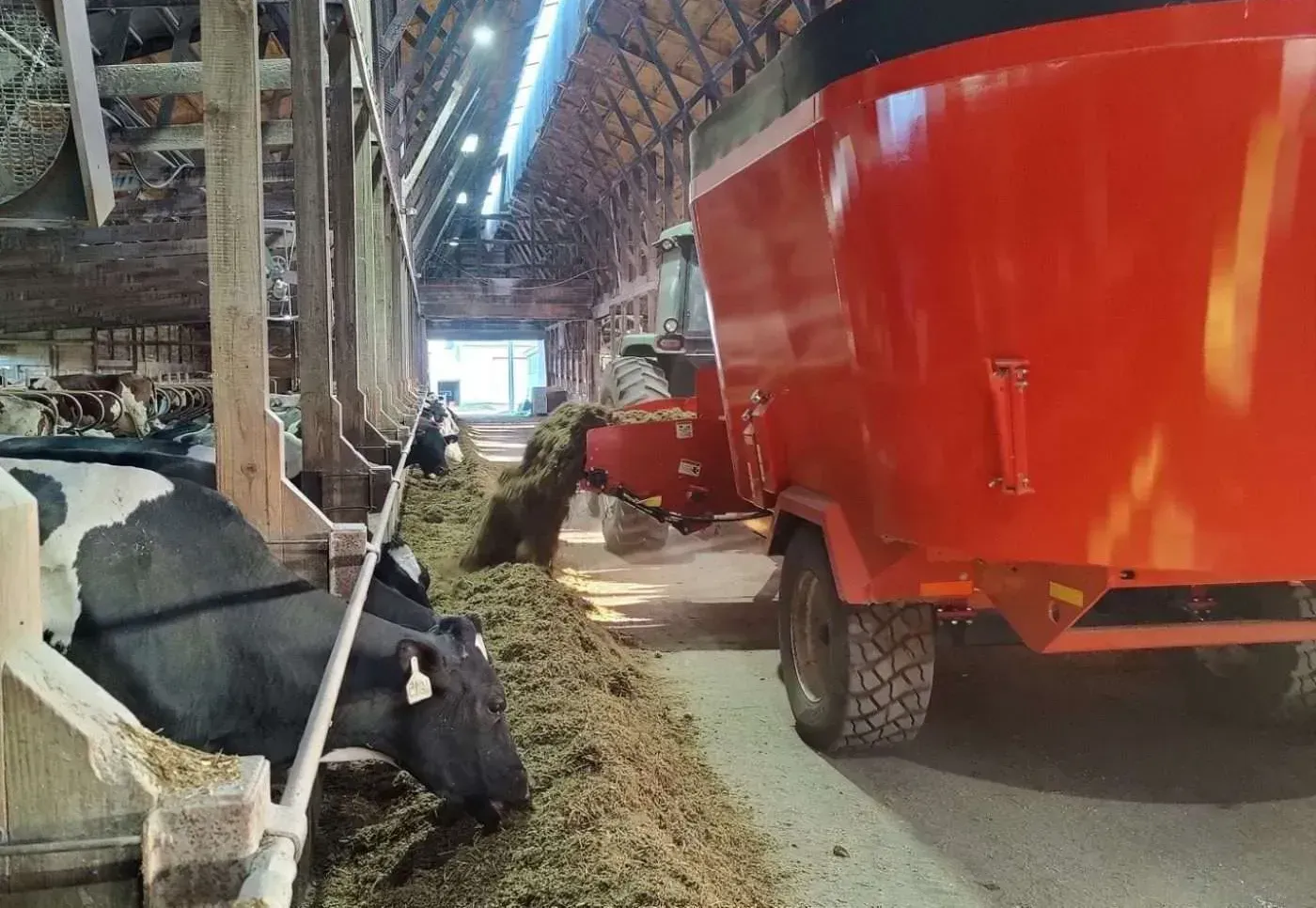
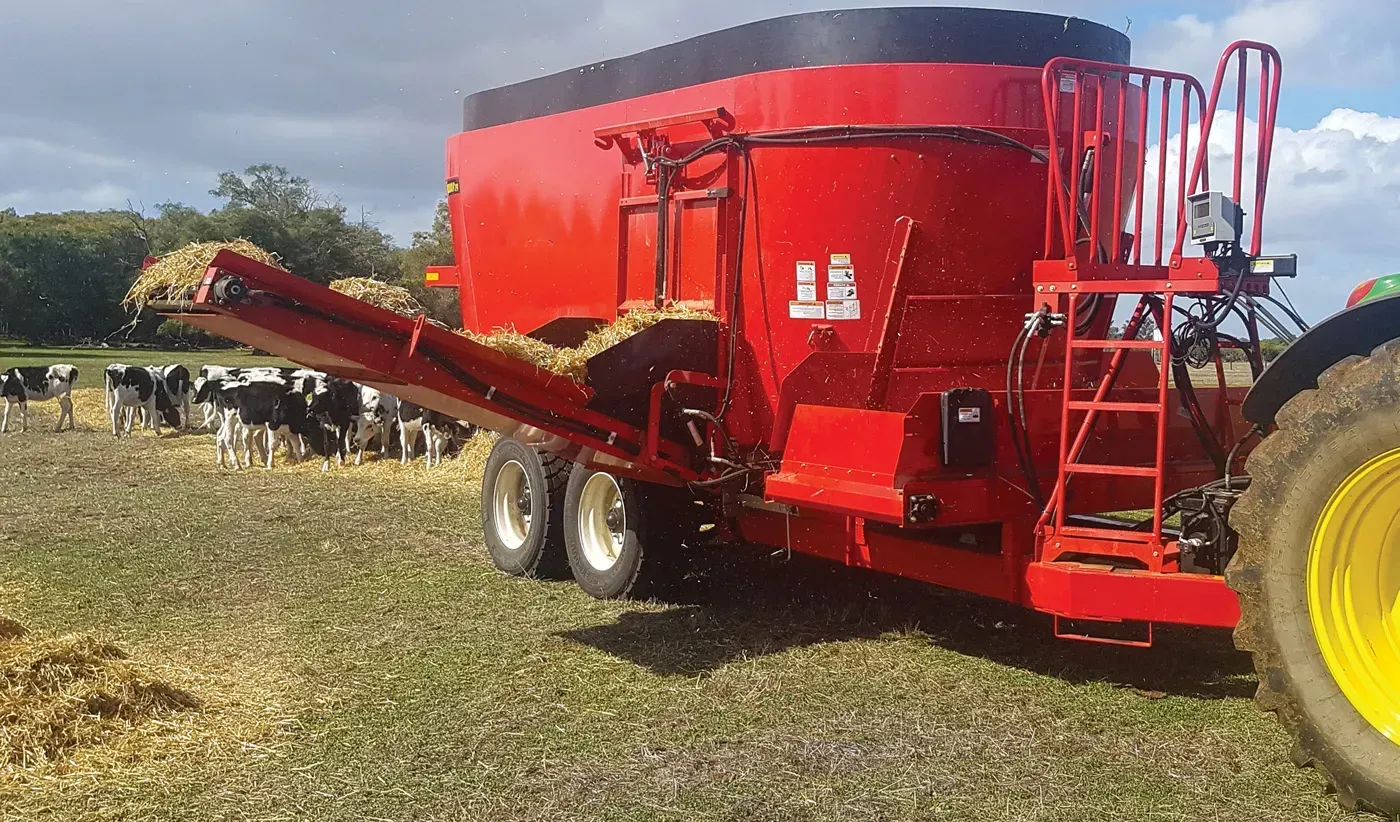
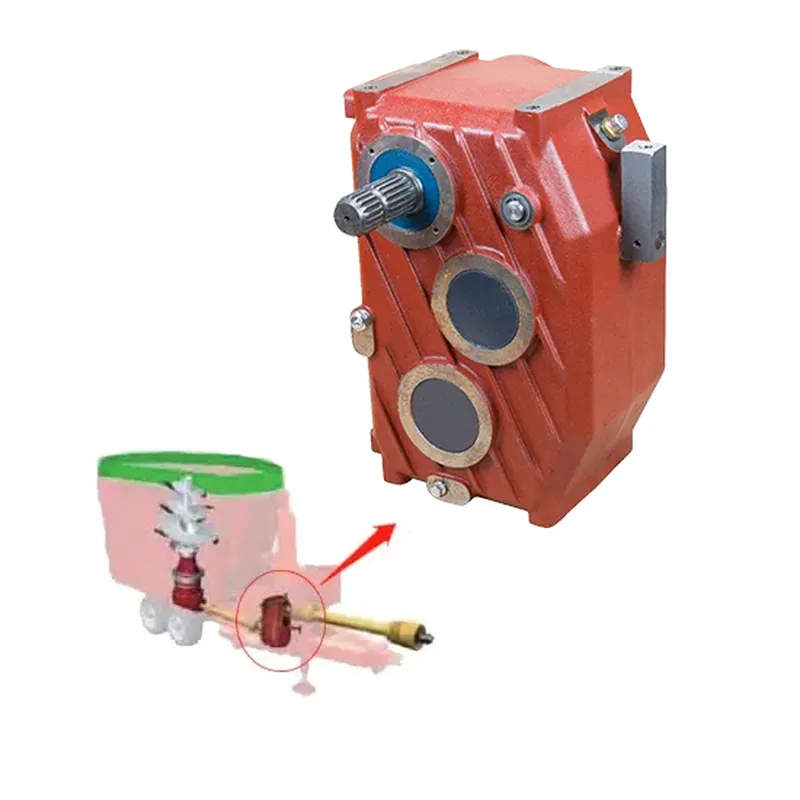
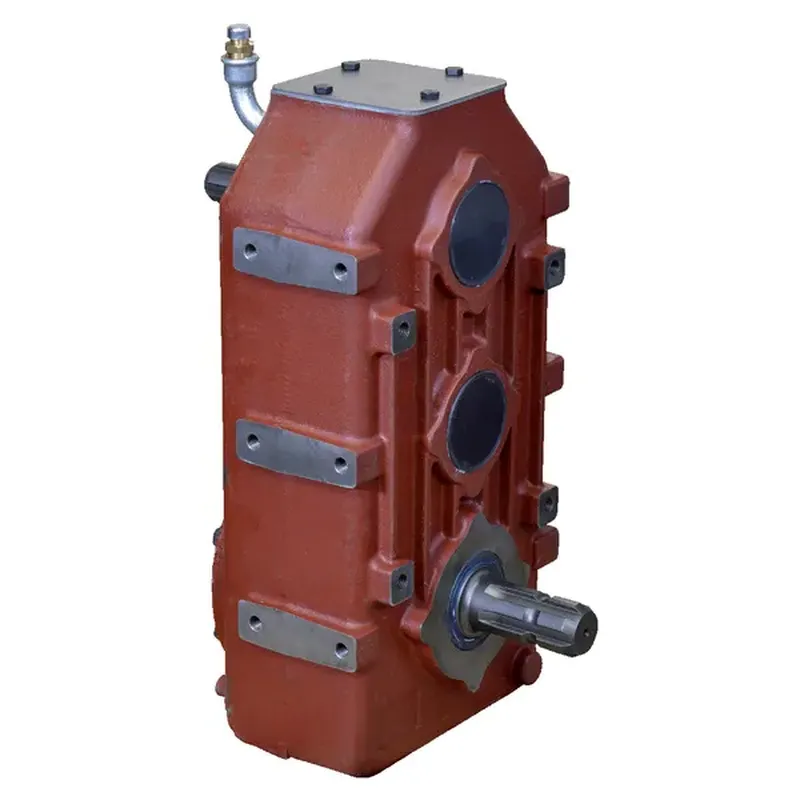
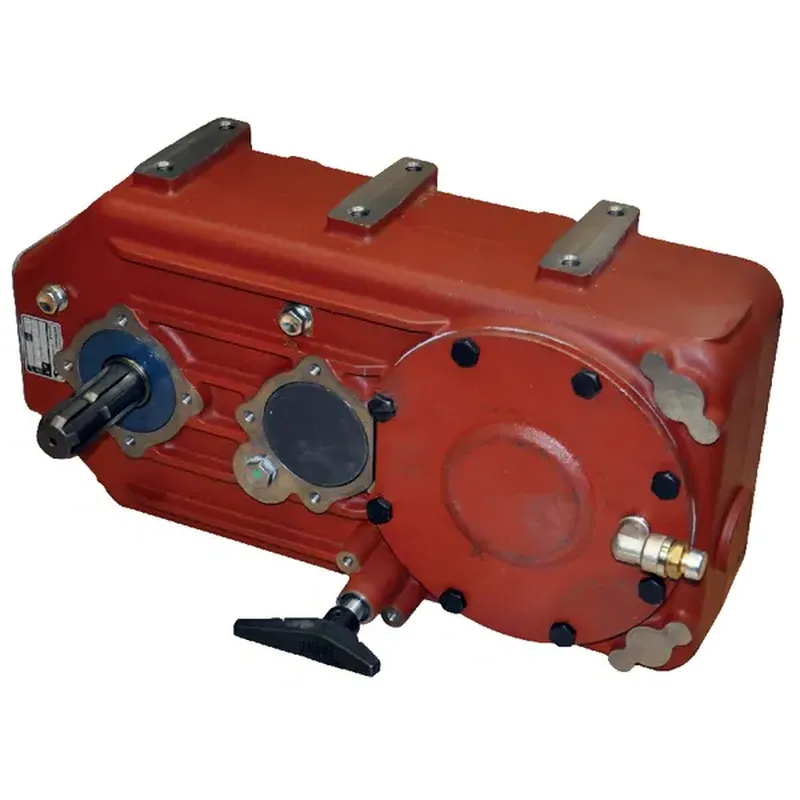
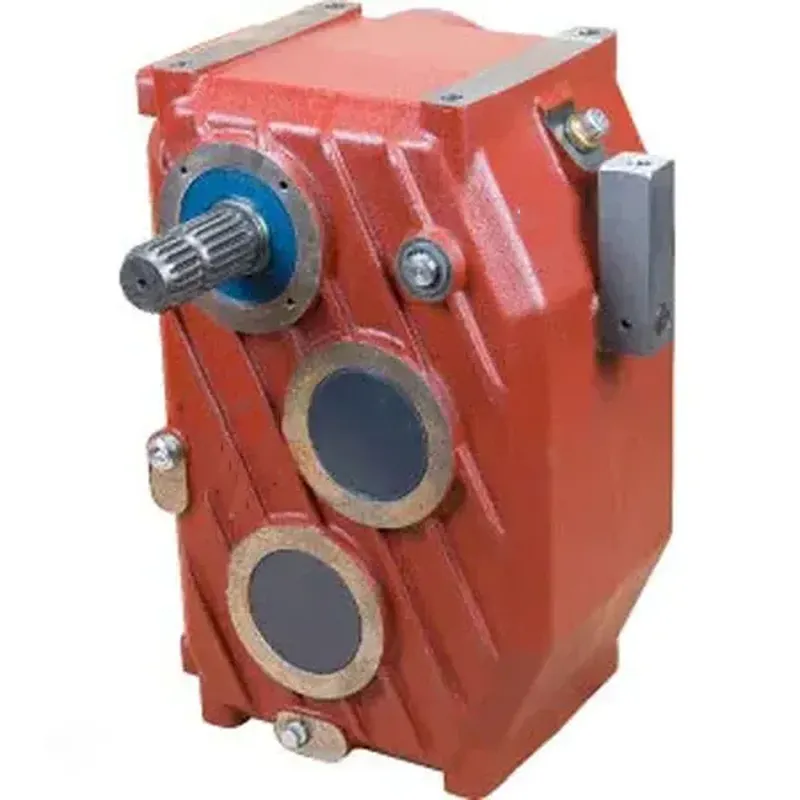
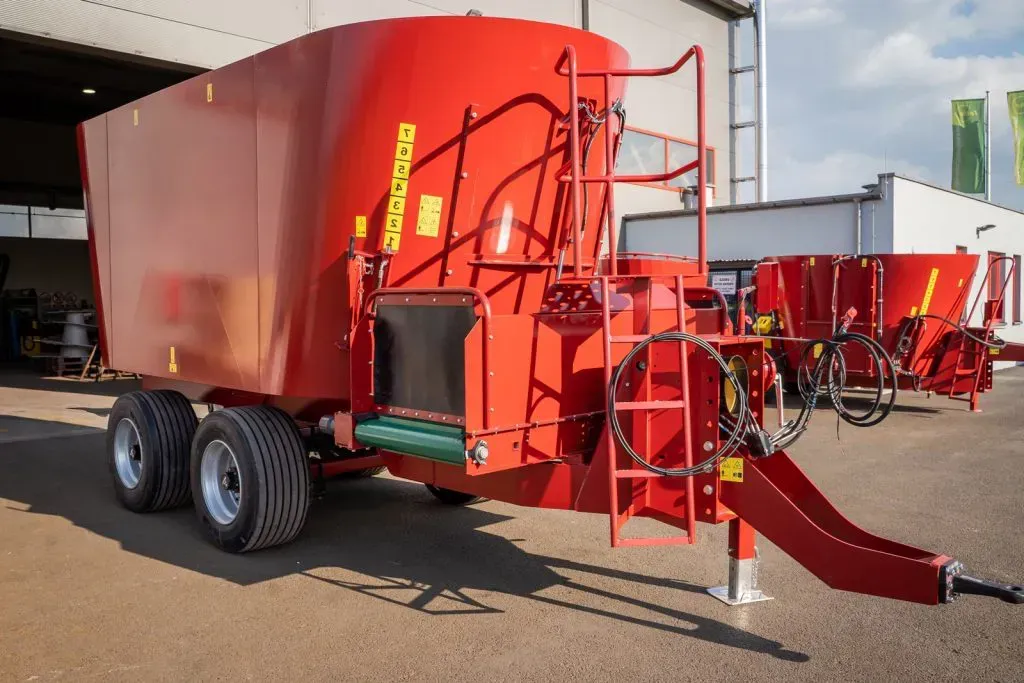
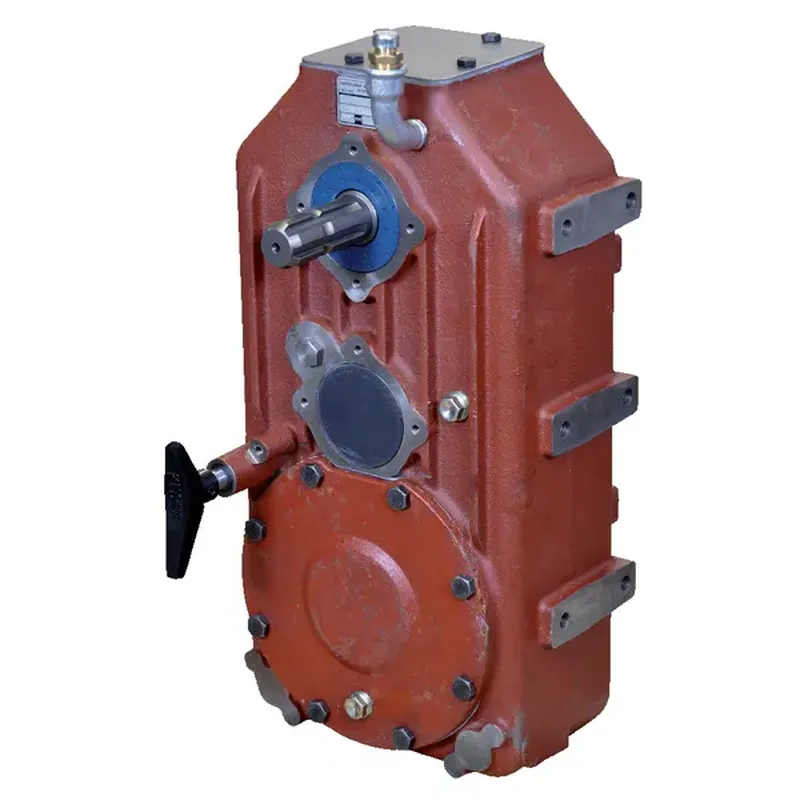
The horizontal feed mixer gearbox D732A is a specialized piece of agricultural machinery designed to optimize the efficiency of dairy farming operations. This robust gearbox is integral to the horizontal feed mixers used in dairy farms, ensuring consistent and thorough blending of various feed ingredients. Engineered for durability and reliability, the D732A gearbox handles heavy loads and operates smoothly under the demanding conditions of daily farm use. It boasts a high torque capacity, ensuring efficient power transmission and minimal downtime. Its design facilitates easy maintenance and long service life, reducing operational costs for farmers. Moreover, this gearbox is compatible with various feed mixer models, offering versatility in its application.

Our horizontal feed mixer gearbox can perfect replacement for the Comer D732A gearbox, providing an excellent alternative with equivalent or superior performance. This ensures that dairy farmers can maintain optimal productivity without worrying about compatibility issues or the quality of their equipment.
Horizontal Feed Mixer Gearbox

Advantages of Horizontal Feed Mixer Gearbox D732A for Dairy Farming

The Horizontal Feed Mixer Gearbox D732A offers several key advantages for dairy farming:

  • Durability and Reliability: The Horizontal Feed Mixer Gearbox D732A is crafted from top-grade materials, ensuring it can endure the rigorous demands of daily dairy farming operations. Its robust construction guarantees longevity and consistent performance, minimizing the frequency of replacements. This reliability translates to uninterrupted farm operations and significant long-term cost savings.
  • High Torque Capacity: The D732A gearbox is engineered to deliver high torque capacity, which is essential for efficiently handling heavy loads during feed mixing. This capability ensures that even the most challenging feed materials are mixed thoroughly, promoting consistent and high-quality feed preparation. The high torque also reduces strain on the gearbox, enhancing its lifespan.
  • Compatibility: Designed with versatility in mind, the D732A gearbox is compatible with a variety of horizontal feed mixer models. This adaptability allows it to be integrated seamlessly into different farm setups, providing flexibility and ease of use. Farmers can utilize the D732A without worrying about compatibility issues, making it a convenient and practical choice.
  • Cost Efficiency: By providing a durable and reliable solution, the D732A gearbox significantly reduces operational costs associated with feed preparation. Its long service life and minimal maintenance needs lower the total cost of ownership. This cost efficiency helps farmers allocate their resources more effectively, enhancing overall farm profitability.
  • Enhanced Feed Quality: The D732A gearbox ensures a uniform and thorough mix of feed ingredients, which is crucial for the health and productivity of the dairy herd. Consistently high-quality feed leads to better nutrition and improved milk production. The gearbox’s efficient mixing capabilities contribute directly to the well-being and performance of the livestock.
  • Perfect Replacement for Comer D732A: Our horizontal feed mixer gearbox is designed to be a perfect replacement for the Comer D732A gearbox. It offers equivalent or superior performance, ensuring seamless integration into existing feed mixer systems. This compatibility means farmers can switch to the D732A without any disruptions or concerns about performance, providing a reliable and efficient alternative.
Horizontal Feed Mixer Gearbox

Typical Applications:

The horizontal feed mixer gearbox has a variety of applications in the agricultural sector, particularly in dairy farming. Here are some detailed descriptions of its key applications:

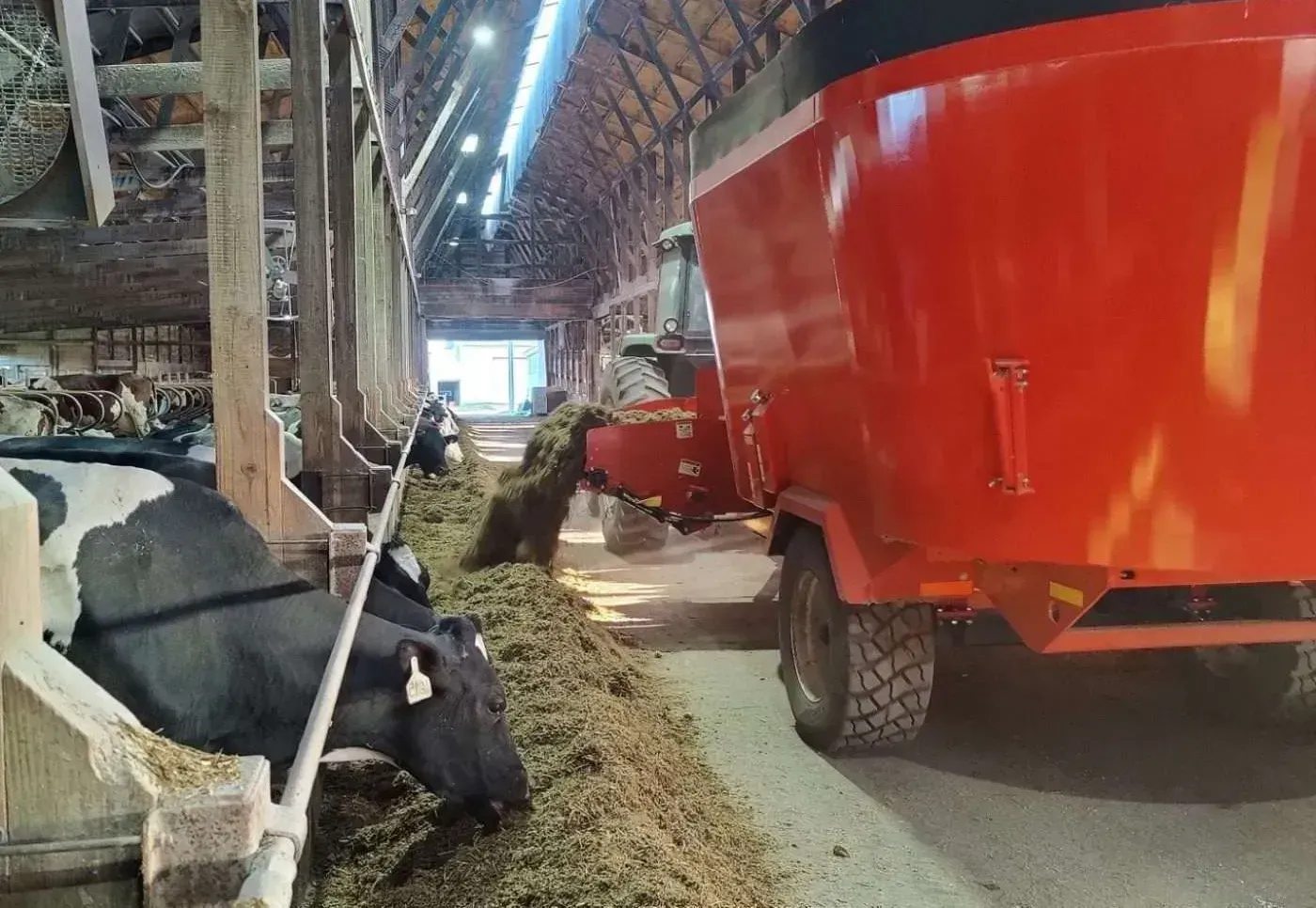
  1. Dairy Farming: The primary application of the horizontal feed mixer gearbox is in dairy farming, where it is used in horizontal feed mixers to blend various feed ingredients. This ensures a consistent and nutritious diet for dairy cattle, which is crucial for their health, milk production, and overall productivity.
  2. Poultry Farming: In poultry farming, the gearbox is used in feed mixing equipment to prepare balanced feed rations for chickens, turkeys, and other poultry. The efficient mixing ensures that all birds receive the necessary nutrients, promoting growth and egg production.
  3. Livestock Feed Preparation: The gearbox is also employed in the preparation of feed for other livestock, such as pigs, goats, and sheep. It ensures that different feed components are thoroughly mixed, providing a well-balanced diet that supports the animals’ growth, health, and reproductive performance.
  4. Large-Scale Feed Production: In large-scale feed production facilities, the horizontal feed mixer gearbox plays a crucial role in industrial feed mixers. These mixers process large quantities of feed ingredients to produce high-quality animal feed on a commercial scale, ensuring consistency and efficiency in the production process.
  5. Custom Feed Blending: The gearbox is ideal for custom feed blending applications, where specific feed formulations are prepared to meet the unique nutritional needs of different animal groups. This flexibility allows farmers to tailor feed mixes to optimize the health and performance of their livestock.

Horizontal Feed Mixer Gearbox

Key Components of Gearbox for Horizontal Feed Mixer

The horizontal feed mixer gearbox is composed of several key components, each crucial to its functionality and performance. Here are detailed descriptions of these components:

  • Housing: The gearbox housing is the outer shell that encases all the internal components. Made from high-strength materials, it provides structural integrity and protection against external elements. The housing ensures that all internal parts remain aligned and function smoothly while also preventing contamination from dust, dirt, and moisture.
  • Gears: The core of the gearbox consists of various gears, including spur gears, helical gears, or bevel gears, depending on the design. These gears are responsible for transmitting power from the motor to the mixer. Precision-engineered for optimal performance, the gears ensure efficient power transfer and torque multiplication, enabling the mixer to handle heavy loads with ease.
  • Bearings: Bearings are essential for reducing friction and supporting the rotating shafts within the gearbox. High-quality bearings ensure smooth operation and longevity of the gearbox by minimizing wear and tear on the moving parts. They also help in maintaining the alignment of the gears and shafts, which is critical for efficient power transmission.
  • Input and Output Shafts: The input shaft connects the gearbox to the power source, typically an electric motor, while the output shaft transfers the rotational motion to the feed mixer. These shafts are designed to handle high torque and rotational speeds, ensuring seamless power flow from the motor to the mixer.
  • Seals and Gaskets: Seals and gaskets prevent the leakage of lubricants and protect the internal components from external contaminants. These components are crucial for maintaining the gearbox’s operational integrity and extending its service life by ensuring that the lubrication remains effective and that no dirt or moisture can enter the system.
  • Lubrication System: An efficient lubrication system is integral to the gearbox, providing continuous lubrication to the gears and bearings. This system reduces friction, dissipates heat, and prevents wear and tear, ensuring the gearbox operates smoothly and efficiently. The lubrication system may include oil reservoirs, pumps, and filters.
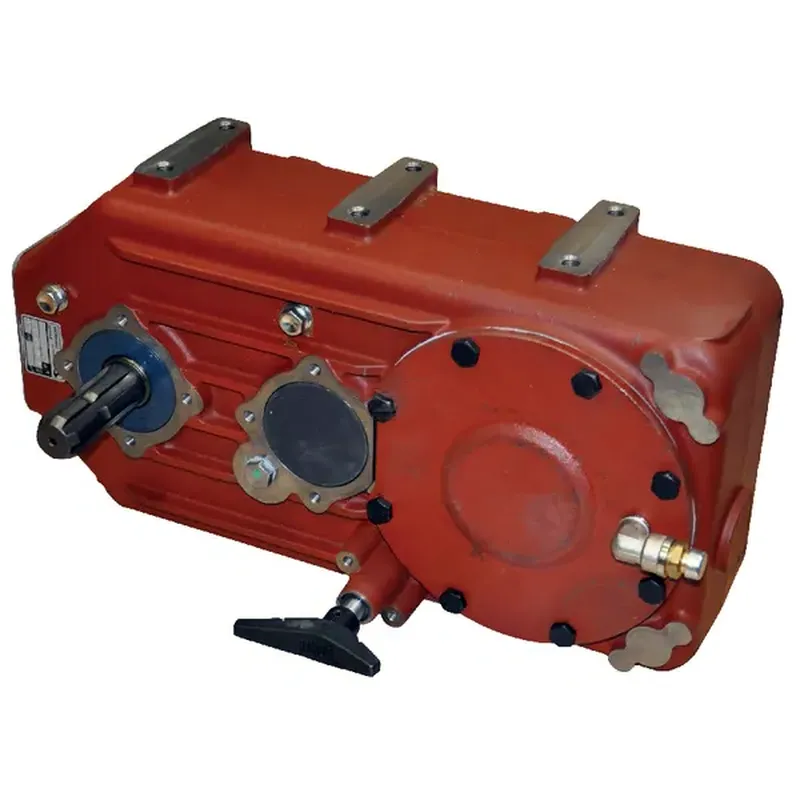
Horizontal Feed Mixer Gearbox

Working Principle of Horizontal Feed Mixer Gearbox for Dairy Farming

The PTO driven horizontal feed mixer gearbox for dairy farming operates based on the principles of power transmission and mechanical mixing. Here is a detailed explanation of its working principle:

  1. Power Take-Off (PTO) Connection: The process begins with the connection of the feed mixer to the tractor’s PTO shaft. The PTO shaft is a mechanical device that transfers power from the tractor’s engine to the feed mixer. When the tractor is started, the PTO shaft rotates, providing the necessary power to drive the gearbox.
  2. Input Shaft Engagement: The rotating PTO shaft is connected to the gearbox’s input shaft. As the PTO shaft turns, it engages the input shaft of the gearbox, initiating the transmission of rotational energy into the gearbox assembly.
  3. Gear Reduction and Torque Multiplication: Inside the gearbox, the input shaft is connected to a series of gears. These gears are configured to reduce the speed of the input rotation while simultaneously increasing the torque. This process is known as gear reduction and is crucial for providing the necessary power to mix heavy feed materials effectively.
  4. Power Transmission to Output Shaft: The gears inside the gearbox transmit the rotational power to the output shaft. The output shaft then carries the increased torque and reduced speed from the gearbox to the horizontal feed mixer’s mixing mechanism.
  5. Mixing Mechanism Activation: The output shaft is connected to the feed mixer’s mixing paddles or augers. As the output shaft rotates, it drives these mixing components. The paddles or augers then begin to rotate within the mixing chamber of the feed mixer.
  6. Thorough Feed Mixing: The rotating paddles or augers mix the feed ingredients thoroughly. The horizontal design of the mixer ensures that all components are uniformly blended, resulting in a consistent and homogeneous mixture. This is essential for providing a balanced diet to dairy cattle.
  7. Continuous Operation: As long as the tractor’s engine is running and the PTO shaft is engaged, the gearbox will continue to operate, maintaining the rotation of the mixing components. This continuous operation ensures that large batches of feed can be mixed efficiently and quickly.
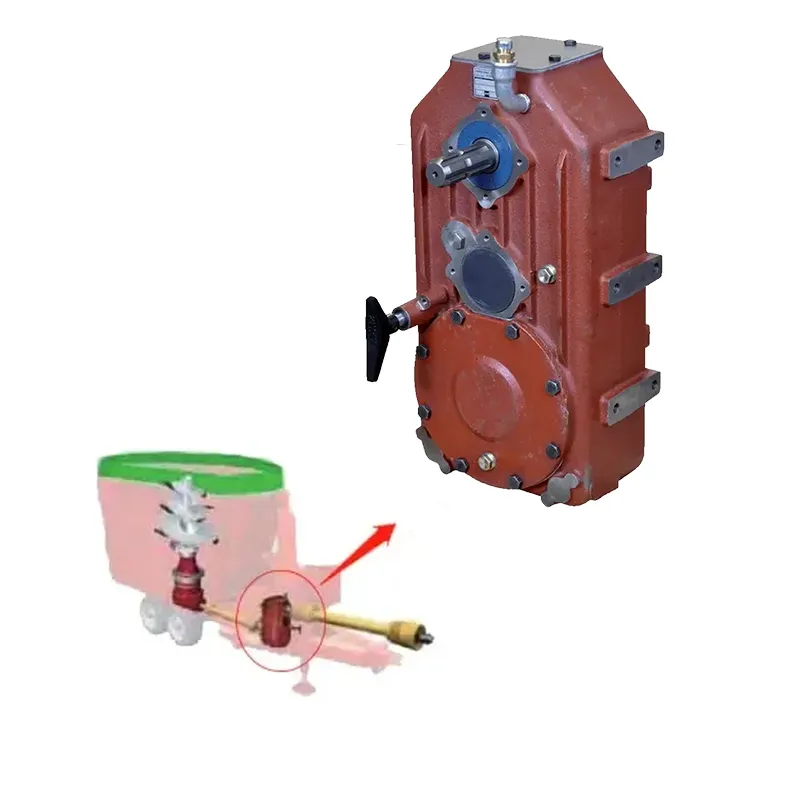
Horizontal Feed Mixer Gearbox

Maintenance Tips:

Proper maintenance of a horizontal feed mixer gearbox is essential to ensure its longevity, efficiency, and optimal performance. Here are detailed steps and best practices for maintaining the gearbox:

  • Regular Inspection: Perform regular visual inspections of the gearbox to check for any signs of wear, damage, or leaks. Look for cracks, loose bolts, and any unusual noises or vibrations during operation. Early detection of issues can prevent more significant problems down the line.
  • Lubrication: Ensure the gearbox is adequately lubricated at all times. Check the lubrication levels regularly and top up as necessary. Use the recommended type of lubricant specified by the manual. Proper lubrication reduces friction, prevents overheating, and minimizes wear on the gears and bearings.
  • Oil Change: Change the gearbox oil at intervals recommended by the manual. Over time, oil can become contaminated with debris and lose its effectiveness. Draining the old oil and replacing it with fresh oil ensures optimal lubrication and protection for the internal components.
  • Check Seals and Gaskets: Inspect seals and gaskets regularly for any signs of wear or leakage. Damaged seals can lead to oil leaks, which can cause insufficient lubrication and potential damage to the gearbox. Replace any worn or damaged seals promptly.
  • Alignment and Tension: Ensure that the input and output shafts are properly aligned with the PTO shaft and the feed mixer. Misalignment can cause undue stress on the gearbox components, leading to premature wear. Additionally, check the tension of belts or chains connected to the gearbox to ensure they are neither too tight nor too loose.
  • Cleanliness: Keep the gearbox and its surroundings clean. Remove any accumulated dirt, dust, or debris that could potentially enter the gearbox or interfere with its operation. A clean environment helps prevent contamination and ensures smooth operation.
  • Temperature Monitoring: Monitor the operating temperature of the gearbox. Overheating can indicate insufficient lubrication or excessive load. If the gearbox is running hotter than usual, investigate and address the cause immediately.
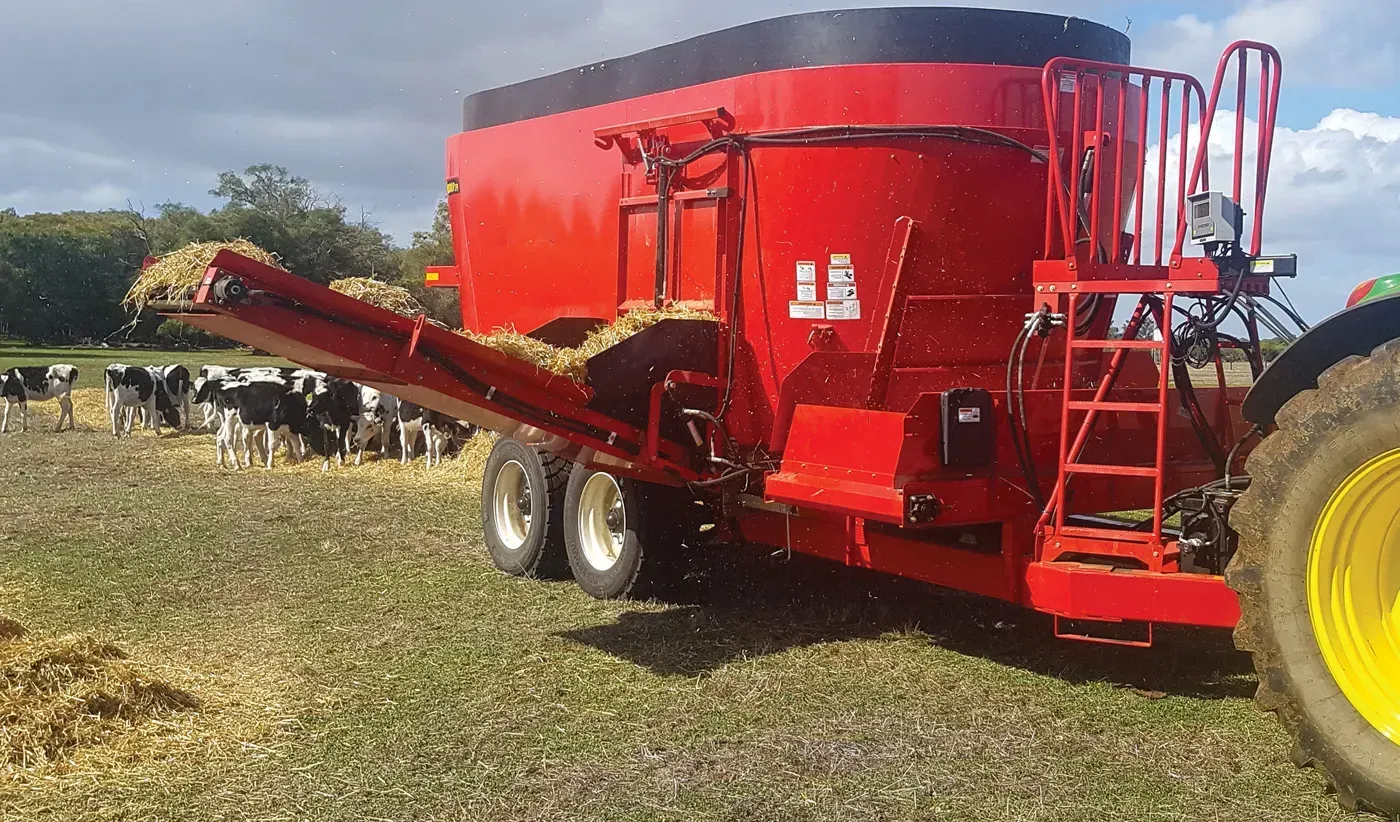
Horizontal Feed Mixer Gearbox

Choosing the Right Horizontal Feed Mixer Gearbox for Dairy Farming

Choosing the right horizontal feed mixer gearbox for dairy farming is critical to ensure efficient and reliable feed mixing operations. Here are detailed factors to consider when selecting the appropriate gearbox:

  1. Capacity and Load Requirements: Assess the feed mixer’s capacity and the volume of feed it will process daily. The gearbox should be capable of handling the load requirements without strain. Consider the horsepower (HP) and torque ratings of the gearbox to ensure it can manage the demands of your specific feed mixing needs.
  2. Compatibility: Ensure the gearbox is compatible with your existing feed mixer and PTO setup. This includes matching the input and output shaft dimensions, mounting configurations, and overall design. Compatibility ensures seamless integration and prevents issues related to misalignment or improper fit.
  3. Durability and Material Quality: Look for gearboxes made from high-quality, durable materials. Components such as gears, shafts, and housing should be constructed from robust materials like hardened steel to withstand the harsh conditions of dairy farming. A durable gearbox reduces maintenance costs and extends operational life.
  4. Efficiency and Performance: Choose a gearbox that offers high efficiency in power transmission. Efficient gearboxes minimize energy loss and ensure that the maximum amount of power from the PTO is utilized for mixing feed. This leads to better performance and reduced operational costs.
  5. Adjustability and Flexibility: Some gearboxes offer adjustable settings for speed and torque. This flexibility can be beneficial if you need to mix different types of feed or if your feed requirements change seasonally. An adjustable gearbox allows for greater versatility in your operations.
  6. Environmental Conditions: Consider the environmental conditions of your dairy farm. If your farm is in a region with extreme temperatures, high humidity, or dusty conditions, choose a gearbox designed to withstand these challenges. Features like sealed housings and corrosion-resistant materials can enhance durability in harsh environments.
  7. Custom Requirements: If your feed mixing operations have unique requirements, consider gearboxes that can be customized or configured to meet your specific needs. Customization options might include specific gear ratios, mounting configurations, or enhanced sealing for particular environments.
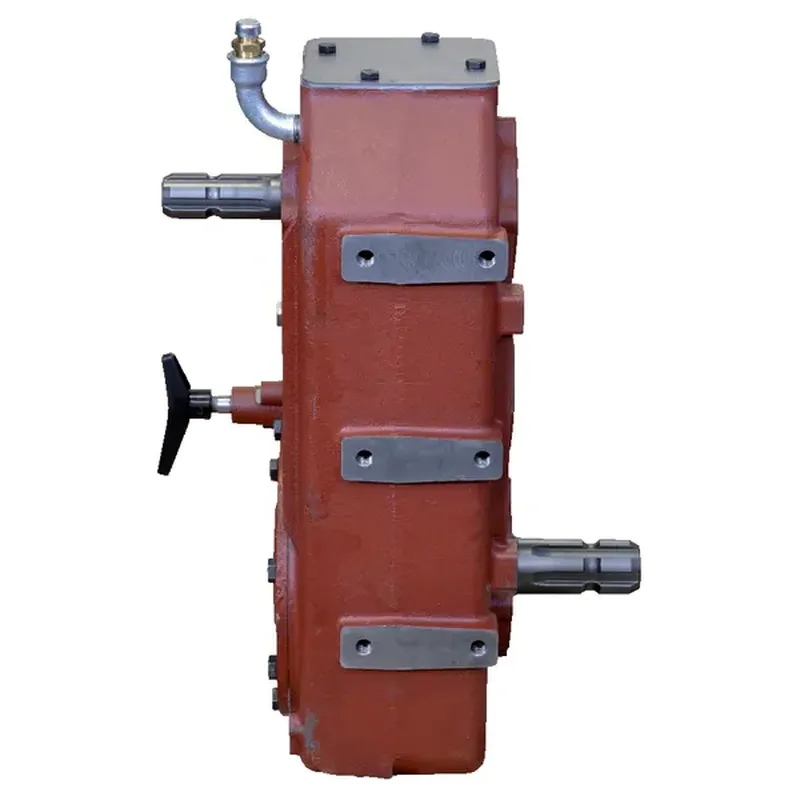
Horizontal Feed Mixer Gearbox

Agricultural PTO Shaft and Horizontal Feed Mixer Gearbox

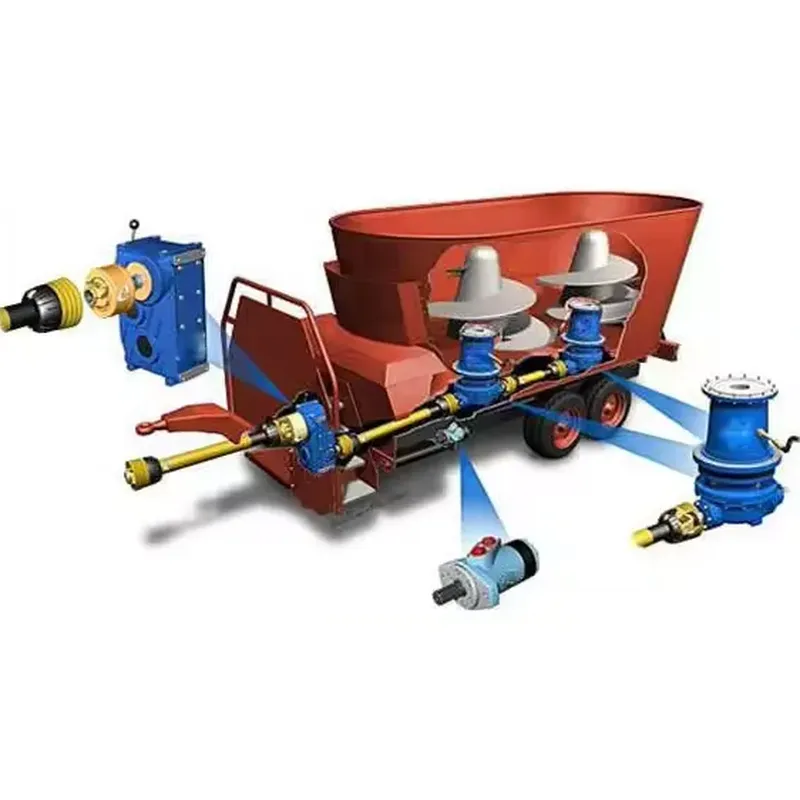
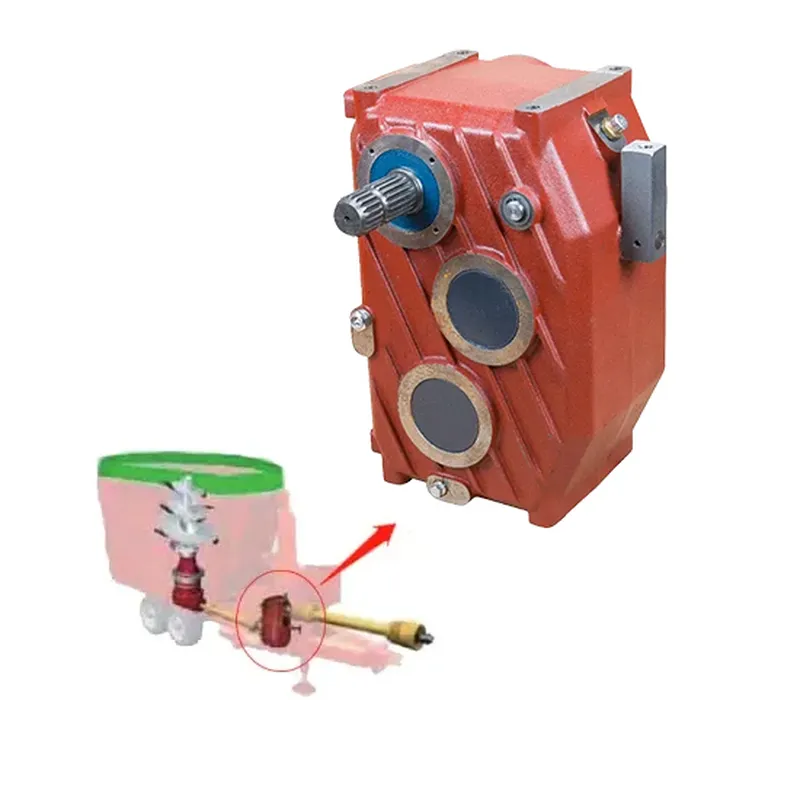
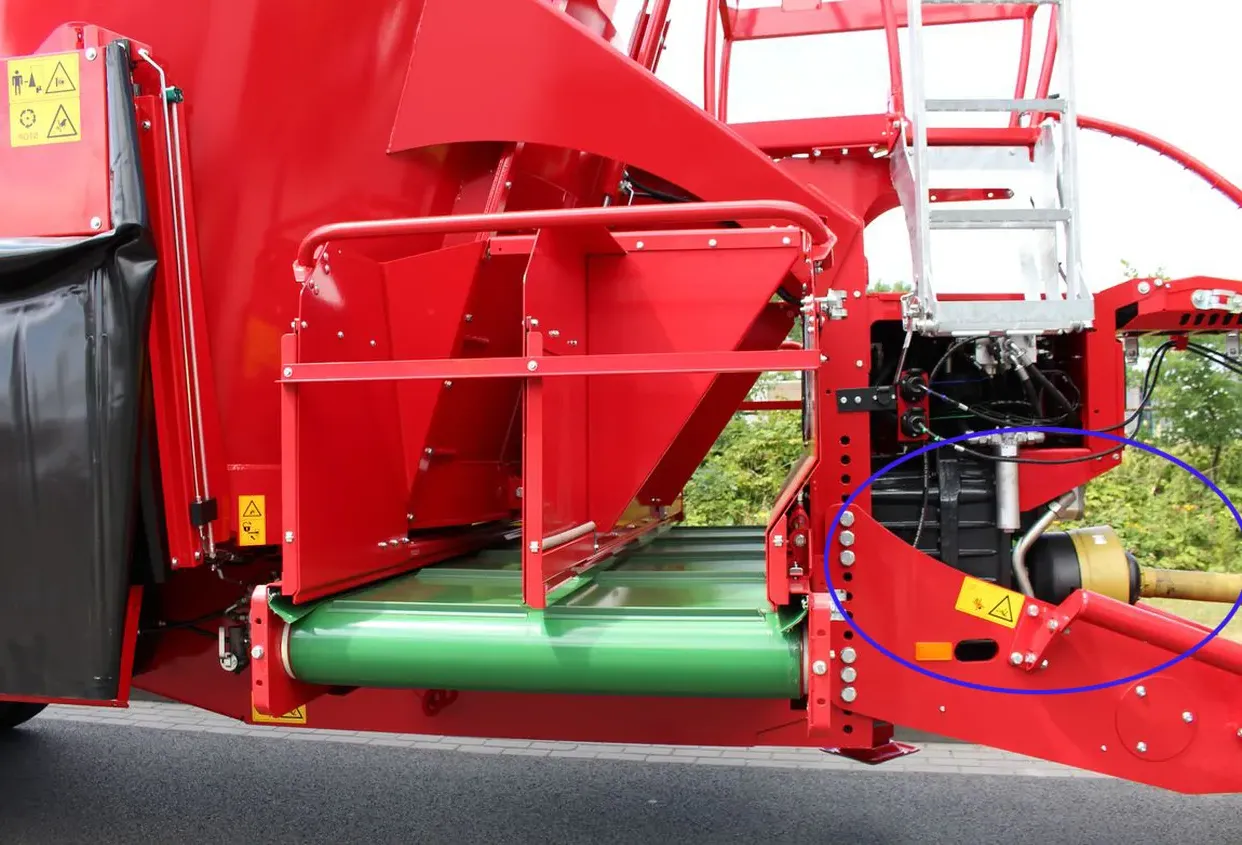
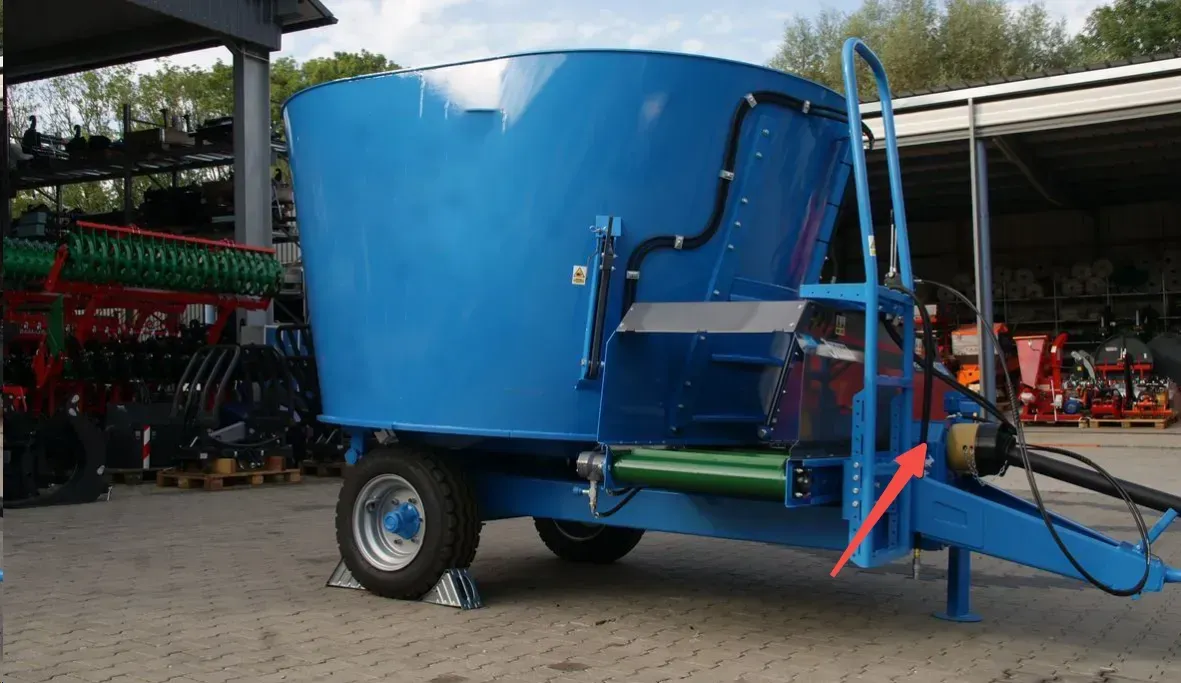
The agricultural PTO (Power Take-Off) shaft and the horizontal feed mixer gearbox are integral components in mechanized farming, especially in the realm of livestock and dairy operations. The PTO shaft functions as the conduit for transferring power from the tractor—the primary mover—to various farm implements, including the feed mixer. It connects directly to the tractor and extends to the gearbox of the feed mixer.

The horizontal feed mixer gearbox then takes over, utilizing the power supplied by the PTO shaft to perform its critical function: mixing feed. The gearbox is designed to modify the power input—reducing the speed while increasing the torque—to suit the requirements of the feed mixing process. This ensures that the mixer can handle the physical resistance of combining various feed materials into a uniform mixture, which is essential for consistent feed quality and nutrition.

Together, the PTO shaft and the gearbox enable efficient, large-scale preparation of livestock feed, ensuring that the energy supplied by the tractor is effectively converted into the mechanical action needed to mix large volumes of feed in a consistent and homogenous manner. This synergy enhances productivity and supports the nutritional management of dairy farms.
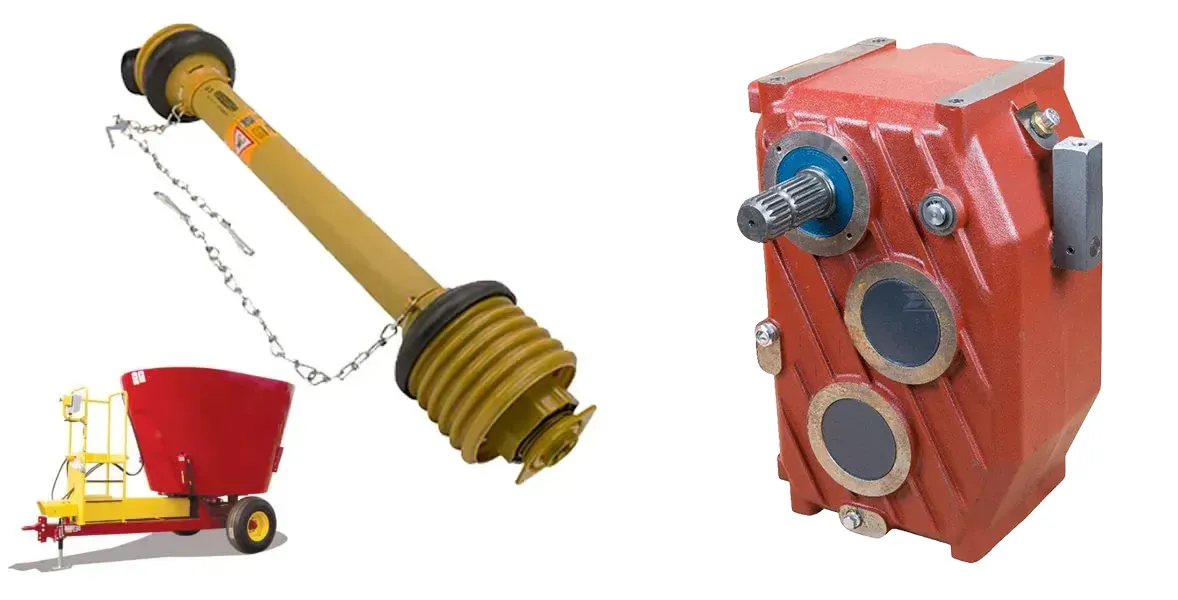
PTO Shaft for Horizontal Feed Mixer Gearbox

Why Choose EVER-POWER’s Horizontal Feed Mixer Gearbox?

EVER-POWER is a leading company specializing in the production and sales of horizontal feed mixer gearboxes. With a robust scale and advanced technological prowess, we have established ourselves as a key player in the agricultural machinery industry. Our horizontal feed mixer gearboxes serve as powerful replacement options for renowned brands such as Comer, Bondioli & Pavesi, Walterscheid, Weasler, John Deere, New Holland, Claas, Kuhn, Jaylor, Trioliet, DeLaval, Sgariboldi, and others.

Our horizontal feed mixer gearboxes are designed for durability and efficiency, featuring high torque capacity, superior material quality, and easy maintenance. These gearboxes are essential in dairy farming, ensuring thorough and consistent mixing of feed, thereby enhancing livestock nutrition and farm productivity. Their compatibility with a wide range of feed mixer brands makes them a versatile choice for farmers.

EVER-POWER’s expertise in the horizontal feed mixer gearbox domain is reflected in our international certifications, cutting-edge production facilities, and dedicated custom services. We pride ourselves on delivering exceptional after-sales support, ensuring customer satisfaction and the long-term reliability of our products.

In addition to feed mixer gearboxes, we offer a broad range of agricultural gearboxes and PTO shafts, including rotary cutter gearboxes, rotary tiller gearboxes, lawn mower gearboxes, fertilizer spreader gearboxes, flail mower gearboxes, post hole digger gearboxes, corn headers gearboxes, fertilizer mixer gearboxes, round baler gearboxes, square baler gearboxes, irrigation reels gearboxes, manure spreader gearboxes, grain transportation gearboxes, agricultural sprayer gearboxes, and rotary rake gearboxes. EVER-POWER remains committed to excellence and innovation in agricultural machinery.

EVER-POWER Horizontal Feed Mixer Gearbox

Professionalism

At EVER-POWER, professionalism is at the core of our operations. We have a dedicated team of experts who ensure the highest standards of quality and performance in our gearboxes.

International Certifications

Our gearboxes meet international quality standards and certifications, ensuring reliability and compliance with industry regulations.

Customized Services

We offer customized gearbox solutions to suit unique requirements, providing tailored designs and specifications for optimal performance.

Production Facilities

Our state-of-the-art production facilities are equipped with advanced technology and machinery to manufacture high-quality gearboxes efficiently.

After-Sales Services

Customer satisfaction is our priority, and we provide comprehensive after-sales services to support our clients in maintenance and troubleshooting.

Global Reach

With a global presence, EVER-POWER serves customers worldwide, delivering reliable and innovative gearbox solutions for diverse applications.


Author: Yjx
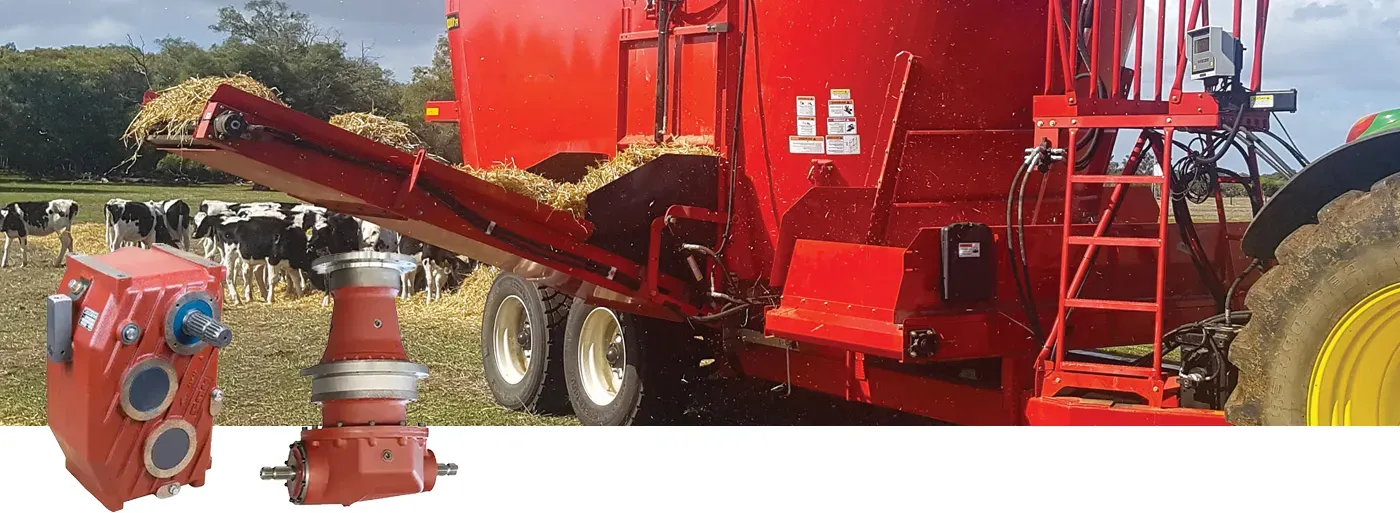
 

PTO Driven Horizontal Feed Mixer Gearbox for Automated Feeding Solutions

The PTO Driven Horizontal Feed Mixer Gearbox for Automated Feeding is a sophisticated piece of agricultural equipment designed to streamline and enhance the feed preparation and distribution process in dairy farming operations. PTO, or Power Take-Off, refers to a system that transfers the engine power from a tractor to the feed mixer gearbox. This gearbox is specifically engineered to drive horizontal feed mixers, ensuring efficient and uniform mixing of various feed ingredients such as silage, hay, grains, and supplements.

In automated feeding systems, the gearbox plays a crucial role by powering the mixer through the PTO shaft, converting the tractor’s rotational energy into the required speed and torque for the mixer. This ensures a thorough and consistent blend of feed, which is essential for the balanced nutrition of dairy cows. The gearbox is constructed with high-quality, durable materials to withstand the rigorous demands of continuous operation in agricultural settings.

Key features of these gearboxes include adjustable speed settings, which allow for precise control over the mixing process, and easy maintenance access, ensuring longevity and reliability. Moreover, the automated feeding integration ensures that the mixed feed can be directly delivered to feeding stations or troughs, reducing manual labor and improving feeding efficiency. This automation not only saves time but also ensures timely and accurate feeding, which is critical for maintaining the health and productivity of the herd.

Horizontal Feed Mixer Gearbox

Key Advantages:

The PTO Driven Horizontal Feed Mixer Gearbox for Automated Feeding offers numerous key advantages that enhance the efficiency, productivity, and overall management of dairy farming operations. Here are some of the primary benefits:

  • Enhanced Feed Uniformity: The gearbox ensures consistent and thorough mixing of feed ingredients, resulting in a homogenous blend. This uniformity is crucial for providing a balanced diet to dairy cows, which promotes their health, productivity, and milk quality.
  • Time and Labor Savings: Automated feeding systems powered by PTO driven gearboxes significantly reduce the manual labor required for feed preparation and distribution. This allows farmers to manage larger herds with less effort and time, leading to increased operational efficiency.
  • Improved Efficiency: By utilizing the tractor’s engine power, the gearbox efficiently drives the feed mixer, ensuring optimal performance. This leads to faster feed preparation and timely feeding, which are essential for maintaining the feeding schedule of the herd.
  • Durability and Reliability: Constructed with high-quality materials, these gearboxes are designed to withstand the harsh conditions of daily agricultural use. This durability ensures a long service life and reduces the need for frequent repairs or replacements, providing reliable operation over time.
  • Precision and Control: Many PTO driven gearboxes come with adjustable speed settings, allowing farmers to precisely control the mixing process. This flexibility is essential for creating custom feed blends tailored to the specific nutritional needs of different groups of cows.
  • Enhanced Animal Health and Productivity: Consistently mixed feed ensures that each animal receives the necessary nutrients, which can lead to better overall health, improved milk production, and higher quality dairy products.

Horizontal Feed Mixer Gearbox

Applications of PTO Driven Horizontal Feed Mixer Gearbox for Automated Feeding

The PTO Driven Horizontal Feed Mixer Gearbox for Automated Feeding is a versatile and essential component in modern dairy farming, offering numerous applications to enhance farm operations. Here are some key applications:

  1. Automated Total Mixed Ration (TMR) Preparation: The gearbox powers the horizontal feed mixer to prepare TMR, a balanced mix of silage, hay, grains, and supplements. This ensures that each cow receives a consistent and nutritionally balanced diet, crucial for optimal health and milk production.
  2. Precision Feeding Systems: In automated feeding setups, the gearbox drives the feed mixer to ensure precise mixing and distribution of feed. This precision helps in meeting the specific dietary needs of different groups of cows, such as lactating cows, dry cows, and young stock.
  3. Large-Scale Feeding Operations: For farms with large herds, the PTO driven gearbox facilitates efficient and large-scale feed preparation and distribution. This scalability allows farmers to manage extensive operations without compromising on feed quality or consistency.
  4. Feed Bunk and Trough Distribution: The gearbox ensures that the mixed feed is efficiently transferred from the mixer to feed bunks or troughs. This automated distribution reduces labor and ensures timely feeding, which is essential for maintaining a regular feeding schedule.
  5. Customized Feed Programs: Farms can utilize the gearbox to create and implement customized feed programs for different stages of lactation or growth. This adaptability helps in optimizing the nutritional intake of the herd, leading to better health outcomes and productivity.

Key Components:

The Horizontal Feed Mixer Gearbox is a critical component of feed mixing equipment in dairy farming. It comprises several key components that work together to ensure efficient and effective operation. Here are the primary components:

  1. Housing: The housing encloses the internal components of the gearbox, protecting them from dust, dirt, and other environmental factors. It is typically made from durable materials such as cast iron or steel to withstand the rigors of agricultural use.
  2. Input Shaft: The input shaft receives power from the PTO shaft and transfers it to the internal gears. This shaft is designed to handle high rotational speeds and torque levels.
  3. Gears: The gears within the gearbox are responsible for converting the high-speed rotational energy from the input shaft into the appropriate speed and torque for the feed mixer. These gears are precision-engineered for durability and efficiency, often including helical or spur gear types.
  4. Bearings: Bearings support the rotating shafts and gears, reducing friction and wear. They ensure smooth operation and long service life of the gearbox components. High-quality bearings are essential for reliable performance.
  5. Output Shaft: The output shaft transfers the converted power from the gears to the feed mixer’s augers or paddles. It ensures the appropriate speed and torque are delivered to achieve efficient mixing.
  6. Seals and Gaskets: These components prevent the ingress of contaminants and the leakage of lubricants. They are critical for maintaining the internal cleanliness and proper lubrication of the gearbox.
  7. Lubrication System: A well-designed lubrication system ensures that all moving parts within the gearbox are adequately lubricated, reducing wear and heat generation. This system typically includes oil reservoirs, pumps, and channels for distributing the lubricant.

Horizontal Feed Mixer Gearbox

Working Principle of PTO Driven Horizontal Feed Mixer Gearbox for Automated Feeding

The working principle of a PTO (Power Take-Off) Driven Horizontal Feed Mixer Gearbox for automated feeding in dairy farming involves several key mechanisms and components that interact to efficiently mix and distribute feed. Here’s a step-by-step explanation of how it works:

  • Power Source Connection: The gearbox is connected to the tractor via the PTO shaft. The tractor’s engine serves as the primary power source. When the tractor is activated, power is transferred through the PTO shaft to the gearbox.
  • Transmission of Power: Inside the gearbox, the power from the PTO shaft enters through the input shaft. This shaft is equipped with gears that are designed to handle the high torque and speed transmitted from the tractor.
  • Speed and Torque Conversion: The gears within the gearbox play a crucial role. They convert the high-speed rotation from the tractor’s PTO shaft into a lower-speed but higher torque output suitable for the feed mixer. This conversion is critical because mixing feed requires substantial torque at lower speeds for effective blending.
  • Drive the Mixing Mechanism: The transformed power and torque output are transferred to the mixer through the gearbox’s output shaft. This shaft drives the mixing mechanism, typically consisting of paddles or augers, located inside the horizontal mixing drum.
  • Mixing Process: As the output shaft rotates, it turns the paddles or augers within the horizontal drum. These paddles move the feed ingredients up and over each other, thoroughly mixing them. The shape and arrangement of the paddles are designed to ensure a uniform mix without over-processing the feed, which could damage delicate ingredients.
  • Feed Discharge: Once the feed is adequately mixed, it is discharged from the mixer into conveyance systems or directly into feeding troughs. The discharge mechanism is often integrated into the mixer and can be controlled to manage the flow and quantity of feed distributed, ensuring even distribution among the feeding stations.

Horizontal Feed Mixer Gearbox

Choose the Right PTO Shaft for the Horizontal Feed Mixer Gearbox

Choosing the right PTO (Power Take-Off) shaft for a horizontal feed mixer gearbox in an automated feeding system is critical for ensuring efficient and safe operation. Here are key factors to consider when selecting the appropriate PTO shaft:

  1. Compatibility with Tractor and Gearbox: Ensure that the PTO shaft is compatible with both the tractor’s output specifications and the gearbox input requirements. This includes matching the power rating, rotational speed, and torque capabilities.
  2. Length of the Shaft: The length of the PTO shaft must be sufficient to connect the tractor and the feed mixer gearbox without being too long or too short. Incorrect length can lead to excessive wear or mechanical failure. Always measure the distance between the tractor and the gearbox while both are positioned for normal operation.
  3. Shaft Diameter and Spline Specification: The diameter and spline of the shaft (the grooved part that fits into the gearbox and tractor) should precisely match those of the connecting equipment. This ensures a secure fit and optimal power transmission. Common spline types are 6-spline, 21-spline, or 1000 RPM splines, depending on the power and speed requirements.
  4. Torque Capacity: The PTO shaft must be able to handle the maximum torque generated by the tractor and required by the gearbox. This capacity should be clearly stated in the specifications for both the shaft and the gearbox. It’s advisable to choose a shaft with a higher torque capacity than the maximum expected load to provide a margin of safety.
  5. Safety Features: Look for PTO shafts that include safety features such as a shield or cover to protect against entanglement and injury. These features are crucial for preventing accidents, especially in high-traffic farm environments.
  6. Build Quality and Materials: Choose a PTO shaft made from durable, high-quality materials capable of withstanding the environmental and operational stresses of farming. The shaft should be resistant to corrosion, wear, and fatigue.

PTO Shaft for Horizontal Feed Mixer Gearbox

Why Choose EVER-POWER?

EVER-POWER is a prominent manufacturer of high-performance horizontal feed mixer gearboxes for a variety of applications. Our horizontal feed mixer gearboxes are a powerful replacement option for Comer Industries, Bondioli & Pavesi, Brevini, Kuhn, Storti, Trioliet, Jaylor, Schuler and other brands of gearboxes. We can also offer many types of agricultural gearboxes and PTO shafts, such as rotary cutter gearboxes, rotary tiller gearboxes, feed mixer gearboxes, lawn mower gearboxes, fertilizer spreader gearboxes, flail mower gearboxes, post hole digger gearboxes, corn headers gearboxes, fertilizer mixer gearboxes, round baler gearboxes, square baler gearboxes, irrigation reels gearboxes, manure spreader gearboxes, fertilizer seeder gearboxes, rotary rake gearboxes, cutting bar gearboxes, gearbox for hay tedders, etc. If you want to buy a horizontal feed mixer gearbox, please get in touch with us.

  • Professionalism: Our team of experts ensures top-notch quality and service
  • International Certifications: We meet global standards for reliability and performance
  • Customized Services: We tailor our products to suit your unique requirements
  • Production Facilities: State-of-the-art manufacturing facilities for precision engineering
  • After-Sales Services: Dedicated support for maintenance and troubleshooting
  • Wide Range of Agricultural Gearboxes: Explore our extensive product lineup for all your gearbox needs

Horizontal Feed Mixer Gearbox

For high-quality horizontal feed mixer gearboxes and exceptional service, choose EVER-POWER for all your automated feeding solutions.

Author: Yjx


Horizontal Feed Mixer Gearbox for Dairy Farming

A Horizontal Feed Mixer Gearbox for Dairy Farming is a crucial component in agricultural machinery designed to facilitate the preparation of livestock feed on dairy farms. This specialized gearbox is part of a larger machine called a horizontal feed mixer, which is used to blend various feed materials like grains, forage, and supplements to create a uniform mixture that ensures balanced nutrition for the cattle. The gearbox itself is responsible for transmitting power from the motor to the mixing mechanism, which typically includes one or more horizontal augers (screw-like blades). These augers rotate to mix the feed thoroughly.

The gearbox is engineered to handle the heavy, uneven loads of the feed materials, ensuring efficient and reliable operation under the demanding conditions of farm use. It is typically built to be robust, with a durable casing and high-quality gears capable of withstanding the abrasive nature of the feed components and the constant, rigorous use on a dairy farm.

Advantages of Horizontal Feed Mixer Gearbox for Dairy Farming

The use of a horizontal feed mixer gearbox in dairy farming offers several advantages that contribute to the overall efficiency and effectiveness of the feeding process. Some key advantages include:

  • Efficient Mixing: The gearbox ensures the thorough and uniform mixing of feed ingredients. It facilitates the proper blending of different components, such as grains, forages, and supplements, resulting in a consistent feed mixture. This uniformity helps prevent selective feeding by animals and ensures they receive a balanced diet, leading to improved nutrition and productivity.
  • Time and Labor Savings: The gearbox enables automated and efficient mixing of large quantities of feed. It reduces the time and effort required for manual mixing, especially in large-scale dairy operations. Farmers can set the desired mixing speed and duration, allowing them to attend to other tasks while the mixer operates. This time and labor savings contribute to increased operational efficiency and productivity.
  • Improved Feed Quality: The gearbox ensures that all feed ingredients are thoroughly mixed, eliminating the risk of clumping or segregation. This results in a homogenous feed mixture with consistent nutrient distribution. Improved feed quality enhances the palatability of the feed, encouraging animals to consume it readily. It also helps prevent feed waste and reduces the risk of nutritional imbalances.
  • Durability and Reliability: Horizontal feed mixer gearboxes are designed to withstand the demanding conditions of dairy farming. They are built with robust materials and precision-engineered gears and bearings, ensuring durability and long-term performance. This reliability minimizes downtime and maintenance costs, allowing farmers to focus on their core operations.
  • Flexibility and Control: The gearbox offers flexibility in adjusting the mixing speed according to specific feed formulations. Different gear ratios can be employed to achieve the desired mixing intensity. This adaptability allows farmers to customize the mixing process based on the specific needs of their livestock, ensuring optimal feed preparation.

Horizontal Feed Mixer Gearbox

Applications of Horizontal Feed Mixer Gearbox for Dairy Farming

The horizontal feed mixer gearbox finds applications in various sectors of livestock farming, including dairy farming, cattle farming, sheep farming, poultry farming, and swine farming. Here are the specific applications of the gearbox in each of these domains:

  1. Dairy Farming: In dairy farming, the horizontal feed mixer gearbox is used to blend different feed ingredients, such as grains, forages, and supplements, to create a balanced diet for dairy cows. The gearbox ensures the thorough mixing of these components, resulting in a consistent and uniform feed mixture. This promotes optimal nutrition, milk production, and overall health of the dairy herd.
  2. Cattle Farming: Similar to dairy farming, cattle farming utilizes the horizontal feed mixer gearbox to prepare well-mixed feed for beef cattle. By achieving a homogenous blend of various feed ingredients, the gearbox helps enhance the nutritional value of the feed, leading to better weight gain, improved health, and overall performance of the cattle.
  3. Sheep Farming: Horizontal feed mixer gearboxes are used in sheep farming to mix and prepare feed rations for sheep. The gearbox ensures that different ingredients, such as grains, roughages, and concentrates, are thoroughly blended, resulting in a consistent and balanced feed. This contributes to the overall health, growth, and productivity of the sheep flock.
  4. Poultry Farming: In poultry farming, the horizontal feed mixer gearbox is employed to mix various components of poultry feed, including grains, protein sources, vitamins, and minerals. The gearbox ensures uniform distribution of these ingredients, creating a well-balanced feed that meets the nutritional requirements of poultry. This promotes optimal growth, egg production, and overall health of the birds.
  5. Swine Farming: Swine farming utilizes the horizontal feed mixer gearbox to prepare feed rations for pigs. The gearbox ensures the thorough mixing of different ingredients, such as grains, protein sources, and supplements, to create a consistent and nutritionally balanced feed. This contributes to the growth, weight gain, and overall health of the pigs, resulting in improved productivity in the swine farming operation.

Horizontal Feed Mixer Gearbox

Working Principle of the Horizontal Feed Mixer Gearbox for Dairy Farming

The working principle of a PTO driven horizontal feed mixer gearbox for dairy farming involves several critical steps, ensuring effective and efficient mixing of feed ingredients. Here’s a detailed description of each step:

  • Power Source Connection: The gearbox is connected to a tractor’s PTO shaft. The PTO is a splined drive shaft that provides a mechanical means of transferring power from the tractor to the feed mixer. This connection is crucial as it harnesses the tractor’s engine power, which is then transmitted to the gearbox.
  • Power Transmission: Once the PTO shaft is engaged, power is transmitted from the tractor’s engine to the gearbox. The gearbox is specifically designed to convert the high-speed, low-torque power from the engine into lower speed, higher torque output. This conversion is vital for the heavy-duty mixing action needed in feed preparation.
  • Gear Reduction: Inside the gearbox, a series of gears reduce the input speed provided by the tractor’s engine to a more suitable speed for mixing. This gear reduction process is crucial as it adjusts the rotational speed, ensuring that the augers in the mixer turn at the optimal speed for efficient mixing without overloading the system or causing damage to the components.
  • Torque Amplification: As the speed is reduced through the gearbox, the torque (rotational force) is increased. This increase in torque is essential for the heavy-duty operation of mixing large volumes of feed. The amplified torque ensures that the mixer can handle the resistance from the dense and possibly unevenly distributed feed materials.
  • Power Output to Mixing Mechanism: The transformed power with adjusted speed and increased torque is then transmitted to the mixing mechanism of the feed mixer. This mechanism typically includes one or more horizontal augers. These augers are responsible for the actual mixing of feed materials, turning and moving the feed across the mixer to create a uniform blend.
  • Operational Control and Safety: The entire operation can be controlled via the tractor, allowing the operator to start or stop the mixing process as needed. Safety features are also incorporated into the gearbox design to prevent mechanical overload. This might include shear bolts or a slip clutch on the PTO shaft, which serve to protect the gearbox and tractor from damage if a blockage in the mixer occurs or if it is overloaded.

Horizontal Feed Mixer Gearbox

Installation Steps of the Horizontal Feed Mixer Gearbox for Dairy Farming

Installing a PTO-driven horizontal feed mixer gearbox for dairy farming involves a series of detailed steps to ensure safety, functionality, and efficiency. Here’s a breakdown of the process:

  1. Preparation and Safety: Begin by ensuring that both the tractor and mixer are on stable, level ground and that the tractor is turned off. This prevents any accidental engagement of the PTO. Gather all necessary tools and the gearbox manual. It’s crucial to wear appropriate safety gear, such as gloves and eye protection, to prevent injuries during installation.
  2. Mounting the Gearbox: Position the gearbox onto the feed mixer frame according to the manufacturer’s guidelines. This usually involves aligning the gearbox flange with the mounting plate on the mixer. Secure the gearbox using bolts and nuts provided, ensuring they are tightened to the specified torque to avoid any movement or vibration during operation.
  3. Connecting the PTO Shaft: Attach the PTO shaft to the tractor’s PTO stub. Ensure that the shaft is correctly aligned and that the locking pins are engaged. This connection must be secure to safely transmit power from the tractor to the gearbox. Check the length of the PTO shaft to ensure it allows for appropriate movement and flexibility without being overly stretched or compressed.
  4. Attaching Drive Components: Connect any drive belts, chains, or additional mechanical linkages between the gearbox and the mixer’s augers or mixing paddles. Make sure all connections are secure and properly tensioned as per the manufacturer’s specifications to ensure efficient power transfer and to reduce wear.
  5. Testing the Installation: Before using the mixer for actual feed preparation, perform a test run. Start the tractor at a low speed and engage the PTO, observing the operation of the mixer. Listen for any unusual noises and watch for any erratic or unstable movements in the gearbox and mixing mechanism. This test run helps to identify and rectify any issues with the installation before full operational use.

Horizontal Feed Mixer Gearbox

Common Troubleshooting of Horizontal Feed Mixer Gearbox for Dairy Farming

Troubleshooting issues with a horizontal feed mixer gearbox in dairy farming is crucial for maintaining operational efficiency and preventing downtime. Here are common issues and how to address them:

  • Excessive Noise or Vibration: If the gearbox begins making unusual noises or vibrates excessively, it could indicate loose components, misalignment, or wear on gears. Check all mounting bolts and ensure they are tightened securely. Inspect gears and bearings for wear or damage, and realign components if necessary. Replacing worn parts and ensuring proper alignment can resolve these issues.
  • Overheating Gearbox: Overheating can be caused by insufficient lubrication, overloading, or poor ventilation. Ensure the gearbox has adequate levels of high-quality lubricant. Check for blockages in ventilation ports that can prevent heat dissipation. Additionally, verify that the mixer is not being overloaded beyond its capacity, which can strain the gearbox and cause overheating.
  • Leaking Oil Seals: Oil leaks are often due to worn or damaged seals. Inspect seals around the gearbox for signs of deterioration or damage and replace them if necessary. It’s also important to ensure that the gearbox is not overfilled with oil, as this can increase pressure and lead to leaks. Use only the recommended type and amount of lubricant.
  • Gearbox Does Not Transmit Power: If the gearbox fails to transmit power, the issue may be a broken gear, a disengaged coupling, or a problem with the PTO shaft connection. Check the internal gears for breakage and ensure all couplings are engaged properly. Confirm that the PTO shaft is correctly connected and that its safety pins are intact.
  • Difficulty in Engaging Gears: Difficulty with gear engagement can be due to improper adjustment of linkages, lack of lubrication, or wear and tear of the gears or shift mechanism. Lubricate all moving parts regularly and adjust any linkages according to the manufacturer’s instructions. If wear is significant, parts may need replacement.
  • Unusual Wear Patterns on Gears: Unusual wear patterns on gears can indicate improper loading, misalignment, or inadequate lubrication. Check the alignment of the gearbox and correct any misalignment. Ensure that the feed mixer is not consistently overloaded, which can unevenly distribute stress on the gears. Regularly check and maintain proper lubrication to prevent excessive wear.

Horizontal Feed Mixer Gearbox

Why Choose EVER-POWER’s Horizontal Feed Mixer Gearbox?

EVER-POWER is a leading manufacturer of high-performance horizontal feed mixer gearboxes for various applications. Our gearboxes are designed to provide efficient and reliable mixing solutions for dairy farming and other agricultural operations. Our horizontal feed mixer gearboxes are a powerful replacement option for Comer Industries, Bondioli & Pavesi, Brevini, Kuhn, Storti, Trioliet, Jaylor, Schuler and other brands of gearboxes.

We can also offer many types of agricultural gearboxes and PTO shafts, such as rotary cutter gearboxes, rotary tiller gearboxes, feed mixer gearboxes, lawn mower gearboxes, fertilizer spreader gearboxes, flail mower gearboxes, post hole digger gearboxes, corn headers gearboxes, fertilizer mixer gearboxes, round baler gearboxes, square baler gearboxes, irrigation reels gearboxes, manure spreader gearboxes, fertilizer seeder gearboxes, rotary rake gearboxes, cutting bar gearboxes, gearbox for hay tedders, etc. If you want to buy a horizontal feed mixer gearbox, please get in touch with us.

Horizontal Feed Mixer Gearbox by EVER-POWER

When you choose EVER-POWER, you benefit from:

Professionalism

Our team of experts is dedicated to delivering high-quality products and exceptional service to our customers.

International Certifications

We adhere to international quality standards and hold certifications that guarantee the reliability and performance of our gearboxes.

Customized Services

We offer customization options to tailor our gearboxes to your specific requirements and applications.

Production Facilities

Our state-of-the-art manufacturing facilities ensure precision engineering and high-quality production processes.

After-sales Services

We provide comprehensive after-sales support to ensure the continued performance and longevity of our gearboxes.

For all your horizontal feed mixer gearbox needs, trust EVER-POWER to deliver reliable and efficient solutions for your dairy farming operation.

Author: Yjx

Horizontal Feed Mixer Gearbox for Swine Operations

A Horizontal Feed Mixer Gearbox for Swine Operations is an essential component of the machinery used in pig farming to mix feed. This gearbox operates within a system designed to blend various nutritional components such as grains, proteins, and minerals to create a homogeneous mixture tailored to the dietary needs of swine at different stages of growth. The gearbox itself functions as the power transmission mechanism, converting the power input from a motor (often electric or PTO-driven) into the required mechanical force to drive the mixer’s augers or paddles.

These augers are typically horizontal and work to rotate and mix the feed materials effectively inside the mixer tank. Constructed to withstand the harsh, dusty, and sometimes wet conditions of a swine operation, the gearbox is robust, featuring durable gears, heavy-duty bearings, and seals that prevent contamination and ensure longevity. This efficient operation is crucial in maintaining consistent feed quality, which directly impacts the health and productivity of the livestock.

Horizontal Feed Mixer Gearbox

Advantages of Horizontal Feed Mixer Gearbox for Swine Operations

There are several advantages to using a horizontal feed mixer gearbox in swine operations:

  1. Efficient Mixing: The gearbox’s ability to transmit high torque allows for thorough blending of feed ingredients, ensuring uniform nutrition for the swine.
  2. Durable Construction: Horizontal feed mixer gearboxes are built to withstand heavy loads and continuous operation, making them ideal for demanding agricultural environments.
  3. Customizable Options: Gear ratios, input/output speeds, and mounting positions can be tailored to suit specific swine feeding requirements, providing flexibility in operation.
  4. Low Maintenance: With proper care and maintenance, horizontal feed mixer gearboxes offer long-lasting performance, reducing downtime and repair costs.
  5. Energy Efficiency: By optimizing power transmission and reducing energy loss, these gearboxes contribute to overall energy savings in swine feeding operations.
  6. Improved Productivity: The efficient mixing capabilities of a horizontal feed mixer gearbox can lead to increased productivity and better feed conversion rates in swine operations.

Horizontal Feed Mixer Gearbox

Applications of Horizontal Feed Mixer Gearbox for Swine Operations

A horizontal feed mixer gearbox is commonly used in swine operations for:

  • Preparing balanced rations for swine diets
  • Mixing various feed ingredients such as grains, proteins, and supplements
  • Ensuring uniform distribution of nutrients in the feed mixture
  • Reducing feed wastage and improving feeding efficiency
  • Enhancing the digestibility and palatability of feed for swine
  • Optimizing overall swine health and performance

Horizontal Feed Mixer Gearbox

Key Components of Horizontal Feed Mixer Gearbox for Swine Operations

The Horizontal Feed Mixer Gearbox for Swine Operations is comprised of several key components that collectively ensure efficient and effective operation. Each component plays a crucial role in the gearbox’s functionality:

  1. Housing: The housing of the gearbox is a robust enclosure that protects the internal components from external elements and contaminants such as dust, moisture, and debris common in swine operations. It also adds structural integrity to the gearbox, supporting the internal components under the load and stress of operation. Typically made from cast iron or steel, it is designed to withstand the harsh conditions of agricultural environments.
  2. Gears: Gears are the central components of the gearbox, responsible for the reduction of input speed and the increase of torque. These gears come in various types, such as spur, helical, or planetary, depending on the specific design and requirements of the mixer. They are usually made from hardened steel for durability and are precisely machined to mesh smoothly, reducing wear and prolonging the life of the gearbox.
  3. Bearings: Bearings support the rotational movement of the gears and shafts within the gearbox. They reduce friction and wear, helping to maintain the efficiency and reliability of the gearbox. Bearings must be of high quality to withstand the heavy loads and potentially abrasive conditions of feed mixing without failing.
  4. Shafts: Shafts transmit the mechanical power from the input (motor or PTO) to the gears and then to the mixing mechanism. They are typically made from high-strength steel to endure the torsional stresses and high loads imposed during the mixing process. Proper alignment and balance of the shafts are critical to prevent undue wear and vibration.
  5. Seals: Seals are crucial for preventing lubricant leakage and for keeping contaminants out of the gearbox. In the gritty, dusty environment of swine operations, effective sealing is vital for maintaining the longevity and reliability of the gearbox. Seals must be regularly inspected and replaced if they show signs of wear or damage.
  6. Lubrication System: A well-maintained lubrication system is essential for the smooth operation of the gearbox. This system ensures that all moving parts are continuously coated with lubricant, reducing friction and heat build-up. Lubrication can be achieved through splash systems, forced lubrication, or manual lubrication, depending on the gearbox design. Regular checks and changes of the lubricant are necessary to maintain optimal performance.

Horizontal Feed Mixer Gearbox

How Does the Horizontal Feed Mixer Gearbox for Swine Operations Work?

The Horizontal Feed Mixer Gearbox for Swine Operations plays a vital role in the efficient mixing of feed for pigs. Here is a detailed description of how it works:

  1. Power Input: The operation begins with power input, usually from an electric motor or a tractor’s Power Take-Off (PTO). This input is crucial as it provides the necessary energy to drive the gearbox. The motor or tractor is connected to the gearbox via a drive shaft, which transfers rotational energy directly to the gearbox.
  2. Speed Reduction and Torque Increase: Inside the gearbox, this input rotational speed is typically too high for effective mixing and must be reduced. This is done through a series of gears that decrease the speed of rotation while simultaneously increasing the torque. The increased torque is necessary to handle the heavy load of the feed materials, allowing the mixer to operate under the strain of turning dense, possibly compacted feed ingredients.
  3. Mechanical Conversion: The gearbox translates the high-speed, low-torque rotation from the power source into low-speed, high-torque rotation suitable for mixing. This conversion is essential for ensuring that the mixing blades can move through the thick, heavy material without stalling or causing damage to the gearbox or motor.
  4. Output to Mixing Mechanism: The transformed mechanical power is then delivered to the mixer’s main shaft, where horizontal mixing augers or paddles are attached. These augers are designed to move in a coordinated manner to push, pull, and fold the feed materials, ensuring a thorough and uniform mix.
  5. Operational Control: Operators can control the mixing process through various mechanisms, including adjusting the speed of the gearbox output. This can be important for different stages of mixing or for different types of feed materials, which may require more gentle or more vigorous agitation.

Horizontal Feed Mixer Gearbox

Proper Maintenance of Horizontal Feed Mixer Gearbox for Swine Operations

Proper maintenance of a horizontal feed mixer gearbox for swine operations is essential for ensuring optimal performance, longevity, and safety. Here are key maintenance practices:

  • Regular Inspection: Conduct routine visual inspections to identify any signs of wear, damage, or leaks in the gearbox components. Check for loose bolts, worn gears, and damaged seals. Addressing minor issues promptly can prevent them from escalating into major problems.
  • Lubrication: Ensure proper lubrication of all moving parts according to the manual’s recommendations. Use high-quality lubricants suitable for the operating conditions of the gearbox. Regularly check oil levels and top up or replace lubricants as needed to prevent excessive wear and overheating.
  • Cleanliness: Keep the gearbox and surrounding area clean and free of debris, dust, and moisture. Regularly remove any buildup of feed residues or contaminants that can accelerate wear and corrosion. Clean the gearbox exterior with a brush or compressed air to prevent foreign particles from entering internal components.
  • Alignment and Adjustment: Check the alignment of the gearbox components, including gears, shafts, and couplings. Misalignment can lead to premature wear and inefficient operation. Adjust any misaligned components as necessary to ensure smooth and consistent power transmission.
  • Safety Checks: Inspect safety features such as shear pins or overload clutches regularly to ensure they are functioning correctly. These mechanisms protect the gearbox from damage in the event of a jam or overload. Replace any damaged or worn safety components immediately to maintain operational safety.

Horizontal Feed Mixer Gearbox

Why Choose EVER-POWER’s Horizontal Feed Mixer Gearbox?

EVER-POWER is a leading manufacturer of high-performance horizontal feed mixer gearboxes designed for various agricultural applications. Our gearboxes are reliable replacements for popular brands and offer customizable options to suit specific needs. Our horizontal feed mixer gearboxes are a powerful replacement option for Comer Industries, Bondioli & Pavesi, Brevini, Kuhn, Storti, Trioliet, Jaylor, Schuler and other brands of gearboxes.

  • Professionalism: Our technical staff can reconfigure existing designs or assist in designing custom gearboxes.
  • International Certifications: Our products meet stringent quality standards and certifications.
  • Customized Services: We offer tailored solutions to meet specific swine feeding requirements.
  • Production Facilities: Our state-of-the-art manufacturing facilities ensure high-quality products.
  • After-Sales Services: We provide comprehensive support and maintenance services for our gearboxes.

Horizontal Feed Mixer Gearbox

For all your horizontal feed mixer gearbox needs in swine operations, trust EVER-POWER to deliver reliable and efficient solutions tailored to your requirements.

Author: Yjx


Horizontal Feed Mixer Gearbox for Nutrient-Specific Feed Mixing

The horizontal feed mixer gearbox is a critical component designed for use in agricultural feed mixing machines, specifically in the context of producing nutrient-specific animal feeds. This type of gearbox is engineered to provide the torque and speed required to efficiently mix various feed ingredients to ensure a homogeneous mixture. It facilitates the blending of grains, proteins, minerals, and other additives, which is essential for achieving precise nutrient specifications tailored to different types of livestock or poultry.

Constructed from high-quality, durable materials, the gearbox is designed to withstand the harsh, dusty conditions typical in feed processing environments. It features robust gearing systems that handle continuous, heavy loads without compromising performance. The design typically includes multiple input and output shafts, allowing for versatile configurations and integration with various types of mixing blades and paddles. This adaptability makes it suitable for a range of mixing applications, from small-scale farms to large commercial feed mills. The gearbox ensures that each batch of feed is consistent, promoting optimal animal health and productivity.

Horizontal Feed Mixer Gearbox

Benefits of Horizontal Feed Mixer Gearbox for Nutrient-Specific Feed Mixing

The horizontal feed mixer gearbox offers numerous benefits for nutrient-specific feed mixing, enhancing both efficiency and quality in feed production. Here are some key advantages:

1. Enhanced Homogeneity

The gearbox ensures thorough mixing of all feed components, resulting in a uniform distribution of nutrients. This consistency is crucial for meeting the dietary needs of different livestock, promoting better growth and health.

2. Improved Efficiency

Designed to handle continuous, heavy loads, the gearbox enhances the overall efficiency of the mixing process. It reduces the time required to achieve a homogeneous mix, increasing throughput in both small-scale and large-scale operations.

3. Durability and Longevity

Made from high-quality, durable materials, the gearbox can withstand harsh operating conditions and resist wear and tear. This longevity reduces maintenance costs and downtime, ensuring reliable performance over time.

4. Versatility

The gearbox’s design, with multiple input and output shafts, allows it to be integrated with various types of mixing blades and paddles. This versatility makes it suitable for a wide range of feed mixing applications, accommodating different feed formulations and ingredient types.

5. Consistency in Feed Quality

By providing precise and consistent mixing, the gearbox helps maintain the quality of the feed. Consistent feed quality is essential for ensuring that animals receive the right nutrients in the right proportions, which can enhance their growth rates and overall health.

6. Adaptability

The gearbox can be customized to meet specific requirements of different feed mixing applications. Whether for poultry, cattle, or other livestock, the gearbox can be tailored to provide the ideal mixing conditions for each type of feed.

Horizontal Feed Mixer Gearbox

Common Applications:

The horizontal feed mixer gearbox is utilized in a variety of applications within the agricultural and livestock industries. Here are some common applications:

1. Poultry Feed Mixing

The Horizontal Feed Mixer Gearbox is extensively used in the poultry industry to mix feed for chickens, turkeys, ducks, and other birds. It ensures that the feed is evenly blended with essential nutrients, vitamins, and minerals, which are critical for promoting healthy growth, enhancing productivity, and improving the overall health of poultry.

2. Cattle Feed Production

In cattle farming, the gearbox is vital for creating balanced feed mixtures for both beef and dairy cattle. It ensures the even distribution of grains, proteins, and other additives, providing cattle with the necessary nutrients for optimal health, high milk production, and superior meat quality. This results in improved growth rates and overall farm productivity.

3. Swine Feed Mixing

The gearbox is integral in swine farming, where it helps produce feed that supports the health and growth of pigs. By mixing ingredients such as corn, soybean meal, and various supplements uniformly, the gearbox ensures pigs receive a balanced diet, which is essential for their growth, reproductive health, and overall well-being.

4. Aquaculture Feed

In the aquaculture industry, the Horizontal Feed Mixer Gearbox is crucial for producing feed for fish and other aquatic species. It ensures that nutrients are evenly distributed throughout the feed, which is essential for the health and growth of fish in both freshwater and marine environments. This uniformity is key to maintaining the overall health of aquaculture stock.

5. Ruminant Feed

For ruminants such as sheep and goats, the gearbox helps mix a variety of forages, grains, and supplements. This ensures that the animals receive a balanced diet, which is crucial for their digestive health, growth, and overall productivity. A consistent mix improves nutrient intake and supports the health of the herd.

6. Specialty Feed Production

The gearbox is also employed in producing specialty feeds that cater to specific dietary needs or stages of animal growth. This includes feeds for young animals, lactating females, or animals with particular health conditions. The gearbox ensures these feeds are mixed to precise specifications, meeting the specific nutritional requirements of different animals.

Horizontal Feed Mixer Gearbox

Working Principle of Horizontal Feed Mixer Gearbox for Nutrient-Specific Feed Mixing

The PTO driven horizontal feed mixer gearbox is a crucial component in agricultural feed mixing machinery, designed to ensure the efficient and consistent blending of feed ingredients. Here’s a detailed explanation of its working principle:

1. Power Source Connection

The gearbox is connected to a tractor’s PTO shaft, which serves as its primary power source. The PTO shaft transfers mechanical power from the tractor to the gearbox, allowing it to operate without the need for an independent engine. This connection is established using a PTO shaft with universal joints and splines that ensure a secure and efficient transfer of power.

2. Power Transmission

Once the tractor’s engine is running, the PTO shaft rotates, transmitting power to the gearbox. The gearbox then converts this rotational power into the appropriate torque and speed required for the feed mixing process. The internal gearing system, typically consisting of a series of gears and shafts, adjusts the input power to match the specific mixing requirements.

3. Mixing Action Initiation

The converted power is transmitted from the gearbox to the mixing chamber of the feed mixer. Inside the mixing chamber, horizontal mixing augers or paddles are driven by the gearbox. These augers or paddles rotate at a controlled speed, ensuring a consistent and thorough mixing action. The design and speed of the mixing elements are optimized to handle various feed ingredients, ensuring they are uniformly blended.

4. Ingredient Input and Distribution

Feed ingredients, such as grains, proteins, minerals, and additives, are loaded into the mixing chamber through designated input hoppers. As the augers or paddles rotate, they create a dynamic mixing environment, lifting, folding, and distributing the ingredients evenly throughout the chamber. This action ensures that all components are uniformly mixed, resulting in a consistent and homogeneous feed mixture.

5. Control and Adjustment

Operators can control the speed and torque of the gearbox through the tractor’s PTO settings and the gearbox’s own adjustment mechanisms. This flexibility allows for fine-tuning the mixing process to accommodate different types of feed ingredients and specific nutrient requirements. Adjustments can be made to ensure optimal mixing performance and feed quality.

6. Continuous Mixing and Discharge

As the mixing process continues, the feed ingredients are thoroughly blended until the desired consistency is achieved. Once the mixing cycle is complete, the mixed feed is discharged through an output chute or door. The gearbox ensures that the mixing augers or paddles continue to operate smoothly, providing a continuous and efficient mixing action.

Horizontal Feed Mixer Gearbox

Installation Step:

Installing a PTO driven horizontal feed mixer gearbox for nutrient-specific feed mixing involves several critical steps to ensure proper setup, safety, and optimal performance. Here’s a detailed guide on the installation process:

1. Preparing the Equipment and Work Area

Before starting the installation, ensure that the tractor and feed mixer are on a level surface to prevent any accidents or malfunctions during the installation process. Gather all necessary tools and safety gear, including gloves, safety glasses, and any manual-recommended tools. Inspect the gearbox, PTO shaft, and related components for any damage or defects to ensure they are in good working condition.

2. Connecting the PTO Shaft to the Tractor

Align the PTO shaft with the tractor’s PTO output. Clean the splines on both the PTO shaft and the tractor’s PTO output to ensure a secure connection. Slide the PTO shaft onto the tractor’s PTO output shaft, making sure the locking mechanism (such as a push-pin or collar) is fully engaged. This ensures that the PTO shaft is securely connected and will transmit power effectively.

3. Mounting the Gearbox to the Feed Mixer

Position the gearbox on the feed mixer’s mounting bracket. Align the bolt holes on the gearbox with those on the mounting bracket. Secure the gearbox to the feed mixer using appropriate bolts, washers, and nuts. Tighten them using a wrench or socket set to the manual’s specified torque settings. Ensure the gearbox is firmly attached and properly aligned with the mixing chamber’s input shaft.

4. Attaching the PTO Shaft to the Gearbox

Connect the other end of the PTO shaft to the gearbox input shaft. Ensure that the splines are properly aligned and that the shaft slides smoothly onto the gearbox input. Secure the connection using the locking mechanism provided, such as a push-pin, collar, or bolt. Double-check that the connection is tight and that there is no play or movement between the PTO shaft and the gearbox input.

5. Adjusting and Aligning the Gearbox

Once the gearbox is mounted and the PTO shaft is connected, check the alignment of the gearbox with the mixing chamber’s augers or paddles. Adjust the positioning of the gearbox if necessary to ensure that the mixing elements will rotate smoothly and efficiently. Tighten all mounting bolts and connections again to ensure that everything is securely in place and aligned correctly.

6. Testing and Final Inspection

Start the tractor and engage the PTO at a low speed to test the operation of the gearbox and mixing elements. Observe the gearbox and mixing chamber to ensure that there are no unusual noises, vibrations, or misalignments. Gradually increase the PTO speed and check for smooth operation. Once confirmed, perform a final inspection to ensure all connections are secure and that the system is ready for regular use.

Horizontal Feed Mixer Gearbox

Common Troubleshooting of Gearbox for Horizontal Feed Mixer

Troubleshooting common issues with a tractor PTO driven horizontal feed mixer gearbox is essential to ensure continuous operation and extend the life of the equipment. Here are some common troubleshooting steps:

1. Gearbox Excessive Noise or Vibration

Check for loose bolts or mountings which can cause the gearbox to vibrate abnormally. Ensure that all components are tightly secured. Also, inspect the gears and bearings for wear or damage, as these can create additional noise and vibrations during operation.

2. Gearbox Leakage of Oil

Examine the gearbox for any signs of oil leakage, which can occur from worn seals or gaskets. Check the tightness of all seals and replace them if they show signs of wear. Also, ensure that the gearbox is not overfilled with oil, as this can cause pressure buildup leading to leaks.

3. Gearbox Overheating

If the gearbox overheats, first check the oil level and quality. Low oil levels or degraded oil can lead to insufficient lubrication and increased friction, causing the temperature to rise. Ensure that the gearbox is filled with the correct type and amount of oil. Additionally, check for any obstructions in the ventilation paths that might prevent proper cooling.

4. Inefficient Mixing

If the mixer is not performing efficiently, verify that the gearbox is transmitting adequate torque to the mixer. Check the condition of the drive belts or couplings for slippage or wear. Adjust or replace these components as necessary to ensure effective power transmission.

5. PTO Connection Issues

Problems with the PTO connection can lead to ineffective operation of the mixer. Ensure that the PTO shaft is correctly aligned and securely connected to the gearbox’s input shaft. Check for any wear or damage on the PTO shaft couplings and replace them if necessary.

6. Unusual Wear of Components

Regularly inspect the internal components of the gearbox such as gears and bearings, for signs of unusual wear. This could indicate misalignment, improper installation, or inadequate lubrication. Address these issues by realigning the gearbox, ensuring proper installation, or improving the lubrication system to prevent further damage and ensure smooth operation.

Horizontal Feed Mixer Gearbox

Agricultural PTO Shaft for Horizontal Feed Mixer Gearbox

The agricultural PTO (Power Take-Off) shaft and horizontal feed mixer gearbox work in tandem to facilitate efficient feed mixing in agricultural settings. The PTO shaft is a critical component that transfers mechanical power from a tractor to various agricultural implements, including the horizontal feed mixer. This transfer of power is essential for the operation of the feed mixer, enabling it to function without an independent power source.

The PTO shaft connects to the tractor’s PTO output, which rotates as the tractor engine runs. This rotation is then transmitted through the PTO shaft to the gearbox of the feed mixer. The gearbox, designed for high torque and precise speed control, converts this rotational power into the specific torque and speed necessary to drive the mixing augers or paddles inside the feed mixer. This conversion is crucial for achieving a uniform and consistent mix of feed ingredients.

The linkage between the PTO shaft and the gearbox ensures that the feed mixer effectively utilizes the mechanical energy generated by the tractor. This setup is particularly beneficial in producing nutrient-specific feed, as the gearbox allows for precise control over the mixing process, ensuring all feed components are thoroughly blended. This results in a homogenous feed mixture, which is essential for the optimal health and growth of livestock.

The PTO shaft and horizontal feed mixer gearbox form an integral connection, enabling efficient power transfer and precise mixing operations. This combination is vital for producing high-quality, nutrient-specific animal feed, thereby enhancing agricultural productivity and livestock health.

PTO Shaft for Horizontal Feed Mixer Gearbox

Why Choose EVER-POWER’s Horizontal Feed Mixer Gearbox?

EVER-POWER is a prominent manufacturer of high-performance horizontal feed mixer gearboxes for a variety of applications. Our horizontal feed mixer gearboxes serve as powerful replacement options for major brands such as Comer, Bondioli & Pavesi, Walterscheid, Weasler, John Deere, New Holland, Claas, Kuhn, Jaylor, Trioliet, DeLaval, Sgariboldi, and others. Our technical staff can reconfigure an existing design or assist you in designing a custom horizontal feed mixer gearbox if a standard or existing design does not fit your application. Shaft rotation, speed ratio, input speed, output speed, input torque, output torque, mounting position, and the application’s environment are all considerations when choosing a horizontal feed mixer gearbox.

We can also offer many types of agricultural gearboxes and PTO shafts, such as rotary cutter gearboxes, rotary tiller gearboxes, feed mixer gearboxes, lawn mower gearboxes, fertilizer spreader gearboxes, flail mower gearboxes, post hole digger gearboxes, corn headers gearboxes, fertilizer mixer gearboxes, round baler gearboxes, square baler gearboxes, irrigation reels gearboxes, manure spreader gearboxes, fertilizer seeder gearboxes, rotary rake gearboxes, cutting bar gearboxes, gearbox for hay tedders, etc. If you want to buy a horizontal feed mixer gearbox, please get in touch with us.

Horizontal Feed Mixer Gearbox Manufacturers

Professionalism:

EVER-POWER prides itself on its professionalism in manufacturing high-quality horizontal feed mixer gearboxes. Our team of experts ensures that each gearbox is built to meet the highest standards of performance and reliability.

International Certifications:

Our horizontal feed mixer gearboxes are certified to meet international quality and safety standards, providing our customers with peace of mind regarding the durability and efficiency of our products.

Customized Services:

We offer customized services to tailor horizontal feed mixer gearboxes to specific customer requirements. Our technical team works closely with clients to design and manufacture gearboxes that meet their unique needs.

Production Facilities:

EVER-POWER boasts state-of-the-art production facilities equipped with advanced machinery and technology to ensure efficient and precise manufacturing of horizontal feed mixer gearboxes.

After-Sales Services:

Our commitment to customer satisfaction extends beyond the sale. We provide comprehensive after-sales services, including technical support, maintenance, and spare parts availability to ensure the long-term performance of our gearboxes.

Customer Testimonials:

Many of our satisfied customers have shared their positive experiences with EVER-POWER’s horizontal feed mixer gearboxes, praising the quality, reliability, and performance of our products.

Author: Yjx


Advantages of Using Tractor PTO Driven Horizontal Feed Mixer Gearbox

The horizontal feed mixer gearbox is a crucial component in agricultural machinery used primarily for mixing animal feed. This gearbox is designed to efficiently transmit power from the engine to the mixing mechanism. Typically robust in construction, it consists of a series of gears housed in a durable metal casing that withstands the harsh conditions of a farming environment. These gears are often made of high-strength steel to endure the heavy loads and the stress of mixing various feed materials.

The gearbox enables the mixer to operate at different speeds and torques, accommodating various types of feed ingredients and textures, which ensures a uniform mix. Its design focuses on reliability, low maintenance, and ease of operation, making it integral to the functionality of feed mixing equipment.

Horizontal Feed Mixer Gearbox

Advantages of Using Tractor PTO Driven Horizontal Feed Mixer Gearbox

In the world of agriculture and livestock farming, efficiency and reliability are key factors in ensuring optimal productivity. One essential component that plays a crucial role in the feed mixing process is the tractor PTO driven horizontal feed mixer gearbox. This innovative gearbox offers a range of advantages that contribute to seamless feed mixing operations and improved overall performance.

  • Enhanced Mixing Efficiency: The tractor PTO driven horizontal feed mixer gearbox is designed to deliver consistent and thorough mixing of feed ingredients. Its precise gear configuration and torque amplification capabilities ensure that all components are evenly blended, resulting in high-quality feed output.
  • Durable Construction: These gearboxes are built to withstand the rigorous demands of agricultural operations. With high-quality materials and robust design, they can handle heavy loads and continuous use without compromising performance.
  • Customizable Speed Adjustment: The gearbox allows for flexible speed adjustment, enabling operators to control the mixing process according to specific feed requirements. This customization feature ensures optimal mixing results for different types of feed materials.
  • Increased Productivity: By streamlining the feed mixing process, the tractor PTO driven horizontal feed mixer gearbox helps farmers and livestock producers save time and labor. Its efficient operation leads to higher productivity and improved workflow efficiency.
  • Reduced Maintenance Costs: The durable construction and reliable performance of these gearboxes contribute to lower maintenance costs over time. With minimal wear and tear, they require less frequent repairs and replacements, resulting in long-term cost savings.
  • Versatile Application: The tractor PTO driven horizontal feed mixer gearbox is suitable for a wide range of agricultural applications, making it a versatile and essential tool for feed mixing operations. Its adaptability to various equipment setups ensures compatibility with different types of feed mixers.

Horizontal Feed Mixer Gearbox

Applications of Tractor PTO Driven Horizontal Feed Mixer Gearbox

When it comes to feed mixing in agricultural and livestock operations, the tractor PTO driven horizontal feed mixer gearbox offers a multitude of applications that cater to diverse needs and requirements.

  1. Dairy Farming: In dairy farming operations, the gearbox is used to mix nutritious feed blends that promote optimal milk production and herd health.
  2. Poultry Farming: For poultry farmers, the gearbox facilitates the efficient mixing of poultry feed to ensure balanced nutrition and growth for poultry birds.
  3. Cattle Ranching: In cattle ranching settings, the gearbox plays a vital role in blending high-quality feed rations that support the health and growth of cattle.
  4. Sheep and Goat Farming: Sheep and goat farmers rely on the gearbox to create customized feed mixes that meet the specific dietary requirements of their animals.
  5. Swine Production: Swine producers use the gearbox to mix specialized feed formulations that enhance the growth and well-being of pigs in their operations.
  6. Other Livestock Applications: The gearbox is also utilized in various other livestock farming settings, such as horse breeding, rabbit farming, and exotic animal husbandry, to ensure optimal feed preparation and nutrition.

Horizontal Feed Mixer Gearbox

Working Principle of Tractor PTO Driven Horizontal Feed Mixer Gearbox

The operation of a tractor PTO driven horizontal feed mixer gearbox involves a series of mechanical processes that facilitate the efficient mixing of animal feed. Here’s a detailed explanation of how it works:

  1. PTO Connection: The process begins when the tractor’s PTO is activated. The PTO shaft, typically located at the rear of the tractor, transfers the mechanical power generated by the tractor’s engine to the gearbox. This shaft features a spline that fits securely into the gearbox’s input shaft, establishing a direct mechanical linkage.
  2. Power Transmission: Once engaged, the rotary motion of the tractor’s engine is directly transmitted to the gearbox via the PTO shaft. This rotary motion enters the gearbox at the same rotational speed as the tractor’s engine output, which is usually much higher than what is needed for effective mixing.
  3. Speed Adjustment: Within the gearbox, this high-speed rotational power is passed through a series of gears. These gears are designed to reduce the speed of rotation while simultaneously increasing the torque. The configuration of these gears (often spur or helical type) is critical as they must endure high stress and varying loads without failing.
  4. Torque Conversion: As the gearbox reduces the input speed, it increases the torque. This higher torque is crucial for mixing thick, dense feed materials. The gearbox’s ability to amplify torque ensures that the mixer can operate under substantial loads without excessive strain on the tractor’s engine.
  5. Power Output: The modified power with lower speed and higher torque is then transmitted to the mixer’s mechanism via the output shaft of the gearbox. This shaft drives the mixing elements, such as paddles or augers, which are responsible for the physical blending of feed materials.
  6. Operation Contro: The gearbox provides flexibility in operation through selectable gear ratios or a variable speed setup, depending on its design. This allows the operator to adjust the mixing speed based on the type of feed being processed and the desired consistency. Adjustments can be made directly from the tractor, allowing for efficient control over the mixing process.

Horizontal Feed Mixer Gearbox

Installation Steps of Tractor PTO Driven Horizontal Feed Mixer Gearbox

Installing a tractor PTO driven horizontal feed mixer gearbox onto a feed mixer involves several key steps to ensure proper functionality and performance. Here’s a detailed guide on how to install the gearbox:

  • Preparation: Begin by selecting a suitable location on the feed mixer for mounting the gearbox. Ensure the mounting surface is sturdy and capable of supporting the weight of the gearbox and mixer assembly. Clean the mounting surface and remove any debris or obstacles that could interfere with installation.
  • Alignment: Align the input shaft of the gearbox with the output shaft of the tractor’s PTO. Use alignment tools such as straightedges or laser levels to ensure precise alignment, minimizing vibration and reducing wear on components. Adjust the position of the gearbox as needed to achieve proper alignment.
  • Gearbox Attachment: Securely attach the gearbox to the mounting surface using appropriate bolt methods. Follow the manual’s recommendations for bolt size and torque specifications to ensure a secure and stable installation. Double-check the alignment after securing the gearbox to confirm that it remains aligned with the PTO shaft.
  • PTO Connection: Connect the tractor’s PTO shaft to the input shaft of the gearbox using a compatible coupling mechanism, such as a spline coupling or universal joint. Ensure the connection is tight and secure to prevent slippage during operation. Verify that the PTO shaft is aligned properly with the gearbox input shaft to minimize wear and vibration.
  • Drive Belt Installation: If the feed mixer is belt-driven, install the drive belt according to the manual’s instructions. Ensure proper tension and alignment of the belt to prevent slippage and ensure efficient power transmission. Inspect the belt for signs of wear or damage and replace it if necessary to prevent belt failure during operation.
  • Safety Checks: Before operating the feed mixer, perform a thorough safety inspection. Check for proper alignment, secure connections, and the absence of any obstructions or hazards. Test the operation of the gearbox and mixer mechanism to ensure smooth and reliable performance.

Horizontal Feed Mixer Gearbox

Common Troubleshooting of Tractor PTO Driven Horizontal Feed Mixer Gearbox

Troubleshooting common issues with a tractor PTO driven horizontal feed mixer gearbox is essential for maintaining optimal performance and functionality. Here are some common troubleshooting steps:

  1. Gearbox Excessive Noise or Vibration: Check for loose bolts or mountings which can cause the gearbox to vibrate abnormally. Ensure that all components are tightly secured. Also, inspect the gears and bearings for wear or damage, as these can create additional noise and vibrations during operation.
  2. Gearbox Leakage of Oil: Examine the gearbox for any signs of oil leakage, which can occur from worn seals or gaskets. Check the tightness of all seals and replace them if they show signs of wear. Also, ensure that the gearbox is not overfilled with oil, as this can cause pressure buildup leading to leaks.
  3. Gearbox Overheating: If the gearbox overheats, first check the oil level and quality. Low oil levels or degraded oil can lead to insufficient lubrication and increased friction, causing the temperature to rise. Ensure that the gearbox is filled with the correct type and amount of oil. Additionally, check for any obstructions in the ventilation paths that might prevent proper cooling.
  4. Inefficient Mixing: If the mixer is not performing efficiently, verify that the gearbox is transmitting adequate torque to the mixer. Check the condition of the drive belts or couplings for slippage or wear. Adjust or replace these components as necessary to ensure effective power transmission.
  5. PTO Connection Issues: Problems with the PTO connection can lead to the mixer’s ineffective operation. Ensure that the PTO shaft is correctly aligned and securely connected to the gearbox’s input shaft. Check for any wear or damage on the PTO shaft couplings and replace them if necessary.
  6. Unusual Wear of Components: Regularly inspect the internal components of the gearbox such as gears and bearings, for signs of unusual wear. This could indicate misalignment, improper installation, or inadequate lubrication. Address these issues by realigning the gearbox, ensuring proper installation, or improving the lubrication system to prevent further damage and ensure smooth operation.

Horizontal Feed Mixer Gearbox

Why Choose EVER-POWER’s Horizontal Feed Mixer Gearbox?

EVER-POWER is a leading manufacturer of high-performance horizontal feed mixer gearboxes designed for various agricultural applications. Our gearboxes are reliable replacements for popular brands and offer customizable options to suit specific needs. Our horizontal feed mixer gearboxes are a powerful replacement option for Comer Industries, Bondioli & Pavesi, Brevini, Kuhn, Storti, Trioliet, Jaylor, Schuler and other brands of gearboxes.

  • Professionalism: We uphold the highest standards of professionalism in our manufacturing processes and customer service, ensuring top-quality products and support.
  • International Certifications: Our gearboxes meet international standards and certifications, guaranteeing their performance and durability.
  • Customized Services: We offer customized gearbox solutions to accommodate unique requirements and applications, providing tailored solutions for diverse needs.
  • Production Facilities: Our state-of-the-art production facilities are equipped with advanced technology and skilled personnel to deliver superior gearbox products.
  • After-Sales Services: We provide comprehensive after-sales support, including maintenance services, technical assistance, and spare parts availability to ensure continued performance.

Horizontal Feed Mixer Gearbox Manufacturers

For all your horizontal feed mixer gearbox needs, trust EVER-POWER for exceptional quality, reliability, and service. Contact us today to learn more about our products and how they can enhance your agricultural operations.

Author: Yjx
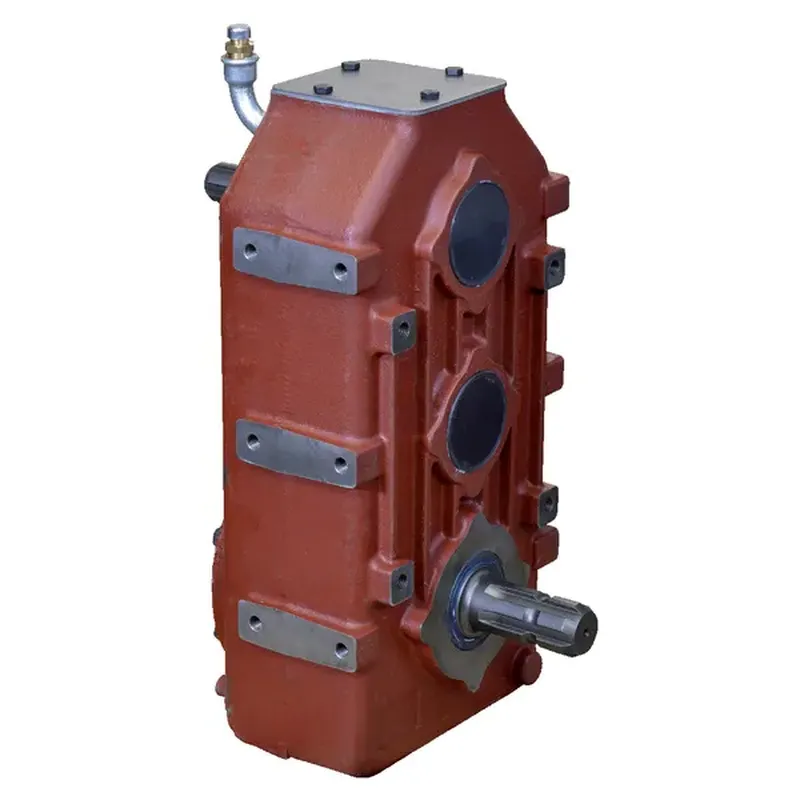
 

Tractor PTO Driven Horizontal Feed Mixer Gearbox Working Principle

A tractor PTO driven horizontal feed mixer gearbox is a specialized mechanical device used in agriculture to mix animal feed. This type of gearbox is designed to harness the power generated by a tractor’s engine and transmit it to operate a horizontal feed mixer. The gearbox connects to the tractor’s PTO shaft, which is a standardized shaft typically found at the rear of the tractor that spins at speeds prescribed by industry standards (commonly 540 or 1000 RPM).

The primary function of the gearbox is to adjust the engine’s high rotational speed to the optimal speed required to effectively mix feed. It reduces the RPM to ensure that the mixing blades or augers within the mixer rotate at a speed that achieves a thorough blend without damaging the feed components. The gearbox is robustly constructed to handle the high torque and stresses involved in mixing various types of feed materials, from grains to fibrous supplements. It usually features heavy-duty gears, durable bearings, and strong seals to withstand the harsh, dusty conditions of farm environments. This gearbox plays a crucial role in feed preparation, ensuring that livestock receive well-mixed, nutritionally balanced feed essential for their health and productivity.

Horizontal Feed Mixer Gearbox

Applications of the Tractor PTO Driven Horizontal Feed Mixer Gearbox

The tractor PTO driven horizontal feed mixer gearbox has various agricultural applications across different sectors of livestock farming. Here are its applications in specific areas:

Dairy Farming:

In dairy farming, the feed mixer gearbox is used to prepare well-balanced and consistent TMR (Total Mixed Ration) feed for dairy cows. It enables the uniform blending of forages, grains, protein sources, and supplements, ensuring that cows receive a nutritionally complete diet. The gearbox allows dairy farmers to optimize feed efficiency, promote milk production, and maintain the health and condition of their dairy herd.

Cattle Ranching:

The feed mixer gearbox is valuable in cattle ranching for preparing feed for beef cattle. It facilitates the mixing of ingredients such as hay, silage, grains, protein sources, and minerals to create a balanced ration. The gearbox ensures uniform distribution of nutrients, leading to optimal growth, weight gain, and overall herd health.

Poultry Farming:

In poultry farming, the feed mixer gearbox is used to prepare feed for broilers, layers, and other poultry species. It allows for the uniform blending of grains, protein sources, vitamins, minerals, and additives to create nutritionally balanced feed formulations. The gearbox helps optimize feed efficiency, promote healthy growth, and enhance egg production in layers.

Sheep Farming:

The feed mixer gearbox is also beneficial in sheep farming for preparing feed for sheep and lambs. It enables the mixing of ingredients such as hay, silage, grains, protein sources, and minerals to create a balanced ration. The gearbox ensures uniform distribution of nutrients, supporting optimal growth, weight gain, and overall flock health.

Horizontal Feed Mixer Gearbox

Tractor PTO Driven Horizontal Feed Mixer Gearbox Working Principle

The operation of a tractor PTO driven horizontal feed mixer gearbox involves a series of mechanical processes that facilitate the efficient mixing of animal feed. Here’s a detailed explanation of how it works:

1. PTO Connection

The process begins when the tractor’s PTO is activated. The PTO shaft, typically located at the rear of the tractor, transfers the mechanical power generated by the tractor’s engine to the gearbox. This shaft features a spline that fits securely into the gearbox’s input shaft, establishing a direct mechanical linkage.

2. Power Transmission

Once engaged, the rotary motion of the tractor’s engine is directly transmitted to the gearbox via the PTO shaft. This rotary motion enters the gearbox at the same rotational speed as the tractor’s engine output, which is usually much higher than what is needed for effective mixing.

3. Speed Adjustment

Within the gearbox, this high-speed rotational power is passed through a series of gears. These gears are designed to reduce the speed of rotation while simultaneously increasing the torque. The configuration of these gears (often spur or helical type) is critical as they must endure high stress and varying loads without failing.

4. Torque Conversion

As the gearbox reduces the input speed, it increases the torque. This higher torque is crucial for mixing thick, dense feed materials. The gearbox’s ability to amplify torque ensures that the mixer can operate under substantial loads without excessive strain on the tractor’s engine.

5. Power Output

The modified power with lower speed and higher torque is then transmitted to the mixer’s mechanism via the output shaft of the gearbox. This shaft drives the mixing elements, such as paddles or augers, which are responsible for the physical blending of feed materials.

6. Operation Control

The gearbox provides flexibility in operation through selectable gear ratios or a variable speed setup, depending on its design. This allows the operator to adjust the mixing speed based on the type of feed being processed and the desired consistency. Adjustments can be made directly from the tractor, allowing for efficient control over the mixing process.

Horizontal Feed Mixer Gearbox

Installation Step of Tractor PTO Driven Horizontal Feed Mixer Gearbox

Installing a tractor PTO driven horizontal feed mixer gearbox onto a feed mixer involves several steps to ensure proper mixing of animal feed. Here’s a detailed guide on how to install the gearbox:

1. Preparation

Begin by selecting a suitable location on the feed mixer for mounting the gearbox. Ensure the mounting surface is sturdy and capable of supporting the weight of the gearbox and mixer assembly. Clean the mounting surface and remove any debris or obstacles that could interfere with installation.

2. Alignment

Align the input shaft of the gearbox with the output shaft of the tractor’s PTO. Use alignment tools such as straightedges or laser levels to ensure precise alignment, minimizing vibration and reducing wear on components. Adjust the position of the gearbox as needed to achieve proper alignment.

3. Gearbox Attachment

Securely attach the gearbox to the mounting surface using appropriate bolt methods. Follow the manual’s recommendations for bolt size and torque specifications to ensure a secure and stable installation. Double-check the alignment after securing the gearbox to confirm that it remains aligned with the PTO shaft.

4. PTO Connection

Connect the tractor’s PTO shaft to the input shaft of the gearbox using a compatible coupling mechanism, such as a spline coupling or universal joint. Ensure the connection is tight and secure to prevent slippage during operation. Verify that the PTO shaft is aligned properly with the gearbox input shaft to minimize wear and vibration.

5. Drive Belt Installation

If the feed mixer is belt-driven, install the drive belt according to the manual’s instructions. Ensure proper tension and alignment of the belt to prevent slippage and ensure efficient power transmission. Inspect the belt for signs of wear or damage and replace it if necessary to prevent belt failure during operation.

6. Safety Checks

Before operating the feed mixer, perform a thorough safety inspection. Check for proper alignment, secure connections, and the absence of any obstructions or hazards. Test the operation of the gearbox and mixer mechanism to ensure smooth and reliable performance.

Horizontal Feed Mixer Gearbox

Common Troubleshooting of Tractor PTO Driven Horizontal Feed Mixer Gearbox

Troubleshooting common issues with a tractor PTO driven horizontal feed mixer gearbox is essential to ensure continuous operation and extend the life of the equipment. Here are some common troubleshooting steps:

1. Gearbox Excessive Noise or Vibration

Check for loose bolts or mountings which can cause the gearbox to vibrate abnormally. Ensure that all components are tightly secured. Also, inspect the gears and bearings for wear or damage, as these can create additional noise and vibrations during operation.

2. Gearbox Leakage of Oil

Examine the gearbox for any signs of oil leakage, which can occur from worn seals or gaskets. Check the tightness of all seals and replace them if they show signs of wear. Also, ensure that the gearbox is not overfilled with oil, as this can cause pressure buildup leading to leaks.

3. Gearbox Overheating

If the gearbox overheats, first check the oil level and quality. Low oil levels or degraded oil can lead to insufficient lubrication and increased friction, causing the temperature to rise. Ensure that the gearbox is filled with the correct type and amount of oil. Additionally, check for any obstructions in the ventilation paths that might prevent proper cooling.

4. Inefficient Mixing

If the mixer is not performing efficiently, verify that the gearbox is transmitting adequate torque to the mixer. Check the condition of the drive belts or couplings for slippage or wear. Adjust or replace these components as necessary to ensure effective power transmission.

5. PTO Connection Issues

Problems with the PTO connection can lead to ineffective operation of the mixer. Ensure that the PTO shaft is correctly aligned and securely connected to the gearbox’s input shaft. Check for any wear or damage on the PTO shaft couplings and replace them if necessary.

6. Unusual Wear of Components

Regularly inspect the internal components of the gearbox such as gears and bearings, for signs of unusual wear. This could indicate misalignment, improper installation, or inadequate lubrication. Address these issues by realigning the gearbox, ensuring proper installation, or improving the lubrication system to prevent further damage and ensure smooth operation.

Horizontal Feed Mixer Gearbox

Why Choose EVER-POWER’s Horizontal Feed Mixer Gearbox?

EVER-POWER is a prominent manufacturer of high-performance horizontal feed mixer gearboxes for a variety of applications. Our horizontal feed mixer gearboxes are a powerful replacement option for Comer Industries, Bondioli & Pavesi, Brevini, Kuhn, Storti, Trioliet, Jaylor, Schuler and other brands of gearboxes. We can also offer many types of agricultural gearboxes and PTO shafts, such as rotary cutter gearboxes, rotary tiller gearboxes, feed mixer gearboxes, lawn mower gearboxes, fertilizer spreader gearboxes, flail mower gearboxes, post hole digger gearboxes, corn headers gearboxes, fertilizer mixer gearboxes, round baler gearboxes, square baler gearboxes, irrigation reels gearboxes, manure spreader gearboxes, fertilizer seeder gearboxes, rotary rake gearboxes, cutting bar gearboxes, gearbox for hay tedders, etc. If you want to buy a horizontal feed mixer gearbox, please get in touch with us.

EVER-POWER Horizontal Feed Mixer Gearbox

Professionalism

Our technical staff can reconfigure an existing design or assist you in designing a custom horizontal feed mixer gearbox if a standard or existing design does not fit your application.

International Certifications

Our horizontal feed mixer gearboxes meet international quality standards and certifications, ensuring reliability and performance.

Customized Services

We offer customized solutions to meet specific requirements, including shaft rotation, speed ratio, input speed, output speed, input torque, output torque, mounting position, and the application’s environment.

Production Facilities

Our state-of-the-art production facilities are equipped with advanced technology to manufacture high-quality horizontal feed mixer gearboxes efficiently.

After-Sales Services

We provide comprehensive after-sales support to ensure customer satisfaction and long-term performance of our products.


Author: Yjx


Common Troubleshooting of Tractor PTO Driven Horizontal Feed Mixer Gearbox

The Tractor PTO Driven Horizontal Feed Mixer Gearbox is a specialized mechanical component designed for use in agricultural feed processing machinery. This gearbox is connected to a tractor’s PTO shaft, which allows it to harness the tractor’s engine power to operate the feed mixer. Typically, the gearbox is robust, engineered to withstand the demanding conditions of farm use, and is crucial for converting the tractor’s power into the necessary speed and torque to efficiently mix livestock feed.

The gearbox itself is usually made from high-strength steel and contains heavy-duty gears that can handle large quantities of feed. It is designed to drive a horizontal mixing auger located within a large tub or container where different types of animal feed ingredients are combined and homogenized. The design ensures uniform mixing of ingredients, preventing any nutritional hotspots or inconsistencies in the feed. This system is essential for modern farming operations where efficiency, reliability, and durability are critical for daily operations.

Horizontal Feed Mixer Gearbox

Advantages of Tractor PTO Driven Horizontal Feed Mixer Gearbox

Using a Tractor PTO Driven Horizontal Feed Mixer Gearbox offers several advantages for agricultural operations:

  1. Efficiency: The gearbox efficiently transfers power from the tractor’s engine to the feed mixer, ensuring that the mixing process is carried out with minimal energy loss. This helps to optimize fuel usage and reduce operational costs.
  2. Customization: These gearboxes often come with variable speed settings, allowing farmers to adjust the mixing speed according to the type of feed being processed and the desired mixing intensity. This customization capability ensures that different types of feed can be accurately mixed to meet specific nutritional requirements.
  3. Uniform Mixing: The gearbox drives the horizontal mixing auger with precision, ensuring thorough blending of ingredients. This results in a consistent mixture of feed, preventing nutrient imbalances and promoting better animal health and performance.
  4. Time-saving: By harnessing the tractor’s power, the gearbox enables efficient mixing of large batches of feed in a relatively short amount of time. This saves labor and allows farmers to focus on other tasks.
  5. Durability: Built with sturdy materials and designed to withstand rugged agricultural environments, these gearboxes are durable and require minimal maintenance. This ensures reliable performance over an extended lifespan, contributing to long-term cost savings.
  6. Versatility: Tractor PTO Driven Horizontal Feed Mixer Gearboxes are compatible with various types of feed mixers and can be easily integrated into existing farming equipment setups. This versatility makes them suitable for a wide range of farm sizes and livestock operations.

Horizontal Feed Mixer Gearbox

Common Applications:

The Tractor PTO Driven Horizontal Feed Mixer Gearbox finds a variety of applications in the agricultural sector, particularly in livestock management and feed production. Here are some key applications:

  • Livestock Feed Preparation: The primary application of this gearbox is in the preparation of feed for various types of livestock, including cattle, pigs, sheep, and poultry. It helps in mixing different ingredients like grains, proteins, vitamins, and minerals to produce a nutritionally balanced feed.
  • Dairy Farming: In dairy farming, consistent and high-quality feed is crucial for maintaining milk production and animal health. The gearbox ensures thorough mixing of feed components, which helps in achieving a homogeneous mix that supports optimal dairy production.
  • Beef Production: For beef cattle, the right mix of nutrients is essential for weight gain and meat quality. The horizontal feed mixer driven by this gearbox allows for the efficient preparation of high-volume and nutritionally balanced cattle feed.
  • Poultry Farming: Poultry feed often requires precise mixing of ingredients to ensure balanced nutrient distribution. The gearbox aids in the effective blending of fine and coarse particles, which is essential for the growth and health of poultry.

Horizontal Feed Mixer Gearbox

Working Principle of Tractor PTO Driven Horizontal Feed Mixer Gearbox

The working principle of a Tractor PTO Driven Horizontal Feed Mixer Gearbox involves the conversion of power from the tractor’s engine into rotational energy that drives the horizontal mixing auger within the feed mixer. Here’s a detailed breakdown of its working principle:

  1. Power Transmission: The gearbox is connected to the tractor’s Power Take-Off (PTO) shaft, which transfers mechanical power from the tractor’s engine to the gearbox. The PTO shaft typically extends from the rear of the tractor and is powered by the engine.
  2. Speed Reduction or Increase: The gearbox contains a series of gears and shafts that transmit power while adjusting the speed and torque output. Depending on the design and requirements of the feed mixer, the gearbox may reduce or increase the rotational speed of the input from the PTO shaft.
  3. Horizontal Mixing Auger Drive: The gearbox’s output shaft is connected to the horizontal mixing auger inside the feed mixer. As power is transmitted through the gearbox, it drives the rotation of the auger.
  4. Mixing Process: With the rotation of the horizontal auger, the feed ingredients inside the mixer’s tub are continuously agitated and blended. The auger’s design ensures that all components are thoroughly mixed, resulting in a uniform feed mixture.
  5. Adjustability: Many Tractor PTO Driven Horizontal Feed Mixer Gearboxes offer adjustable speed settings, allowing operators to control the mixing intensity and duration based on the specific requirements of the feed being processed.

Horizontal Feed Mixer Gearbox

Installation Steps:

Installing a Tractor PTO Driven Horizontal Feed Mixer Gearbox requires careful attention to detail to ensure proper alignment and functionality. Here are the general steps involved in the installation process:

  • Positioning: Position the feed mixer in a suitable location, ensuring that there is enough space for the tractor to connect to the PTO shaft without obstruction. The mixer should be placed on a stable and level surface.
  • Mounting: Securely mount the gearbox to the feed mixer frame using the provided mounting brackets or hardware. Ensure that the gearbox is aligned properly and securely attached to prevent any movement during operation.
  • PTO Shaft Alignment: Align the tractor’s PTO shaft with the input shaft of the gearbox. This may require adjusting the height or angle of the tractor to achieve proper alignment. Connect the two shafts using a suitable PTO shaft coupler, ensuring a secure fit.
  • Safety Precautions: Before operating the mixer, double-check all connections and ensure that all mounting bolts and hardware are tightened to the manufacturer’s specifications. Verify that all safety guards and shields are in place to prevent accidental contact with moving parts.
  • Testing: Start the tractor’s engine and engage the PTO to transmit power to the gearbox. Observe the rotation of the gearbox’s output shaft and ensure that the horizontal mixing auger inside the feed mixer is turning smoothly and in the correct direction.
  • Adjustments: If necessary, make any adjustments to the PTO shaft alignment or gearbox mounting to ensure optimal performance and minimize vibration or noise during operation.
  • Operational Checks: Test the functionality of the feed mixer by adding a small amount of feed ingredients and running the mixer for a short period. Observe the mixing process to ensure that all components are properly blended and that the mixer operates as expected.

Horizontal Feed Mixer Gearbox

Common Troubleshooting of Tractor PTO Driven Horizontal Feed Mixer Gearbox

Troubleshooting a Tractor PTO Driven Horizontal Feed Mixer Gearbox involves diagnosing and fixing common issues that may arise during its operation. Here are some typical problems and their respective solutions:

  1. Excessive Noise or Vibration:
    • Cause: Misalignment of the PTO shaft, worn out bearings or gears, loose mounting bolts, or an unbalanced mixing auger.
    • Solution: Check and realign the PTO shaft. Tighten any loose bolts and replace worn bearings or gears. Ensure the mixing auger is balanced correctly.
  2. Gearbox Overheating:
    • Cause: Insufficient lubrication, overloading, or continuous operation beyond recommended limits.
    • Solution: Ensure the gearbox is properly lubricated with the correct type and amount of oil. Avoid overloading the mixer by adhering to the recommended capacity limits. Allow periodic breaks during extensive use to prevent overheating.
  3. Power Transmission Issues:
    • Cause: PTO shaft not properly engaged, damaged or worn PTO shaft couplers, or gearbox internal damage.
    • Solution: Check the engagement of the PTO shaft and ensure it is locked in place. Inspect the couplers for damage and wear, replacing them if necessary. Examine internal gearbox components for damage and repair or replace as needed.
  4. Leaking Gearbox:
    • Cause: Worn seals or gaskets, cracked gearbox housing, or loose cover bolts.
    • Solution: Replace any worn seals or gaskets. Check the gearbox housing for cracks and repair or replace if required. Tighten any loose bolts on the gearbox covers.
  5. Inefficient Mixing:
    • Cause: Auger blades are worn or bent, the gearbox is not transmitting adequate torque, or the mixer is overloaded.
    • Solution: Replace or repair the auger blades to restore efficiency. Check the gearbox operation to ensure it is providing sufficient torque. Reduce the load to within recommended levels.
  6. Difficulty in Engaging PTO:
    • Cause: Misalignment of the PTO shaft, mechanical obstruction, or issues with the tractor’s PTO system.
    • Solution: Adjust the position and alignment of the PTO shaft. Remove any obstructions that may hinder engagement. Check and service the tractor’s PTO system if the problem persists.

Horizontal Feed Mixer Gearbox

Why Choose EVER-POWER’s Horizontal Feed Mixer Gearbox?

EVER-POWER is a prominent manufacturer of high-performance horizontal feed mixer gearboxes for a variety of applications. Our horizontal feed mixer gearboxes are a powerful replacement option for Comer Industries, Bondioli & Pavesi, Brevini, Kuhn, Storti, Trioliet, Jaylor, Schuler and other brands of gearboxes. We can also offer many types of agricultural gearboxes and PTO shafts, such as rotary cutter gearboxes, rotary tiller gearboxes, feed mixer gearboxes, lawn mower gearboxes, fertilizer spreader gearboxes, flail mower gearboxes, post hole digger gearboxes, corn headers gearboxes, fertilizer mixer gearboxes, round baler gearboxes, square baler gearboxes, irrigation reels gearboxes, manure spreader gearboxes, fertilizer seeder gearboxes, rotary rake gearboxes, cutting bar gearboxes, gearbox for hay tedders, etc. If you want to buy a horizontal feed mixer gearbox, please get in touch with us.

Horizontal Feed Mixer Gearbox

Professionalism

Our team of skilled engineers and technicians are dedicated to producing high-quality gearboxes that meet industry standards and customer expectations. We prioritize professionalism in every aspect of our operations to deliver reliable products.

International Certifications

Our gearboxes are certified to meet international quality standards, ensuring compliance with regulations and industry requirements. We strive to maintain certifications that validate the performance and reliability of our products.

Customized Services

We offer tailored solutions for customers seeking unique gearbox designs for specific applications. Our technical staff can assist in customizing gear ratios, input/output speeds, torque requirements, and mounting positions to meet individual needs.

Production Facilities

Our state-of-the-art production facilities are equipped with advanced machinery and tools to manufacture precision gearboxes with efficiency and accuracy. We invest in technology to enhance our manufacturing capabilities and product quality.

After-Sales Services

We provide comprehensive after-sales support to assist customers with installation, maintenance, and troubleshooting of our gearboxes. Our dedicated service team is committed to ensuring customer satisfaction and product performance.

Author: Yjx

Key Components of Tractor PTO Driven Horizontal Feed Mixer Gearbox

The PTO Driven Horizontal Feed Mixer Gearbox is a crucial component in agricultural machinery used for mixing animal feed. This gearbox is designed to be attached to the PTO shaft of a tractor, utilizing the tractor’s engine power to operate the mixer. The gearbox converts the engine’s power into the mechanical action needed to drive the mixing mechanism, typically a horizontal auger.

Constructed from durable materials, the gearbox is built to withstand the harsh conditions of farm operation. It ensures the power from the tractor is efficiently transmitted at the appropriate speed and torque to mix various feed ingredients thoroughly. This includes grains, minerals, and vitamins into a uniform blend essential for livestock nutrition. The ability to attach directly to farm tractors makes it a versatile and valuable tool for farmers, enabling them to produce high-quality feed on-demand, thereby enhancing the productivity and health of their animals.

Horizontal Feed Mixer Gearbox

Key Advantages:

Using a Tractor PTO (Power Take-Off) Driven Horizontal Feed Mixer Gearbox offers several benefits for agricultural operations, particularly in the efficient preparation of livestock feed. Here are some key advantages:

  • Increased Efficiency: The gearbox allows for the efficient use of the tractor’s power, converting it into the mechanical energy required to operate the feed mixer. This process minimizes energy loss and maximizes output, helping farmers save on fuel and reduce operational costs.
  • Enhanced Feed Quality: The horizontal auger, powered by the gearbox, ensures thorough and consistent mixing of feed ingredients. This uniform mixing prevents nutrient segregation and ensures that livestock receive all necessary nutrients in each bite, promoting better health and productivity.
  • Versatility: The PTO Driven Horizontal Feed Mixer Gearbox can be attached to a wide range of tractors, making it a versatile choice for different farm sizes and setups. It can handle various types of feed ingredients, from grains to forages and supplements, catering to diverse dietary requirements.
  • Time-Saving: By mechanizing the feed mixing process, the gearbox allows for quick preparation of large quantities of feed. This saves valuable time for farmers, who can then dedicate more effort to other critical farm management tasks.
  • Durability and Reliability: Designed for heavy-duty use, the gearbox is built to withstand the demanding conditions of agricultural environments. Its robust construction ensures long-term reliability and durability, reducing the frequency and cost of repairs.

Horizontal Feed Mixer Gearbox

Applications of Tractor PTO Driven Horizontal Feed Mixer Gearbox

The PTO (Power Take-Off) Driven Horizontal Feed Mixer Gearbox is primarily used in the agricultural sector for various applications, each related to improving the efficiency and quality of livestock feed preparation. Here are some of its most common applications:

  1. Livestock Feed Production: The primary use of the PTO Driven Horizontal Feed Mixer Gearbox is in the mixing of feed for various types of livestock, including cattle, sheep, goats, and horses. It helps create a homogenous mixture of grains, forages, supplements, and other feed components, ensuring balanced nutrition for animals.
  2. Dairy Farming: In dairy operations, consistent, high-quality feed is crucial for maintaining milk production and animal health. The gearbox enables the thorough mixing of feed ingredients, which helps in producing feed that supports optimal lactation in dairy cows.
  3. Poultry Farming: The gearbox is used to mix feed for poultry, ensuring that the feed is finely and evenly blended. This is vital for the health and productivity of chickens, turkeys, and other poultry, where a consistent nutrient mix can significantly impact growth rates and egg production.
  4. Swine Production: For swine herds, precise and consistent feed mixing is necessary to meet the specific nutritional requirements at different stages of growth. The PTO Driven Horizontal Feed Mixer allows for precise control over the feed mixing process, which is crucial for the efficient raising of pigs.
  5. Specialty Animal Feeding: For specialty farms raising animals like bison, deer, or other non-traditional livestock, the gearbox facilitates the creation of custom feed blends tailored to the specific nutritional needs of these animals.

Horizontal Feed Mixer Gearbox

Key Components of Tractor PTO Driven Horizontal Feed Mixer Gearbox

The Tractor PTO Driven Horizontal Feed Mixer Gearbox is an essential piece of agricultural equipment, featuring several key components that work together to ensure efficient operation and durability. Here’s a breakdown of these vital parts:

  • Input Shaft: This is the part of the gearbox that connects directly to the tractor’s Power Take-Off (PTO) shaft. It receives the rotational power generated by the tractor’s engine, which is then transmitted into the gearbox.
  • Gears: Inside the gearbox, there are several gears of varying sizes and types (such as spur, helical, or planetary gears) depending on the design. These gears are responsible for converting and transmitting the power from the input shaft to the output shaft at the required speed and torque.
  • Output Shaft: The output shaft is connected to the mixing mechanism, typically a horizontal auger. This shaft transfers the mechanical power from the gears to the auger, enabling it to rotate and mix the feed.
  • Bearings: Bearings are used to support the shafts and allow them to rotate smoothly with minimal friction. High-quality bearings are crucial for the longevity and efficiency of the gearbox.
  • Housing: The housing encases the gears and bearings, protecting them from dust, debris, and the elements. It is typically made from robust materials like cast iron or steel to withstand the mechanical stresses and harsh conditions of farm use.
  • Seals and Gaskets: These components help prevent lubricant leaks and stop contaminants such as dirt and moisture from entering the gearbox. Proper sealing is critical for maintaining the efficiency and lifespan of the gearbox.

Horizontal Feed Mixer Gearbox

Working Principle:

The Tractor PTO Driven Horizontal Feed Mixer Gearbox operates through a series of mechanical interactions that convert and transmit power from the tractor to the feed mixer. Here’s a detailed breakdown of its working mechanism:

  1. Power Source Connection: The process begins with the tractor’s engine, which generates mechanical power. This power is accessed through the tractor’s Power Take-Off (PTO) shaft. The PTO shaft is a protruding spindle on the tractor that rotates when the engine runs.
  2. Transmission of Power to the Gearbox: The gearbox is directly connected to the tractor’s PTO shaft. When the tractor is activated and the PTO is engaged, the rotational power from the tractor’s engine is transmitted to the input shaft of the gearbox.
  3. Speed and Torque Conversion: Inside the gearbox, the mechanical power received at the input shaft is transferred through a series of gears. Depending on the design, the gearbox may use different types of gears (such as spur, helical, or planetary gears) to adjust the torque and speed of the output according to the needs of the feed mixing process. This is crucial because the raw power from the tractor often needs to be modified to achieve efficient mixing—generally, the gearbox will reduce the speed to increase the torque.
  4. Output Shaft Operation: The adjusted mechanical power is then transferred to the output shaft of the gearbox. This shaft is configured to drive the mixing mechanism of the feed mixer, which is usually a horizontal auger located within a large mixing tub.
  5. Mixing Process: As the output shaft turns the auger, it rotates horizontally, stirring and combining the various feed components placed in the tub. The design of the auger ensures that all ingredients are thoroughly mixed to create a homogenous feed mix. This consistent mixing action is essential for ensuring that all nutrients are evenly distributed throughout the feed.
  6. Operational Control: The operation of the gearbox and, consequently, the mixing process can be controlled from the tractor. This includes starting and stopping the mixer, adjusting the speed of the gearbox (if variable speed options are available), and engaging or disengaging the PTO.

Horizontal Feed Mixer Gearbox

Proper Maintenance:

Proper maintenance of a Tractor PTO Driven Horizontal Feed Mixer Gearbox is crucial for its longevity and optimal performance. Here are six detailed steps to maintain this essential piece of agricultural equipment:

  • Regular Lubrication: Ensure that the gearbox is regularly lubricated with the appropriate type and grade of oil or grease, as specified by the manual. This reduces friction among the moving parts, prevents overheating, and minimizes wear and tear. Check the oil level and quality frequently, especially after prolonged usage, and replace the oil if it becomes dirty or depleted.
  • Check and Tighten Bolts and Fasteners: Vibrations from regular operation can loosen bolts and fasteners over time. Periodically check and tighten these components to ensure the gearbox is securely mounted and the internal components are firmly held in place. This prevents structural damage and misalignment that can lead to mechanical failures.
  • Inspect and Replace Worn Parts: Regularly inspect the gears, bearings, seals, and other internal components of the gearbox for signs of wear or damage. Replace any worn or damaged parts immediately to maintain efficient performance and prevent further damage to other components. Using only manual-recommended parts can help maintain the integrity and performance of the gearbox.
  • Maintain the PTO Shaft: The PTO shaft plays a crucial role in transmitting power from the tractor to the gearbox. Keep the shaft in good condition by regularly checking its alignment, lubricating the joints, and ensuring that the protective shield is intact. This prevents premature wear and potential hazards while operating the equipment.
  • Cleanliness: Keep the gearbox clean from dirt, debris, and any corrosive materials. Build-up of debris can lead to overheating and contamination of lubricants, which impairs the functionality of the gearbox. After each use, especially in dusty or muddy conditions, clean the external surfaces and ensure that the ventilation ports are clear to allow proper cooling.

Horizontal Feed Mixer Gearbox

Choose the Right PTO Shaft for the Horizontal Feed Mixer Gearbox

Selecting the right PTO (Power Take-Off) shaft for a horizontal feed mixer gearbox is critical for efficient and safe operation. Here are essential considerations to ensure you choose the appropriate PTO shaft:

  1. Compatibility with Tractor and Gearbox: Ensure the PTO shaft is compatible with both the tractor’s PTO output and the feed mixer gearbox’s input. This includes matching the physical connection type (e.g., splined or keyed shaft), as well as the size and number of splines.
  2. Length of the Shaft: The length of the PTO shaft must be appropriate for the distance between the tractor and the feed mixer to avoid operational stress or accidents. Measure the distance when the tractor is hitched and positioned for operation. Consider dynamic changes in distance that occur as the tractor moves or when the terrain is uneven.
  3. Torque and Horsepower Requirements: Check the torque and horsepower requirements of the feed mixer gearbox and ensure the PTO shaft can handle the maximum output of the tractor without risk of damage. Overloading a PTO shaft can lead to catastrophic failures, so selecting one with adequate capacity is vital.
  4. Safety Features: Look for a PTO shaft that includes safety features such as a shear bolt or a slip clutch. These mechanisms protect the gearbox and the tractor from damage if the auger becomes jammed or if there is any sudden torque overload.
  5. Ease of Maintenance and Durability: Choose a PTO shaft that is easy to maintain and constructed from durable materials. Regular maintenance should include greasing the joints and checking for wear and damage. A shaft with replaceable parts (like universal joints) can be a practical choice, as it allows for easier repairs.
  6. Operational Speed: Ensure the PTO shaft can operate effectively at the speed required by the gearbox. Most PTO shafts are designed to work at standard speeds, but check that the specifications match the gearbox’s requirements to avoid inefficiencies or mechanical strain.

PTO Shaft for Horizontal Feed Mixer Gearbox

Why Choose EVER-POWER?

EVER-POWER is a prominent manufacturer of high-performance horizontal feed mixer gearboxes for a variety of applications. Our horizontal feed mixer gearboxes are a powerful replacement option for Comer Industries, Bondioli & Pavesi, Brevini, Kuhn, Storti, Trioliet, Jaylor, Schuler and other brands of gearboxes. Our technical staff can reconfigure an existing design or assist you in designing a custom horizontal feed mixer gearbox if a standard or existing design does not fit your application. Shaft rotation, speed ratio, input speed, output speed, input torque, output torque, mounting position, and the application’s environment are all considerations when choosing a horizontal feed mixer gearbox. If you want to buy a horizontal feed mixer gearbox, please get in touch with us.

  • Professionalism: Our team of experts is dedicated to delivering top-quality products and services to customers worldwide.
  • International Certifications: We adhere to international quality standards and certifications to guarantee the reliability and durability of our gearboxes.
  • Customized Services: We provide tailored solutions to meet the unique needs of each customer, ensuring maximum efficiency and productivity.
  • Production Facilities: Our state-of-the-art production facilities are equipped with advanced technology to manufacture high-quality gearboxes.
  • After-Sales Services: We offer comprehensive after-sales support to assist customers with installation, maintenance, and troubleshooting.
  • Global Presence: With a strong global presence, we serve customers in multiple countries and regions, establishing long-term partnerships based on trust and reliability.

Horizontal Feed Mixer Gearbox Manufacturer

Author: Yjx