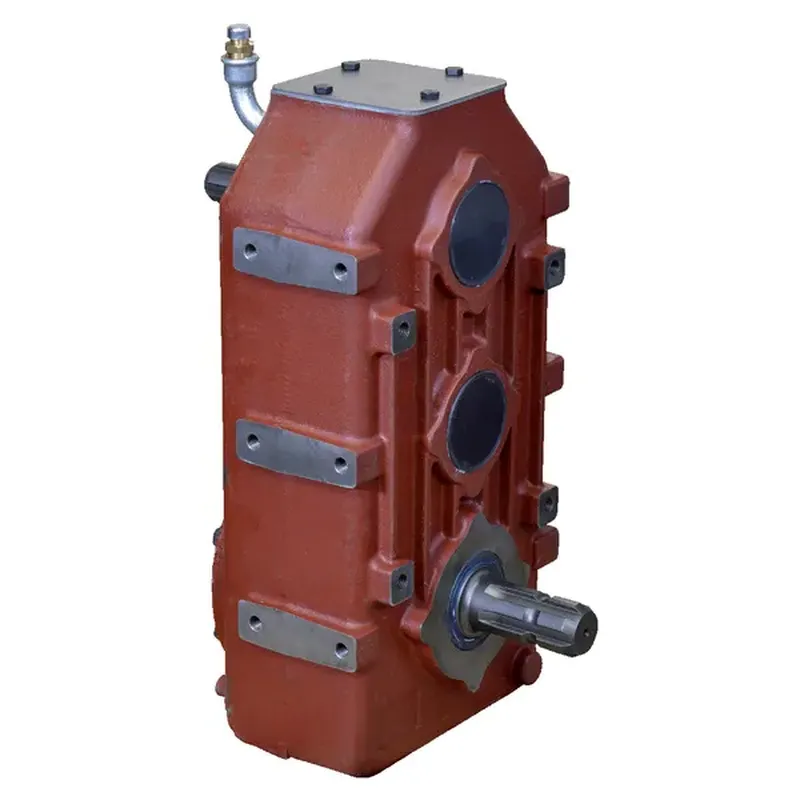
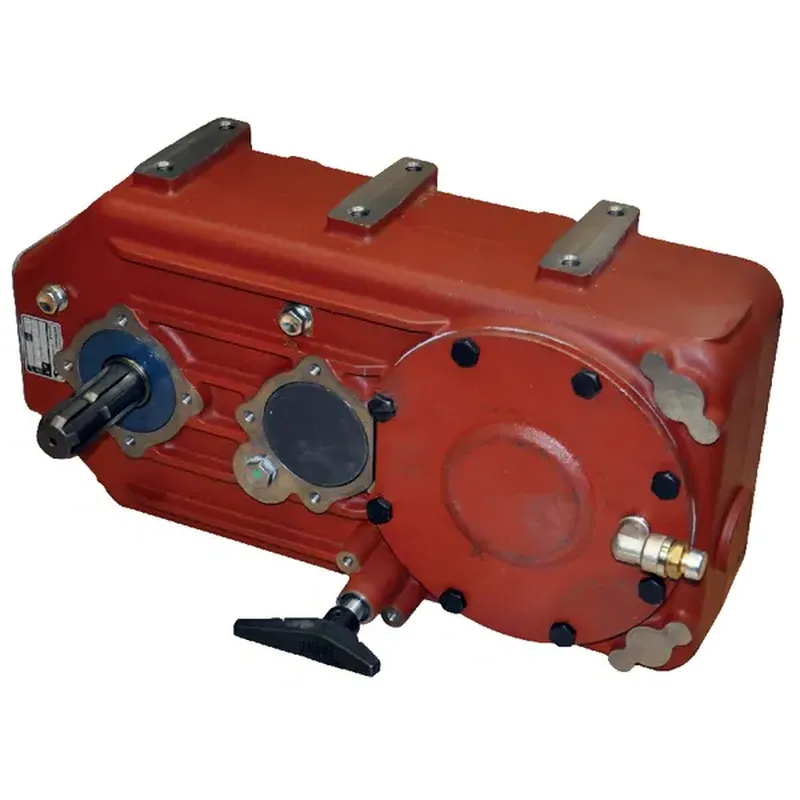
A Horizontal Feed Mixer Gearbox for Swine Operations is an essential component of the machinery used in pig farming to mix feed. This gearbox operates within a system designed to blend various nutritional components such as grains, proteins, and minerals to create a homogeneous mixture tailored to the dietary needs of swine at different stages of growth. The gearbox itself functions as the power transmission mechanism, converting the power input from a motor (often electric or PTO-driven) into the required mechanical force to drive the mixer’s augers or paddles.
These augers are typically horizontal and work to rotate and mix the feed materials effectively inside the mixer tank. Constructed to withstand the harsh, dusty, and sometimes wet conditions of a swine operation, the gearbox is robust, featuring durable gears, heavy-duty bearings, and seals that prevent contamination and ensure longevity. This efficient operation is crucial in maintaining consistent feed quality, which directly impacts the health and productivity of the livestock.
Advantages of Horizontal Feed Mixer Gearbox for Swine Operations
There are several advantages to using a horizontal feed mixer gearbox in swine operations:
- Efficient Mixing: The gearbox’s ability to transmit high torque allows for thorough blending of feed ingredients, ensuring uniform nutrition for the swine.
- Durable Construction: Horizontal feed mixer gearboxes are built to withstand heavy loads and continuous operation, making them ideal for demanding agricultural environments.
- Customizable Options: Gear ratios, input/output speeds, and mounting positions can be tailored to suit specific swine feeding requirements, providing flexibility in operation.
- Low Maintenance: With proper care and maintenance, horizontal feed mixer gearboxes offer long-lasting performance, reducing downtime and repair costs.
- Energy Efficiency: By optimizing power transmission and reducing energy loss, these gearboxes contribute to overall energy savings in swine feeding operations.
- Improved Productivity: The efficient mixing capabilities of a horizontal feed mixer gearbox can lead to increased productivity and better feed conversion rates in swine operations.
Applications of Horizontal Feed Mixer Gearbox for Swine Operations
A horizontal feed mixer gearbox is commonly used in swine operations for:
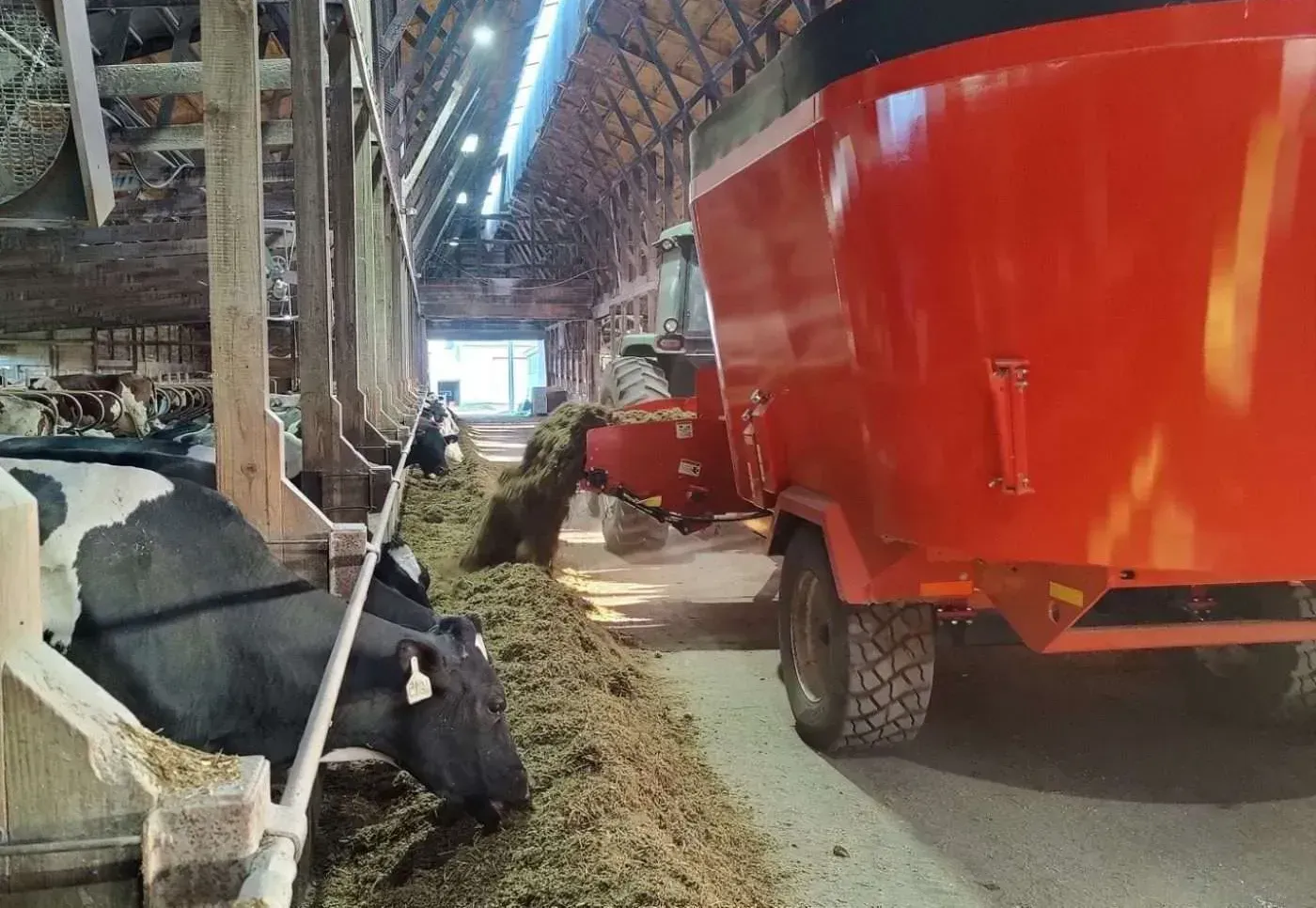
- Preparing balanced rations for swine diets
- Mixing various feed ingredients such as grains, proteins, and supplements
- Ensuring uniform distribution of nutrients in the feed mixture
- Reducing feed wastage and improving feeding efficiency
- Enhancing the digestibility and palatability of feed for swine
- Optimizing overall swine health and performance
Key Components of Horizontal Feed Mixer Gearbox for Swine Operations
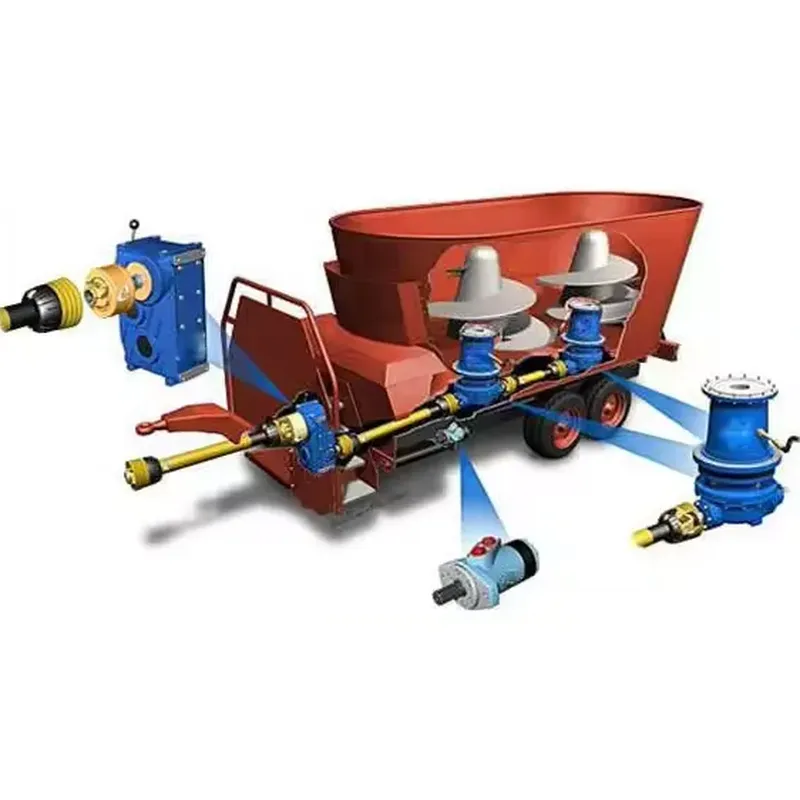
The Horizontal Feed Mixer Gearbox for Swine Operations is comprised of several key components that collectively ensure efficient and effective operation. Each component plays a crucial role in the gearbox’s functionality:
- Housing: The housing of the gearbox is a robust enclosure that protects the internal components from external elements and contaminants such as dust, moisture, and debris common in swine operations. It also adds structural integrity to the gearbox, supporting the internal components under the load and stress of operation. Typically made from cast iron or steel, it is designed to withstand the harsh conditions of agricultural environments.
- Gears: Gears are the central components of the gearbox, responsible for the reduction of input speed and the increase of torque. These gears come in various types, such as spur, helical, or planetary, depending on the specific design and requirements of the mixer. They are usually made from hardened steel for durability and are precisely machined to mesh smoothly, reducing wear and prolonging the life of the gearbox.
- Bearings: Bearings support the rotational movement of the gears and shafts within the gearbox. They reduce friction and wear, helping to maintain the efficiency and reliability of the gearbox. Bearings must be of high quality to withstand the heavy loads and potentially abrasive conditions of feed mixing without failing.
- Shafts: Shafts transmit the mechanical power from the input (motor or PTO) to the gears and then to the mixing mechanism. They are typically made from high-strength steel to endure the torsional stresses and high loads imposed during the mixing process. Proper alignment and balance of the shafts are critical to prevent undue wear and vibration.
- Seals: Seals are crucial for preventing lubricant leakage and for keeping contaminants out of the gearbox. In the gritty, dusty environment of swine operations, effective sealing is vital for maintaining the longevity and reliability of the gearbox. Seals must be regularly inspected and replaced if they show signs of wear or damage.
- Lubrication System: A well-maintained lubrication system is essential for the smooth operation of the gearbox. This system ensures that all moving parts are continuously coated with lubricant, reducing friction and heat build-up. Lubrication can be achieved through splash systems, forced lubrication, or manual lubrication, depending on the gearbox design. Regular checks and changes of the lubricant are necessary to maintain optimal performance.

How Does the Horizontal Feed Mixer Gearbox for Swine Operations Work?
The Horizontal Feed Mixer Gearbox for Swine Operations plays a vital role in the efficient mixing of feed for pigs. Here is a detailed description of how it works:
- Power Input: The operation begins with power input, usually from an electric motor or a tractor’s Power Take-Off (PTO). This input is crucial as it provides the necessary energy to drive the gearbox. The motor or tractor is connected to the gearbox via a drive shaft, which transfers rotational energy directly to the gearbox.
- Speed Reduction and Torque Increase: Inside the gearbox, this input rotational speed is typically too high for effective mixing and must be reduced. This is done through a series of gears that decrease the speed of rotation while simultaneously increasing the torque. The increased torque is necessary to handle the heavy load of the feed materials, allowing the mixer to operate under the strain of turning dense, possibly compacted feed ingredients.
- Mechanical Conversion: The gearbox translates the high-speed, low-torque rotation from the power source into low-speed, high-torque rotation suitable for mixing. This conversion is essential for ensuring that the mixing blades can move through the thick, heavy material without stalling or causing damage to the gearbox or motor.
- Output to Mixing Mechanism: The transformed mechanical power is then delivered to the mixer’s main shaft, where horizontal mixing augers or paddles are attached. These augers are designed to move in a coordinated manner to push, pull, and fold the feed materials, ensuring a thorough and uniform mix.
- Operational Control: Operators can control the mixing process through various mechanisms, including adjusting the speed of the gearbox output. This can be important for different stages of mixing or for different types of feed materials, which may require more gentle or more vigorous agitation.
Proper Maintenance of Horizontal Feed Mixer Gearbox for Swine Operations
Proper maintenance of a horizontal feed mixer gearbox for swine operations is essential for ensuring optimal performance, longevity, and safety. Here are key maintenance practices:
- Regular Inspection: Conduct routine visual inspections to identify any signs of wear, damage, or leaks in the gearbox components. Check for loose bolts, worn gears, and damaged seals. Addressing minor issues promptly can prevent them from escalating into major problems.
- Lubrication: Ensure proper lubrication of all moving parts according to the manual’s recommendations. Use high-quality lubricants suitable for the operating conditions of the gearbox. Regularly check oil levels and top up or replace lubricants as needed to prevent excessive wear and overheating.
- Cleanliness: Keep the gearbox and surrounding area clean and free of debris, dust, and moisture. Regularly remove any buildup of feed residues or contaminants that can accelerate wear and corrosion. Clean the gearbox exterior with a brush or compressed air to prevent foreign particles from entering internal components.
- Alignment and Adjustment: Check the alignment of the gearbox components, including gears, shafts, and couplings. Misalignment can lead to premature wear and inefficient operation. Adjust any misaligned components as necessary to ensure smooth and consistent power transmission.
- Safety Checks: Inspect safety features such as shear pins or overload clutches regularly to ensure they are functioning correctly. These mechanisms protect the gearbox from damage in the event of a jam or overload. Replace any damaged or worn safety components immediately to maintain operational safety.
Why Choose EVER-POWER’s Horizontal Feed Mixer Gearbox?
EVER-POWER is a leading manufacturer of high-performance horizontal feed mixer gearboxes designed for various agricultural applications. Our gearboxes are reliable replacements for popular brands and offer customizable options to suit specific needs. Our horizontal feed mixer gearboxes are a powerful replacement option for Comer Industries, Bondioli & Pavesi, Brevini, Kuhn, Storti, Trioliet, Jaylor, Schuler and other brands of gearboxes.
- Professionalism: Our technical staff can reconfigure existing designs or assist in designing custom gearboxes.
- International Certifications: Our products meet stringent quality standards and certifications.
- Customized Services: We offer tailored solutions to meet specific swine feeding requirements.
- Production Facilities: Our state-of-the-art manufacturing facilities ensure high-quality products.
- After-Sales Services: We provide comprehensive support and maintenance services for our gearboxes.

For all your horizontal feed mixer gearbox needs in swine operations, trust EVER-POWER to deliver reliable and efficient solutions tailored to your requirements.
Author: Yjx