Tag Archives: Combine Harvester Gearbox for Sale

High Quality Combine Harvester Gearbox for Optimized Grain Separation

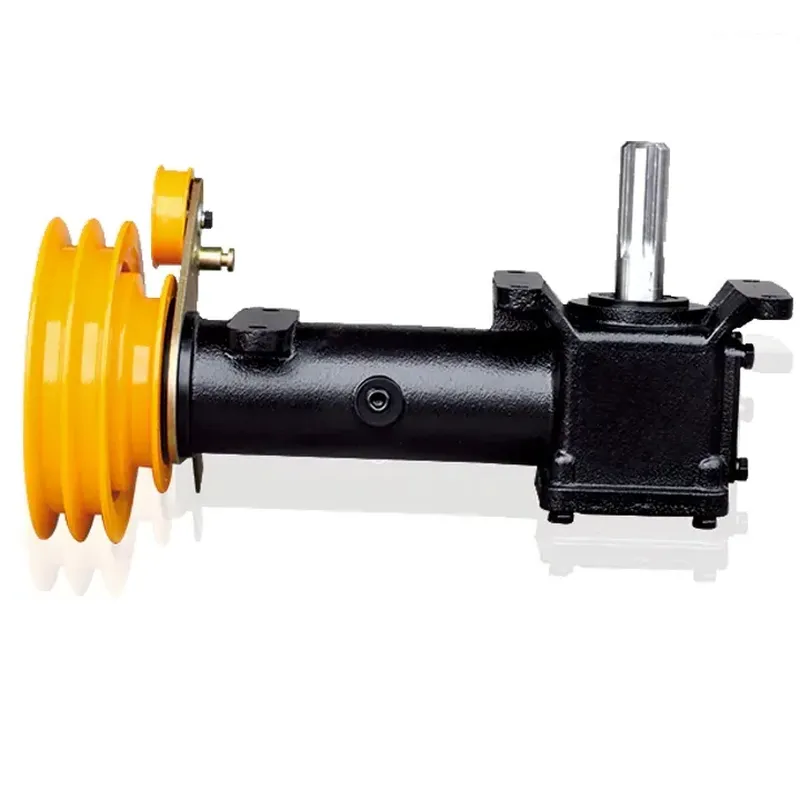
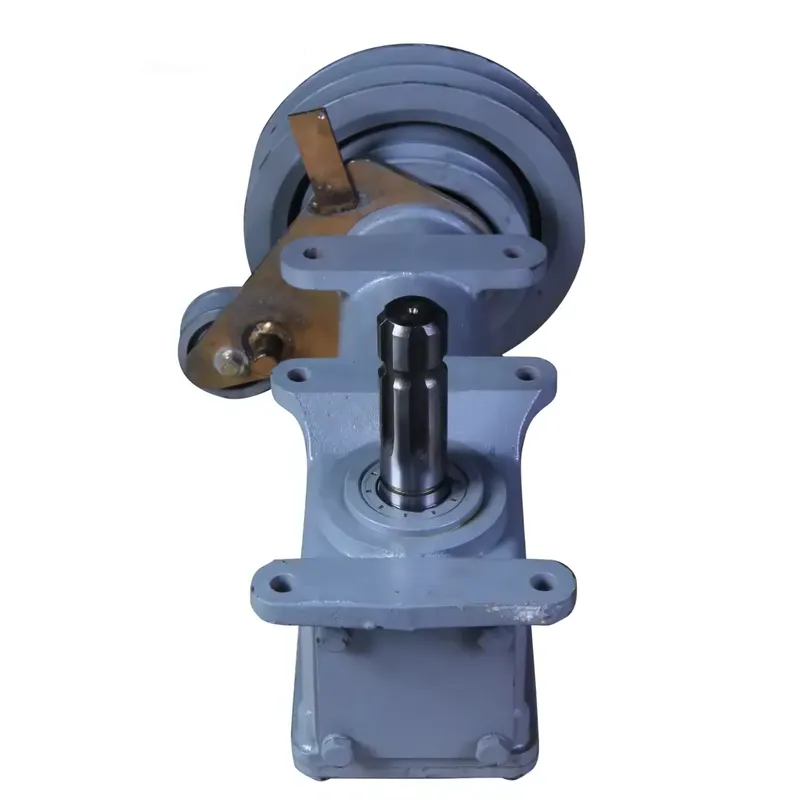
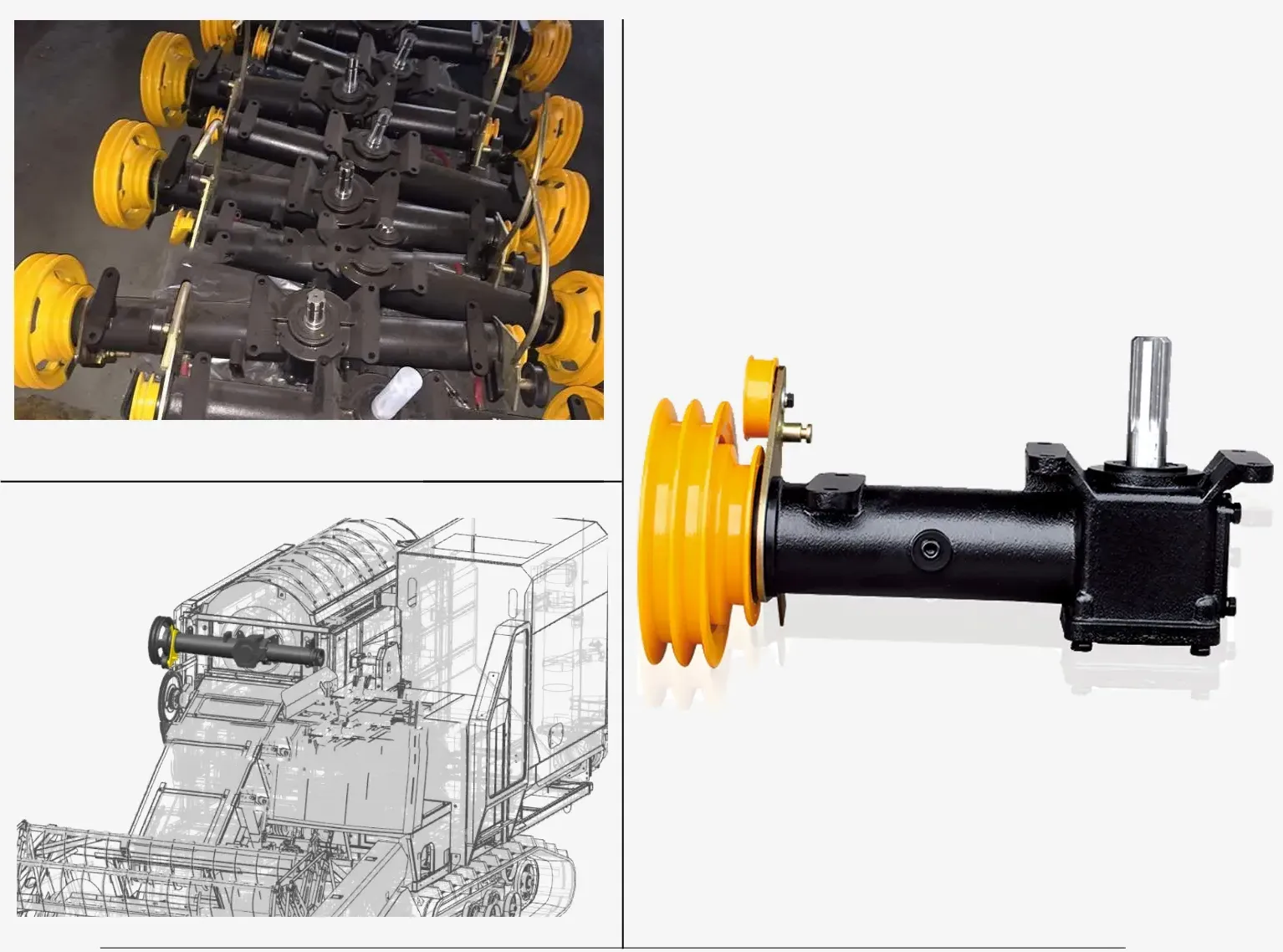
The combine harvester gearbox for grain separation is a crucial component within agricultural machinery designed specifically for combine harvesters. This gearbox is integral to the grain separation process, where it plays a pivotal role in managing the transfer of mechanical power from the engine to the various moving parts that facilitate the separation of grain from chaff and straw. Constructed from robust materials to endure the stresses of harvesting operations, this gearbox typically features a complex arrangement of gears, shafts, and bearings designed to optimize efficiency and durability.

The functionality of this gearbox extends to controlling the speed and torque applied to the threshing mechanism, allowing for adjustments based on the crop type and field conditions. By doing so, it ensures the efficient and effective separation of grain, minimizing losses and maximizing output. The design of the gearbox also emphasizes maintenance accessibility and resistance to the harsh, often dusty conditions of field work. This not only prolongs the life of the gearbox but also ensures consistent performance under varying agricultural demands.
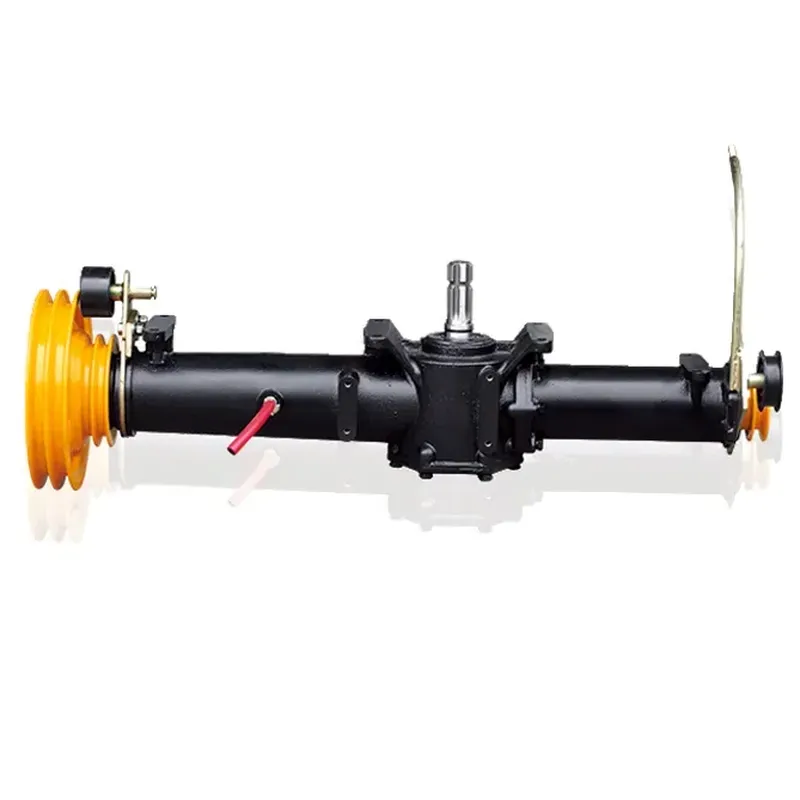
Combine Harvester Gearbox

Benefits of Combine Harvester Gearbox for Grain Separation

The combine harvester gearbox for grain separation brings several significant benefits to the agriculture sector, particularly in enhancing the efficiency and productivity of grain harvesting operations. Here are some key advantages:

  1. Increased Efficiency: The gearbox optimizes the speed and torque of the threshing and separation mechanisms. This precision allows for faster processing of crops, resulting in quicker clearing of fields and less time spent on each acre, thereby increasing overall harvesting efficiency.
  2. Improved Crop Yields: By enabling precise control over the mechanical aspects of threshing and separation, the gearbox helps reduce crop damage and loss during harvesting. This results in a higher yield of usable grain, which is crucial for maximizing profitability for farmers.
  3. Versatility: Modern combine harvester gearboxes are designed to handle a variety of crop types and conditions. This adaptability allows farmers to use the same machinery for different crops, reducing the need for multiple specialized machines and thereby lowering capital investment.
  4. Durability and Reliability: These gearboxes are built to withstand the harsh conditions of harvesting operations, including exposure to dust, debris, and varying weather conditions. Their robust construction reduces the frequency of breakdowns and maintenance needs, ensuring consistent operation during critical harvesting periods.
  5. Energy Efficiency: Efficient power transfer within the gearbox reduces the energy required to operate the machinery. This can lead to lower fuel consumption, which is both cost-effective and better for the environment.
  6. Enhanced Operator Comfort: Advanced gearbox designs can also contribute to smoother machine operation, reducing vibrations and noise. This enhances comfort for the operator, which is important for maintaining productivity during long hours in the field.
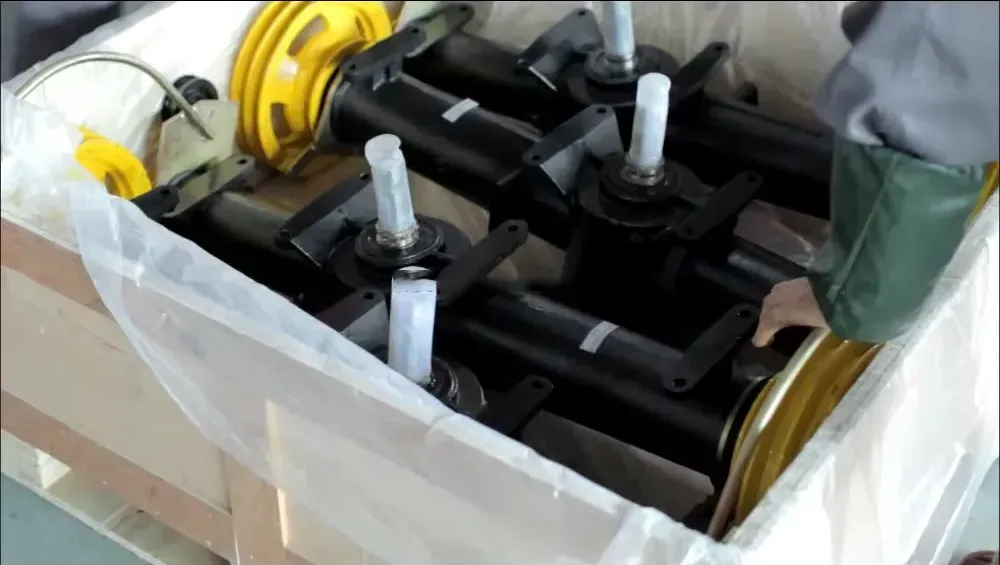
Combine Harvester Gearbox

Typical Applications:

The combine harvester gearbox is a versatile and essential component used in various agricultural applications, particularly in the harvesting process. Its common applications include:

  • Grain Harvesting: The primary application of the combine harvester gearbox is in the harvesting of grains such as wheat, barley, oats, rice, and corn. The gearbox ensures efficient separation of grain from chaff and straw, optimizing yield and quality.
  • Threshing Operations: The gearbox is integral to the threshing mechanism of combine harvesters, which helps in the effective separation of edible parts of the grain from the inedible chaff. This process is critical for preparing the grain for further processing or storage.
  • Straw Management: After separating the grain, the remaining straw can be chopped and spread evenly across the field or baled for use as animal fodder or bedding. The gearbox ensures that the straw management system operates efficiently.
  • Corn Harvesting: In addition to small grains, the combine harvester gearbox is also used in corn harvesting. It helps in the effective removal of kernels from the cob and ensures minimal grain loss during the harvesting process.
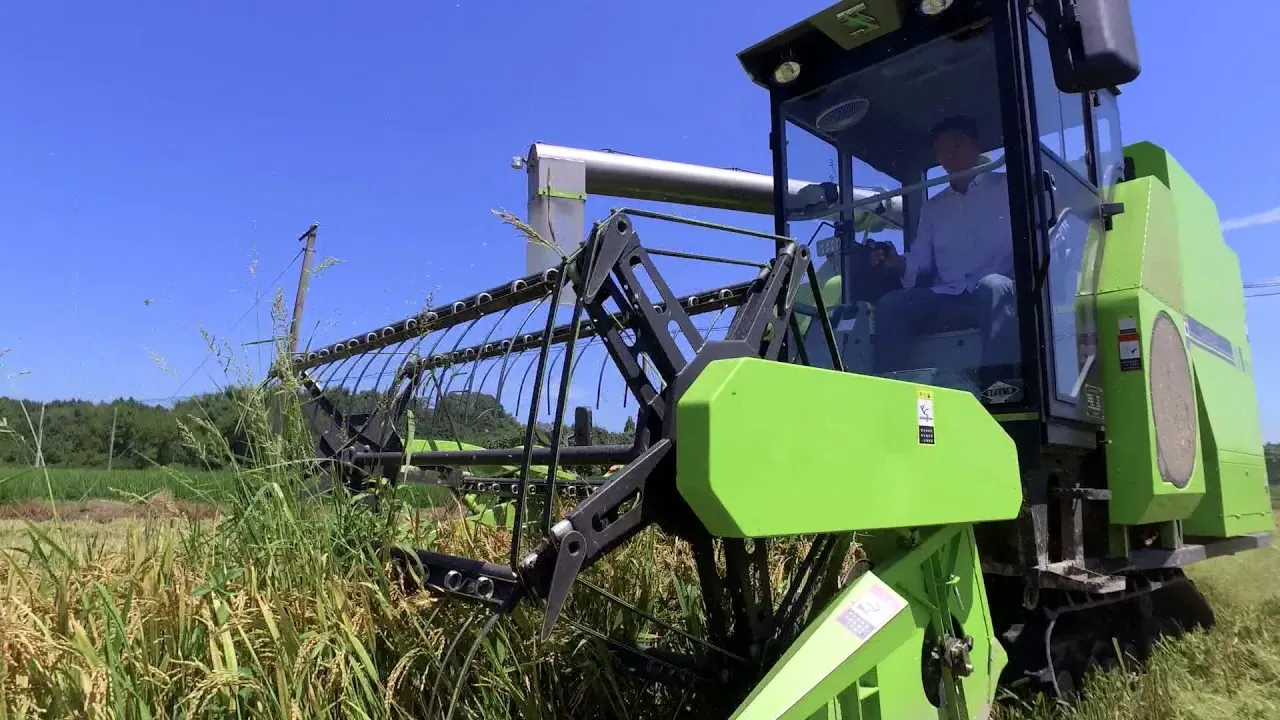
  • Rice Harvesting: Specialized combine harvesters equipped with suitable gearboxes are used for rice harvesting. These gearboxes are designed to handle the unique challenges posed by rice crops, such as handling wet and heavy stalks.
  • Legume Harvesting: The gearbox can also be used in harvesting legumes like soybeans and lentils, ensuring the delicate beans are separated efficiently without damage.
  • Sunflower Harvesting: For crops like sunflowers, the combine harvester gearbox helps in separating the seeds from the flower heads, which is essential for producing sunflower oil and seeds.
  • Forage Harvesting: In forage harvesting operations, where crops like alfalfa and clover are harvested for silage or hay, the gearbox helps cut, threshing, and process the forage efficiently.
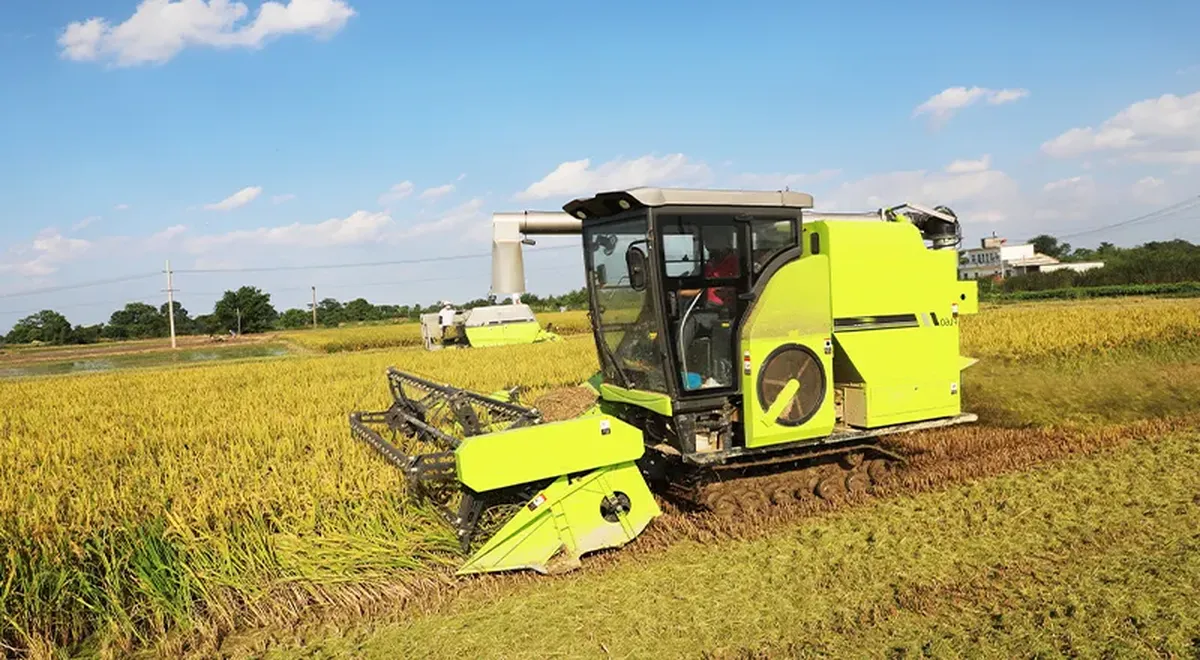
Combine Harvester Gearbox

Key Components of Combine Harvester Gearbox

The combine harvester gearbox is a complex and robust assembly designed to handle the demanding tasks of grain separation and overall harvesting operations. Here are the key components that make up this essential machinery part:

  1. Gear Sets: The core of the gearbox, these consist of various gears such as spur gears, helical gears, and bevel gears. They are responsible for the transmission of power from the engine to different parts of the harvester. The gears are designed to provide the necessary torque and speed adjustments for efficient operation.
  2. Shafts: These are critical components that support and transmit rotational motion from one part of the gearbox to another. The primary shaft, secondary shafts, and counter shafts work together to ensure smooth power flow and effective operation of the harvester.
  3. Bearings: Bearings reduce friction between moving parts and support the rotation of shafts and gears. They are essential for maintaining the efficiency and longevity of the gearbox by minimizing wear and tear.
  4. Clutches: Clutches are used to engage and disengage the power transmission between the engine and the gearbox. They allow for smooth starting, stopping, and speed changes of the harvester without causing damage to the gearbox or engine.
  5. Differential Mechanism: This component allows for the transfer of power to the wheels while permitting them to rotate at different speeds, which is crucial when turning the combine harvester.
  6. Housing/Casing: The outer structure that encases all the internal components, protecting them from dirt, debris, and damage. It also helps maintain the alignment of internal parts and provides structural integrity.
  7. Seals and Gaskets: These components prevent the leakage of lubricants and keep contaminants out of the gearbox. Proper sealing ensures the longevity and efficient operation of the gearbox.
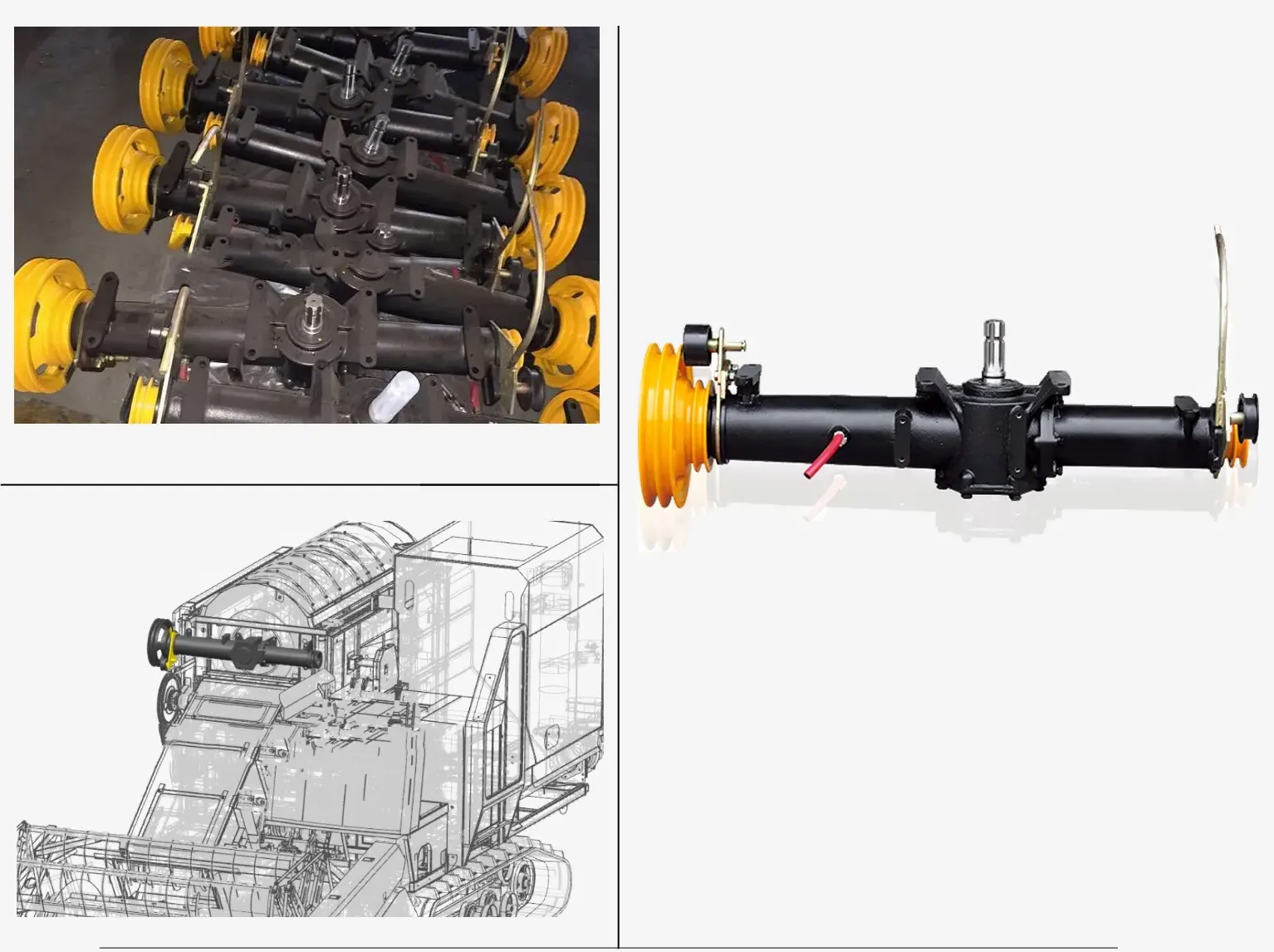
Combine Harvester Gearbox

Working Principle:

The working principle of a combine harvester gearbox for grain separation involves a series of coordinated mechanical actions that ensure the efficient transfer of power from the engine to the various functional parts of the harvester. Here’s a detailed explanation of how it operates:

  1. Power Transmission: The engine generates mechanical power, which is transmitted to the primary shaft of the gearbox through a coupling or a belt drive. This primary shaft is connected to the gearbox’s main gear set.
  2. Gear Engagement: The primary gear set, typically consisting of a combination of spur gears and helical gears, engages to transmit power to secondary shafts and gears. The gearbox is designed to adjust the speed and torque of the output shafts according to the requirements of the threshing and separation mechanisms.
  3. Speed and Torque Adjustment: By engaging different gear ratios within the gearbox, the speed and torque of the output can be precisely controlled. This is crucial for adapting to different crop types and field conditions. For instance, a lower speed and higher torque might be required for tougher crops, while a higher speed and lower torque might be suitable for softer grains.
  4. Power Distribution: The adjusted power is then distributed to the various components of the combine harvester involved in the grain separation process. This includes the threshing drum, concave, straw walkers, and cleaning sieves.
    • Threshing Drum and Concave: The threshing drum rotates at a controlled speed, beating the grain heads against the concave to separate the grain from the straw and chaff. The concave is often adjustable to optimize the separation process.
    • Straw Walkers: The straw walkers shake and move the remaining straw and chaff away from the separated grain. The motion generated by the gearbox helps further separate any remaining grains from the straw.
  5. Cleaning Mechanism: After initial separation, the grain falls onto a set of sieves and cleaning fans. The sieves, driven by the gearbox, oscillate to sift out smaller debris and chaff while the cleaning fans blow away lighter particles, ensuring that only clean grain is collected.
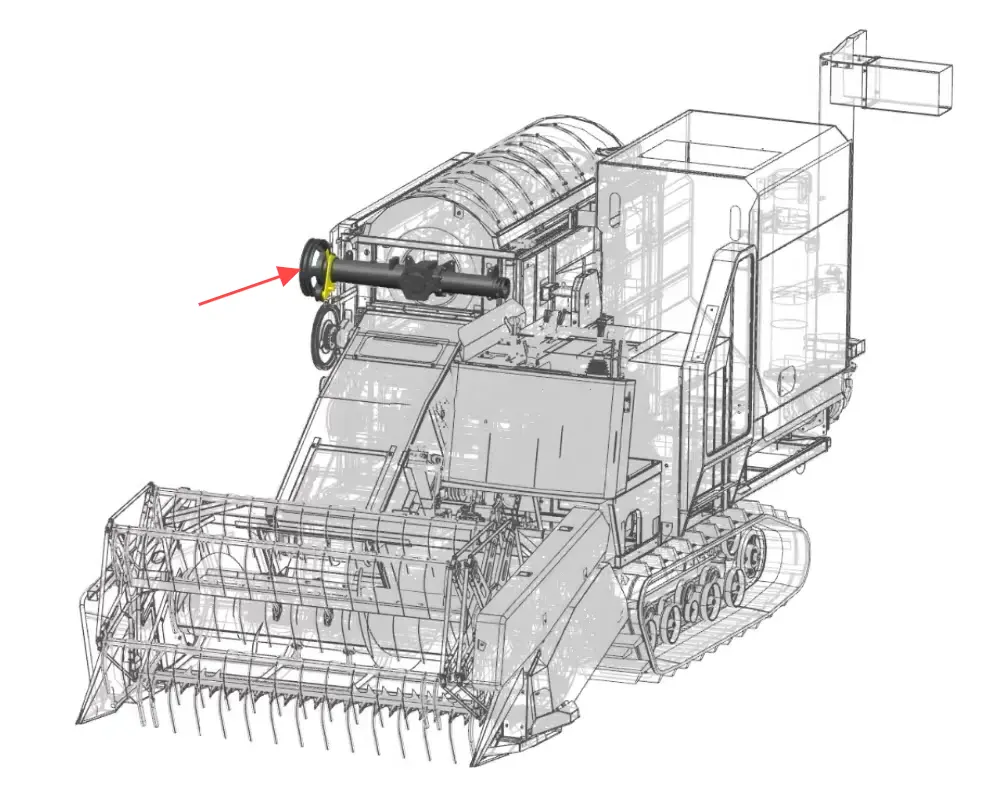
Combine Harvester Gearbox

Proper Maintenance of Combine Harvester Gearbox

Proper maintenance of a combine harvester gearbox is crucial to ensure its longevity, efficiency, and reliability during the harvesting season. Here are the key steps and best practices for maintaining this essential component:

  • Regular Inspection and Cleaning: Conduct regular inspections to check for signs of wear, damage, or leaks. Clean the gearbox thoroughly to remove any dirt, debris, and residues that can accumulate during harvesting. This helps prevent contamination and ensures that the gearbox operates smoothly. Cleaning also provides an opportunity to identify potential issues early before they lead to major failures.
  • Lubrication Management: Maintain appropriate lubrication levels and use the recommended type of oil. Regularly check the oil level and quality and replace it according to the manual’s guidelines. Proper lubrication reduces friction, minimizes wear, and helps dissipate heat, ensuring the gears and bearings function optimally. Neglecting lubrication can lead to increased friction and overheating, which can cause significant damage to the gearbox.
  • Gear and Bearing Inspection: Periodically inspect the gears and bearings for any signs of wear, pitting, or misalignment. Worn or damaged gears and bearings should be replaced immediately to prevent further damage to the gearbox. Proper alignment of gears and bearings is crucial for the efficient transfer of power and minimizing unnecessary strain on the components.
  • Seal and Gasket Maintenance: Check the seals and gaskets regularly to ensure they are intact and functioning properly. Seals and gaskets prevent oil leaks and keep contaminants out of the gearbox. If any seals or gaskets are found to be damaged or worn, they should be replaced promptly to maintain the integrity of the gearbox and prevent potential leaks that could lead to lubrication issues.
  • Temperature Monitoring: Monitor the operating temperature of the gearbox, especially during peak harvesting periods. Excessive heat can indicate potential problems such as insufficient lubrication or overloading. Using temperature sensors can help track the gearbox’s performance and alert operators to any abnormal temperature rises. Keeping the gearbox within the recommended temperature range helps extend its lifespan and ensures reliable performance.
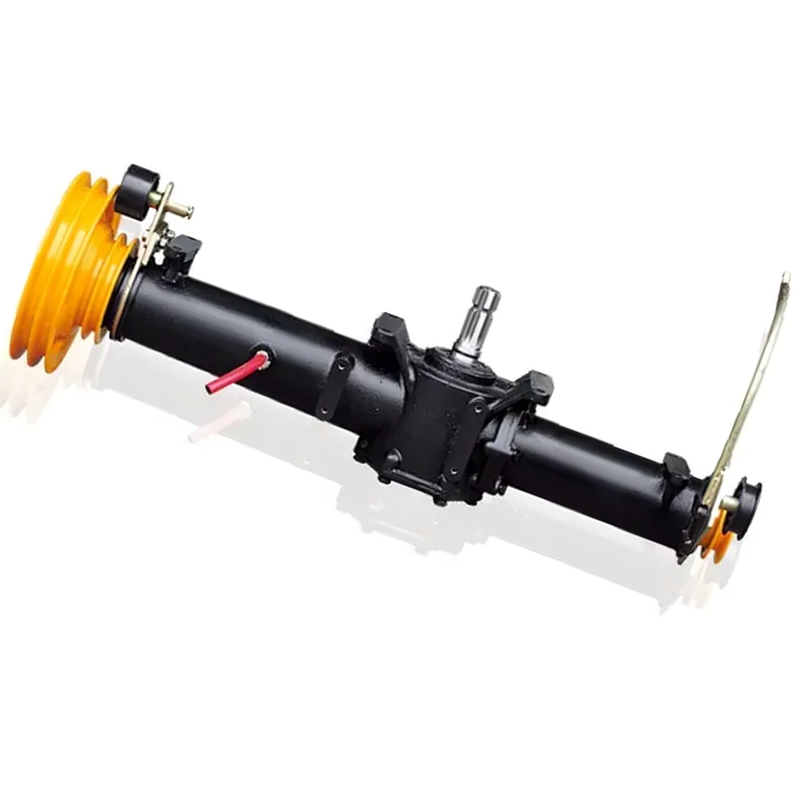
Combine Harvester Gearbox

Why Choose EVER-POWER’s Combine Harvester Gearbox?
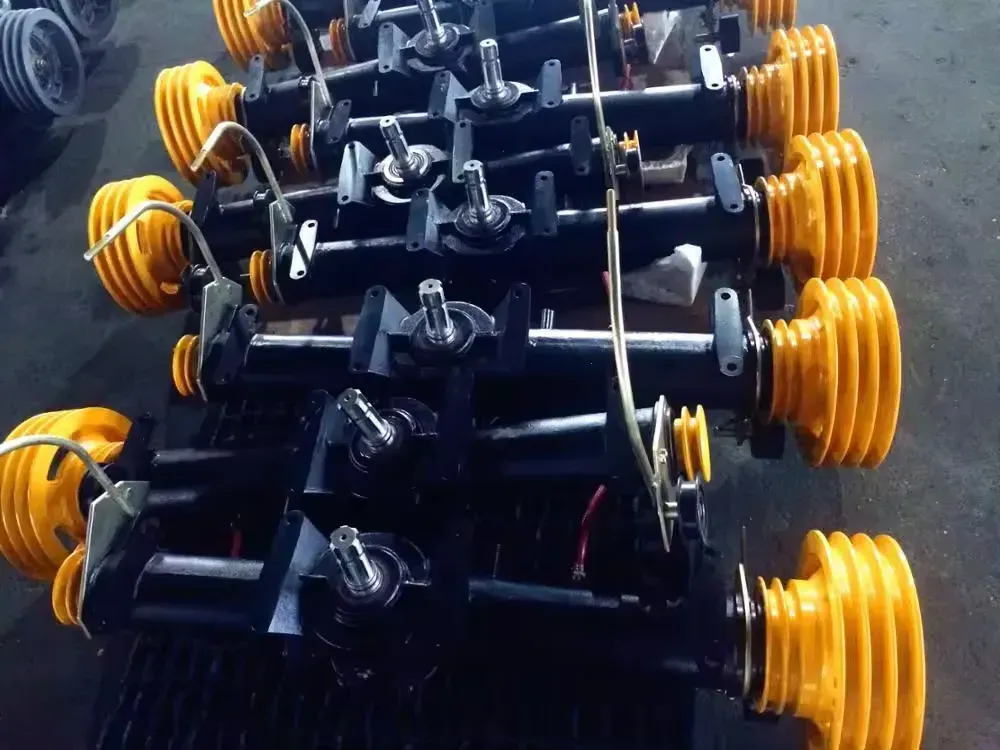
Ever-Power is a professional manufacturer and seller of combine harvester gearboxes. With advanced production facilities and a strong technical team, we are dedicated to providing high-quality and reliable products to our customers. Our combine harvester gearboxes are a powerful replacement option for brands such as John Deere, Case IH, CLAAS, New Holland, Kubota, Lovol, Zoomlion, Krone, Shibaura, Kioti, Challenger, Versatile, Valtra, and others.

Our combine harvester gearboxes feature exceptional durability and efficiency, ensuring stable operation in harsh agricultural environments. Key characteristics include precision manufacturing, high-strength materials, and superior wear resistance, which guarantee long-term use with minimal maintenance requirements. These gearboxes are widely used in grain separation, crop harvesting, and straw handling, significantly enhancing agricultural productivity and profitability.

In the field of combine harvester gearboxes, Ever-Power stands out with its excellent expertise and broad influence, earning the trust of customers worldwide. We continually innovate in technological development and have achieved multiple international certifications to ensure our products meet the highest standards. We offer customized services to meet specific customer needs, supported by modern production facilities that ensure efficient manufacturing and quick delivery. Our dedicated after-sales service team is always ready to provide professional support, ensuring a worry-free experience for our customers.

In addition to combine harvester gearboxes, we offer a wide range of agricultural gearboxes and PTO shafts, including rotary cutter gearboxes, rotary tiller gearboxes, feed mixer gearboxes, lawn mower gearboxes, fertilizer spreader gearboxes, flail mower gearboxes, post hole digger gearboxes, corn header gearboxes, fertilizer mixer gearboxes, round baler gearboxes, square baler gearboxes, irrigation reel gearboxes, and manure spreader gearboxes. We are committed to providing comprehensive transmission solutions for the global agricultural machinery market.

Combine Harvester Gearbox

Author: Yjx


Choose the Right Combine Harvester Gearbox

Combine harvester gearbox is a crucial component in the operation of a grain harvester. It plays a vital role in converting the engine’s power into the necessary torque for efficient grain processing and harvesting. The gearbox allows for speed adjustments and gear ratios to adapt to different crop conditions, ensuring optimal performance.

Typically made from robust, high-quality metals, the gearbox must withstand the stresses of agricultural work, such as dirt, debris, and continuous operation for extended periods. Its design often includes multiple gear ratios, allowing the operator to adjust the machine’s performance based on the task—for instance, slower speeds for thorough threshing of dense crops and faster speeds for quicker cutting of lighter fields.

Combine Harvester Gearbox

Advantages of Using the Combine Harvester Gearbox

Using a combine harvester gearbox offers several significant advantages that enhance agricultural productivity and efficiency:

  1. Improved Efficiency: The gearbox allows for optimal speed and torque adjustments, enabling the combine harvester to work efficiently under varying crop conditions and terrains. This tailored approach helps in maximizing the throughput of the harvester, reducing the time it takes to clear a field.
  2. Increased Durability: Designed to endure the harsh conditions of farming, such as exposure to dust, debris, and constant vibration, the gearbox is built from durable materials that can withstand these elements. This durability reduces the frequency of maintenance and extends the lifespan of the machinery.
  3. Enhanced Versatility: With multiple gear ratios, the gearbox can adapt the harvester’s operation to different tasks, such as cutting, threshing, and collecting crops. This versatility is crucial for farms that harvest a variety of crops, as it allows for quick adjustments between tasks without the need for separate machines.
  4. Energy Efficiency: By optimizing the power transmission from the engine to the harvesting mechanisms, the gearbox helps in reducing energy wastage. This efficiency not only saves fuel but also minimizes the environmental impact of farming operations.
  5. Reduced Operator Fatigue: Modern gearboxes often include automated shifting and electronic control systems that lessen the manual input required from the operator. This automation helps in reducing operator fatigue and allows for more precise control over the harvesting process, improving both safety and productivity.
  6. Better Crop Handling: The ability to adjust speeds allows for gentler handling of the crops during the harvest, which can reduce damage and improve the quality of the yield. This is particularly important for markets where the visual appeal of crops affects their market value.

Combine Harvester Gearbox

Common Applications:

Combine harvester gearboxes are essential components in various agricultural applications. Here are some of the primary applications:

  • Grain Harvesting: The most common use of combine harvester gearboxes is in the harvesting of grains such as wheat, barley, rice, and oats. The gearbox facilitates the efficient cutting, threshing, and separation of grain from the stalks and chaff, ensuring high productivity and minimal grain loss.
  • Corn Harvesting: Specialized combine harvesters equipped with appropriate gearboxes are used for corn harvesting. These gearboxes allow the machine to handle the unique challenges of corn harvesting, including the need for precise speed control to prevent kernel damage and ensure effective husking and separation.
  • Soybean Harvesting: The gearbox in soybean harvesters helps manage the delicate balance between cutting speed and threshing action to minimize pod shatter and seed loss, which is crucial for maintaining high yield and quality.
  • Oilseed Crops: Harvesters used for oilseed crops such as canola and sunflower benefit from gearboxes that can adjust to the varying crop densities and moisture levels, ensuring efficient cutting, threshing, and cleaning processes.
  • Rice Harvesting: In regions where rice is a major crop, specialized combine harvesters with gearboxes designed to handle wet and muddy conditions are essential. These gearboxes help maintain optimal performance in challenging environments, ensuring effective harvesting and minimal grain loss.
  • Forage Harvesting: Forage crops like alfalfa, clover, and various grasses require specific harvesting techniques to preserve the nutritional quality of the forage. Combine harvester gearboxes allow for precise control over the cutting and processing speeds, ensuring high-quality forage production.
  • Pulse Crops: Harvesting pulse crops like lentils, peas, and chickpeas requires careful handling to prevent damage to the seeds. Gearboxes in these harvesters facilitate gentle threshing and cleaning, preserving the integrity of the harvested pulses.

Combine Harvester Gearbox

Working Principle of Combine Harvester Gearbox

The working principle of a combine harvester gearbox for grain harvesting involves several key functions and mechanisms to efficiently transmit power and facilitate the various operations of the harvester. Here’s an overview of how it works:

  1. Power Transmission: The primary role of the gearbox in a combine harvester is to transmit mechanical power from the engine to various components of the machine. The engine generates power, which is then directed into the gearbox. Inside the gearbox, this power is distributed through a series of gears to different parts of the harvester, such as the cutting bar, threshing drum, and other operational systems.
  2. Gear Ratios and Speed Adjustment: The gearbox contains multiple gears with different sizes and teeth counts, creating various gear ratios. These ratios determine the amount of torque and speed transmitted to the harvester components. By selecting different gear ratios, the operator can adjust the speed of the cutting and threshing mechanisms according to the crop type, its density, and field conditions. This flexibility is crucial for maximizing harvesting efficiency and minimizing crop damage.
  3. Threshing Mechanism: Once the crop is cut, it is conveyed into the harvester where the threshing mechanism separates the grain from the stalks and chaff. The gearbox controls the speed of the threshing drum or cylinder, which needs to rotate at a specific speed to ensure effective threshing without damaging the grain. The precise speed control provided by the gearbox is essential for achieving optimal threshing efficiency.
  4. Transfer of Processed Crop: After threshing, the grain, along with chaff and other residues, is moved to the cleaning system. The gearbox also plays a role here by driving conveyors or augers that transport these materials to different parts of the harvester for further processing. This includes moving the grain to a sieving system that separates the grain from smaller particles and then to a storage tank.
  5. Adjustment for Field Conditions: The gearbox enables the combine to adapt to varying field conditions by allowing changes in speed and power distribution on-the-fly. This adaptability is crucial for maintaining performance across different terrains and crop conditions, which can significantly affect the efficiency of the harvesting process.

Combine Harvester Gearbox

Common Troubleshooting:

Troubleshooting issues with a combine harvester gearbox is essential for maintaining its performance and longevity. Here are some common problems encountered with these gearboxes and the general steps to troubleshoot them:

  1. Overheating:
    • Causes: Lack of lubrication, overloading, or improper gear alignment can cause excessive friction and heat buildup.
    • Troubleshooting: Check and refill the gearbox oil to the recommended level. Inspect for any signs of oil leakage and repair seals as necessary. Ensure the gearbox is not overloaded and that all gears are correctly aligned and functioning.
  2. Noise and Vibration:
    • Causes: Worn or damaged gears, bearings, or misalignment can lead to unusual noises and vibrations.
    • Troubleshooting: Inspect the gearbox for any worn or broken teeth on gears and replace if necessary. Check all bearings for wear and lubricate or replace them. Ensure that all components are properly aligned.
  3. Gear Slippage:
    • Causes: Worn gears, insufficient lubrication, or a clutch issue can cause gears to slip.
    • Troubleshooting: Check gear teeth for wear and replace worn gears. Ensure adequate lubrication. If the clutch is involved, inspect for wear and adjust or replace as needed.
  4. Difficulty in Shifting Gears:
    • Causes: This can be due to low lubricant levels, damaged shift mechanisms, or clutch problems.
    • Troubleshooting: Verify the level and condition of the gearbox oil. Inspect the shift mechanism for damage or obstructions and repair or replace components as necessary. Adjust or replace the clutch if it is not engaging or disengaging properly.
  5. Oil Leaks:
    • Causes: Leaks can occur from seal wear, gasket failures, or cracks in the gearbox casing.
    • Troubleshooting: Identify the source of the leak. Replace worn seals and gaskets. If there is a crack in the casing, assess the severity and consider welding or replacing the casing.
  6. Excessive Wear:
    • Causes: Inadequate lubrication, contamination of lubricants, or operation beyond the intended load can all lead to excessive wear.
    • Troubleshooting: Regularly replace old lubricant and ensure the use of the correct type and grade of lubricant. Clean the internal components of the gearbox if contamination is suspected. Check operational loads and adjust to within specified limits.

Combine Harvester Gearbox

Choose the Right Combine Harvester Gearbox for Agricultural

Choosing the right combine harvester gearbox is crucial for optimizing the performance and efficiency of your agricultural operations. Here’s a step-by-step guide to help you select the most suitable gearbox for your needs:

  • Torque and Power Requirements: Consider the torque and power output required for your specific harvesting needs. The gearbox should be capable of handling the engine’s power and delivering adequate torque to operate the harvester efficiently, especially under varying load conditions and different types of terrain.
  • Gearbox Durability: Look for gearboxes made from high-quality, durable materials that can withstand the harsh conditions of agricultural environments. It should be robust enough to handle exposure to dust, debris, and continuous operation without frequent breakdowns.
  • Efficiency of Operation: Choose a gearbox that offers high transmission efficiency to reduce power losses. Efficient gearboxes help in conserving fuel and reducing operational costs. They should maintain optimal performance while minimizing the need for excess fuel consumption.
  • Ease of Maintenance: The gearbox should be designed for easy access to critical components for regular maintenance. Features like self-lubricating systems or easily replaceable parts can reduce downtime and maintenance costs.
  • Compatibility with Harvester: Ensure the gearbox is compatible with the specific make and model of your combine harvester. Compatibility affects not just the fitting and mechanical integration but also the optimal performance and distribution of power across the harvesting system.
  • Adjustability and Versatility: A good gearbox offers adjustable settings to cater to different crops and harvesting conditions. Versatility in speed adjustments and power distribution can significantly enhance the machine’s adaptability and efficiency across diverse agricultural tasks.
  • Noise and Vibration Control: Consider gearboxes designed to operate quietly and with minimal vibration. Reducing noise and vibration not only improves operator comfort but also reduces the stress on the harvester’s mechanical components, prolonging the equipment’s lifespan.

Why Choose EVER-POWER’s Combine Harvester Gearbox?

EVER-POWER is a prominent manufacturer of high-performance combine harvester gearboxes for a variety of applications. Our combine harvester gearboxes are a powerful replacement option for John Deere, Case IH, CLAAS, New Holland, Kubota, Lovol, Zoomlion, Krone, Shibaura, Kioti, Challenger, Versatile, Valtra and other brands. Our technical staff can reconfigure an existing design or assist you in designing a custom combine harvester gearbox if a standard or existing design does not fit your application. Shaft rotation, speed ratio, input speed, output speed, input torque, output torque, mounting position, and the application’s environment are all considerations when choosing a combine harvester gearbox.

We can also offer many types of agricultural gearboxes and PTO shafts, such as rotary cutter gearboxes, rotary tiller gearboxes, feed mixer gearboxes, lawn mower gearboxes, fertilizer spreader gearboxes, flail mower gearboxes, post hole digger gearboxes, corn headers gearboxes, fertilizer mixer gearboxes, round baler gearboxes, square baler gearboxes, irrigation reels gearboxes, manure spreader gearboxes, fertilizer seeder gearboxes, rotary rake gearboxes, cutting bar gearboxes, gearbox for hay tedders, etc. If you want to buy a combine harvester gearbox, please get in touch with us.

Combine Harvester Gearbox

Professionalism

Our team of experts is dedicated to delivering high-quality products and services to our customers.

International Certifications

Our products meet international standards and certifications for quality and performance.

Customized Services

We provide customization services to tailor gearboxes to specific applications and requirements.

Production Facilities

Our state-of-the-art production facilities ensure efficient manufacturing processes and quality control.

After-Sales Services

We offer comprehensive after-sales support to ensure customer satisfaction and product performance.

Author: Yjx