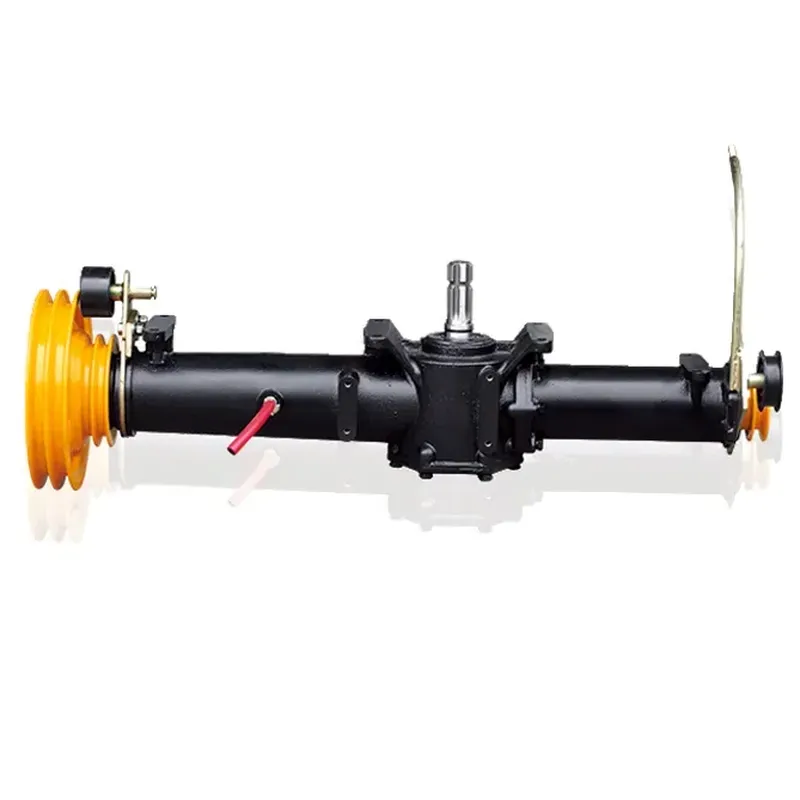
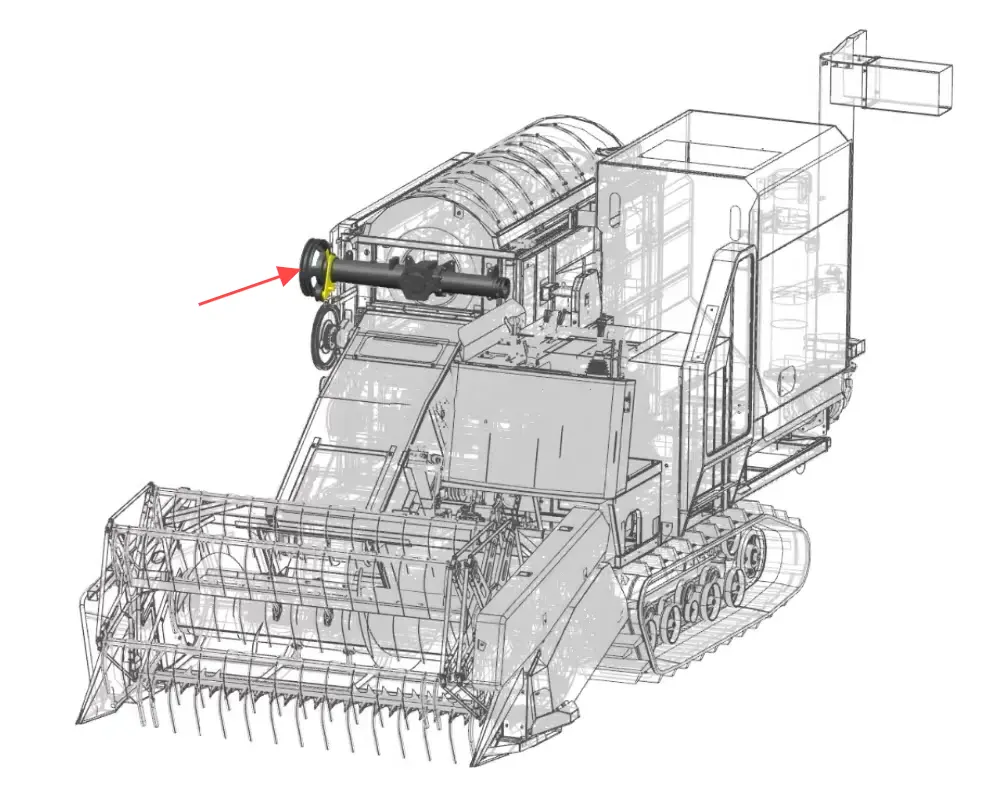
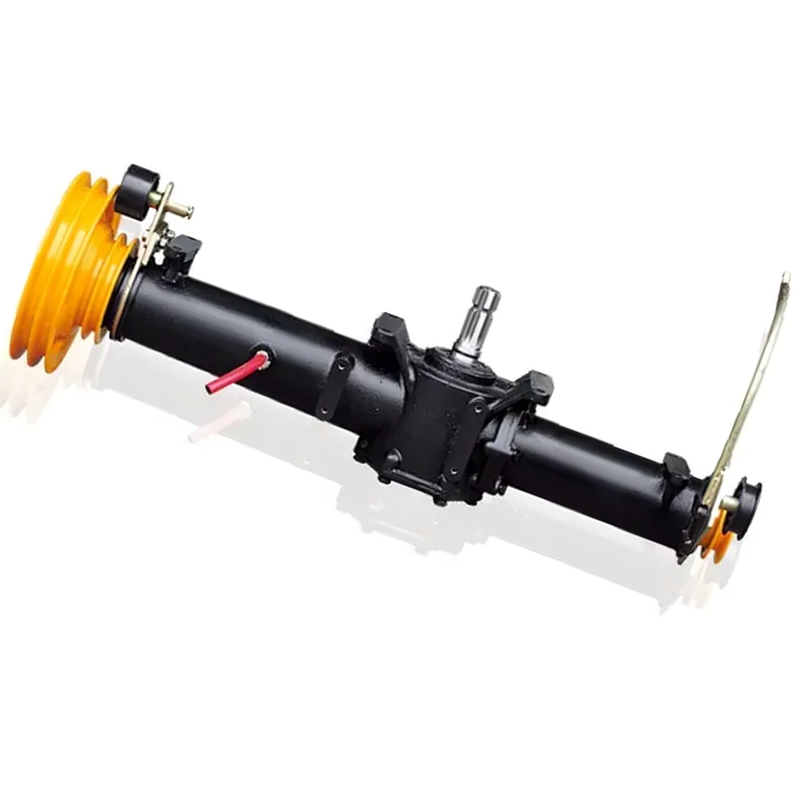
The combine harvester gearbox for grain separation is a crucial component within agricultural machinery designed specifically for combine harvesters. This gearbox is integral to the grain separation process, where it plays a pivotal role in managing the transfer of mechanical power from the engine to the various moving parts that facilitate the separation of grain from chaff and straw. Constructed from robust materials to endure the stresses of harvesting operations, this gearbox typically features a complex arrangement of gears, shafts, and bearings designed to optimize efficiency and durability.
The functionality of this gearbox extends to controlling the speed and torque applied to the threshing mechanism, allowing for adjustments based on the crop type and field conditions. By doing so, it ensures the efficient and effective separation of grain, minimizing losses and maximizing output. The design of the gearbox also emphasizes maintenance accessibility and resistance to the harsh, often dusty conditions of field work. This not only prolongs the life of the gearbox but also ensures consistent performance under varying agricultural demands.
Benefits of Combine Harvester Gearbox for Grain Separation
The combine harvester gearbox for grain separation brings several significant benefits to the agriculture sector, particularly in enhancing the efficiency and productivity of grain harvesting operations. Here are some key advantages:
- Increased Efficiency: The gearbox optimizes the speed and torque of the threshing and separation mechanisms. This precision allows for faster processing of crops, resulting in quicker clearing of fields and less time spent on each acre, thereby increasing overall harvesting efficiency.
- Improved Crop Yields: By enabling precise control over the mechanical aspects of threshing and separation, the gearbox helps reduce crop damage and loss during harvesting. This results in a higher yield of usable grain, which is crucial for maximizing profitability for farmers.
- Versatility: Modern combine harvester gearboxes are designed to handle a variety of crop types and conditions. This adaptability allows farmers to use the same machinery for different crops, reducing the need for multiple specialized machines and thereby lowering capital investment.
- Durability and Reliability: These gearboxes are built to withstand the harsh conditions of harvesting operations, including exposure to dust, debris, and varying weather conditions. Their robust construction reduces the frequency of breakdowns and maintenance needs, ensuring consistent operation during critical harvesting periods.
- Energy Efficiency: Efficient power transfer within the gearbox reduces the energy required to operate the machinery. This can lead to lower fuel consumption, which is both cost-effective and better for the environment.
- Enhanced Operator Comfort: Advanced gearbox designs can also contribute to smoother machine operation, reducing vibrations and noise. This enhances comfort for the operator, which is important for maintaining productivity during long hours in the field.
Typical Applications:
The combine harvester gearbox is a versatile and essential component used in various agricultural applications, particularly in the harvesting process. Its common applications include:
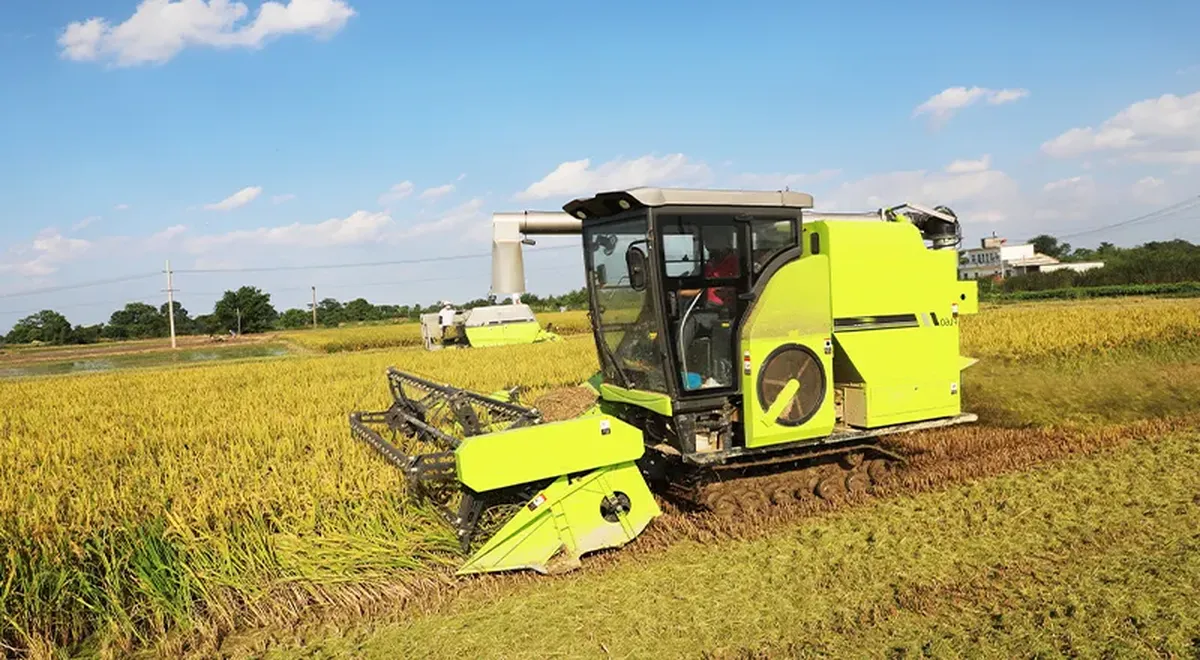
- Grain Harvesting: The primary application of the combine harvester gearbox is in the harvesting of grains such as wheat, barley, oats, rice, and corn. The gearbox ensures efficient separation of grain from chaff and straw, optimizing yield and quality.
- Threshing Operations: The gearbox is integral to the threshing mechanism of combine harvesters, which helps in the effective separation of edible parts of the grain from the inedible chaff. This process is critical for preparing the grain for further processing or storage.
- Straw Management: After separating the grain, the remaining straw can be chopped and spread evenly across the field or baled for use as animal fodder or bedding. The gearbox ensures that the straw management system operates efficiently.
- Corn Harvesting: In addition to small grains, the combine harvester gearbox is also used in corn harvesting. It helps in the effective removal of kernels from the cob and ensures minimal grain loss during the harvesting process.
- Rice Harvesting: Specialized combine harvesters equipped with suitable gearboxes are used for rice harvesting. These gearboxes are designed to handle the unique challenges posed by rice crops, such as handling wet and heavy stalks.
- Legume Harvesting: The gearbox can also be used in harvesting legumes like soybeans and lentils, ensuring the delicate beans are separated efficiently without damage.
- Sunflower Harvesting: For crops like sunflowers, the combine harvester gearbox helps in separating the seeds from the flower heads, which is essential for producing sunflower oil and seeds.
- Forage Harvesting: In forage harvesting operations, where crops like alfalfa and clover are harvested for silage or hay, the gearbox helps cut, threshing, and process the forage efficiently.
Key Components of Combine Harvester Gearbox
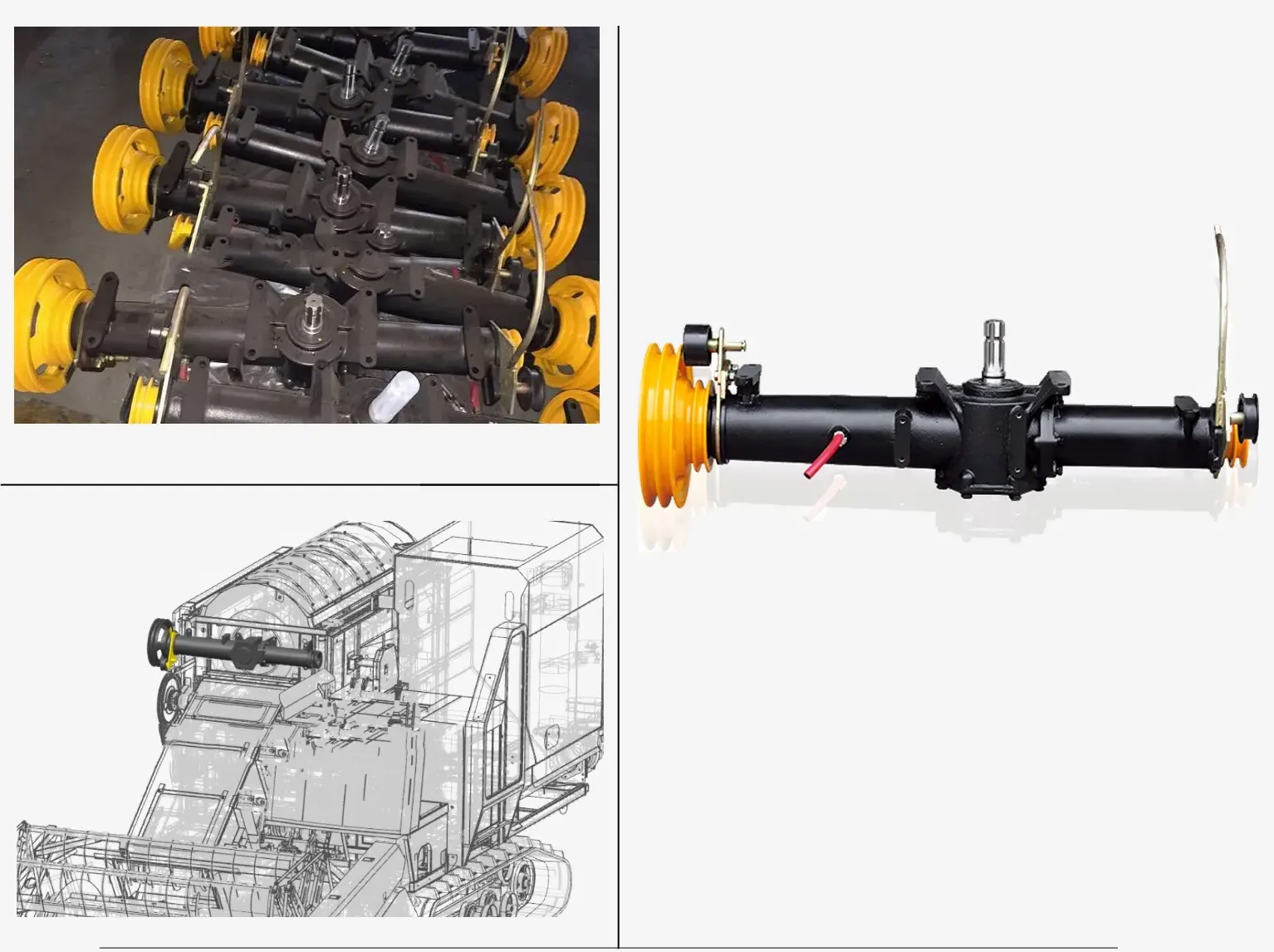
The combine harvester gearbox is a complex and robust assembly designed to handle the demanding tasks of grain separation and overall harvesting operations. Here are the key components that make up this essential machinery part:
- Gear Sets: The core of the gearbox, these consist of various gears such as spur gears, helical gears, and bevel gears. They are responsible for the transmission of power from the engine to different parts of the harvester. The gears are designed to provide the necessary torque and speed adjustments for efficient operation.
- Shafts: These are critical components that support and transmit rotational motion from one part of the gearbox to another. The primary shaft, secondary shafts, and counter shafts work together to ensure smooth power flow and effective operation of the harvester.
- Bearings: Bearings reduce friction between moving parts and support the rotation of shafts and gears. They are essential for maintaining the efficiency and longevity of the gearbox by minimizing wear and tear.
- Clutches: Clutches are used to engage and disengage the power transmission between the engine and the gearbox. They allow for smooth starting, stopping, and speed changes of the harvester without causing damage to the gearbox or engine.
- Differential Mechanism: This component allows for the transfer of power to the wheels while permitting them to rotate at different speeds, which is crucial when turning the combine harvester.
- Housing/Casing: The outer structure that encases all the internal components, protecting them from dirt, debris, and damage. It also helps maintain the alignment of internal parts and provides structural integrity.
- Seals and Gaskets: These components prevent the leakage of lubricants and keep contaminants out of the gearbox. Proper sealing ensures the longevity and efficient operation of the gearbox.
Working Principle:
The working principle of a combine harvester gearbox for grain separation involves a series of coordinated mechanical actions that ensure the efficient transfer of power from the engine to the various functional parts of the harvester. Here’s a detailed explanation of how it operates:
- Power Transmission: The engine generates mechanical power, which is transmitted to the primary shaft of the gearbox through a coupling or a belt drive. This primary shaft is connected to the gearbox’s main gear set.
- Gear Engagement: The primary gear set, typically consisting of a combination of spur gears and helical gears, engages to transmit power to secondary shafts and gears. The gearbox is designed to adjust the speed and torque of the output shafts according to the requirements of the threshing and separation mechanisms.
- Speed and Torque Adjustment: By engaging different gear ratios within the gearbox, the speed and torque of the output can be precisely controlled. This is crucial for adapting to different crop types and field conditions. For instance, a lower speed and higher torque might be required for tougher crops, while a higher speed and lower torque might be suitable for softer grains.
- Power Distribution: The adjusted power is then distributed to the various components of the combine harvester involved in the grain separation process. This includes the threshing drum, concave, straw walkers, and cleaning sieves.
- Threshing Drum and Concave: The threshing drum rotates at a controlled speed, beating the grain heads against the concave to separate the grain from the straw and chaff. The concave is often adjustable to optimize the separation process.
- Straw Walkers: The straw walkers shake and move the remaining straw and chaff away from the separated grain. The motion generated by the gearbox helps further separate any remaining grains from the straw.
- Cleaning Mechanism: After initial separation, the grain falls onto a set of sieves and cleaning fans. The sieves, driven by the gearbox, oscillate to sift out smaller debris and chaff while the cleaning fans blow away lighter particles, ensuring that only clean grain is collected.
Proper Maintenance of Combine Harvester Gearbox
Proper maintenance of a combine harvester gearbox is crucial to ensure its longevity, efficiency, and reliability during the harvesting season. Here are the key steps and best practices for maintaining this essential component:
- Regular Inspection and Cleaning: Conduct regular inspections to check for signs of wear, damage, or leaks. Clean the gearbox thoroughly to remove any dirt, debris, and residues that can accumulate during harvesting. This helps prevent contamination and ensures that the gearbox operates smoothly. Cleaning also provides an opportunity to identify potential issues early before they lead to major failures.
- Lubrication Management: Maintain appropriate lubrication levels and use the recommended type of oil. Regularly check the oil level and quality and replace it according to the manual’s guidelines. Proper lubrication reduces friction, minimizes wear, and helps dissipate heat, ensuring the gears and bearings function optimally. Neglecting lubrication can lead to increased friction and overheating, which can cause significant damage to the gearbox.
- Gear and Bearing Inspection: Periodically inspect the gears and bearings for any signs of wear, pitting, or misalignment. Worn or damaged gears and bearings should be replaced immediately to prevent further damage to the gearbox. Proper alignment of gears and bearings is crucial for the efficient transfer of power and minimizing unnecessary strain on the components.
- Seal and Gasket Maintenance: Check the seals and gaskets regularly to ensure they are intact and functioning properly. Seals and gaskets prevent oil leaks and keep contaminants out of the gearbox. If any seals or gaskets are found to be damaged or worn, they should be replaced promptly to maintain the integrity of the gearbox and prevent potential leaks that could lead to lubrication issues.
- Temperature Monitoring: Monitor the operating temperature of the gearbox, especially during peak harvesting periods. Excessive heat can indicate potential problems such as insufficient lubrication or overloading. Using temperature sensors can help track the gearbox’s performance and alert operators to any abnormal temperature rises. Keeping the gearbox within the recommended temperature range helps extend its lifespan and ensures reliable performance.
Why Choose EVER-POWER’s Combine Harvester Gearbox?
Author: Yjx