Rack and Pinion Steering System Comparison
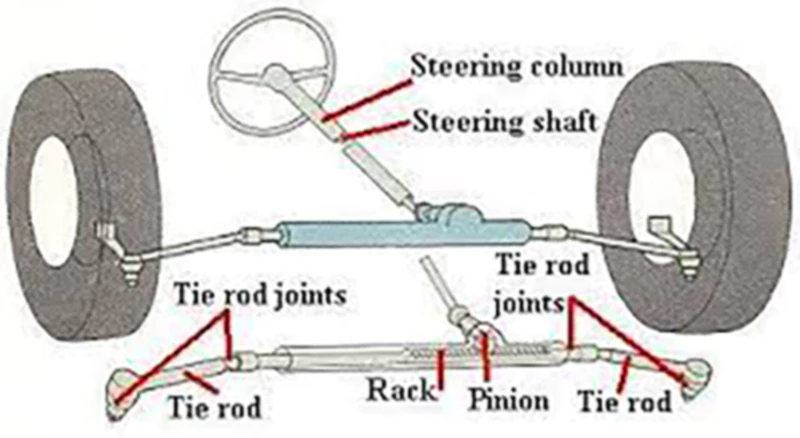
Rack and pinion steering is a type of steering mechanism commonly used in vehicles to control the direction of the front wheels. It involves the use of a rack, a long, straight bar with teeth, and a pinion gear. The rack is a linear component positioned horizontally and connected to the front wheels through tie rods. The pinion gear, which is a small gear, meshes with the teeth on the rack. The pinion gear is connected to the steering wheel via the steering column.
Advantages of Rack and Pinion Steering System
1. Precise Steering Response
One of the most significant benefits of rack and pinion steering systems is their precise steering response. This precision arises from the direct connection between the steering wheel and the pinion gear, which communicates even the smallest movements to the wheels. This ensures that the driver experiences immediate and exact control over the vehicle’s direction, enhancing driving safety and comfort.
2. Compact Design
The rack and pinion steering system’s compact design makes it ideal for modern vehicle architecture. Unlike more cumbersome steering mechanisms, this system can be fitted into smaller spaces, allowing for more efficient vehicle design and more room for other essential components. This compact nature also contributes to a reduction in the overall weight of the vehicle, which can improve fuel efficiency.
3. Reduced Friction
The direct mechanical linkage in rack and pinion systems results in reduced friction compared to other steering mechanisms that rely on hydraulic or complex mechanical linkages. This reduction in friction not only improves the steering feel but also contributes to the longevity of the steering system by minimizing wear and tear on components.
4. Easy Maintenance
Maintenance of rack and pinion systems is generally straightforward. The simplicity of the design means that fewer components are at risk of failure, and those that do require maintenance or replacement can be more easily accessed and serviced. This ease of maintenance translates to lower long-term costs for vehicle owners and operators.
5. Cost-effectiveness
From a manufacturing perspective, rack and pinion steering systems are cost-effective to produce. The materials and processes involved in their production are less complex and expensive than those required for other types of steering systems. This cost-effectiveness can be passed on to consumers in the form of lower vehicle prices or reduced repair costs.
6. Durability
Rack and pinion steering systems are known for their durability. The solid construction and fewer moving parts mean that these systems can withstand the rigors of daily driving and harsh conditions over long periods. This durability ensures that the steering system remains reliable and effective throughout the vehicle’s lifespan.
7. Environmental Benefits
Because of their efficiency and lighter weight, vehicles equipped with rack and pinion steering systems tend to have better fuel economy, which results in lower emissions. Additionally, the longer life span and easier maintenance of these systems reduce the need for frequent replacements, contributing to less environmental waste.

How Rack and Pinion Steering Works
1. The Steering Wheel
The driver applies force to the steering wheel, initiating the process of changing the vehicle’s direction. The wheel’s rotation is transmitted down the steering column to the pinion gear.
2. The Steering Column
The steering column connects the steering wheel to the pinion gear. It translates the rotational motion of the steering wheel into mechanical force that activates the pinion gear.
3. The Pinion Gear
The pinion gear, meshed with the rack’s teeth, converts the rotational motion into linear motion. This gear is crucial in transferring the steering wheel’s movements to the rack.
4. The Rack
The rack is a linear gear that moves horizontally as the pinion gear turns. This movement is critical for controlling the direction of the front wheels.
5. The Tie Rods
The tie rods connect the rack to the steering knuckles. They transmit the rack’s linear motion directly to the wheels, ensuring precise steering.
6. The Steering Knuckles
The steering knuckles pivot on the vehicle¡¯s suspension, allowing the wheels to turn. They are the final link in the steering mechanism before the wheels themselves.
7. Turning the Wheels
When the driver turns the steering wheel, the pinion gear rotates, moving the rack. This linear motion is transmitted via tie rods to the steering knuckles, which turn the front wheels, adjusting the vehicle’s direction.
8. Power Steering
Power steering systems augment the driver¡¯s input with hydraulic or electric assistance, making it easier to turn the wheel, especially at low speeds. This assistance ensures smoother and more effortless steering.

Applications of Rack and Pinion Steering Systems
1. Passenger Cars
Passenger cars widely use rack and pinion systems due to their precision and compact design. They provide the responsive handling that car drivers expect, contributing to a safer and more enjoyable driving experience.
2. Trucks and SUVs
Trucks and SUVs also benefit from rack and pinion systems. These vehicles require robust and reliable steering mechanisms to handle various terrains and heavier loads, making this system an ideal choice.
3. Buses
Buses utilize rack and pinion steering to ensure smooth and precise control. The system’s durability and ease of maintenance are crucial for the demanding conditions of public transportation.
4. Motorcycles
Although less common, motorcycles can use modified versions of rack and pinion systems. These systems provide the necessary precision and control required for safe riding.
5. Off-Road Vehicles
Off-road vehicles rely on rack and pinion steering for their agility and durability. The system’s ability to withstand rough conditions and provide precise control is essential for off-road performance.
6. Heavy-Duty Vehicles
Heavy-duty vehicles such as construction machinery and large trucks use rack and pinion systems to ensure reliable steering under extreme conditions. The robustness of the system supports heavy loads and continuous use.


Installation and Maintenance
Installation
1. Select the Right System
Choose the appropriate rack and pinion system based on your vehicle’s specifications and requirements.
2. Prepare the Vehicle
Ensure the vehicle is properly lifted and secured before beginning the installation process.
3. Remove the Old Steering System
Carefully dismantle the existing steering system, taking note of how components are connected.
4. Mount the Rack
Install the new rack securely in place, ensuring it aligns correctly with the vehicle’s steering configuration.
5. Connect the Steering Column
Attach the steering column to the pinion gear, ensuring a firm and precise connection.
6. Install Tie Rods and Linkages
Securely connect the tie rods and other linkages, making sure they are properly aligned and fastened.
7. Check Clearances and Interferences
Verify that all components move freely without obstruction and ensure there are no interferences.
Maintenance
1. Regular Inspections
Conduct routine inspections to identify any signs of wear or damage early.
2. Fluid Level and Quality
Regularly check the power steering fluid levels and quality, ensuring it is clean and at the correct level.
3. Lubrication
Ensure all moving parts are adequately lubricated to minimize wear and tear.
4. Wheel Alignment
Regularly check and adjust wheel alignment to ensure optimal steering performance and tire wear.
5. Address Issues Promptly
Immediately address any issues such as unusual noises or steering difficulties to prevent further damage.
6. Professional Servicing
Schedule regular professional servicing to keep the steering system in peak condition.

Common Issues and Solutions
1. Leakage of Power Steering Fluid
Power steering fluid leaks can occur due to worn seals or damaged hoses. Regularly inspect and replace any damaged components to prevent leaks and maintain fluid levels.
2. Excessive Play or Loose Steering
Excessive play in the steering system indicates wear in components such