Rack and Pinion Steering Stability
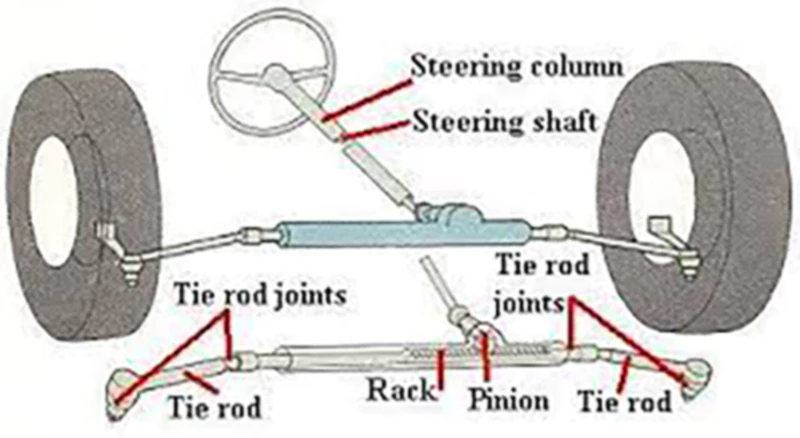
Rack and pinion steering is a type of steering mechanism commonly used in vehicles to control the direction of the front wheels. It involves the use of a rack, a long, straight bar with teeth, and a pinion gear. The rack is a linear component positioned horizontally and connected to the front wheels through tie rods. The pinion gear, which is a small gear, meshes with the teeth on the rack. The pinion gear is connected to the steering wheel via the steering column.
Advantages of Rack and Pinion Steering
1. Precise Steering Response
The rack and pinion steering system is celebrated for its precise steering response. This precision arises from the direct connection between the steering input and the wheel movement, reducing the slack or play commonly associated with older steering systems. This directness allows for instantaneous feedback from the road, giving the driver enhanced control and a more connected driving experience.
2. Compact Design
One of the standout features of rack and pinion steering is its compact design. This space-efficient mechanism fits conveniently into the limited confines of a vehicle’s chassis, leaving more room for other components. The streamlined design not only contributes to more efficient use of space but also simplifies the overall vehicle architecture, allowing for lighter vehicle construction and improved fuel efficiency.
3. Reduced Friction
The design of the rack and pinion system inherently reduces friction. Fewer moving parts compared to older steering mechanisms mean there are fewer points of contact that can generate friction. This reduction in friction not only enhances the efficiency of the steering system but also translates to smoother and easier steering, requiring less effort from the driver.
4. Easy Maintenance
Maintenance of rack and pinion steering systems is relatively straightforward. The simplicity of the design means that there are fewer components that can wear out or fail. Additionally, many parts of the system, such as the tie rods and the rack itself, are easily accessible, facilitating quick and cost-effective repairs and replacements.
5. Cost-effectiveness
From a manufacturing perspective, rack and pinion systems are cost-effective due to their relatively simple design and fewer components. This cost-effectiveness extends to vehicle owners as well, who benefit from lower maintenance and repair costs. The durability and reliability of the system also mean fewer replacements over the vehicle’s lifespan.
6. Durability
Rack and pinion systems are known for their durability. The robust construction of the rack and the pinion gear, coupled with the system’s reduced friction, leads to a longer lifespan compared to other steering mechanisms. The materials used and the engineering precision ensure that the system can withstand the rigors of daily driving and harsh conditions.
7. Environmental Benefits
The rack and pinion steering system also offers environmental benefits. Its efficient design contributes to reduced vehicle weight, improving fuel efficiency and reducing emissions. Additionally, the system’s durability means fewer replacements and repairs, lessening the demand for new parts and reducing the overall environmental footprint associated with manufacturing and disposal.

How Rack and Pinion Steering Works
1. The Steering Wheel
The journey of steering starts at the steering wheel. When the driver turns the wheel, a series of mechanical actions are initiated. The steering wheel acts as the primary input device, translating the driver’s intentions into mechanical motion that will ultimately change the direction of the front wheels.
2. The Steering Column
The steering column serves as the bridge between the steering wheel and the pinion gear. As the steering wheel is turned, the column transmits this rotational movement downward to the pinion gear. It is crucial for maintaining the integrity of the directional input without loss of motion.
3. The Pinion Gear
The pinion gear is a small gear attached to the end of the steering column. When the steering wheel is turned, the pinion gear rotates. This rotation is then transferred to the rack, converting the circular motion into linear motion, which will move the front wheels left or right.
4. The Rack
The rack is a long, horizontally positioned bar with teeth. The linear motion of the rack is what actually changes the angle of the front wheels. As the pinion gear rotates, it moves the rack either to the left or right, depending on the direction of the steering input.
5. The Tie Rods
Tie rods are the connecting elements between the rack and the front wheel assemblies. They transfer the linear motion of the rack to the steering knuckles, ensuring that the motion is accurately conveyed to the wheels. They also accommodate the up-and-down motion of the suspension.
6. The Steering Knuckles
The steering knuckles are pivotal components that connect the tie rods to the front wheels. They allow the wheels to pivot and change direction in response to the movement of the tie rods, enabling the vehicle to turn smoothly.
7. Turning the Wheels
When the steering knuckles are activated, they change the direction of the front wheels. This alteration in wheel direction is what ultimately changes the vehicle’s path, allowing it to navigate curves and corners efficiently.
8. Power Steering
In modern vehicles, power steering systems often assist the rack and pinion mechanism. Hydraulic or electric power steering systems provide additional force to help turn the wheels, making steering easier and more responsive, especially at lower speeds.

Applications of Rack and Pinion Steering
1. Passenger Cars
Rack and pinion steering systems are ubiquitous in passenger cars. Their precise steering response and compact design make them ideal for everyday use, providing drivers with a reliable and efficient way to navigate through city streets and highways.
2. Trucks and SUVs
Trucks and SUVs often utilize rack and pinion systems due to their durability and ability to handle heavier loads. The system’s robustness ensures that it can withstand the demands of larger vehicles, providing stable and precise steering even in challenging conditions.
3. Buses
Buses benefit from rack and pinion steering systems by offering enhanced maneuverability in urban environments. The precise control and reliability of the system are crucial for safely navigating tight turns and crowded streets.
4. Motorcycles
Motorcycles also employ a form of rack and pinion steering, though on a smaller scale. The compact and efficient design of the system is well-suited for the constrained space available on motorcycles, providing responsive steering for riders.
5. Off-Road Vehicles
Off-road vehicles require durable and reliable steering systems capable of handling rough terrain. Rack and pinion systems provide the necessary robustness and steering precision needed to navigate through challenging off-road conditions.
6. Heavy-Duty Vehicles
Heavy-duty vehicles, such as construction equipment and large trucks, rely on rack and pinion systems for their strength and reliability. These systems ensure that even the heaviest vehicles can be steered accurately and safely, enhancing operational efficiency.


Installation and Maintenance
Installation
1. Select the Right System
Choosing the appropriate rack and pinion steering system for your vehicle is the first step. Ensure that the system matches your vehicle’s specifications and needs.
2. Prepare the Vehicle
Before installation, prepare the vehicle by securing it on a lift and removing any components that may obstruct access to the steering system.
3. Remove the Old Steering System
Carefully remove the existing steering system, taking note of the connections and components that need to be replaced or reused.
4. Mount the Rack
Position the new rack in place and secure it to the vehicle’s chassis. Ensure that it is aligned correctly to avoid future steering issues.
5. Connect the Steering Column
Attach the steering column to the pinion gear, ensuring a secure and precise connection that will transmit steering input effectively.
6. Install Tie Rods and Linkages
Connect the tie rods and other linkages to the rack and the steering knuckles. Ensure that all connections are tight and secure.
7. Check Clearances and Interferences
After installation, check for any clearances or interferences that could affect the steering system’s performance. Make necessary adjustments to ensure smooth operation.
Maintenance
1. Regular Inspections
Conduct regular inspections of the steering system to identify and address any wear or damage early. Regular checks help maintain the system’s reliability and performance.
2. Fluid Level and Quality
For power steering systems, regularly check the fluid levels and quality. Low or contaminated fluid can impair steering performance.
3. Lubrication
Ensure that