Rack and Pinion Steering Mechanism
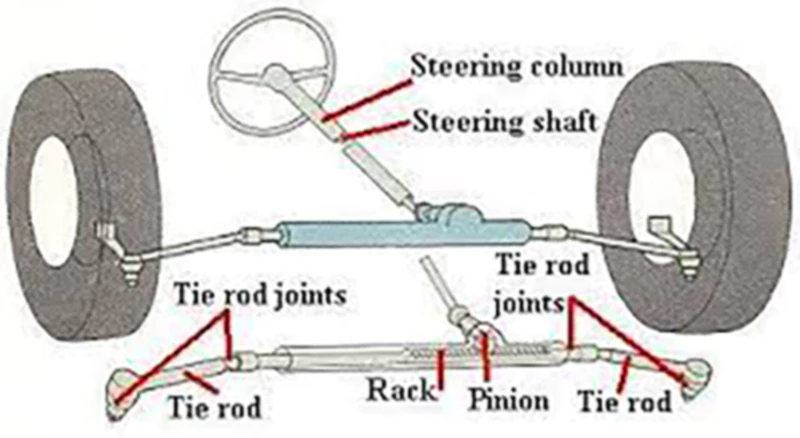
Rack and pinion steering is a type of steering mechanism commonly used in vehicles to control the direction of the front wheels. It involves the use of a rack, a long, straight bar with teeth, and a pinion gear. The rack is a linear component positioned horizontally and connected to the front wheels through tie rods. The pinion gear, which is a small gear, meshes with the teeth on the rack. The pinion gear is connected to the steering wheel via the steering column.
Advantages and Features
1. Precise Steering Response
The rack and pinion steering mechanism is renowned for its precise steering response. The direct engagement between the pinion gear and the rack ensures immediate translation of the driver’s steering input to the movement of the vehicle’s wheels. This precision enhances the driver’s control over the vehicle, making it especially beneficial in high-speed driving scenarios and sharp turns.
2. Compact Design
One of the significant advantages of the rack and pinion steering mechanism is its compact design. Unlike traditional recirculating ball steering systems, the rack and pinion setup occupies less space in the vehicle. This allows for more efficient use of the vehicle’s under-hood space, enabling manufacturers to design more aerodynamic and spacious vehicle interiors.
3. Reduced Friction
The design of the rack and pinion system inherently reduces friction compared to older steering mechanisms. The fewer moving parts and the direct engagement of the pinion gear with the rack result in smoother operation. This reduction in friction translates to more efficient steering, less wear and tear, and a longer lifespan for the steering components.
4. Easy Maintenance
Rack and pinion steering systems are relatively easy to maintain. The simplicity of the mechanism means that fewer components can fail, and potential issues are easier to diagnose and repair. Regular maintenance procedures like greasing the joints and checking for leaks can be performed without specialized equipment, making it convenient for vehicle owners and mechanics alike.
5. Cost-effectiveness
Due to its straightforward design and reduced number of components, the rack and pinion steering system is cost-effective. Manufacturing and maintenance costs are typically lower compared to more complex steering systems. This cost-effectiveness makes it a popular choice among vehicle manufacturers and consumers, contributing to its widespread adoption.
6. Durability
The materials used in the construction of rack and pinion steering systems are designed to withstand significant wear and tear. The high-strength steel used for the rack and pinion components ensures long-term durability and reliability. This durability reduces the frequency of replacements and repairs, offering vehicle owners a reliable steering solution.
7. Environmental Benefits
Rack and pinion steering systems also offer environmental benefits. The efficient design reduces the amount of energy required to steer the vehicle, leading to improved fuel efficiency. Additionally, the reduced friction and wear mean fewer components need replacement, which translates to less waste and a lower environmental footprint over the vehicle’s lifecycle.

How Rack and Pinion Steering Works
1. The Steering Wheel
The driver initiates steering input by turning the steering wheel. This wheel is ergonomically designed for comfort and control, allowing the driver to apply precise movements to steer the vehicle.
2. The Steering Column
The steering column connects the steering wheel to the pinion gear. It transmits the rotational motion from the wheel down to the pinion, ensuring the input is directly conveyed to the steering mechanism.
3. The Pinion Gear
The pinion gear is a small, circular gear that meshes with the teeth on the rack. As the steering wheel turns, the pinion gear rotates, moving the rack side-to-side, which ultimately changes the direction of the wheels.
4. The Rack
The rack is a linear gear that interacts with the pinion gear. Its movement is directly responsible for changing the direction of the front wheels. The precise engagement between the rack and pinion ensures accurate steering response.
5. The Tie Rods
The tie rods connect the ends of the rack to the steering knuckles. They translate the linear motion of the rack into the angular motion needed to turn the wheels. Tie rods are crucial for maintaining alignment and ensuring smooth steering.
6. The Steering Knuckles
The steering knuckles are attached to the wheels and provide pivot points where the wheels turn. They play a pivotal role in ensuring the wheels turn accurately in response to the driver’s input.
7. Turning the Wheels
As the steering wheel turns, the entire mechanism works in unison to pivot the wheels. The coordinated movement of the pinion, rack, tie rods, and knuckles results in the precise turning of the vehicle’s wheels.
8. Power Steering
Modern rack and pinion systems often incorporate power steering. This uses hydraulic or electric actuators to assist the driver in turning the wheels, reducing the effort required and enhancing driving comfort.

Applications
1. Passenger Cars
Rack and pinion steering is commonly used in passenger cars due to its precision and compact design. It enhances the driving experience by providing responsive handling and easy maneuverability.
2. Trucks and SUVs
Trucks and SUVs benefit from rack and pinion steering systems as well. These vehicles require sturdy and reliable steering mechanisms to handle their larger size and weight, making rack and pinion an ideal choice.
3. Buses
Buses utilize rack and pinion steering systems to manage the steering demands of large passenger vehicles. The precision and durability of the system ensure safe and reliable steering for daily operations.
4. Motorcycles
Rack and pinion steering is also adapted for motorcycles, providing riders with precise control over their bikes. The mechanism allows for smooth and responsive handling on both city roads and highways.
5. Off-Road Vehicles
Off-road vehicles benefit from the durability and precision of rack and pinion steering systems. These vehicles often encounter rough terrains, and the robust design of the steering mechanism ensures reliable performance.
6. Heavy-Duty Vehicles
Heavy-duty vehicles, such as construction equipment and large trucks, use rack and pinion steering systems to manage the demanding steering requirements. The system’s strength and reliability make it suitable for these applications.


Installation and Maintenance
Installation
1. Select the Right System
Choosing the appropriate rack and pinion system tailored to your vehicle’s specifications is the first step in the installation process. This ensures compatibility and optimal performance.
2. Prepare the Vehicle
Preparing the vehicle involves removing any obstructions and ensuring a clear working area. This includes lifting the vehicle if necessary and securing it in place.
3. Remove the Old Steering System
Carefully dismantle the existing steering system, ensuring all components are removed and the area is cleaned. This step is crucial for a smooth installation of the new system.
4. Mount the Rack
Position and secure the rack in place, ensuring it is aligned correctly with the vehicle’s frame. Proper mounting is essential for the accurate functioning of the steering mechanism.
5. Connect the Steering Column
Attach the steering column to the pinion gear, ensuring a secure and precise connection. This step ensures the driver’s input is effectively transmitted to the rack.
6. Install Tie Rods and Linkages
Connect the tie rods and linkages to the rack and steering knuckles. Proper installation of these components ensures smooth and accurate steering.
7. Check Clearances and Interferences
Ensure that there are no interferences or clearances that could affect the movement of the steering components. This step ensures the system operates without any hindrances.
Maintenance
1. Regular Inspections
Perform regular inspections to ensure all components are in good condition and functioning correctly. Early detection of issues can prevent major problems.
2. Fluid Level and Quality
Check and maintain the appropriate fluid levels and quality in power steering systems. This ensures smooth operation and prevents potential damage to the steering components.
3. Lubrication
Ensure all moving parts are adequately lubricated to reduce friction and wear. Proper lubrication extends the lifespan of the steering system.
4. Wheel Alignment
Regularly check and adjust wheel alignment to ensure the vehicle drives straight and steering components are not under undue stress.