Oil Change of Planetary Gearbox
Introduction
The planetary gearbox is a crucial component in various industrial applications, providing efficient torque transmission and speed reduction. To ensure its optimal performance and longevity, regular oil changes are essential. In this article, we will explore the importance of oil change in a planetary gearbox and discuss the step-by-step process.
1. Understanding Planetary Gearbox
In order to appreciate the significance of oil change, it is important to have a clear understanding of how a planetary gearbox works. A planetary gearbox consists of a central sun gear, multiple planet gears, and an outer ring gear. These components work together to transmit torque and control speed in various machinery.
2. Importance of Oil in Planetary Gearbox
The oil in a planetary gearbox serves multiple purposes. Firstly, it lubricates the moving parts, reducing friction and wear. Secondly, it dissipates heat generated during operation, preventing overheating. Lastly, it acts as a protective barrier, preventing contaminants from entering the gearbox and causing damage.
3. Signs that Oil Change is Needed
Regular oil inspection is crucial to identify when an oil change is required. Some common signs include:
- Discoloration or cloudiness of the oil
- Presence of metal particles or debris
- Unusual noise or vibrations during operation
- Increased operating temperature
4. Step-by-Step Process for Oil Change
Performing an oil change in a planetary gearbox involves the following steps:
- Prepare the necessary tools and equipment
- Drain the old oil from the gearbox
- Inspect the drain plug and clean if necessary
- Add the appropriate oil to the gearbox
- Monitor the oil level and adjust if needed
- Dispose of the old oil in an environmentally friendly manner
5. Recommended Oil for Planetary Gearbox
The choice of oil for a planetary gearbox depends on factors such as operating conditions, load, and speed. It is recommended to consult the manufacturer’s guidelines or seek professional advice to select the appropriate oil for your specific application.
6. Frequency of Oil Change
The frequency of oil change in a planetary gearbox varies depending on several factors. However, a general guideline is to perform an oil change every 1,000 hours of operation or annually, whichever comes first. Regular oil analysis can also help determine the optimal oil change interval.
7. Benefits of Regular Oil Change
Regular oil change in a planetary gearbox offers numerous benefits, including:
- Extended lifespan of gearbox components
- Improved efficiency and performance
- Reduced risk of breakdowns and costly repairs
- Enhanced overall equipment reliability
8. Professional Maintenance Services
For complex or specialized planetary gearbox systems, it is advisable to seek professional maintenance services. Trained technicians can ensure proper oil change procedures, perform thorough inspections, and address any potential issues to maximize the gearbox’s operational efficiency.
9. Conclusion
In conclusion, the oil change of a planetary gearbox is a critical maintenance task that should not be overlooked. By understanding the importance of oil, identifying the signs for oil change, following the step-by-step process, and considering professional assistance when needed, you can ensure optimal performance and longevity of your planetary gearbox.
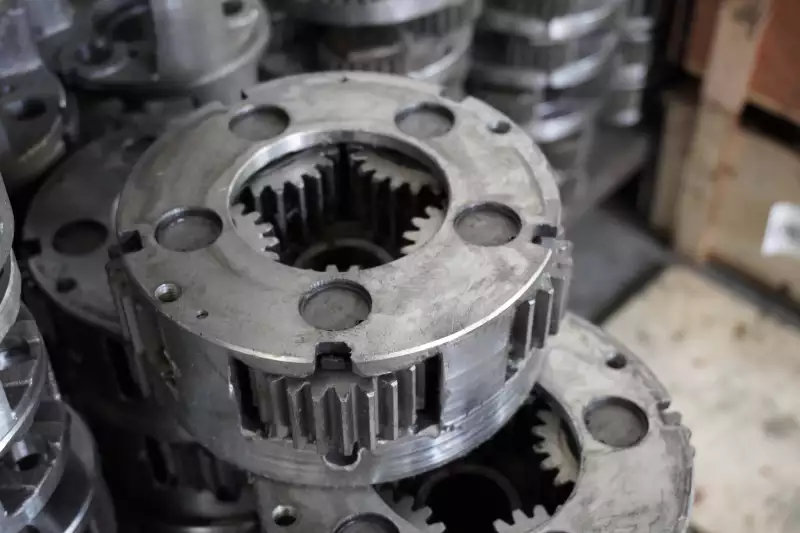
Our company specializes in the production and sale of various types of gears and gearboxes. With our expertise in the field, we are able to offer a range of superior products to meet the needs of our customers.
Advantages of Choosing Our Company
1. High-Quality Materials
We use only the finest materials in the production of our gears and gearboxes. This ensures durability and long-lasting performance.
2. Precision Engineering
Our gears and gearboxes are meticulously engineered to deliver optimal performance and efficiency. Each component is carefully crafted to ensure smooth operation and minimal wear and tear.
3. Customization Options
We understand that different applications require different gear and gearbox specifications. That’s why we offer customization options, allowing our customers to tailor our products to their specific needs.
4. Competitive Pricing
Despite our commitment to quality, we strive to keep our prices competitive. We believe that superior products should be accessible to all, and we work hard to ensure that our prices reflect this belief.
5. Timely Delivery
At our company, we understand the importance of timely delivery. We have streamlined our production and logistics processes to ensure that our customers receive their orders promptly.
6. Excellent Customer Service
We pride ourselves on providing outstanding customer service. Our knowledgeable and friendly team is always ready to assist our customers with any queries or concerns they may have.
The Birth of a Gearbox: Step-by-Step Process and Techniques
A gearbox undergoes several crucial steps and techniques before it is ready for use. These include:
1. Design and Planning
Every gearbox begins with careful design and planning. Our team of experts considers factors such as torque requirements, gear ratios, and environmental conditions to create a gearbox design that meets the specific needs of our customers.
2. Material Selection
Choosing the right materials is essential for ensuring the durability and performance of a gearbox. We carefully select materials based on factors such as strength, heat resistance, and wear resistance.
3. Machining and Shaping
The selected materials are then machined and shaped to create the individual gear components. Our advanced machining techniques ensure precise dimensions and smooth surfaces.
4. Heat Treatment
To enhance the strength and hardness of the gears, they undergo heat treatment processes such as carburizing, quenching, and tempering. This ensures that the gears can withstand the demands of various applications.
5. Assembly
Once all the individual gears are ready, they are carefully assembled into the gearbox casing. Each gear is positioned and aligned to ensure smooth and efficient transfer of power.
6. Quality Control
Before leaving our facility, each gearbox undergoes strict quality control checks. We conduct rigorous inspections to ensure that the gearbox meets our high standards for performance and reliability.
Partnering with us means gaining access to top-quality gears and gearboxes that are designed and manufactured with precision. Contact us today to discuss your requirements and let us provide you with the perfect solution.
Author: Miya