Category Archives: Technical Terms

Grease Analysis of Planetary Gearbox


Grease Analysis of Planetary Gearbox

Grease Analysis of Planetary Gearbox

Introduction

The grease analysis of a planetary gearbox plays a crucial role in determining its overall performance and longevity. In this blog post, we will delve into the various aspects related to the grease analysis of a planetary gearbox and understand its significance in maintaining optimal gear system functionality.

Understanding Planetary Gearbox

A planetary gearbox is a complex mechanical system consisting of multiple gears arranged in a specific configuration. It consists of a central sun gear, several planet gears, and an outer ring gear. The arrangement of these gears ensures efficient power transmission and torque distribution.

Importance of Grease Analysis

Grease analysis is essential for the proper functioning and maintenance of a planetary gearbox. It helps in identifying any potential issues or abnormalities within the gearbox system, ensuring timely corrective actions.

1. Lubrication Effectiveness

Effective lubrication is crucial for reducing friction and wear between gear components. Grease analysis helps in evaluating the lubrication effectiveness by measuring parameters such as viscosity, oiliness, and film strength.

2. Contamination Detection

Contaminants such as dirt, metal particles, and moisture can significantly impact the performance of a planetary gearbox. Grease analysis aids in detecting and quantifying the level of contaminants present, enabling preventive maintenance measures.

3. Wear Particle Analysis

As gears operate, they generate wear particles due to normal wear and tear. Analyzing these wear particles in the grease sample can provide valuable insights into the overall health of the gearbox and identify potential failure modes.

4. Oxidation and Degradation

Over time, grease can oxidize and degrade, leading to a decrease in its lubricating properties. Grease analysis helps in monitoring the oxidation and degradation levels, allowing for timely grease replacement to prevent gearbox failure.

5. Temperature and Load Assessment

Extreme operating conditions, such as high temperatures or heavy loads, can impact the performance of a planetary gearbox. Grease analysis helps in assessing the temperature and load-bearing capacity of the grease, ensuring optimal gearbox operation.

6. Additive Analysis

Grease formulations often contain additives that enhance its performance characteristics. Analyzing the presence and concentration of these additives can provide insights into the overall quality and effectiveness of the grease.

7. Frequency of Grease Change

Based on the results of grease analysis, the frequency of grease change can be determined. Regular grease change is essential to maintain the optimal functioning of the planetary gearbox and prevent premature component failure.

8. Grease Compatibility

Different gear systems require specific types of grease formulations. Grease analysis helps in determining the compatibility of the existing grease with the gearbox, ensuring the right choice of grease for optimal performance.

9. Condition Monitoring

By regularly analyzing the grease, the overall condition of the planetary gearbox can be monitored and evaluated. This enables proactive maintenance and minimizes the risk of unexpected failures.

10. Performance Optimization

Grease analysis acts as a valuable tool for optimizing the performance of a planetary gearbox. By identifying and addressing potential issues in a timely manner, the gearbox can operate at its full potential, maximizing efficiency and reliability.
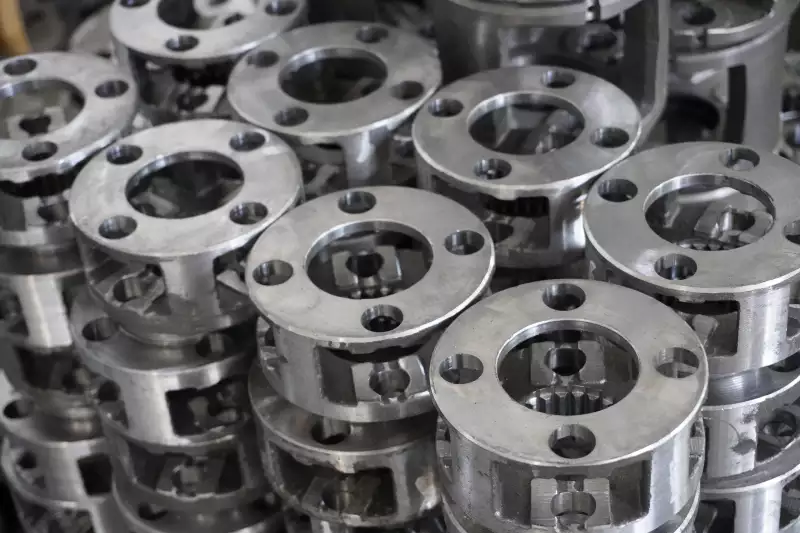
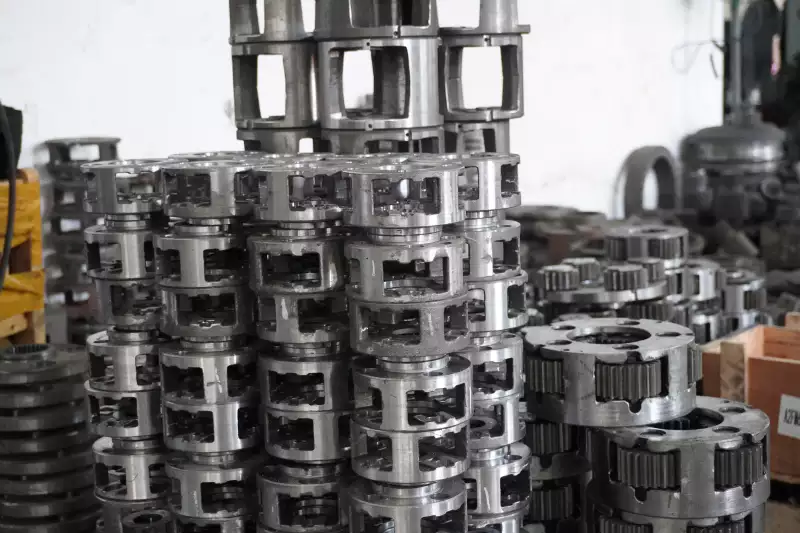
Planetary Gear Carrier


Introduction

Our company specializes in the production and sale of various types of gear and gearbox. With years of experience in the industry, we have established ourselves as a leading provider in the market. Here are six key advantages of choosing our company:

1. High-Quality Products

Our gears and gearboxes are manufactured using state-of-the-art technology and adhere to the highest quality standards. We take pride in delivering products that are reliable, durable, and efficient.

2. Wide Range of Options

We offer a diverse range of gear and gearbox options to cater to different industry needs. From small-scale applications to heavy-duty machinery, we have the right solution for all your requirements.

3. Customization

We understand that each customer’s needs are unique. That’s why we provide customizable gear and gearbox solutions to meet specific requirements. Our team of experts works closely with clients to design and produce bespoke products.

4. Competitive Pricing

We believe in providing value for money to our customers. Our pricing is competitive without compromising on the quality of our products. You can trust us to deliver cost-effective solutions without compromising on performance.

5. Timely Delivery

At our company, we understand the importance of meeting deadlines. We have streamlined our production and delivery processes to ensure timely shipment of orders. You can rely on us to deliver your products on schedule.

6. Excellent Customer Service

Customer satisfaction is our top priority. Our dedicated customer service team is always ready to assist you with any inquiries or concerns. We strive to provide a seamless experience from initial contact to after-sales support.

The Birth of a Gearbox: Steps, Processes, and Techniques

1. Design and Engineering

The first step in creating a gearbox is the design and engineering phase. Skilled professionals use advanced software and tools to develop precise gear ratios, determine load capacities, and ensure optimal performance.

2. Material Selection

Choosing the right materials is crucial for the durability and functionality of the gearbox. Factors such as strength, wear resistance, and heat tolerance are taken into consideration during the material selection process.

3. Gear Cutting and Shaping

Gears are cut and shaped using specialized machinery. This process involves precision cutting, shaping, and finishing to create gears with accurate dimensions and tooth profiles.

4. Heat Treatment

Heat treatment is applied to enhance the material properties of the gears. It improves their hardness, strength, and resistance to wear and fatigue. Heat treatment techniques such as carburizing or nitriding are commonly used.

5. Assembly

Once the gears are ready, they are carefully assembled into the gearbox casing. This step includes aligning the gears, securing them in place, and adding lubrication for smooth operation.

6. Testing and Quality Assurance

Before the gearbox is ready for market, it undergoes rigorous testing to ensure its performance meets the required standards. This includes testing for noise, vibration, load capacity, and efficiency. Quality assurance processes are in place to guarantee the reliability and longevity of the gearbox.

Why Choose Us?

Partnering with our company means gaining access to top-quality gears and gearboxes that are tailored to your specific needs. With our expertise in the industry, competitive pricing, and commitment to customer satisfaction, we are confident in delivering the best gear solutions for your business.

Don’t miss out on the opportunity to enhance your machinery and boost performance. Contact us today to discuss your requirements and explore how we can collaborate.

Author: Miya
Servo System of Planetary Gearbox

Servo System of Planetary Gearbox

Introduction

The Servo System of Planetary Gearbox is a crucial component in various industrial applications, offering precision control and efficient power transmission. This article will delve into the intricacies of this system, highlighting its key features and functions.

1. Understanding Planetary Gearbox

Planetary Gearbox, also known as epicyclic gear arrangement, consists of multiple gears and a sun gear at its center. Its unique design allows for high torque transmission, compact size, and excellent load distribution.

2. Components of Servo System

The Servo System of Planetary Gearbox comprises several essential components:

  • Servo Motor: The prime mover that generates rotational motion.
  • Planetary Gearbox: Transfers torque and regulates speed.
  • Encoder: Provides feedback on position and speed.
  • Controller: Processes input signals and commands.

3. Working Principle

The Servo System utilizes closed-loop control to maintain precise motion control. The process involves:

  1. Input signal received by the controller.
  2. Controller calculates the required motion parameters.
  3. Controller sends signals to the servo motor.
  4. Servo motor generates torque and rotational motion.
  5. Planetary gearbox transfers torque and regulates speed.
  6. Encoder provides feedback to the controller.
  7. Controller adjusts the motor’s parameters as per feedback.

4. Advantages of Servo System

The Servo System of Planetary Gearbox offers various advantages:

  • Precision control: Enables accurate positioning and speed control.
  • High efficiency: Efficient power transmission minimizes energy loss.
  • Compact design: Planetary gearbox’s compact size provides space-saving solutions.
  • Multiple ratios: Gearbox allows for a wide range of speed adjustments.
  • Low backlash: Minimal play ensures enhanced motion accuracy.

5. Applications

The Servo System of Planetary Gearbox finds extensive usage in different industries:

  • Robotics: Enables precise movement control in robotic arms and joints.
  • CNC Machining: Ensures accurate positioning in milling and cutting machines.
  • Industrial Automation: Used in conveyor systems, packaging machinery, etc.
  • Medical Equipment: Provides precision control in surgical robots and imaging devices.
  • Renewable Energy: Used in solar tracking systems for efficient sun exposure.

Planetary Gear Carrier

6. Maintenance and Troubleshooting

Proper maintenance ensures optimal performance and longevity of the Servo System:

  • Regular lubrication of the planetary gearbox.
  • Periodic inspection and adjustment of the encoder.
  • Monitoring and calibration of the servo motor.
  • Timely detection and replacement of worn-out components.

7. Future Developments

Ongoing advancements in servo technology may lead to the following improvements:

  • Higher torque capacity with smaller form factors.
  • Enhanced integration with IoT and Industry 4.0.
  • Improved feedback systems for increased precision.
  • Efficiency optimization through advanced control algorithms.

8. Conclusion

The Servo System of Planetary Gearbox plays a vital role in achieving precise motion control in various industrial applications. Its combination of servo motor and planetary gearbox ensures efficient power transmission, compact design, and high precision. As technology advances, we can expect further enhancements in this essential component of modern machinery.

Our company specializes in the production and sales of various types of gear and gearbox. With our expertise in the field, we offer numerous advantages that set us apart from the competition:

1. High-Quality Materials

We use only the finest materials for our gears and gearboxes. This ensures durability, reliability, and optimal performance.

2. Precision Engineering

Our team of skilled engineers utilizes advanced technology and precise manufacturing techniques to create gears and gearboxes that meet the highest industry standards.

3. Customization Options

We understand that different applications require specific gear and gearbox designs. We offer a range of customization options to meet our customers’ unique requirements.

4. Competitive Pricing

Despite our superior quality and craftsmanship, we strive to offer competitive pricing for our gears and gearboxes. We believe that exceptional products should be accessible to all.

5. Prompt Delivery

Time is of the essence in the industry. We have streamlined our production and logistics processes to ensure timely delivery of our products to customers worldwide.

6. Excellent Customer Service

We prioritize customer satisfaction and provide outstanding support throughout the entire purchasing process. Our knowledgeable team is always ready to assist and address any queries or concerns.

The Birth of a Gearbox

Creating a gearbox involves several steps and processes:

  • Design and Engineering

    Our engineers carefully design the gearbox, considering factors such as torque, speed, and load requirements. They utilize computer-aided design (CAD) software to create precise blueprints.

  • Material Selection

    Based on the design specifications, appropriate materials are chosen for the gearbox components. Factors such as strength, heat resistance, and wear resistance are considered during material selection.

  • Manufacturing

    The selected materials undergo machining, forging, heat treatment, and other manufacturing processes to shape and strengthen the gearbox components. Our skilled technicians ensure accuracy and quality at every stage.

  • Assembly

    The gearbox components are meticulously assembled to create the final product. Our technicians follow precise assembly instructions and conduct thorough quality checks to ensure proper functionality.

  • Testing and Quality Assurance

    Each gearbox undergoes rigorous testing to ensure it meets our strict quality standards. Various performance tests, including load testing and durability testing, are conducted to verify its reliability and efficiency.

At [Company Name], we believe in forging strong partnerships with our clients. Join us today and experience the benefits of our high-quality gears and gearboxes. Contact us now to discuss your requirements and explore how we can collaborate for mutual success.

Author: Miya

Stepper Motor of Planetary Gearbox

Stepper Motor of Planetary Gearbox

Planetary Gear Carrier

Introduction

Stepper motors are widely used in various industries for their precise control and accurate positioning capabilities. When combined with a planetary gearbox, the stepper motor’s performance can be further enhanced, making it an ideal choice for many applications. In this article, we will explore the concept of a stepper motor of a planetary gearbox and delve into its various aspects.

1. Understanding Planetary Gearbox

A planetary gearbox, also known as an epicyclic gearbox, is a gear system that consists of one or more outer gears, an inner sun gear, and a planet carrier. By utilizing the interaction between these components, a planetary gearbox can achieve different gear ratios, torque multiplication, and rotational direction changes.

1.1 Outer Gears

The outer gears in a planetary gearbox are responsible for transmitting the input and output torque. These gears are typically arranged in a circular formation around the central sun gear.

1.2 Sun Gear

The sun gear is located at the center of the planetary gearbox and provides the input torque. It is usually connected to the stepper motor shaft.

1.3 Planet Carrier

The planet carrier holds the planet gears and is responsible for transmitting the torque to the output shaft. It rotates around the sun gear and is connected to the output shaft.

2. Advantages of Stepper Motor with Planetary Gearbox

When a stepper motor is combined with a planetary gearbox, several advantages can be observed:

2.1 Increased Torque

The planetary gearbox allows for torque multiplication, meaning that the output torque can be significantly higher than the input torque from the stepper motor. This is beneficial in applications that require high torque output.

2.2 Improved Precision

The precise positioning capability of a stepper motor is further enhanced by the planetary gearbox. The gear reduction mechanism reduces the step angle and increases the resolution, resulting in improved precision.

2.3 Compact Size

Due to the gear reduction achieved by the planetary gearbox, the overall size of the stepper motor can be reduced while maintaining high torque output. This makes it suitable for applications with limited space.

3. Applications of Stepper Motor with Planetary Gearbox

The combination of a stepper motor with a planetary gearbox finds applications in various industries:

3.1 Robotics

In robotic systems, precise movements and high torque output are often required. Stepper motors with planetary gearboxes provide the necessary control and power for robotic joints and manipulators.

3.2 CNC Machines

Computer Numerical Control (CNC) machines rely on accurate positioning and smooth motion. The stepper motor of a planetary gearbox ensures precise control of the machine’s axes, resulting in high-quality machining.

3.3 Automotive Systems

In automotive applications, such as electric power steering and robotic assembly lines, stepper motors with planetary gearboxes offer the required torque and precision for smooth operation.

3.4 Medical Equipment

Precision is crucial in medical equipment such as robotic surgical systems and diagnostic machines. The combination of a stepper motor with a planetary gearbox enables precise movements and accurate positioning in these applications.

By harnessing the power of a stepper motor and the versatility of a planetary gearbox, various industries can benefit from the enhanced performance and control offered by this combination. Whether in robotics, CNC machines, automotive systems, or medical equipment, the stepper motor of a planetary gearbox proves to be a reliable and efficient solution.

Introduction

Our company specializes in the production and sales of various types of gears and gearboxes. With years of experience in the industry, we have established ourselves as a leading provider in the market. Our commitment to quality, innovation, and customer satisfaction sets us apart from the competition.

Advantages of Our Company

  1. High-Quality Products: We pride ourselves on manufacturing gears and gearboxes of the highest quality. Our products undergo rigorous testing to ensure durability and reliability.
  2. Wide Range of Options: We offer a diverse range of gear and gearbox options to meet the specific needs of our customers. Whether it’s a stepper motor or a planetary gearbox, we have the perfect solution for your application.
  3. Customization: Our company understands that each customer has unique requirements. We provide customization services to tailor our products to meet your specific needs.
  4. Competitive Pricing: We offer competitive prices without compromising on quality. Our cost-effective solutions make us a preferred choice for customers seeking value for their money.
  5. Reliable Delivery: We prioritize timely delivery to ensure that our customers receive their orders when they need them. Our efficient logistics network and strong partnerships with shipping companies enable us to fulfill orders promptly.
  6. Excellent Customer Service: Our dedicated team of professionals is committed to providing outstanding customer service. We strive to exceed our customers’ expectations by offering comprehensive support throughout the purchasing process.

The Birth of a Gearbox

Designing and manufacturing a gearbox involves several essential steps and processes. Here is a breakdown of the key stages:

1. Research and Development (R&D)

The first step in creating a gearbox is thorough research and development. Our team of engineers identifies the specific requirements and constraints of the project, conducts feasibility studies, and designs initial concepts.

2. Design and Engineering

Based on the R&D findings, our engineers proceed with detailed design and engineering. They utilize advanced software and tools to create precise 3D models and simulations, ensuring the gearbox’s functionality and performance.

3. Prototyping

Once the design is finalized, we move on to prototyping. This stage involves creating a physical model of the gearbox to test its functionality, fit, and durability. Our prototyping process allows for further refinements before mass production.

4. Manufacturing

After successfully prototyping, we begin the manufacturing process. Our automated production lines and skilled technicians ensure precision and consistency in every gearbox we produce. Strict quality control measures are implemented at every step to guarantee the highest standards.

5. Testing and Quality Assurance

Before the gearboxes are ready for market, they undergo extensive testing and quality assurance procedures. Our state-of-the-art testing facilities assess factors such as noise levels, load capacity, and efficiency to ensure optimal performance.

6. Packaging and Delivery

Once the gearboxes pass all quality checks, they are carefully packaged to prevent any damage during transportation. Our efficient logistics team then handles the delivery process, ensuring prompt and secure shipment to our valued customers.

Partner with Us

Choosing our company as your gear and gearbox supplier guarantees you top-notch quality, customization options, competitive pricing, reliable delivery, and excellent customer service. We are dedicated to meeting your needs and exceeding your expectations. Contact us today to discuss how our products can enhance your operations.

Author: Miya

Direct Drive Technology of Planetary Gearbox

Direct Drive Technology of Planetary Gearbox

Title 1: Introduction to Direct Drive Technology

Direct drive technology is a revolutionary advancement in the field of planetary gearbox systems. It eliminates the need for traditional transmission components and offers numerous benefits in terms of efficiency and performance.

Title 2: Understanding Planetary Gearbox

Before delving into the intricacies of direct drive technology, it is essential to have a clear understanding of planetary gearbox systems. A planetary gearbox consists of a sun gear, multiple planet gears, a carrier, and a ring gear, all working together to transmit torque and rotational motion.

Title 3: The Concept of Direct Drive

Direct drive, as the name suggests, involves the direct transfer of power from the input to the output shaft without any intermediate gearing. In the case of a planetary gearbox, direct drive technology eliminates the need for a traditional transmission shaft, resulting in a more compact and efficient system.

Title 4: Advantages of Direct Drive Technology

1. Enhanced Efficiency: Direct drive technology minimizes power losses associated with traditional transmission systems, resulting in higher overall efficiency.

2. Increased Durability: With fewer moving parts and reduced friction, direct drive planetary gearboxes have a longer lifespan and require less maintenance.

3. Precise Control: Direct drive systems allow for more accurate control of speed and torque, making them ideal for applications that require precise motion control.

4. Improved Power Density: By eliminating the need for additional transmission components, direct drive technology achieves a higher power-to-weight ratio, enabling compact and lightweight designs.

Title 5: Direct Drive Technology in Robotics

In the field of robotics, direct drive technology plays a crucial role in enhancing the performance and efficiency of robotic systems. With direct drive planetary gearboxes, robots can achieve smoother movements, faster response times, and increased payload capacity.

Title 6: Application of Direct Drive Technology in Wind Turbines

Wind turbines can greatly benefit from direct drive technology. By eliminating the gearbox, direct drive systems reduce the number of mechanical components, resulting in improved reliability, reduced maintenance costs, and increased energy capture efficiency.

Title 7: Direct Drive Technology in Electric Vehicles

Direct drive technology is making significant strides in the electric vehicle industry. By utilizing direct drive planetary gearboxes, electric vehicles can achieve higher energy efficiency, longer battery life, and improved overall performance.

Title 8: Challenges and Future Developments

Although direct drive technology offers numerous advantages, there are still challenges to overcome, such as the need for precise control algorithms and potential limitations in high torque applications. However, ongoing research and development aim to address these challenges and further enhance the capabilities of direct drive systems.

Title 9: Conclusion

In conclusion, direct drive technology in planetary gearboxes is a game-changer in various industries, offering increased efficiency, durability, and precise control. As advancements continue to be made, we can expect even more widespread adoption of this innovative technology.

Planetary Gearbox Image

Direct Drive Technology of Planetary Gearbox

Our company specializes in the production and sale of various types of gears and gearboxes. With our expertise in the field, we offer a range of advantages that set us apart from our competitors:

1. High-Quality Materials

We use premium materials in the manufacturing process of our gears and gearboxes. This ensures durability, reliability, and optimal performance.

2. Precision Engineering

Our team of skilled engineers utilizes advanced technology and techniques to design and manufacture gears and gearboxes with utmost precision. This results in smooth and efficient operation.

3. Customization Options

Understanding that every application may have unique requirements, we offer tailor-made solutions to meet our customers’ specific needs. From size to torque capacity, we can customize gears and gearboxes accordingly.

4. Extensive Product Range

We offer a diverse range of gear and gearbox options, catering to various industries and applications. Whether it’s automotive, industrial, or aerospace, we have the right solution for every demand.

5. Competitive Pricing

While maintaining the highest quality standards, we ensure competitive pricing to provide our customers with the best value for their investment.

6. Excellent Customer Support

Our dedicated customer support team is available to assist and guide our clients throughout the process. From initial inquiries to after-sales service, we prioritize customer satisfaction.

Development Process and Techniques for Gearboxes

Creating a gearbox involves several important steps and processes:

1. Research and Design

Extensive research is conducted to understand the specific requirements and applications of the gearbox. This is followed by the design phase, where engineers create detailed plans and blueprints.

2. Material Selection

The appropriate materials are carefully chosen based on factors like strength, durability, and compatibility with the gearbox’s intended use.

3. Manufacturing and Assembly

Using advanced manufacturing techniques, the individual components of the gearbox are produced with precision. These components are then assembled to form the complete gearbox.

4. Testing and Quality Control

Before the gearbox is ready for market, rigorous testing is conducted to ensure its performance, reliability, and safety. Stringent quality control measures are implemented to meet industry standards.

5. Installation and Maintenance

Our team provides guidance and support during the installation process, ensuring proper integration of the gearbox. Additionally, we offer maintenance services to keep the gearbox operating at its best.

Partnering with us guarantees access to cutting-edge direct drive technology and the expertise of our skilled professionals. Experience the advantages of our high-quality gears and gearboxes for your specific applications.

Author: Miya

Inverter Compatibility of Planetary Gearbox

Inverter Compatibility of Planetary Gearbox

Introduction

Planetary gearboxes are widely used in various industrial applications due to their compact size, high efficiency, and excellent torque transmission capabilities. However, one crucial factor that often gets overlooked is the inverter compatibility of planetary gearboxes. In this article, we will explore the importance of inverter compatibility and its impact on the performance and longevity of planetary gearboxes.

Understanding Inverter Compatibility

1. Voltage and Frequency Requirements

Planetary gearboxes must be compatible with the voltage and frequency output of the inverter to ensure seamless operation. Deviations from the required voltage and frequency can lead to improper functioning and potential damage to the gearbox.

2. Harmonic Distortion

Inverter-generated harmonics can have detrimental effects on the planetary gearbox. It is essential to choose a gearbox with low sensitivity to harmonic distortion to avoid increased wear and tear, overheating, and reduced efficiency.

Factors Affecting Inverter Compatibility

1. Bearing System

The choice of bearing system in a planetary gearbox greatly influences its inverter compatibility. Advanced bearing designs, such as hybrid ceramic bearings, help reduce the risk of electrical discharge and increase the gearbox’s tolerance to inverter-induced faults.

2. Insulation Materials

Insulation materials used in the construction of planetary gearboxes play a vital role in maintaining inverter compatibility. High-quality insulation materials with excellent electrical properties are essential to prevent electrical leakage and ensure safe operation.

Benefits of Inverter-Compatible Planetary Gearboxes

1. Enhanced Efficiency

Planetary gearboxes designed with inverter compatibility in mind exhibit improved energy efficiency due to reduced losses caused by harmonic distortions and improper voltage/frequency inputs.

2. Extended Lifespan

By eliminating the risks associated with inverter-induced faults, such as electrical discharge and insulation breakdown, inverter-compatible planetary gearboxes can significantly extend their operational lifespan.

3. Reduced Maintenance

Inverter-compatible gearboxes experience fewer issues related to electrical compatibility, resulting in reduced maintenance requirements and associated costs.

4. Optimal Performance

When the inverter and planetary gearbox are optimally matched, the gearbox can deliver consistent and reliable performance, ensuring smooth operation and precise torque transmission.

5. Future-Proof Design

Inverter compatibility is becoming increasingly important as industries transition to more advanced and precise control systems. Investing in inverter-compatible planetary gearboxes ensures future-proofing and compatibility with evolving technologies.

Inverter Compatibility Testing

Inverter compatibility can be verified through rigorous testing procedures, including:

1. Voltage and Frequency Tolerance Testing

2. Harmonic Distortion Analysis

3. Insulation Resistance Testing

4. Electrical Discharge Testing

It is important to work with reputable manufacturers who conduct thorough inverter compatibility testing to ensure the reliability and performance of planetary gearboxes in diverse operating conditions.

Planetary Gear Carrier

Our company specializes in the production and distribution of various types of gears and gearboxes. We take pride in offering our customers a wide range of options to meet their specific needs. Here are six advantages that set our company apart:

1. High-quality materials

We prioritize the use of high-quality materials in the manufacturing process. This ensures the durability and longevity of our gears and gearboxes, providing customers with reliable products.

2. Precise engineering

Our team of skilled engineers meticulously design and engineer each gear and gearbox to meet the highest industry standards. This precision engineering guarantees optimal performance and efficiency for our customers.

3. Extensive product range

We offer a diverse range of gear and gearbox options to cater to various applications and industries. Customers can find the perfect solution to their specific requirements, whether it’s for automotive, industrial, or other applications.

4. Customization capabilities

We understand that different customers may have unique needs. That’s why we offer customization options for our gears and gearboxes. Our experts work closely with clients to develop tailored solutions that perfectly match their specifications.

5. Rigorous quality control

Quality is at the forefront of everything we do. Our company implements strict quality control measures throughout the manufacturing process. This ensures that every gear and gearbox leaving our facility meets or exceeds customer expectations.

6. Excellent customer service

We take pride in providing exceptional customer service. Our knowledgeable and friendly team is always ready to assist customers with any inquiries, provide technical support, and ensure a smooth and satisfactory experience.

The Birth of a Gearbox: Process and Techniques

Creating a gearbox involves several steps and processes. Here is a breakdown of the journey:

1. Design and concept development

Engineers work closely with customers to understand their specific requirements and design a gearbox that meets their needs. This stage includes conceptualization, prototyping, and initial testing.

2. Material selection

Based on the design, the appropriate materials for the gearbox components are carefully selected. Factors such as durability, strength, and compatibility with other parts are taken into consideration.

3. Machining and manufacturing

The selected materials are then machined and shaped to create the individual components of the gearbox. This involves precision machining techniques to ensure the accurate dimensions and smooth operation of each part.

4. Assembly and quality control

The machined components are meticulously assembled by skilled technicians. Each step of the assembly process is closely monitored to ensure proper alignment and functionality. Rigorous quality control checks are performed at every stage.

5. Testing and performance evaluation

Once the assembly is complete, the gearbox undergoes extensive testing to evaluate its performance, efficiency, and durability. This includes load testing, temperature testing, and other simulated operating conditions.

6. Final inspection and packaging

Before the gearbox is ready for shipment, a final inspection is conducted to ensure it meets all quality standards. It is then carefully packaged to protect it during transportation.

Join us today and experience the exceptional quality and performance of our gears and gearboxes. Contact our team to discuss your specific requirements and let us help you find the perfect solution for your needs.

Author: Miya

Galling of Planetary Gearbox

Galling of Planetary Gearbox

Introduction

In the field of mechanical engineering, the galling phenomenon in planetary gearboxes poses significant challenges to engineers and researchers. This article delves into the intricacies of galling in planetary gearboxes and aims to provide a comprehensive understanding of this issue.

What is Galling?

Galling refers to the process of material transfer and adhesion that occurs between contacting surfaces under high pressure and friction. It often leads to surface damage, increased wear, and decreased performance of mechanical systems.

Understanding Planetary Gearboxes

Before delving deeper into the galling phenomenon, it is crucial to have a clear understanding of planetary gearboxes. A planetary gearbox is a complex arrangement of gears, consisting of a central sun gear, several planet gears, and an outer ring gear. It offers advantages such as high torque transmission, compact size, and versatility.

Galling Causes

1. Insufficient Lubrication:

Galling can occur when the lubrication in the planetary gearbox is inadequate. This can lead to increased friction and heat, facilitating material transfer between gear surfaces.

2. High Contact Pressure:

Elevated contact pressures in the gearbox create conditions favorable for galling. Excessive loads and misalignment contribute to increased pressure on the gear surfaces.

3. Surface Roughness:

Surface irregularities can promote the occurrence of galling. Asperities on gear surfaces can initiate adhesive contact, leading to material transfer and subsequent surface damage.

Effects of Galling

1. Increased Wear:

Galling accelerates wear and abrasion, reducing the lifespan of gears and other components within the planetary gearbox.

2. Reduced Efficiency:

The presence of galling increases friction and energy losses, resulting in decreased overall efficiency of the gearbox.

3. Vibrations and Noise:

Galling-induced surface irregularities can lead to vibrations and noise, affecting the smooth operation of the gearbox.

Preventive Measures

1. Proper Lubrication:

Ensuring sufficient and appropriate lubrication is crucial to minimize the occurrence of galling. High-quality lubricants with anti-wear additives can provide effective protection.

2. Surface Treatment:

Applying surface treatments such as nitriding or coating can enhance the hardness and wear resistance of gear surfaces, reducing the likelihood of galling.

3. Material Selection:

Choosing materials with high resistance to galling, such as hardened steels or alloys, can mitigate the risk of galling in planetary gearboxes.

4. Regular Maintenance:

Periodic inspections and maintenance help identify early signs of galling, allowing for timely corrective actions and preventing further damage.

Planetary Gearbox

Conclusion

Galling of planetary gearboxes can significantly impact their performance and longevity. By understanding the causes, effects, and preventive measures associated with galling, engineers can design more robust and efficient gear systems. Continuous research and development in this field aim to further mitigate the challenges posed by galling, ensuring reliable and durable planetary gearboxes in various industrial applications.


Galling of Planetary Gearbox

Introduction

Our company specializes in manufacturing and selling various types of gears and gearboxes. With years of experience and expertise in the industry, we have established ourselves as a leading provider. Here are six key advantages of our company:

  • High-Quality Products: We pride ourselves on producing gears and gearboxes of the highest quality, ensuring durability and optimal performance.
  • Wide Range of Options: Our extensive product catalog offers a diverse selection of gears and gearboxes, catering to various needs and specifications.
  • Customization Capabilities: We understand that each customer may have unique requirements. That’s why we offer customization services to tailor gears and gearboxes to specific needs.
  • Competitive Pricing: Despite our commitment to quality, we strive to offer competitive prices, ensuring great value for our customers.
  • Reliable Delivery: Timely delivery is crucial to our customers’ operations. With our efficient supply chain management, we ensure prompt and reliable delivery of orders.
  • Excellent Customer Service: Our dedicated team provides exceptional customer service, assisting customers in selecting the right gears and gearboxes and addressing any concerns.

The Birth of a Gearbox: Steps and Process

  1. Design Phase: The first step in creating a gearbox is the design phase. Engineers carefully plan the size, configuration, and specifications of the gearbox to meet the intended application requirements.
  2. Material Selection: Choosing the appropriate materials for the gearbox components is crucial. Factors such as strength, durability, and compatibility with the intended operating conditions are considered.
  3. Manufacturing: The manufacturing process involves various techniques such as cutting, shaping, and heat treatment to fabricate the gearbox components. Precision and quality control are emphasized throughout.
  4. Assembly: Once the components are ready, they are assembled into the gearbox, ensuring proper alignment and fit. Skilled technicians meticulously carry out this step to guarantee the integrity of the final product.
  5. Lubrication: Proper lubrication is essential for the smooth operation and longevity of the gearbox. Lubricants are carefully selected and applied to minimize friction and wear between the moving parts.
  6. Testing and Quality Assurance: The completed gearbox undergoes rigorous testing to validate its performance, durability, and adherence to specifications. This step ensures that only the highest quality products reach our customers.

Partnering with us means gaining access to superior gears and gearboxes that are meticulously designed, manufactured, and tested. Our commitment to quality, customization, and exceptional customer service sets us apart. Join us today and experience the difference.

Author: Miya


Repair Techniques of Planetary Gearbox

Repair Techniques of Planetary Gearbox

Introduction:

The planetary gearbox is a complex mechanical system widely used in various industrial applications. It consists of a sun gear, ring gear, planet gears, and a carrier. Over time, due to continuous usage and external factors, the planetary gearbox may require repair and maintenance. In this article, we will explore the repair techniques for planetary gearbox, providing a detailed explanation of each aspect.

1. Diagnosis and Inspection

In order to repair a planetary gearbox, it is crucial to conduct a comprehensive diagnosis and inspection. This involves:

  • Visual examination of the gearbox components
  • Measurement of gear backlash and tooth contact pattern
  • Analysis of lubrication condition
  • Identification of any abnormal noise or vibration

2. Gearbox Disassembly

The first step in repairing a planetary gearbox is to disassemble the components. This process includes:

  • Removing the input and output shafts
  • Taking out the planet gears and carrier assembly
  • Separating the sun gear and ring gear
  • Carefully inspecting each component for damage or wear

3. Replacement of Faulty Components

During the inspection, if any components are found to be faulty or worn out, they need to be replaced. These components may include:

  • Gears with chipped or broken teeth
  • Bearing assemblies with signs of excessive wear
  • Seals and gaskets that have deteriorated
  • Any other damaged parts

4. Gearbox Cleaning and Lubrication

Before reassembling the gearbox, thorough cleaning and lubrication are essential. This step involves:

  • Removing all debris and contaminants from the components
  • Applying the appropriate lubricant to ensure smooth operation
  • Checking the oil seals and replacing if necessary

5. Gearbox Reassembly

Once the cleaning and lubrication process is complete, the gearbox can be reassembled. This includes:

  • Installing the new or repaired components in their respective positions
  • Tightening bolts and fasteners to the recommended torque
  • Ensuring proper alignment of gears and shafts

6. Testing and Adjustment

After reassembly, the repaired planetary gearbox should be thoroughly tested and adjusted. This involves:

  • Running the gearbox at different speeds and loads
  • Checking for any abnormal noise or vibration
  • Performing any necessary adjustments to optimize gear meshing and alignment

7. Gearbox Performance Monitoring

Once the repair process is complete, it is important to monitor the performance of the planetary gearbox. This includes:

  • Regular oil analysis to monitor lubricant condition
  • Periodic inspection of gear teeth for signs of wear or pitting
  • Monitoring temperature and vibration levels

8. Preventive Maintenance

To minimize the need for future repairs, implementing a preventive maintenance program is crucial. This includes:

  • Regularly scheduled inspections and lubrication
  • Tightening bolts and fasteners to prevent loosening
  • Replacing seals and gaskets at recommended intervals
  • Training operators on proper gearbox operation and maintenance

9. Gearbox Overhaul

If the planetary gearbox shows signs of severe damage or wear, a complete overhaul might be necessary. This involves:

  • Complete disassembly of all components
  • Replacing all worn or damaged parts
  • Thorough cleaning and inspection
  • Reassembly and testing

10. Conclusion

Repairing a planetary gearbox requires a systematic approach, from diagnosis and inspection to reassembly and testing. By following the proper repair techniques and implementing preventive maintenance, the lifespan and performance of the gearbox can be significantly improved.

Planetary Gearbox

Company Introduction

Our company specializes in the production and sale of a wide range of gears and gearboxes. We offer high-quality products that cater to various industries and applications. Here are six advantages of choosing our company:

  • 1. Superior Quality: Our gears and gearboxes are manufactured to the highest standards, ensuring durability and reliability.
  • 2. Extensive Product Range: We offer a diverse selection of gear types and gearbox models, meeting the unique needs of our customers.
  • 3. Customization Options: Our company provides tailored solutions, allowing customers to customize gears and gearboxes based on their specific requirements.
  • 4. Competitive Pricing: We offer competitive prices without compromising on quality, providing excellent value for our customers.
  • 5. Quick Delivery: With efficient production and logistics processes, we ensure prompt delivery of our products to meet customer deadlines.
  • 6. Excellent Customer Service: Our dedicated team is committed to providing exceptional customer support, assisting clients throughout their gear and gearbox purchasing journey.

Process and Techniques of Gearbox Manufacturing

Creating a gearbox involves several crucial steps and processes. Here is an overview:

  1. Design and Engineering: The gearbox development begins with thorough design and engineering, considering factors such as torque, speed, and load requirements.
  2. Material Selection: High-quality materials are carefully chosen to ensure the gearbox’s strength, longevity, and efficient power transmission.
  3. Machining: Advanced machining techniques are employed to shape and refine the gears and gearbox components with precision.
  4. Heat Treatment: Heat treatment processes like hardening and tempering enhance the mechanical properties of the gearbox components, increasing their resistance to wear and fatigue.
  5. Assembly and Testing: Skilled technicians meticulously assemble the gearbox, ensuring proper alignment and functionality. Rigorous testing procedures are conducted to guarantee performance and reliability.
  6. Quality Assurance: Stringent quality checks are implemented throughout the manufacturing process to maintain the highest standards and deliver flawless gearboxes to our customers.

Partner with Us

Choose our company as your trusted partner for your gear and gearbox needs. With our superior products, extensive industry knowledge, and exceptional customer service, we guarantee your satisfaction. Contact us today to discuss your requirements and discover how we can contribute to your success.

Author: Miya

Scheduled Inspection of Planetary Gearbox

Scheduled Inspection of Planetary Gearbox

Planetary Gearbox

Introduction

The Scheduled Inspection of Planetary Gearbox is a vital process in ensuring the proper functioning and longevity of this intricate component. By adhering to a regular inspection schedule, potential issues can be identified and addressed before they escalate, minimizing downtime and costly repairs.

1. Importance of Regular Inspections

1.1 Identify early signs of wear and tear: Regular inspections allow technicians to identify any signs of wear and tear, such as abnormal noise, vibration, or leakage. These early indicators help prevent major failures and reduce the risk of unplanned downtime.

1.2 Extend gearbox lifespan: By promptly addressing minor issues, scheduled inspections help extend the overall lifespan of the planetary gearbox. This reduces the need for premature replacements and saves on maintenance costs.

2. Inspection Frequency

2.1 Manufacturer’s recommendations: It is crucial to follow the manufacturer’s guidelines regarding the frequency of inspections. These guidelines are based on the gearbox’s design, load capacity, and operating conditions.

2.2 Environmental factors: Harsh operating environments, such as high temperatures or excessive dust, may require more frequent inspections. These factors can accelerate wear and tear and necessitate additional maintenance.

3. Inspection Procedures

3.1 Visual inspection: The first step in the scheduled inspection process is a visual examination of the gearbox. Technicians look for any signs of oil leakage, loose connections, or abnormal wear patterns on gears and bearings.

3.2 Lubrication analysis: Regular lubricant sampling and analysis are essential for detecting any contamination or degradation. This helps ensure that the gearbox is adequately lubricated and prevents damage caused by insufficient lubrication.

4. Gearbox Alignment

4.1 Importance of proper alignment: Misalignment can lead to excessive load on certain gears, resulting in premature wear and failure. Scheduled inspections include checking the alignment of the gearbox components and making necessary adjustments.

4.2 Laser alignment technology: Advanced laser alignment tools are used to ensure precise alignment. These tools provide accurate measurements and assist in achieving optimal performance and longevity of the planetary gearbox.

5. Torque and Load Monitoring

5.1 Torque measurement: Scheduled inspections involve measuring the torque applied to the gearbox to ensure it falls within the recommended range. Deviations from the specified torque can indicate potential issues with the gearbox or the connected machinery.

5.2 Load monitoring: Monitoring the load on the gearbox helps identify any abnormalities or overloading that could impact its performance. This information aids in preventive maintenance and optimizing the gearbox’s operation.

6. Documentation and Record Keeping

6.1 Detailed inspection reports: Each scheduled inspection should be thoroughly documented, including all findings and maintenance actions taken. This documentation serves as a reference for future inspections and provides a historical record of the gearbox’s condition.

6.2 Trend analysis: By analyzing inspection data over time, trends can be identified, indicating potential recurring issues. Trend analysis allows for proactive maintenance and continuous improvement of gearbox reliability.

Conclusion

The Scheduled Inspection of Planetary Gearbox is a critical aspect of maintenance and reliability management. By following a comprehensive inspection schedule and employing advanced techniques, potential problems can be detected early, leading to increased uptime, improved performance, and extended lifespan of the gearbox.

Our company specializes in the production and sale of various types of gear and gearboxes. With years of experience in the industry, we have established ourselves as a leading provider in the market. Here are six key advantages that set our company apart:

1. Superior Quality

At our company, we prioritize quality in every aspect of our production process. From selecting the finest materials to utilizing advanced manufacturing techniques, we ensure that our gears and gearboxes meet the highest standards.

2. Extensive Product Range

With a wide range of gear and gearbox options available, we can cater to diverse customer needs. From small to large gears, and from standard to customized gearboxes, we have the perfect solution for every application.

3. Competitive Pricing

We understand the importance of offering competitive prices without compromising on quality. Our streamlined production process and efficient supply chain management enable us to provide cost-effective solutions to our customers.

4. Timely Delivery

Meeting project deadlines is crucial, and we take pride in our ability to deliver products on time. With well-organized scheduling and a dedicated logistics team, we ensure that our customers receive their orders promptly.

5. Exceptional Customer Service

Our commitment to customer satisfaction is unwavering. Our knowledgeable and friendly team is always ready to provide assistance and guidance, ensuring a smooth and pleasant experience for our customers.

6. Continuous Innovation

We constantly invest in research and development to stay at the forefront of the industry. By embracing new technologies and exploring innovative solutions, we can offer cutting-edge gear and gearbox options to our customers.

The Birth of a Gearbox: Steps, Processes, and Techniques

A gearbox undergoes several steps and processes before it becomes a fully functional component. Here is a breakdown of the typical journey:

1. Design and Engineering

Engineers analyze the specific requirements and design a gearbox that meets the desired specifications, taking into account factors such as torque, speed, and load capacity. Advanced software and simulation tools aid in the design process.

2. Material Selection

The choice of materials is vital for the durability and performance of the gearbox. Engineers consider factors such as strength, wear resistance, and heat dissipation to select the most suitable materials.

3. Gear Manufacturing

Gears are precision-machined using CNC (Computer Numerical Control) machines to ensure accurate dimensions and optimal tooth profiles. Heat treatment processes are employed to enhance their hardness and durability.

4. Assembly and Testing

The individual components of the gearbox are carefully assembled, ensuring proper alignment and lubrication. Rigorous testing is conducted to verify its functionality, noise levels, and efficiency.

5. Quality Assurance

Before the gearbox is ready for shipment, it undergoes a comprehensive quality control process. Inspections, measurements, and performance tests are carried out to guarantee that it meets all the required standards.

6. Packaging and Delivery

The gearbox is packaged securely to prevent any damage during transportation. It is then shipped to the customer, accompanied by detailed documentation and instructions for installation and maintenance.

Partner with us and experience the excellence that sets our company apart. Contact us today to discuss your gear and gearbox requirements. Together, we can achieve exceptional results.

Author: Miya

Cleaning of Planetary Gearbox

Cleaning of Planetary Gearbox

Planetary Gearbox Factory

Introduction

The cleaning process of a planetary gearbox is essential for maintaining its optimal performance and longevity. By removing dirt, debris, and contaminants, the gearbox can operate smoothly and efficiently. In this article, we will explore the various steps involved in the cleaning process of a planetary gearbox and discuss their significance.

Step 1: Disassembly

Before cleaning the gearbox, it is crucial to disassemble it carefully. This step involves removing all the components, including gears, shafts, and bearings, to gain access to every part of the gearbox for thorough cleaning.

Step 2: Initial Inspection

Once disassembled, the gearbox components should be inspected for any signs of wear, damage, or misalignment. This inspection helps identify potential issues that may require further attention during the cleaning process.

Step 3: Solvent Selection

Choosing the right solvent is vital for effective cleaning. A high-quality solvent specifically designed for gearbox cleaning should be used. It should have excellent degreasing properties and be safe to use on the gearbox materials.

Step 4: Cleaning the Gears

The gears are the main components of a planetary gearbox and require thorough cleaning. Using the selected solvent, the gears should be soaked and scrubbed to remove any dirt or oil residues. Paying attention to each tooth and groove is essential to ensure optimal gear performance.

Step 5: Cleaning the Bearings

The bearings play a crucial role in the smooth functioning of a gearbox. They should be carefully cleaned using the solvent, ensuring that all contaminants are removed. Inspecting and greasing the bearings after cleaning is also recommended.

Step 6: Cleaning the Housing

The gearbox housing should be thoroughly cleaned both internally and externally. Any dirt, debris, or remnants of the old lubricant should be removed. Paying attention to the sealing surfaces is important to prevent leaks and maintain the gearbox’s integrity.

Step 7: Inspection and Reassembly

After cleaning all the components, a final inspection should be carried out to ensure they are clean, undamaged, and properly lubricated. Once confirmed, the gearbox can be reassembled, following the manufacturer’s specifications and torque settings.

Step 8: Lubrication

Applying the appropriate lubricant to the gears, bearings, and other moving parts is crucial for smooth operation and to prevent premature wear. The lubricant should be selected based on the gearbox’s specifications and operating conditions.

Step 9: Performance Testing

Once the gearbox is fully assembled and lubricated, it should undergo performance testing to ensure it functions optimally and meets the required performance standards. This testing may involve load testing, noise analysis, and vibration measurement.

Step 10: Maintenance Schedule

To maintain the cleanliness and performance of the planetary gearbox, it is essential to establish a regular maintenance schedule. This schedule should include periodic inspections, cleaning, lubrication, and any necessary repairs or replacements.

In conclusion, the cleaning of a planetary gearbox is a meticulous process that involves various steps, each with its significance. By following these steps and adhering to a proactive maintenance schedule, the lifespan and performance of the gearbox can be significantly improved.

Our company specializes in the production and sale of various types of gears and gearboxes. With years of experience in the industry, we have established ourselves as a leading provider in the market. Here are six reasons why our company stands out from the competition:

1. Superior Quality

At our company, we prioritize quality in every step of the production process. From sourcing the finest materials to employing skilled technicians, we ensure that our gears and gearboxes meet the highest standards. Our commitment to quality guarantees durability and reliability for our customers.

2. Extensive Product Range

We offer a wide range of gears and gearboxes to cater to diverse industrial needs. Whether it’s helical gears, spur gears, or planetary gears, our product range is designed to meet various specifications and applications. With such versatility, customers can find the perfect solution for their specific requirements.

3. Customization Options

Understanding that every customer has unique needs, we provide customization options for our gears and gearboxes. Our team of experts works closely with clients to understand their requirements and develops tailor-made solutions. This flexibility ensures that our products perfectly match their intended applications.

4. Competitive Pricing

Despite our commitment to quality, we offer competitive pricing for all our gears and gearboxes. We believe that high-quality products should be accessible to all, and our pricing reflects this philosophy. By choosing us, customers can enjoy both affordability and performance.

5. Timely Delivery

We understand the importance of timely delivery in today’s fast-paced business environment. Our streamlined production process and efficient logistics enable us to fulfill orders promptly. Whether it’s a small batch or a large quantity, we ensure that our customers receive their products within the agreed timeframes.

6. Excellent Customer Support

Customer satisfaction is at the heart of our business. We have a dedicated customer support team that is available to address any queries or concerns promptly. From pre-sales consultations to after-sales support, we strive to provide a seamless experience for our customers.

The Birth of a Gearbox: Process and Techniques

A gearbox undergoes several steps and processes before it becomes a functional component. Here is a breakdown of the birth of a gearbox:

1. Design and Engineering

The process begins with meticulous design and engineering. Our team of experts analyzes the specific requirements and designs a gearbox that optimally meets those needs. This stage involves CAD modeling and simulation to ensure precision and performance.

2. Material Selection

Choosing the right materials is crucial for the durability and performance of the gearbox. Based on the design specifications, our experts carefully select materials that offer the desired strength, wear resistance, and other necessary properties.

3. Machining and Manufacturing

Once the design and materials are finalized, the manufacturing process begins. Our state-of-the-art facilities and advanced machining techniques allow us to produce gears and gearboxes with exceptional precision and consistency.

4. Quality Control

Quality control is an integral part of our manufacturing process. Each gearbox undergoes rigorous testing and inspection to ensure it meets all the necessary quality standards. This includes checks for dimensional accuracy, load capacity, and overall performance.

5. Assembly and Finishing

After passing the quality control stage, the gearbox components are assembled, ensuring proper alignment and fitment. The gearbox then undergoes finishing processes such as heat treatment, surface coatings, and lubrication to enhance its performance and durability.

6. Final Testing and Packaging

Before leaving our facility, each gearbox undergoes a final round of testing to verify its performance and functionality. Once approved, the gearbox is carefully packaged to protect it during transportation, ensuring it arrives at the customer’s location in optimal condition.

Partner with us today and experience the unmatched quality, reliability, and support our company offers. Contact us now to discuss your gear and gearbox requirements.

Author: Miya

Seal Inspection of Planetary Gearbox

Seal Inspection of Planetary Gearbox

Planetary Gearbox Manufacturing

1. Introduction

Seal inspection is a crucial aspect of maintaining and ensuring the optimal performance of a planetary gearbox. In this article, we will delve into the various aspects of seal inspection for a planetary gearbox, highlighting the significance of this process in preventing leakage and preserving the longevity of the gearbox.

2. Importance of Seal Inspection

2.1 Ensuring Proper Lubrication

Proper seal inspection ensures that the lubricant remains contained within the gearbox, preventing any leaks that may result in inadequate lubrication. This, in turn, helps to optimize the gearbox’s performance and minimize wear and tear.

2.2 Preventing Contamination

An effective seal inspection helps in preventing the ingress of contaminants, such as dust, dirt, and moisture, into the gearbox. These contaminants can significantly impact the gearbox’s functionality and lead to premature failure if not addressed promptly.

3. Types of Seals

3.1 Radial Lip Seals

Radial lip seals are commonly used in planetary gearboxes due to their effectiveness in providing a barrier against fluid leakage. These seals consist of a flexible lip that makes contact with the shaft, creating a seal and preventing the escape of lubricant.

3.2 Face Seals

Face seals, also known as mechanical seals, are another type of seal used in planetary gearboxes. These seals consist of two flat faces pressed together with a spring, creating a tight seal that prevents leakage.

3.3 Labyrinth Seals

Labyrinth seals employ a series of non-contacting, intricate paths to prevent the escape of fluids. These seals are highly effective in preventing leakage and are often used in demanding applications where reliability is paramount.

4. Seal Inspection Process

4.1 Visual Inspection

During the seal inspection process, a visual examination is conducted to check for any visible signs of wear, damage, or misalignment. This step involves inspecting the seals for cracks, tears, or any abnormalities that may compromise their integrity.

4.2 Pressure Test

A pressure test is performed to evaluate the sealing capability of the seals under operating conditions. This test involves subjecting the gearbox to a specific pressure and monitoring for any leakage. It helps identify potential issues that may necessitate seal replacement.

4.3 Seal Material Analysis

An analysis of the seal material is conducted to ensure its compatibility with the operating environment. Factors such as temperature, pressure, and the presence of corrosive substances can impact the seal’s performance. This analysis helps determine if a different seal material is required.

5. Common Seal Issues

5.1 Seal Degradation

Over time, seals can degrade due to exposure to harsh environmental conditions, temperature variations, or excessive friction. This degradation can result in reduced sealing effectiveness and potential leakage.

5.2 Misalignment

Misalignment of the shaft and the seal can lead to uneven distribution of forces, causing excessive wear and premature failure of the seal. Regular inspection helps detect and rectify any misalignment issues promptly.

5.3 Contamination

Contamination of the seal area with foreign particles can compromise the seal’s integrity and lead to leakage. It is crucial to maintain a clean environment and regularly inspect for any signs of contamination.

6. Conclusion

In conclusion, seal inspection plays a vital role in ensuring the efficient and reliable operation of a planetary gearbox. By conducting thorough inspections, identifying and addressing any seal issues promptly, and employing appropriate seals for the operating conditions, the gearbox’s performance can be optimized, and its lifespan prolonged.

Our Company’s Production and Sales of Gear and Gearbox

Our company specializes in the production and sales of various types of gear and gearbox. With years of experience and expertise in the industry, we have established ourselves as a leading provider in the market. Here are six key advantages of choosing our company:

1. High-Quality Materials

We source our materials from trusted suppliers, ensuring that our gears and gearbox are made from high-quality materials. This results in products that are durable, reliable, and able to withstand demanding operating conditions.

2. Precision Engineering

Our team of skilled engineers utilizes advanced techniques and equipment to design and manufacture gears and gearbox with exceptional precision. This precision engineering guarantees optimal performance and efficiency.

3. Customization Options

We understand that every customer has unique requirements. That’s why we offer a wide range of customization options, allowing our clients to tailor their gears and gearbox to meet their specific needs. From size and material to gear ratios and load capacities, we can accommodate any customization request.

4. Stringent Quality Control

Quality is of utmost importance to us. We have implemented stringent quality control measures at every stage of the production process to ensure that each gear and gearbox meets the highest standards. Our commitment to quality guarantees customer satisfaction and long-lasting performance.

5. Competitive Pricing

While we strive for excellence in our products, we also understand the importance of offering competitive pricing. Our pricing structure is designed to provide our customers with the best value for their investment, without compromising on quality.

6. Excellent Customer Support

We pride ourselves on providing excellent customer support. Our dedicated team is always ready to assist our customers with any inquiries or concerns they may have. From pre-sales assistance to after-sales support, we are committed to building lasting relationships with our clients.

Birth Process and Techniques of a Gearbox

The creation of a gearbox involves several steps and processes. Here is an overview of the birth process of a gearbox:

1. Design and Engineering

The first step in creating a gearbox is the design and engineering phase. Our team of experts analyzes the requirements and specifications provided by the customer and develops a detailed design plan. This includes determining the gear ratios, load capacities, and other critical factors.

2. Material Selection

Once the design is finalized, the next step is the selection of materials. We carefully choose materials that are suitable for the specific application and ensure durability and performance. The material selection process is crucial to guarantee the longevity and reliability of the gearbox.

3. Manufacturing and Assembly

After the materials are selected, the manufacturing and assembly process begins. Our skilled technicians and engineers utilize advanced machinery and techniques to fabricate the gearbox components. The precision assembly ensures that all components fit together seamlessly, resulting in a high-performing gearbox.

4. Quality Control Testing

Once the gearbox is assembled, it undergoes rigorous quality control testing. This involves various tests and inspections to verify its performance, durability, and adherence to specifications. Only gearboxes that pass these tests with flying colors are deemed ready for the market.

5. Packaging and Delivery

After successful quality control testing, the gearbox is carefully packaged to ensure safe transportation. We take great care in packaging our products to prevent any damage during transit. Once packaged, the gearbox is ready for delivery to our valued customers.

Partner with Us

Are you in need of high-quality gears and gearbox? Look no further! Our company offers a wide range of top-notch products, customized to meet your specific requirements. With our expertise, competitive pricing, and exceptional customer support, we are the perfect partner for your gear and gearbox needs. Contact us today to discuss how we can collaborate and fulfill your gear requirements effectively.

Author: Miya