Cleaning of Planetary Gearbox
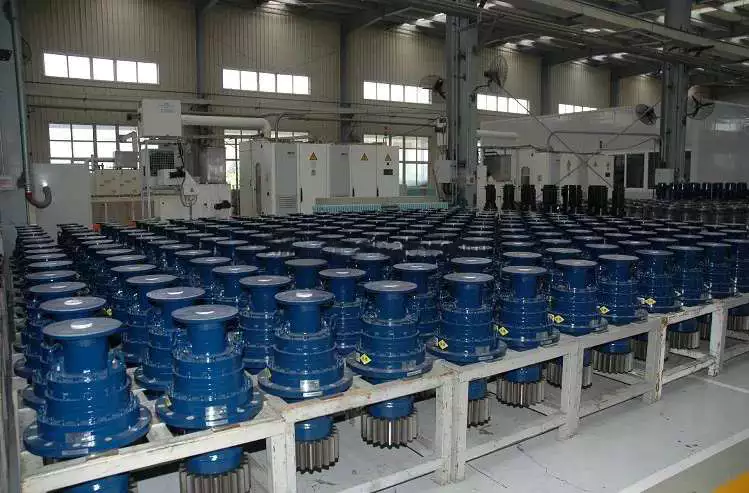
Introduction
The cleaning process of a planetary gearbox is essential for maintaining its optimal performance and longevity. By removing dirt, debris, and contaminants, the gearbox can operate smoothly and efficiently. In this article, we will explore the various steps involved in the cleaning process of a planetary gearbox and discuss their significance.
Step 1: Disassembly
Before cleaning the gearbox, it is crucial to disassemble it carefully. This step involves removing all the components, including gears, shafts, and bearings, to gain access to every part of the gearbox for thorough cleaning.
Step 2: Initial Inspection
Once disassembled, the gearbox components should be inspected for any signs of wear, damage, or misalignment. This inspection helps identify potential issues that may require further attention during the cleaning process.
Step 3: Solvent Selection
Choosing the right solvent is vital for effective cleaning. A high-quality solvent specifically designed for gearbox cleaning should be used. It should have excellent degreasing properties and be safe to use on the gearbox materials.
Step 4: Cleaning the Gears
The gears are the main components of a planetary gearbox and require thorough cleaning. Using the selected solvent, the gears should be soaked and scrubbed to remove any dirt or oil residues. Paying attention to each tooth and groove is essential to ensure optimal gear performance.
Step 5: Cleaning the Bearings
The bearings play a crucial role in the smooth functioning of a gearbox. They should be carefully cleaned using the solvent, ensuring that all contaminants are removed. Inspecting and greasing the bearings after cleaning is also recommended.
Step 6: Cleaning the Housing
The gearbox housing should be thoroughly cleaned both internally and externally. Any dirt, debris, or remnants of the old lubricant should be removed. Paying attention to the sealing surfaces is important to prevent leaks and maintain the gearbox’s integrity.
Step 7: Inspection and Reassembly
After cleaning all the components, a final inspection should be carried out to ensure they are clean, undamaged, and properly lubricated. Once confirmed, the gearbox can be reassembled, following the manufacturer’s specifications and torque settings.
Step 8: Lubrication
Applying the appropriate lubricant to the gears, bearings, and other moving parts is crucial for smooth operation and to prevent premature wear. The lubricant should be selected based on the gearbox’s specifications and operating conditions.
Step 9: Performance Testing
Once the gearbox is fully assembled and lubricated, it should undergo performance testing to ensure it functions optimally and meets the required performance standards. This testing may involve load testing, noise analysis, and vibration measurement.
Step 10: Maintenance Schedule
To maintain the cleanliness and performance of the planetary gearbox, it is essential to establish a regular maintenance schedule. This schedule should include periodic inspections, cleaning, lubrication, and any necessary repairs or replacements.
In conclusion, the cleaning of a planetary gearbox is a meticulous process that involves various steps, each with its significance. By following these steps and adhering to a proactive maintenance schedule, the lifespan and performance of the gearbox can be significantly improved.
Our company specializes in the production and sale of various types of gears and gearboxes. With years of experience in the industry, we have established ourselves as a leading provider in the market. Here are six reasons why our company stands out from the competition:
1. Superior Quality
At our company, we prioritize quality in every step of the production process. From sourcing the finest materials to employing skilled technicians, we ensure that our gears and gearboxes meet the highest standards. Our commitment to quality guarantees durability and reliability for our customers.
2. Extensive Product Range
We offer a wide range of gears and gearboxes to cater to diverse industrial needs. Whether it’s helical gears, spur gears, or planetary gears, our product range is designed to meet various specifications and applications. With such versatility, customers can find the perfect solution for their specific requirements.
3. Customization Options
Understanding that every customer has unique needs, we provide customization options for our gears and gearboxes. Our team of experts works closely with clients to understand their requirements and develops tailor-made solutions. This flexibility ensures that our products perfectly match their intended applications.
4. Competitive Pricing
Despite our commitment to quality, we offer competitive pricing for all our gears and gearboxes. We believe that high-quality products should be accessible to all, and our pricing reflects this philosophy. By choosing us, customers can enjoy both affordability and performance.
5. Timely Delivery
We understand the importance of timely delivery in today’s fast-paced business environment. Our streamlined production process and efficient logistics enable us to fulfill orders promptly. Whether it’s a small batch or a large quantity, we ensure that our customers receive their products within the agreed timeframes.
6. Excellent Customer Support
Customer satisfaction is at the heart of our business. We have a dedicated customer support team that is available to address any queries or concerns promptly. From pre-sales consultations to after-sales support, we strive to provide a seamless experience for our customers.
The Birth of a Gearbox: Process and Techniques
A gearbox undergoes several steps and processes before it becomes a functional component. Here is a breakdown of the birth of a gearbox:
1. Design and Engineering
The process begins with meticulous design and engineering. Our team of experts analyzes the specific requirements and designs a gearbox that optimally meets those needs. This stage involves CAD modeling and simulation to ensure precision and performance.
2. Material Selection
Choosing the right materials is crucial for the durability and performance of the gearbox. Based on the design specifications, our experts carefully select materials that offer the desired strength, wear resistance, and other necessary properties.
3. Machining and Manufacturing
Once the design and materials are finalized, the manufacturing process begins. Our state-of-the-art facilities and advanced machining techniques allow us to produce gears and gearboxes with exceptional precision and consistency.
4. Quality Control
Quality control is an integral part of our manufacturing process. Each gearbox undergoes rigorous testing and inspection to ensure it meets all the necessary quality standards. This includes checks for dimensional accuracy, load capacity, and overall performance.
5. Assembly and Finishing
After passing the quality control stage, the gearbox components are assembled, ensuring proper alignment and fitment. The gearbox then undergoes finishing processes such as heat treatment, surface coatings, and lubrication to enhance its performance and durability.
6. Final Testing and Packaging
Before leaving our facility, each gearbox undergoes a final round of testing to verify its performance and functionality. Once approved, the gearbox is carefully packaged to protect it during transportation, ensuring it arrives at the customer’s location in optimal condition.
Partner with us today and experience the unmatched quality, reliability, and support our company offers. Contact us now to discuss your gear and gearbox requirements.
Author: Miya