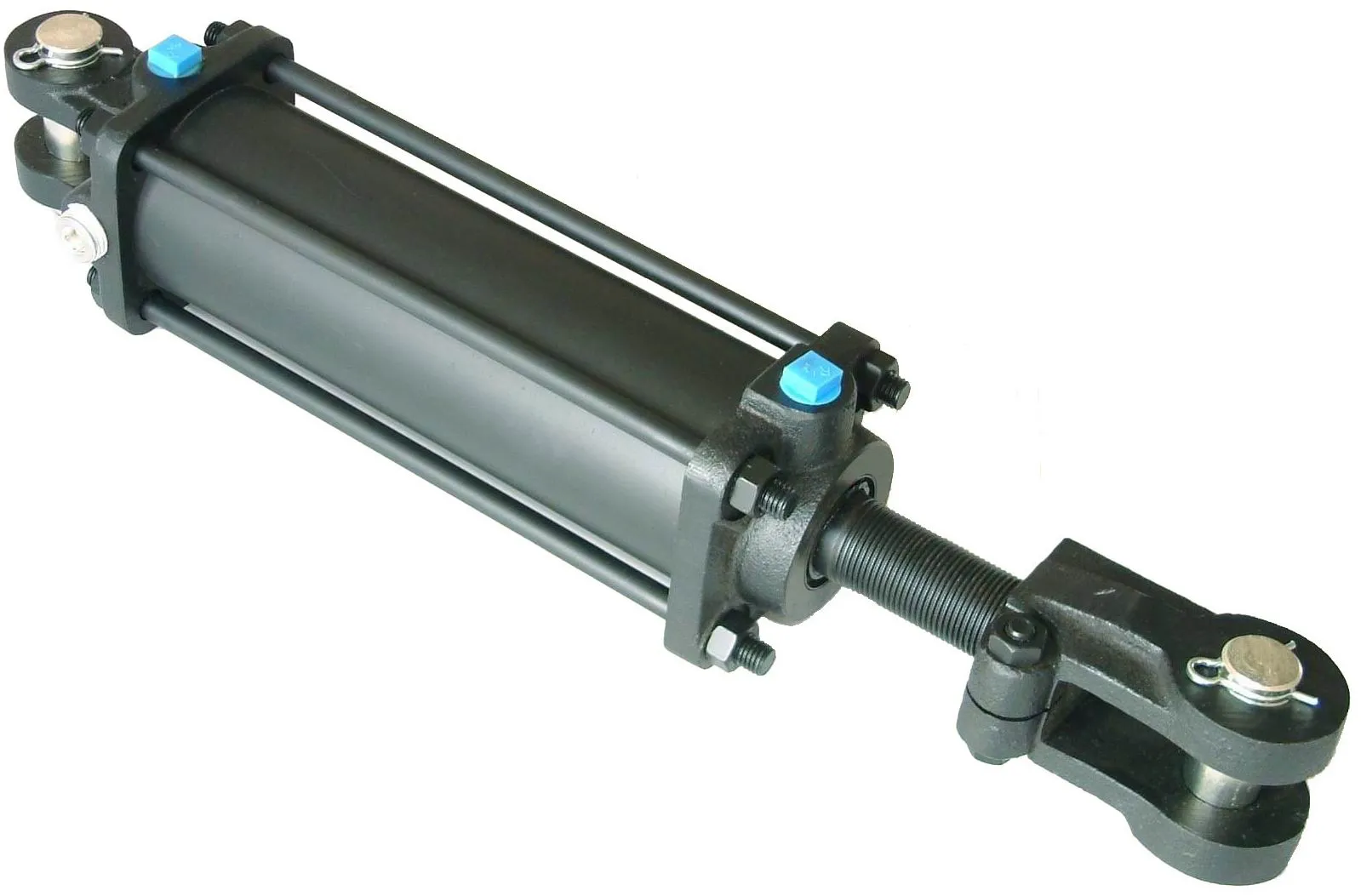
Understanding Multi-Stage Telescopic Hydraulic Cylinder Assembly And Disassembly
What is a Multi-Stage Telescopic Hydraulic Cylinder?
In the realm of hydraulic systems, a multi-stage telescopic hydraulic cylinder is a sophisticated mechanism that allows for varying stroke lengths and precise control of hydraulic pressure in a compact design. This unique cylinder consists of multiple stages that extend and retract independently, providing flexibility and efficiency in various applications.
Design Principle and Composition
The multi-stage telescopic hydraulic cylinder is typically composed of internal and external stages, each equipped with a piston rod, seals, and hydraulic oil compatibility to ensure smooth operation and minimal leakage. The design principle revolves around creating a robust yet flexible system that can adapt to changing operational requirements.
Working Principle
As hydraulic fluid flows through the cylinder, pressure builds up, causing the multiple telescopic stages to extend or retract based on the desired movement. This intricate process relies on the precise coordination of internal structures and mechanisms to ensure seamless operation and optimal performance.
Types of Multi-Stage Telescopic Hydraulic Cylinders
1. Single-Acting Cylinders
Single-acting cylinders use hydraulic pressure to extend the stages, relying on external forces for retraction. This design is commonly used in applications where controlled extension is critical.
2. Double-Acting Cylinders
Double-acting cylinders utilize hydraulic pressure for both extension and retraction, offering enhanced versatility and control in various industrial settings.
3. Telescopic Cylinders
Telescopic cylinders feature multiple nested stages that provide extended stroke lengths without compromising space efficiency. This design is ideal for applications requiring extended reach in limited spaces.
Advantages of Multi-Stage Hydraulic Cylinders
1. Enhanced Stroke Length: Multi-stage cylinders offer extended reach capabilities, making them suitable for applications requiring precise movement over long distances.
2. Space Efficiency: The compact design of multi-stage cylinders allows for optimal space utilization in tight environments, maximizing operational efficiency.
3. High Load Capacity: With robust construction and advanced materials, multi-stage cylinders can withstand heavy loads and challenging operating conditions.
4. Stability and Accuracy: The multi-stage design ensures smooth and precise movement, enhancing overall operational stability and accuracy.
5. Safety and Reliability: Multi-stage cylinders are engineered for safety, incorporating features such as overload protection and emergency shutdown mechanisms to ensure secure operation.
Industries Using Multi-Stage Telescopic Hydraulic Cylinders
1. Construction: Multi-stage cylinders are widely used in construction equipment for lifting, pushing, and positioning heavy loads with precision and control.
2. Agriculture: In agricultural machinery, multi-stage cylinders play a crucial role in tasks such as plowing, harvesting, and material handling, providing efficient power transfer and movement control.
3. Material Handling: Industries such as logistics and warehousing rely on multi-stage cylinders for smooth and accurate material handling operations, ensuring efficient workflow and productivity.
Considerations for Selecting a Multi-Stage Hydraulic Cylinder
1. Size and Stroke Length: Determine the appropriate cylinder size range and stroke length to meet the specific operational requirements of your application.
2. Material Selection: Choose high-quality materials for durability and compatibility with the hydraulic system, ensuring long-term performance and reliability.
3. Integrated Functions: Consider additional features such as buffering, position sensors, and installation options to enhance the functionality and efficiency of the cylinder.
Maintenance Tasks for Multi-Stage Telescopic Hydraulic Cylinders
1. Regular Inspection: Periodic maintenance checks ensure optimal performance and identify potential issues before they escalate.
2. Proper Lubrication: Adequate lubrication of moving parts prolongs the lifespan of the cylinder and prevents premature wear and tear.
3. Seal Replacement: Timely replacement of seals prevents hydraulic fluid leakage and maintains proper functioning of the cylinder.
Installation Steps and Techniques
1. Proper Integration: Ensure seamless integration of the cylinder with the hydraulic system to optimize performance and prevent operational issues.
2. Installation Options: Choose suitable installation methods such as wedge, flange, or trunnion installation based on the application requirements and space constraints.
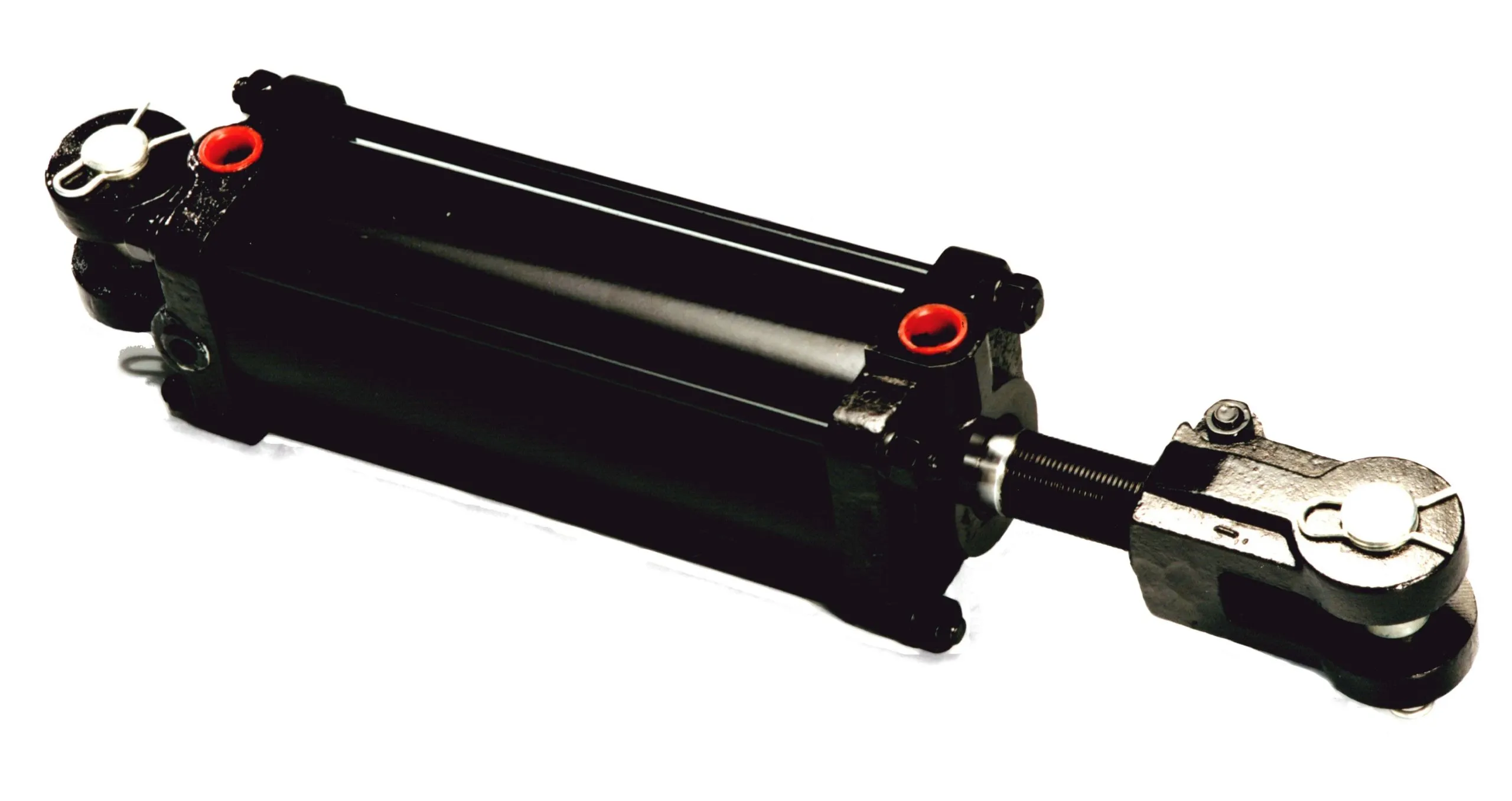
Fault Diagnosis and Troubleshooting
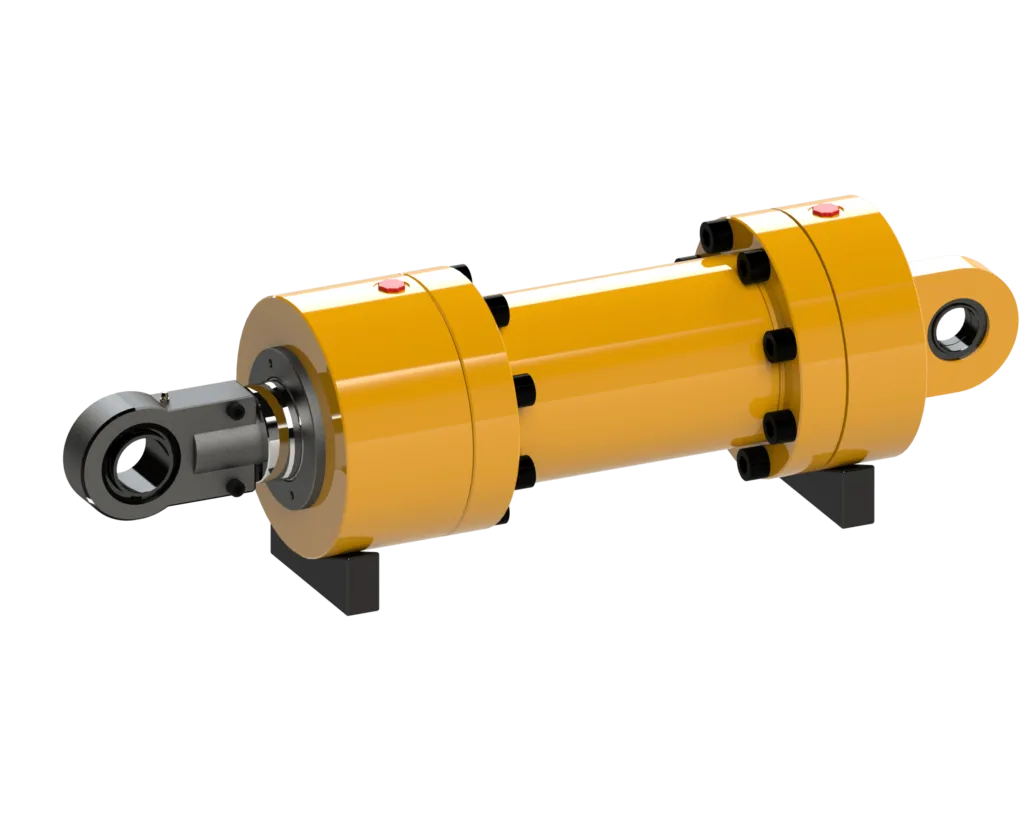
Common problems such as leakage, insufficient force, or unstable motion may arise in multi-stage cylinders. Effective troubleshooting tips and solutions can help diagnose and resolve issues promptly, minimizing downtime and ensuring operational efficiency.
Safety Standards and Regulations
Adhering to safety standards and regulations is paramount when using multi-stage telescopic hydraulic cylinders. Incorporating features like overload protection and emergency shutdown mechanisms enhances operational safety and minimizes risks in industrial environments.
Common Questions About Multi-Stage Telescopic Hydraulic Cylinders
1. How does the telescoping mechanism of a multi-stage cylinder work, and what are the main components involved?
2. What are the typical applications where multi-stage telescopic hydraulic cylinders are used, and why are they well-suited for these applications?
3. What are some of the important design considerations when selecting a multi-stage telescopic hydraulic cylinder for a specific application?
Long Tail Keywords for Multi-Stage Telescopic Hydraulic Cylinders
1. Advanced Telescopic Hydraulic Cylinder Assembly
2. Precision Multi-Stage Cylinder Disassembly
3. Efficient Hydraulic Cylinder Maintenance
Company Overview
We are a leading hydraulic cylinder replacement manufacturer with a comprehensive product line catering to diverse industrial needs. Our commitment to quality, international certifications, customized services, state-of-the-art production equipment, and reliable after-sales support have positioned us as a trusted partner in the global market.
Author: lyl