
Category Archives: Multi-stage Telescopic Hydraulic Cylinder

Multi-Stage Telescopic Hydraulic Cylinder Pressure Transducer Integration For Real-Time Monitoring And Diagnostics


Comprehensive Guide to Multi-Stage Telescopic Hydraulic Cylinders

Introduction

In this comprehensive guide, we will delve into the world of multi-stage telescopic hydraulic cylinders. These complex hydraulic systems are essential in various industries and applications, providing precise control and efficient power transmission. We will explore the design, working principles, types, advantages, applications, maintenance, installation, troubleshooting, safety standards, and more related to multi-stage telescopic hydraulic cylinders.

Understanding Multi-Stage Telescopic Hydraulic Cylinders

Multi-stage telescopic hydraulic cylinders are intricate hydraulic systems that consist of multiple stages, allowing for extended stroke lengths while maintaining a compact design. These cylinders are commonly used in applications that require precise positioning and controlled movement.

Design Principle and Composition

  • The design of a multi-stage telescopic hydraulic cylinder involves multiple nested stages that extend and retract sequentially.
  • Each stage consists of a cylinder, piston rod, seals, and hydraulic oil compatibility to ensure smooth operation and minimal friction.

Telescopic Joint Description
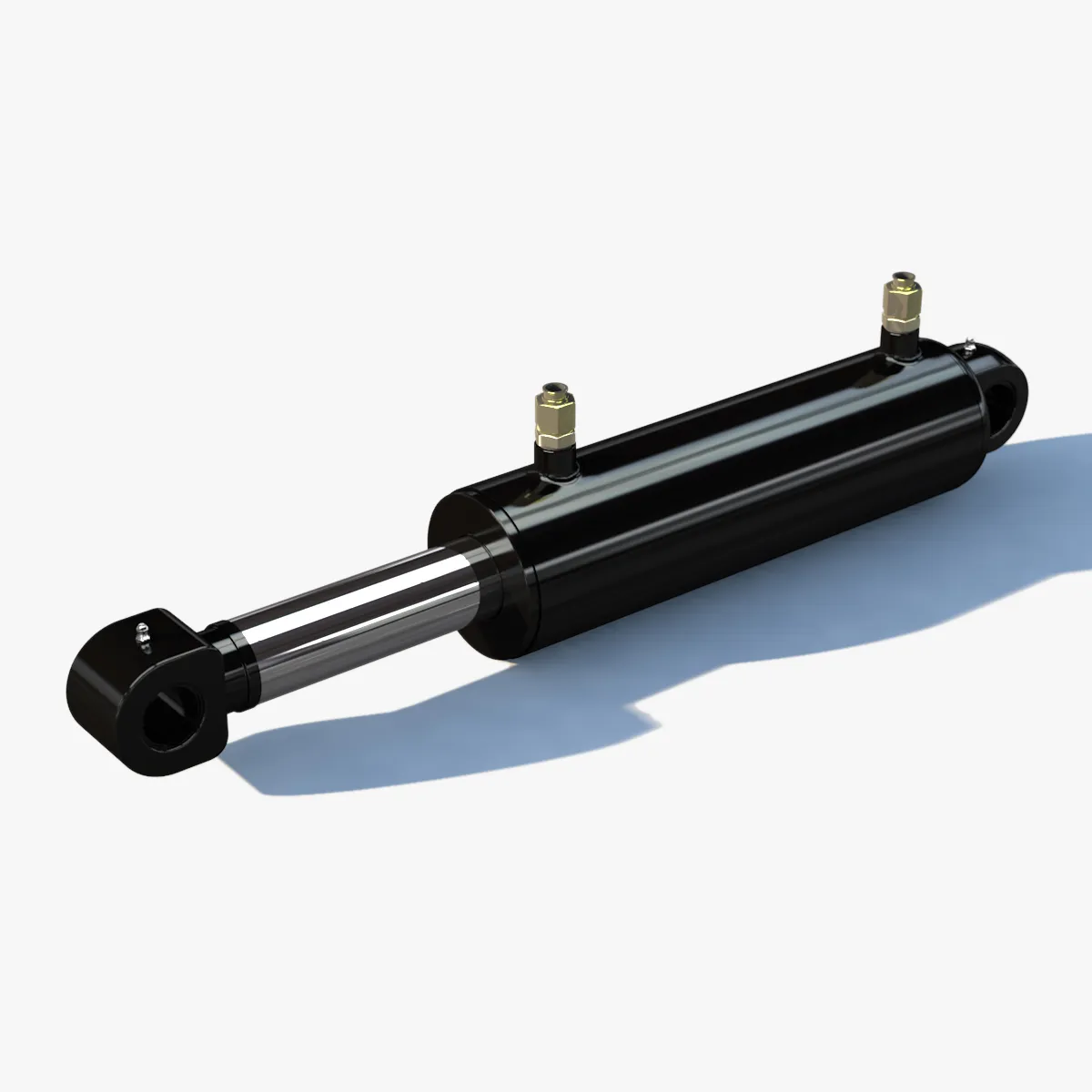
The telescopic joint comprises internal and external stages that work together to facilitate the extension and retraction of the cylinder. The internal components ensure proper sealing and fluid flow, while the external components provide structural support and stability.

Materials Used

The materials used in multi-stage telescopic hydraulic cylinders are carefully selected to withstand high pressures, resist wear and corrosion, and maintain optimal performance. Components such as the cylinder, piston rod, seals, and hydraulic oil must be compatible to ensure longevity and efficiency.

Working Principle

The working principle of a multi-stage telescopic hydraulic cylinder involves the sequential extension and retraction of its stages, driven by hydraulic fluid flow and pressure. As fluid enters the cylinder, it exerts force on the piston, causing the stages to move accordingly.

Internal Structure and Mechanism

  • Multiple telescopic stages allow for incremental movement and precise control of the cylinder’s position.
  • Hydraulic fluid flow and pressure within the cylinder dictate the speed and force of the movement, ensuring accurate positioning and smooth operation.

Types of Multi-Stage Telescopic Hydraulic Cylinders

There are three main types of multi-stage telescopic hydraulic cylinders, each with unique configurations and applications:

Type 1: Single-Acting Cylinder

A single-acting multi-stage telescopic hydraulic cylinder operates in one direction, utilizing hydraulic pressure to extend the stages. It is commonly used in applications that require linear motion and precise positioning.

Type 2: Double-Acting Cylinder

A double-acting multi-stage telescopic hydraulic cylinder operates in both directions, allowing for bidirectional movement and enhanced control. It is ideal for applications that require reversible motion and adjustable speed.

Type 3: Telescopic Cylinder with Integrated Pressure Transducer

This advanced type of multi-stage telescopic hydraulic cylinder features an integrated pressure transducer for real-time monitoring and diagnostics. It provides accurate pressure readings and feedback, enabling precise control and predictive maintenance.

Advantages of Multi-Stage Telescopic Hydraulic Cylinders

Multi-stage telescopic hydraulic cylinders offer several advantages in terms of stroke length, space design, load capacity, stability, accuracy, and safety:

Stroke Length

Multi-stage cylinders can achieve longer stroke lengths compared to single-stage cylinders, making them suitable for applications that require extended reach and precise positioning.

Space Design

The compact design of multi-stage telescopic hydraulic cylinders allows for efficient use of space, making them ideal for applications with limited mounting space or confined environments.

Load Capacity

Multi-stage cylinders can handle higher loads and provide greater lifting capacity, making them suitable for heavy-duty applications that require superior strength and durability.

Stability

The sequential extension and retraction of stages in multi-stage cylinders ensure smooth and stable operation, minimizing vibrations and maintaining precise control over movement.

Accuracy

Multi-stage telescopic hydraulic cylinders offer precise positioning and control, allowing for accurate motion and alignment in various industrial and mobile equipment applications.

Safety

The reliable performance and safety features of multi-stage cylinders enhance the overall operation process, ensuring operator safety and equipment protection in critical environments.

Applications of Multi-Stage Telescopic Hydraulic Cylinders

Multi-stage telescopic hydraulic cylinders are widely used in various industries, including construction, agriculture, material handling, and more. These cylinders offer benefits such as:

Construction Industry

In construction applications, multi-stage cylinders are used for lifting, positioning, and stabilizing heavy loads in cranes, excavators, and aerial work platforms. Their high load capacity and precise control make them essential for safe and efficient operations on construction sites.

Agricultural Sector

In agriculture, multi-stage cylinders are employed in farming equipment such as tractors, harvesters, and irrigation systems. Their ability to provide reliable lifting and pushing forces ensures optimal performance in various agricultural tasks, such as plowing, seeding, and harvesting.

Material Handling

In material handling applications, multi-stage cylinders are utilized in conveyor systems, forklifts, and packaging machinery. Their stable operation, accurate positioning, and high load capacity enable efficient material transport and handling processes in warehouses, distribution centers, and manufacturing facilities.

Considerations for Selecting Multi-Stage Telescopic Hydraulic Cylinders

When choosing a multi-stage telescopic hydraulic cylinder for a specific application, several factors should be considered:

Size Range and Stroke Length

The cylinder’s size and stroke length should match the application requirements to ensure optimal performance and efficiency. Selecting the right size range and stroke length is essential for achieving the desired motion and force output.

Material Selection and Durability

The materials used in the cylinder construction should be durable, corrosion-resistant, and compatible with the hydraulic fluid to ensure long-term reliability and performance. Proper material selection is crucial for withstanding high pressures and harsh operating conditions.

Integrated Functions and Safety Features

Consider the integrated functions such as buffering, position sensors, and emergency shutdown mechanisms to enhance safety and efficiency in the operation process. These features provide added protection and control, ensuring smooth and reliable performance in critical applications.

Maintenance of Multi-Stage Telescopic Hydraulic Cylinders

To ensure optimal performance and longevity of multi-stage telescopic hydraulic cylinders, regular maintenance tasks should be conducted:

Regular Inspection

Periodic inspection of the cylinder components, seals, and hydraulic fluid levels is essential to identify any potential issues or wear. Regular maintenance helps prevent malfunctions and ensures smooth operation of the cylinder.

Proper Lubrication

Applying the appropriate lubrication to the cylinder components and seals reduces friction, prolongs component life, and maintains optimal performance. Proper lubrication is crucial for preventing wear and ensuring efficient operation of the cylinder.

Seal Replacement and Calibration Inspection

Replacing worn seals and conducting calibration inspections on a regular basis help maintain the sealing integrity and alignment of the cylinder stages. Proper seal replacement and calibration ensure leak-free operation and accurate positioning of the cylinder.

Installation of Multi-Stage Telescopic Hydraulic Cylinders

Proper installation of multi-stage telescopic hydraulic cylinders is essential for optimal performance and safety:

Integration with Hydraulic System

Ensure seamless integration of the cylinder with the hydraulic system to maintain proper fluid flow, pressure, and control. Proper integration ensures efficient operation and prevents malfunctions in the hydraulic system.

Installation Options and Techniques
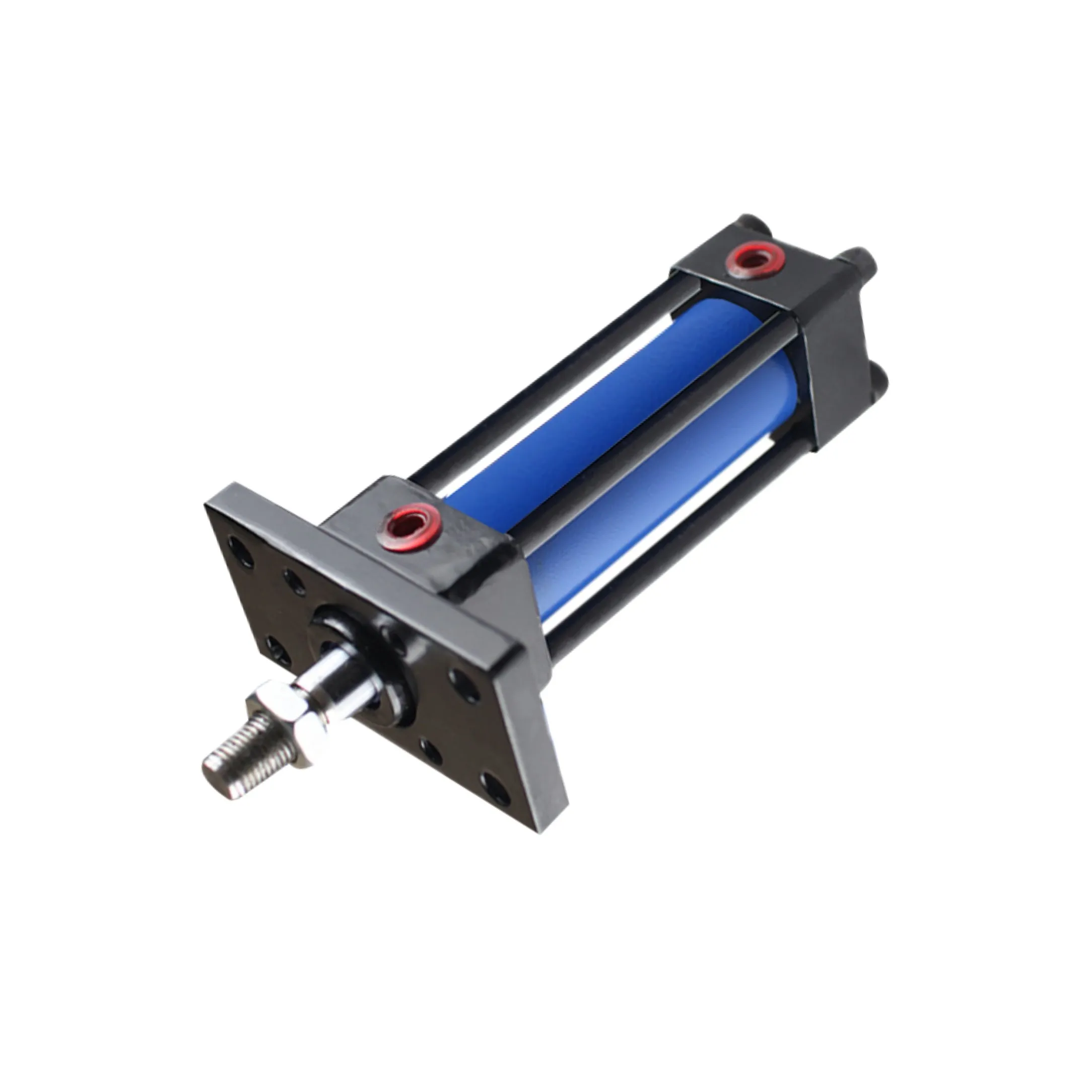
Consider installation options such as wedge installation, flange installation, and trunnion installation to securely mount the cylinder in the application. Proper installation techniques ensure stability, alignment, and efficient operation of the cylinder.

Fault Diagnosis and Troubleshooting

Common problems such as leakage, insufficient force, or unstable motion in multi-stage telescopic hydraulic cylinders can be diagnosed and resolved with proper troubleshooting:

Leakage

If leakage occurs in the cylinder, check for damaged seals or loose connections and replace or repair as needed. Proper sealing and tightening prevent fluid loss and ensure efficient operation of the cylinder.

Insufficient Force

If the cylinder produces insufficient force, check for worn components, low hydraulic pressure, or improper fluid levels. Adjusting the pressure, replacing worn parts, or refilling the fluid can restore the cylinder’s force output to the desired level.

Unstable Motion

If the cylinder exhibits unstable motion, inspect the stages for misalignment, air bubbles in the fluid, or hydraulic system malfunctions. Addressing alignment issues, removing air from the system, or repairing faulty components can stabilize the motion and ensure smooth operation.

Safety Standards and Regulations

Adhering to safety standards and regulations is crucial when using multi-stage telescopic hydraulic cylinders to prevent accidents and ensure operator safety:

Overload Protection

Implement overload protection mechanisms such as relief valves, pressure sensors, or safety locks to prevent excessive force or pressure in the cylinder. These safety features protect against equipment damage and operator injury in overload conditions.

Emergency Shutdown Mechanisms

Include emergency shutdown mechanisms such as emergency stop buttons or quick-release valves to halt the operation in emergency situations. These safety features enable rapid shutdown and prevent accidents or injuries during critical incidents.

Questions and Answers

1. How does the telescoping mechanism of a multi-stage cylinder work, and what are the main components involved?

The telescoping mechanism of a multi-stage cylinder involves sequential extension and retraction of nested stages driven by hydraulic fluid pressure. The main components include cylinders, piston rods, seals, and hydraulic oil compatibility.

2. What are the typical applications where multi-stage telescopic hydraulic cylinders are used, and why are they well-suited for these applications?

Multi-stage cylinders are commonly used in construction, agriculture, and material handling applications due to their high load capacity, precise control, and compact design. They are well-suited for these applications that require versatile and efficient hydraulic power transmission.

3. What are some of the important design considerations when selecting a multi-stage telescopic hydraulic cylinder for a specific application?

Important design considerations include size range, stroke length, material selection, integrated functions, and safety features. These factors ensure optimal performance, durability, and safety in various industrial and mobile equipment applications.

Long Tail Keywords

1. “High-Pressure Multi-Stage Telescopic Hydraulic Cylinder with Integrated Pressure Transducer” – This advanced cylinder features real-time monitoring and diagnostics for precise control and predictive maintenance.

2. “Compact Design Multi-Stage Telescopic Hydraulic Cylinder for Space-Constrained Applications” – This cylinder offers efficient space utilization and precise positioning in applications with limited mounting space.

3. “Heavy-Duty Multi-Stage Telescopic Hydraulic Cylinder for High Load Applications” – This cylinder provides superior strength, stability, and lifting capacity for demanding industrial applications.

Company Focus

Our company is a leading hydraulic cylinder replacement manufacturer, offering a complete product line and customized services for domestic and international markets. We provide professional solutions, international certification, advanced production equipment, and reliable after-sales service to meet the diverse needs of our customers.
Author: lyl

Multi-Stage Telescopic Hydraulic Cylinder Telescoping Sequence Optimization For Enhanced Stability And Load Handling


Multi-Stage Telescopic Hydraulic Cylinder: Enhancing Stability and Load Handling

Understanding Multi-Stage Telescopic Hydraulic Cylinders

Introduction

The multi-stage telescopic hydraulic cylinder is a sophisticated hydraulic actuator designed to provide enhanced stability and load handling capabilities in various industrial applications. This article delves into the intricacies of this advanced technology, exploring its design principles, working mechanisms, types, advantages, applications, maintenance, installation, troubleshooting, safety standards, and more.

Design and Composition

The multi-stage telescopic hydraulic cylinder consists of internal and external stages, meticulously engineered to extend and retract smoothly for optimal performance. The cylinder, piston rod, seals, and hydraulic oil are carefully selected and compatible to ensure efficient operation.

Telescopic Joint

  • Internal and external stages
  • Materials used
  • Cylinder, piston rod, seals compatibility
  • Hydraulic oil selection

Working Principle

The multi-stage telescopic hydraulic cylinder operates through a series of telescopic stages that stretch and contract to deliver precise movements. The flow and pressure of hydraulic fluid within the cylinder play a crucial role in its functionality.

Types and Configurations

There are three main types of multi-stage telescopic hydraulic cylinders, each with unique configurations tailored for specific applications. Understanding these variations is essential for selecting the right cylinder for your needs.

Type 1

Description of the first type of cylinder.

Type 2

Description of the second type of cylinder.

Type 3

Description of the third type of cylinder.

Advantages

The multi-stage telescopic hydraulic cylinder offers several advantages, including extended stroke length, efficient space utilization, increased load capacity, enhanced stability, accuracy, and safety during operation.

Applications

Multi-stage telescopic hydraulic cylinders find widespread use in various industries such as construction, agriculture, material handling, etc. Their benefits in these applications contribute significantly to operational efficiency and productivity.

Selection Considerations

When choosing a multi-stage telescopic hydraulic cylinder, factors such as size range, inner diameter, stroke length, material selection, structural durability, integrated functions, and installation options must be carefully considered to ensure optimal performance.

Maintenance

Regular inspection, proper lubrication, seal replacement, and calibration are essential maintenance tasks to ensure the longevity and performance of multi-stage telescopic hydraulic cylinders.

Installation

Proper integration with the hydraulic system and careful consideration of installation techniques such as wedge, flange, and trunnion installations are crucial for the efficient functioning of multi-stage telescopic hydraulic cylinders.

Fault Diagnosis

Common problems such as leakage, insufficient force, or unstable motion may arise with multi-stage telescopic hydraulic cylinders. Understanding these issues and implementing effective troubleshooting measures is key to maintaining optimal performance.

Safety Standards

Adhering to safety standards and regulations is paramount when using multi-stage telescopic hydraulic cylinders, ensuring the implementation of safety functions such as overload protection and emergency shutdown mechanisms.

Questions and Answers

1. How does the telescoping mechanism of a multi-stage cylinder work, and what are the main components involved?

2. What are the typical applications where multi-stage telescopic hydraulic cylinders are used, and why are they well-suited for these applications?

3. What are some of the important design considerations when selecting a multi-stage telescopic hydraulic cylinder for a specific application?

Long Tail Keywords

1. Long tail keyword explanation.

2. Long tail keyword explanation.

3. Long tail keyword explanation.

Our Company

We are a leading hydraulic cylinder manufacturer specializing in multi-stage telescopic hydraulic cylinders. With a comprehensive product line, international certifications, customized services, advanced production equipment, and exceptional after-sales support, we are dedicated to meeting the diverse needs of our customers worldwide.

Author: lyl

Multi-Stage Telescopic Hydraulic Cylinder Piston Seal Leakage Mitigation Through Advanced Seal Design And Materials


Comprehensive Guide to Multi-Stage Telescopic Hydraulic Cylinder Piston Seal Leakage Mitigation

Introduction

In this comprehensive guide, we will delve into the world of multi-stage telescopic hydraulic cylinders, specifically focusing on piston seal leakage mitigation through advanced seal design and materials. We will explore the intricacies of these hydraulic cylinders, including their design principles, working mechanisms, types, advantages, applications, maintenance, installation, troubleshooting, safety standards, and more. Let’s begin our journey into the fascinating realm of multi-stage telescopic hydraulic cylinders.

Understanding Multi-Stage Telescopic Hydraulic Cylinders

Design Principle and Composition

A multi-stage telescopic hydraulic cylinder is a complex hydraulic component that consists of multiple stages, each capable of extending and retracting independently. These cylinders are designed to provide precise control over the movement of heavy loads in various industrial applications.

Telescopic Joint Description

The telescopic joint of a multi-stage hydraulic cylinder comprises internal and external stages that work in tandem to facilitate smooth and efficient operation. The internal stage houses the piston rod, while the external stage contains the cylinder tube.

Materials and Compatibility

The components of a multi-stage telescopic hydraulic cylinder, including the cylinder, piston rod, seals, and hydraulic oil, must be carefully selected to ensure compatibility and optimal performance. Advanced materials and seal designs play a crucial role in mitigating piston seal leakage.

Working Principle

The working principle of a multi-stage telescopic hydraulic cylinder involves the controlled flow of hydraulic fluid to extend or retract the multiple stages. The internal structure and working mechanism of these cylinders enable precise movement and force transmission.

Telescopic Stage Operation

Each telescopic stage of the hydraulic cylinder stretches and contracts independently, allowing for versatile positioning and load-bearing capabilities. The hydraulic fluid flow and pressure within the cylinder play a vital role in determining the movement and stability of the system.

Types of Multi-Stage Telescopic Hydraulic Cylinders

There are three main types of multi-stage telescopic hydraulic cylinders, each offering unique configurations and capabilities. These cylinders are designed to cater to specific industrial requirements and operational needs.

Stroke Length

Some multi-stage hydraulic cylinders are optimized for extended stroke lengths, making them ideal for applications that require precise positioning over long distances.

Space Design and Load Capacity

Others are designed to maximize space efficiency while maintaining high load-bearing capacities, making them suitable for compact and high-performance applications.

Stability and Accuracy

Some multi-stage telescopic hydraulic cylinders prioritize stability, accuracy, and safety during operation, ensuring reliable performance in demanding industrial environments.

Advantages of Multi-Stage Telescopic Hydraulic Cylinders

Multi-stage telescopic hydraulic cylinders offer several advantages over traditional single-stage cylinders, including:

  • Enhanced stroke length for versatile positioning
  • Optimized space design and high load capacity
  • Improved stability, accuracy, and safety in operation

These advantages make multi-stage cylinders ideal for a wide range of industrial applications, from construction and agriculture to material handling and beyond.

Applications of Multi-Stage Telescopic Hydraulic Cylinders

Multi-stage telescopic hydraulic cylinders are widely used in various industries, including:

  • Construction: for heavy lifting and precise positioning
  • Agriculture: for efficient machinery operation and load handling
  • Material Handling: for smooth movement and controlled lifting

These cylinders offer unparalleled benefits and advantages in these applications, enhancing productivity and performance.

Considerations for Selecting a Multi-Stage Telescopic Hydraulic Cylinder

When choosing a multi-stage telescopic hydraulic cylinder, several factors should be taken into account:

Size Range and Stroke Length

The cylinder’s size range, inner diameter, and stroke length must align with the specific application requirements to ensure optimal performance and durability.

Material Selection and Structural Details

The choice of materials, seal designs, and structural configurations plays a critical role in the cylinder’s longevity, functionality, and compatibility with the hydraulic system.

Integrated Functions and Installation Options

Consider additional features such as buffering mechanisms, position sensors, and various installation techniques to enhance the cylinder’s performance and versatility.

Maintenance of Multi-Stage Telescopic Hydraulic Cylinders

Regular maintenance tasks for multi-stage telescopic hydraulic cylinders include:

  • Inspection: to detect wear, leaks, or damage
  • Lubrication: to ensure smooth operation and extend component lifespan
  • Seal Replacement: to prevent leakage and maintain system integrity

By following these maintenance procedures, users can prolong the lifespan and performance of their hydraulic cylinders.

Installation of Multi-Stage Telescopic Hydraulic Cylinders

Proper installation of multi-stage telescopic hydraulic cylinders is essential for their efficient and reliable operation. Consider the following installation steps:

  • Wedge Installation: for secure and stable mounting
  • Flange Installation: for easy assembly and disassembly
  • Trunnion Installation: for flexible positioning and load distribution

By following these installation techniques, users can ensure the optimal performance of their hydraulic cylinders within the hydraulic system.

Fault Diagnosis and Troubleshooting

Common problems associated with multi-stage telescopic hydraulic cylinders, such as leakage, insufficient force, or unstable motion, can be diagnosed and resolved through effective troubleshooting techniques:

  • Leakage: Check for damaged seals or loose connections and replace or tighten as necessary
  • Insufficient Force: Inspect hydraulic fluid levels, pressure settings, and system components for any faults
  • Unstable Motion: Adjust flow rates, pressures, and cylinder positioning to ensure smooth operation

Preventive measures can also be implemented to minimize potential problems and ensure the safe and efficient operation of the hydraulic system.

Safety Standards and Regulations

Adhering to safety standards and regulations is paramount when operating multi-stage telescopic hydraulic cylinders. Overload protection, emergency shutdown mechanisms, and proper maintenance practices are essential for ensuring the safety and reliability of the system.

Questions and Answers

Let’s address some common questions related to multi-stage telescopic hydraulic cylinders:

How does the telescoping mechanism of a multi-stage cylinder work?

The telescoping mechanism of a multi-stage cylinder involves multiple stages that extend and retract independently, controlled by hydraulic fluid flow and pressure. The main components include the cylinder, piston rod, seals, and hydraulic oil.

Where are multi-stage telescopic hydraulic cylinders typically used?

Multi-stage telescopic hydraulic cylinders are well-suited for applications in construction, agriculture, material handling, and more, thanks to their versatility, stability, and precise control capabilities.

What factors should be considered when selecting a multi-stage telescopic hydraulic cylinder?

When choosing a multi-stage cylinder, factors such as size range, stroke length, material selection, integrated functions, and installation options should be carefully evaluated to ensure optimal performance and compatibility with the application.

Long Tail Keywords

Here are three long tail keywords related to multi-stage telescopic hydraulic cylinders:

  1. Advanced Seal Design for Piston Leakage Mitigation
  2. High-Quality Materials for Hydraulic Cylinder Seals
  3. Efficient Telescopic Mechanism in Multi-Stage Cylinders

Our Company

We are a leading hydraulic cylinder replacement manufacturer with a comprehensive product line catering to various industrial needs. Our company is renowned for its professional services, international certifications, customized solutions, state-of-the-art production equipment, and exceptional after-sales support.

With a focus on quality, innovation, and customer satisfaction, we have established ourselves as a trusted partner in the hydraulic industry, delivering reliable and high-performance solutions to our clients worldwide.

Author: lyl

Multi-Stage Telescopic Hydraulic Cylinder Cushioning Valve Characteristics Optimization For Smooth Retraction And Deceleration


Understanding Multi-Stage Telescopic Hydraulic Cylinders

Introduction

In this article, we will delve into the world of multi-stage telescopic hydraulic cylinders, focusing on the optimization of cushioning valve characteristics for smooth retraction and deceleration.

The Basics of Multi-Stage Telescopic Hydraulic Cylinders

Multi-stage telescopic hydraulic cylinders are advanced hydraulic components that feature multiple stages of nested tubing to provide extended stroke lengths with minimal retracted dimensions.

Design Principle and Composition

  • The design of a multi-stage telescopic hydraulic cylinder involves multiple nested tubes that extend and retract to achieve varying stroke lengths.
  • Key components include the cylinder, piston rod, seals, and hydraulic oil, all of which must be compatible to ensure optimal performance.

Working Principle

The working principle of a multi-stage telescopic hydraulic cylinder involves the controlled flow of hydraulic fluid to extend and retract the telescoping stages, providing precise movement and positioning capabilities.

Types and Configurations

There are three main types of multi-stage telescopic hydraulic cylinders, each offering unique configurations to suit different application requirements.

Advantages

  • Extended stroke lengths for versatile applications.
  • Compact design for space-saving installations.
  • High load capacity for heavy-duty tasks.
  • Precise positioning for accuracy and stability.
  • Safety features for reliable operation.

Applications

Multi-stage telescopic hydraulic cylinders are widely used in various industries such as construction, agriculture, and material handling, offering benefits such as enhanced efficiency and performance.

Considerations for Selection

When selecting a multi-stage telescopic hydraulic cylinder, factors such as size range, material selection, and integrated functions should be carefully considered to ensure optimal performance and durability.

Maintenance

Regular maintenance tasks such as inspection, lubrication, and seal replacement are essential to ensure the longevity and performance of multi-stage telescopic hydraulic cylinders.

Installation

Proper installation techniques such as wedge installation, flange installation, and trunnion installation are crucial to ensure seamless integration with the hydraulic system for optimal performance.

Fault Diagnosis and Solutions

Common issues such as leakage and unstable motion can be effectively diagnosed and resolved with proper troubleshooting tips and preventive measures to minimize potential problems.

Safety Standards

Adhering to safety standards and regulations is crucial when using multi-stage telescopic hydraulic cylinders to ensure the safety of operators and equipment.

FAQs

How does the telescoping mechanism of a multi-stage cylinder work?

The telescoping mechanism involves multiple nested tubes that extend and retract to achieve varying stroke lengths, with components such as the cylinder, piston rod, seals, and hydraulic oil working in tandem.

What are the typical applications where multi-stage telescopic hydraulic cylinders are used?

Multi-stage telescopic hydraulic cylinders are well-suited for applications in construction, agriculture, and material handling due to their extended stroke lengths, high load capacity, and precise positioning capabilities.

What are some important design considerations when selecting a multi-stage telescopic hydraulic cylinder?

Key design considerations include size range, material selection, and integrated functions to ensure optimal performance and durability for specific application requirements.

Long Tail Keywords

Three long tail keywords for multi-stage telescopic hydraulic cylinders are “Smooth Retraction Cylinder”, “Deceleration Optimization Hydraulic System”, and “Cushioning Valve Mechanism”.

Our Company

We are a leading hydraulic cylinder manufacturer and wholesale distributor, offering a complete product line and customized services to meet the diverse needs of our customers.

Professional Services

Our company is dedicated to providing professional services, ensuring quality products and customer satisfaction through international certifications and advanced production equipment.

After-Sales Support

We offer comprehensive after-sales support to assist customers with maintenance, troubleshooting, and installation of our multi-stage telescopic hydraulic cylinders.

Author

Author: lyl

Multi-Stage Telescopic Hydraulic Cylinder Tube Buckling Prevention Through Optimized Tube Wall Thickness And Support Structure


Optimizing Multi-Stage Telescopic Hydraulic Cylinder for Tube Buckling Prevention

Introduction

In this article, we will delve into the intricacies of multi-stage telescopic hydraulic cylinder tubes, focusing on preventing tube buckling through optimized wall thickness and support structure. We will explore the design principles, working mechanisms, types, advantages, applications, maintenance, installation, troubleshooting, safety standards, and long tail keywords associated with these hydraulic cylinders.

Understanding Multi-Stage Telescopic Hydraulic Cylinder Tubes

Multi-stage telescopic hydraulic cylinder tubes are complex hydraulic systems that consist of multiple stages for extending and contracting. The design principle involves creating a series of nested tubes that allow for varying stroke lengths.

Design Principle and Composition

The internal and external stages of the telescopic joint work together to ensure smooth movement and efficient operation. The materials used, such as high-quality cylinders, piston rods, seals, and compatible hydraulic oils, play a crucial role in the overall performance of the cylinder.

Working Principle

The working mechanism of a multi-stage telescopic hydraulic cylinder involves the flow of hydraulic fluid to extend and retract the stages. The pressure within the cylinder dictates the movement, ensuring precision and stability in operation.

Types of Multi-Stage Telescopic Hydraulic Cylinder

There are three main types of multi-stage telescopic hydraulic cylinders, each with unique configurations tailored to specific applications. These cylinders offer versatility and efficiency in various industries.

Advantages

Multi-stage hydraulic cylinders provide several advantages, including enhanced stroke length, optimized space design, increased load capacity, improved stability, accuracy, and safety during operation.

Applications

Multi-stage telescopic hydraulic cylinders find extensive use in industries such as construction, agriculture, material handling, where their versatility and reliability are highly valued.

Considerations for Selection

When selecting a multi-stage telescopic hydraulic cylinder, factors such as size range, inner diameter, stroke length, material selection, durability, integrated functions, and installation options should be carefully considered.

Maintenance Tasks

Regular inspection, proper lubrication, seal replacement, and calibration are essential maintenance tasks to ensure optimal performance and longevity of multi-stage telescopic hydraulic cylinders.

Installation Steps

Proper integration with the hydraulic system and careful installation techniques, including wedge, flange, and trunnion installation, are crucial for the efficient operation of multi-stage telescopic hydraulic cylinders.

Fault Diagnosis and Solutions

Common problems such as leakage, insufficient force, or unstable motion can be diagnosed and resolved with proper troubleshooting tips and preventive measures. Safety standards and regulations play a vital role in ensuring the safe operation of these hydraulic cylinders.

Company Focus

Our company specializes in hydraulic cylinder replacement manufacturing, offering a complete product line and customized services. With professional certifications, advanced production equipment, and excellent after-sales service, we have established ourselves as a leading manufacturer and distributor in the global market.

Author

Author: lyl

Multi-Stage Telescopic Hydraulic Cylinder Stroke Length Customization For Tight Spatial Constraints And Application-Specific Requirements


Multi-Stage Telescopic Hydraulic Cylinder: Stroke Length Customization For Tight Spatial Constraints And Application-Specific Requirements

Understanding Multi-Stage Telescopic Hydraulic Cylinders

Introduction

In the world of hydraulic systems, multi-stage telescopic hydraulic cylinders play a crucial role in various industries. These specialized cylinders offer the flexibility of adjusting stroke lengths to meet tight spatial constraints and application-specific requirements.

Design and Composition

Multi-stage telescopic hydraulic cylinders consist of internal and external stages that work in tandem to provide extended reach and precise control. The design principle revolves around optimizing space utilization while ensuring maximum performance.

Telescopic Joint

The telescopic joint comprises multiple stages that slide within each other, enabling the cylinder to extend and retract smoothly. Each stage is carefully engineered to withstand high pressures and loads.

Materials and Compatibility

The cylinder, piston rod, seals, and hydraulic oil used in these cylinders are selected for their compatibility and durability. This ensures efficient operation and minimal maintenance requirements.

Working Principle

The multi-stage telescopic hydraulic cylinder operates by utilizing hydraulic fluid flow to extend and retract its stages. The intricate internal structure and working mechanism enable precise control over the cylinder’s movements.

Telescopic Stages

Each telescopic stage is designed to stretch and contract independently, allowing for customized stroke lengths and enhanced flexibility in various applications. The hydraulic fluid flow and pressure within the cylinder determine the extension and retraction speed.

Types and Configurations

There are three main types of multi-stage telescopic hydraulic cylinders, each offering unique configurations tailored to specific requirements. These cylinders are designed to cater to a wide range of industrial applications.

Advantages

Multi-stage hydraulic cylinders offer several advantages, including adjustable stroke length, space-saving design, high load capacity, stability, accuracy, and safety during operation. These features make them ideal for critical applications that demand precision and reliability.

Applications

Multi-stage telescopic hydraulic cylinders find extensive use in industries such as construction, agriculture, material handling, etc. Their benefits include improved efficiency, enhanced performance, and increased safety in demanding working environments.

Considerations

When selecting a multi-stage telescopic hydraulic cylinder, factors like size range, inner diameter, stroke length, material selection, and integrated functions must be carefully considered. These aspects ensure optimal performance and longevity of the cylinder.

Maintenance

Regular inspection, proper lubrication, seal replacement, and calibration checks are essential maintenance tasks for multi-stage telescopic hydraulic cylinders. By adhering to these practices, users can ensure optimal performance and prolong the cylinder’s lifespan.

Installation

Proper integration with the hydraulic system is crucial when installing a multi-stage telescopic hydraulic cylinder. Considerations such as wedge, flange, or trunnion installation methods play a key role in ensuring seamless operation and stability.

Fault Diagnosis

Common issues like leakage, insufficient force, or unstable motion can affect the performance of multi-stage telescopic hydraulic cylinders. By diagnosing these problems early and implementing appropriate solutions, users can prevent costly downtime and ensure smooth operation.

Safety Standards

Adhering to safety standards and regulations is vital when using multi-stage telescopic hydraulic cylinders. Features like overload protection and emergency shutdown mechanisms enhance safety and prevent accidents in industrial settings.

Questions and Answers

1. How does the telescoping mechanism of a multi-stage cylinder work, and what are the main components involved?

2. What are the typical applications where multi-stage telescopic hydraulic cylinders are used, and why are they well-suited for these applications?

3. What are some of the important design considerations when selecting a multi-stage telescopic hydraulic cylinder for a specific application?

Long Tail Keywords

1. Customized Stroke Length Adjustment for Multi-Stage Telescopic Hydraulic Cylinders

2. Application-Specific Design Features of Multi-Stage Telescopic Hydraulic Cylinders

3. Space-Optimized Hydraulic Cylinder Solutions for Industrial Applications

Our Company

We are a leading hydraulic cylinder manufacturer specializing in multi-stage telescopic hydraulic cylinders. With a focus on quality, customization, and customer satisfaction, we offer a diverse product line to meet the unique needs of our clients.

Our company holds international certifications and provides tailored solutions for various industries. With state-of-the-art production equipment and a dedicated after-sales service team, we ensure the reliability and performance of our hydraulic cylinders.

At our company, we prioritize safety, efficiency, and innovation in our products, making us a trusted partner for businesses seeking high-quality hydraulic solutions.

Author: lyl

Multi-Stage Telescopic Hydraulic Cylinder Accumulator Integration For Smooth Retraction And Controlled Load Lowering

Understanding the Multi-Stage Telescopic Hydraulic Cylinder

Introduction

In this article, we will delve into the intricate world of multi-stage telescopic hydraulic cylinders. We will explore the design principles, working mechanisms, types, advantages, applications, maintenance, installation, troubleshooting, safety standards, and more of these versatile hydraulic components.

What is a Multi-Stage Telescopic Hydraulic Cylinder?

A multi-stage telescopic hydraulic cylinder is a sophisticated hydraulic actuator that consists of multiple stages nested within each other to achieve extended stroke lengths. These cylinders are designed for smooth retraction and controlled load lowering in various industrial applications.

Design Principle and Composition

The multi-stage telescopic hydraulic cylinder comprises two or more stages that extend and retract sequentially to achieve the desired stroke length. Each stage is interconnected through a telescopic joint, allowing for synchronized movement.

Telescopic Joint Description

The telescopic joint consists of internal and external stages that slide within each other to accommodate varying stroke lengths. The internal stage houses the piston rod, while the external stage encloses the cylinder. These stages are sealed to prevent hydraulic fluid leakage.

Materials and Compatibility

The cylinder, piston rod, seals, and hydraulic oil used in multi-stage telescopic hydraulic cylinders must be carefully selected to ensure compatibility and longevity. The materials should withstand high pressures, corrosion, and wear.

Working Principle

The working principle of a multi-stage telescopic hydraulic cylinder involves the sequential extension and retraction of stages to achieve the desired stroke length. As hydraulic fluid flows into the cylinder, pressure builds up, causing the stages to move in unison.

Internal Structure and Mechanism

Each stage of the cylinder contains hydraulic chambers that fill and empty to extend and retract. The fluid flow and pressure within the cylinder dictate the movement of the stages, providing smooth and controlled operation.

Types and Configurations

There are three main types of multi-stage telescopic hydraulic cylinders, each with unique configurations tailored to specific applications. These cylinders vary in size, stroke length, load capacity, and operational stability.

Advantages

Multi-stage telescopic hydraulic cylinders offer several advantages, including extended stroke lengths, compact design, high load capacity, operational stability, precise positioning, and enhanced safety features. These cylinders are ideal for demanding industrial environments.

Applications

Multi-stage telescopic hydraulic cylinders are widely used in industries such as construction, agriculture, material handling, and more. These cylinders provide reliable and efficient actuation in various applications, improving productivity and safety.

Considerations

When selecting a multi-stage telescopic hydraulic cylinder, factors such as size range, inner diameter, stroke length, material durability, integrated functions, and installation options must be considered. These factors determine the performance and longevity of the cylinder.

Maintenance

Regular inspection, proper lubrication, seal replacement, and calibration are essential maintenance tasks for multi-stage telescopic hydraulic cylinders. By following these maintenance procedures, users can ensure optimal performance and longevity of the cylinders.

Installation

The installation of a multi-stage telescopic hydraulic cylinder requires careful integration with the hydraulic system. Proper installation techniques, such as wedge, flange, and trunnion installations, ensure the efficient operation of the cylinder.

Fault Diagnosis

Common problems such as leakage, insufficient force, or unstable motion in multi-stage telescopic hydraulic cylinders can be diagnosed and resolved using troubleshooting tips and solutions. Preventive measures can also be implemented to minimize potential issues.

Safety Standards

Adherence to safety standards and regulations is crucial when using multi-stage telescopic hydraulic cylinders. Overload protection, emergency shutdown mechanisms, and other safety features must be implemented to ensure safe and reliable operation.

FAQs

1. How does the telescoping mechanism of a multi-stage cylinder work, and what are the main components involved?

2. What are the typical applications where multi-stage telescopic hydraulic cylinders are used, and why are they well-suited for these applications?

3. What are some of the important design considerations when selecting a multi-stage telescopic hydraulic cylinder for a specific application?

Company Overview

Our company specializes in manufacturing and distributing high-quality hydraulic cylinders, including multi-stage telescopic hydraulic cylinders. With a comprehensive product line and a focus on customer satisfaction, we have established ourselves as a leading provider in the industry.

From professional services to international certifications, customized solutions, advanced production equipment, and reliable after-sales support, we strive to meet the diverse needs of our customers and deliver exceptional hydraulic solutions.

Author: lyl

Multi-Stage Telescopic Hydraulic Cylinder Lateral Stability Enhancement Through Guiding Mechanisms And Reinforced Mounting


Enhancing Lateral Stability of Multi-Stage Telescopic Hydraulic Cylinders

Introduction

In this article, we will delve into the world of multi-stage telescopic hydraulic cylinders, focusing on lateral stability enhancement through guiding mechanisms and reinforced mounting. We will explore the design, working principle, types, advantages, applications, selection factors, maintenance tasks, installation steps, fault diagnosis, safety standards, and long tail keywords of these hydraulic cylinders. Additionally, we will highlight our company’s expertise in manufacturing hydraulic cylinder replacements.

Understanding Multi-Stage Telescopic Hydraulic Cylinders

Multi-stage telescopic hydraulic cylinders are complex hydraulic systems that consist of multiple stages that can extend and contract. These cylinders are designed to provide precise control over motion and force in various applications.

Design Principle and Composition

  • The telescopic joint consists of internal and external stages for smooth operation.
  • Materials like high-grade cylinder, piston rod, seals, and compatible hydraulic oil ensure durability.

Working Principle

The internal structure of multi-stage telescopic hydraulic cylinders allows for multiple stages to stretch and contract, regulating hydraulic fluid flow and pressure within the cylinder.

Types of Multi-Stage Telescopic Hydraulic Cylinders

There are three main types of multi-stage telescopic hydraulic cylinders, each with unique configurations and functionalities.

Advantages of Multi-Stage Hydraulic Cylinders

  • Enhanced stroke length for versatile applications.
  • Efficient space design for compact machinery.
  • High load capacity for heavy-duty tasks.
  • Precise stability and accuracy in operation.
  • Ensured safety throughout the operation process.

Applications of Multi-Stage Telescopic Hydraulic Cylinders

These cylinders find wide usage in industries such as construction, agriculture, and material handling, offering benefits like improved efficiency and productivity.

Selection Factors

Considerations like size range, material selection, and integrated functions play a crucial role in choosing the right multi-stage telescopic hydraulic cylinder for specific applications.

Maintenance Tasks

Regular inspection, proper lubrication, seal replacement, and calibration are essential maintenance tasks to ensure optimal performance and longevity of the hydraulic cylinders.

Installation Steps

Proper integration with the hydraulic system, utilizing techniques like wedge, flange, and trunnion installation, ensures the effective installation of multi-stage telescopic hydraulic cylinders.

Fault Diagnosis and Solutions

Understanding common problems like leakage and insufficient force helps in diagnosing and resolving issues promptly, minimizing downtime and ensuring smooth operation.

Safety Standards

Adhering to safety standards and regulations, such as overload protection and emergency shutdown mechanisms, is crucial for the safe operation of multi-stage telescopic hydraulic cylinders.

Long Tail Keywords

Three long tail keywords for multi-stage telescopic hydraulic cylinders are listed and explained to provide a comprehensive understanding of these hydraulic systems.

Our Company

We are a leading hydraulic cylinder replacement manufacturer with a strong presence in the domestic and international markets. Our company offers a wide range of products, professional services, and after-sales support to meet the diverse needs of our customers.

Author: lyl

Multi-Stage Telescopic Hydraulic Cylinder Retraction Speed Modulation For Precise Controlled Lowering And Overload Protection


Everything You Need to Know About Multi-Stage Telescopic Hydraulic Cylinders

Understanding Multi-Stage Telescopic Hydraulic Cylinders

Introduction

In this comprehensive guide, we will delve into the world of multi-stage telescopic hydraulic cylinders. From their design principles to working mechanisms, different types, advantages, applications, maintenance, installation, troubleshooting, safety standards, and more, we will cover everything you need to know about these versatile hydraulic components.

What is a Multi-Stage Telescopic Hydraulic Cylinder?

A multi-stage telescopic hydraulic cylinder is a complex hydraulic system that consists of multiple stages that extend and retract in a synchronized manner to provide precise control over lowering and lifting operations. These cylinders are known for their ability to modulate retraction speed for controlled lowering and overload protection.

Design Principle and Composition

The design of a multi-stage telescopic hydraulic cylinder involves intricate engineering to ensure seamless operation. It typically comprises internal and external stages that work together to achieve the desired movement. The internal stage houses the piston rod, while the external stage provides structural support and protection.

Materials Used

Key components of multi-stage telescopic hydraulic cylinders include high-quality materials such as durable cylinder tubes, robust piston rods, reliable seals, and compatible hydraulic oils. The careful selection of materials ensures optimal performance and longevity of the cylinder.

Working Principle

The working principle of a multi-stage telescopic hydraulic cylinder is based on the transfer of hydraulic fluid to different stages, causing them to extend or retract. As hydraulic fluid flows into the cylinder, pressure builds up, forcing the stages to move in a coordinated manner. This mechanism allows for precise control over the cylinder’s movement.

Internal Structure and Working Mechanism

The internal structure of a multi-stage telescopic hydraulic cylinder consists of multiple stages that engage sequentially to extend or retract. Each stage has a specific function in the overall movement of the cylinder, contributing to its smooth operation and precise control.

Types of Multi-Stage Telescopic Hydraulic Cylinders

There are three main types of multi-stage telescopic hydraulic cylinders, each with unique configurations suited for different applications. These types include single-acting, double-acting, and single-acting with a return spring. Each type offers specific advantages and is designed to meet varying operational requirements.

Advantages of Multi-Stage Telescopic Hydraulic Cylinders

Multi-stage telescopic hydraulic cylinders offer several advantages, including extended stroke length, compact space design, high load capacity, stability, accuracy, and safety in operation. These cylinders are ideal for applications that require precise control over movement and reliable performance under heavy loads.

Applications

Multi-stage telescopic hydraulic cylinders are widely used in industries such as construction, agriculture, material handling, and more. Their versatility and efficiency make them essential components in various applications where controlled movement and reliable performance are crucial.

Construction Industry

In the construction industry, multi-stage telescopic hydraulic cylinders are used for heavy lifting, precise positioning, and controlled lowering of construction equipment and structures. Their ability to modulate retraction speed allows for safe and efficient operation on construction sites.

Agriculture Sector

In agriculture, multi-stage telescopic hydraulic cylinders play a vital role in machinery such as tractors, harvesters, and loaders. These cylinders enable precise control over the movement of agricultural equipment, ensuring efficient operation and optimal performance in farming applications.

Material Handling

For material handling applications, multi-stage telescopic hydraulic cylinders are used in equipment such as forklifts, cranes, and conveyors. Their ability to handle heavy loads with precision and stability makes them indispensable in industries that require efficient material handling processes.

Considerations for Selection

When selecting a multi-stage telescopic hydraulic cylinder, several factors must be considered, including size range, inner diameter, stroke length, material selection, durability, integrated functions, and installation options. These considerations ensure that the cylinder meets the specific requirements of the application and operates reliably under varying conditions.

Maintenance

Maintaining a multi-stage telescopic hydraulic cylinder is essential to ensure optimal performance and longevity. Regular inspection, proper lubrication, seal replacement, and calibration checks are key maintenance tasks that should be performed to keep the cylinder in top condition.

Installation

The installation of a multi-stage telescopic hydraulic cylinder requires careful consideration of integration with the hydraulic system, installation options, and techniques such as wedge, flange, and trunnion installation. Proper installation ensures that the cylinder operates smoothly and efficiently in the intended application.

Fault Diagnosis and Troubleshooting

In the event of common problems such as leakage, insufficient force, or unstable motion, proper diagnosis and troubleshooting are essential to resolve issues effectively. By understanding the root cause of the problem and implementing corrective measures, users can ensure the optimal performance of their multi-stage telescopic hydraulic cylinder.

Safety Standards and Regulations

Adhering to safety standards and regulations related to multi-stage telescopic hydraulic cylinders is crucial to ensure the safe operation of these components. Overload protection, emergency shutdown mechanisms, and other safety features help prevent accidents and maintain a secure working environment.

Common Questions

How does the telescoping mechanism of a multi-stage cylinder work?

The telescoping mechanism of a multi-stage cylinder operates by transferring hydraulic fluid to different stages, causing them to extend or retract in a synchronized manner. The main components involved in this process include cylinder tubes, piston rods, seals, and hydraulic fluid.

What are the typical applications where multi-stage telescopic hydraulic cylinders are used?

Multi-stage telescopic hydraulic cylinders are commonly used in applications that require controlled movement, precise positioning, and reliable performance under heavy loads. Industries such as construction, agriculture, and material handling benefit from the versatility and efficiency of these cylinders.

What are some important design considerations when selecting a multi-stage telescopic hydraulic cylinder?

When selecting a multi-stage telescopic hydraulic cylinder, key design considerations include size range, inner diameter, stroke length, material selection, durability, integrated functions, and installation options. These factors ensure that the cylinder meets the specific requirements of the application and operates reliably in various conditions.

Long Tail Keywords

Three long tail keywords related to multi-stage telescopic hydraulic cylinders are: “Precise Lowering Control with Telescopic Cylinder”, “Overload Protection Mechanism in Multi-Stage Hydraulic Cylinder”, “Modulating Retraction Speed for Controlled Movement”.

Our Company

We are a leading hydraulic cylinder replacement manufacturer with a diverse product line catering to domestic and international markets. Our company prides itself on providing high-quality hydraulic cylinders, customized services, and exceptional after-sales support to meet the unique needs of our customers.

Professional Services

Our company offers professional services, including international certification, customized solutions, state-of-the-art production equipment, and comprehensive after-sales service. We are committed to delivering superior products and services that exceed customer expectations.

Quality Assurance

With a focus on quality assurance, our company ensures that every hydraulic cylinder meets stringent standards for performance, durability, and reliability. We adhere to international regulations and industry best practices to deliver products that consistently meet the highest quality standards.

Customer Satisfaction

Customer satisfaction is at the core of our business philosophy. We strive to build long-lasting relationships with our clients by providing exceptional products, personalized services, and reliable support throughout the lifecycle of our hydraulic cylinders. Your satisfaction is our top priority.

Author: lyl

Multi-Stage Telescopic Hydraulic Cylinder Piston Seal Wear Monitoring Through Integrated Sensor Systems And Diagnostic Algorithms


Comprehensive Guide to Multi-Stage Telescopic Hydraulic Cylinders

Introduction to Multi-Stage Telescopic Hydraulic Cylinder

Multi-Stage Telescopic Hydraulic Cylinder Piston Seal Wear Monitoring Through Integrated Sensor Systems And Diagnostic Algorithms is a mouthful, but it encapsulates the essence of a sophisticated hydraulic system that is crucial in various industries. This article aims to provide a detailed insight into the design, working principle, types, advantages, applications, maintenance, installation, troubleshooting, safety standards, and more related to multi-stage telescopic hydraulic cylinders.

Understanding Multi-Stage Telescopic Hydraulic Cylinder

At its core, a multi-stage telescopic hydraulic cylinder is a complex hydraulic device that consists of several nested stages, each extending and retracting to provide precise control over the movement and force in a hydraulic system. The design principle and composition of this cylinder are meticulously crafted to ensure optimal performance and durability.

Detailed Description of Telescopic Joint

  • Internal and External Stages: The telescopic joint comprises internal and external stages that work in tandem to extend and retract the cylinder efficiently.
  • Materials Used: High-quality materials such as hardened steel for the cylinder, chrome-plated piston rod, specialized seals, and compatible hydraulic oil are crucial components of the cylinder’s construction.

Working Principle of Multi-Stage Telescopic Hydraulic Cylinder

The working mechanism of a multi-stage telescopic hydraulic cylinder involves the intricate interplay of internal structures, hydraulic fluid flow, pressure regulation, and multiple telescopic stages that expand and contract to accomplish various tasks with precision and efficiency.

Types of Multi-Stage Telescopic Hydraulic Cylinder

There are three main types of multi-stage telescopic hydraulic cylinders, each with unique configurations and capabilities tailored to specific applications. Understanding the differences between these types is essential for selecting the right cylinder for your needs.

Advantages of Multi-Stage Telescopic Hydraulic Cylinder

  • Stroke Length: The ability to achieve varying stroke lengths makes multi-stage cylinders versatile in different applications.
  • Space Design: Compact design and efficient use of space are key advantages of multi-stage cylinders.
  • Load Capacity: Multi-stage cylinders offer high load-bearing capabilities, making them ideal for heavy-duty tasks.
  • Stability and Accuracy: Precise control and stability in operation ensure reliable performance in critical applications.
  • Safety and Stability: Built-in safety features enhance the overall safety and stability of the hydraulic system during operation.

Applications of Multi-Stage Telescopic Hydraulic Cylinder

Multi-stage telescopic hydraulic cylinders find widespread use in industries such as construction, agriculture, material handling, and more. Their versatility, efficiency, and reliability make them indispensable in various applications.

Factors to Consider in Selecting a Multi-Stage Telescopic Hydraulic Cylinder

When choosing a multi-stage telescopic hydraulic cylinder, factors such as size range, inner diameter, stroke length, material selection, durability, integrated functions, and installation options play a crucial role in ensuring optimal performance and longevity of the cylinder.

Maintenance Tasks for Multi-Stage Telescopic Hydraulic Cylinder

Regular inspection, proper lubrication, seal replacement, and calibration checks are essential maintenance tasks that help prolong the lifespan and efficiency of a multi-stage telescopic hydraulic cylinder.

Installation Steps of Multi-Stage Telescopic Hydraulic Cylinder

Proper integration with the hydraulic system, careful consideration of installation options such as wedge, flange, and trunnion installations, and adherence to best practices are vital steps in installing a multi-stage telescopic hydraulic cylinder.

Fault Diagnosis and Troubleshooting

Common problems such as leakage, insufficient force, or unstable motion require thorough diagnosis and troubleshooting. Effective solutions and preventive measures can mitigate potential issues and ensure optimal performance of the hydraulic system.

Safety Standards and Regulations

Adherence to safety standards, including overload protection and emergency shutdown mechanisms, is paramount in maintaining a safe working environment with multi-stage telescopic hydraulic cylinders.

Author: lyl