Hypoid Gear Tooth Surface Deviations
The Basics of Hypoid Gears
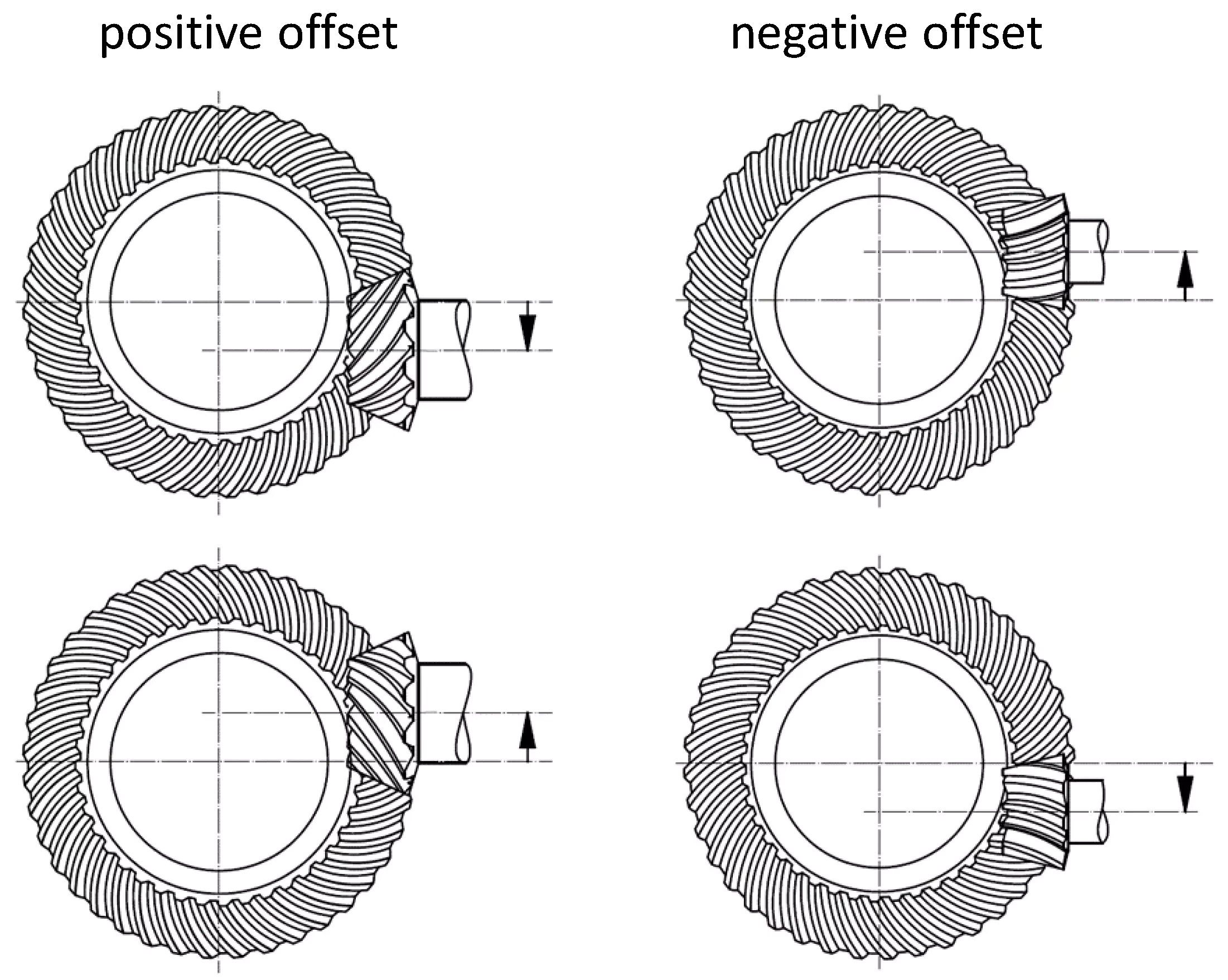
Hypoid gears are a type of gear system that have a wide range of applications in various industries. These gears are known for their ability to transmit power smoothly and efficiently between intersecting shafts, even at high speeds and heavy loads. One critical aspect of hypoid gears that affects their performance is the tooth surface deviations. In this article, we will delve into the intricacies of hypoid gear tooth surface deviations and explore their impact on gear functionality.
Understanding Tooth Surface Deviations
When it comes to hypoid gears, tooth surface deviations refer to the irregularities or variations on the surface of the gear teeth. These deviations can arise due to numerous factors, including manufacturing processes, material properties, and operational conditions. It is essential to understand and control these deviations as they directly influence gear performance, including noise, vibration, and overall efficiency.
Types of Tooth Surface Deviations
1. Profile Deviations
Profile deviations occur when the actual tooth profile deviates from the ideal theoretical profile. These deviations can result from errors in the gear manufacturing process or variations in the gear tooth geometry.
2. Lead Deviations
Lead deviations refer to the variations in the axial positioning of the gear teeth. This deviation can affect the contact pattern and the load distribution across the gear teeth, leading to potential performance issues.
3. Pitch Deviations
Pitch deviations involve variations in the distance between adjacent gear teeth. These deviations can result in improper gear meshing, which can lead to noise, vibration, and accelerated gear wear.
4. Surface Roughness
Surface roughness refers to the small-scale irregularities on the tooth surface. Even slight variations in surface roughness can impact gear performance by affecting lubrication, noise generation, and wear characteristics.
Effects of Tooth Surface Deviations
The presence of tooth surface deviations can have several significant effects on the performance of hypoid gears:
- Increased noise and vibration levels
- Reduced gear efficiency
- Accelerated gear wear
- Altered contact pattern and load distribution
- Potential gear failure under extreme operating conditions
Managing Tooth Surface Deviations
To ensure optimal performance and longevity of hypoid gears, it is crucial to manage tooth surface deviations effectively. This involves:
- Precision manufacturing processes
- Strict quality control measures
- Regular maintenance and inspection
- Appropriate lubrication and surface treatments
Conclusion
In conclusion, tooth surface deviations play a vital role in the performance of hypoid gears. Understanding the different types of deviations and their effects is essential for gear designers, manufacturers, and end-users. By effectively managing these deviations, we can ensure the optimal functionality and reliability of hypoid gears in various industrial applications.
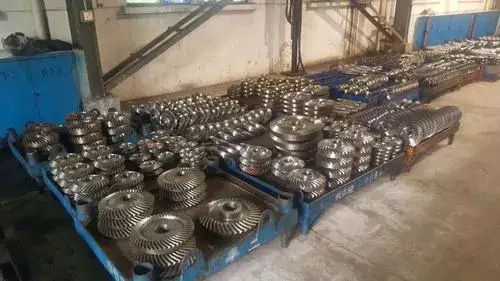
About Our Gear Manufacturing Factory
We are a leading gear manufacturing factory specializing in the production of high-quality gears for various industries. With years of experience and a commitment to excellence, we have established ourselves as a trusted name in the gear manufacturing industry.
Our Gear Manufacturing Process and Techniques
At our factory, we follow a meticulous gear manufacturing process that ensures the production of gears with exceptional precision and durability. Our process includes the following steps:
- Raw Material Preparation: This stage involves the preparation of gear blanks through forging and heat treatment processes.
- Rough Machining: We perform various rough machining operations such as turning, drilling, and boring to shape the gear blanks.
- Forming Operation: Gear teeth are formed through processes like gear hobbing, gear shaping, and gear shaving.
- Semi-Precision Machining: This stage includes operations like chamfering, keyway cutting, and deburring to ensure smooth edges and precise dimensions.
- Heat Treatment: The gears undergo heat treatment processes such as carburizing, nitriding, or quenching and tempering to enhance their hardness and strength.
- Precision Machining: We use advanced grinding and honing techniques to achieve the desired gear tooth profile and surface finish.
- Inspection and Quality Assurance: Each gear undergoes thorough inspection, including gear testing and surface treatments, to ensure compliance with industry standards.
With our state-of-the-art equipment, skilled craftsmen, and stringent quality control measures, we pride ourselves on delivering gears of exceptional quality and performance.
Why Choose Our Gear Manufacturing Factory?
When it comes to gear manufacturing, we stand out from the competition due to the following advantages:
- Extensive industry experience and expertise
- Advanced manufacturing facilities and technologies
- Strict adherence to quality standards
- Highly skilled and dedicated workforce
- Customization options to meet specific requirements
- Timely delivery and excellent customer service
By choosing our gear manufacturing factory, you can be assured of superior gears that meet your exact specifications and deliver exceptional performance in your applications.
Author: Miya