How to inspect a gear shaft for cracks?
Introduction
A gear shaft is an essential component in many mechanical systems, responsible for transmitting rotational motion and power. However, over time, gear shafts can develop cracks, which can lead to catastrophic failure if not detected and addressed promptly. In this article, we will discuss the process of inspecting a gear shaft for cracks and ways to prevent potential damage.
1. Visual Inspection
Visual inspection is the first step in identifying potential cracks in a gear shaft. It involves closely examining the surface for any visible signs of damage or irregularities. Look for discoloration, pitting, or any visible cracks on the shaft.
2. Magnetic Particle Inspection (MPI)
Magnetic Particle Inspection (MPI) is a widely used non-destructive testing method for detecting surface and near-surface cracks in ferromagnetic materials like gear shafts. In this technique, a magnetic field is applied to the shaft, and iron particles are applied to the surface. Any cracks or defects will cause the particles to cluster, making them easily visible under proper lighting.
3. Dye Penetrant Inspection (DPI)
Dye Penetrant Inspection (DPI) is another effective technique used to identify surface cracks in gear shafts. This process involves applying a colored liquid dye to the surface of the shaft and allowing it to seep into any existing cracks. After a certain period, the excess dye is removed, and a developer is applied to highlight any cracks that have absorbed the dye.
4. Ultrasonic Testing
Ultrasonic Testing (UT) is a non-destructive testing method that utilizes high-frequency sound waves to detect internal cracks or defects in gear shafts. A transducer is used to emit sound waves into the shaft, and the reflected waves are analyzed to identify any irregularities. UT can provide valuable insights into the depth and size of the detected cracks.
5. Eddy Current Testing
Eddy Current Testing (ECT) is a non-destructive testing technique suitable for inspecting gear shafts made of non-ferromagnetic materials. It involves passing an alternating current through a coil, creating an electromagnetic field. Any surface cracks or defects will disrupt the flow of eddy currents, producing detectable changes in the electrical response.
6. Prevention Measures
Prevention is always better than cure when it comes to gear shaft cracks. Here are some measures to minimize the risk of cracks:
- Proper lubrication and regular maintenance can reduce the friction and wear that contribute to crack formation.
- Ensure the gear shaft is designed and manufactured to withstand the expected loads and stresses.
- Perform routine inspections and testing to detect any early signs of damage or cracks.
- Implement proper installation techniques and ensure proper alignment of the gear shaft.
Conclusion
Inspecting a gear shaft for cracks is crucial to ensure the reliability and longevity of mechanical systems. By following the techniques mentioned above and taking preventive measures, potential issues can be identified early, minimizing the risk of failure. Regular inspections and maintenance should be a priority for anyone working with gear shafts to avoid costly downtime and potential hazards.
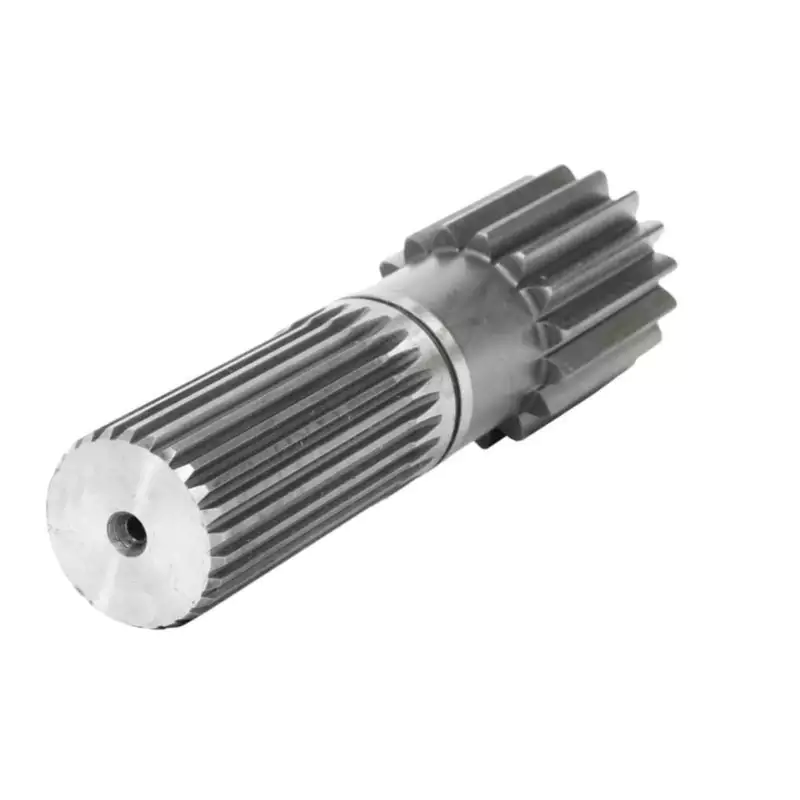
Our company specializes in the production and sale of various types of gears and gear shafts. We take pride in our expertise in the field and our commitment to delivering high-quality products. Here are five advantages of choosing our company:
- Quality Assurance: We implement stringent quality control measures to ensure that our gear shafts meet the highest standards.
- Wide Range of Options: We offer a diverse selection of gear shafts, catering to different needs and specifications.
- Customization: Our team of skilled engineers can design and manufacture gear shafts according to specific requirements, providing tailored solutions.
- Competitive Pricing: Despite our superior quality, we strive to offer competitive prices to our customers.
- Excellent Customer Service: We prioritize customer satisfaction and provide prompt and reliable support throughout the purchasing and after-sales process.
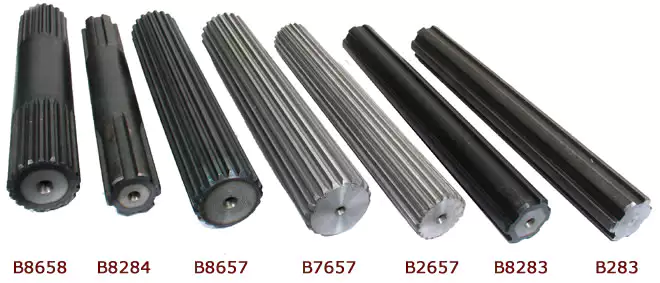
The Importance of Gear Shafts in Mechanical Transmission Systems
Gear shafts play a crucial role in mechanical transmission systems. They are responsible for transmitting power and torque between gears, enabling smooth and efficient operation. Without properly functioning gear shafts, the entire system can experience significant performance issues.
Material Selection and Design Considerations for Gear Shafts
When it comes to gear shafts, material selection and design are critical factors. The following points explain their importance:
Material Selection:
The material used for gear shafts should possess excellent strength, durability, and resistance to wear and fatigue. Commonly used materials include alloy steels, stainless steels, and carbon steels.
Design Considerations:
The design of gear shafts should consider factors such as load capacity, torque requirements, operating speeds, and environmental conditions. Proper design ensures optimal performance and longevity.
Our Gear Shaft Manufacturing Process
At our company, we employ various manufacturing processes to produce high-quality gear shafts:
- Machining: Our gear shafts undergo precision machining processes such as turning, milling, and grinding to achieve the desired dimensions and surface finish.
- Heat Treatment: We apply heat treatment techniques such as quenching, tempering, and carburizing to enhance the mechanical properties and wear resistance of the gear shafts.
- Specialized Processes: For specific requirements, we offer additional processes like gear hobbing and shaving to achieve precise gear teeth profiles.
Application Cases and Failure Analysis of Gear Shafts
Gear shafts find application in various industries and machines. Here are a few typical examples:
1. Application Case: Gear shafts in automotive transmissions
Failure Analysis: Common failures include fatigue cracks due to repeated loading and wear caused by inadequate lubrication.
Preventive Measures: Regular maintenance and lubrication schedule, along with proper material and design selection.
2. Application Case: Gear shafts in industrial machinery
Failure Analysis: Overloading and misalignment can lead to gear tooth breakage and shaft bending.
Preventive Measures: Ensuring proper load distribution, alignment, and regular inspections for early detection of issues.
3. Application Case: Gear shafts in wind turbines
Failure Analysis: Fatigue and pitting of gear teeth due to high cyclic loads and harsh operating conditions.
Preventive Measures: Robust material selection, advanced gear tooth profiles, and regular monitoring for signs of wear and damage.
Partner with Us for Reliable Gear Shafts
With our expertise in gear shaft manufacturing and commitment to quality, we are the ideal partner for all your gear transmission needs. Contact us today to discuss your requirements and benefit from our reliable products and excellent service.
Author: Miya