How to align a gear shaft correctly?
Introduction
Aligning a gear shaft correctly is crucial for ensuring smooth and efficient operation of machinery. In this article, we will explore the step-by-step process of aligning a gear shaft, highlighting key considerations and best practices.
1. Understanding Gear Shaft Alignment
Before we delve into the alignment process, it’s important to have a solid understanding of gear shaft alignment. Gear shaft alignment refers to the proper positioning of the gear shaft in relation to the mating gears and other components, ensuring optimal power transmission and minimal wear.
2. Preparing for Gear Shaft Alignment
Prior to aligning a gear shaft, certain preparations must be made to ensure accuracy and efficiency. These preparations include:
- Gathering the necessary tools and equipment, such as dial indicators, alignment bars, and shims.
- Cleaning and inspecting the gear shaft and surrounding components for any signs of damage or wear.
- Checking the alignment specifications provided by the manufacturer.
3. Measuring Initial Misalignment
The first step in aligning a gear shaft is to measure the initial misalignment. This involves:
- Attaching a dial indicator to the gear shaft and recording the initial readings.
- Rotating the shaft and taking measurements at various points to determine the extent of misalignment.
4. Adjusting the Gear Shaft
Once the initial misalignment is established, adjustments can be made to align the gear shaft correctly. The following steps should be followed:
- Loosening the fasteners that secure the gear shaft.
- Using alignment bars and shims to gradually move the gear shaft into the desired position.
- Regularly checking the alignment using the dial indicator and making incremental adjustments as needed.
- Tightening the fasteners once the desired alignment is achieved.
5. Verifying Alignment
After adjusting the gear shaft, it’s essential to verify the alignment to ensure accuracy. This can be done by:
- Repeating the measurement process using the dial indicator to confirm that the misalignment has been corrected.
- Performing a visual inspection of the gear meshing to check for proper engagement and smooth operation.
Conclusion
Proper alignment of a gear shaft is vital for maintaining the performance and longevity of machinery. By following the steps outlined in this article, you can effectively align a gear shaft and optimize the operation of your equipment.
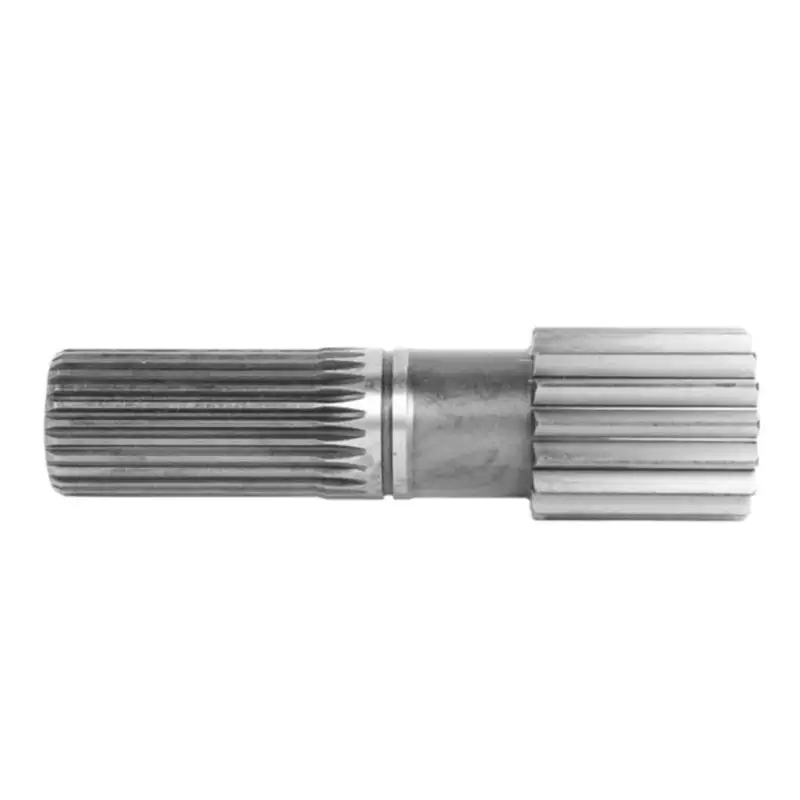
Our company specializes in the production and sales of various types of gears and gear shafts. With years of experience in the industry, we take pride in delivering high-quality products and exceptional services to our customers. Here are five advantages that set our company apart:
1. Superior Quality
At our company, quality is our top priority. We use advanced manufacturing processes and conduct rigorous quality control measures to ensure that our gear shafts meet the highest standards.
2. Wide Range of Options
We offer a wide variety of gear shaft options to cater to different mechanical requirements. Whether you need a specific size, material, or design, we have the perfect gear shaft solution for your needs.
3. Customization Capabilities
Understanding that every project is unique, we provide customization capabilities to tailor our gear shafts to your exact specifications. Our team of experts will work closely with you to create a solution that fits your specific requirements.
4. Competitive Pricing
We believe that high-quality products should be accessible to all. That’s why we strive to offer competitive pricing without compromising on the quality of our gear shafts. You can trust us to provide excellent value for your investment.
5. Excellent Customer Service
Our commitment to customer satisfaction is unwavering. We have a dedicated customer service team ready to assist you throughout the entire process. From product selection to after-sales support, we are here to ensure your experience with us is seamless and enjoyable.
The Importance of Gear Shafts in Mechanical Power Transmission Systems
Gear shafts play a crucial role in mechanical power transmission systems. They are responsible for transmitting torque and rotational motion between gears, ensuring smooth and efficient operation. Without properly aligned gear shafts, system performance can be greatly compromised.
Materials and Selection Criteria for Gear Shafts
When it comes to gear shafts, selecting the right materials is essential. Factors such as strength, durability, and resistance to wear and fatigue must be considered. Additionally, factors like cost and availability should also be taken into account. The design of gear shafts should consider factors such as proper sizing, load distribution, and compatibility with other system components. Careful consideration of these factors ensures optimal performance and longevity of gear shafts.
Our Gear Shaft Manufacturing Process
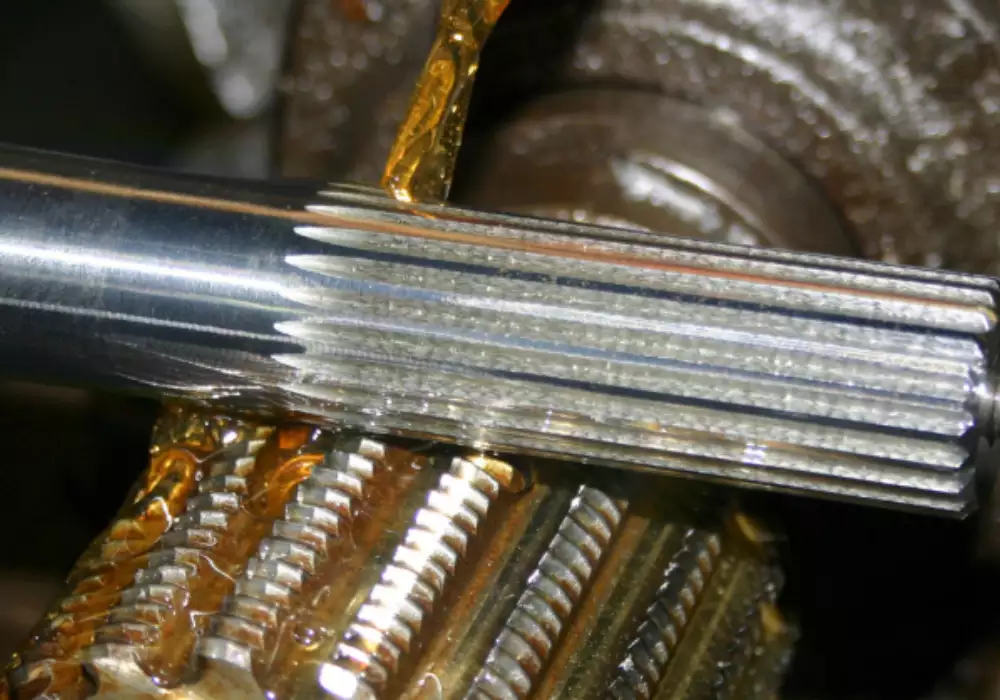
Our gear shafts undergo a comprehensive manufacturing process to ensure their quality and durability. The process includes cutting operations such as turning, milling, and grinding. Heat treatment processes like quenching, tempering, and carburizing are employed to enhance the mechanical properties of the gear shafts. Specialized processes like gear rolling and shaving are also utilized to achieve precise gear profiles and improve the overall performance of the shafts.
Applications and Failure Analysis of Gear Shafts
Gear shafts find applications in various industries, including automotive, aerospace, and industrial machinery. They are used in gearboxes, transmissions, and other power transmission systems. Understanding the common failure modes of gear shafts, such as surface pitting, wear, and fatigue, is crucial for implementing effective preventive maintenance strategies. Proper lubrication, periodic inspection, and timely replacement of worn-out components are key in preventing costly failures and ensuring the longevity of gear shafts.
Partner with us today and experience the excellence we offer in gear shaft solutions. Contact our sales team to discuss your specific requirements and let us assist you in achieving your mechanical power transmission goals.
Author: Miya