How to Evaluate Hypoid Gear Wear and Tear?
Introduction
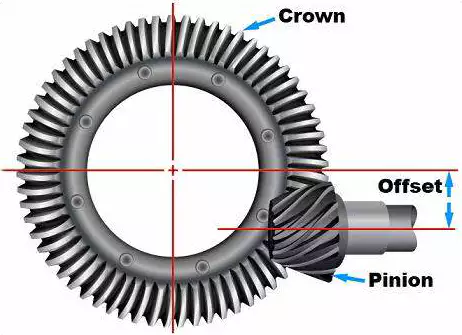
In the world of mechanical engineering, hypoid gears play a crucial role in transmitting power between non-intersecting shafts. However, like any other mechanical component, hypoid gears are susceptible to wear and tear over time. In this article, we will explore the various methods and techniques to evaluate the wear and tear of hypoid gears, ensuring optimal performance and longevity.
1. Visual Inspection
The first step in evaluating hypoid gear wear and tear is through a meticulous visual inspection. Visual inspection allows us to identify any visible signs of damage or irregularities on the gear surface. It is essential to look for indicators such as pitting, scoring, cracks, or any signs of deformation.
2. Measurement of Backlash
Backlash, the amount of clearance between mating gears, is a critical parameter to evaluate the wear and tear of hypoid gears. By measuring the backlash, we can determine the extent of wear and the need for any adjustments or replacements.
3. Contact Pattern Analysis
Contact pattern analysis involves studying the contact area between the gear teeth during operation. By analyzing the contact pattern, we can identify any abnormalities, such as uneven contact, edge loading, or excessive contact on specific areas. This analysis provides valuable insights into the gear’s condition and helps in diagnosing potential wear and tear issues.
4. Vibration Analysis
Vibration analysis is a powerful tool to evaluate the condition of hypoid gears. By measuring and analyzing vibrations during operation, we can detect any abnormal vibrations that may indicate gear wear, misalignment, or other mechanical issues. Vibration analysis helps in identifying the root cause of wear and tear and allows for timely corrective actions.
5. Oil Analysis
Oil analysis is an effective method to evaluate the wear and tear of hypoid gears. By analyzing the lubricating oil used in the gear system, we can detect any metal particles, contaminants, or changes in oil properties, indicating potential gear damage. Regular oil analysis helps in proactive maintenance and extends the life of the gears.
6. Load Testing
Load testing involves subjecting the hypoid gears to controlled loads and monitoring their performance. By simulating real-world operating conditions, we can assess the gear’s ability to handle stress, identify any abnormal wear patterns, and predict the remaining useful life of the gears.
7. Non-Destructive Testing (NDT)
Non-destructive testing techniques such as magnetic particle inspection, ultrasonic testing, and dye penetrant inspection can be employed to evaluate the integrity of hypoid gears without causing any damage. These techniques allow for the detection of hidden cracks, defects, or wear, ensuring a comprehensive assessment of the gear’s condition.
Conclusion
In conclusion, evaluating the wear and tear of hypoid gears is a critical aspect of ensuring their optimal performance and longevity. Through visual inspection, measurement of backlash, contact pattern analysis, vibration analysis, oil analysis, load testing, and non-destructive testing, we can identify and address any potential issues promptly. By implementing these evaluation techniques in regular maintenance practices, we can maximize the lifespan of hypoid gears and maintain their efficiency in various mechanical applications.
About Our Gear Factory
We are a professional gear manufacturing factory committed to delivering high-quality gears for diverse industries. With extensive experience and advanced technology, we offer a comprehensive range of gears tailored to meet our customers’ specific requirements.
Processing and Technology
- Blank Preparation: Forging and Heat Treatment
- Rough Machining: Turning, Drilling, and Boring
- Forming Process: Gear Hobbing, Gear Shaping, and Gear Shaving
- Semi-Finishing: Chamfering, Keyway Cutting, and Deburring
- Heat Treatment: Carburizing, Nitriding or Quenching, and Tempering
- Finishing: Gear Grinding and Honing
- Inspection and Acceptance: Gear Testing and Surface Treatment
Before the actual gear processing, we ensure the highest quality of our gears by preparing the blanks through forging to achieve optimal mechanical properties. The forged blanks then undergo heat treatment to further enhance their strength and durability.
After the blank preparation, rough machining processes such as turning, drilling, and boring are performed to shape the gears and create the required geometries and dimensions.
The forming process involves the actual creation of gear teeth. With the help of gear hobbing, gear shaping, and gear shaving techniques, we produce precise and high-quality gear teeth profiles, ensuring smooth and efficient gear operation.
During the semi-finishing stage, we focus on refining the gear’s edges, cutting keyways, and removing any burrs or sharp edges to enhance its overall quality and performance.
Heat treatment is a crucial step in the gear manufacturing process. We employ various heat treatment methods such as carburizing, nitriding, or quenching and tempering to impart specific mechanical properties to the gears, ensuring their durability and wear resistance.
During the finishing stage, we employ gear grinding and honing techniques to achieve the desired surface finish and precision. This ensures smooth gear engagement and enhances the overall gear performance.
Before the gears are ready for delivery, we perform rigorous inspection and acceptance tests. Our gear testing procedures include comprehensive checks to ensure dimensional accuracy, tooth profile conformity, and overall quality. Additionally, we offer surface treatment options to enhance the gears’ corrosion resistance and aesthetics.
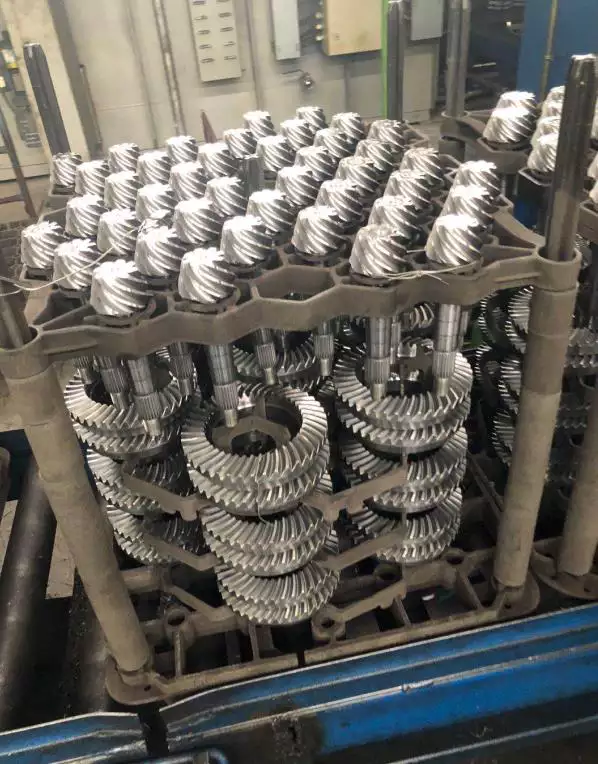
With our state-of-the-art processing facilities, adherence to strict quality control measures, and a team of skilled professionals, we take pride in our ability to deliver gears of exceptional quality and performance. Our commitment to continuous improvement and customer satisfaction sets us apart in the market.
Advantages of partnering with us:
- Extensive Industry Experience
- Advanced Technology and Equipment
- Customization Capabilities
- Strict Quality Control
- Timely Delivery
- Competitive Pricing
- Excellent Customer Support
By choosing us as your gear manufacturing partner, you can ensure reliable and long-lasting gear solutions tailored to your specific needs.
Author: Miya