How to estimate the power loss in a track drive planetary gearbox
Introduction
Track drive planetary gearbox is an essential component in many tracked vehicles, including construction machinery, agricultural machinery, mining machinery, and military vehicles. The gearbox is responsible for transmitting power from the engine to the tracks, enabling the vehicle to move. However, due to the complex structure of the gearbox and the harsh working conditions, the gearbox often experiences power loss, which affects the efficiency and performance of the vehicle. Therefore, it is crucial to estimate the power loss in the track drive planetary gearbox to ensure optimal performance and reduce maintenance costs.
Factors that influence power loss
1. Friction loss
Friction loss is caused by the rubbing of the internal components of the gearbox, such as gears, bearings, and seals. The friction generates heat, which results in energy loss. The friction loss is influenced by factors such as the material of the components, the lubrication system, and the working conditions.
2. Windage loss
Windage loss is caused by the resistance of the oil in the gearbox to the motion of the internal components. The resistance generates heat, which results in energy loss. The windage loss is influenced by factors such as the oil viscosity, the oil level, and the speed of the gearbox.
3. Load loss
Load loss is caused by the resistance of the gearbox to the load applied to the vehicle. The load generates heat, which results in energy loss. The load loss is influenced by factors such as the weight of the vehicle, the type of terrain, and the speed of the vehicle.
4. Efficiency loss
Efficiency loss is caused by the inefficiency of the internal components of the gearbox, such as gear meshing and bearing friction. The efficiency loss results in energy loss. The efficiency loss is influenced by factors such as the design of the gearbox, the manufacturing process, and the maintenance of the gearbox.
Methods to estimate power loss
1. Empirical method
The empirical method involves testing the gearbox under controlled conditions and measuring the input and output power. The power loss is calculated by the difference between the input and output power. The empirical method is simple and straightforward but may not be accurate due to the variations in the working conditions.
2. Computational method
The computational method involves using computer simulation software to model the gearbox and estimate the power loss. The computational method is more accurate than the empirical method but requires specialized knowledge and resources.
3. Analytical method
The analytical method involves using mathematical equations to calculate the power loss based on the design and operating parameters of the gearbox. The analytical method is the most accurate but requires extensive knowledge of the gearbox design and mathematics.
Our company profile

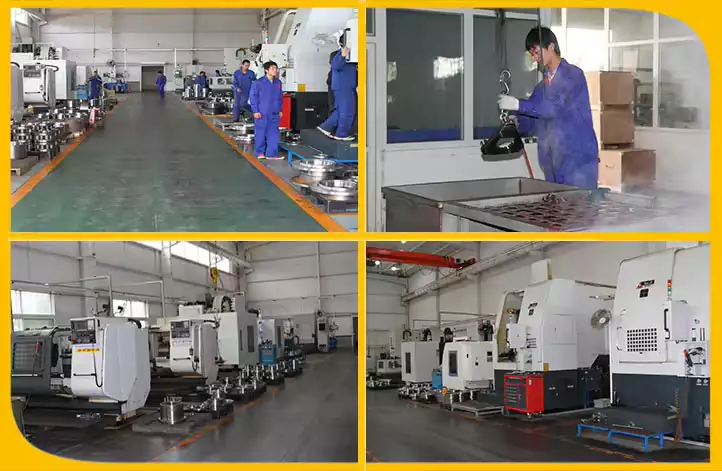
Our company is a professional gearbox manufacturer with over 20 years of experience in the industry. We offer a comprehensive product line, including planetary gearboxes, worm gear reducers, helical gear reducers, and bevel gearboxes, among others. Our precision manufacturing process and innovative technology enable our gearboxes to have low noise, high torque density, and high transmission efficiency, making them suitable for various applications in agriculture, construction, specialty vehicles, and industrial automation. We are committed to providing flexible customized solutions, fast response capability, and excellent after-sales service to our customers worldwide.
Our advantages:
- Deep industry accumulation
- Comprehensive product line
- Precision manufacturing process
- Innovative technology research and development
- Flexible customized service
Track drive buying guide
Track drive is a critical component in the track system of a vehicle. It provides the power and torque required to drive the tracks and move the vehicle across different terrains. Choosing the right track drive that matches the tracks and the vehicle is essential for optimal performance and durability. Here are some factors to consider when selecting a track drive:
| Factor | Description |
|---|---|
| Track type | Different track types require different track drives. It is essential to choose a track drive that matches the track type to ensure proper fit and performance. |
| Torque capacity | The torque capacity of the track drive should match the torque requirements of the vehicle to avoid damage to the track drive and the vehicle. |
| Speed capability | The speed capability of the track drive should match the operating speed of the vehicle to ensure optimal performance and efficiency. |
| Environmental conditions | The operating environment of the vehicle, such as temperature, humidity, and dust, should be considered when selecting a track drive to ensure proper functioning and durability. |
| Maintenance requirements | The maintenance requirements of the track drive should be considered to ensure ease of maintenance and minimize downtime. |
Author: Miya