How to Calculate RPM with Pulley Size
Understanding how to calculate the revolutions per minute (RPM) with pulley size is crucial for various applications in industries such as automotive, manufacturing, and mechanical engineering. This knowledge is not only vital in calculating the speed of the pulley system, but it also aids in optimizing efficiency, reducing wear and tear, and enhancing overall system performance. This guide will provide a comprehensive explanation of how to calculate RPM with pulley size.
Understanding RPM and Pulley Size
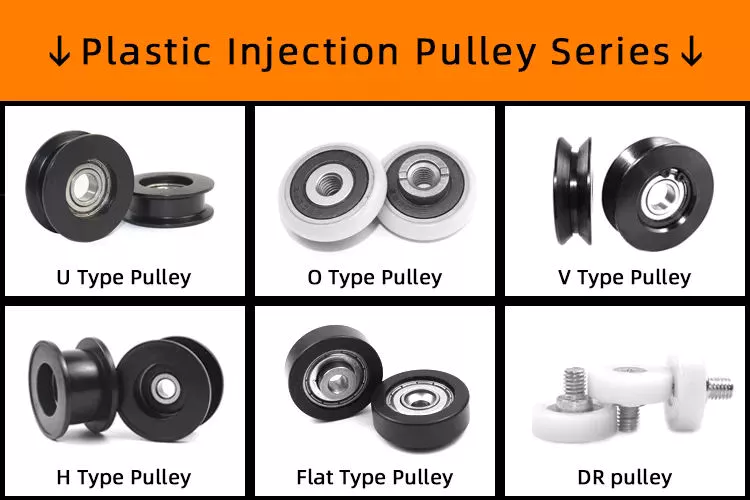
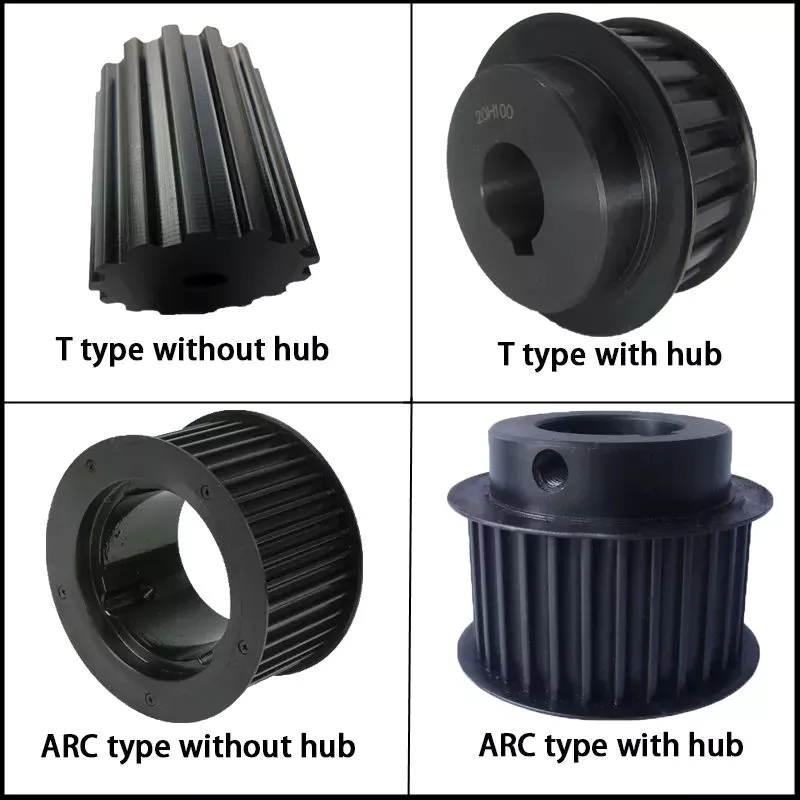
The term RPM refers to revolutions per minute, a measure of rotational speed. It represents the number of full rotations a point on the outer edge of a rotating object makes in one minute. On the other hand, a pulley is a wheel on an axle designed to support the movement and change of direction of a cable or belt along its circumference.
The Relationship Between RPM and Pulley Size
The RPM and the pulley size are inversely proportional. This means that an increase in the pulley size will result in a decrease in RPM, and vice versa. This relationship is governed by the law of conservation of angular momentum, which states that the total angular momentum of a system remains constant unless acted on by an external torque.
Basic Principles in Calculating RPM with Pulley Size
It’s essential to understand some basic principles when calculating RPM with pulley size. The first principle is that the speed of the belt is constant and does not change with the pulleys’ size or RPM. The second principle is that the rotational speed of the pulleys varies inversely with their diameters. This is based on the equation: D1 x RPM1 = D2 x RPM2, where D1 and D2 are the diameters of the first and second pulleys, and RPM1 and RPM2 are their respective RPMs.
Step-by-Step Guide to Calculating RPM with Pulley Size
The following steps outline a simple method to calculate RPM with pulley size:
Step 1: Measure the Diameter of Both Pulleys
Use a measuring tape or ruler to measure the diameter (the distance across the center) of both pulleys. Make sure to measure in the same unit (either inches or cm) for both pulleys.
Step 2: Determine the RPM of the First Pulley
You need to know the RPM of one of the pulleys to calculate the RPM of the other. This information can often be found in the machine’s manual or can be measured using a tachometer.
Step 3: Use the RPM and Pulley Size Formula
Using the formula D1 x RPM1 = D2 x RPM2, substitute the known values and solve for the unknown RPM. For example, if D1 is 6 inches, RPM1 is 1000 RPM, and D2 is 12 inches, the RPM of the second pulley (RPM2) would be (6 inches x 1000 RPM) / 12 inches = 500 RPM.
Importance of RPM and Pulley Size Calculation
Calculating the RPM with pulley size is crucial in many engineering and mechanical applications. It helps determine the output speed of a system, which can be crucial for machinery like conveyor belts, car engines, and automated assembly lines. By knowing this, one can optimize the system to run at the most efficient speed, thus extending the machine’s lifespan, reducing energy consumption, and improving overall system performance.
Conclusion
Understanding how to calculate the RPM with pulley size is critical for anyone working with mechanical systems. It involves a simple formula but can have a significant impact on the efficiency and effectiveness of a system. With this guide, you should be able to calculate the RPM with pulley size and use this knowledge to enhance the performance and longevity of your mechanical systems.