How to Calculate RPM of Pulley
Understanding how to calculate the rotational speed (RPM) of a pulley is an essential skill for those in the mechanical and engineering fields. Whether you are working on vehicle transmissions, conveyor belts, or complex machine assemblies, knowing the RPM of a pulley can assist in diagnosing and solving mechanical problems.
What is RPM?
RPM stands for Revolutions Per Minute. It is a measure of the frequency of rotation, specifically the number of full rotations made by an object in one minute. In the context of pulleys, the RPM indicates how many full turns a pulley makes in one minute.
Understanding Pulleys
Before delving into the process of calculating RPM, it’s essential to understand what a pulley is. A pulley is a simple machine that changes the direction of an applied force, often to lift heavy objects. They are primarily used in mechanical devices such as engines, lifts, and conveyors to transfer force and motion. A pulley system may consist of one or more pulleys, with the mechanical advantage increasing with the number of pulleys in the system.
Calculating RPM of a Single Pulley
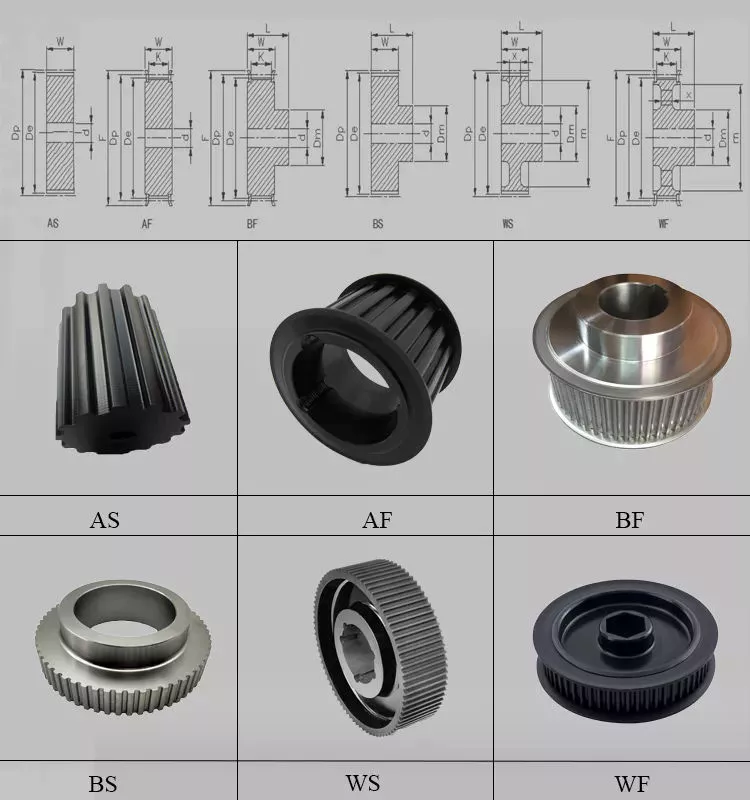
To calculate the RPM of a single pulley, you need to know the input speed in RPM and the pulley’s diameter. The formula to calculate RPM is: RPM = (Velocity / Circumference) x 60, where Velocity is the speed at which the belt or chain moves, and Circumference is the total length around the pulley, which is calculated as Circumference = Diameter x π.
Calculating RPM in a Multi-Pulley System
In a system with multiple pulleys, the RPM of the driven pulley can be calculated using the diameters of the driver pulley and the driven pulley, along with the RPM of the driver pulley. The formula is: RPM(Driven) = (Diameter(Driver) / Diameter(Driven)) x RPM(Driver).
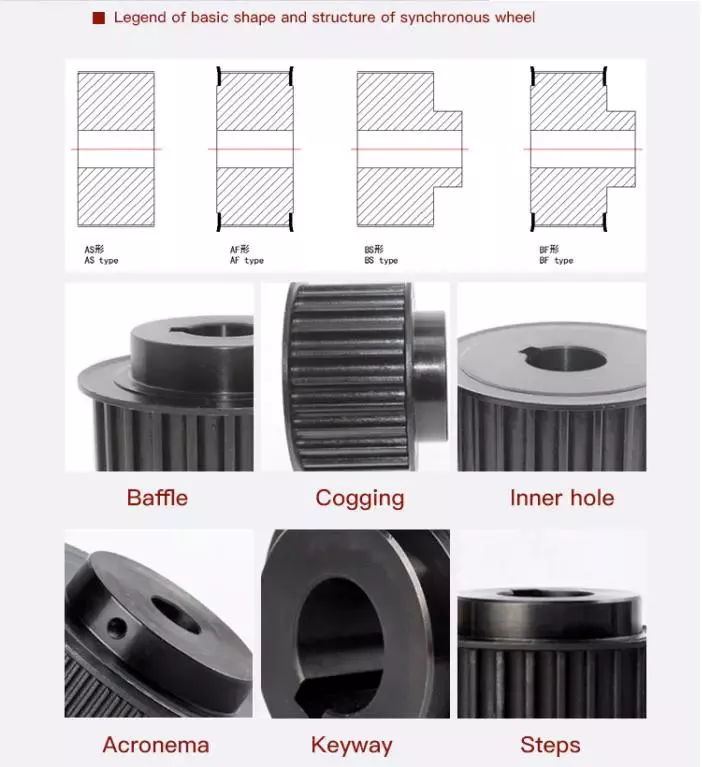
Practical Applications of RPM in Pulley Systems
Knowing the RPM of a pulley is critical in various applications. For instance, in automotive applications, the RPM of the engine’s crankshaft pulley is used to drive other components such as the alternator, water pump, and air conditioning compressor. Similarly, in conveyor systems, the RPM of the drive pulley is crucial for determining the conveyor belt’s speed.
Importance of Accurate RPM Calculation
Accurate RPM calculation is essential for the efficient operation of mechanical systems. It allows for proper timing and synchronization between different parts of the machinery. A miscalculation can lead to poor performance, unnecessary wear and tear, or even catastrophic failure of the system.
Conclusion
Calculating the RPM of a pulley may seem complex at first, but with a basic understanding of the principles involved and the necessary measurements, it becomes a straightforward task. This knowledge is invaluable for anyone involved in the design, operation, or maintenance of mechanical systems. Whether you are troubleshooting a problem or designing a new system, knowing how to calculate RPM can help ensure that your mechanical systems run smoothly and efficiently.