How does the number of spline teeth affect load distribution?
Introduction
Splines are widely used in mechanical systems to transmit torque between two rotating shafts. The number of teeth on a spline shaft plays a crucial role in determining the load distribution along the shaft. In this article, we will explore the impact of the number of spline teeth on load distribution and analyze its significance in mechanical design.
1. Influence of Tooth Engagement
When considering the effect of the number of spline teeth on load distribution, it is essential to understand the concept of tooth engagement. Tooth engagement refers to the contact between the teeth of the mating splines. A higher number of spline teeth leads to increased contact points, resulting in improved load distribution. This is especially important in high-torque applications where load concentration can lead to premature wear and failure.
2. Load Sharing Characteristics
The number of spline teeth directly affects the load sharing characteristics of the system. With a greater number of teeth, the load is distributed over a larger area, reducing stress concentration. This results in improved power transmission efficiency and enhanced overall system performance.
3. Effects on Fatigue Strength
Another critical aspect affected by the number of spline teeth is the fatigue strength of the system. In applications where cyclic loading is present, such as in automotive transmissions, the fatigue life of the spline shaft becomes a significant concern. A higher number of spline teeth distributes the load more evenly, reducing stress on individual teeth and enhancing the fatigue strength of the system.
4. Considerations in Design
When designing a spline system, the number of teeth should be carefully considered. While increasing the number of spline teeth improves load distribution and fatigue strength, it also increases manufacturing complexity and cost. Therefore, a balance must be struck between the desired load distribution and the practicality of manufacturing.
5. Application Examples
Let’s examine a few application examples to further illustrate the impact of the number of spline teeth on load distribution:
5.1 Automotive Transmissions
In automotive transmissions, the number of spline teeth can significantly affect load distribution between the input and output shafts. With a higher tooth count, the torque is spread across more teeth, reducing stress concentration and improving the overall durability of the transmission.
5.2 Industrial Gearboxes
Industrial gearboxes often employ splines to transmit power between the driving and driven shafts. By carefully selecting the number of spline teeth, engineers can optimize load distribution, minimizing the risk of premature failure and ensuring efficient operation of the gearbox.
5.3 Robotics and Automation
Splines are commonly used in robotics and automation systems to connect various components. The number of spline teeth plays a vital role in achieving smooth and reliable motion transfer, ensuring even load distribution, and reducing the chance of system failures.
Conclusion
In summary, the number of spline teeth directly affects load distribution in mechanical systems. By increasing the tooth count, engineers can enhance load sharing characteristics, improve fatigue strength, and optimize system performance. However, careful consideration must be given to manufacturing complexity and cost. Understanding the impact of the number of spline teeth allows for better design decisions, resulting in more efficient and reliable mechanical systems.
Our company specializes in the production and sale of various types of gears and spline shafts. With years of experience and expertise in the industry, we take pride in offering top-notch products and services. Here are five advantages of our company:
- Advanced Technology: We utilize state-of-the-art machinery and cutting-edge technology to ensure the highest quality and precision in our gear and spline shaft manufacturing processes.
- Extensive Product Range: Our company offers a wide range of gear and spline shaft options, catering to diverse industry needs and requirements.
- Customization Options: We understand that every project is unique, which is why we provide customization services to tailor our gear and spline shaft solutions to meet specific customer demands.
- Reliable Performance: Our gears and spline shafts are designed to deliver exceptional performance, ensuring smooth operation and long-term reliability.
- Industry Expertise: With a team of experienced engineers and technicians, we have in-depth knowledge and expertise in gear and spline shaft design, fabrication, and application.

Spline Shaft Working Principle and Functionality
A spline shaft is a mechanical component used for transmitting torque in various applications. It consists of a series of ridges or teeth along its length, which interlock with corresponding grooves in mating components. This design allows for efficient power transmission while accommodating misalignments and torsional loads.
Spline Shaft Design and Selection Guide
When it comes to designing and selecting a spline shaft, several factors need to be considered. These include torque requirements, speed, misalignment tolerances, and the number of spline teeth. Speaking of which, let’s delve into how the number of spline teeth affects load distribution.
How Does the Number of Spline Teeth Affect Load Distribution?
The number of spline teeth plays a crucial role in load distribution along the shaft. A higher number of teeth results in a larger contact area between the spline shaft and mating component. This increased contact area helps distribute the transmitted load more evenly, reducing stress concentration on individual teeth and enhancing the overall load-bearing capacity.
Spline Shaft Manufacturing and Processing Techniques
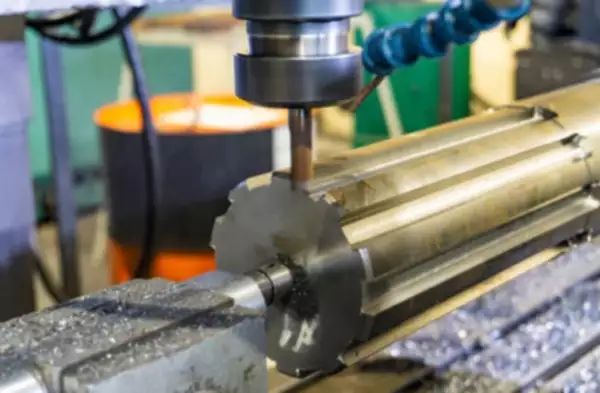
The manufacturing and processing techniques employed for spline shaft production significantly impact the quality and performance of the final product. Our company utilizes advanced manufacturing processes, including precision machining and heat treatment, to ensure optimal spline shaft durability, dimensional accuracy, and surface finish.
Spline Shaft Application Examples and Industry Practices
Spline shafts find applications across various industries, including automotive, aerospace, machinery, and more. They are commonly used in power transmission systems, steering mechanisms, and other rotational motion applications where torque transfer and precise alignment are critical. Our company has successfully supplied spline shafts to numerous customers, enabling them to achieve reliable and efficient operation in their respective fields.
Are you looking for high-quality gear and spline shaft solutions? Partner with us to benefit from our expertise, advanced technology, and commitment to customer satisfaction. Contact us today to discuss your specific requirements and discover how we can help you achieve your goals.
Author: Miya