Can spline shafts be coated for corrosion resistance without affecting tolerances?
Introduction
Spline shafts are critical components in various mechanical systems, providing torque transmission and rotational motion. However, these shafts are often exposed to harsh environments that can lead to corrosion, compromising their performance and lifespan. To combat this issue, many industries are exploring the possibility of coating spline shafts for corrosion resistance without compromising their tolerances. This article delves into the feasibility of such coatings and their potential impact on the tolerances of spline shafts.
Understanding Spline Shafts
Spline shafts consist of a series of ridges or teeth that run along their length, allowing for engagement with corresponding grooves or gears. These shafts are commonly used in applications requiring precise torque transmission, such as automotive transmissions, power tools, and industrial machinery.
The Importance of Corrosion Resistance
In environments where moisture, chemicals, or extreme temperatures are present, spline shafts are susceptible to corrosion. Corrosion can lead to surface pitting, increased friction, and ultimately, premature failure of the shafts. To enhance their longevity, it is crucial to protect spline shafts from corrosive elements by employing various coating techniques.
Coating Options for Corrosion Resistance
There are several coating options available that can provide corrosion resistance to spline shafts. These include:
1. Electroplating
Electroplating involves the deposition of a thin layer of metal onto the surface of the spline shaft. Common metals used for electroplating include zinc, nickel, and chromium. The coating acts as a barrier, preventing corrosive agents from reaching the shaft’s surface.
2. Physical Vapor Deposition (PVD)
PVD is a process where a thin film of protective material is deposited onto the spline shaft through vaporization. This method offers excellent adhesion and can provide superior corrosion resistance compared to electroplating.
3. Chemical Vapor Deposition (CVD)
CVD involves the chemical reaction of gaseous substances to form a solid coating on the spline shaft. This process can create very dense and durable coatings that effectively prevent corrosion.
Impact on Tolerances
While coatings can provide corrosion resistance, it is crucial to assess their impact on the tolerances of spline shafts. Even a slight increase in coating thickness can affect the fit and functionality of the shafts. However, modern coating techniques aim to minimize this impact by ensuring precise and uniform coating thickness.
Conclusion
Coating spline shafts for corrosion resistance without affecting tolerances is indeed possible. Various coating methods, such as electroplating, PVD, and CVD, can effectively protect spline shafts from corrosion while maintaining their required tolerances. It is essential to collaborate with knowledgeable coating professionals and conduct thorough testing to ensure the optimal balance between corrosion resistance and tolerance integrity. By implementing suitable coatings, industries can enhance the durability and reliability of spline shafts in various applications.
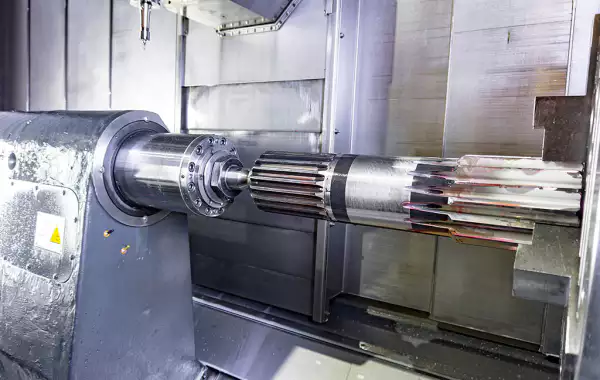
Our company specializes in the production and sale of various types of gears and spline shafts. With years of experience in the industry, we have gained several advantages over our competitors.
Advantages of Choosing Our Company:
- High-Quality Products: We pride ourselves on delivering gear and spline shafts of the highest quality, meeting industry standards and customer requirements.
- Customization Options: We understand that each customer may have unique needs, so we offer a range of customization options to ensure the perfect fit for every application.
- Advanced Coating Technology: Our expertise in coating technology allows us to offer corrosion-resistant spline shafts without compromising tolerances.
- Prompt Delivery: We value our customers’ time and strive to provide timely delivery of our products, ensuring minimal downtime for their operations.
- Competitive Pricing: While maintaining the highest quality standards, we offer competitive pricing to provide our customers with the best value for their investment.
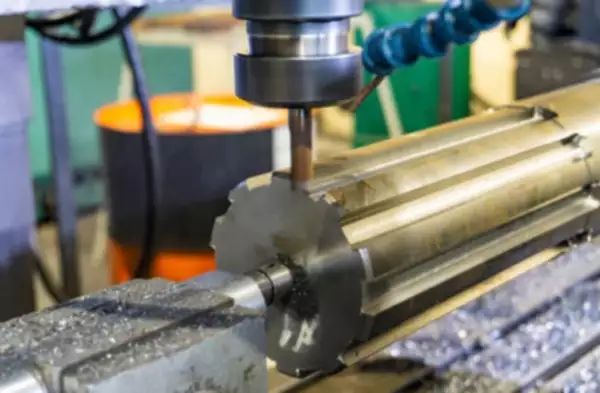
Spline Shaft Working Principle and Functionality
A spline shaft is a mechanical component used to transmit torque between two objects. It consists of a series of ridges or teeth that mate with corresponding grooves or splines on other components, creating a secure connection.
Spline Shaft Design and Selection Guide
When designing and selecting a spline shaft, several factors need to be considered, such as torque requirements, load capacity, material selection, and environmental conditions. Our team of experts can guide you through the process, ensuring optimal performance and longevity.
Spline Shaft Manufacturing and Processing Techniques
The manufacturing of spline shafts involves precision machining and heat treatment to achieve the desired strength and dimensional accuracy. Our state-of-the-art facilities and skilled technicians ensure the highest quality standards in every step of the manufacturing process.
Spline Shaft Applications and Industry Practices
Spline shafts find application in various industries, including automotive, aerospace, machinery, and more. They are commonly used in power transmission systems, steering mechanisms, and other applications that require torque transfer with precise alignment.
Contact us today to discuss how our high-quality spline shafts and gears can benefit your operations. We look forward to the opportunity to collaborate and meet your specific requirements.
Author: Miya