How does the manufacturing accuracy of the hypoid gear cutter affect final gear quality?
Introduction
In the manufacturing process of hypoid gears, the accuracy of the gear cutter plays a crucial role in determining the final gear quality. The manufacturing accuracy of the hypoid gear cutter directly affects various aspects of gear performance, including the tooth profile, backlash, noise level, and overall durability. This article aims to explore the impact of manufacturing accuracy on final gear quality and shed light on the importance of precision in the production of hypoid gears.
Understanding the Hypoid Gear Cutter
1. Definition and Purpose
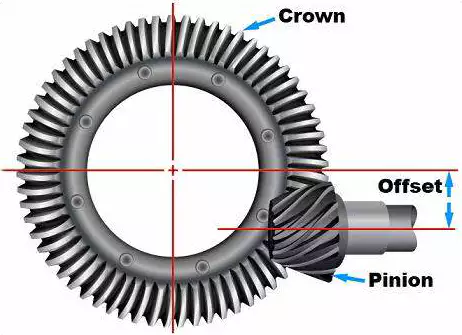
The hypoid gear cutter is a specialized tool used for cutting hypoid gears. It is designed to create the unique tooth profile required for hypoid gears, which combines elements of both spiral and bevel gears. The cutter’s precision and accuracy are crucial for achieving the desired gear characteristics.
2. Tooth Profile Accuracy
The manufacturing accuracy of the hypoid gear cutter directly influences the tooth profile of the final gear. Even minor variations in the cutter’s geometry can lead to deviations in tooth shape and affect the mating characteristics of the gear set. High manufacturing accuracy ensures accurate tooth contact and proper load distribution, resulting in improved gear performance and reduced noise.
3. Dimensional Accuracy
Precision in manufacturing the hypoid gear cutter is essential for maintaining dimensional accuracy in the final gear. Variations in cutter dimensions can lead to deviations in gear size, clearance, and backlash. With high manufacturing accuracy, the cutter produces gears with consistent dimensions, ensuring proper fit and smooth operation within the gear assembly.
Effects on Final Gear Quality
1. Noise Reduction
The manufacturing accuracy of the hypoid gear cutter directly affects the noise level produced by the gear set. Precise cutter geometry results in accurate tooth contact, minimizing vibrations and noise generation during gear operation. Low manufacturing accuracy can lead to misalignment and uneven tooth contact, increasing noise levels and reducing overall gear performance.
2. Load Distribution
Accurate manufacturing of the hypoid gear cutter ensures proper load distribution across the gear teeth. When the cutter’s profile is precisely formed, the gear set can effectively transmit power and handle varying loads without excessive stress concentration. Improved load distribution enhances gear durability and reduces the risk of tooth failure or premature wear.
3. Efficiency and Power Transmission
The manufacturing accuracy of the hypoid gear cutter directly affects the gear set’s efficiency and power transmission capabilities. With precise cutter geometry, the gear teeth mesh smoothly, minimizing energy losses due to friction and misalignment. High manufacturing accuracy improves gear efficiency, allowing for more efficient power transfer and maximizing the overall system performance.
Conclusion
In conclusion, the manufacturing accuracy of the hypoid gear cutter plays a vital role in determining the final gear quality. From achieving accurate tooth profiles and dimensional accuracy to reducing noise levels and improving load distribution, precision in cutter manufacturing is essential. By prioritizing manufacturing accuracy, gear manufacturers can produce high-quality hypoid gears that excel in performance, durability, and efficiency.
About Our Gear Manufacturing Factory
Our factory specializes in the production of gears, offering a wide range of high-quality gear solutions for various industries. With advanced technology and a skilled workforce, we ensure precision and reliability in every gear we produce.

Our Manufacturing Process and Techniques
1. Raw Material Preparation: We start by preparing the raw material through processes like forging and heat treatment, ensuring optimal material properties for gear production.
2. Rough Machining: Using cutting-edge equipment, we perform rough machining operations such as turning, drilling, and boring to shape the gear blanks.
3. Forming Process: We employ various forming techniques, including gear rolling, spline cutting, and gear shaving, to create accurate gear tooth profiles.
4. Semi-Precision Machining: After forming, we carry out processes like chamfering, keyway machining, and deburring to ensure smooth edges and remove any imperfections.
5. Heat Treatment: We utilize methods like carburizing, nitriding, or quenching and tempering to enhance the gear’s hardness, strength, and wear resistance.
6. Precision Machining: Through gear grinding and honing, we achieve precise tooth profiles and surface finishes, ensuring excellent gear performance.
7. Inspection and Quality Assurance: We perform thorough gear testing and inspections, including gear measurement and surface treatments, to ensure compliance with rigorous quality standards.
Advantages of Choosing Our Factory
- 1. Expertise: With years of experience in gear manufacturing, we possess extensive knowledge and expertise in producing high-quality gears.
- 2. Cutting-Edge Technology: We utilize advanced machinery and technology to ensure precise and efficient gear production.
- 3. Customization: We offer customization options to meet specific gear requirements and cater to unique industry needs.
- 4. Reliable Performance: Our gears are known for their reliable performance, durability, and long service life.
- 5. Quality Assurance: We have a strict quality control system in place to ensure that every gear leaving our factory meets the highest quality standards.
- 6. Timely Delivery: We prioritize timely delivery to ensure that our customers’ production schedules are not compromised.
- 7. Competitive Pricing: While providing superior gear quality, we offer competitive pricing to provide value for our customers.
Author: Miya