How Does Rack and Pinion Steering Handle High-Speed Driving?
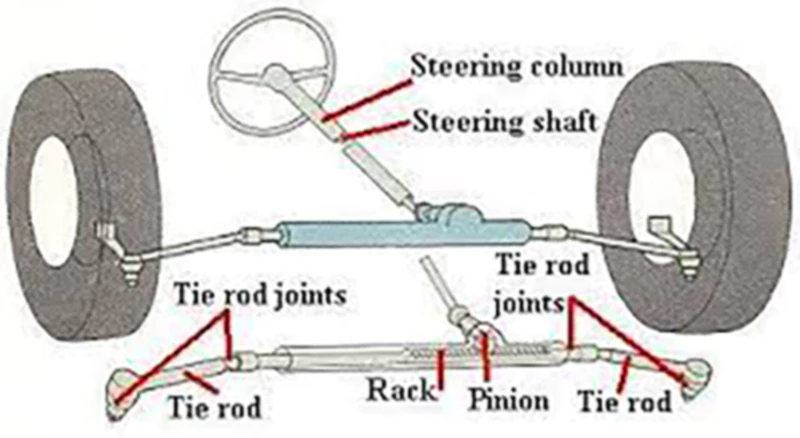
Rack and pinion steering is a type of steering mechanism commonly used in vehicles to control the direction of the front wheels. It involves the use of a rack, a long, straight bar with teeth, and a pinion gear. The rack is a linear component positioned horizontally and connected to the front wheels through tie rods. The pinion gear, which is a small gear, meshes with the teeth on the rack. The pinion gear is connected to the steering wheel via the steering column.
Advantages of Rack and Pinion Steering
Precise Steering Response
One of the standout advantages of rack and pinion steering is its precise steering response. This system offers direct feedback from the wheels to the steering wheel, allowing drivers to experience a more accurate and responsive handling. The linear motion of the rack translates to smoother and more predictable steering adjustments, particularly beneficial at high speeds where precision is paramount.
Compact Design
The compact design of rack and pinion steering systems makes them ideal for modern vehicles where space is at a premium. By integrating the steering mechanism into a single compact unit, manufacturers can save valuable space and reduce the overall weight of the vehicle. This design efficiency also contributes to better fuel economy and improved vehicle dynamics.
Reduced Friction
Rack and pinion systems are known for their ability to reduce friction. The direct interaction between the rack and the pinion minimizes the number of components involved in the steering process, which in turn reduces frictional losses. This leads to smoother steering action and less wear and tear, enhancing the longevity of the steering system.
Easy Maintenance
Maintaining rack and pinion steering systems is relatively straightforward. Due to their simple design and fewer moving parts, they are easier to service and repair. Routine checks and lubrication are typically sufficient to keep the system in optimal working condition, making it a cost-effective choice for vehicle owners and technicians alike.
Cost-effectiveness
In terms of cost-effectiveness, rack and pinion steering systems offer a compelling advantage. The simplicity of their design translates to lower manufacturing costs, which can then be passed on to consumers. Additionally, the ease of maintenance and fewer required repairs over the lifespan of the vehicle further contribute to their cost-effectiveness.
Durability
Durability is another key benefit of rack and pinion steering systems. The robust construction of the rack and pinion components ensures that they can withstand the rigors of daily driving and harsh road conditions. This durability is particularly important for vehicles that are driven frequently or under demanding circumstances.
Environmental Benefits
Rack and pinion steering systems also offer environmental benefits. Their efficient design leads to reduced friction and improved fuel economy, which in turn lowers the vehicle’s carbon footprint. Additionally, the ease of maintenance and longer lifespan result in less frequent replacements and reduced waste, contributing to a more sustainable automotive industry.

How Rack and Pinion Steering Works
The Steering Wheel
The process begins with the steering wheel, which serves as the driver’s primary interface for controlling the vehicle’s direction. When the driver turns the steering wheel, it transmits the rotational force through the steering column to the pinion gear.
The Steering Column
The steering column acts as a conduit, connecting the steering wheel to the pinion gear. It is designed to transmit the rotational motion with minimal loss of force, ensuring that the driver’s inputs are accurately conveyed to the steering mechanism.
The Pinion Gear
The pinion gear, a small but crucial component, engages with the teeth on the rack. As the pinion gear rotates, it moves the rack laterally. This conversion of rotational motion to linear motion is what allows the wheels to turn, guiding the vehicle in the desired direction.
The Rack
The rack is a linear bar with teeth that mesh with the pinion gear. When the pinion gear turns, it moves the rack to either side. The movement of the rack is then transmitted to the tie rods, which are connected to the front wheels.
The Tie Rods
Tie rods are crucial in translating the lateral movement of the rack to the steering knuckles and ultimately to the wheels. They ensure that the motion is accurately conveyed and that the wheels turn in unison, providing stable and controlled steering.
The Steering Knuckles
Steering knuckles serve as pivot points for the wheels. They connect the tie rods to the wheels, allowing them to pivot left or right. This connection ensures that the wheels can turn smoothly and efficiently in response to the driver’s input.
Turning the Wheels
As the rack moves, the tie rods push or pull the steering knuckles, causing the wheels to turn. This coordinated movement ensures that the vehicle follows the direction indicated by the steering wheel, providing precise control over the vehicle’s path.
Power Steering
Many modern vehicles are equipped with power steering systems that assist the driver in turning the wheels. These systems use hydraulic or electric mechanisms to reduce the effort required to steer, making it easier to control the vehicle, especially at low speeds or when parking.

Applications of Rack and Pinion Steering
Passenger Cars
Rack and pinion steering is commonly used in passenger cars due to its compact design and precise steering response. The system’s efficiency and ease of maintenance make it an ideal choice for a wide range of passenger vehicles.
Trucks and SUVs
Trucks and SUVs benefit from the durability and reliability of rack and pinion steering systems. These vehicles require robust steering mechanisms to handle their larger size and weight, and rack and pinion systems provide the necessary strength and control.
Buses
Buses, which require precise steering to navigate tight urban environments, also utilize rack and pinion steering systems. The system’s ability to deliver accurate and responsive steering helps bus drivers maneuver through crowded streets with ease.
Motorcycles
In the realm of two-wheelers, motorcycles also employ rack and pinion steering mechanisms. The system’s compact design and efficiency are well-suited to the lightweight and agile nature of motorcycles, providing riders with precise control.
Off-Road Vehicles
Off-road vehicles, designed to tackle rugged and uneven terrain, rely on the durability and robustness of rack and pinion steering systems. These systems can withstand the harsh conditions and provide the necessary control for off-road adventures.
Heavy-Duty Vehicles
Heavy-duty vehicles, such as construction equipment and large trucks, require strong and reliable steering systems. Rack and pinion steering mechanisms offer the necessary strength and durability to handle the demanding requirements of these vehicles.


Installation and Maintenance
Installation
Select the Right System
Choosing the appropriate rack and pinion steering system for your vehicle is crucial. Consider factors such as vehicle type, size, and intended use to ensure compatibility and optimal performance.
Prepare the Vehicle
Before installation, prepare the vehicle by safely elevating it and securing it on jack stands. Ensure that the work area is clean and free of debris to facilitate a smooth installation process.
Remove the Old Steering System
Carefully remove the existing steering system, noting the placement and connection of components. This step requires attention to detail to avoid damaging any parts that may be reused.
Mount the Rack
Securely mount the new rack in place, ensuring that it is properly aligned with the vehicle’s chassis. Tighten all mounting bolts to the manufacturer’s specifications for a secure fit.
Connect the Steering Column
Attach the steering column to the pinion gear, ensuring that the connection is secure and free of play. This connection is critical for accurate steering input and response.
Install Tie Rods and Linkages
Connect the tie rods and linkages to the rack and steering knuckles. Ensure that all connections are tight and that the components move freely without binding or interference.
Check Clearances and Interferences
After installation, check for any clearances or interferences that could affect the steering system’s operation. Make necessary adjustments to ensure smooth and unobstructed movement.
Maintenance
Regular Inspections
Conduct regular inspections of the rack and pinion steering system to identify and address any issues early. Check for signs of wear, damage, or fluid leaks that could affect performance.