How Does a Pulley System Make Work Easier?
Understanding the mechanics and benefits of a pulley system can be a fascinating exploration into the world of physics and engineering. A pulley system is a simple yet powerful tool, ingeniously designed to increase efficiency and reduce the amount of effort needed to lift heavy objects. But how exactly does it accomplish this? Let’s delve into the mechanics and principles behind pulley systems to understand better how they make work easier.
The Basics of a Pulley System
A pulley system consists of one or more wheels, known as pulleys, with a rope, belt, or chain running over them. The fundamental purpose of this system is to change the direction of the force applied, effectively allowing one to lift heavy weights with less effort. The pulley system’s effectiveness comes from its ability to distribute the weight to be lifted across multiple pulleys, thus decreasing the force required to lift that weight.
The Principle of Mechanical Advantage
The key to understanding how a pulley system works is the concept of ‘mechanical advantage.’ This is the ratio of the output force (the force exerted by the system) to the input force (the force applied by the user). Essentially, the mechanical advantage tells us how much easier a machine or tool, such as a pulley system, makes a task. A higher mechanical advantage means less effort is needed to achieve the same output.
Single Pulley vs. Block and Tackle System
There are two primary types of pulley systems: single pulley and block and tackle. A single pulley system only changes the direction of the force. For instance, pulling down on the rope lifts the weight upwards. However, the force required to lift the weight remains the same. On the other hand, a block and tackle system consists of multiple pulleys (also known as sheaves) in a single unit, often arranged in a parallel configuration. This system increases the mechanical advantage, hence significantly reducing the force required to lift a heavy object.
Efficiency and Practical Applications of Pulley Systems
The efficiency of a pulley system is determined by the number of pulleys in the system. The more pulleys there are, the less force is required to lift the weight. This is why pulley systems are used in a broad array of applications, from construction cranes to gym equipment and even in the rigging of sailing ships. These systems make tasks more manageable by effectively leveraging the principles of mechanical advantage and load distribution.
The Science Behind Pulley Systems
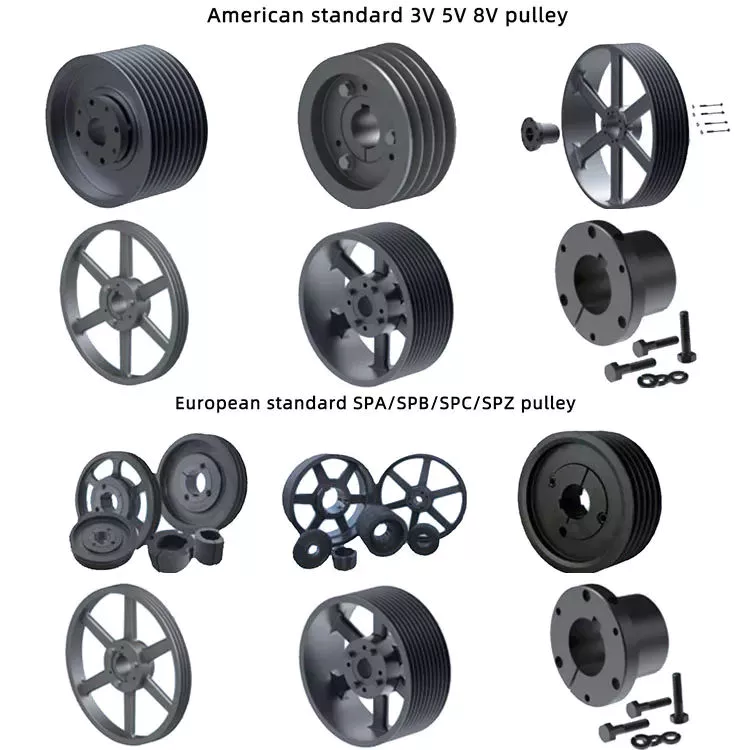
The science behind pulley systems is rooted in the principles of physics, specifically in the law of conservation of energy. This law states that energy cannot be created or destroyed; it can only be transferred or converted from one form to another. In the context of a pulley system, the energy applied by the user (input) is transferred through the pulleys and converted into the energy used to lift the weight (output).

Conclusion
So, how does a pulley system make work easier? By using the principles of mechanical advantage and the conservation of energy, pulley systems distribute the force required to lift a heavy object across multiple points. This reduces the amount of effort needed, making the task more manageable. Whether used in industry, sport, or everyday life, pulley systems are a testament to human ingenuity in creating tools that enhance efficiency and productivity.