How do I inspect spline shaft splines for micro-cracks?
Introduction
Spline shafts are crucial components in various industries, providing rotational power and torque transmission. However, they are susceptible to micro-cracks, which can compromise their performance and reliability. In this article, we will explore the methods and techniques for inspecting spline shaft splines for micro-cracks, ensuring their optimal functionality and longevity.
Understanding Spline Shaft Splines
Before diving into the inspection process, it is important to have a comprehensive understanding of spline shaft splines. Splines are ridges or teeth that run along the surface of a shaft, allowing it to engage with other components, such as gears or couplings. These splines are subjected to high levels of stress and torque, making them susceptible to micro-cracks over time.
1. Visual Inspection
Visual inspection is the first step in identifying potential micro-cracks in spline shaft splines. It involves a detailed examination of the splines using adequate lighting and magnification tools. Look for any signs of surface irregularities, such as discoloration, pitting, or visible cracks. Pay close attention to the root fillets, as this is a common area for crack initiation.
2. Dye Penetrant Inspection
Dye penetrant inspection is a non-destructive testing method used to detect surface-breaking defects, including micro-cracks, in spline shaft splines. The process involves applying a liquid dye penetrant to the splines, allowing it to seep into any existing cracks. After a specified dwell time, excess penetrant is removed, and a developer is applied to reveal any indications of cracks.
3. Magnetic Particle Inspection
Magnetic particle inspection is another commonly employed technique for inspecting spline shaft splines. It is particularly useful for detecting subsurface cracks. The process involves applying a magnetic field to the shaft and then introducing magnetic particles onto the surface. These particles will gather at areas of magnetic flux leakage caused by cracks, making the cracks visible under proper lighting conditions.
4. Ultrasonic Testing
Ultrasonic testing utilizes high-frequency sound waves to inspect spline shaft splines for micro-cracks. A transducer is used to emit ultrasonic waves into the shaft, and the reflected waves are analyzed for any indications of cracks. This method is highly sensitive and can detect both surface and subsurface defects, providing valuable insights into the condition of the splines.
5. Eddy Current Testing
Eddy current testing is an electromagnetic inspection method that can detect surface and near-surface cracks in spline shaft splines. It works by inducing an alternating current in the shaft, which generates eddy currents. Any changes in the currents caused by cracks are detected and analyzed, allowing for accurate identification of micro-cracks.
6. Thermographic Inspection
Thermographic inspection involves using infrared imaging to detect temperature variations on the surface of spline shaft splines. Micro-cracks tend to generate localized heat during operation, which can be captured using a thermal camera. By analyzing the thermal patterns, potential cracks can be identified, enabling timely maintenance and repair.
Conclusion
Inspecting spline shaft splines for micro-cracks is crucial for maintaining their integrity and preventing unexpected failures. Visual inspection, dye penetrant inspection, magnetic particle inspection, ultrasonic testing, eddy current testing, and thermographic inspection are all valuable methods for detecting these subtle yet impactful defects. By incorporating regular inspection procedures into maintenance schedules, companies can ensure the reliable and efficient performance of their spline shaft systems.
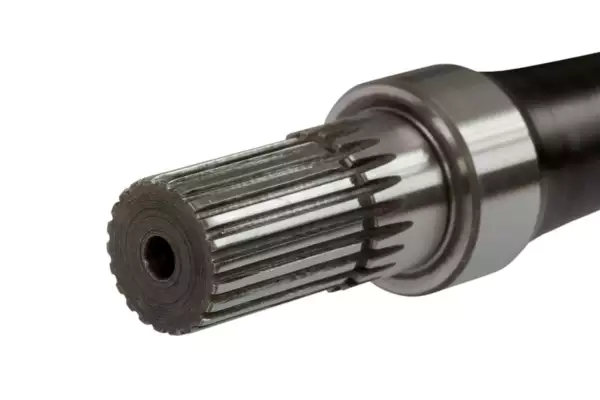
Our company specializes in the production and sale of various types of gears and spline shafts. With our expertise in the field, we have several advantages that set us apart from the competition:
- We have a wide range of gear and spline shaft options to meet the diverse needs of our customers.
- Our products are made with high-quality materials, ensuring durability and reliability.
- We have a team of experienced engineers who meticulously inspect our spline shafts for any potential micro-cracks or defects.
- We offer competitive pricing without compromising on the quality of our products.
- Our customer service is top-notch, providing prompt assistance and technical support.
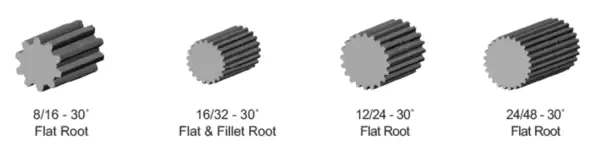
Spline Shaft Working Principle and Function
A spline shaft is a mechanical component used to transmit torque between a driver and a driven component. It consists of a series of ridges or teeth, known as splines, that engage with corresponding grooves on the mating component. This design allows for efficient power transmission, ensuring smooth and reliable operation.
Spline Shaft Design and Selection Guide
When designing and selecting a spline shaft, several factors need to be considered, such as the application requirements, torque capacity, shaft material, and the number and type of splines. It is crucial to ensure proper fit and alignment to maximize the performance and longevity of the system. Consulting our design and selection guide will help you make informed decisions for your specific needs.
Spline Shaft Manufacturing and Processing Techniques
The manufacturing and processing of spline shafts require precision and expertise. Various techniques, such as hobbing, broaching, or milling, are employed to create the splines with high accuracy. Heat treatment and surface finishing processes are also applied to enhance the strength and durability of the shafts, ensuring optimal performance in demanding applications.
Spline Shaft Application Examples and Industry Practices
Spline shafts find applications in numerous industries, including automotive, aerospace, machinery, and more. They are commonly used in power transmission systems, steering mechanisms, and other rotational motion applications. Industry best practices and real-world examples demonstrate the versatility and reliability of spline shafts in various demanding environments.
Are you in need of high-quality spline shafts that are thoroughly inspected for micro-cracks? Look no further! Our company has the expertise, experience, and superior products to meet your requirements. Contact us today to discuss how we can collaborate and provide you with the best solutions.
Author: Miya