How do I ensure spline shaft compatibility with my existing machinery?
Introduction:
In today’s fast-paced industrial world, ensuring the compatibility of spline shafts with existing machinery is crucial for seamless operations and optimal performance. This blog article aims to provide you with comprehensive insights and guidelines on how to achieve spline shaft compatibility with your machinery.
Understanding Spline Shafts
1. What are spline shafts?
Spline shafts are mechanical components widely used in various industries to transmit torque, rotation, and power between different parts of a machine. They consist of a series of ridges or teeth, known as splines, which mate with corresponding grooves or slots in other components.
2. Types of spline shafts
There are several types of spline shafts, including involute, straight-sided, serrated, and helical. Each type offers specific advantages and is suitable for different applications, depending on factors such as load capacity, torque transmission, and precision requirements.
Evaluating Existing Machinery
3. Assessing your machinery
Before ensuring spline shaft compatibility, it is essential to evaluate your existing machinery in detail. Consider factors such as the type of shafts currently in use, their dimensions, load requirements, and the overall design of the system. This evaluation will provide a foundation for determining the compatibility parameters.
4. Identifying key specifications
Dive deeper into the specifications of your existing machinery to identify key parameters that will influence spline shaft compatibility. These parameters may include shaft diameter, number of splines, spline pressure angle, shaft material, and spline fit type.
Determining Spline Shaft Requirements
5. Consulting with experts
Seek advice from specialists in the field of spline shafts to determine the specific requirements for your machinery. Their expertise will help you select the most suitable spline shaft type, size, and material to ensure compatibility and optimal performance.
6. Analyzing torque and load
Accurately calculate the torque and load requirements of your machinery to determine the necessary spline shaft dimensions and strength. This analysis will ensure that the selected spline shaft can handle the expected forces without failure or excessive wear.
Selecting the Right Spline Shaft
7. Precision and fit
Consider the required precision and fit between the spline shaft and its mating component. Depending on the application, you may need a clearance fit, interference fit, or transitional fit. The right fit will ensure proper power transmission and minimize any potential backlash.
8. Material selection
Choose the appropriate material for the spline shaft based on factors such as load capacity, corrosion resistance, and operating temperature. Common materials used for spline shafts include steel alloys, stainless steel, and high-strength alloys.
Ensuring Compatibility
9. Computer-Aided Design (CAD)
Utilize CAD software to design and simulate the compatibility of the spline shaft with your machinery. This will help identify any potential interferences, misalignments, or other issues that could affect performance or installation.
10. Prototype testing
Manufacture a prototype of the spline shaft and conduct thorough testing to ensure compatibility and functionality. Test its fit, torque transmission, and overall performance under realistic conditions. Make any necessary adjustments or modifications before final production.
Installation and Maintenance
11. Proper installation techniques
Follow manufacturer guidelines and best practices for the installation of the spline shaft. Pay attention to alignment, lubrication, torque specifications, and any specific requirements to ensure a secure and precise fit.
12. Regular maintenance
Implement a regular maintenance schedule to inspect and lubricate the spline shaft, as well as monitor its performance. This will help prevent premature wear, identify potential issues, and ensure long-term compatibility with your machinery.
Conclusion
By following the guidelines and considerations outlined in this article, you can ensure spline shaft compatibility with your existing machinery. Remember to evaluate your machinery, determine the requirements, select the right spline shaft, and prioritize proper installation and maintenance. Achieving compatibility will result in smooth operations, enhanced efficiency, and prolonged equipment lifespan.
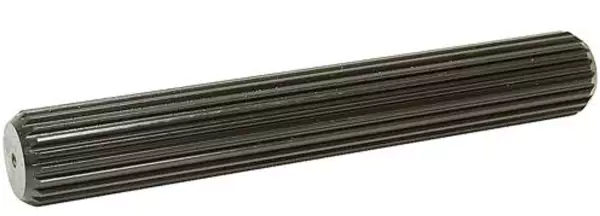
Our company specializes in the production and sale of various types of gears and spline shafts. With years of experience in the industry, we have established ourselves as a leading provider in the field. Here are five key advantages that set our company apart:
1. High-Quality Products
At our company, we prioritize quality above all else. We utilize advanced manufacturing processes and cutting-edge technology to ensure that our gears and spline shafts meet the highest standards of precision and durability.
2. Extensive Product Range
Whether you require standard spline shafts or custom-made solutions, we have you covered. Our extensive product range caters to various industries and applications, providing you with versatile options to suit your specific needs.
3. Expertise and Technical Knowledge
Our team of engineers and technicians possesses deep expertise and technical knowledge in the field of spline shafts. We are committed to providing reliable advice and assistance, ensuring that you find the most compatible solution for your existing machinery.
4. Timely Delivery
We understand the importance of meeting deadlines. With efficient production processes and a streamlined supply chain, we strive to deliver our products promptly, ensuring minimal disruption to your operations.
5. Customer Satisfaction
Customer satisfaction is at the heart of everything we do. We value long-term partnerships and aim to exceed your expectations through exceptional customer service and support. Your success is our success.
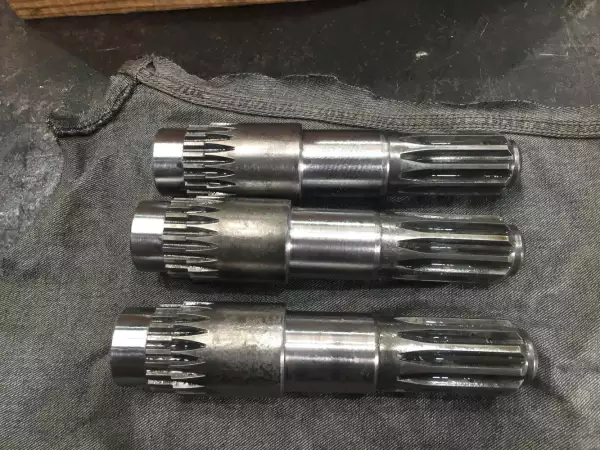
Spline Shaft Working Principles and Functions
Spline shafts are essential components used in machinery to transmit torque and rotation. They consist of ridges or teeth (spline) that mesh with corresponding grooves or slots, allowing for the efficient transfer of power between connected components.
Spline Shaft Design and Selection Guide
When it comes to spline shafts, proper design and selection are crucial. Factors such as torque requirements, load capacity, speed, and environmental conditions must be considered. Our team of experts can assist you in choosing the right spline shaft design and specifications for your application.
Spline Shaft Manufacturing and Machining Techniques
Our advanced manufacturing facilities and skilled technicians enable us to produce spline shafts with exceptional precision and quality. We employ various techniques such as CNC machining, grinding, and heat treatment to ensure the highest degree of accuracy and performance.
Spline Shaft Applications and Industry Practices
Spline shafts find applications in a wide range of industries, including automotive, aerospace, industrial machinery, and more. We have successfully collaborated with numerous clients in these sectors, providing them with reliable spline shaft solutions that enhance their equipment performance and productivity.
Partner with us today and experience the difference our expertise and high-quality products can make for your machinery. Contact us now to discuss your requirements and explore how we can help you achieve spline shaft compatibility with your existing equipment.
Author: Miya