How do I determine the maximum allowable torque for a given spline shaft?
Introduction
In the world of mechanical engineering, understanding the maximum allowable torque for a given spline shaft is crucial for ensuring the reliability and efficiency of a system. In this article, we will delve deep into the intricacies of determining the maximum allowable torque for a given spline shaft and explore the factors that influence this critical parameter.
What is a spline shaft?
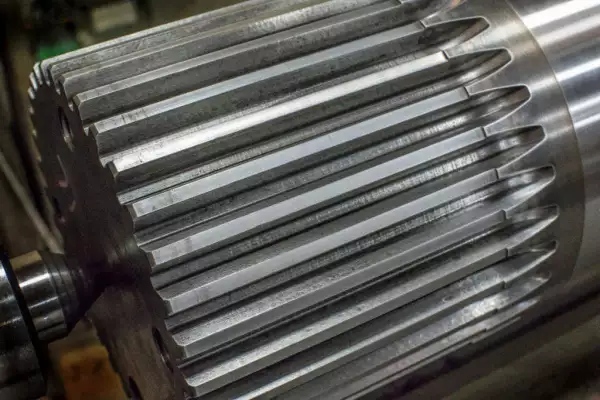
Before we dive into the details, let’s first establish a clear understanding of what a spline shaft is. A spline shaft is a mechanical component that consists of a series of ridges, or splines, on its outer surface. These splines are designed to interlock with corresponding grooves on other mechanical components, such as gears or couplings, to transmit torque and rotational motion.
Factors influencing the maximum allowable torque
Several factors come into play when determining the maximum allowable torque for a given spline shaft:
1. Material properties
The material from which the spline shaft is made plays a crucial role in determining its maximum torque capacity. Different materials have varying strength and fatigue characteristics, which directly impact their ability to withstand torque loads. Factors such as yield strength, ultimate tensile strength, and fatigue limit must be considered when selecting the appropriate material for a spline shaft.
2. Shaft geometry
The geometric design of the spline shaft also influences its maximum allowable torque. Key parameters to consider include the number of splines, the profile of the splines, and the overall dimensions of the shaft. These factors determine the contact area between the spline shaft and its mating component, affecting torque transmission efficiency and the ability to handle higher loads.
3. Lubrication and surface treatment
Proper lubrication and surface treatment of the spline shaft are vital for reducing friction, wear, and the potential for failure under high torque conditions. Appropriate lubricants and surface coatings can enhance the shaft’s resistance to wear and provide a protective barrier against environmental factors that may degrade its performance.
4. Operating conditions
The operating conditions under which the spline shaft will be subjected to torque loads also need to be considered. Factors such as rotational speed, temperature, vibration, and shock loads can significantly affect the maximum allowable torque. It is essential to evaluate the anticipated operating conditions accurately to select a spline shaft capable of withstanding the expected loads.
Determining the maximum allowable torque
Now that we have discussed the factors influencing the maximum allowable torque, let’s delve into the process of determining this critical parameter:
1. Calculate the torque applied to the spline shaft
To determine the maximum allowable torque, one must first calculate the torque being applied to the spline shaft. This can be done by considering the power being transmitted, the rotational speed, and the gear ratio, if applicable. This calculation provides a baseline for further analysis.
2. Evaluate the material properties
Next, it is crucial to evaluate the material properties of the spline shaft. Consider the yield strength, ultimate tensile strength, and fatigue limit of the selected material. These properties dictate the maximum torque that the spline shaft can handle without permanent deformation or failure.
3. Analyze the shaft geometry
Now, analyze the geometric parameters of the spline shaft. Consider the number of splines, their profile, and the dimensions of the shaft. Calculate the contact area between the spline shaft and its mating component to determine the load distribution and efficiency of torque transmission.
4. Account for lubrication and surface treatment
Take into account the lubrication and surface treatment of the spline shaft. Ensure that the selected lubricant is appropriate for the anticipated operating conditions and that the surface treatment provides adequate protection against wear and corrosion.
5. Consider the operating conditions
Lastly, consider the anticipated operating conditions. Evaluate factors such as rotational speed, temperature, vibration, and shock loads. Ensure that the spline shaft is designed to handle these conditions without exceeding its maximum torque capacity.
Conclusion
Determining the maximum allowable torque for a given spline shaft is a critical aspect of mechanical engineering. By considering factors such as material properties, shaft geometry, lubrication, surface treatment, and operating conditions, engineers can ensure the reliable and efficient operation of systems relying on spline shafts. Careful analysis and calculation are essential to select the appropriate spline shaft capable of handling the expected torque loads and ensuring the longevity of the system.

Our company specializes in the production and sale of various types of gears and spline shafts. We take pride in our expertise and commitment to delivering high-quality products. Here are five reasons why you should choose our company:
- We have a wide range of gear and spline shaft options to meet diverse industry needs.
- Our products are manufactured using advanced technologies and top-quality materials for superior performance and durability.
- We have a team of experienced engineers who ensure precise design and accurate calculations for optimal spline shaft performance.
- Our company is known for its excellent customer service and timely delivery of orders.
- We offer competitive pricing without compromising on the quality of our products.
Spline Shaft Working Principle and Function
A spline shaft is a mechanical component that transmits torque in machinery. It consists of a series of ridges or teeth along its length, allowing it to engage with other mating parts, such as gears or couplings. The primary function of a spline shaft is to transfer rotational motion between components while maintaining alignment and torque transmission.
Spline Shaft Design and Selection Guide
Designing and selecting the right spline shaft for your application is crucial for optimal performance and reliability. Here are some key factors to consider:
- Load requirements and torque transmission capacity
- Shaft material selection based on application-specific factors like temperature, corrosion resistance, and mechanical properties
- Spline type and profile, considering factors like misalignment tolerance and power transmission efficiency
- Proper lubrication and maintenance for long-term performance
Spline Shaft Manufacturing and Processing Techniques
Spline shafts are manufactured using various techniques, including:
- Machining: Spline profiles are cut into the shaft using specialized cutting tools
- Cold rolling: A forming process that displaces material to create the spline profile
- Broaching: A cutting process that removes material to form the spline profile
The choice of manufacturing technique depends on factors such as volume requirements, precision, and cost-effectiveness.
Spline Shaft Applications and Industry Practices
Spline shafts find applications in various industries, including:
- Automotive: Spline shafts are used in drivetrain systems, steering systems, and engine components
- Aerospace: Spline shafts are essential in aircraft landing gear, engine components, and control systems
- Mechanical engineering: Spline shafts are used in machine tools, pumps, and industrial gearboxes
At our company, we have extensive experience in working with different industries and providing customized spline shaft solutions to meet specific requirements.
If you are looking for reliable and high-quality spline shafts, we are the perfect partner for your business. Contact us today to discuss your requirements and explore how we can collaborate to achieve success.
Author: Miya