How do I determine if the rack and pinion steering system needs to be replaced or repaired?
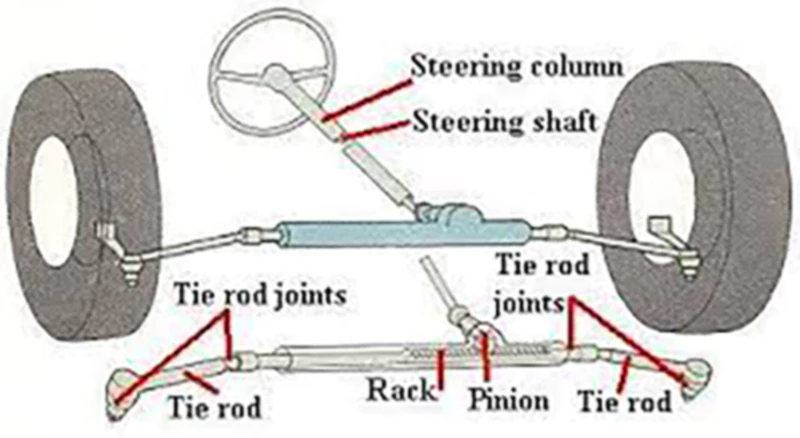
Rack and pinion steering is a type of steering mechanism commonly used in vehicles to control the direction of the front wheels. It involves the use of a rack, a long, straight bar with teeth, and a pinion gear. The rack is a linear component positioned horizontally and connected to the front wheels through tie rods. The pinion gear, which is a small gear, meshes with the teeth on the rack. The pinion gear is connected to the steering wheel via the steering column.
Advantages and Features
1. Precise Steering Response
The rack and pinion steering system is renowned for its precise steering response. This precision is achieved because the system directly translates the rotational movement of the steering wheel into the linear movement needed to turn the wheels. Such direct correspondence reduces the play between the steering input and the wheel movement, ensuring that even the slightest turn of the steering wheel results in an immediate and proportional response from the wheels. This characteristic makes driving more intuitive and enhances the driver’s control over the vehicle.
2. Compact Design
The compact design of the rack and pinion steering system is another significant advantage. Unlike other steering mechanisms, which can be bulky and take up considerable space, the rack and pinion system is streamlined and fits well within the vehicle’s chassis. This compactness not only helps in reducing the weight of the vehicle but also allows manufacturers to design more spacious and flexible engine compartments. The simplified layout also makes the system more accessible for maintenance and repairs.
3. Reduced Friction
One of the hallmarks of the rack and pinion steering system is its ability to minimize friction. The straightforward design, which involves fewer moving parts compared to other steering systems, helps to reduce frictional forces. This reduction in friction not only makes the steering process smoother and more efficient but also contributes to the longevity of the system. Less friction means less wear and tear, which translates to fewer maintenance requirements and a longer lifespan for the steering components.
4. Easy Maintenance
Maintaining a rack and pinion steering system is relatively straightforward. The system’s design is uncomplicated, with fewer components that can wear out or fail. Regular maintenance tasks such as checking and topping up the power steering fluid, inspecting the tie rods, and ensuring the rack is well-lubricated are simple and can often be performed by the vehicle owner. Additionally, the accessibility of the system makes it easier for mechanics to perform more extensive repairs or replacements when necessary.
5. Cost-effectiveness
From a cost perspective, the rack and pinion steering system is highly economical. The simplicity of its design means that it is less expensive to manufacture and install compared to more complex steering mechanisms. Furthermore, the reduced need for frequent maintenance and repairs lowers the overall cost of ownership. This cost-effectiveness makes the rack and pinion system a popular choice among vehicle manufacturers and owners alike, offering a balance of performance and affordability.
6. Durability
Durability is a key attribute of the rack and pinion steering system. Built with robust materials and designed to withstand the stresses of daily driving, these systems are known for their longevity. The direct engagement between the rack and pinion gear ensures that there is minimal wear over time, provided the system is properly maintained. This durability means that drivers can rely on their steering system to perform consistently well over the lifespan of their vehicle.
7. Environmental Benefits
The environmental benefits of the rack and pinion steering system should not be overlooked. Its efficient design contributes to reduced fuel consumption, as there is less energy loss through friction and mechanical inefficiencies. Additionally, the durability and longevity of the system mean that fewer replacement parts are needed, leading to less waste. This efficiency and longevity help to reduce the overall environmental impact of the vehicle, making the rack and pinion system a more sustainable choice.

Working Principle
1. The Steering Wheel
The steering wheel is the primary interface between the driver and the vehicle’s steering system. When the driver turns the steering wheel, the rotational movement is transmitted down the steering column to the pinion gear. The sensitivity and response of the steering system start right here, with how the steering wheel translates the driver’s input.
2. The Steering Column
The steering column connects the steering wheel to the pinion gear and plays a critical role in transmitting the rotational force. This column can include various components such as universal joints and collapsible sections designed for safety. The integrity of the steering column is crucial for ensuring accurate and reliable transmission of steering inputs.
3. The Pinion Gear
The pinion gear is a small but vital component that meshes with the teeth on the rack. As the steering wheel turns, the pinion gear rotates, converting the rotational movement into linear motion along the rack. The precision of this gear¡¯s interaction with the rack determines the responsiveness and smoothness of the steering.
4. The Rack
The rack is a long, straight bar with teeth that engage with the pinion gear. As the pinion gear turns, it moves the rack left or right, corresponding to the direction the driver wants to go. The movement of the rack directly translates to the lateral movement of the vehicle’s front wheels.
5. The Tie Rods
Tie rods are crucial for connecting the ends of the rack to the steering knuckles on the wheels. These rods transmit the linear motion of the rack to the wheels, causing them to turn. Properly functioning tie rods are essential for maintaining alignment and ensuring responsive steering.
6. The Steering Knuckles
The steering knuckles are the pivot points between the wheels and the suspension. They translate the linear motion from the tie rods into the angular motion needed to turn the wheels. The condition of the steering knuckles affects the smoothness and accuracy of the steering response.
7. Turning the Wheels
As the steering knuckles pivot, they turn the wheels in the desired direction. This action is the final step in the steering process, where the initial input from the steering wheel results in the vehicle changing direction. The efficiency and responsiveness of this step are crucial for precise vehicle handling.
8. Power Steering
Many modern rack and pinion systems include power steering, which uses hydraulic or electric actuators to assist in turning the wheels. This assistance reduces the effort required by the driver, making steering easier and less physically demanding. Power steering systems need to be regularly inspected and maintained to ensure they provide adequate assistance.

Applications
1. Passenger Cars
Rack and pinion steering systems are most commonly found in passenger cars. Their precise response and compact design make them ideal for these vehicles, offering enhanced control and a better driving experience. The reliability and cost-effectiveness of rack and pinion systems contribute to their widespread use in this category.
2. Trucks and SUVs
In trucks and SUVs, the rack and pinion steering system provides the necessary strength and durability to handle the increased weight and size of these vehicles. The robust construction and efficient operation ensure that larger vehicles can be maneuvered with ease and precision, even under heavy loads.
3. Buses
Buses benefit from rack and pinion steering systems due to their ability to provide stable and responsive steering. Given the size and passenger load of buses, reliable steering is crucial for safety and comfort. The durability and low maintenance requirements make rack and pinion systems suitable for this application.
4. Motorcycles
While less common, some motorcycles employ rack and pinion mechanisms for their steering needs. The precision and compactness of the system align well with the design and performance requirements of motorcycles, ensuring responsive handling and control.
5. Off-Road Vehicles
Off-road vehicles require robust and reliable steering systems to navigate rough and uneven terrains. Rack and pinion systems provide the necessary durability and precision, enabling drivers to maintain control in challenging environments. The system’s ability to withstand harsh conditions makes it suitable for off-road applications.
6. Heavy-Duty Vehicles
Heavy-duty vehicles, such as construction machinery and industrial equipment, often use rack and pinion steering systems due to their strength and reliability. These systems can handle the high loads and demanding conditions typical of heavy-duty operations, ensuring consistent performance and safety.


Installation and Maintenance
Installation
1. Select the Right System
Choosing the appropriate rack and pinion system for your vehicle is the first step. Consider the vehicle’s specifications, including weight, size, and intended use, to ensure compatibility and optimal performance.
2. Prepare the Vehicle
Before installation, prepare the vehicle by lifting it securely and removing any components that may obstruct access to the steering system. This step ensures a safe and efficient installation process.
3. Remove the Old Steering System
Carefully remove the existing steering system, taking note of the connections and components. Dispose of the old system properly or keep it for reference during the installation of the new system.
4. Mount the Rack
Position and secure the new rack in place, ensuring it is properly aligned with the vehicle’s chassis. Use the appropriate mounting hardware and double-check for any misalignments.
5. Connect the Steering Column
Reconnect the steering column to the pinion gear, ensuring a secure and precise fit. Verify that