Gear shaft NVH (Noise, Vibration, Harshness)
1. Introduction
Gear shaft NVH (Noise, Vibration, Harshness) is a key consideration in the design and manufacturing of gear systems. It refers to the undesirable noise, vibration, and harshness generated during the operation of gear shafts. Understanding and mitigating NVH issues is crucial for ensuring the smooth and reliable performance of gear systems.
2. Gear Shaft NVH Factors
Gear shaft NVH is influenced by various factors, including:
- Gear Tooth Profile
- Surface Finish
- Alignment
- Material Selection
- Bearing Design
- Lubrication
- Operating Conditions
3. Gear Tooth Profile
The gear tooth profile plays a crucial role in minimizing NVH. The design should aim for optimal contact patterns and minimize tooth deflection under load. Employing advanced tooth profiles, such as the involute helicoid, can significantly reduce noise and vibration.
4. Surface Finish
The surface finish of the gear shafts affects NVH performance. Smoother surfaces with reduced roughness can minimize noise generation and improve overall performance. Processes like honing and grinding can enhance the surface finish of gear shafts.
5. Alignment
Poor alignment of gear shafts can lead to increased noise and vibration. Accurate alignment during installation and regular maintenance checks are essential to ensure optimal performance and reduce NVH levels.
6. Material Selection
The choice of materials for gear shafts can impact NVH. Materials with high strength, durability, and vibration-damping properties, such as alloy steels or composite materials, can help reduce noise and vibration levels.
7. Bearing Design
The design and selection of bearings for gear shafts are critical for NVH control. Proper bearing selection, lubrication, and maintenance can minimize friction, noise, and vibration, ensuring smooth operation.
8. Lubrication
Effective lubrication is essential for reducing gear shaft NVH. Lubricants with proper viscosity, additives, and film strength properties can minimize friction, wear, and noise, leading to improved NVH performance.
9. Operating Conditions
The operating conditions of gear shafts, such as speed, load, and temperature, can affect NVH levels. Optimal operating conditions should be maintained to minimize noise, vibration, and harshness.
10. Analysis Techniques
To analyze and mitigate gear shaft NVH, various techniques can be employed, including:
- Vibration Analysis
- Noise Measurement
- Modal Analysis
- Finite Element Analysis (FEA)
- Torsional Vibration Analysis
11. NVH Testing and Validation
NVH testing and validation are crucial to ensure the effectiveness of NVH mitigation measures. Prototype testing, field measurements, and data analysis can provide valuable insights into the performance of gear shafts and guide further improvements.
12. Innovative NVH Solutions
Ongoing research and development efforts aim to develop innovative solutions for gear shaft NVH reduction. These include advanced coating technologies, improved gear tooth designs, and intelligent lubrication systems.
13. Case Study: Gear Shaft NVH in Automotive Transmissions
Automotive transmissions often face significant NVH challenges due to the complex gear systems involved. Case studies analyzing the NVH characteristics of automotive transmissions can provide valuable lessons and insights for NVH control in gear shafts.
14. Impact of Gear Shaft NVH
Uncontrolled gear shaft NVH can have several negative consequences, including:
- Reduced Efficiency
- Increased Wear and Tear
- Decreased Reliability
- Poor User Experience
- Higher Maintenance Costs
15. Conclusion
Gear shaft NVH is a critical aspect of gear system design and performance. By understanding the various factors influencing NVH and implementing appropriate measures, engineers can create gear systems that operate smoothly, quietly, and reliably, enhancing overall user satisfaction and system efficiency.
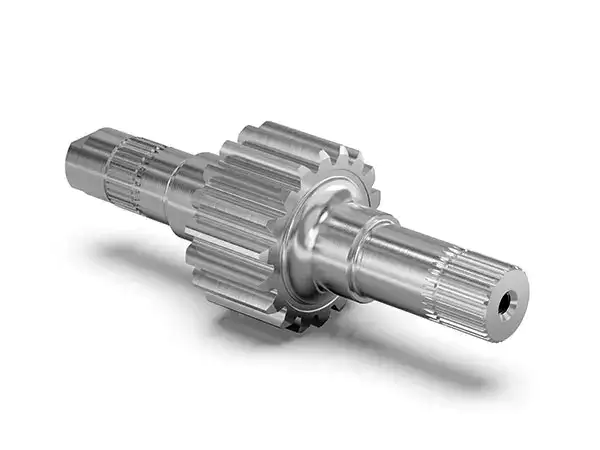
Our company specializes in the production and sales of various types of gears and gear shafts. We take pride in our expertise and offer a range of advantages that set us apart from the competition:
Advantages:
- High-Quality Materials: We use premium-grade materials to ensure the durability and performance of our gear shafts.
- Precision Engineering: Our gear shafts are meticulously designed and manufactured to meet the highest standards of precision and accuracy.
- Advanced Technology: We leverage cutting-edge technology and equipment to enhance the production process and deliver superior gear shafts.
- Customization Options: We understand that different applications require specific gear shaft designs. Our team can provide tailored solutions to meet our customers’ unique requirements.
- Reliable Performance: Our gear shafts undergo rigorous testing and quality control measures to ensure they deliver consistent and reliable performance in various applications.
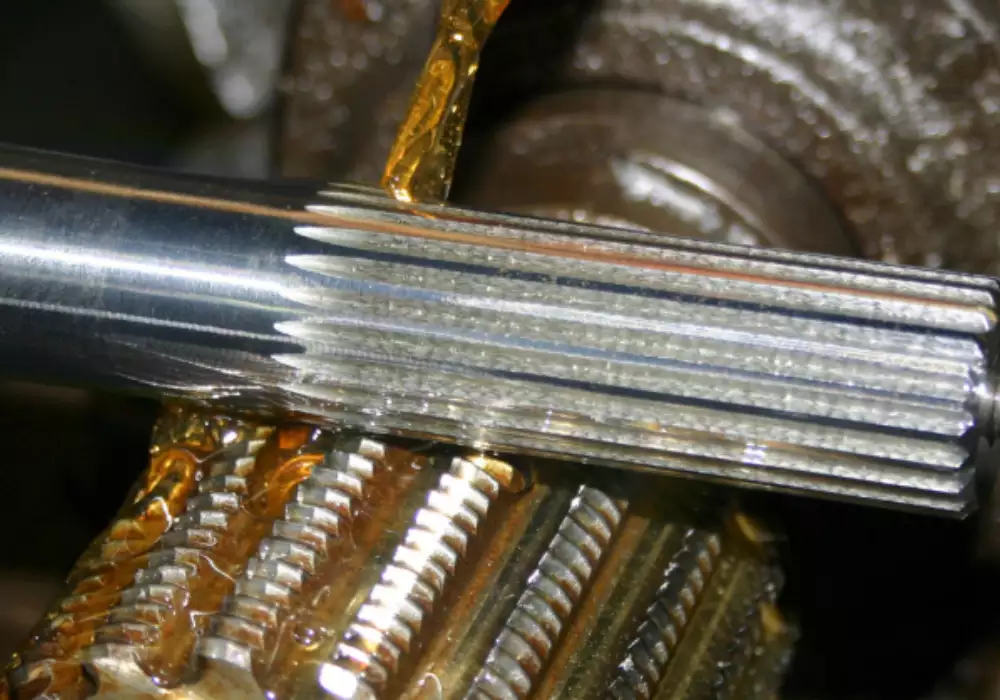
Gear shafts play a crucial role in mechanical power transmission systems. They are responsible for transferring torque from the source of power to the driven components. Without properly functioning gear shafts, the system’s performance can be compromised, leading to issues such as noise, vibration, and harshness (NVH).
When it comes to selecting materials for gear shafts, several factors come into play. The material must possess high strength, wear resistance, and fatigue resistance to withstand the demanding operating conditions. Additionally, factors like cost, manufacturability, and compatibility with other system components also influence material selection. The design of gear shafts should consider factors such as load distribution, stress concentration, and heat dissipation to ensure optimal performance and durability.
Our manufacturing process for gear shafts involves various techniques:
- Machining Processes: We employ cutting, milling, and grinding processes to shape and refine the gear shafts with utmost precision.
- Heat Treatment: Gear shafts undergo heat treatment processes like quenching, tempering, and carburizing to enhance their mechanical properties and ensure optimal hardness and toughness.
- Specialized Processes: We also offer specialized processes such as gear rolling and gear shaving to further improve the performance and surface finish of the gear shafts.
Our gear shafts find applications in a wide range of industries and fields. They are used in automotive transmissions, industrial machinery, agricultural equipment, and many other areas. In case of any failures or issues, our expert team conducts thorough analysis to determine the root cause and provide preventive measures to avoid future problems.
Partnering with us means gaining access to high-quality gear shafts that are designed to meet your specific requirements. Our commitment to excellence and customer satisfaction sets us apart from the competition.
Author: Miya