Gear shaft corrosion protection
Introduction
Gear shaft corrosion protection is a crucial aspect of maintaining the longevity and performance of gear systems. In this article, we will explore various strategies and techniques to effectively protect gear shafts from corrosion, ensuring optimal functionality and durability.
1. Understanding the Corrosion Process
Corrosion occurs when metal surfaces are exposed to corrosive agents, resulting in the deterioration of the material. In the case of gear shafts, the presence of moisture, chemicals, and contaminants can accelerate the corrosion process, leading to reduced efficiency and potential failure.
2. Types of Corrosion
2.1 Galvanic Corrosion
Galvanic corrosion occurs when two dissimilar metals are in contact, creating an electrochemical reaction. To prevent this type of corrosion, the use of compatible metals and protective coatings is essential.
2.2 Pitting Corrosion
Pitting corrosion is localized corrosion that forms small pits on the metal surface. Regular inspections and the implementation of effective coatings can help mitigate this type of corrosion.
2.3 Crevice Corrosion
Crevice corrosion develops in tight spaces or gaps where moisture and contaminants accumulate. Proper design considerations and regular cleaning can prevent crevice corrosion in gear shafts.
3. Protective Coatings
3.1 Zinc Plating
Zinc plating provides a sacrificial layer, protecting the gear shaft from corrosion. The zinc coating undergoes corrosion instead of the gear shaft, extending its lifespan.
3.2 Electroless Nickel Coating
Electroless nickel coating offers excellent corrosion resistance and uniform protection. This coating technique is ideal for complex gear shaft geometries.
3.3 Ceramic Coatings
Ceramic coatings provide high-temperature resistance and superior hardness, making them suitable for gear shafts operating in extreme conditions.
4. Lubrication and Maintenance
4.1 Proper Lubrication
Adequate lubrication forms a protective barrier on the gear shaft, reducing friction and preventing corrosion. Regular lubrication intervals should be followed to maintain optimal performance.
4.2 Routine Inspections
Regular inspections help identify early signs of corrosion or damage. Any issues should be addressed promptly to prevent further deterioration.
4.3 Cleaning Procedures
Effective cleaning procedures, such as solvent cleaning or ultrasonic cleaning, remove contaminants and minimize the risk of corrosion. Proper protective measures should be taken during the cleaning process.
5. Conclusion
Gear shaft corrosion protection is vital for ensuring the efficiency and longevity of gear systems. By understanding the corrosion process, implementing suitable protective coatings, and following proper lubrication and maintenance practices, gear shafts can be effectively safeguarded against corrosion, resulting in optimal performance and extended lifespan.

Our company specializes in the production and sale of various types of gears and gear shafts. We take pride in our expertise and have several advantages that set us apart from our competitors:
- Extensive Experience: With over 20 years in the industry, we have accumulated a wealth of knowledge and expertise in gear and gear shaft manufacturing.
- High-Quality Products: We are committed to delivering top-notch quality products that meet and exceed industry standards. Our gear shafts undergo rigorous testing to ensure durability and reliability.
- Advanced Technology: We constantly invest in the latest manufacturing technology and equipment to enhance our production capabilities and improve the precision and efficiency of our gear shafts.
- Customization Options: We understand that different applications require specific gear shaft solutions. Our team of experts is capable of providing customized gear shafts tailored to meet our customers’ unique requirements.
- Excellent Customer Service: We prioritize customer satisfaction and aim to provide exceptional service throughout the entire process, from initial inquiry to after-sales support.
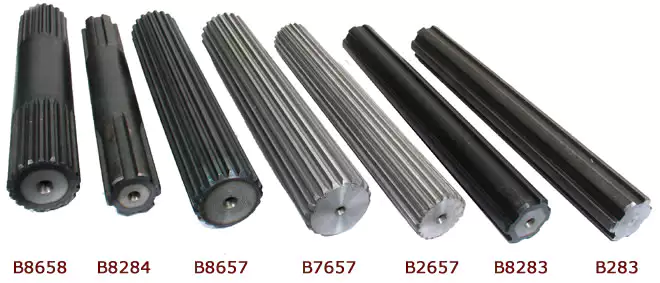
The Importance of Gear Shafts in Mechanical Transmission Systems
Gear shafts play a crucial role in mechanical transmission systems. They are responsible for transmitting torque and rotational motion between gears, enabling machines to function effectively. Without reliable gear shafts, the smooth operation of various mechanical devices would be compromised.
Materials and Selection Criteria for Gear Shafts
When it comes to selecting materials for gear shafts, several factors need to be considered. These include:
- Strength and Durability: Gear shafts should possess high strength and durability to withstand the dynamic loads and stresses experienced during operation.
- Wear Resistance: The chosen material should have excellent wear resistance properties to ensure a long service life and prevent premature failure.
- Machinability: Ease of machining is crucial to achieve the desired gear shaft design and specifications.
- Corrosion Resistance: Gear shafts may be exposed to various environmental conditions, and corrosion resistance is essential to maintain their performance and longevity.
Design Considerations for Gear Shafts
In the design of gear shafts, several key factors should be taken into account:
- Proper Gear Alignment: Precise alignment of gears on the shaft is crucial to ensure smooth and efficient power transmission.
- Adequate Shaft Diameter: The shaft diameter should be carefully calculated to handle the expected torque and loads without excessive deflection or failure.
- Optimized Shaft Length: The shaft length should be optimized to minimize bending and minimize the risk of stress concentration.
Our Gear Shaft Manufacturing Process
At our company, we employ various manufacturing processes to produce high-quality gear shafts:
- Cutting Processes: Our gear shafts undergo turning, milling, and grinding processes to achieve precise dimensions and surface finish.
- Heat Treatment: We utilize quenching, tempering, and carburizing processes to enhance the hardness and strength of our gear shafts.
- Specialized Processes: We also offer additional processes such as gear hobbing and shaving to meet specific gear requirements.
Applications and Failure Analysis of Gear Shafts
Gear shafts find extensive applications in various industries, including automotive, aerospace, and machinery. However, it is crucial to understand the potential failure modes and take preventive measures. Common causes of gear shaft failure include excessive loads, poor lubrication, and improper maintenance. Regular inspections, proper lubrication, and adherence to recommended operating conditions can help minimize the risk of failure.
We welcome the opportunity to collaborate with you and provide the best gear shaft solutions for your specific needs. Contact us today to discuss how we can assist you with gear shaft corrosion protection and other requirements.
Author: Miya