Gear Shaft Failure Analysis
Introduction
Gear shafts play a crucial role in various mechanical systems, transmitting power and enabling smooth rotational motion. However, these components are susceptible to failure under certain conditions. In this article, we will delve into the analysis of gear shaft failures, exploring the underlying causes and providing insights into potential preventive measures.
1. Fatigue Failure
In gear shafts, fatigue failure is a common occurrence, resulting from cyclic loading over an extended period. This failure mode can be attributed to several factors:
- Insufficient surface hardness
- High rotational speeds
- Misalignment
Understanding these factors is crucial in developing effective strategies to mitigate fatigue failure in gear shafts.
2. Wear and Abrasion
Another challenge faced by gear shafts is wear and abrasion caused by continuous contact and relative motion between mating surfaces. Factors that contribute to this issue include:
- Lack of lubrication
- Contaminants in the operating environment
- Poor surface finish
Proper lubrication techniques and materials selection can significantly reduce wear and abrasion, extending the lifespan of gear shafts.
3. Gear Tooth Failure
Gear teeth are critical components of gear shafts, and their failure can lead to catastrophic consequences. Some common causes of gear tooth failure include:
- Overloading
- Pitting
- Surface fatigue
By analyzing the root causes of gear tooth failure, engineers can optimize gear tooth design and implement appropriate maintenance practices.
4. Material Defects
In some cases, gear shaft failures can be attributed to material defects, resulting from manufacturing or material selection issues. Common material defects include:
- Inclusions and impurities
- Grain boundary weaknesses
- Heat treatment inconsistencies
Strict quality control measures and material testing protocols are crucial in minimizing the occurrence of material-related failures in gear shafts.
Conclusion
Gear shaft failures can lead to downtime, increased maintenance costs, and even accidents. By analyzing the various failure modes and their underlying causes, engineers can develop strategies to enhance the reliability and performance of gear shafts. Proper material selection, precise manufacturing techniques, and effective maintenance practices are integral in ensuring the longevity of gear shafts in diverse applications.
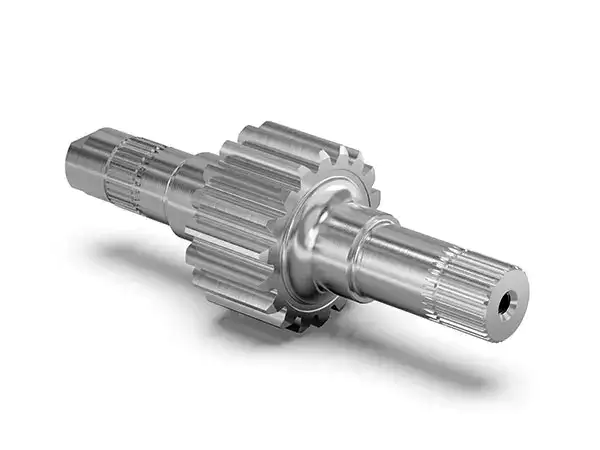
Our company specializes in the production and sales of various types of gears and gear shafts. With years of experience in the industry, we have established ourselves as a leading provider in the market. Here are five advantages that set our company apart:
- High-Quality Materials: We use only the finest materials in the manufacturing of our gears and gear shafts. This ensures durability and long-lasting performance.
- Precision Engineering: Our team of skilled engineers and technicians employ advanced techniques to ensure precise and accurate manufacturing of gear shafts.
- Extensive Product Range: We offer a wide range of gear shafts to cater to diverse industrial needs. Our extensive product line ensures that our customers can find the perfect solution for their requirements.
- Reliable Performance: Our gear shafts are designed and manufactured to deliver reliable performance under various operating conditions. They can withstand high loads and provide efficient power transmission.
- Timely Delivery: We understand the importance of timely delivery and strive to meet our customers’ deadlines. Our efficient production process enables us to deliver orders promptly without compromising on quality.
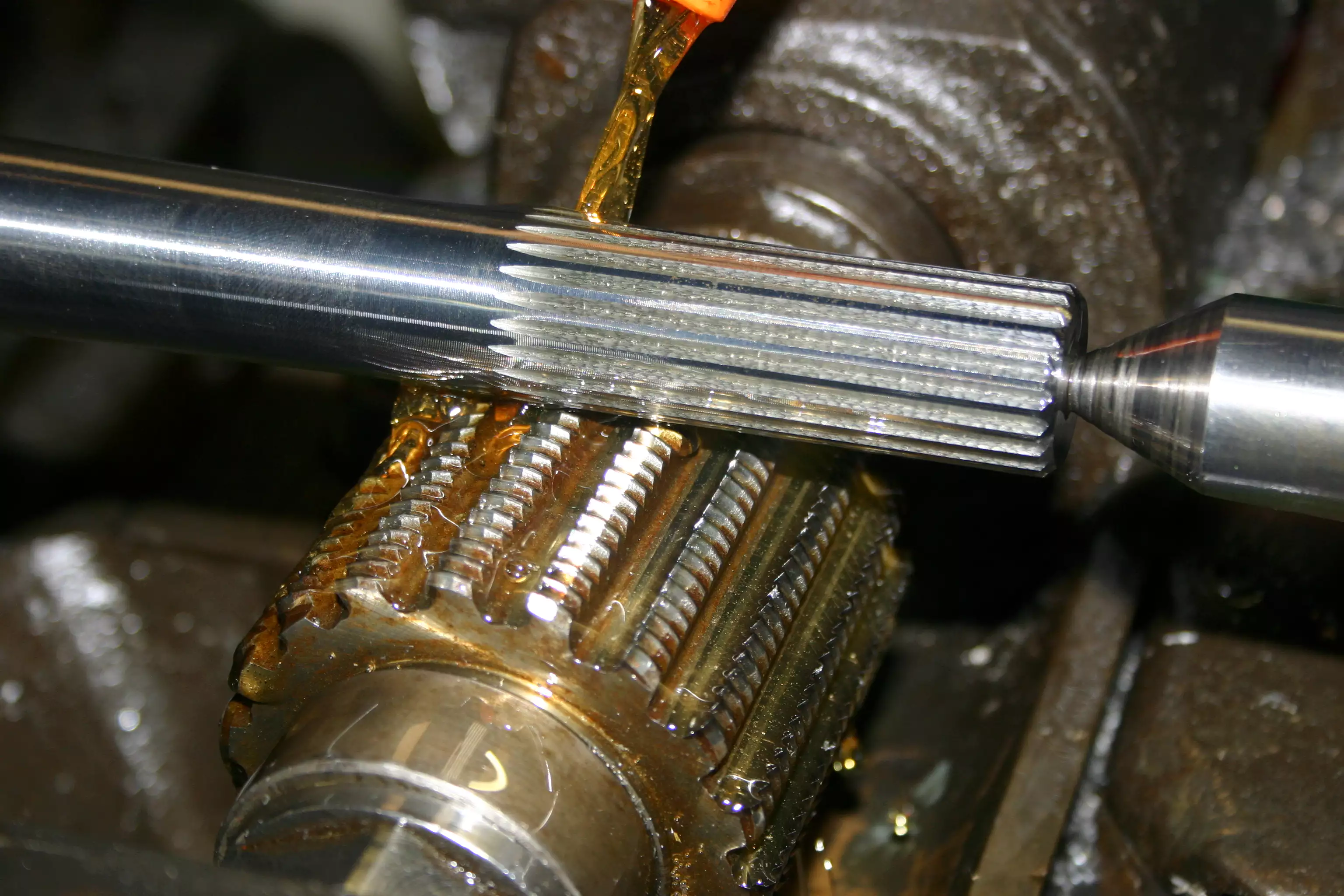
The Importance of Gear Shafts in Mechanical Power Transmission Systems
Gear shafts play a crucial role in mechanical power transmission systems. They are responsible for transmitting rotational motion and torque between the driving and driven components. Gear shafts ensure smooth and efficient power transfer, enabling the proper functioning of various machines and equipment.
Materials and Selection Criteria for Gear Shafts
When it comes to gear shafts, selecting the right materials is essential for ensuring optimal performance and longevity. Some key factors to consider in material selection are:
- Strength and Durability: The material should exhibit high strength and durability to withstand the loads and stresses imposed during operation.
- Wear Resistance: Gear shafts should be made from materials that resist wear and prevent premature failure.
- Heat Treatment Compatibility: The selected material should be suitable for heat treatment processes such as quenching, tempering, and carburizing.
- Machinability: Easy machinability of the material is crucial for efficient manufacturing processes.
Design Considerations for Gear Shafts
Designing gear shafts involves careful consideration of various factors to ensure optimal performance. Some important design aspects include:
- Proper Gear Tooth Geometry: The gear teeth should be designed to achieve optimum meshing and minimize noise and vibration.
- Correct Shaft Diameter and Length: Determining the appropriate shaft diameter and length is crucial for ensuring sufficient strength and proper fit within the system.
- Bearing Support: Proper bearing support is essential to minimize deflection and ensure smooth operation.
Our Gear Shaft Manufacturing Process
At our company, we employ a comprehensive manufacturing process to produce high-quality gear shafts:
- Cutting Processes: Our gear shafts undergo cutting processes such as turning, milling, and grinding to achieve precise dimensions and surface finish.
- Heat Treatment: We utilize heat treatment methods like quenching, tempering, and carburizing to enhance the mechanical properties and hardness of the gear shafts.
- Specialized Machining: Our advanced machining capabilities include gear hobbing and shaving, enabling us to produce gears with accurate tooth profiles.
Application Cases and Failure Analysis of Gear Shafts
Gear shafts find widespread applications in various industries. Here are some typical application cases and insights into failure analysis and prevention:
- Industrial Machinery: Gear shaft failures in industrial machinery can result from factors such as excessive loads, inadequate lubrication, or misalignment. Regular maintenance and proper lubrication can help prevent such failures.
- Automotive Sector: Gear shaft failures in automotive applications can be caused by factors like overloading, poor gear meshing, or inadequate heat treatment. Applying proper load calculations and using high-quality gear shafts can mitigate these risks.
- Power Generation: Gear shaft failures in power generation equipment can occur due to factors like fatigue, misalignment, or improper gear tooth contact. Regular inspections and adherence to maintenance schedules are critical for preventing such failures.
We welcome the opportunity to collaborate with you and provide our high-quality gear shaft solutions tailored to your specific needs. Contact us today to discuss your requirements and explore how our expertise can benefit your business.
Author: Miya