Gear Shaft Design
Introduction
Gear shaft design is a crucial aspect of mechanical engineering, particularly in the field of gear transmission systems. This article aims to provide a comprehensive understanding of gear shaft design principles and the key factors to consider when designing gear shafts.
1. Types of Gear Shafts
There are several types of gear shafts used in different applications:
- Parallel Shaft
- Intersecting Shaft
- Non-parallel and Non-intersecting Shaft
2. Material Selection
The choice of material for gear shafts is crucial for their performance and durability. Commonly used materials include:
- Steel
- Alloy Steel
- Stainless Steel
- Titanium
3. Shaft Sizing and Calculation
Accurate sizing of gear shafts is essential to ensure proper functioning of the gear transmission system. The following factors are considered during sizing:
- Power transmitted
- Operating speed
- Shaft diameter
- Torsional strength
- Bending strength
4. Gear Shaft Manufacturing Processes
Various manufacturing processes are employed to produce gear shafts, including:
- Turning
- Milling
- Grinding
- Heat treatment
5. Surface Treatment
To enhance the performance and durability of gear shafts, surface treatments such as:
- Carburizing
- Nitriding
- Induction hardening
- Shot peening
6. Lubrication and Maintenance
Proper lubrication is crucial for the smooth operation of gear shafts. Regular maintenance practices include:
- Oil changes
- Periodic inspections
- Monitoring vibration levels
- Replacement of worn-out parts
Conclusion
Gear shaft design plays a vital role in ensuring the efficient and reliable operation of gear transmission systems. By considering factors such as material selection, sizing, manufacturing processes, surface treatment, and maintenance, engineers can design gear shafts that meet the specific requirements of different applications.

Our company specializes in the production and sale of various types of gear and gear shafts. With years of experience in the industry, we have established ourselves as a leading manufacturer and supplier in the market. Here are five key advantages of choosing our company:
- Advanced Technology: We utilize cutting-edge technology and state-of-the-art machinery in our manufacturing process, ensuring high precision and superior quality gear shafts.
- Expert Team: Our team consists of skilled engineers and technicians who have extensive knowledge and experience in gear shaft design. They are dedicated to providing the best solutions for our customers.
- Customization Options: We understand that each project may have unique requirements. That’s why we offer custom gear shaft design services, tailoring our products to meet specific needs.
- Strict Quality Control: Quality is our top priority. We have a rigorous quality control process in place to ensure that every gear shaft leaving our factory meets the highest standards of performance and durability.
- Timely Delivery: We value our customers’ time and strive to deliver orders within the agreed-upon timeframe. Our efficient production and logistics processes enable us to meet tight deadlines.
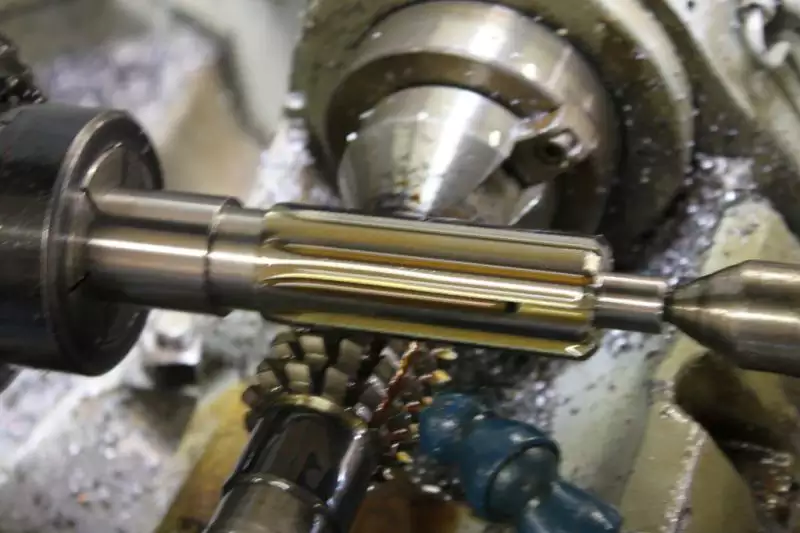
The Importance of Gear Shafts in Mechanical Power Transmission Systems
Gear shafts play a crucial role in mechanical power transmission systems. They are responsible for transmitting torque and rotational motion between the driving and driven components. Without properly designed and manufactured gear shafts, the efficiency and reliability of the entire system would be compromised.
Materials and Selection Criteria for Gear Shafts
When it comes to gear shafts, selecting the right materials is essential for ensuring optimal performance and longevity. Some key factors to consider when choosing materials for gear shafts include:
- Strength and Durability: Gear shafts should be made from materials that can withstand the forces and stresses involved in power transmission.
- Wear Resistance: The material should have good resistance to wear and abrasion to minimize the need for frequent maintenance and replacement.
- Machinability: It is important to select materials that are easily machinable to achieve the desired gear shaft design and specifications.
In addition to material selection, other design considerations such as shaft diameter, length, and surface finish also play a crucial role in the performance of gear shafts.
Our Gear Shaft Manufacturing Process
Our gear shafts are manufactured using a combination of cutting-edge processes to ensure superior quality and precision. The manufacturing process includes:
- Machining Operations: We utilize various machining techniques such as turning, milling, and grinding to shape the gear shafts to the required specifications.
- Heat Treatment: To enhance the strength and durability of the gear shafts, we employ processes such as quenching, tempering, and carburizing.
- Specialized Processes: For specific applications, we also offer additional processes like gear hobbing and shaving to achieve precise gear tooth profiles.
Applications and Failure Analysis of Gear Shafts
Gear shafts find extensive applications in various industries, including automotive, aerospace, and industrial machinery. They are used in gearboxes, transmissions, and other power transmission systems. However, like any mechanical component, gear shafts can experience failures. Common causes include excessive loads, misalignment, inadequate lubrication, and material fatigue. Regular maintenance and proper installation can help prevent such failures and ensure the longevity of gear shafts.
Partner with us today for all your gear shaft needs. With our advanced technology, expert team, and commitment to quality, we guarantee the best solutions tailored to your requirements.
Author: Miya