Category Archives: Technical Terms

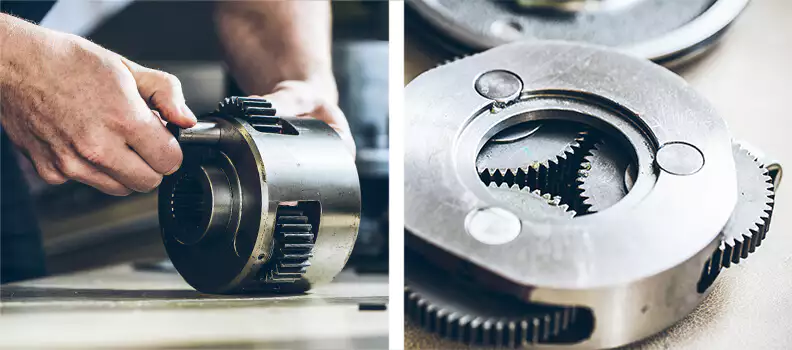
Sun Gear of Planetary Gearbox

Sun Gear of Planetary Gearbox

Introduction

The sun gear is a crucial component of a planetary gearbox. In this article, we will delve into the intricate details of the sun gear and its role within the planetary gearbox system. We will explore the construction, function, and key characteristics of the sun gear, shedding light on its significance in the overall performance of the gearbox.

1. Construction of the Sun Gear

The sun gear is typically a central gear in the planetary gearbox assembly. It is a cylindrical-shaped gear with strategically positioned teeth on its outer surface. The precise construction of the sun gear ensures optimal power transmission and torque distribution within the gearbox.

1.1 Sun Gear Material

The sun gear is commonly made of high-strength alloy steel to withstand the heavy loads and stresses encountered during operation. The material’s superior strength and durability guarantee the longevity and reliability of the sun gear in demanding applications.

1.2 Sun Gear Teeth Design

The teeth of the sun gear are precision-engineered to ensure efficient engagement and smooth meshing with the other gears in the planetary system. The tooth profile may vary depending on the specific gearbox design, with involute and helical gears being commonly used.

2. Function of the Sun Gear

The sun gear serves multiple crucial functions within the planetary gearbox. Understanding these functions is essential in comprehending the overall operation and performance of the gearbox system.

2.1 Torque Transmission

The primary function of the sun gear is to transmit torque from the input shaft to the output shaft. As power is applied to the sun gear, it transfers rotational motion to the other gears in the system, resulting in the desired speed and torque output.

2.2 Speed Regulation

The arrangement of the sun gear in relation to the other gears allows for effective speed regulation within the planetary system. By altering the input speed and direction, the sun gear controls the output speed, enabling precise adjustments to suit various operational requirements.

3. Key Characteristics of the Sun Gear

Several key characteristics define the performance and suitability of the sun gear in different planetary gearbox applications. These characteristics contribute to the overall efficiency and reliability of the gearbox system.

3.1 Load Capacity

The sun gear must possess a high load-bearing capacity to withstand the forces exerted during operation. This characteristic ensures that the sun gear can handle heavy loads without compromising its structural integrity.

3.2 Lubrication Requirements

Proper lubrication is crucial for the smooth and efficient operation of the sun gear. The design and positioning of lubrication channels or grooves facilitate the distribution of lubricating oil to minimize friction and wear, ensuring optimal performance and longevity.

Conclusion

The sun gear plays a pivotal role in the operation of a planetary gearbox. Its construction, function, and key characteristics are vital considerations in gearbox design and performance optimization. Understanding the sun gear’s significance allows engineers and technicians to make informed decisions when selecting, maintaining, and troubleshooting planetary gear systems.

Planetary Gearbox

Our Company and Gearbox Advantages

Our company specializes in the production and sales of various types of gear and gearboxes. With a strong focus on quality and innovation, we have established ourselves as a leading provider in the industry. Here are six key advantages that set our company apart:

  1. Extensive Product Range: We offer a wide range of gear and gearbox options to meet diverse customer needs. From standard gears to specialized designs, we have the perfect solution for every application.
  2. Superior Quality: Our gears and gearboxes are manufactured using high-grade materials and state-of-the-art technology, ensuring exceptional performance, durability, and reliability.
  3. Customization Capability: We understand that each customer may have unique requirements. With our in-house design and engineering team, we can provide tailor-made solutions that precisely meet individual specifications.
  4. Strict Quality Control: We have implemented a stringent quality control process at every stage of production to ensure that each gear and gearbox meets the highest standards. This commitment to quality is reflected in our ISO certification.
  5. Competitive Pricing: Despite offering top-notch quality, we strive to maintain competitive pricing. Our efficient manufacturing processes and economies of scale allow us to provide excellent value for money.
  6. Exceptional Customer Service: We prioritize customer satisfaction and aim to build long-term relationships. Our dedicated team of professionals is always available to provide technical support, answer queries, and assist with any post-sales requirements.

The Birth of a Gearbox: Steps, Processes, and Techniques

Designing and manufacturing a gearbox involves a series of meticulous steps and processes. Here is a breakdown of the key stages:

  1. Conceptualization: The process begins with a thorough analysis of the application requirements and desired performance characteristics. Based on these specifications, engineers conceptualize the initial design of the gearbox.
  2. Engineering Design: Once the concept is established, the design phase commences. This involves creating detailed 2D and 3D models, performing stress analysis, and optimizing the gear arrangement to ensure efficient power transmission.
  3. Material Selection: Choosing the right materials is crucial for gearbox performance and longevity. Factors such as strength, durability, and compatibility are carefully considered during the material selection process.
  4. Manufacturing: With the design finalized and materials selected, the manufacturing process begins. This typically involves precision machining, heat treatment, and other specialized techniques to create individual gears and gearbox components.
  5. Assembly and Testing: The manufactured components are then assembled and meticulously tested to verify their functionality, noise levels, and overall performance. Any necessary adjustments or fine-tuning are made at this stage.
  6. Quality Assurance: Before leaving our facility, each gearbox undergoes rigorous quality checks to ensure it meets our stringent standards. This includes comprehensive inspections, running tests, and performance evaluations.

Join hands with us to experience the finest gear and gearbox solutions in the industry. Our commitment to superior quality, customization, and exceptional customer service makes us the perfect partner for your needs.

Author: Miya
Radial Runout of Planetary Gearbox


Radial Runout of Planetary Gearbox

Radial Runout of Planetary Gearbox

Introduction

Radial runout is a critical parameter in the performance and reliability of a planetary gearbox. It refers to the deviation of the gear’s rotational axis from its ideal circular path. In this article, we will explore the various aspects of radial runout and its significance in the functioning of a planetary gearbox.

1. Understanding Radial Runout

Radial runout is a measurement of the gear’s eccentricity with respect to its true rotational axis. It can be caused by manufacturing imperfections, misalignment, or wear and tear. The magnitude of radial runout directly influences the gearbox’s performance, noise level, and overall lifespan.

2. Effects on Gearbox Performance

Radial runout can lead to several undesirable effects in a planetary gearbox:

  • Reduced gear meshing efficiency
  • Increased noise and vibration
  • Potential damage to gear teeth
  • Uneven distribution of load
  • Reduced overall efficiency

3. Causes of Radial Runout

Radial runout can be attributed to various factors:

  • Manufacturing errors
  • Misalignment during assembly
  • Wear and tear over time
  • Inadequate lubrication
  • Excessive axial or radial loads

4. Measurement Techniques

Accurate measurement of radial runout is crucial for assessing gearbox performance. Common measurement techniques include:

  • Using dial indicators
  • Optical measurement systems
  • Laser interferometers
  • Coordinate measuring machines (CMM)

5. Minimizing Radial Runout

Reducing radial runout is essential for improving gearbox performance. Some measures that can be taken include:

  • Enhancing manufacturing processes
  • Tightening assembly tolerances
  • Applying proper alignment techniques
  • Using high-quality materials
  • Regular maintenance and inspection

6. Importance in Gearbox Reliability

Radial runout directly affects the reliability and lifespan of a planetary gearbox. Excessive runout can lead to premature failure, increased maintenance costs, and downtime. Therefore, manufacturers and users must carefully monitor and control radial runout to ensure reliable gearbox operation.

7. Industry Standards

Various industry standards and guidelines exist to define acceptable levels of radial runout in planetary gearboxes. Adhering to these standards helps maintain consistent quality and performance across different applications and industries.

8. Case Study: Radial Runout Analysis

Let’s examine a real-world case study that demonstrates the impact of radial runout on gearbox performance and the steps taken to address the issue. This case study will provide valuable insights into the practical aspects of managing radial runout in planetary gearboxes.

9. Future Developments

Ongoing research and advancements in manufacturing technologies aim to further minimize radial runout in planetary gearboxes. These developments will contribute to improved performance, efficiency, and reliability in various industrial applications.

10. Conclusion

Radial runout plays a significant role in the performance and reliability of planetary gearboxes. Understanding its causes, effects, and measurement techniques is crucial for optimizing gearbox performance and ensuring long-term reliability. By implementing appropriate measures to minimize radial runout, manufacturers and users can enhance the efficiency and lifespan of their gearboxes.

Planetary Gear Carrier

Our company specializes in the production and sale of various types of gear and gearbox. With years of experience and expertise in the field, we have established ourselves as a leading provider in the industry. Here are six key advantages that set our company apart:

1. Superior Quality

At our company, we prioritize quality above all else. Every gear and gearbox we produce undergoes rigorous testing and inspection to ensure it meets the highest standards. We use top-of-the-line materials and employ advanced manufacturing techniques to guarantee durability and performance.

2. Extensive Product Range

We offer a wide range of gears and gearboxes to cater to diverse needs and applications. Whether our customers require spur gears, helical gears, bevel gears, or planetary gearboxes, we have them covered. Our extensive product range allows us to provide tailored solutions to meet specific requirements.

3. Customization Options

We understand that every customer is unique, and their needs may vary. That’s why we offer comprehensive customization options. Our team of skilled engineers and designers work closely with clients to create gears and gearboxes that precisely match their specifications, ensuring optimal performance and compatibility.

4. Competitive Pricing

Despite our commitment to delivering superior quality products, we believe in offering competitive pricing. We strive to provide our customers with cost-effective solutions without compromising on the quality and reliability of our gears and gearboxes. Our pricing structure reflects our dedication to customer satisfaction.

5. Timely Delivery

We understand that time is of the essence in the business world. Our streamlined production process and efficient supply chain management enable us to deliver orders promptly. We value our customers’ time and make every effort to ensure timely delivery, allowing them to meet their project deadlines with ease.

6. Exceptional Customer Service

Customer satisfaction is our top priority. We take pride in our commitment to providing exceptional customer service at every stage of the process. Our knowledgeable and friendly team is always ready to assist customers, address their queries, and provide guidance throughout the purchasing journey.

The Birth of a Gearbox

Designing and manufacturing a gearbox involves several crucial steps and processes. Here’s an overview of the journey a gearbox undergoes:

1. Requirement Analysis

Before beginning the design process, we thoroughly analyze the specific requirements provided by our clients. This includes factors such as torque, speed, power, and application. Understanding these requirements is crucial for creating a gearbox that will perform optimally in the intended application.

2. Conceptual Design

Based on the requirements analysis, our team develops the initial conceptual design of the gearbox. This includes determining the gear arrangement, shaft layouts, and overall dimensions. We utilize computer-aided design (CAD) software to create detailed 3D models and simulations to evaluate the design’s feasibility and performance.

3. Detailed Engineering

Once the conceptual design is approved, we proceed with the detailed engineering phase. This involves defining the gear specifications, selecting suitable materials, and determining the manufacturing process. Our engineers ensure that the gearbox design adheres to industry standards and incorporates safety features for reliable operation.

4. Prototyping and Testing

After completing the engineering phase, we move on to prototyping the gearbox. We manufacture a working prototype using the finalized design and conduct extensive testing to evaluate its performance, durability, and efficiency. This stage allows us to identify any potential issues and make necessary adjustments to ensure optimal performance.

5. Production and Quality Control

Once the prototype has been thoroughly tested and approved, we commence the production of the gearbox. Our state-of-the-art manufacturing facilities and skilled workforce ensure efficient production while adhering to strict quality control measures. Every gearbox undergoes meticulous inspection to guarantee compliance with our high-quality standards.

6. Packaging and Delivery

After passing the quality control tests, the gearboxes are carefully packaged to ensure safe transportation. We prioritize secure packaging to prevent any damage during transit. Our streamlined logistics processes enable us to deliver the gearboxes to our customers promptly and in pristine condition.

Partner with us today for all your gear and gearbox needs. Experience our superior quality products, exceptional customer service, and competitive pricing. Contact us now to discuss your requirements and explore how we can collaborate to achieve your goals.

Author: Miya

Planet Gear of Planetary Gearbox

Planet Gear of Planetary Gearbox

In a planetary gearbox, the planet gear plays a crucial role in the power transmission and speed reduction process. This article will delve into the various aspects of the planet gear, its functioning, and its significance in the overall operation of a planetary gearbox.

1. What is a Planet Gear?

The planet gear, also known as the sun gear, is a central component of a planetary gearbox. It is the primary gear that interacts with other gears within the gearbox. The planet gear is characterized by its compact size and multiple teeth, which mesh with the surrounding gears.

2. Structure and Composition

The planet gear is typically made of high-strength steel or other durable materials, ensuring its ability to withstand high torque and heavy loads. It consists of a disc-like shape with several gear teeth evenly distributed along its circumference. The number of teeth on the planet gear may vary depending on the specific gearbox design.

3. Meshing with Sun Gear and Ring Gear

The planet gear meshes with two other gears in the planetary gearbox: the sun gear and the ring gear. The sun gear is located at the center and is directly connected to the input shaft, while the ring gear surrounds the planet gear. As the sun gear rotates, it drives the rotation of the planet gear, which in turn interacts with the ring gear.

4. Role in Speed Reduction

The planet gear’s interaction with the sun gear and the ring gear allows for different speed reduction ratios. By varying the number of teeth on the planet gear and the arrangement of the gears, the rotational speed can be controlled to achieve the desired output speed. This flexibility makes the planet gear an essential component in speed reduction applications.

5. Load Distribution and Torque Transmission

One of the primary functions of the planet gear is to distribute the load evenly across the gear system. The multiple teeth on the planet gear allow for increased contact points, ensuring a balanced distribution of forces. Additionally, the planet gear efficiently transfers torque from the input shaft to the output shaft, enabling the gearbox to handle high power requirements.

6. Lubrication and Maintenance

Proper lubrication is crucial for the smooth operation and longevity of the planet gear. Lubricating oil or grease is applied to reduce friction and wear between the gear teeth, ensuring optimal performance. Regular maintenance, including inspection and lubrication, should be carried out to prevent premature failure or damage to the planet gear.

7. Noise and Vibration Control

The design and arrangement of the planet gear contribute to noise and vibration control within the gearbox. By precisely aligning the gears and incorporating damping features, unwanted noise and vibration can be minimized. This enhances the overall efficiency and reliability of the planetary gearbox.

8. Application in Automotive Industry

The planet gear finds extensive use in the automotive industry, particularly in automatic transmissions. Its compact size, high torque capacity, and ability to achieve various speed reduction ratios make it ideal for transmitting power in vehicles. The planet gear’s reliability and efficiency contribute to smooth gear shifting and improved driving experience.

9. Planetary Gearbox Advantages

Integration of the planet gear within a planetary gearbox offers several advantages. These include compact size, high torque capacity, excellent load distribution, and the ability to achieve multiple speed reduction ratios. The planetary gearbox with its planet gear configuration is widely employed in various industries, including robotics, aerospace, and industrial machinery.

10. Future Developments and Innovations

Ongoing research and development in the field of planetary gear systems are focused on enhancing their efficiency, reducing noise levels, and increasing their load-carrying capacity. Advanced materials, improved lubrication techniques, and optimized gear designs are some areas of innovation that aim to further enhance the performance of planet gears and planetary gearboxes.

Planet Gear Image

Our Company and its Advantages in Gear and Gearbox Production

Our company specializes in the production and sales of various types of gears and gearboxes. We take pride in our expertise in providing high-quality products and exceptional services to meet the diverse needs of our clients. Here are six key advantages that set our company apart:

1. Superior Quality

At our company, quality is of utmost importance. We adhere to rigorous standards and use advanced manufacturing techniques to ensure that our gears and gearboxes are built to last. Each product undergoes thorough inspections and testing processes to guarantee their reliability and durability.

2. Diverse Product Range

We offer a wide variety of gears and gearboxes to cater to different industries and applications. Whether our clients require planetary gears, helical gears, or worm gears, we have the expertise and inventory to fulfill their specific requirements.

3. Customization Options

We understand that every client has unique needs. That’s why we offer customization options for our gears and gearboxes. Our team of skilled engineers can tailor the design, specifications, and materials to meet the exact specifications and performance demands of each project.

4. Competitive Pricing

While we prioritize quality, we also aim to provide competitive pricing for our products. By optimizing our manufacturing processes and sourcing materials efficiently, we are able to offer cost-effective solutions without compromising on quality.

5. Timely Delivery

We value our clients’ time and understand the importance of meeting project deadlines. With our streamlined production and efficient supply chain management, we ensure prompt delivery of orders without any delays, enabling our clients to proceed with their projects seamlessly.

6. Dedicated Customer Support

Our team is committed to providing excellent customer support throughout the entire purchasing process. From assisting with product selection to offering technical guidance and after-sales service, we strive to exceed our clients’ expectations and build long-term relationships based on trust and satisfaction.

The Birth Process and Techniques of a Gearbox

Creating a gearbox involves a series of steps and techniques to ensure its functionality and reliability. The process can be summarized as follows:

1. Design and Engineering

The gearbox development begins with meticulous design and engineering. Our team of experts analyzes the specific requirements and desired performance characteristics to create a gearbox design that will effectively transmit power and function optimally within the intended application.

2. Material Selection

The choice of materials for the gearbox is critical to its performance and durability. Factors such as load capacity, operating conditions, and environmental factors are taken into consideration when selecting the appropriate materials, such as high-quality alloy steels or other specialized alloys.

3. Machining and Manufacturing

Once the design and material selection are finalized, the gearbox components are machined with precision using state-of-the-art equipment. This ensures the accurate dimensions and proper fit between the gears, shafts, bearings, and other components, resulting in smooth and efficient power transmission.

4. Assembly and Testing

The gearbox components are carefully assembled by skilled technicians, following strict assembly procedures. After assembly, each gearbox undergoes comprehensive testing to verify its performance, efficiency, and noise levels. This step ensures that the gearbox meets the required standards and specifications.

5. Quality Control and Inspection

Our quality control team conducts thorough inspections at various stages of the production process to ensure that the gearbox meets stringent quality standards. This includes dimensional checks, material analysis, and functional tests to guarantee the integrity and reliability of the final product.

6. Packaging and Delivery

The finished gearboxes are carefully packaged to prevent damage during transportation. We take great care to ensure that each gearbox is securely protected and labeled appropriately for easy identification. Prompt delivery is then arranged to ensure that our clients receive their gearboxes on time and in perfect condition.

Join Us Today!

If you are seeking a reliable partner for your gear and gearbox needs, look no further. Our company combines superior quality, diverse product range, customization options, competitive pricing, timely delivery, and dedicated customer support to provide a seamless experience. Contact us now to discuss your requirements and discover how we can add value to your projects.

Author: Miya

Noise Testing of Planetary Gearbox

Noise Testing of Planetary Gearbox

Introduction

The noise testing of planetary gearbox is a crucial step in the quality assurance process of gear system manufacturing. It involves assessing the level of noise produced by the gearbox during operation, which can provide valuable insights into its performance and potential issues. In this article, we will explore the various aspects of noise testing in planetary gearboxes and its significance in ensuring optimal gear system functionality.

1. Importance of Noise Testing

1.1 Noise as an indicator: Noise generated by a planetary gearbox can indicate potential problems such as misalignment, tooth wear, or lubrication issues.

1.2 Customer satisfaction: Minimizing noise levels in gear systems enhances overall customer satisfaction, as quieter operation is often preferred.

1.3 Compliance with regulations: Noise testing helps ensure that planetary gearboxes adhere to industry standards and regulatory requirements regarding noise emissions.

2. Noise Testing Methods

2.1 Sound pressure level (SPL) measurement: SPL measurement involves quantifying the intensity of sound produced by the gearbox in decibels (dB).

2.2 Frequency analysis: Analyzing the frequency components of the noise helps identify the specific sources and characteristics of the sound produced by the gearbox.

2.3 Vibration analysis: Vibration analysis can provide insights into the mechanical condition of the gearbox, as excessive vibration often correlates with increased noise levels.

3. Factors Affecting Gearbox Noise

3.1 Gear design: The design of gears, including tooth profile, helix angle, and material selection, can influence the noise level produced during operation.

3.2 Lubrication: Inadequate or improper lubrication can lead to increased friction and noise generation within the gearbox.

3.3 Bearing condition: The condition of bearings directly affects the smoothness of gear rotation and can contribute to noise if damaged or worn.

3.4 Operating conditions: Factors such as load, speed, and temperature can influence the noise level produced by the planetary gearbox.

4. Noise Reduction Techniques

4.1 Improved gear design: Optimizing the gear tooth geometry and surface finish can minimize noise generation during operation.

4.2 Enhanced lubrication: Using high-quality lubricants and ensuring proper lubrication techniques can reduce friction and subsequent noise.

4.3 Vibration dampening: Implementing vibration dampening measures such as isolating mounts and resilient couplings can help reduce gearbox noise.

4.4 Noise insulation: Incorporating noise insulation materials around the gearbox can attenuate noise propagation.

Planetary Gearbox

5. Conclusion

Noise testing of planetary gearboxes is an integral part of ensuring their optimal performance and customer satisfaction. By identifying and addressing noise-related issues during the testing phase, manufacturers can deliver high-quality gear systems that operate smoothly and quietly. Implementing noise reduction techniques further enhances the overall functionality of the gear system, making it more reliable and efficient.

Our company specializes in the production and sale of various types of gear and gearbox. With our expertise in the field of noise testing of planetary gearbox, we aim to provide top-quality products and services to our customers.

Advantages of Our Company

  • High-Quality Manufacturing: We utilize advanced technology and state-of-the-art machinery to ensure the production of high-quality gears and gearboxes.
  • Extensive Product Range: Our company offers a wide range of gear and gearbox options, catering to diverse industry needs.
  • Customization Options: We understand that every customer has unique requirements, and we offer customized solutions to meet their specific needs.
  • Reliable Performance: Our gears and gearboxes undergo rigorous testing procedures to ensure reliable and efficient performance in various applications.
  • Expert Engineering Team: Our team of experienced engineers possesses in-depth knowledge and expertise in designing and manufacturing gears and gearboxes.
  • Excellent Customer Support: We are dedicated to providing exceptional customer support, ensuring prompt assistance and resolving any queries or concerns.

The Birth Process and Techniques of a Gearbox

Developing a gearbox involves several steps and processes that require precision and expertise:

1. Design and Engineering:

Our skilled engineers analyze the requirements and specifications provided by the customer to design a gearbox that meets their needs. They consider factors such as torque, speed, and load capacity during the design phase.

2. Material Selection:

Choosing the right materials is crucial for the durability and performance of the gearbox. Our experts carefully select materials based on factors like strength, wear resistance, and cost-effectiveness.

3. Manufacturing:

Using advanced manufacturing techniques, we fabricate the gearbox components with precision. Our state-of-the-art machinery ensures consistent quality and accuracy.

4. Assembly and Testing:

After manufacturing the individual components, our skilled technicians meticulously assemble them into a complete gearbox. Each unit then undergoes rigorous testing to ensure it meets the highest standards of performance and reliability.

5. Quality Control:

We have a dedicated quality control team that conducts thorough inspections and tests at every stage of the production process. This ensures that only the finest gearboxes leave our facility.

6. Packaging and Delivery:

Once the gearboxes pass all quality checks, they are carefully packaged to prevent any damage during transportation. We prioritize timely delivery to ensure customer satisfaction.

Partnering with us means gaining access to cutting-edge technology, reliable products, and exceptional customer service. Join us on this journey to success and experience the difference our gearboxes can make for your business.

Author: Miya

Planet Carrier of Planetary Gearbox

Planet Carrier of Planetary Gearbox

The Planet Carrier of Planetary Gearbox is a crucial component in the transmission system. It plays a significant role in the overall performance and efficiency of the gearbox. In this article, we will delve into the various aspects of the Planet Carrier and its importance in the functioning of a planetary gearbox.

1. Introduction

The Planet Carrier, also known as the sun gear carrier or simply the carrier, is a central component in a planetary gearbox. It serves as the support structure for the planet gears and is responsible for transmitting torque from the input shaft to the output shaft.

2. Construction

The Planet Carrier is typically made of high-strength steel or alloy, ensuring its durability and ability to withstand heavy loads and high speeds. It is designed with precision to maintain the proper alignment and engagement of the planet gears within the gearbox.

3. Function

The primary function of the Planet Carrier is to hold the planet gears in place and facilitate their rotation around the sun gear. It acts as a mechanical support that allows the power flow from the input shaft to the output shaft through the planet gears.

4. Load Distribution

One of the key roles of the Planet Carrier is to distribute the load evenly among the planet gears. This ensures that each gear receives an equal share of the torque, preventing premature wear and ensuring smooth operation of the gearbox.

5. Torque Transmission

The Planet Carrier transfers the torque from the input shaft to the planet gears. As the carrier rotates, it causes the planet gears to orbit around the sun gear, resulting in the desired gear ratio and torque output.

6. Mounting Arrangement

The Planet Carrier is securely mounted within the gearbox housing. It is usually supported by bearings or bushings to minimize friction and ensure smooth rotation. The precise alignment of the carrier is crucial for the proper functioning of the gearbox.

7. Lubrication

Proper lubrication is essential for the Planet Carrier to reduce friction and wear. It is typically lubricated with high-quality oil or grease, ensuring smooth operation and preventing overheating.

8. Noise and Vibration Reduction

The design of the Planet Carrier incorporates features that help reduce noise and vibration during gear operation. This enhances the overall comfort and efficiency of the gearbox, making it suitable for a wide range of applications.

9. Maintenance and Inspection

Regular maintenance and inspection of the Planet Carrier are essential to ensure its optimal performance. This includes checking for any signs of wear, proper lubrication, and alignment. Timely maintenance can significantly extend the lifespan of the gearbox.

10. Applications

The Planet Carrier is widely used in various industries, including automotive, aerospace, and industrial machinery. Its versatility and reliability make it a preferred choice for applications that require high torque transmission and compact design.

Planet Carrier Image

Our Company and its Advantages

Our company specializes in the production and sale of various types of gears and gearboxes. With our expertise in the field, we take pride in offering several advantages that set us apart from our competitors:

1. Quality Assurance

At our company, we prioritize quality in every aspect of our production process. We employ strict quality control measures to ensure that every gear and gearbox we manufacture meets the highest industry standards. Our commitment to quality guarantees that our products are reliable, durable, and efficient.

2. Extensive Product Range

We offer a wide range of gears and gearboxes to cater to diverse industrial requirements. Whether you need planetary gears, helical gears, or bevel gears, our comprehensive product range has got you covered. Our ability to provide various gear types makes us a one-stop solution for all your gear needs.

3. Customization Options

Understanding that different applications demand unique specifications, we offer customization options for our gears and gearboxes. Our team of experts works closely with clients to understand their specific requirements and provide tailored solutions. This flexibility allows us to deliver products that perfectly align with our customers’ needs.

4. Cutting-edge Technology

Equipped with advanced machinery and technology, we stay at the forefront of the industry. Our commitment to innovation enables us to design and manufacture gears and gearboxes that meet the evolving demands of modern machinery. By leveraging the latest technology, we ensure that our products are at the forefront of performance and efficiency.

5. Experienced Team

Our company boasts a team of experienced professionals dedicated to delivering excellence. From engineers to technicians, each member of our team contributes their expertise to ensure the highest quality standards are met. With their knowledge and skills, we can provide reliable and efficient gears and gearboxes to our customers.

6. Competitive Pricing

We understand the importance of cost-effectiveness in today’s market. Therefore, we offer competitive pricing without compromising on the quality of our products. Our aim is to provide exceptional value to our customers, ensuring that they receive top-quality gears and gearboxes at affordable prices.

The Birth of a Gearbox: Steps and Processes

The creation of a gearbox involves a series of steps and processes, each playing a crucial role in its development:

1. Design and Engineering

The first step in gearbox production is the design and engineering phase. This involves conceptualizing the gearbox, creating detailed blueprints, and determining the specifications and dimensions required for its functionality. This stage requires careful consideration of factors such as torque, speed, and load capacity.

2. Material Selection

Once the design is finalized, the next step is material selection. The choice of materials depends on the specific application and the desired properties of the gearbox. Factors such as strength, durability, and resistance to wear and corrosion are taken into account to ensure the gearbox’s longevity and performance.

3. Manufacturing Processes

The manufacturing of a gearbox involves various processes, including machining, shaping, and heat treatment. Machining processes such as milling, turning, and grinding are used to shape the gearbox components with precision. Heat treatment techniques such as carburizing or quenching are employed to enhance the hardness and strength of the gears.

4. Assembly and Testing

After the individual components are manufactured, they are carefully assembled to form the complete gearbox. During the assembly process, the gears, bearings, and other components are properly aligned and secured. Once assembled, the gearbox undergoes rigorous testing to ensure its functionality, durability, and performance meet the required standards.

5. Quality Control

Quality control is an integral part of the gearbox production process. At various stages, thorough inspections and tests are conducted to ensure that the gearbox meets all the necessary specifications and performance requirements. This rigorous quality control process ensures that only the highest quality gearboxes are delivered to our customers.

Partner with Us for Success

When it comes to gears and gearboxes, we are your trusted partner for success. With our commitment to quality, extensive product range, customization options, advanced technology, experienced team, and competitive pricing, we guarantee the best solutions for your gearbox needs. Join hands with us and experience the seamless performance and reliability our products offer.

Author: Miya

Preload of Planetary Gearbox

Preload of Planetary Gearbox

Introduction

In the field of mechanical engineering, planetary gearboxes play a crucial role in transmitting power and torque. One of the fundamental aspects that govern the performance and reliability of a planetary gearbox is the preload applied to its components. In this article, we will delve into the concept of preload and its significance in planetary gearboxes.

What is Preload?

Preload refers to the controlled application of a force or displacement to certain components of a planetary gearbox. This force or displacement is intentionally applied to optimize the performance and reduce backlash of the gearbox under different operating conditions.

Types of Preload

There are three main types of preload commonly used in planetary gearboxes:

1. Radial Preload

Radial preload involves applying a force perpendicular to the axis of rotation, compressing the components in the radial direction. This type of preload helps to minimize radial play and increase the stiffness of the gearbox, resulting in improved accuracy and reduced vibration.

2. Axial Preload

Axial preload, as the name suggests, involves applying a force along the axis of rotation, compressing the components in the axial direction. This type of preload is effective in reducing axial backlash and ensuring proper meshing of gear teeth, thereby enhancing the overall efficiency and reliability of the gearbox.

3. Torsional Preload

Torsional preload is applied as a twisting force to the components of the planetary gearbox. This type of preload is particularly useful in reducing torsional backlash and improving the load distribution among the gear teeth.

Factors Influencing Preload

The magnitude of preload in a planetary gearbox is influenced by several key factors:

1. Operating Conditions

The desired level of preload may vary depending on the specific operating conditions, such as the load, speed, and temperature. Higher loads or speeds may require higher preload to maintain optimal performance.

2. Gearbox Design

The design of the planetary gearbox, including the number of stages, gear ratios, and gear tooth profiles, can affect the selection and application of preload. Each design may require a different approach to achieve the desired performance.

3. Component Materials

The materials used in the construction of the gearbox components, such as the gears, bearings, and housing, can influence the amount of preload applied. The material properties, such as elasticity and thermal expansion, must be considered to ensure the desired preload is maintained throughout the operating range.

Benefits of Preload

The application of preload in a planetary gearbox offers several benefits:

1. Improved Efficiency

By reducing backlash and increasing gear meshing accuracy, preload helps to improve the overall efficiency of the gearbox, minimizing energy losses and maximizing power transmission.

2. Enhanced Durability

The controlled preload helps to distribute loads more evenly among the gear teeth, reducing the risk of premature wear and increasing the lifespan of the gearbox.

3. Better Positioning Accuracy

Preload minimizes play and backlash, resulting in improved positioning accuracy, especially in precision applications where precise motion control is critical.

4. Reduced Noise and Vibration

The stiffness gained through preload application helps to dampen vibrations and reduce noise levels, resulting in smoother and quieter operation of the planetary gearbox.

Planetary Gearbox

Conclusion

Preload is a critical factor in optimizing the performance and reliability of planetary gearboxes. By applying the appropriate preload, whether it is radial, axial, or torsional, the gearbox can achieve improved efficiency, durability, positioning accuracy, and reduced noise levels. It is essential to consider the operating conditions, gearbox design, and component materials to determine the optimal preload for a specific application.

Introduction

Our company specializes in the production and sale of various types of gears and gearboxes. With our expertise in the field, we offer a range of advantages that set us apart from our competitors:

1. High-Quality Materials

At our company, we prioritize the use of high-quality materials in the manufacturing of gears and gearboxes. This ensures durability, longevity, and optimal performance for our products.

2. Precision Engineering

We employ advanced precision engineering techniques to produce gears and gearboxes with exceptional accuracy and reliability. Our attention to detail guarantees smooth operation and minimal wear and tear.

3. Customized Solutions

We understand that different applications require specific gear and gearbox configurations. Our team of experts is dedicated to providing customized solutions tailored to meet the unique needs of our clients.

4. Efficient Performance

Our gears and gearboxes are designed to deliver efficient performance, ensuring minimal energy loss and maximizing overall system efficiency. This helps our clients achieve their operational goals while minimizing costs.

5. Extensive Product Range

We offer a wide range of gear and gearbox options, catering to various industries and applications. From small-scale projects to large-scale industrial operations, we have the perfect solution to meet your specific requirements.

6. Timely Delivery

Understanding the importance of timely delivery, we prioritize efficient production processes and streamlined logistics. Our commitment to delivering products on time ensures that our clients can rely on us for their gear and gearbox needs.

Development of a Gearbox: Process and Techniques

1. Design and Conceptualization

The development of a gearbox begins with thorough research and analysis to determine the specific requirements and constraints of the intended application. This includes considerations such as torque, speed, size limitations, and environmental factors.

2. Gear Design

Based on the identified requirements, our engineers proceed to design the gears that will be incorporated into the gearbox. This involves calculations and simulations to ensure optimal gear tooth profiles, dimensions, and material selection.

3. Gearbox Housing Design

Simultaneously, our team works on designing the gearbox housing, taking into account factors such as structural integrity, weight optimization, and ease of assembly. CAD software is utilized to create detailed 3D models and perform finite element analysis for validation.

4. Prototyping and Testing

Once the gear and gearbox housing designs are finalized, prototypes are manufactured and subjected to rigorous testing. This includes assessments of load capacity, noise levels, efficiency, and durability. Any necessary refinements are made based on the test results.

5. Manufacturing and Assembly

After successful testing, the approved designs move into production. High-precision manufacturing techniques are employed to ensure the accurate production of gears and gearbox components. The assembly process involves meticulous attention to detail to guarantee proper fit and functionality.

6. Quality Control

Throughout the manufacturing and assembly stages, comprehensive quality control measures are implemented to ensure that all products meet our strict standards. This includes inspections, functional tests, and dimensional checks to confirm adherence to specifications.

Partner with Us Today

With our commitment to excellence in gear and gearbox production, as well as our dedication to customer satisfaction, we invite you to partner with us. Together, we can achieve optimal performance, reliability, and efficiency for your machinery and systems.

Contact us now to discuss your specific requirements and explore how our high-quality gears and gearboxes can benefit your operations.

Author: Miya

Annulus/Ring Gear of Planetary Gearbox

Annulus/Ring Gear of Planetary Gearbox

Introduction

The annulus/ring gear is a vital component in a planetary gearbox, a type of gear system commonly used in various industries. This article aims to provide an in-depth understanding of the annulus/ring gear and its role within the planetary gearbox.

1. What is the Annulus/Ring Gear?

The annulus/ring gear is a large, externally toothed gear in a planetary gearbox. It is typically stationary and surrounds the other gears in the system. The teeth of the annulus gear mesh with the planet gears, creating the desired gear reduction or speed increase.

1.1 Tooth Profile

The tooth profile of the annulus gear is carefully designed to ensure smooth and efficient power transmission. It is commonly based on involute or cycloidal curves, which optimize contact and minimize wear.

1.2 Material Selection

Due to the high torque and load requirements, the annulus gear is typically made from robust materials such as hardened steel or alloy. This ensures durability and resistance to wear, enabling the gearbox to operate reliably under varying conditions.

2. Functions of the Annulus/Ring Gear

The annulus gear performs several critical functions within the planetary gearbox system. These include:

2.1 Gear Reduction

The primary function of the annulus gear is to provide gear reduction by meshing with the planet gears. The number of teeth on the annulus gear relative to the planet gears determines the gear ratio, enabling the gearbox to achieve the desired speed reduction.

2.2 Torque Distribution

The annulus gear distributes the torque generated by the input shaft to the planet gears. As the planet gears rotate around the sun gear, the annulus gear transfers the torque to the output shaft, resulting in the desired mechanical output.

2.3 Load Balancing

By evenly distributing the load among the planet gears, the annulus gear helps prevent excessive wear and premature failure. This improves the overall efficiency and lifespan of the planetary gearbox.

3. Operational Considerations

To ensure optimal performance and longevity of the annulus gear, certain operational considerations must be taken into account. These include:

3.1 Lubrication

Proper lubrication is crucial to reduce friction and dissipate heat generated during operation. Regular maintenance and the use of high-quality lubricants are essential to extend the lifespan of the annulus gear.

3.2 Alignment and Tolerance

Accurate alignment and tolerance settings between the annulus gear and other gearbox components are vital. Misalignment can lead to uneven load distribution, increased wear, and potentially catastrophic failures.

3.3 Noise and Vibration

Efficient design and precision manufacturing of the annulus gear contribute to minimizing noise and vibration levels during operation. This enhances the overall user experience while ensuring smooth and reliable gear operation.

4. Conclusion

The annulus/ring gear plays a crucial role in the functioning of a planetary gearbox. Its design, material selection, and functions contribute to the overall performance and reliability of the gear system. By understanding the intricacies of the annulus gear, engineers and technicians can optimize gearbox design and ensure its efficient operation in diverse applications.

Annulus Gear Image


Annulus/Ring Gear of Planetary Gearbox

Our Company and Gear Products

Our company specializes in the production and sales of various types of gears and gearboxes. We offer a wide range of gear products to meet the diverse needs of our customers. Our exceptional quality and reliable performance have made us a trusted name in the industry. Here are six key advantages of choosing our company:

1. Superior Quality

We are committed to delivering gears and gearboxes of the highest quality. Our products undergo rigorous testing and quality control measures to ensure durability and precision.

2. Wide Range of Options

We offer a diverse range of gear products to cater to different applications and requirements. Whether it’s the Annulus/Ring Gear of a Planetary Gearbox or any other type of gear, we have a solution for you.

3. Customization

We understand that each customer may have unique specifications. Our team of experts is capable of customizing gears and gearboxes to meet your specific needs, ensuring optimal performance and efficiency.

4. Competitive Pricing

We believe in providing value for money to our customers. Our competitive pricing strategy allows you to get top-quality gears at affordable prices, making us a cost-effective choice.

5. On-Time Delivery

We prioritize timely delivery to ensure that your operations are not disrupted. With our efficient logistics and production processes, we strive to meet your deadlines without compromising on quality.

6. Excellent Customer Support

Our dedicated customer support team is always ready to assist you with any queries or concerns. We value your satisfaction and aim to provide the best possible service throughout your interaction with us.

The Birth of a Gearbox: Process and Techniques

Creating a gearbox involves several important steps and processes. Here’s a breakdown of the journey:

1. Design and Engineering

At the initial stage, our team of skilled engineers designs the gearbox based on your specific requirements. They consider factors such as torque, speed, and load to ensure optimal performance.

2. Material Selection

We carefully select the materials for each component of the gearbox to ensure durability and resistance to wear and tear. High-quality materials are crucial for the longevity and efficiency of the gear system.

3. Manufacturing and Machining

Using advanced manufacturing techniques, we transform the selected materials into precision-engineered gear components. Our state-of-the-art machinery ensures accurate dimensions and smooth operation.

4. Assembly and Testing

Skilled technicians assemble the various gear components, ensuring proper alignment and functionality. The assembled gearbox then undergoes rigorous testing to ensure it meets the required performance standards.

5. Quality Control

Before the gearbox is ready for delivery, it undergoes thorough quality control checks. We inspect every aspect, from dimensional accuracy to noise and vibration levels, to guarantee a flawless product.

6. Packaging and Delivery

Once the gearbox passes all quality checks, it is carefully packaged to prevent any damage during transportation. We take utmost care in ensuring the safe delivery of the product to your doorstep.

Partner with us and experience the benefits of our exceptional gear products and gearboxes. We are committed to delivering reliable and high-performance solutions tailored to your needs. Contact us today to discuss your requirements and let us be your trusted gear partner.

Author: Miya


Alignment of Planetary Gearbox

Alignment of Planetary Gearbox

In the field of mechanical engineering, the alignment of a planetary gearbox is of utmost importance in ensuring optimum performance and longevity of the system. This article aims to provide a comprehensive understanding of the alignment process, highlighting its significance and the key steps involved. By aligning the components of a planetary gearbox properly, engineers can minimize power loss, reduce wear and tear, and enhance overall efficiency.

1. Introduction

Alignment refers to the process of positioning the various components of a planetary gearbox in such a way that they are parallel, coaxial, and concentric. Proper alignment eliminates angular and parallel misalignment, which can lead to a range of issues such as heat generation, vibration, and premature failure of bearings.

1.1 Importance of Alignment

Alignment plays a crucial role in ensuring the smooth operation of a planetary gearbox. It directly affects the load distribution, efficiency, and noise levels of the system. Improper alignment can result in excessive friction, increased power consumption, and decreased service life of the gearbox.

1.2 Alignment Methods

There are several methods for aligning a planetary gearbox, including reverse indicator method, laser alignment, and dial indicator method. Each method has its own advantages and limitations, and the choice depends on factors such as precision requirements, accessibility, and available resources.

2. Alignment Procedure

The alignment of a planetary gearbox involves several steps, each aimed at achieving the desired alignment accuracy. The following points outline the general alignment procedure:

2.1 Pre-Alignment Checks

Before starting the alignment process, it is essential to conduct pre-alignment checks. These checks involve inspecting the gearbox components for any signs of damage, verifying the shaft runout, and ensuring proper lubrication.

2.2 Initial Rough Alignment

The initial rough alignment involves roughly positioning the gearbox components by visual inspection or using shims. This step helps in getting the components into approximate alignment and preparing them for the final alignment.

2.3 Dial Indicator Measurement

Dial indicator measurement is a precise method to determine the misalignment between the gearbox components. It involves mounting dial indicators on the shafts and measuring the relative displacement at various points.

2.4 Shimming and Adjustment

Based on the dial indicator readings, shims are added or removed to adjust the position of the components. This step aims to achieve parallel and angular alignment within specified tolerances.

2.5 Final Alignment Verification

Once the shimming and adjustment process is complete, a final alignment verification is performed. This involves re-measuring the alignment using dial indicators to ensure the desired alignment accuracy is achieved.

3. Conclusion

Alignment of a planetary gearbox is a critical aspect of gearbox maintenance and operation. By following the proper alignment procedure, engineers can significantly improve the performance and reliability of the system. Regular alignment checks and adjustments should be carried out to ensure long-lasting and efficient operation of the gearbox.

Planetary Gearbox Image

Our company specializes in the production and sales of various types of gear and gearbox. With years of experience in the industry, we have established ourselves as a leading provider in the market. Here are six key advantages of choosing our company:

1. Quality

Quality is our top priority. We ensure that every gear and gearbox produced meets the highest standards of durability and performance. Our products undergo rigorous testing and inspection to guarantee their reliability.

2. Innovation

We stay at the forefront of technological advancements in the gear and gearbox industry. Our team of experts continuously explores new materials, designs, and manufacturing techniques to deliver innovative solutions that meet the evolving needs of our customers.

3. Customization

We understand that each customer may have unique requirements. That’s why we offer a wide range of customization options for our gears and gearboxes. From size and material to specific performance characteristics, we tailor our products to suit your individual needs.

4. Competitive Pricing

We strive to provide our customers with the best value for their money. Despite offering high-quality products, our pricing remains competitive in the market. We believe in building long-term relationships with our clients, and fair pricing is an essential part of that commitment.

5. Timely Delivery

We understand the importance of meeting deadlines. We have streamlined our production and logistics processes to ensure timely delivery of our products. You can rely on us to deliver your orders on time, every time.

6. Excellent Customer Service

We pride ourselves on providing exceptional customer service. Our dedicated team is always ready to assist you and address any concerns or inquiries you may have. We believe in building strong relationships with our customers based on trust, reliability, and open communication.

The Birth of a Gearbox

  1. Design and Engineering: The process begins with detailed design and engineering, where our experts create comprehensive plans and specifications for the gearbox.
  2. Material Selection: The appropriate materials are carefully chosen based on the specific requirements of the gearbox, ensuring optimal performance and durability.
  3. Manufacturing: Our skilled technicians use advanced machinery and precise techniques to manufacture the individual components of the gearbox.
  4. Assembly: The components are then assembled by our experienced team, ensuring proper alignment and fit.
  5. Testing and Quality Control: Each gearbox undergoes thorough testing to ensure its functionality, efficiency, and durability.
  6. Packaging and Delivery: Finally, the gearbox is carefully packaged and prepared for delivery to our customers.

Join us today and experience the benefits of partnering with a leading gear and gearbox provider. Contact us now to discuss your specific requirements and explore how we can meet your needs.

Author: Miya

Gear Ratio of Planetary Gearbox


Gear Ratio of Planetary Gearbox

Gear Ratio of Planetary Gearbox

Introduction

The gear ratio of a planetary gearbox refers to the ratio between the input speed and the output speed of the gearbox. It determines how the rotational motion is transmitted and transformed within the system. Understanding the gear ratio is crucial for optimizing the performance of the gearbox and achieving desired output characteristics.

Importance of Gear Ratio

The gear ratio plays a vital role in determining the torque and speed characteristics of a planetary gearbox. By adjusting the gear ratio, engineers can achieve specific output requirements, such as high torque or high speed. It allows for efficient power transmission and aids in matching the gearbox to the desired application.

Calculating Gear Ratio

Calculating the gear ratio of a planetary gearbox involves considering the number of teeth on each gear within the system. The gear ratio is determined by dividing the number of teeth on the output gear by the number of teeth on the input gear. This ratio determines the speed and torque conversion between the input and output shafts.

Types of Gear Ratios

  • Standard Gear Ratio

    The standard gear ratio refers to the gear ratio that is commonly used in most planetary gearboxes. It provides a balanced combination of torque and speed.

  • High Gear Ratio

    The high gear ratio is used when the desired output is high torque and low speed. It allows for increased torque multiplication and reduced output speed.

  • Low Gear Ratio

    The low gear ratio is employed for applications requiring high-speed output and lower torque. It allows for increased output speed while sacrificing torque multiplication.

Factors Influencing Gear Ratio Selection

When selecting the gear ratio for a planetary gearbox, several factors should be considered:

  1. Application Requirements

    The specific requirements of the application, such as torque, speed, and power, play a significant role in determining the appropriate gear ratio.

  2. Efficiency

    The efficiency of the gearbox at different gear ratios should be evaluated to ensure optimal power transmission.

  3. Size and Weight Constraints

    In some cases, size and weight constraints may limit the available gear ratio options. Compact and lightweight designs may require specific gear ratios.

Planetary Gearbox

Conclusion

The gear ratio of a planetary gearbox is a critical parameter that determines the torque and speed characteristics of the system. By understanding and selecting the appropriate gear ratio, engineers can optimize the performance of the gearbox for various applications. Careful consideration of factors such as application requirements, efficiency, and size constraints is essential in making the right gear ratio selection.


About Our Company

Our company specializes in the production and sales of various types of gears and gearboxes. We offer a wide range of high-quality gear products that cater to diverse industries and applications.

Advantages of Our Company:

1. Extensive Product Range

We provide a comprehensive selection of gears and gearboxes, ensuring that our customers can find the perfect solution for their specific needs.

2. Superior Quality

Our gears are manufactured using advanced techniques and high-grade materials, resulting in products that offer exceptional durability and performance.

3. Customization Options

We understand that each customer has unique requirements. Therefore, we offer customization services to tailor gears and gearboxes to meet specific design and performance specifications.

4. Competitive Pricing

Despite offering top-quality products, we strive to maintain competitive pricing, allowing our customers to access superior gear solutions at affordable prices.

5. Timely Delivery

We prioritize punctual delivery to ensure that our customers receive their orders within the agreed timeframe, minimizing downtime and maximizing productivity.

6. Excellent Customer Support

Our dedicated customer support team is available to provide prompt assistance, answer queries, and offer technical guidance throughout the purchasing process and beyond.

The Gearbox Creation Process

The birth of a gearbox involves several essential steps and processes, including:

1. Design and Engineering

Our team of experienced engineers meticulously designs the gearbox, considering factors such as gear ratio, torque requirements, load capacity, and space constraints.

2. Material Selection

We carefully select high-quality materials that possess the necessary strength, durability, and heat resistance properties to withstand the demands of the gearbox’s operation.

3. Machining and Manufacturing

Precision machining techniques are employed to fabricate the gearbox components, ensuring tight tolerances and accurate fits between gears, shafts, and bearings.

4. Assembly and Testing

The gearbox components are assembled following strict procedures to guarantee proper alignment and functionality. Rigorous testing procedures are conducted to ensure optimal performance and reliability.

5. Quality Control

We implement stringent quality control measures at every stage of the manufacturing process to ensure that each gearbox meets our stringent quality standards.

Partner with Us

By choosing our company as your gear and gearbox supplier, you can benefit from our extensive product range, superior quality, customization options, competitive pricing, timely delivery, and excellent customer support. We are committed to providing the best gear solutions for your specific requirements.

Contact us today to discuss how we can collaborate and meet your gear and gearbox needs!

Author: Miya


Reduction Ratio of Planetary Gearbox

Reduction Ratio of Planetary Gearbox

In the field of mechanical engineering, the reduction ratio of a planetary gearbox plays a significant role in various applications. This article aims to provide an in-depth understanding of the reduction ratio and its importance in planetary gearboxes.

1. Introduction to Planetary Gearbox

A planetary gearbox, also known as an epicyclic gearbox, is a gear system that consists of one or more outer gears, an inner gear (sun gear), and multiple planet gears. These gears revolve around a central axis, creating a compact and efficient gear mechanism.

2. Definition of Reduction Ratio

The reduction ratio of a planetary gearbox refers to the ratio between the input speed and the output speed of the gearbox. It determines the speed reduction or increase achieved by the gear system and is crucial for various applications requiring torque multiplication or speed reduction.

3. Importance of Reduction Ratio

The reduction ratio is a fundamental parameter in the design and selection of planetary gearboxes. It directly affects the output torque, rotational speed, and efficiency of the gearbox. A suitable reduction ratio ensures optimal performance and operational requirements for specific applications.

4. Factors Affecting Reduction Ratio

Several factors influence the selection of the reduction ratio in a planetary gearbox:

  • Gear ratio of the sun gear and the planet gears
  • Number of planet gears
  • Position and arrangement of the planet gears
  • Size and number of teeth on the gears

5. Types of Reduction Ratios

There are two types of reduction ratios in a planetary gearbox:

  • Step-Up Ratio: This ratio increases the output speed while decreasing the torque.
  • Step-Down Ratio: This ratio decreases the output speed while increasing the torque.

6. Selection Process of Reduction Ratio

The selection of the appropriate reduction ratio for a planetary gearbox involves careful consideration of the application’s requirements, such as:

  • Desired output torque
  • Required output speed
  • Input power source
  • Space limitations

7. Determining the Reduction Ratio

The reduction ratio can be calculated using the formula:

R = (Ns + Nr) / Ns

Where R is the reduction ratio, Ns is the number of teeth on the sun gear, and Nr is the number of teeth on the ring gear.

8. Effects of Reduction Ratio on Efficiency

The reduction ratio has a direct impact on the efficiency of a planetary gearbox. Higher reduction ratios often result in lower efficiency due to increased internal friction and gear meshing losses. Therefore, selecting an appropriate reduction ratio is crucial for achieving desired efficiency.

9. Applications of Planetary Gearboxes with Varying Reduction Ratios

Planetary gearboxes with different reduction ratios find applications in various industries:

  • Robotics and automation
  • Automotive industry
  • Wind turbines
  • Conveyor systems
  • Printing presses

10. Conclusion

The reduction ratio of a planetary gearbox is a critical parameter that determines the speed reduction or increase achieved by the gear system. It directly affects the torque, speed, and efficiency of the gearbox, making it vital for various applications. Understanding the factors influencing the reduction ratio and its effects enables engineers to select the appropriate reduction ratio for optimal performance and operational requirements.

Planetary Gearbox Factory

Our company specializes in the production and sale of various types of gears and gearboxes. With our expertise in the field, we offer several advantages that set us apart from the competition:

1. High-Quality Materials

We use only the finest materials in the manufacturing of our gears and gearboxes. This ensures durability and longevity, providing our customers with reliable and efficient products.

2. Precision Engineering

Our team of skilled engineers utilizes advanced techniques and cutting-edge technology to design and create gears and gearboxes with exceptional precision. This guarantees optimal performance and smooth operation.

3. Wide Range of Options

We offer a diverse range of gear types and gearboxes to cater to various industries and applications. From spur gears to bevel gears, and from parallel-axis gearboxes to planetary gearboxes, we have a solution for every need.

4. Customization Flexibility

We understand that different projects may require specific gear specifications. With our expertise in customization, we can tailor our gears and gearboxes to meet the unique requirements of our customers.

5. Competitive Pricing

We strive to offer competitive pricing without compromising on the quality of our products. Our cost-effective solutions provide excellent value for money, making us a preferred choice in the market.

6. Reliable Customer Support

We pride ourselves on providing exceptional customer support. Our dedicated team is always ready to assist customers with any queries or concerns, ensuring a smooth and satisfactory experience throughout the purchasing process.

Now, let’s explore the process and techniques involved in the birth of a gearbox:

Design and Conceptualization

The first step in creating a gearbox is to develop a detailed design and conceptualization. This involves analyzing the requirements, defining the reduction ratio, and selecting the appropriate gear types.

Engineering and Prototyping

Once the design is finalized, engineers work on transforming the concept into a functional prototype. Advanced software and tools are used to simulate and validate the gearbox’s performance under various conditions.

Manufacturing and Assembly

The next phase involves the actual manufacturing and assembly of the gearbox components. Skilled technicians operate specialized machinery to fabricate the gears and other parts with precision. These components are then carefully assembled to create the final gearbox.

Testing and Quality Assurance

Before the gearbox is ready for market release, it undergoes rigorous testing and quality assurance procedures. This ensures that it meets the required performance standards, durability, and reliability.

Client Collaboration

We value our clients’ input and actively involve them throughout the gearbox development process. By understanding their specific needs and preferences, we ensure that the final product aligns perfectly with their requirements.

Partner with us for top-quality gears and gearboxes that are built to excel. Contact us today to discuss your project and discover how our expertise can benefit you.

Author: Miya