Category Archives: Technical Terms

Annulus/Ring Gear of Planetary Gearbox

Annulus/Ring Gear of Planetary Gearbox

Introduction

The annulus/ring gear is a vital component in a planetary gearbox, a type of gear system commonly used in various industries. This article aims to provide an in-depth understanding of the annulus/ring gear and its role within the planetary gearbox.

1. What is the Annulus/Ring Gear?

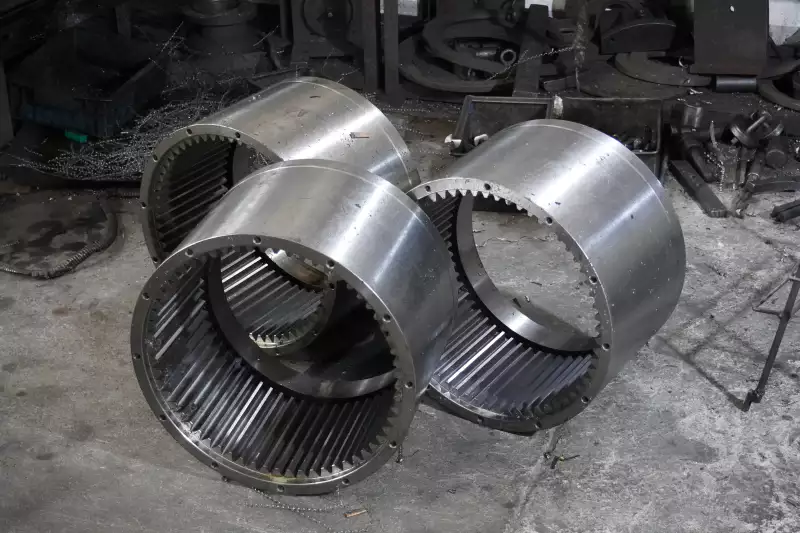
The annulus/ring gear is a large, externally toothed gear in a planetary gearbox. It is typically stationary and surrounds the other gears in the system. The teeth of the annulus gear mesh with the planet gears, creating the desired gear reduction or speed increase.

1.1 Tooth Profile

The tooth profile of the annulus gear is carefully designed to ensure smooth and efficient power transmission. It is commonly based on involute or cycloidal curves, which optimize contact and minimize wear.

1.2 Material Selection

Due to the high torque and load requirements, the annulus gear is typically made from robust materials such as hardened steel or alloy. This ensures durability and resistance to wear, enabling the gearbox to operate reliably under varying conditions.

2. Functions of the Annulus/Ring Gear

The annulus gear performs several critical functions within the planetary gearbox system. These include:

2.1 Gear Reduction

The primary function of the annulus gear is to provide gear reduction by meshing with the planet gears. The number of teeth on the annulus gear relative to the planet gears determines the gear ratio, enabling the gearbox to achieve the desired speed reduction.

2.2 Torque Distribution

The annulus gear distributes the torque generated by the input shaft to the planet gears. As the planet gears rotate around the sun gear, the annulus gear transfers the torque to the output shaft, resulting in the desired mechanical output.

2.3 Load Balancing

By evenly distributing the load among the planet gears, the annulus gear helps prevent excessive wear and premature failure. This improves the overall efficiency and lifespan of the planetary gearbox.

3. Operational Considerations

To ensure optimal performance and longevity of the annulus gear, certain operational considerations must be taken into account. These include:

3.1 Lubrication

Proper lubrication is crucial to reduce friction and dissipate heat generated during operation. Regular maintenance and the use of high-quality lubricants are essential to extend the lifespan of the annulus gear.

3.2 Alignment and Tolerance

Accurate alignment and tolerance settings between the annulus gear and other gearbox components are vital. Misalignment can lead to uneven load distribution, increased wear, and potentially catastrophic failures.

3.3 Noise and Vibration

Efficient design and precision manufacturing of the annulus gear contribute to minimizing noise and vibration levels during operation. This enhances the overall user experience while ensuring smooth and reliable gear operation.

4. Conclusion

The annulus/ring gear plays a crucial role in the functioning of a planetary gearbox. Its design, material selection, and functions contribute to the overall performance and reliability of the gear system. By understanding the intricacies of the annulus gear, engineers and technicians can optimize gearbox design and ensure its efficient operation in diverse applications.

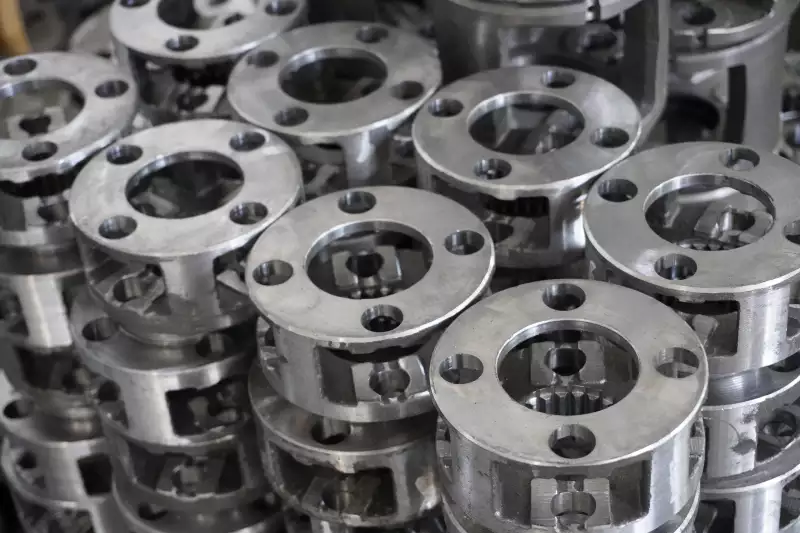
Annulus Gear Image


Annulus/Ring Gear of Planetary Gearbox

Our Company and Gear Products

Our company specializes in the production and sales of various types of gears and gearboxes. We offer a wide range of gear products to meet the diverse needs of our customers. Our exceptional quality and reliable performance have made us a trusted name in the industry. Here are six key advantages of choosing our company:

1. Superior Quality

We are committed to delivering gears and gearboxes of the highest quality. Our products undergo rigorous testing and quality control measures to ensure durability and precision.

2. Wide Range of Options

We offer a diverse range of gear products to cater to different applications and requirements. Whether it’s the Annulus/Ring Gear of a Planetary Gearbox or any other type of gear, we have a solution for you.

3. Customization

We understand that each customer may have unique specifications. Our team of experts is capable of customizing gears and gearboxes to meet your specific needs, ensuring optimal performance and efficiency.

4. Competitive Pricing

We believe in providing value for money to our customers. Our competitive pricing strategy allows you to get top-quality gears at affordable prices, making us a cost-effective choice.

5. On-Time Delivery

We prioritize timely delivery to ensure that your operations are not disrupted. With our efficient logistics and production processes, we strive to meet your deadlines without compromising on quality.

6. Excellent Customer Support

Our dedicated customer support team is always ready to assist you with any queries or concerns. We value your satisfaction and aim to provide the best possible service throughout your interaction with us.

The Birth of a Gearbox: Process and Techniques

Creating a gearbox involves several important steps and processes. Here’s a breakdown of the journey:

1. Design and Engineering

At the initial stage, our team of skilled engineers designs the gearbox based on your specific requirements. They consider factors such as torque, speed, and load to ensure optimal performance.

2. Material Selection

We carefully select the materials for each component of the gearbox to ensure durability and resistance to wear and tear. High-quality materials are crucial for the longevity and efficiency of the gear system.

3. Manufacturing and Machining

Using advanced manufacturing techniques, we transform the selected materials into precision-engineered gear components. Our state-of-the-art machinery ensures accurate dimensions and smooth operation.

4. Assembly and Testing

Skilled technicians assemble the various gear components, ensuring proper alignment and functionality. The assembled gearbox then undergoes rigorous testing to ensure it meets the required performance standards.

5. Quality Control

Before the gearbox is ready for delivery, it undergoes thorough quality control checks. We inspect every aspect, from dimensional accuracy to noise and vibration levels, to guarantee a flawless product.

6. Packaging and Delivery

Once the gearbox passes all quality checks, it is carefully packaged to prevent any damage during transportation. We take utmost care in ensuring the safe delivery of the product to your doorstep.

Partner with us and experience the benefits of our exceptional gear products and gearboxes. We are committed to delivering reliable and high-performance solutions tailored to your needs. Contact us today to discuss your requirements and let us be your trusted gear partner.

Author: Miya

Alignment of Planetary Gearbox

Alignment of Planetary Gearbox

In the field of mechanical engineering, the alignment of a planetary gearbox is of utmost importance in ensuring optimum performance and longevity of the system. This article aims to provide a comprehensive understanding of the alignment process, highlighting its significance and the key steps involved. By aligning the components of a planetary gearbox properly, engineers can minimize power loss, reduce wear and tear, and enhance overall efficiency.

1. Introduction

Alignment refers to the process of positioning the various components of a planetary gearbox in such a way that they are parallel, coaxial, and concentric. Proper alignment eliminates angular and parallel misalignment, which can lead to a range of issues such as heat generation, vibration, and premature failure of bearings.

1.1 Importance of Alignment

Alignment plays a crucial role in ensuring the smooth operation of a planetary gearbox. It directly affects the load distribution, efficiency, and noise levels of the system. Improper alignment can result in excessive friction, increased power consumption, and decreased service life of the gearbox.

1.2 Alignment Methods

There are several methods for aligning a planetary gearbox, including reverse indicator method, laser alignment, and dial indicator method. Each method has its own advantages and limitations, and the choice depends on factors such as precision requirements, accessibility, and available resources.

2. Alignment Procedure

The alignment of a planetary gearbox involves several steps, each aimed at achieving the desired alignment accuracy. The following points outline the general alignment procedure:

2.1 Pre-Alignment Checks

Before starting the alignment process, it is essential to conduct pre-alignment checks. These checks involve inspecting the gearbox components for any signs of damage, verifying the shaft runout, and ensuring proper lubrication.

2.2 Initial Rough Alignment

The initial rough alignment involves roughly positioning the gearbox components by visual inspection or using shims. This step helps in getting the components into approximate alignment and preparing them for the final alignment.

2.3 Dial Indicator Measurement

Dial indicator measurement is a precise method to determine the misalignment between the gearbox components. It involves mounting dial indicators on the shafts and measuring the relative displacement at various points.

2.4 Shimming and Adjustment

Based on the dial indicator readings, shims are added or removed to adjust the position of the components. This step aims to achieve parallel and angular alignment within specified tolerances.

2.5 Final Alignment Verification

Once the shimming and adjustment process is complete, a final alignment verification is performed. This involves re-measuring the alignment using dial indicators to ensure the desired alignment accuracy is achieved.

3. Conclusion

Alignment of a planetary gearbox is a critical aspect of gearbox maintenance and operation. By following the proper alignment procedure, engineers can significantly improve the performance and reliability of the system. Regular alignment checks and adjustments should be carried out to ensure long-lasting and efficient operation of the gearbox.

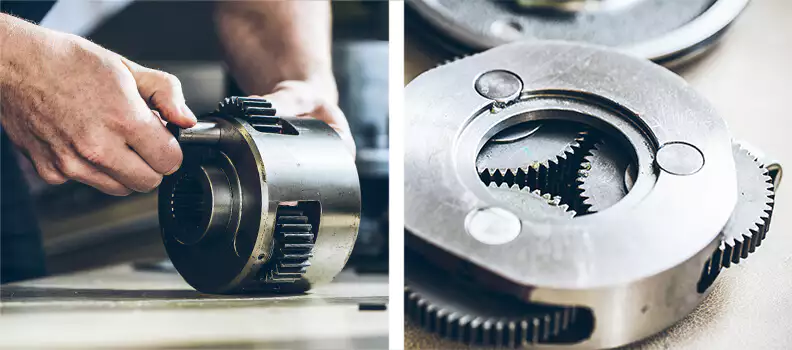
Planetary Gearbox Image

Our company specializes in the production and sales of various types of gear and gearbox. With years of experience in the industry, we have established ourselves as a leading provider in the market. Here are six key advantages of choosing our company:

1. Quality

Quality is our top priority. We ensure that every gear and gearbox produced meets the highest standards of durability and performance. Our products undergo rigorous testing and inspection to guarantee their reliability.

2. Innovation

We stay at the forefront of technological advancements in the gear and gearbox industry. Our team of experts continuously explores new materials, designs, and manufacturing techniques to deliver innovative solutions that meet the evolving needs of our customers.

3. Customization

We understand that each customer may have unique requirements. That’s why we offer a wide range of customization options for our gears and gearboxes. From size and material to specific performance characteristics, we tailor our products to suit your individual needs.

4. Competitive Pricing

We strive to provide our customers with the best value for their money. Despite offering high-quality products, our pricing remains competitive in the market. We believe in building long-term relationships with our clients, and fair pricing is an essential part of that commitment.

5. Timely Delivery

We understand the importance of meeting deadlines. We have streamlined our production and logistics processes to ensure timely delivery of our products. You can rely on us to deliver your orders on time, every time.

6. Excellent Customer Service

We pride ourselves on providing exceptional customer service. Our dedicated team is always ready to assist you and address any concerns or inquiries you may have. We believe in building strong relationships with our customers based on trust, reliability, and open communication.

The Birth of a Gearbox

  1. Design and Engineering: The process begins with detailed design and engineering, where our experts create comprehensive plans and specifications for the gearbox.
  2. Material Selection: The appropriate materials are carefully chosen based on the specific requirements of the gearbox, ensuring optimal performance and durability.
  3. Manufacturing: Our skilled technicians use advanced machinery and precise techniques to manufacture the individual components of the gearbox.
  4. Assembly: The components are then assembled by our experienced team, ensuring proper alignment and fit.
  5. Testing and Quality Control: Each gearbox undergoes thorough testing to ensure its functionality, efficiency, and durability.
  6. Packaging and Delivery: Finally, the gearbox is carefully packaged and prepared for delivery to our customers.

Join us today and experience the benefits of partnering with a leading gear and gearbox provider. Contact us now to discuss your specific requirements and explore how we can meet your needs.

Author: Miya

Gear Ratio of Planetary Gearbox


Gear Ratio of Planetary Gearbox

Gear Ratio of Planetary Gearbox

Introduction

The gear ratio of a planetary gearbox refers to the ratio between the input speed and the output speed of the gearbox. It determines how the rotational motion is transmitted and transformed within the system. Understanding the gear ratio is crucial for optimizing the performance of the gearbox and achieving desired output characteristics.

Importance of Gear Ratio

The gear ratio plays a vital role in determining the torque and speed characteristics of a planetary gearbox. By adjusting the gear ratio, engineers can achieve specific output requirements, such as high torque or high speed. It allows for efficient power transmission and aids in matching the gearbox to the desired application.

Calculating Gear Ratio

Calculating the gear ratio of a planetary gearbox involves considering the number of teeth on each gear within the system. The gear ratio is determined by dividing the number of teeth on the output gear by the number of teeth on the input gear. This ratio determines the speed and torque conversion between the input and output shafts.

Types of Gear Ratios

  • Standard Gear Ratio

    The standard gear ratio refers to the gear ratio that is commonly used in most planetary gearboxes. It provides a balanced combination of torque and speed.

  • High Gear Ratio

    The high gear ratio is used when the desired output is high torque and low speed. It allows for increased torque multiplication and reduced output speed.

  • Low Gear Ratio

    The low gear ratio is employed for applications requiring high-speed output and lower torque. It allows for increased output speed while sacrificing torque multiplication.

Factors Influencing Gear Ratio Selection

When selecting the gear ratio for a planetary gearbox, several factors should be considered:

  1. Application Requirements

    The specific requirements of the application, such as torque, speed, and power, play a significant role in determining the appropriate gear ratio.

  2. Efficiency

    The efficiency of the gearbox at different gear ratios should be evaluated to ensure optimal power transmission.

  3. Size and Weight Constraints

    In some cases, size and weight constraints may limit the available gear ratio options. Compact and lightweight designs may require specific gear ratios.

Planetary Gearbox

Conclusion

The gear ratio of a planetary gearbox is a critical parameter that determines the torque and speed characteristics of the system. By understanding and selecting the appropriate gear ratio, engineers can optimize the performance of the gearbox for various applications. Careful consideration of factors such as application requirements, efficiency, and size constraints is essential in making the right gear ratio selection.


About Our Company

Our company specializes in the production and sales of various types of gears and gearboxes. We offer a wide range of high-quality gear products that cater to diverse industries and applications.

Advantages of Our Company:

1. Extensive Product Range

We provide a comprehensive selection of gears and gearboxes, ensuring that our customers can find the perfect solution for their specific needs.

2. Superior Quality

Our gears are manufactured using advanced techniques and high-grade materials, resulting in products that offer exceptional durability and performance.

3. Customization Options

We understand that each customer has unique requirements. Therefore, we offer customization services to tailor gears and gearboxes to meet specific design and performance specifications.

4. Competitive Pricing

Despite offering top-quality products, we strive to maintain competitive pricing, allowing our customers to access superior gear solutions at affordable prices.

5. Timely Delivery

We prioritize punctual delivery to ensure that our customers receive their orders within the agreed timeframe, minimizing downtime and maximizing productivity.

6. Excellent Customer Support

Our dedicated customer support team is available to provide prompt assistance, answer queries, and offer technical guidance throughout the purchasing process and beyond.

The Gearbox Creation Process

The birth of a gearbox involves several essential steps and processes, including:

1. Design and Engineering

Our team of experienced engineers meticulously designs the gearbox, considering factors such as gear ratio, torque requirements, load capacity, and space constraints.

2. Material Selection

We carefully select high-quality materials that possess the necessary strength, durability, and heat resistance properties to withstand the demands of the gearbox’s operation.

3. Machining and Manufacturing

Precision machining techniques are employed to fabricate the gearbox components, ensuring tight tolerances and accurate fits between gears, shafts, and bearings.

4. Assembly and Testing

The gearbox components are assembled following strict procedures to guarantee proper alignment and functionality. Rigorous testing procedures are conducted to ensure optimal performance and reliability.

5. Quality Control

We implement stringent quality control measures at every stage of the manufacturing process to ensure that each gearbox meets our stringent quality standards.

Partner with Us

By choosing our company as your gear and gearbox supplier, you can benefit from our extensive product range, superior quality, customization options, competitive pricing, timely delivery, and excellent customer support. We are committed to providing the best gear solutions for your specific requirements.

Contact us today to discuss how we can collaborate and meet your gear and gearbox needs!

Author: Miya


Reduction Ratio of Planetary Gearbox

Reduction Ratio of Planetary Gearbox

In the field of mechanical engineering, the reduction ratio of a planetary gearbox plays a significant role in various applications. This article aims to provide an in-depth understanding of the reduction ratio and its importance in planetary gearboxes.

1. Introduction to Planetary Gearbox

A planetary gearbox, also known as an epicyclic gearbox, is a gear system that consists of one or more outer gears, an inner gear (sun gear), and multiple planet gears. These gears revolve around a central axis, creating a compact and efficient gear mechanism.

2. Definition of Reduction Ratio

The reduction ratio of a planetary gearbox refers to the ratio between the input speed and the output speed of the gearbox. It determines the speed reduction or increase achieved by the gear system and is crucial for various applications requiring torque multiplication or speed reduction.

3. Importance of Reduction Ratio

The reduction ratio is a fundamental parameter in the design and selection of planetary gearboxes. It directly affects the output torque, rotational speed, and efficiency of the gearbox. A suitable reduction ratio ensures optimal performance and operational requirements for specific applications.

4. Factors Affecting Reduction Ratio

Several factors influence the selection of the reduction ratio in a planetary gearbox:

  • Gear ratio of the sun gear and the planet gears
  • Number of planet gears
  • Position and arrangement of the planet gears
  • Size and number of teeth on the gears

5. Types of Reduction Ratios

There are two types of reduction ratios in a planetary gearbox:

  • Step-Up Ratio: This ratio increases the output speed while decreasing the torque.
  • Step-Down Ratio: This ratio decreases the output speed while increasing the torque.

6. Selection Process of Reduction Ratio

The selection of the appropriate reduction ratio for a planetary gearbox involves careful consideration of the application’s requirements, such as:

  • Desired output torque
  • Required output speed
  • Input power source
  • Space limitations

7. Determining the Reduction Ratio

The reduction ratio can be calculated using the formula:

R = (Ns + Nr) / Ns

Where R is the reduction ratio, Ns is the number of teeth on the sun gear, and Nr is the number of teeth on the ring gear.

8. Effects of Reduction Ratio on Efficiency

The reduction ratio has a direct impact on the efficiency of a planetary gearbox. Higher reduction ratios often result in lower efficiency due to increased internal friction and gear meshing losses. Therefore, selecting an appropriate reduction ratio is crucial for achieving desired efficiency.

9. Applications of Planetary Gearboxes with Varying Reduction Ratios

Planetary gearboxes with different reduction ratios find applications in various industries:

  • Robotics and automation
  • Automotive industry
  • Wind turbines
  • Conveyor systems
  • Printing presses

10. Conclusion

The reduction ratio of a planetary gearbox is a critical parameter that determines the speed reduction or increase achieved by the gear system. It directly affects the torque, speed, and efficiency of the gearbox, making it vital for various applications. Understanding the factors influencing the reduction ratio and its effects enables engineers to select the appropriate reduction ratio for optimal performance and operational requirements.

Planetary Gearbox Factory

Our company specializes in the production and sale of various types of gears and gearboxes. With our expertise in the field, we offer several advantages that set us apart from the competition:

1. High-Quality Materials

We use only the finest materials in the manufacturing of our gears and gearboxes. This ensures durability and longevity, providing our customers with reliable and efficient products.

2. Precision Engineering

Our team of skilled engineers utilizes advanced techniques and cutting-edge technology to design and create gears and gearboxes with exceptional precision. This guarantees optimal performance and smooth operation.

3. Wide Range of Options

We offer a diverse range of gear types and gearboxes to cater to various industries and applications. From spur gears to bevel gears, and from parallel-axis gearboxes to planetary gearboxes, we have a solution for every need.

4. Customization Flexibility

We understand that different projects may require specific gear specifications. With our expertise in customization, we can tailor our gears and gearboxes to meet the unique requirements of our customers.

5. Competitive Pricing

We strive to offer competitive pricing without compromising on the quality of our products. Our cost-effective solutions provide excellent value for money, making us a preferred choice in the market.

6. Reliable Customer Support

We pride ourselves on providing exceptional customer support. Our dedicated team is always ready to assist customers with any queries or concerns, ensuring a smooth and satisfactory experience throughout the purchasing process.

Now, let’s explore the process and techniques involved in the birth of a gearbox:

Design and Conceptualization

The first step in creating a gearbox is to develop a detailed design and conceptualization. This involves analyzing the requirements, defining the reduction ratio, and selecting the appropriate gear types.

Engineering and Prototyping

Once the design is finalized, engineers work on transforming the concept into a functional prototype. Advanced software and tools are used to simulate and validate the gearbox’s performance under various conditions.

Manufacturing and Assembly

The next phase involves the actual manufacturing and assembly of the gearbox components. Skilled technicians operate specialized machinery to fabricate the gears and other parts with precision. These components are then carefully assembled to create the final gearbox.

Testing and Quality Assurance

Before the gearbox is ready for market release, it undergoes rigorous testing and quality assurance procedures. This ensures that it meets the required performance standards, durability, and reliability.

Client Collaboration

We value our clients’ input and actively involve them throughout the gearbox development process. By understanding their specific needs and preferences, we ensure that the final product aligns perfectly with their requirements.

Partner with us for top-quality gears and gearboxes that are built to excel. Contact us today to discuss your project and discover how our expertise can benefit you.

Author: Miya

Backlash of Planetary Gearbox

Backlash of Planetary Gearbox

In the realm of engineering, the concept of backlash holds significant importance, especially when it comes to planetary gearboxes. Backlash refers to the angular movement or play between the mating gear teeth within a gearbox. This phenomenon has been a subject of great interest and concern due to its potential implications on the performance and reliability of planetary gear systems.

The Anatomy of Backlash

1. Definition and Measurement

Backlash, also known as lash or play, is typically measured by determining the amount of rotation needed in one gear to engage the adjacent gear teeth.

2. Causes of Backlash

Several factors contribute to the occurrence of backlash, including manufacturing tolerances, wear and tear, misalignments, and variations in operating conditions.

3. Influence of Gear Train Configuration

The arrangement of gears in a planetary gearbox can significantly affect the backlash. Different gear train configurations, such as parallel shaft, planetary, and harmonic drive systems, exhibit distinct characteristics in terms of backlash behavior.

4. Impact on Gearbox Performance

Backlash can have detrimental effects on the overall performance of a planetary gearbox, including reduced efficiency, decreased accuracy, increased noise, and decreased load-bearing capacity.

5. Mitigation Techniques

Manufacturers employ various strategies to minimize backlash and mitigate its negative consequences. These techniques include precision machining, preloading, backlash compensation systems, and advanced lubrication methods.

Backlash Testing and Analysis

1. Experimental Methods

Testing backlash involves the use of specialized equipment, such as gear testers and dynamometers, to accurately measure and analyze the degree of play in a planetary gearbox.

2. Finite Element Analysis (FEA)

FEA is a powerful tool used to simulate and analyze the behavior of gears under various operating conditions. It enables engineers to predict backlash and optimize gear designs accordingly.

3. Influence of Backlash on System Dynamics

Backlash affects the dynamic behavior of gear systems, leading to phenomena like torsional vibrations, gear rattling, and potential damage to the gearbox and associated components.

Future Perspectives and Challenges

1. Advancements in Backlash Reduction

Ongoing research and development efforts aim to further improve backlash reduction techniques, leveraging advanced materials, coatings, and design optimization strategies.

2. Backlash in Emerging Technologies

As new technologies like electric vehicles, robotics, and renewable energy systems continue to evolve, understanding and addressing backlash becomes crucial for achieving optimal performance and reliability.

3. Importance of Backlash Education

It is essential for engineers, designers, and manufacturers to have a comprehensive understanding of backlash and its implications to ensure the successful implementation of gear systems in various applications.

4. Collaboration and Knowledge Sharing

The collective efforts of industry experts, academia, and research institutions are vital for advancing the understanding of backlash and fostering innovation in gearbox design and optimization.

Planetary Gearbox

As the field of engineering continues to push boundaries, addressing backlash in planetary gear systems remains a critical area of focus. By understanding the causes, effects, and mitigation techniques associated with backlash, engineers can strive towards the development of more efficient, reliable, and high-performing gearboxes.

Introduction

Our company specializes in the production and sales of various types of gears and gearboxes. With our expertise in the field, we strive to provide the best solutions for our customers’ needs. Here are six key advantages of choosing our company:

1. Wide Range of Products

We offer a diverse range of gears and gearboxes to cater to different industries and applications. From automotive to industrial machinery, we have the right gears to meet our customers’ requirements.

2. High-Quality Materials

We use only the finest quality materials in our gear and gearbox manufacturing process. This ensures durability, efficiency, and reliable performance of our products, even under demanding conditions.

3. Precision Engineering

Our team of skilled engineers employs advanced manufacturing techniques and precision engineering to produce gears and gearboxes that meet the highest industry standards. This attention to detail guarantees optimal performance and long-lasting reliability.

4. Customization Options

We understand that every customer has unique needs. That’s why we offer customization options to tailor our gears and gearboxes to specific requirements. From size and design to load capacity and torque, we work closely with our customers to deliver tailored solutions.

5. Competitive Pricing

Despite our commitment to high-quality products, we strive to offer competitive pricing. We believe that excellent gears and gearboxes should be accessible to all industries, and we aim to provide cost-effective solutions without compromising on quality.

6. Excellent Customer Support

At our company, customer satisfaction is our top priority. We provide comprehensive pre-sales and after-sales support, ensuring that our customers receive the assistance they need at every stage. Our dedicated team is always ready to answer queries and address any concerns promptly.

The Birth of a Gearbox

To bring a gearbox to life, several steps and processes are involved. Here’s a breakdown of the typical journey:

1. Design and Engineering

The first step in creating a gearbox is the design and engineering phase. This involves conceptualizing the gearbox’s specifications, such as gear ratios, torque capacity, and size. Engineers use advanced software and techniques to create accurate and efficient designs.

2. Material Selection

Once the design is finalized, the appropriate materials are selected. Factors such as strength, durability, and compatibility with the intended application are considered. High-quality materials, such as alloy steels, are often chosen for their excellent mechanical properties.

3. Manufacturing Processes

The manufacturing process begins with the fabrication of individual gear components. This involves processes like forging, casting, or machining to shape the gears. The gearbox housing is also manufactured separately using suitable techniques.

4. Assembly and Testing

After the individual components are made, they are meticulously assembled to create the gearbox. This involves precise alignment and fitting of gears, shafts, and bearings. Once assembled, the gearbox undergoes rigorous testing to ensure its functionality, efficiency, and durability.

5. Quality Assurance

Quality control checks are conducted at various stages of the manufacturing process. These checks verify the accuracy of dimensions, surface finish, and overall performance of the gearbox. Stringent quality assurance measures are implemented to ensure that only the best products leave our facility.

Partner with Us

We invite you to partner with our company for all your gear and gearbox needs. With our extensive range of high-quality products, customization options, competitive pricing, and dedicated customer support, we strive to exceed your expectations. Contact us today to discuss how we can collaborate and provide you with the perfect gears and gearboxes for your applications.

Author: Miya

Load Capacity of Planetary Gearbox

Load Capacity of Planetary Gearbox

When it comes to understanding the load capacity of a planetary gearbox, there are several key factors to consider. In this blog post, we will explore these factors and delve into the intricacies of load capacity in detail.

1. Gear Material

The choice of gear material plays a crucial role in determining the load capacity of a planetary gearbox. High-strength steel alloys, such as chrome-molybdenum steel, are commonly used due to their excellent fatigue resistance and ability to withstand heavy loads.

2. Tooth Profile

The tooth profile of the gears also affects the load capacity. Helical gears, with their inclined teeth, provide higher load-carrying capacity compared to spur gears. The helix angle contributes to better load distribution and reduces stress concentrations.

3. Gear Surface Hardness

The hardness of the gear surface is another critical factor. Through processes like carburizing or nitriding, the surface hardness can be increased, enhancing the gearbox’s load-carrying ability. A hardened surface helps resist wear and minimizes the risk of pitting or tooth breakage.

4. Lubrication

Proper lubrication is vital for maintaining the load capacity of a planetary gearbox. Using high-quality lubricants with the right viscosity ensures adequate film thickness between gears, reducing friction and preventing premature wear. Lubrication also helps dissipate heat generated during operation, further enhancing the gearbox’s load-carrying capability.

5. Bearing Selection

The selection of bearings in a planetary gearbox plays a crucial role in load capacity. High-performance bearings with superior load-bearing capabilities, such as tapered roller bearings or cylindrical roller bearings, are often preferred. These bearings distribute the load efficiently and provide enhanced support to the gearbox components.

6. Backlash Control

Controlling backlash is essential to optimize the load capacity of a planetary gearbox. Backlash refers to the slight clearance between gear teeth, which can result in reduced load-carrying capacity and decreased accuracy. Minimizing backlash through careful design and precise manufacturing techniques ensures maximum load transfer and improves overall gearbox performance.

7. Gearbox Design

The design of the planetary gearbox itself significantly impacts its load capacity. Factors such as gear arrangement, number of stages, and gear size ratio influence the load distribution and torque transmission capability. Optimized design with proper consideration of these factors can maximize the load capacity of the gearbox.

8. Dynamic Load Factors

Dynamic load factors account for the varying loads experienced by the planetary gearbox during operation. Factors like shock loads, cyclic loads, and acceleration/deceleration play a role in determining the gearbox’s load capacity. Proper analysis and calculation of these dynamic load factors help ensure the gearbox can withstand the expected working conditions.

9. Temperature Effects

Elevated temperatures can significantly impact the load capacity of a planetary gearbox. Excessive heat generated during operation may lead to thermal expansion, affecting gear meshing and lubrication properties. Careful consideration of temperature effects and appropriate cooling mechanisms help maintain the gearbox’s load-carrying capacity under different operating conditions.

10. External Influences

External factors, such as vibrations, shock loads, and contaminants, can affect the load capacity of a planetary gearbox. Robust housing and sealing mechanisms can help protect the gearbox from such influences, ensuring consistent performance and maintaining the desired load-carrying capability.

Planetary Gearbox

As we have seen, understanding the load capacity of a planetary gearbox requires considering various factors such as gear material, tooth profile, lubrication, bearing selection, and temperature effects. By carefully examining and optimizing these factors, engineers can design and select gearboxes that can handle the required loads, ensuring efficient and reliable operation in a wide range of applications.

Introduction

Our company specializes in the production and sales of various types of gear and gearbox. With our expertise in the field, we have established ourselves as a leading provider in the industry. Listed below are six key advantages of our company:

1. High-Quality Products

We pride ourselves on manufacturing gears and gearboxes of the highest quality. Our products undergo rigorous testing and quality control measures to ensure superior performance and durability.

2. Wide Range of Options

We offer a diverse selection of gears and gearboxes, catering to the unique needs and requirements of our customers. Whether it’s load capacity, gear ratio, or specific design features, we have the right solution for every application.

3. Customization Capabilities

We understand that different projects may require customized gearboxes. Our team of skilled engineers and technicians can design and manufacture gearboxes tailored to meet your specific demands, ensuring optimal performance and efficiency.

4. Competitive Pricing

We strive to provide our customers with cost-effective solutions without compromising on quality. Our competitive pricing structure ensures that you get the best value for your investment.

5. Timely Delivery

We value our customers’ time and understand the importance of meeting deadlines. With efficient production processes and reliable logistics, we ensure on-time delivery of our products, allowing you to stay on schedule.

6. Excellent Customer Support

Our dedicated customer support team is always ready to assist you. From product inquiries to after-sales service, we are committed to providing prompt and helpful support to ensure your satisfaction.

Process and Techniques in Gearbox Manufacturing

Creating a gearbox involves several important steps and processes. Below, we outline the key stages:

1. Design and Engineering

Our experienced engineers work closely with our clients to understand their specific requirements. Through meticulous design and engineering, we develop gearbox solutions that meet their needs.

2. Material Selection

The choice of materials plays a crucial role in the performance and longevity of a gearbox. We carefully select high-quality materials that are capable of withstanding the load capacity and operating conditions.

3. Manufacturing and Assembly

Using advanced manufacturing techniques and machinery, we accurately fabricate and assemble the gearbox components. Our skilled technicians ensure precision and adherence to strict quality standards.

4. Testing and Quality Assurance

Each gearbox undergoes comprehensive testing to verify its load capacity and overall performance. Our quality assurance process guarantees that only top-notch gearboxes are delivered to our customers.

Partner with Us

Are you looking for a reliable partner in the gear and gearbox industry? Look no further. Our company combines expertise, quality, and customer-centricity to provide you with the best solutions. Contact us today to discuss your requirements and experience the difference.

Author: Miya

Casting of Planetary Gearbox

Casting of Planetary Gearbox

Planetary Gearbox Factory

Introduction

The casting process plays a crucial role in the manufacturing of a planetary gearbox. It involves the creation of intricate components through the pouring of molten metal into molds. This article will delve into the intricacies of the casting process for a planetary gearbox, exploring various aspects and techniques used.

1. Pattern Making

Pattern making is the initial step in the casting process. It involves the creation of a replica of the final component, known as the pattern. The pattern is made using wood, metal, or plastic and is used to create the mold for casting.

2. Mold Preparation

Once the pattern is ready, the next step is mold preparation. The pattern is embedded in a molding material, such as sand, to create a negative impression. The mold is then appropriately prepared to ensure proper casting and dimensional accuracy.

3. Melting of Metal

The metal for casting the planetary gearbox is carefully selected based on its properties and performance requirements. Once selected, the metal is melted in a furnace at high temperatures until it reaches a liquid state, ready for pouring.

4. Pouring

Pouring is a critical step where the molten metal is carefully poured into the prepared mold. It requires precision and control to ensure the metal fills the mold completely without any defects or air entrapment.

5. Solidification

After pouring, the molten metal begins to solidify inside the mold. This process involves the gradual cooling and hardening of the metal, resulting in the formation of the desired planetary gearbox component.

6. Shakeout and Cleaning

Once the metal has solidified, the mold is removed through a process called shakeout. The casting is then cleaned meticulously to remove any excess material, such as sand or other debris, ensuring a smooth and finished component.

7. Machining

After the casting has been cleaned, further machining processes may be required to achieve the desired dimensions and surface finish. This may involve turning, milling, drilling, or grinding to refine the casting and ensure its compatibility with other gearbox components.

8. Quality Control

Quality control is an essential aspect of the casting process. Various techniques, including non-destructive testing and dimensional inspections, are employed to check for any defects or deviations from the required specifications. This ensures the final planetary gearbox component meets the highest quality standards.

9. Heat Treatment

In some cases, heat treatment may be performed on the casting to enhance its mechanical properties. This process involves controlled heating and cooling to modify the material’s structure and improve its strength, hardness, or durability.

10. Surface Finishing

Surface finishing is the final step in the casting process. It involves techniques such as polishing, painting, or coating the component to protect it from corrosion, enhance its appearance, and improve its overall performance in the planetary gearbox assembly.

Our company specializes in the production and sales of various types of gears and gearboxes. With our expertise in the field, we offer several distinct advantages:

Advantages of Our Company:

1. High-Quality Materials:

We use only the finest materials to manufacture our gears and gearboxes, ensuring durability and optimal performance.

2. Precision Engineering:

Our team of skilled engineers utilizes cutting-edge technology and advanced techniques to design and manufacture gears and gearboxes with utmost precision.

3. Wide Range of Options:

We offer a diverse range of gears and gearboxes, catering to various industries and applications. Our extensive selection ensures that customers can find the perfect solution for their specific needs.

4. Customization:

We understand that every customer has unique requirements. That’s why we provide customization options, allowing clients to tailor gears and gearboxes to their exact specifications.

5. Rigorous Quality Control:

Quality is of utmost importance to us. We implement stringent quality control measures throughout the production process to ensure that every gear and gearbox that leaves our facility meets the highest standards.

6. Excellent Customer Service:

At our company, we prioritize customer satisfaction. Our dedicated customer service team is always ready to assist and provide prompt responses to inquiries and requests.

The Birth of a Gearbox: Steps and Processes

The creation of a gearbox involves several essential steps and processes:

1. Design and Engineering:

Our engineers collaborate closely with clients to understand their specific requirements and design a gearbox that meets their needs. This phase involves careful calculations, 3D modeling, and simulation to ensure optimal functionality.

2. Material Selection:

Based on the design specifications, the appropriate materials are selected, considering factors such as strength, durability, and compatibility with the intended application.

3. Machining and Manufacturing:

The selected materials are then machined and processed to create the individual components of the gearbox. Our state-of-the-art manufacturing facilities and skilled technicians ensure precision and quality in every component.

4. Assembly:

The machined components are carefully assembled, following a specific sequence and utilizing specialized tools and equipment. This step ensures that all parts fit together seamlessly.

5. Testing and Quality Assurance:

Before a gearbox is deemed ready for use, it undergoes rigorous testing, both in simulated and real-world conditions. This ensures its performance, efficiency, and reliability.

6. Packaging and Delivery:

Once a gearbox passes all quality checks, it is carefully packaged to protect it during transit. We prioritize safe and timely delivery to ensure customer satisfaction.

At our company, we strive to be your trusted partner in the world of gears and gearboxes. With our commitment to quality, customization options, and exceptional customer service, we are confident in our ability to meet and exceed your expectations. Join us today and experience the difference!

Author: Miya

Machining of Planetary Gearbox


Machining of Planetary Gearbox

Machining of Planetary Gearbox

Introduction

In the field of mechanical engineering, the machining of planetary gearbox plays a crucial role in the manufacturing process. This complex procedure involves various intricate steps that ensure the high quality and precise functioning of the gearbox. In this article, we will delve into the detailed aspects of the machining process and explore its significance in the production of planetary gearboxes.

1. Material Selection and Preparation

Before beginning the machining process, careful consideration must be given to the selection of suitable materials for the gearbox components. The choice of materials should be based on factors such as strength, durability, and resistance to wear and tear. Once the materials are selected, they undergo a thorough preparation process, including cleaning, heat treatment, and surface finishing, to ensure optimal performance.

2. Gear Cutting

Gear cutting is a fundamental step in the machining of planetary gearboxes. It involves the precise formation of gear teeth on the gear blanks. This process is usually carried out using specialized cutting tools, such as hob cutters or gear shapers, which remove excess material to create the desired tooth profile. The accuracy and precision of gear cutting directly impact the efficiency and smooth operation of the gearbox.

3. Milling and Drilling

Milling and drilling operations are performed to create various features, such as holes, slots, and recesses, in the gearbox components. This is done using milling machines and drilling machines equipped with specific cutting tools. These operations require careful planning and precise execution to ensure accurate dimensions and proper alignment of the components.

4. Turning and Boring

Turning and boring processes are employed to achieve the desired dimensions and surface finish of cylindrical components in the planetary gearbox. Turning involves rotating the workpiece while a cutting tool removes material from its outer diameter, while boring is used to enlarge existing holes or create new ones with high precision. These operations are critical for achieving proper fit and functionality of the gearbox components.

5. Grinding and Polishing

To enhance the surface finish and improve the dimensional accuracy of the gearbox components, grinding and polishing are carried out. Grinding removes any excess material and irregularities, while polishing smoothens the surfaces to minimize friction and wear. These processes require advanced grinding machines and abrasive materials to achieve the desired results.

6. Heat Treatment

Heat treatment is an essential step in the machining of planetary gearboxes to improve the mechanical properties of the components. This process involves subjecting the components to controlled heating and cooling cycles to alter their microstructure, enhancing their strength, hardness, and durability. Different heat treatment techniques, such as quenching and tempering, are employed based on the specific requirements of each component.

7. Assembly and Quality Control

Once all the machining operations are completed, the gearbox components are carefully assembled to create the final product. This involves precise alignment and fitting of the gears, shafts, and other components. Following the assembly, rigorous quality control measures, including dimensional inspection, functional testing, and noise analysis, are conducted to ensure that the gearbox meets the required standards.

8. Lubrication and Surface Coating

To minimize friction, reduce wear, and enhance the overall performance of the planetary gearbox, lubrication and surface coating are applied. Proper lubrication ensures smooth operation and extends the lifespan of the gearbox, while surface coatings, such as anti-corrosion coatings or low-friction coatings, provide additional protection and improve efficiency.

9. Packaging and Shipment

After the machining process is complete, the planetary gearboxes undergo careful packaging to protect them during transportation. Specialized packaging materials and techniques are used to ensure that the gearboxes reach their destination in optimal condition. They are then ready for shipment to customers, where they will be installed and employed in various industrial applications.

10. Continuous Improvement and Innovation

The machining of planetary gearboxes is an ever-evolving field, driven by the constant pursuit of improvement and innovation. Manufacturers continuously strive to enhance the machining processes, adopt advanced technologies, and explore new materials to optimize the performance and efficiency of planetary gearboxes in various industries.

Planetary Gearbox


Our company specializes in the production and sale of various types of gears and gearboxes. We pride ourselves on offering superior products and services in the field of machining planetary gearboxes. Here are six key advantages that set our company apart:

1. High-Quality Materials

At our company, we only use the finest materials for manufacturing gears and gearboxes. This ensures durability and optimal performance in different applications.

2. Precision Machining

We employ advanced machining techniques to guarantee precise and accurate production of planetary gearboxes. Our skilled technicians meticulously craft every component to meet the highest quality standards.

3. Customization Options

We understand that different projects have unique requirements. That’s why we offer customization options for our gears and gearboxes. Our team works closely with customers to design and manufacture products that suit their specific needs.

4. Rigorous Quality Control

Quality is of utmost importance to us. We have established a rigorous quality control process to ensure that every gear and gearbox that leaves our facility meets or exceeds industry standards. This commitment to quality guarantees customer satisfaction and long-lasting performance.

5. Competitive Pricing

Despite our dedication to quality, we strive to offer competitive pricing for our gears and gearboxes. We believe that high-quality products should be accessible to a wide range of customers, and we work hard to provide excellent value for money.

6. Timely Delivery

We understand the importance of timely delivery for our customers’ projects. Our efficient production process and well-managed logistics ensure that orders are delivered promptly, helping our clients meet their deadlines and stay on schedule.

The Birth of a Gearbox: Steps and Processes

Creating a gearbox involves several steps and processes, each crucial for its functionality and performance. Here is a breakdown of the key stages involved:

1. Design and Engineering

The first step in creating a gearbox is the design and engineering phase. Our team of experts collaborates to develop detailed plans, considering factors such as torque requirements, speed ratios, and load capacities.

2. Material Selection

Choosing the right materials is essential for ensuring the durability and performance of the gearbox. We carefully select materials that can withstand the anticipated stresses and environmental conditions.

3. Machining of Components

Once the design is finalized and materials are selected, the machining process begins. This involves using specialized machinery to precisely shape and form the various components of the gearbox, including gears, shafts, and housings.

4. Assembly and Testing

After the components are machined, they are carefully assembled by skilled technicians. Our team conducts thorough testing to ensure that all parts fit together seamlessly and that the gearbox operates smoothly.

5. Quality Assurance

Prior to packaging and shipping, the gearbox undergoes rigorous quality assurance checks. This involves testing its performance, checking for any defects or malfunctions, and making any necessary adjustments or repairs.

Experience the Difference with Our Gearboxes

Partnering with us means gaining access to top-notch gearboxes that are meticulously crafted and designed to meet your specific needs. Our commitment to quality, customization, and timely delivery sets us apart from the competition. Contact us today to discuss your requirements and experience the excellence of our products and services.

Author: Miya

Heat Treatment of Planetary Gearbox


Heat Treatment of Planetary Gearbox

Heat Treatment of Planetary Gearbox

Title 1: Introduction to Heat Treatment

Heat treatment is a crucial process in the manufacturing of planetary gearboxes. It involves subjecting the gearbox components to controlled heating and cooling cycles to enhance their mechanical properties and overall performance.

Title 2: Types of Heat Treatment

There are several types of heat treatment methods used in the planetary gearbox manufacturing process:

  1. Quenching: This process involves rapidly cooling the heated components to increase their hardness.
  2. Tempering: After quenching, tempering is performed to reduce the brittleness of the components and improve their toughness.
  3. Carburizing: Carburizing is a surface hardening process that involves introducing carbon into the component’s surface to enhance its wear resistance.

Title 3: Importance of Heat Treatment

Heat treatment plays a crucial role in the overall performance and reliability of planetary gearboxes:

  • Improved Strength: Heat treatment increases the strength of gearbox components, allowing them to withstand high loads and torque.
  • Enhanced Wear Resistance: Through processes like carburizing, heat treatment improves the surface hardness of components, reducing wear and increasing lifespan.
  • Dimensional Stability: Heat treatment minimizes dimensional changes during the manufacturing process, ensuring precise and accurate gear meshing.

Title 4: Heat Treatment Process for Planetary Gearbox

The heat treatment process for planetary gearboxes involves the following steps:

  1. Cleaning: The gearbox components are thoroughly cleaned to remove any impurities or contaminants that could affect the heat treatment process.
  2. Preheating: Preheating is performed to ensure uniform heating of the components and prevent thermal shock.
  3. Heating: The components are heated to a specific temperature, depending on the desired properties.
  4. Quenching: After reaching the desired temperature, the components are rapidly cooled to obtain the desired hardness.
  5. Tempering: Tempering is conducted to reduce the brittleness obtained during quenching and improve the toughness of the components.
  6. Inspection: The heat-treated components undergo rigorous inspection to ensure they meet the required quality standards.

Title 5: Advantages of Heat Treatment

Heat treatment offers several advantages in the manufacturing of planetary gearboxes:

  • Increased Gearbox Lifespan: Heat-treated components have improved wear resistance, leading to a longer lifespan for the gearbox.
  • Higher Gearbox Efficiency: Heat treatment enhances the overall performance of the gearbox, resulting in increased efficiency and reduced energy losses.
  • Reduced Maintenance: Heat-treated components are more durable and less prone to damage, reducing the need for frequent maintenance and repairs.

Title 6: Case Study: Heat Treatment in Planetary Gearbox Manufacturing

One successful case study that highlights the importance of heat treatment in planetary gearbox manufacturing is the implementation of vacuum carburizing:

In this case, a vacuum carburizing process was utilized to improve the surface hardness and wear resistance of the gearbox components. This resulted in a significant increase in the gearbox’s lifespan and overall performance.

Title 7: Future Trends in Heat Treatment

The heat treatment process for planetary gearboxes is continuously evolving. Some future trends in heat treatment include:

  • Advanced Surface Treatment Techniques: The development of advanced surface treatment techniques will further enhance the wear resistance and performance of gearbox components.
  • Optimized Heat Treatment Parameters: Research is being conducted to optimize the heating and cooling parameters to achieve the desired properties with minimal energy consumption.

Planetary Gearbox Manufacturing


Our company specializes in the production and sales of various types of gears and gearboxes. With years of experience in the industry, we have established ourselves as a leading provider in the market. Here are six advantages that set our company apart:

1. Quality Assurance

At our company, we prioritize quality and ensure that all our gears and gearboxes undergo rigorous testing to meet industry standards. We use advanced technology and equipment to guarantee the reliability and durability of our products.

2. Wide Range of Options

We offer a diverse range of gears and gearboxes to cater to different industrial needs. Our extensive product line includes various sizes, materials, and configurations, allowing customers to find the perfect solution for their specific requirements.

3. Customization

We understand that every customer has unique demands. That’s why we provide customization services to tailor gears and gearboxes according to specific specifications. Our skilled engineers and technicians ensure that each product is designed to meet individual needs.

4. Competitive Pricing

While maintaining high-quality standards, we offer competitive pricing for our gears and gearboxes. We strive to provide cost-effective solutions without compromising on performance or reliability, making us an ideal choice for customers seeking value for money.

5. Timely Delivery

Delivering products on time is crucial in today’s fast-paced business environment. We have a well-organized logistics system in place to ensure prompt delivery of gears and gearboxes. Our efficient supply chain management enables us to meet tight deadlines and satisfy customer requirements.

6. Excellent Customer Support

Customer satisfaction is our top priority. Our dedicated support team is always ready to assist customers with any inquiries or concerns. We provide after-sales support to ensure that our customers have a seamless experience working with our products.

Process and Techniques Involved in the Creation of a Gearbox

Creating a gearbox involves several important steps and processes. Here are the key stages:

1. Design and Engineering

During the initial phase, our engineers collaborate with clients to understand their specific requirements and design a gearbox that meets their needs. They take into account factors such as torque, speed, and power transmission.

2. Material Selection

The choice of materials is crucial for the performance and durability of a gearbox. Our experts carefully select materials that can withstand the necessary forces and provide optimal performance under various operating conditions.

3. Heat Treatment

Heat treatment plays a vital role in enhancing the mechanical properties of gears and gearboxes. It involves processes such as hardening, tempering, and case hardening to achieve the desired hardness, toughness, and wear resistance.

4. Machining and Assembly

Precision machining is carried out to ensure accurate dimensions and proper fit of the gearbox components. Our skilled technicians meticulously assemble the gearbox, following strict quality control measures to guarantee its functionality and reliability.

5. Testing and Quality Assurance

Before the gearbox is ready for delivery, it undergoes comprehensive testing to ensure its performance and durability. This includes load testing, noise measurement, and checking for any defects or malfunctions.

Partner with us today and experience the excellence of our gears and gearboxes. Contact our team to discuss your requirements and discover how we can meet your needs with our superior products and services.

Author: Miya

Gear Grinding of Planetary Gearbox

Gear Grinding of Planetary Gearbox

Planetary gearboxes are widely used in various industries due to their compact size, high torque capacity, and smooth power transmission. One crucial step in the manufacturing process of planetary gearboxes is gear grinding, which ensures the precision and performance of the gears. In this article, we will explore the gear grinding process of a planetary gearbox and its significance in achieving optimal functionality.

1. Importance of Gear Grinding

Gear grinding is a crucial step in the production of planetary gearboxes as it enhances the gear’s surface finish, accuracy, and overall performance. By removing any imperfections and irregularities, gear grinding improves the meshing efficiency and reduces noise and vibration during operation.

2. Gear Grinding Methods

There are several methods used for gear grinding in the manufacturing of planetary gearboxes:

2.1 Form Grinding

Form grinding is a conventional gear grinding method that involves shaping the gear tooth profile using a grinding wheel. It is suitable for producing gears with complex profiles and high precision requirements.

2.2 Generating Grinding

Generating grinding is a process where the grinding wheel is shaped to create the desired gear tooth profile by relative motion between the grinding wheel and the workpiece. This method is commonly used for high-volume production of gears.

2.3 Profile Grinding

Profile grinding is a precise gear grinding method that uses a tool with a threaded profile to grind the gear teeth. It is often employed for gears with non-standard tooth profiles or specific functional requirements.

3. Gear Grinding Process

The gear grinding process involves several key steps:

3.1 Pre-Grinding Inspection

Prior to the grinding process, a thorough inspection of the gear’s quality and dimensions is conducted. This step ensures that only gears meeting the required specifications proceed to the grinding stage.

3.2 Rough Grinding

In the rough grinding stage, the gear is brought into contact with the grinding wheel, and material is gradually removed to achieve the desired tooth profile. This step requires precise control to avoid overheating and surface damage.

3.3 Finishing Grinding

After the rough grinding, the gear goes through the finishing grinding stage to improve the surface finish and tooth accuracy. This step involves using a finer grinding wheel and applying controlled pressure to achieve the desired gear specifications.

3.4 Final Inspection

Once the gear grinding process is complete, a final inspection is conducted to ensure the gear’s dimensional accuracy, surface finish, and overall quality. Any deviations from the required specifications are carefully addressed and corrected if necessary.

4. Advantages of Gear Grinding

Gear grinding offers several significant advantages for planetary gearboxes:

4.1 Enhanced Gear Tooth Accuracy

Gear grinding ensures precise gear tooth profiles, resulting in improved gear meshing and reduced backlash. This leads to smoother and more efficient power transmission within the gearbox.

4.2 Increased Gearbox Lifespan

By reducing gear tooth surface roughness and eliminating irregularities, gear grinding significantly enhances the durability and lifespan of planetary gearboxes. This results in reduced maintenance and replacement costs.

4.3 Noise and Vibration Reduction

The improved gear tooth surface finish achieved through grinding minimizes noise and vibration during gearbox operation, providing a quieter and smoother operation environment.

4.4 Higher Gearbox Efficiency

With optimal gear tooth profiles and reduced friction, gear grinding improves the overall efficiency of planetary gearboxes. This results in higher power transmission efficiency and minimized energy losses.

Planetary Gear Carrier Image

Introduction

Our company specializes in the production and sale of various types of gears and gearboxes. We have gained a reputation for our high-quality products and exceptional customer service. Here are six key advantages of our company:

  1. Extensive experience in gear manufacturing: Our team of experts has years of experience in designing and producing gears for various industries.
  2. Advanced technology and equipment: We utilize state-of-the-art technology and machinery to ensure precise and efficient gear production.
  3. Strict quality control: We have implemented rigorous quality control measures to guarantee the durability and reliability of our gears.
  4. Customization options: We offer tailored solutions to meet the specific requirements of our clients, providing gears that are perfectly suited for their applications.
  5. Competitive pricing: Despite our high-quality products, we strive to maintain competitive pricing to provide value for our customers.
  6. Timely delivery: We understand the importance of timely delivery and ensure that our products reach our customers on schedule.

The Birth of a Gearbox: Steps and Processes

  1. Design and engineering: The gearbox development process begins with thorough design and engineering to determine the specifications and requirements.
  2. Material selection: Choosing the appropriate materials that possess the necessary strength and durability for the gearbox is a critical step.
  3. Manufacturing and machining: The selected materials are then used to manufacture the gearbox components, which involve precision machining and assembly.
  4. Gear grinding: Gear grinding is a crucial process to ensure the accuracy and smooth operation of the gears within the gearbox.
  5. Quality testing: Every completed gearbox undergoes rigorous quality testing to validate its performance, efficiency, and reliability.
  6. Final assembly and inspection: Once all components pass the quality tests, the gearbox is assembled and thoroughly inspected to ensure optimal functionality.

With our expertise in gear manufacturing, advanced technology, and commitment to quality, we are confident in our ability to exceed your expectations. Partner with us today and experience the benefits of our top-notch gears and gearboxes.

Author: Miya