Category Archives: Planetary Gearbox

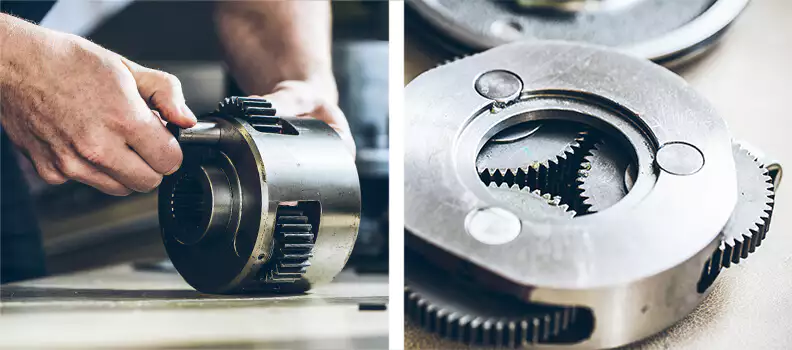
Lubrication of Planetary Gearbox

Lubrication of Planetary Gearbox

Introduction

Planetary gearbox, also known as epicyclic gearbox, is a sophisticated mechanism that offers numerous advantages in various industrial applications. The proper lubrication of a planetary gearbox is crucial for its efficient operation, longevity, and overall performance. In this article, we will delve into the intricacies of lubricating a planetary gearbox and highlight the important factors to consider.

1. Importance of Proper Lubrication

Proper lubrication plays a vital role in the functioning of a planetary gearbox. It ensures smooth interaction between the gears, reduces friction, dissipates heat, and prevents wear and tear. By providing an adequate lubricating film, the gearbox can operate with minimal noise and maximum efficiency.

2. Types of Lubricants

When it comes to lubricating a planetary gearbox, selecting the right lubricant is of utmost importance. There are several types of lubricants available, including:

  • Synthetic lubricants
  • Mineral-based lubricants
  • Greases
  • Additives

3. Lubrication Interval

The frequency of lubrication is another critical aspect to consider. It depends on various factors such as operating conditions, load, speed, and temperature. Regular monitoring and maintenance are essential to determine the ideal lubrication interval for a specific planetary gearbox.

4. Lubrication Method

There are different methods to lubricate a planetary gearbox:

  1. Splash lubrication
  2. Oil bath lubrication
  3. Forced lubrication
  4. Mist lubrication

5. Lubricant Quantity

The correct quantity of lubricant is crucial for optimal gearbox performance. Insufficient lubrication can lead to increased friction and overheating, while excessive lubrication can cause fluid leakage and unnecessary drag. Following manufacturer guidelines and specifications is essential for determining the right lubricant quantity.

6. Lubricant Contamination

Contamination of lubricants can significantly impact the performance of a planetary gearbox. It is crucial to prevent the ingress of foreign particles, water, and other contaminants into the gearbox. Regular filtration and maintenance procedures should be implemented to ensure clean and uncontaminated lubrication.

7. Lubricant Degradation

Lubricants degrade over time due to various factors. Oxidation, thermal degradation, and contamination can deteriorate lubricant properties, leading to reduced gearbox performance. Regular oil analysis and timely lubricant replacement are essential to maintain optimal lubrication and gearbox longevity.

8. Lubricant Temperature

The temperature at which a planetary gearbox operates affects the lubricant’s performance. Extreme temperatures can cause lubricant thinning or thickening, reducing its effectiveness. Monitoring and controlling the gearbox temperature through cooling or heating systems are necessary to ensure the lubricant maintains its optimum viscosity.

9. Lubricant Additives

Special additives can enhance the performance of lubricants in planetary gearboxes:

  • Extreme Pressure (EP) additives
  • Anti-wear additives
  • Corrosion inhibitors
  • Viscosity index improvers

10. Lubricant Maintenance

Proper maintenance and inspection are crucial for the long-term performance of a planetary gearbox. Regular oil analysis, visual inspections, and adherence to recommended maintenance schedules will ensure the lubrication system operates optimally and increases the gearbox’s lifespan.
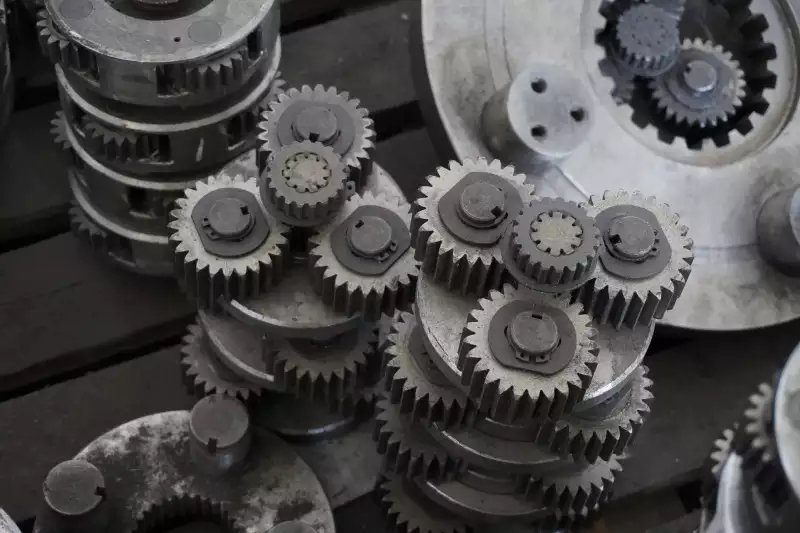
Planetary Gear Carrier

By understanding the importance of lubrication, selecting the right lubricant, following proper lubrication procedures, and implementing regular maintenance, one can ensure the smooth and efficient operation of a planetary gearbox. Invest in lubrication to maximize the performance and lifespan of this critical mechanical component.

Our company specializes in the production and sale of various types of gear and gearbox. With our expertise in the field, we offer several advantages that set us apart from our competitors:

1. High-Quality Materials

Our gears and gearboxes are made from top-grade materials, ensuring durability and efficient performance.

2. Precision Engineering

We utilize advanced engineering techniques to manufacture gears and gearboxes that meet the highest industry standards.

3. Customization Options

We understand that different applications require specific gear and gearbox configurations. We offer customization options to meet the unique needs of our clients.

4. Competitive Pricing

We strive to provide our customers with cost-effective solutions without compromising on quality. Our competitive pricing ensures value for money.

5. Timely Delivery

We prioritize prompt delivery to minimize downtime and ensure our customers receive their orders within the agreed timeframe.

6. Excellent Customer Service

Our dedicated team is committed to providing exceptional customer service, offering technical support and guidance throughout the buying and implementation process.

The Birth of a Gearbox

Creating a gearbox involves several steps and processes:

1. Design Phase

During this stage, engineers conceptualize and develop a design based on the specific requirements and parameters of the application.

2. Material Selection

Choosing the right materials is crucial for the performance and longevity of the gearbox. Factors such as strength, wear resistance, and heat tolerance are carefully considered.

3. Manufacturing

The manufacturing process involves precision machining, heat treatment, and assembly. Each component is meticulously crafted and assembled to ensure proper functionality.

4. Quality Control

Before the gearbox is ready for market, it undergoes rigorous quality control measures to ensure it meets the required standards and specifications.

5. Testing and Validation

The gearbox is subjected to various tests to verify its performance and durability. This includes load testing, noise testing, and endurance testing.

6. Finalization and Packaging

Once the gearbox successfully passes all the necessary tests, it is finalized, packaged, and prepared for shipment to our valued customers.

Partner with us and experience the benefits of our high-quality gears and gearboxes. Contact our sales team today to discuss your specific requirements and explore collaboration opportunities.

Author: Miya
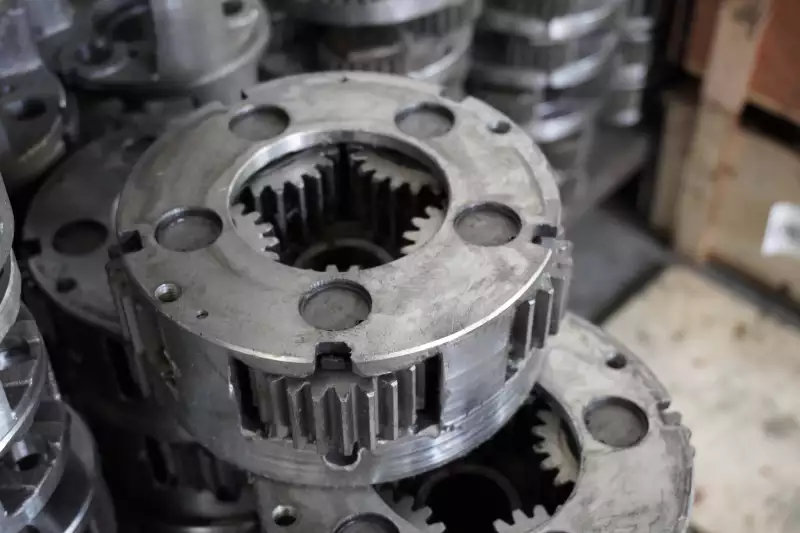
Oil Change of Planetary Gearbox


Oil Change of Planetary Gearbox

Oil Change of Planetary Gearbox

Introduction

The planetary gearbox is a crucial component in various industrial applications, providing efficient torque transmission and speed reduction. To ensure its optimal performance and longevity, regular oil changes are essential. In this article, we will explore the importance of oil change in a planetary gearbox and discuss the step-by-step process.

1. Understanding Planetary Gearbox

In order to appreciate the significance of oil change, it is important to have a clear understanding of how a planetary gearbox works. A planetary gearbox consists of a central sun gear, multiple planet gears, and an outer ring gear. These components work together to transmit torque and control speed in various machinery.

2. Importance of Oil in Planetary Gearbox

The oil in a planetary gearbox serves multiple purposes. Firstly, it lubricates the moving parts, reducing friction and wear. Secondly, it dissipates heat generated during operation, preventing overheating. Lastly, it acts as a protective barrier, preventing contaminants from entering the gearbox and causing damage.

3. Signs that Oil Change is Needed

Regular oil inspection is crucial to identify when an oil change is required. Some common signs include:

  • Discoloration or cloudiness of the oil
  • Presence of metal particles or debris
  • Unusual noise or vibrations during operation
  • Increased operating temperature

4. Step-by-Step Process for Oil Change

Performing an oil change in a planetary gearbox involves the following steps:

  1. Prepare the necessary tools and equipment
  2. Drain the old oil from the gearbox
  3. Inspect the drain plug and clean if necessary
  4. Add the appropriate oil to the gearbox
  5. Monitor the oil level and adjust if needed
  6. Dispose of the old oil in an environmentally friendly manner

5. Recommended Oil for Planetary Gearbox

The choice of oil for a planetary gearbox depends on factors such as operating conditions, load, and speed. It is recommended to consult the manufacturer’s guidelines or seek professional advice to select the appropriate oil for your specific application.

6. Frequency of Oil Change

The frequency of oil change in a planetary gearbox varies depending on several factors. However, a general guideline is to perform an oil change every 1,000 hours of operation or annually, whichever comes first. Regular oil analysis can also help determine the optimal oil change interval.

7. Benefits of Regular Oil Change

Regular oil change in a planetary gearbox offers numerous benefits, including:

  • Extended lifespan of gearbox components
  • Improved efficiency and performance
  • Reduced risk of breakdowns and costly repairs
  • Enhanced overall equipment reliability

8. Professional Maintenance Services

For complex or specialized planetary gearbox systems, it is advisable to seek professional maintenance services. Trained technicians can ensure proper oil change procedures, perform thorough inspections, and address any potential issues to maximize the gearbox’s operational efficiency.

9. Conclusion

In conclusion, the oil change of a planetary gearbox is a critical maintenance task that should not be overlooked. By understanding the importance of oil, identifying the signs for oil change, following the step-by-step process, and considering professional assistance when needed, you can ensure optimal performance and longevity of your planetary gearbox.

Planetary Gear Carrier


Our company specializes in the production and sale of various types of gears and gearboxes. With our expertise in the field, we are able to offer a range of superior products to meet the needs of our customers.

Advantages of Choosing Our Company

1. High-Quality Materials

We use only the finest materials in the production of our gears and gearboxes. This ensures durability and long-lasting performance.

2. Precision Engineering

Our gears and gearboxes are meticulously engineered to deliver optimal performance and efficiency. Each component is carefully crafted to ensure smooth operation and minimal wear and tear.

3. Customization Options

We understand that different applications require different gear and gearbox specifications. That’s why we offer customization options, allowing our customers to tailor our products to their specific needs.

4. Competitive Pricing

Despite our commitment to quality, we strive to keep our prices competitive. We believe that superior products should be accessible to all, and we work hard to ensure that our prices reflect this belief.

5. Timely Delivery

At our company, we understand the importance of timely delivery. We have streamlined our production and logistics processes to ensure that our customers receive their orders promptly.

6. Excellent Customer Service

We pride ourselves on providing outstanding customer service. Our knowledgeable and friendly team is always ready to assist our customers with any queries or concerns they may have.

The Birth of a Gearbox: Step-by-Step Process and Techniques

A gearbox undergoes several crucial steps and techniques before it is ready for use. These include:

1. Design and Planning

Every gearbox begins with careful design and planning. Our team of experts considers factors such as torque requirements, gear ratios, and environmental conditions to create a gearbox design that meets the specific needs of our customers.

2. Material Selection

Choosing the right materials is essential for ensuring the durability and performance of a gearbox. We carefully select materials based on factors such as strength, heat resistance, and wear resistance.

3. Machining and Shaping

The selected materials are then machined and shaped to create the individual gear components. Our advanced machining techniques ensure precise dimensions and smooth surfaces.

4. Heat Treatment

To enhance the strength and hardness of the gears, they undergo heat treatment processes such as carburizing, quenching, and tempering. This ensures that the gears can withstand the demands of various applications.

5. Assembly

Once all the individual gears are ready, they are carefully assembled into the gearbox casing. Each gear is positioned and aligned to ensure smooth and efficient transfer of power.

6. Quality Control

Before leaving our facility, each gearbox undergoes strict quality control checks. We conduct rigorous inspections to ensure that the gearbox meets our high standards for performance and reliability.

Partnering with us means gaining access to top-quality gears and gearboxes that are designed and manufactured with precision. Contact us today to discuss your requirements and let us provide you with the perfect solution.

Author: Miya

Fault Diagnosis of Planetary Gearbox

Fault Diagnosis of Planetary Gearbox

Introduction

The fault diagnosis of a planetary gearbox is essential for ensuring its reliable and efficient performance. By identifying and analyzing various faults that may occur in a planetary gearbox, maintenance and repair activities can be carried out promptly, minimizing downtime and preventing costly damages. In this article, we will explore the fault diagnosis of a planetary gearbox in detail, providing comprehensive insights into different aspects of this critical process.

Vibration Analysis

– Vibration frequency analysis: By analyzing the frequency spectrum of vibrations, technicians can identify specific fault frequencies associated with different gear and bearing defects. This information helps in pinpointing the root cause of the fault.
– Vibration amplitude analysis: Measuring the amplitude of vibrations can indicate the severity of the fault. Higher amplitudes often suggest more severe faults, requiring immediate attention to prevent further damage.

Thermal Analysis

– Infrared thermography: Utilizing infrared cameras, technicians can detect abnormal temperature patterns in the gearbox. Hot spots may indicate faults such as friction, misalignment, or inadequate lubrication.
– Temperature monitoring: Continuous monitoring of temperature at different points within the gearbox helps in identifying abnormal temperature rise, which may be indicative of faults like bearing wear, gear misalignment, or insufficient cooling.

Oil Analysis

– Spectroscopy: Analyzing the composition of gearbox oil using spectroscopy techniques can reveal the presence of wear particles, contaminants, and degradation by-products. This analysis aids in diagnosing faults related to gear or bearing wear, as well as identifying potential lubrication issues.
– Viscometry: Measuring the viscosity of the gearbox oil helps in assessing its lubricating properties. Deviations from the recommended viscosity range may indicate oil degradation, inadequate lubrication, or contamination, leading to potential gearbox faults.

Gear Inspection

– Visual inspection: Thoroughly examining the gear teeth for signs of wear, pitting, chipping, or cracking provides valuable insights into the overall condition of the gearbox. This inspection helps in detecting faults related to gear tooth damage caused by overload, misalignment, or inadequate lubrication.
– Contact pattern analysis: By applying a special marking compound on the gear teeth and observing the contact pattern, technicians can assess the gear meshing conditions. Deviations from the ideal contact pattern may indicate faults like gear misalignment or uneven load distribution.

Bearing Analysis

– Vibration analysis: Monitoring bearing vibrations can help identify faults such as bearing misalignment, fatigue, or wear. Different fault frequencies associated with bearing defects can be analyzed to determine the specific type of fault.
– Acoustic emission analysis: By detecting and analyzing high-frequency sound waves emitted by faulty bearings, technicians can identify the severity and type of fault. This analysis aids in timely maintenance and replacement of bearings to prevent catastrophic failures.

Conclusion

In conclusion, the fault diagnosis of a planetary gearbox is a crucial process for ensuring its reliable operation. Through various techniques such as vibration analysis, thermal analysis, oil analysis, gear inspection, and bearing analysis, technicians can identify and diagnose different faults that may occur in a planetary gearbox. Timely fault diagnosis allows for prompt maintenance and repair actions, prolonging the lifespan of the gearbox and minimizing downtime.

Our company specializes in producing and selling various types of gear and gearbox. With our expertise in Fault Diagnosis of Planetary Gearbox, we are here to provide top-notch solutions for your needs. Here are six advantages of choosing our company:

1. High-Quality Products

Our gears and gearboxes are manufactured using the finest materials and cutting-edge technology. We ensure that each product meets the highest industry standards for durability and performance.

2. Extensive Product Range

From small gears to large-scale gearboxes, we offer a wide range of options to suit your specific requirements. Our diverse product catalog ensures that you can find the perfect solution for any application.

3. Customization Options

We understand that every project is unique. That’s why we provide customization options to tailor our gears and gearboxes according to your precise specifications. Our team of experts will work closely with you to deliver a solution that perfectly fits your needs.

4. Reliable Performance

Our gears and gearboxes undergo rigorous testing to ensure reliable and consistent performance. We prioritize quality control throughout the manufacturing process, guaranteeing that our products will meet or exceed your expectations.

5. Expert Technical Support

Our team of experienced engineers and technicians is always ready to provide professional technical support and guidance. Whether you have questions about installation, maintenance, or troubleshooting, we are here to assist you every step of the way.

6. Timely Delivery

We understand the importance of timely delivery in the success of your projects. With our efficient production and logistics processes, we ensure that your orders will be delivered on schedule, allowing you to stay on track and meet your project deadlines.

The Birth of a Gearbox

Bringing a gearbox to life involves several crucial steps and processes:

1. Design and Engineering

At the initial stage, our skilled engineers design the gearbox based on the specific requirements and performance goals. They carefully consider factors such as torque, speed, space limitations, and environmental conditions to create an optimal design.

2. Material Selection

The choice of materials is crucial for the durability and performance of the gearbox. Our experts select high-quality metals and alloys that possess the necessary strength and wear resistance to endure the demands of various applications.

3. Manufacturing and Assembly

Once the design and material selection are finalized, the manufacturing process begins. Advanced machinery and skilled technicians are employed to precisely manufacture individual gear components. These components are then assembled with precision to create the complete gearbox.

4. Quality Control and Testing

Before being dispatched, each gearbox undergoes thorough quality control inspections and testing. This ensures that it meets all the necessary specifications and performs flawlessly under various operating conditions.

Join us today and experience the exceptional quality and performance of our gears and gearboxes. We are committed to exceeding your expectations and delivering the best solutions for your needs.

Author: Miya

Gear Wear of Planetary Gearbox


Gear Wear of Planetary Gearbox

Gear Wear of Planetary Gearbox

Introduction

Planetary gearboxes are widely used in various industrial applications due to their compact size and high torque transmission capabilities. However, over time, the gears in a planetary gearbox can experience wear, which can affect the performance and efficiency of the system.

Types of Gear Wear

There are several types of gear wear that can occur in a planetary gearbox:

1. Abrasive Wear

Abrasive wear is caused by the presence of foreign particles in the lubricant, which can act as abrasives and gradually wear away the gear surfaces. This type of wear is commonly seen in harsh operating conditions or when the lubrication system is not properly maintained.

2. Fatigue Wear

Fatigue wear occurs as a result of repeated loading and unloading of the gears. Over time, this can lead to the formation of cracks and pits on the gear surfaces, reducing their load-carrying capacity.

3. Fretting Wear

Fretting wear is caused by small oscillatory movements between contacting surfaces, leading to the formation of wear particles and surface damage. This type of wear is often seen in applications where there are slight vibrations or misalignments.

4. Scuffing Wear

Scuffing wear occurs when two gear surfaces experience high contact pressures, causing localized welding and subsequent material transfer between the surfaces. This can result in surface roughening and damage to the gear teeth.

Effects of Gear Wear

The gear wear in a planetary gearbox can have several negative effects:

1. Increased Noise and Vibration

As the gears wear, the smooth meshing between them is compromised, leading to increased noise and vibration levels. This can affect the overall performance and reliability of the system.

2. Reduced Efficiency

Gear wear results in increased friction and energy losses, reducing the overall efficiency of the gearbox. This can lead to higher energy consumption and decreased output torque.

3. Accelerated Wear of Other Components

When gears wear, they generate more particles that can contaminate the lubricant and accelerate the wear of other components in the gearbox, such as bearings and seals.

4. Premature Failure

If gear wear is not addressed in a timely manner, it can lead to premature failure of the entire gearbox, requiring costly repairs or replacements.

Preventing and Mitigating Gear Wear

To minimize gear wear in a planetary gearbox, the following measures can be taken:

1. Proper Lubrication

Using the correct type and quantity of lubricant, as well as maintaining a regular lubrication schedule, can help reduce abrasive wear and provide adequate film thickness to protect the gear surfaces.

2. Regular Inspections

Periodic inspections of the gearbox can help detect early signs of wear, allowing for timely maintenance and replacement of worn gears.

3. Balancing Load Distribution

Ensuring proper load distribution among the gears can help prevent excessive localized loading, reducing the risk of scuffing and fatigue wear.

4. Surface Hardening

Applying surface hardening techniques, such as carburizing or nitriding, can increase the wear resistance of the gear surfaces and prolong their service life.

5. Vibration Monitoring

Implementing a vibration monitoring system can help detect abnormal vibrations and allow for early intervention to prevent further gear wear.

Conclusion

In conclusion, gear wear is a common issue in planetary gearboxes that can have significant impacts on their performance and reliability. By understanding the different types of gear wear, its effects, and implementing preventive measures, gear wear can be minimized, ensuring the longevity and efficiency of the gearbox.

Planetary Gearbox Image

Our company specializes in the production and sale of various types of gears and gearboxes. With our extensive expertise in the field, we are equipped with the knowledge and resources to provide high-quality gear solutions for a wide range of applications.

Advantages of Our Company

  • 1. Superior Quality: We pride ourselves on delivering gears and gearboxes that are built to last, ensuring durability and reliability for our customers.
  • 2. Extensive Product Range: Our company offers a diverse selection of gears and gearboxes, catering to the specific needs and requirements of different industries and applications.
  • 3. Customization Options: We understand that each project may have unique specifications. Hence, we offer customization services to tailor our products to meet the exact demands of our customers.
  • 4. Advanced Technology: Our manufacturing processes are driven by the latest technological advancements, enabling us to produce gears and gearboxes with precision and efficiency.
  • 5. Competitive Pricing: We strive to provide our customers with cost-effective solutions without compromising on the quality of our products.
  • 6. Excellent Customer Service: Our dedicated team of professionals is committed to delivering exceptional customer service, ensuring a seamless experience from inquiry to post-purchase support.

The Birth of a Gearbox: Steps and Processes

  1. Design and Engineering: The first step in creating a gearbox is the design and engineering phase. This involves conceptualizing the gearbox, determining its specifications, and conducting feasibility studies.
  2. Material Selection: Once the design is finalized, the next step is to select the appropriate materials for the gearbox components. Factors such as strength, durability, and compatibility are taken into consideration.
  3. Manufacturing: The selected materials are then processed and transformed into the various components of the gearbox. This involves machining, forging, casting, or other manufacturing techniques, depending on the design and requirements.
  4. Assembly: After the individual components are manufactured, they are carefully assembled to create the complete gearbox. The assembly process requires precision and attention to detail to ensure proper fit and functionality.
  5. Testing and Quality Control: Once assembled, the gearbox undergoes rigorous testing and quality control procedures to ensure that it meets the required performance standards. This includes assessing its durability, noise levels, efficiency, and overall functionality.
  6. Delivery and Support: After successfully passing the testing phase, the gearbox is ready for delivery. Our company provides comprehensive support to our customers, including installation assistance, maintenance guidance, and troubleshooting.

At our company, we strive for excellence in every aspect of our business. We invite you to partner with us and experience the benefits of our top-quality gears and gearboxes. Contact us today to discuss your specific requirements and let our expertise drive your success.

Author: Miya

Shimming of Planetary Gearbox

Shimming of Planetary Gearbox

In the world of mechanical engineering, the shimming of a planetary gearbox is a critical process that ensures optimal performance and longevity of the system. This technique involves the precise alignment of various components within the gearbox, such as gears, bearings, and carriers, to achieve a smooth and efficient power transmission. In this article, we will delve into the intricacies of shimming a planetary gearbox and explore its significance in ensuring reliable operation.

1. Understanding Planetary Gearbox

A planetary gearbox, also known as an epicyclic gearbox, is a type of gear system commonly used in various industrial applications. It consists of three main components – the sun gear, planet gears, and the ring gear. The unique arrangement of these gears allows for high torque transmission with compact size and efficiency.

2. Importance of Shimming

Shimming plays a vital role in the performance and durability of a planetary gearbox. It ensures proper alignment and clearance between the gears and other components, minimizing friction, noise, and wear. A well-shimmed gearbox enhances power transmission efficiency and reduces the risk of premature failure.

3. Shimming Process

The process of shimming a planetary gearbox involves several meticulous steps:

  1. Initial Inspection: Before starting the shimming process, a thorough inspection of the gearbox is performed to identify any existing misalignments or damaged components.
  2. Gearbox Disassembly: The gearbox is carefully disassembled, allowing access to the internal components that require shimming.
  3. Measurement and Analysis: Precise measurements are taken using specialized tools to determine the required shim thickness for each component.
  4. Shim Installation: Based on the measurements, the appropriate shims are selected and installed at specific locations to achieve the desired clearances and alignments.
  5. Assembly and Testing: After shimming, the gearbox is reassembled and thoroughly tested to ensure smooth operation and proper alignment of gears.

4. Shim Materials

The choice of shim materials is crucial for achieving optimal results in the shimming process. Common materials used for shims include stainless steel, brass, and laminated materials. Each material possesses unique properties such as corrosion resistance, hardness, and compressibility, which must be considered based on the application requirements.

5. Benefits of Proper Shimming

Properly shimmed planetary gearboxes offer several advantages:

  • Enhanced Efficiency: Precise alignment reduces internal losses, resulting in improved power transmission efficiency.
  • Noise Reduction: Proper clearance and alignment minimize gear backlash and vibration, leading to quieter operation.
  • Extended Lifespan: Reduced friction and wear ensure a longer lifespan for the gearbox and its components.
  • Reliability: Well-shimmed gearboxes are less prone to failure, providing reliable operation even under demanding conditions.

Planetary Gearbox

6. Conclusion

The shimming of a planetary gearbox is a precise and intricate process that significantly impacts its performance and reliability. By ensuring proper alignment and clearance, shimming enhances power transmission efficiency, reduces noise, and prolongs the lifespan of the gearbox. Meticulous attention to detail and adherence to industry standards are crucial for achieving optimal results in the shimming process.

Our company specializes in the production and sale of various types of gears and gearboxes. With years of experience in the industry, we have established ourselves as a leading provider in the market. Here are six key advantages of choosing our company:

High-Quality Products

Every gear and gearbox we produce is made with the highest standards of quality. We use top-notch materials and implement strict quality control measures to ensure the durability and performance of our products.

Advanced Technology

We stay at the forefront of technological advancements in the manufacturing process. Our team of experts continuously innovates and improves our production techniques to offer state-of-the-art gear and gearbox solutions.

Customization Options

We understand that each customer may have unique requirements. That’s why we offer a wide range of customization options for gears and gearboxes. Whether it’s size, material, or specific functionality, we can tailor our products to meet your exact needs.

Competitive Pricing

Despite offering high-quality products, we strive to keep our prices competitive. Our efficient manufacturing process and strong supplier relationships allow us to provide cost-effective solutions without compromising on quality.

Reliable Customer Support

Customer satisfaction is our top priority. Our dedicated support team is always ready to assist you with any inquiries or concerns you may have. We believe in building long-term relationships with our customers, and we go the extra mile to ensure your needs are met.

Quick Turnaround Time

We understand the importance of timely delivery. Our streamlined production process and efficient logistics enable us to provide quick turnaround times without compromising on quality. We pride ourselves on meeting deadlines and exceeding expectations.

The Birth of a Gearbox

Creating a gearbox involves several crucial steps and processes. Here’s a breakdown of the journey:

Design and Planning

Before anything else, a team of experienced engineers carefully designs and plans the gearbox. They consider factors such as torque requirements, gear ratios, and size constraints to create a comprehensive blueprint.

Machining and Manufacturing

Once the design is finalized, the manufacturing process begins. Advanced machining techniques are used to shape and form the various components of the gearbox. Precision is key to ensure proper functionality and fit.

Assembly and Testing

The individual components are then assembled to create the complete gearbox. Each step of the assembly process is meticulously executed to ensure accuracy and quality. Once assembled, the gearbox undergoes rigorous testing to verify its performance and durability.

Quality Assurance

Our quality control team conducts thorough inspections at every stage of the manufacturing process. This ensures that each gearbox meets our high standards and is free from defects or malfunctions.

Delivery and Support

Once the gearbox passes all quality checks, it is carefully packaged and prepared for delivery. We provide comprehensive after-sales support to assist with installation and address any concerns that may arise.

Partner with us today and experience the exceptional quality and service that our company has to offer. Contact us to discuss your gear and gearbox needs, and we’ll provide tailored solutions to help you achieve your goals.

Author: Miya

Component Replacement of Planetary Gearbox

Component Replacement of Planetary Gearbox

In the field of mechanical engineering, the efficient functioning of various machines and equipment relies heavily on the proper maintenance and replacement of their components. One such crucial component is the planetary gearbox, which plays a vital role in transmitting power and facilitating the required torque conversion. In this article, we will delve into the intricacies of component replacement in a planetary gearbox and explore the key aspects associated with it.

1. Understanding the Planetary Gearbox

A planetary gearbox, also known as an epicyclic gearbox, is a gear system that consists of one or more outer gears, an outer ring gear, an inner sun gear, and multiple planet gears. This arrangement allows for the distribution and manipulation of torque, resulting in efficient power transmission.

2. Significance of Component Replacement

The components of a planetary gearbox are subjected to continuous wear and tear during operation, leading to potential inefficiencies and malfunctions. Timely component replacement ensures the gearbox’s longevity, optimal performance, and minimizes the risk of unexpected breakdowns.

3. Identifying the Faulty Component

Before proceeding with component replacement, it is crucial to identify the specific faulty component. Thorough inspection and analysis of the gearbox’s performance, noise levels, and vibration patterns can help pinpoint the problematic area.

4. Disassembling the Planetary Gearbox

Once the faulty component is identified, the next step involves disassembling the planetary gearbox. This process requires skilled technicians and a systematic approach to avoid any damage to the remaining components.

5. Component Selection and Procurement

Choosing the right replacement component is imperative to ensure compatibility and optimal performance. Manufacturers usually provide detailed specifications and guidelines regarding the selection and procurement of suitable replacement parts.

6. Installation of the Replacement Component

The installation process demands precision and adherence to specific guidelines. It involves carefully fitting the replacement component into the gearbox, ensuring proper alignment and engagement with other gears and shafts.

7. Lubrication and Alignment

After the replacement component is installed, it is essential to lubricate all moving parts adequately. Additionally, proper alignment of the gears and shafts within the gearbox is crucial for smooth operation and efficient power transmission.

8. Testing and Quality Assurance

Once the replacement process is complete, comprehensive testing and quality assurance measures should be undertaken. This ensures that the gearbox functions optimally, meets the required safety standards, and avoids any potential future issues.

9. Maintenance and Regular Inspections

Regular maintenance and inspections are vital for the long-term reliability and performance of the planetary gearbox. Implementing a proactive approach by scheduling routine checks and servicing can help identify any potential issues before they escalate.

10. Training and Skill Development

Lastly, providing adequate training and skill development opportunities to technicians involved in component replacement is crucial. Staying updated with the latest advancements in gearbox technology and maintenance techniques can enhance their expertise and ensure the highest level of service.

Planetary Carrier

Component replacement in a planetary gearbox is a critical task that demands expertise, precision, and adherence to industry standards. By following the proper procedures and utilizing high-quality replacement parts, the performance and longevity of the gearbox can be maintained, contributing to the overall efficiency of the machinery it drives.

Our company specializes in the production and sale of various types of gears and gearboxes. We take pride in offering a wide range of products that cater to different industries and applications. Here are six key advantages that set our company apart:

1. High-Quality Manufacturing

At our company, we prioritize quality in every step of the manufacturing process. From the selection of materials to the precision machining and assembly, we ensure that our gears and gearboxes meet the highest standards.

2. Wide Range of Products

We offer a diverse range of gears and gearboxes to meet the specific needs of our customers. Whether it’s for automotive, industrial, or power transmission applications, we have the right solution for every requirement.

3. Customization Options

Understanding that every customer has unique requirements, we offer customization options for our gears and gearboxes. Our team of experienced engineers works closely with clients to design and produce tailored solutions that align with their specific needs.

4. Competitive Pricing

While maintaining high quality, we strive to offer competitive pricing for our products. By optimizing our manufacturing processes and sourcing materials efficiently, we are able to provide cost-effective solutions without compromising on quality.

5. Timely Delivery

We understand the importance of timely delivery in today’s fast-paced business environment. Our company has a streamlined production and logistics system in place to ensure that orders are shipped promptly, helping our customers meet their project deadlines.

6. Excellent Customer Support

Our commitment to customer satisfaction extends beyond the sale. We provide comprehensive customer support, including technical assistance, troubleshooting, and after-sales service. Our dedicated team is always ready to address any concerns and provide prompt solutions.

The Birth of a Gearbox: Step-by-Step Process and Techniques

Designing and manufacturing a gearbox involves a series of carefully planned steps and techniques. Here is an overview of the process:

1. Requirements Analysis

First, we analyze the specific requirements and performance expectations of the gearbox. This includes factors such as torque, speed, efficiency, and size limitations.

2. Design and Engineering

Our team of engineers designs the gearbox, taking into account the analyzed requirements. This involves creating detailed CAD models, performing simulations, and optimizing the design for functionality and performance.

3. Material Selection

We carefully select the materials for the gearbox components, considering factors such as strength, durability, and cost-effectiveness. High-quality materials ensure the longevity and reliability of the gearbox.

4. Machining and Fabrication

The selected materials are machined and fabricated into the various components of the gearbox. Precision machining techniques are employed to achieve the required tolerances and ensure smooth operation.

5. Assembly and Testing

The gearbox components are assembled according to the design specifications. Rigorous testing is conducted to ensure proper functionality and performance. This includes checks for noise, vibration, and efficiency.

6. Quality Control

Before the gearbox is ready for market, it undergoes strict quality control measures. Each unit is inspected for defects, ensuring that only reliable and high-performing gearboxes are delivered to our customers.

Partner with Us for Exceptional Gearbox Solutions

When it comes to gearboxes, our company stands out for its dedication to quality, extensive product range, customization options, competitive pricing, on-time delivery, and excellent customer support. We have the expertise and experience to meet your specific gearbox requirements. Contact us today to discuss how we can collaborate to achieve your goals.

Author: Miya

No-load Test of Planetary Gearbox

No-load Test of Planetary Gearbox

Introduction

The no-load test is a crucial step in evaluating the performance and efficiency of a planetary gearbox system. By subjecting the gearbox to various load conditions, engineers can measure its rotational speed, torque, and power consumption. This test helps in determining the gearbox’s ability to handle different operating conditions and ensures optimal functionality. In this article, we will explore the significance of the no-load test and its role in assessing the performance of a planetary gearbox.

1. Understanding No-load Testing

No-load testing involves running the planetary gearbox without any external load applied to its output shaft. This test enables engineers to assess the gearbox’s internal losses, efficiency, and overall performance under ideal operating conditions. By establishing a baseline performance measurement, any deviations or abnormalities can be identified and rectified before the gearbox is put into actual use.

1.1 Importance of Baseline Measurement

Before delving into the details of the no-load test, it is crucial to understand the significance of establishing a baseline measurement for the gearbox’s performance. By conducting the test under ideal conditions, engineers can accurately gauge its true capabilities and identify any potential issues that may arise during actual operation.

1.2 Measuring Rotational Speed

One of the primary objectives of the no-load test is to determine the rotational speed of the planetary gearbox. This measurement helps in understanding the gearbox’s efficiency and its ability to transmit power without any external load. By comparing the measured speed with the design specifications, engineers can verify the gearbox’s performance and assess its suitability for the intended application.

1.3 Evaluating Torque Losses

In addition to rotational speed, the no-load test allows engineers to evaluate the torque losses within the planetary gearbox. By measuring the input and output torque, the efficiency of the gearbox can be determined. This information is crucial in optimizing the gearbox’s performance and minimizing energy losses during operation.

2. Factors Affecting No-load Test Results

Several factors can influence the results of the no-load test and impact the overall performance evaluation of the planetary gearbox. It is essential to consider these factors to obtain accurate and reliable test results.

2.1 Gearbox Lubrication

Proper lubrication plays a vital role in the smooth functioning of a planetary gearbox. During the no-load test, it is crucial to ensure that the gearbox is adequately lubricated to minimize friction and prevent premature wear. Insufficient lubrication can lead to inaccurate test results and compromise the overall performance of the gearbox.

2.2 Bearing Condition

The condition of the bearings within the planetary gearbox can significantly impact its performance during the no-load test. Worn-out or damaged bearings can introduce additional friction, leading to increased torque losses and reduced efficiency. It is essential to inspect and maintain the bearings regularly to ensure accurate test results and optimal gearbox performance.

3. Interpreting No-load Test Data

Analyzing and interpreting the data obtained from the no-load test is crucial in understanding the performance characteristics of the planetary gearbox. By considering various parameters, engineers can make informed decisions regarding the gearbox’s suitability for specific applications.

3.1 Efficiency Analysis

The efficiency of the planetary gearbox can be calculated by comparing the input power to the output power during the no-load test. This analysis helps in determining the gearbox’s energy losses and overall efficiency. Higher efficiency indicates better performance and reduced power consumption, making the gearbox more desirable for various applications.

3.2 Noise and Vibration Analysis

The no-load test also provides an opportunity to assess the noise and vibration levels of the planetary gearbox. Excessive noise and vibration can indicate misalignment, gear wear, or other mechanical issues. By analyzing these parameters, engineers can identify potential problems and take corrective measures to ensure optimal gearbox performance and longevity.

Conclusion

In conclusion, the no-load test is a crucial step in evaluating the performance and efficiency of a planetary gearbox. By subjecting the gearbox to various load conditions, engineers can assess its rotational speed, torque, and power consumption. This test helps in determining the gearbox’s ability to handle different operating conditions and ensures optimal functionality. Proper interpretation of the test data allows engineers to make informed decisions about gearbox suitability, leading to improved performance and reliability in various applications.

Planetary Gearbox

Our Company and its Advantages in Gear and Gearbox Production

Our company specializes in the production and sales of various types of gears and gearboxes. We take pride in our exceptional products and the advantages we offer to our customers. Below are six key points that set us apart:

1. High-Quality Manufacturing

We prioritize the use of top-quality materials and advanced manufacturing techniques to ensure that our gears and gearboxes are of the highest standard. Our commitment to excellence has earned us a reputation for delivering reliable and durable products.

2. Extensive Product Range

With a wide range of gear and gearbox options, we can cater to the diverse needs of our customers. Whether it’s spur gears, helical gears, or planetary gearboxes, we have the solutions to meet various application requirements.

3. Customization Capabilities

We understand that every customer’s needs are unique. That’s why we offer tailored solutions and can customize gears and gearboxes to specific design specifications. Our team of skilled engineers ensures that the final product meets or exceeds the expectations of our clients.

4. Competitive Pricing

While maintaining high-quality standards, we strive to offer competitive pricing for our gears and gearboxes. We believe that affordability should not compromise the quality of the products, and we aim to provide the best value for our customers’ investments.

5. Timely Delivery

Meeting deadlines is crucial in today’s fast-paced business environment. We understand the importance of timely delivery and have established efficient processes to ensure that our products reach our customers on time, every time. Our logistics team works diligently to optimize delivery schedules and minimize any potential delays.

6. Excellent Customer Support

We believe in building long-term relationships with our customers. Our dedicated customer support team is always ready to assist with any inquiries, provide technical guidance, and resolve issues promptly. We value open communication and aim to deliver a positive customer experience at every interaction.

The Birth of a Gearbox: Steps, Processes, and Techniques

To understand the intricate process behind the creation of a gearbox, let’s break it down into the following steps:

1. Design and Engineering

The gearbox development begins with meticulous design and engineering. Our skilled team of engineers analyzes the specific requirements and desired performance characteristics to create a precise design blueprint.

2. Material Selection

Choosing the right materials is crucial for the gearbox’s performance and longevity. Our experts carefully select materials based on factors such as load capacity, torque, and environmental conditions to ensure optimal functionality.

3. Manufacturing and Machining

Once the design and materials are finalized, the manufacturing process begins. Advanced machining techniques are employed to shape and refine the gearbox components with utmost precision. Our state-of-the-art facilities and skilled technicians ensure the highest quality standards are met.

4. Assembly and Quality Control

The gearbox components are meticulously assembled, following strict quality control measures. Each stage of assembly is carefully monitored to ensure proper fitment and functionality. Rigorous testing procedures are implemented to guarantee that the gearbox meets or exceeds industry standards.

5. Performance Evaluation

Before the gearbox is deemed ready for market, it undergoes comprehensive performance evaluations. This includes thorough testing under various operating conditions to ensure optimum efficiency, durability, and noise reduction.

6. Packaging and Delivery

Once the gearbox passes all quality checks, it is packaged securely to prevent any damage during transportation. We prioritize safe delivery and work with reliable logistics partners to ensure prompt and hassle-free shipping to our customers.

Come Collaborate with Us for Exceptional Gear and Gearbox Solutions

At our company, we are committed to providing top-quality gears and gearboxes that meet the diverse needs of our customers. With our expertise, customization capabilities, competitive pricing, and excellent customer support, we strive to exceed expectations and build lasting partnerships.

Experience the advantages of our high-quality manufacturing, wide product range, timely delivery, and meticulous attention to detail. Contact us today to discuss your gear and gearbox requirements. Let us help you achieve optimal performance and reliability in your applications.

Author: Miya

Preventive Maintenance of Planetary Gearbox

Preventive Maintenance of Planetary Gearbox

Planetary gearboxes are widely used in various industries due to their high power density, compact size, and smooth operation. However, like any mechanical component, they require regular preventive maintenance to ensure optimal performance and longevity. In this article, we will explore the key aspects of preventive maintenance for planetary gearboxes, providing detailed insights into each point.

1. Lubrication

Proper lubrication plays a vital role in the smooth operation and longevity of planetary gearboxes. It is essential to use high-quality lubricants with the right viscosity and additives to reduce friction, dissipate heat, and prevent wear and tear. Regular lubricant analysis and replacement should be carried out based on manufacturer recommendations and operating conditions.

2. Alignment

Accurate alignment of the planetary gearbox components is crucial for efficient power transmission and to minimize undue stress on the gears. Misalignment can lead to increased noise, vibration, and premature failure. Regular inspection and realignment should be performed to ensure optimal alignment of the input and output shafts, gears, and bearings.

3. Torque Monitoring

Monitoring the torque levels in a planetary gearbox is essential to identify any abnormalities or excessive loading. Regular torque measurements should be taken using specialized equipment to ensure that the gearbox operates within the recommended torque range. Deviations from the expected torque values may indicate gear wear, misalignment, or other issues that require attention.

4. Inspection of Gear Teeth

The gear teeth in a planetary gearbox are subjected to high stress and wear. Regular inspection of the gear teeth for signs of pitting, cracking, chipping, or abnormal wear patterns is necessary. Any detected damage or wear should be addressed promptly to prevent further deterioration and potential gearbox failure.

5. Bearing Maintenance

The bearings in a planetary gearbox support the rotating components and are critical for smooth operation. Regular inspection and maintenance of the bearings, including checking for proper lubrication, tightness, and signs of wear, are essential. Timely replacement of worn or damaged bearings can prevent catastrophic failures and extend the gearbox’s lifespan.

6. Vibration Analysis

Vibration analysis is a powerful tool to assess the condition of a planetary gearbox. Regular vibration measurements and analysis can detect abnormal vibrations, misalignment, gear damage, or bearing defects. By identifying and addressing these issues early on, potential failures can be prevented, minimizing downtime and repair costs.

7. Environmental Protection

Planetary gearboxes operating in harsh or demanding environments require additional protection. Proper sealing and guarding against contaminants such as dust, moisture, or chemicals are crucial. Regular inspection and maintenance of seals, gaskets, and protective coatings should be carried out to ensure the gearbox’s integrity and prevent premature failure.

8. Temperature Monitoring

Monitoring the operating temperature of a planetary gearbox is essential to prevent overheating and subsequent damage. Regular temperature measurements at critical points in the gearbox can help identify abnormal heat accumulation, inadequate cooling, or lubrication issues. Taking necessary actions based on temperature data can prevent potential failures and ensure optimal performance.

9. Gearbox Mounting

Proper mounting of a planetary gearbox is crucial for its overall performance and longevity. The gearbox should be securely mounted using appropriate methods, such as rigid couplings or flexible mounts, to minimize vibrations and misalignment. Regular inspection of the mounting arrangement should be done to ensure its stability and effectiveness.

10. Training and Documentation

Providing adequate training to the personnel responsible for operating and maintaining the planetary gearbox is vital. They should have a clear understanding of the gearbox’s functioning, maintenance procedures, and safety protocols. Additionally, maintaining detailed documentation regarding maintenance activities, observations, and repairs helps in tracking the gearbox’s history and facilitates future maintenance efforts.

Planetary Gearbox

By following these preventive maintenance practices, you can ensure the reliable and efficient operation of your planetary gearbox, minimizing unexpected breakdowns and optimizing its lifespan. Remember to consult the manufacturer’s guidelines and seek professional assistance whenever necessary to ensure the best results.

Our company specializes in the production and sales of various types of gears and gearboxes. With our expertise in the field, we take pride in offering superior products and services that cater to our customers’ needs. Here are six key advantages of choosing our company:

1. High-Quality Gear Solutions

We are committed to delivering gears of the highest quality, ensuring durability and efficiency in every product we offer. Our team of skilled engineers and technicians use advanced technology and materials to manufacture gears that meet the highest industry standards.

2. Customization Options

We understand that every customer has unique requirements. That’s why we offer a wide range of customization options for our gears and gearboxes. Whether it’s size, material, or specific design features, we can tailor our products to meet your exact specifications.

3. Competitive Pricing

We believe that quality gears shouldn’t break the bank. Our company offers competitive pricing without compromising on the quality of our products. We strive to provide cost-effective solutions that meet your budget requirements.

4. Timely Delivery

We understand the importance of timely delivery in today’s fast-paced business environment. Our efficient production process and streamlined logistics ensure that your orders are delivered promptly, allowing you to meet your project deadlines without any delays.

5. Exceptional Customer Service

At our company, we value our customers and their satisfaction is our top priority. Our dedicated customer service team is always available to address any queries or concerns you may have. We strive to provide prompt and comprehensive support throughout your journey with us.

6. Commitment to Sustainability

We are committed to minimizing the environmental impact of our operations. We prioritize sustainable manufacturing practices, utilizing eco-friendly materials and reducing waste generation. By choosing our company, you contribute to a greener and more sustainable future.

The Birth of a Gearbox

Creating a gearbox involves a series of meticulous steps and processes. Here’s a breakdown of the key stages:

1. Design and Engineering

The process begins with thorough research and design, where our team of engineers analyzes the requirements and specifications of the gearbox. They create detailed 3D models and simulations to ensure optimal performance.

2. Material Selection

Choosing the right materials is crucial for the durability and functionality of the gearbox. Our experts carefully select materials that can withstand the required torque, load, and environmental conditions.

3. Manufacturing and Assembly

Once the design and material selection are finalized, the manufacturing process begins. Our state-of-the-art facilities and skilled technicians ensure precise manufacturing and assembly of the gearbox components.

4. Quality Assurance

Quality control is an integral part of our manufacturing process. Each gearbox undergoes rigorous testing to ensure it meets the highest quality standards. Our quality assurance team examines factors such as noise, vibration, and efficiency to ensure optimal performance.

5. Packaging and Delivery

After passing the quality assurance tests, the gearboxes are carefully packaged to prevent any damage during transportation. We prioritize secure packaging to ensure that the products reach you in perfect condition and ready for use.

Partner with us for your gear and gearbox needs, and experience the difference of our superior products, efficient processes, and exceptional customer service. Contact us today to discuss how we can collaborate to meet your specific requirements.

Author: Miya

Temperature Rise Test of Planetary Gearbox

Temperature Rise Test of Planetary Gearbox

In the field of mechanical engineering, the temperature rise test of a planetary gearbox plays a crucial role in ensuring its performance and reliability. This test involves subjecting the gearbox to various operating conditions and measuring the resulting temperature increase. In this article, we will dive deeper into the temperature rise test of a planetary gearbox, exploring its purpose, methodology, and key considerations.

1. Importance of Temperature Rise Test

The temperature rise test is conducted to assess the thermal behavior of a planetary gearbox under different load and operating conditions. It enables engineers to evaluate the gearbox’s ability to dissipate heat and prevent excessive temperature rise, which can lead to lubrication breakdown, accelerated wear, and ultimately, gearbox failure.

1.1 Temperature Rise Limit

One of the primary objectives of the temperature rise test is to determine the maximum allowable temperature rise for the planetary gearbox. This limit is typically defined by the gearbox manufacturer or industry standards and ensures safe and reliable operation.

1.2 Impact on Gearbox Performance

The temperature rise of a planetary gearbox directly affects its performance characteristics, such as efficiency, torque capacity, and service life. By analyzing the temperature rise, engineers can optimize design parameters and select suitable materials to enhance overall gearbox performance.

2. Methodology of Temperature Rise Test

The temperature rise test involves subjecting the planetary gearbox to controlled operating conditions and monitoring the temperature changes at different points. The following steps outline the typical methodology used for conducting this test:

2.1 Test Setup

Prior to the test, the gearbox is carefully installed and connected to the test rig, which simulates the operating conditions. The gearbox is then properly lubricated as per the manufacturer’s recommendations.

2.2 Load Application

A predetermined load is applied to the gearbox, considering factors like torque, speed, and duty cycle. This load should represent the real-world operating conditions the gearbox is designed for.

2.3 Data Acquisition

The temperature of various critical points on the gearbox, such as bearings, shafts, and housing, is continuously monitored using temperature sensors. The acquired data is recorded and analyzed to determine the temperature rise patterns.

2.4 Test Duration

The temperature rise test is typically conducted over an extended period to ensure the gearbox reaches a steady state. This allows for accurate measurement of the maximum temperature rise and identification of any potential issues.

3. Key Considerations

Several important factors must be taken into account during the temperature rise test of a planetary gearbox. These considerations include:

3.1 Lubrication

Proper lubrication is vital for reducing friction, dissipating heat, and extending the gearbox’s service life. The type and quality of lubricant used can significantly impact the temperature rise and overall performance of the gearbox.

3.2 Gearbox Design

The design features of the gearbox, such as cooling fins, ventilation, and heat dissipation channels, play a crucial role in controlling the temperature rise. Optimal design choices can minimize heat accumulation and promote efficient cooling.

3.3 Environmental Factors

External factors like ambient temperature, humidity, and airflow can influence the temperature rise of the gearbox. These factors should be considered to accurately assess the gearbox’s performance under real-world conditions.

Planetary Gearbox

Overall, the temperature rise test of a planetary gearbox is a vital procedure that helps engineers ensure the gearbox’s reliability, optimize its performance, and extend its service life. By analyzing the temperature rise patterns and considering various factors, engineers can make informed design decisions and enhance the overall efficiency and durability of the gearbox.

Introduction

Our company specializes in the production and sales of various types of gears and gearboxes. With our extensive experience and expertise in the field, we have established ourselves as a leading provider in the industry. Below are six key advantages that set our company apart:

1. High-Quality Products

At our company, we prioritize the production of high-quality gears and gearboxes. We understand the importance of durability and precision in these components, and therefore, we use top-grade materials and advanced manufacturing techniques to ensure the reliability and performance of our products.

2. Customization Options

We understand that different applications require specific gear and gearbox specifications. That’s why we offer a wide range of customization options to meet our customers’ unique needs. Our team of experts is dedicated to providing tailored solutions that perfectly match the requirements of each project.

3. Competitive Pricing

We believe that quality should not come at an exorbitant price. Our company strives to offer competitive pricing on all our products without compromising on quality. We aim to provide cost-effective solutions for our customers, ensuring maximum value for their investment.

4. Quick Turnaround Time

We understand the importance of timely delivery in today’s fast-paced business environment. With our efficient manufacturing processes and streamlined supply chain, we can ensure quick turnaround times on our products. Our customers can rely on us to meet their deadlines without any compromise on quality.

5. Expert Technical Support

Our company takes pride in our team of expert engineers and technicians who are always ready to provide technical support and assistance. Whether it’s product selection, installation guidance, or troubleshooting, our knowledgeable staff is committed to helping our customers make informed decisions and resolve any issues that may arise.

6. Outstanding Customer Service

Customer satisfaction is our top priority. We strive to build long-term relationships with our clients by providing exceptional customer service. Our dedicated support team is available to address any concerns or inquiries promptly, ensuring a smooth and hassle-free experience for our customers.

The Birth of a Gearbox: Steps, Processes, and Techniques

A gearbox is a complex assembly that requires careful planning and meticulous execution. The following steps outline the process and techniques involved in the creation of a gearbox:

1. Design and Engineering

The first step in creating a gearbox is designing it to meet the specific requirements of the application. This involves engineering calculations, 3D modeling, and simulations to ensure optimal performance and durability. Our experienced team of engineers utilizes advanced software and tools to develop accurate and efficient gearbox designs.

2. Material Selection

Choosing the right materials is crucial for the performance and longevity of the gearbox. Factors such as strength, wear resistance, and heat dissipation are taken into consideration during the material selection process. Our experts carefully analyze the application and select materials that can withstand the required loads and operating conditions.

3. Precision Manufacturing

Once the design and material selection are finalized, the manufacturing process begins. This involves precision machining, cutting, and shaping of the various gearbox components. Our state-of-the-art manufacturing facilities and skilled technicians ensure that each part is crafted with precision and accuracy.

4. Assembly and Testing

All the individual components are then assembled together to create the complete gearbox. During the assembly process, strict quality control measures are implemented to ensure proper fitment and alignment. Once assembled, the gearbox undergoes rigorous testing to validate its performance, including temperature rise tests to assess its thermal stability.

5. Quality Assurance

Quality assurance is a critical aspect of our manufacturing process. Through various inspection techniques and quality control measures, we ensure that each gearbox meets our strict quality standards. Our commitment to delivering reliable and high-performing products is reflected in our thorough quality assurance procedures.

6. Packaging and Delivery

After passing all quality checks, the gearbox is carefully packaged to protect it during transportation. We utilize appropriate packaging materials and methods to ensure the gearbox reaches our customers in pristine condition. Our efficient logistics team then organizes the delivery based on the customer’s requirements, ensuring prompt and secure transportation.

Partner with Us for Superior Gearboxes

With our company’s exceptional products, customizable options, competitive pricing, quick turnaround time, expert technical support, and outstanding customer service, we are the ideal partner for all your gearbox needs. Trust us to deliver high-quality, reliable gearboxes that meet your specific requirements. Contact us today to discuss your project and experience the excellence that sets us apart.

Author: Miya

Broken Teeth of Planetary Gearbox

Broken Teeth of Planetary Gearbox

Introduction

The planetary gearbox is a crucial component in various industrial applications where high torque and gear reduction are required. However, one common problem that can occur in a planetary gearbox is the occurrence of broken teeth. In this article, we will delve into the causes and consequences of broken teeth in a planetary gearbox, as well as explore possible solutions to mitigate this issue.

Planetary Gearbox

1. Insufficient Lubrication

Insufficient lubrication is one of the primary causes of broken teeth in a planetary gearbox. When the gears do not receive adequate lubrication, the increased friction and heat generated can lead to the wear and tear of the gear teeth. This can ultimately result in the teeth becoming weak and prone to breakage.

2. Overload and Shock Loads

Another factor that can contribute to broken teeth is the imposition of excessive loads on the gearbox. When the gearbox is subjected to overload or sudden shock loads, the gears experience higher stress levels than they can handle. This excess stress can cause the teeth to fracture or chip, leading to broken teeth.

3. Misalignment

Misalignment of the gears is a significant mechanical issue that can lead to broken teeth in a planetary gearbox. When the gears are not correctly aligned, they do not mesh smoothly, resulting in uneven distribution of the load. This uneven load distribution can put excessive pressure on specific gear teeth, causing them to break over time.

4. Fatigue Failure

Fatigue failure occurs when a gear tooth undergoes repeated cyclic loading over an extended period. This cyclic loading can gradually weaken the tooth structure, making it susceptible to breakage. Factors such as high operating speeds, inadequate material strength, and poor design can contribute to fatigue failure and the subsequent occurrence of broken teeth.

5. Manufacturing Defects

In some cases, broken teeth in a planetary gearbox can be attributed to manufacturing defects. These defects can include errors in tooth profile, improper heat treatment, or inadequate material quality. Such defects weaken the gear teeth, making them more prone to fracture or break under normal operating conditions.

6. Lack of Maintenance

Regular maintenance is crucial for the smooth operation and longevity of a planetary gearbox. Insufficient or neglected maintenance can allow minor issues to escalate, leading to severe damage, including broken teeth. Proper inspection, lubrication, and repair work are essential to prevent the accumulation of wear and tear that can result in tooth failure.

7. Environmental Factors

The surrounding environment can also impact the integrity of the gear teeth in a planetary gearbox. Factors such as extreme temperatures, corrosive substances, or the presence of contaminants can accelerate wear and tear, leading to the development of cracks or fractures in the tooth structure.

8. Vibration and Resonance

Excessive vibration and resonance can cause significant stress on the gear teeth, which can eventually lead to their failure. Vibrations can occur due to various reasons such as misalignment, unbalanced loads, or inadequate damping. Addressing and minimizing these vibrations are crucial to prevent the occurrence of broken teeth.

9. Improper Gear Selection

The selection of gears plays a vital role in the overall performance and durability of a planetary gearbox. Using gears that are not suitable for the intended application, either in terms of material, size, or tooth profile, can result in premature wear and eventual tooth failure. Proper gear selection, considering factors such as load capacity and operating conditions, is essential to avoid broken teeth.

10. Overheating

Excessive heat generation within a planetary gearbox can have detrimental effects on its components, including the gear teeth. High temperatures can lead to thermal expansion, which can cause the gears to misalign and put added stress on the teeth. Overheating can also degrade the lubricating properties of the oil, further exacerbating the risk of broken teeth.

In conclusion, broken teeth in a planetary gearbox can have severe consequences, leading to decreased efficiency, downtime, and costly repairs. Understanding the causes discussed above and implementing appropriate preventive measures can help mitigate this issue and ensure the smooth and reliable operation of planetary gearboxes in various industrial applications.

Our Company and Gearbox Advantages

Our company specializes in the production and sales of various types of gear and gearbox. We pride ourselves on offering top-quality products and exceptional services to our customers. Here are six key advantages that set our company apart:

1. Superior Quality

We are committed to providing gear and gearbox solutions of the highest quality. Our products undergo rigorous testing and inspection to ensure they meet and exceed industry standards.

2. Extensive Range of Products

We offer a wide range of gear and gearbox options to cater to diverse needs and applications. From standard gears to custom-designed solutions, we have the perfect product to meet every requirement.

3. Advanced Technology

Our company keeps up with the latest technological advancements in the industry. We invest in state-of-the-art machinery and equipment to ensure precision manufacturing and superior performance of our gear and gearbox products.

4. Experienced Team

Our team of skilled professionals has years of experience in the field of gear and gearbox manufacturing. Their expertise and dedication enable us to deliver top-notch products and provide excellent customer support.

5. Competitive Pricing

We understand the importance of affordability without compromising quality. Our pricing structure is designed to offer competitive rates, making our gear and gearbox solutions accessible to a wide range of customers.

6. Timely Delivery

We value our customers’ time and strive to ensure prompt delivery of our products. With efficient logistics and a streamlined supply chain, we are committed to meeting deadlines and exceeding customer expectations.

Steps and Processes Involved in Gearbox Manufacturing

Manufacturing a gearbox involves several important steps and processes. Here is an overview of the key stages:

1. Design

Firstly, the design phase begins with a thorough analysis of the specific requirements and performance expectations of the gearbox. Engineers create detailed technical drawings and models to ensure precise manufacturing.

2. Material Selection

The next step is selecting the appropriate materials for the gearbox components. Factors such as strength, durability, and compatibility are considered to ensure optimal performance and longevity.

3. Machining and Fabrication

The selected materials are then processed through machining and fabrication techniques. This involves cutting, shaping, and assembling various parts to create the gearbox assembly.

4. Quality Control

Throughout the manufacturing process, stringent quality control measures are implemented. Inspections and tests are conducted to verify dimensional accuracy, material integrity, and overall performance of the gearbox.

5. Assembly and Testing

Once all components pass the quality control checks, the gearbox is assembled. It undergoes comprehensive testing procedures to ensure it operates smoothly and meets the required specifications.

6. Packaging and Delivery

Finally, the gearbox is carefully packaged to prevent damage during transportation. Efficient logistics systems ensure timely delivery to customers, whether they are located locally or internationally.

Join us today and experience the quality and reliability of our gear and gearbox solutions. Contact us now to discuss your specific requirements and how we can collaborate to achieve your goals.

Author: Miya