Can Rack and Pinion Steering be Upgraded for Improved Precision and Feedback?
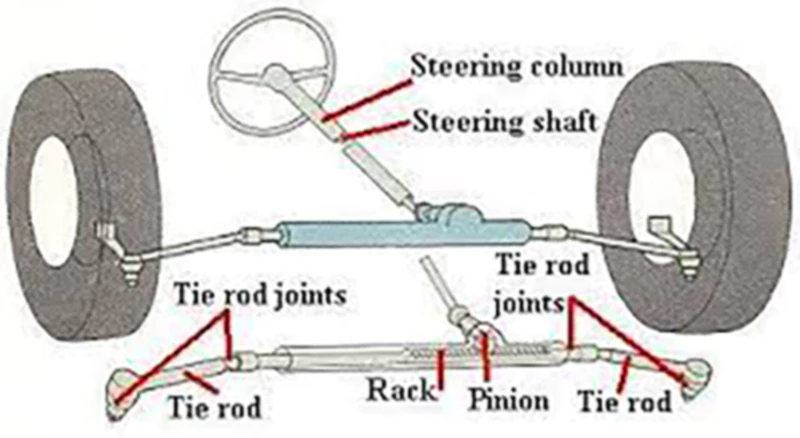
Rack and pinion steering is a type of steering mechanism commonly used in vehicles to control the direction of the front wheels. It involves the use of a rack, a long, straight bar with teeth, and a pinion gear. The rack is a linear component positioned horizontally and connected to the front wheels through tie rods. The pinion gear, which is a small gear, meshes with the teeth on the rack. The pinion gear is connected to the steering wheel via the steering column.
Advantages of Rack and Pinion Steering
1. Precise Steering Response
The design of rack and pinion steering delivers a more direct and precise steering response compared to other steering systems. The linear motion of the rack, driven by the rotational motion of the pinion, translates to an immediate reaction to the driver¡¯s steering input. This precise interaction ensures that the vehicle responds accurately to the direction specified by the steering wheel, enhancing driving performance and control.
2. Compact Design
The compact design of rack and pinion steering systems makes them ideal for vehicles with limited space. The system’s simplicity requires fewer components, which not only reduces the overall size but also simplifies the integration into various vehicle layouts. This compactness is particularly advantageous in modern vehicles where space efficiency is crucial for accommodating advanced technology and safety features.
3. Reduced Friction
Rack and pinion steering systems are designed to minimize friction between moving parts. The meshing of the pinion gear with the rack ensures smooth and efficient transmission of the driver¡¯s input to the wheels. This reduction in friction not only enhances the longevity of the steering components but also improves the overall efficiency of the steering system, leading to smoother driving experiences.
4. Easy Maintenance
One of the significant advantages of rack and pinion steering systems is their ease of maintenance. The straightforward design allows for quick identification and repair of issues. Regular maintenance tasks such as lubrication, alignment checks, and component replacements can be performed with relative ease, ensuring the system remains in optimal condition with minimal downtime.
5. Cost-effectiveness
Rack and pinion steering systems are cost-effective due to their simple construction and fewer moving parts. This reduction in complexity translates to lower manufacturing and maintenance costs. Additionally, the widespread use and availability of these systems in the automotive market make replacement parts readily accessible and affordable, further contributing to their cost-effectiveness.
6. Durability
Durability is a hallmark of rack and pinion steering systems. The robust design and quality materials used in their construction ensure a long service life. The system¡¯s ability to withstand various driving conditions and stresses makes it a reliable choice for both everyday driving and demanding applications, providing consistent performance over time.
7. Environmental Benefits
Rack and pinion steering systems contribute to environmental sustainability by promoting fuel efficiency. The direct and efficient transfer of steering input reduces the energy required to steer the vehicle, leading to lower fuel consumption. Additionally, the system¡¯s durability and low maintenance requirements reduce waste and the need for frequent part replacements, aligning with eco-friendly practices.

Working Principle of Rack and Pinion Steering
1. The Steering Wheel
The steering wheel is the driver¡¯s primary interface for controlling the vehicle¡¯s direction. When the driver turns the steering wheel, it transmits rotational motion through the steering column to the pinion gear, initiating the steering process.
2. The Steering Column
The steering column connects the steering wheel to the pinion gear. It transfers the rotational motion generated by the driver¡¯s input to the pinion, ensuring the steering mechanism responds accurately to the steering commands.
3. The Pinion Gear
The pinion gear, a small, toothed gear, engages with the linear rack. As the pinion gear rotates, it moves the rack horizontally, converting the rotational motion from the steering column into linear motion required for steering the wheels.
4. The Rack
The rack is a long, straight bar with teeth that mesh with the pinion gear. As the pinion gear rotates, it moves the rack laterally, translating the driver¡¯s steering input into lateral movement required to steer the vehicle¡¯s wheels.
5. The Tie Rods
Tie rods connect the ends of the rack to the steering knuckles. They transfer the lateral motion of the rack to the steering knuckles, ensuring the wheels turn according to the driver¡¯s input.
6. The Steering Knuckles
Steering knuckles are pivotal components that connect the tie rods to the wheels. They facilitate the smooth transfer of motion from the tie rods to the wheels, enabling precise steering control.
7. Turning the Wheels
The combined motion of the rack, tie rods, and steering knuckles results in the turning of the vehicle¡¯s wheels. This coordinated movement ensures accurate response to the driver¡¯s steering input, allowing for effective vehicle maneuvering.
8. Power Steering
Power steering systems enhance the functionality of rack and pinion steering by reducing the effort required to turn the steering wheel. Hydraulic or electric assistance amplifies the driver’s input, making steering easier, especially at lower speeds or in tight spaces.

Applications of Rack and Pinion Steering
1. Passenger Cars
Rack and pinion steering systems are widely used in passenger cars due to their compact design, precise steering response, and cost-effectiveness. They provide the necessary control and maneuverability for everyday driving needs.
2. Trucks and SUVs
In trucks and SUVs, rack and pinion steering systems offer the durability and reliability required for heavier vehicles. Their robust construction ensures consistent performance under varying load conditions and driving environments.
3. Buses
Buses benefit from rack and pinion steering systems through improved control and safety. The precise steering response aids in navigating urban environments and handling larger passenger loads efficiently.
4. Motorcycles
Motorcycles utilize compact versions of rack and pinion steering to deliver precise control and responsiveness. The system’s ability to offer direct feedback enhances the rider’s connection with the vehicle.
5. Off-Road Vehicles
Off-road vehicles rely on the durability and precise control of rack and pinion steering systems to tackle challenging terrains. The system’s robustness ensures reliable performance under demanding conditions.
6. Heavy-Duty Vehicles
Rack and pinion steering systems in heavy-duty vehicles provide the necessary strength and precision for handling large loads and tough driving conditions. Their design ensures long-lasting performance and reliability.


Installation and Maintenance of Rack and Pinion Steering
Installation
1. Select the Right System
Choosing the correct rack and pinion steering system for your vehicle involves considering factors such as vehicle type, weight, and intended use. This ensures compatibility and optimal performance.
2. Prepare the Vehicle
Before installation, ensure the vehicle is securely lifted and supported. Remove any components that may obstruct access to the steering system, creating a clear workspace.
3. Remove the Old Steering System
Carefully disconnect and remove the existing steering system. This step requires attention to detail to avoid damaging surrounding components and ensure a smooth transition to the new system.
4. Mount the Rack
Position the new rack in place, ensuring it aligns correctly with the mounting points. Secure it firmly to avoid any movement during operation, which could affect steering precision.
5. Connect the Steering Column
Attach the steering column to the pinion gear, ensuring a secure and precise connection. This step is crucial for accurate transmission of steering input to the rack.
6. Install Tie Rods and Linkages
Connect the tie rods and linkages to the rack and steering knuckles. Proper installation ensures effective transfer of motion and precise steering control.
7. Check Clearances and Interferences
Ensure there are no interferences between the new steering system and other vehicle components. Adequate clearance is essential for smooth operation and to prevent damage.
Maintenance
1. Regular Inspections
Conduct regular inspections of the rack and pinion steering system to identify any signs of wear or damage. Early detection of issues can prevent more significant problems and ensure continued performance.
2. Fluid Level and Quality
For power steering systems, regularly check the fluid levels and quality. Maintaining proper fluid levels and replacing contaminated fluid ensures efficient operation and extends the system¡¯s lifespan.