Bevel Gear Set Application Considerations
Introduction
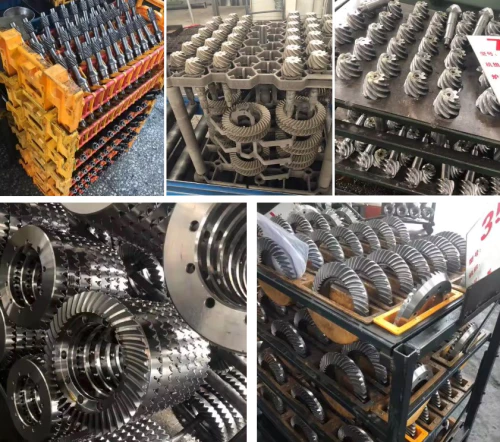
A bevel gear set is a type of gear system that consists of two bevel gears with intersecting axes. These gears have conically shaped teeth that allow them to mesh with one another at right angles. The primary advantage of a bevel gear set is its ability to transmit rotational motion and power between non-parallel shafts efficiently.

Advantages of Bevel Gear Set
- Angular transmission: Bevel gear sets are ideal for transmitting rotational motion between shafts at various angles.
- Efficiency: Bevel gear sets have high efficiency, ensuring minimal power loss during transmission.
- Compact design: Bevel gear sets are compact and can be easily integrated into space-limited applications.
- Versatility: Bevel gear sets can be used in a wide range of industries and applications due to their flexibility.
- Smooth operation: Bevel gear sets provide smooth and reliable operation, minimizing noise and vibration.
- Load distribution: Bevel gear sets distribute loads evenly, reducing stress on individual gears.
- Easy maintenance: Bevel gear sets are relatively easy to maintain, ensuring long-term performance.

Working Principle
The working principle of a bevel gear set involves the meshing of two bevel gears with intersecting axes. The conical-shaped teeth on the gears allow them to engage and transmit rotational motion and power between the two shafts. As one gear rotates, the teeth of the driving gear push against the teeth of the driven gear, causing the driven gear to rotate in the opposite direction.

Applications of Bevel Gear Set
Bevel gear sets find extensive applications in various industries:
- Automotive Industry: Bevel gear sets are used in automotive differentials to transfer torque between the drive shaft and wheels, allowing smooth turns and efficient power distribution.
- Aerospace Industry: Bevel gear sets are utilized in aerospace applications, such as aircraft landing gear mechanisms, where compact design and efficient power transmission are crucial.
- Robotics: Bevel gear sets are commonly employed in robotic joints to transmit motion and torque effectively, enabling precise and smooth movements.
- Industrial Mixers: Bevel gear sets are utilized in industrial mixers to transfer rotational motion from the motor to the mixing blades, ensuring thorough and efficient mixing processes.
- Power Tools: Bevel gear sets are an integral component of power tools, such as drills, saws, and grinders, providing the necessary torque for efficient operation.
- Aerospace and Defense: Bevel gear sets are used in aerospace and defense applications, including aircraft navigation systems and weapon systems, ensuring reliable and precise functionality.
- Agricultural Equipment: Bevel gear sets are employed in agricultural machinery, such as tractors and harvesters, to transfer power and control different mechanical functions.
- Mining and Heavy Machinery: Bevel gear sets are utilized in mining and heavy machinery, such as excavators and cranes, to enable efficient and reliable operation under demanding conditions.

Potential Problems and Solutions
- Gear wear and tooth damage: Over time, the teeth of the bevel gears may experience wear, pitting, or chipping, leading to decreased performance and potential failure. Regularly inspect the gear set for signs of wear and damage. Implement proper lubrication practices to reduce friction and wear. If significant wear is detected, consider replacing the affected gears or implementing corrective measures such as gear tooth surface hardening or coating.
- Noise and vibration: Excessive noise and vibration during gear operation can indicate misalignment, poor gear meshing, or other issues that affect performance and reliability. Check the gear set for misalignment and adjust as necessary. Ensure proper gear meshing by verifying the gear tooth contact pattern and adjusting backlash if needed. Consider implementing noise reduction measures, such as optimizing gear tooth profiles, using vibration-damping materials, or employing noise-absorbing enclosures.
- Insufficient lubrication: Inadequate lubrication can lead to increased friction, wear, and heat generation within the gear set, resulting in premature failure. Follow the manufacturer’s lubrication recommendations, including selecting the appropriate lubricant type, viscosity, and replenishment intervals. Regularly monitor lubricant levels and quality, and ensure proper lubrication distribution throughout the gear set. Perform routine maintenance to clean and replace lubricants as needed.
- Misalignment: Improper alignment of the bevel gear set can result in increased wear, noise, and decreased efficiency. Conduct regular alignment checks to ensure proper shaft alignment and gear positioning. Use alignment tools and techniques such as dial indicators, laser alignment systems, or precision measurement methods. Adjust the gear set as necessary to achieve proper alignment and ensure smooth operation.
- Overloading: Subjecting the gear set to excessive loads beyond its designed capacity can lead to gear tooth breakage, premature wear, or catastrophic failure. Determine and operate within the recommended load limits and torque ratings specified by the gear manufacturer. Consider factors such as shock loads, variations in operating conditions, and potential overload scenarios. If higher loads are anticipated, select a gear set with a higher load capacity or explore alternative gearing solutions.

Selecting the Suitable Bevel Gear Set
- Determine the application requirements: Understand the specific needs and constraints of the application, including torque, speed, space, and environmental factors.
- Assess the load and torque requirements: Determine the expected loads and torques the gear set will encounter to ensure it can handle the necessary forces.
- Evaluate gear ratio and speed requirements: Analyze the required gear ratio and rotational speed to select a gear set that can achieve the desired output.
- Consider space limitations: Take into account the available space for installation and choose a gear set that fits within the designated area.
- Assess durability and material selection: Evaluate the durability requirements of the application and select a gear set made from suitable materials, such as alloy steel or specialized coatings.
- Evaluate efficiency and power transmission: Consider the desired efficiency and power transmission capabilities of the gear set to ensure optimal performance.
- Consider noise and vibration requirements: Assess the noise and vibration restrictions of the application and choose a gear set that meets the specified criteria.
- Consult with manufacturers and experts: Seek guidance from gear manufacturers and industry experts to ensure the selection of the most suitable bevel gear set for the application.

About EVER POWER
EVER POWER is a professional manufacturer of gears in China. Our products are exported to different countries such as Spain, the Netherlands, the United States, South Korea, Turkey, and Russia. We strive to assist customers in developing new products and solving technical and quality problems. We are committed to meeting the needs of users with high-quality products, fair prices, and excellent services. At EVER POWER, we prioritize quality, timely delivery, and integrity in every business partnership. We wholeheartedly welcome friends from the business community to cooperate with us and create brilliance together.
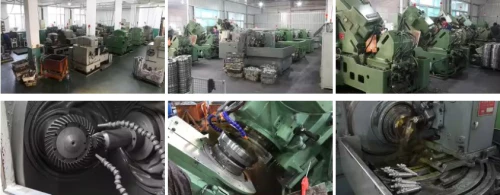
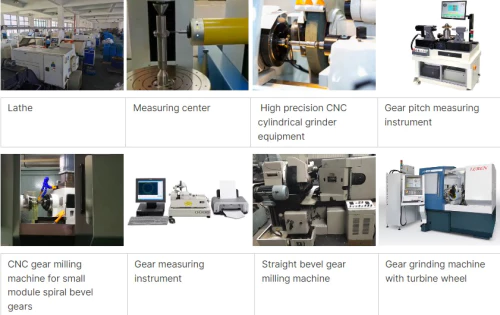
Besides bevel gear sets, EVER POWER also offers other gear products such as Worm Gear, spiral bevel gear, Helical Gear, Spur Gear, plastic gear, metric gear rack, and more. Customers are welcome to inquire about customized products. We have hundreds of employees, including many engineers, and possess advanced production monitoring systems and precision measuring instruments. With our strict quality management systems, EVER POWER has established a strong competitive edge in the industry.