Yaw Gearbox Lubricant Degradation
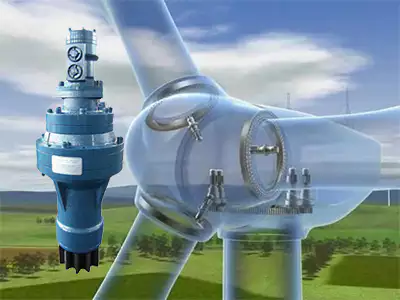
In the wind turbine industry, the yaw drive system plays a crucial role in ensuring the optimal performance and safety of the turbine. One of the key factors that can significantly affect the performance of the yaw drive system is the degradation of the gearbox lubricant. This article will explore the various aspects of yaw gearbox lubricant degradation and its implications.
1. Understanding Lubricant Degradation
Lubricant degradation refers to the process by which the properties of the lubricant deteriorate over time, leading to reduced lubrication effectiveness and potential damage to the yaw gearbox components. This degradation can occur due to various factors, including thermal stress, oxidation, contamination, and mechanical wear.
2. Effects of Lubricant Degradation on Yaw Gearbox
When the lubricant in the yaw gearbox degrades, several negative effects can occur. These include increased friction and wear between the gearbox components, decreased lubrication film thickness, reduced load-carrying capacity, and increased operating temperatures. These effects can ultimately lead to premature failure of the yaw drive system if not addressed in a timely manner.
3. Signs of Lubricant Degradation
Identifying the signs of lubricant degradation is crucial for ensuring the proper maintenance of the yaw drive system. Some common indicators of lubricant degradation include abnormal noise, increased vibration levels, elevated operating temperatures, changes in lubricant color and consistency, and increased power consumption. Regular monitoring and analysis of the lubricant’s condition can help detect these signs early on.
4. Lubricant Testing and Analysis
To effectively manage lubricant degradation, regular testing and analysis of the lubricant’s condition should be performed. Techniques such as oil sampling, viscosity measurement, acidity determination, and spectroscopy analysis can provide valuable insights into the lubricant’s degradation level, contamination, and remaining useful life. Based on the analysis results, appropriate maintenance actions can be taken to mitigate further degradation.
5. Maintenance and Fault Diagnosis of Yaw Drive
The maintenance and fault diagnosis of the yaw drive system are essential for ensuring its optimal performance and longevity. Common fault phenomena analysis includes abnormal noise, excessive vibration, oil leakage, gear wear, and bearing damage. The fault diagnosis steps typically involve visual inspection, measurement and testing, data analysis, and component replacement if necessary.

6. Value and Importance of Yaw Drive in Different Applications
The yaw drive system finds its importance and value in various applications, including wind power generation, maritime industry, and aerospace. In wind power generation, the yaw drive enables wind turbines to align with wind direction, optimizing energy production. In the maritime industry, yaw drives are crucial for maneuvering large ships. In aerospace, yaw drives assist in controlling the aircraft’s yaw motion, ensuring stability and precise navigation.
7. Selecting and Customizing the Right Yaw Drive Gearbox
When selecting or customizing a yaw drive gearbox, several parameters and practical conditions need to be considered. These include torque requirements, operating environment, mounting configuration, backlash tolerance, lubrication method, and maintenance accessibility. Each parameter plays a vital role in ensuring the yaw drive gearbox’s performance and longevity in a specific application.

8. Introducing Our Yaw Drive Gearbox Products
Our company specializes in the production and sales of high-quality yaw drive gearboxes. With years of experience and a dedicated team of experts, we offer a range of reliable and efficient yaw drive solutions for various industries. Here are five key advantages of our products and company:
- Advanced Design and Engineering: Our yaw drive gearboxes are designed using advanced engineering principles and state-of-the-art technology to ensure optimal performance and durability.
- Premium Quality Materials: We use only high-quality materials that are specifically chosen for their strength, corrosion resistance, and longevity, guaranteeing the reliability of our yaw drive gearboxes.
- Stringent Quality Control: Our products undergo rigorous quality control measures at every stage of production, ensuring that each yaw drive gearbox meets the highest industry standards.
- Customization Options: We offer flexible customization options to meet the unique requirements of different applications, allowing our customers to tailor the yaw drive gearbox to their specific needs.
- Excellent Customer Support: Our dedicated customer support team is available to provide prompt assistance, technical guidance, and after-sales support, ensuring a smooth and satisfactory experience for our customers.
By choosing our yaw drive gearboxes, you can be confident in the reliability, performance, and longevity of your yaw drive system.
Author: Miya
Yaw Drive Maintenance and Fault Diagnosis
Maintaining and diagnosing faults in the yaw drive system is crucial for ensuring its optimal performance and minimizing downtime. Here are the key points to consider in yaw drive maintenance and fault diagnosis:
- Regular Lubricant Inspection: Regularly check the lubricant’s condition, including its level, cleanliness, and viscosity. Any signs of degradation or contamination should prompt lubricant replacement.
- Bearing Inspection and Greasing: Inspect the bearings for wear, abnormal noise, and proper lubrication. Grease the bearings as per the manufacturer’s recommendations to ensure smooth operation.
- Gearbox Alignment: Periodically check and adjust the gearbox alignment to prevent excessive wear and noise. Misalignment can lead to premature gearbox failure.
- Vibration Monitoring: Implement a vibration monitoring system to detect any abnormal vibration levels, which can indicate potential faults in the yaw drive system.
- Electrical System Inspection: Regularly inspect the electrical components, connections, and wiring to ensure proper functioning and prevent electrical faults.
When diagnosing faults in the yaw drive system, follow these steps:
- Visual Inspection: Visually inspect the yaw drive system for any visible signs of damage, oil leakage, loose connections, or misalignment.
- Measurement and Testing: Measure key parameters such as temperature, vibration, and noise levels to identify any abnormalities.
- Data Analysis: Analyze the collected data to identify patterns, trends, and potential causes of the fault.
- Component Replacement: If a faulty component is identified, replace it with a suitable replacement part, ensuring compatibility and proper installation.
Value and Importance of Yaw Drive in Different Applications
The yaw drive system holds immense value and importance in various applications:
- Wind Power Generation: Yaw drives enable wind turbines to face the wind direction, maximizing energy production and ensuring optimal turbine performance.
- Maritime Industry: Yaw drives are vital for large ships’ maneuverability, allowing them to change their heading efficiently and navigate through different water conditions.
- Aerospace: In aerospace applications, yaw drives play a crucial role in controlling the yaw motion of aircraft, ensuring stable flight and precise navigation.
- Industrial Machinery: Yaw drives are also utilized in various industrial machinery, such as cranes, excavators, and rotating platforms, enabling controlled rotation and positioning.
These diverse applications highlight the versatility and significance of yaw drive systems in different industries.
Choosing and Customizing the Right Yaw Drive Gearbox
When selecting or customizing a yaw drive gearbox, consider the following factors:
- Torque Requirements: Determine the required torque capacity based on the specific application and operating conditions.
- Operating Environment: Consider factors such as temperature, humidity, dust, and corrosive elements to ensure the gearbox’s suitability for the environment.
- Mounting Configuration: Choose the appropriate mounting configuration that aligns with the existing system and ensures proper integration.
- Backlash Tolerance: Determine the acceptable level of backlash based on the application’s precision and accuracy requirements.
- Lubrication Method: Select the lubrication method that best suits the application, whether it’s oil bath, circulating oil, or grease lubrication.
- Maintenance Accessibility: Ensure easy access to the gearbox for maintenance and inspection purposes to minimize downtime and maximize efficiency.
Our company is a leading manufacturer and supplier of high-quality yaw drive gearboxes. With our extensive expertise and commitment to excellence, we are confident in recommending our products to meet your specific requirements. Here are five key reasons to choose our yaw drive gearboxes:
- Precision Engineering: Our gearboxes are meticulously engineered to deliver exceptional performance, reliability, and precision.
- Robust and Durable: We use premium-grade materials and advanced manufacturing techniques to ensure the longevity and durability of our gearboxes.
- Customization Options: We offer a wide range of customization options to tailor the gearbox to your unique specifications and application needs.
- Fast and Responsive Customer Support: Our dedicated customer support team is readily available to provide prompt assistance and technical guidance.
- Proven Track Record: With a solid track record of delivering quality products, we have established ourselves as a trusted partner in the industry.
Partner with us to experience the exceptional performance and reliability of our yaw drive gearboxes.
Author: Miya