Yaw Gearbox Impact of Gearbox Lubricant Aging
In the field of wind energy, the yaw gearbox plays a crucial role in ensuring the optimal performance of wind turbines. As the gearbox lubricant ages, it can have a significant impact on the overall operation and efficiency of the yaw gearbox. In this article, we will explore the various aspects related to the impact of gearbox lubricant aging on the yaw gearbox and its implications for wind turbine performance.
1. The Role of Gearbox Lubricant in Yaw Gearbox Performance
The gearbox lubricant in the yaw gearbox serves multiple purposes. It not only reduces friction and wear between the moving parts but also helps in heat dissipation and contamination control. It acts as a protective barrier, ensuring smooth operation and efficient power transmission within the gearbox.
2. Effects of Lubricant Aging on Yaw Gearbox Efficiency
Over time, the lubricant in the yaw gearbox undergoes aging, which can lead to a decline in its performance. The aging process involves the degradation of lubricant properties, such as viscosity, lubricity, and thermal stability. These changes can directly impact the efficiency of the yaw gearbox, resulting in increased friction, decreased power transmission, and potential overheating.
3. Viscosity Breakdown and its Consequences
One of the primary effects of lubricant aging is viscosity breakdown. As the lubricant ages, its viscosity decreases, leading to inadequate lubrication between the gearbox components. This can result in increased friction, wear, and noise, ultimately affecting the overall performance and lifespan of the yaw gearbox.
4. Lubricant Oxidation and its Impact
Lubricant oxidation is another critical aspect associated with aging. Oxidation occurs due to the reaction of lubricant with oxygen, resulting in the formation of harmful by-products. These by-products can lead to the formation of sludge and deposits, clogging the lubrication channels and impeding proper gear lubrication. Consequently, the efficiency of the yaw gearbox can be significantly compromised.
5. Contamination and Abrasive Wear
As the lubricant ages, it becomes more susceptible to contamination from external sources such as dirt, debris, and water. Contaminants can accelerate the wear and tear of gearbox components, leading to abrasive wear and pitting. This can cause premature failure of gears, bearings, and other critical parts, necessitating costly repairs or even replacement.
6. Impact on Yaw Drive System Reliability
The reliability of the yaw drive system is directly influenced by the aging of gearbox lubricant. The degradation of lubricant properties can lead to unexpected failures, downtime, and increased maintenance requirements. Regular monitoring and timely lubricant replacement are essential to maintain the reliability and longevity of the yaw drive system.
7. Yaw Drive Maintenance and Fault Diagnosis
Maintaining and diagnosing faults in the yaw drive system is crucial for uninterrupted wind turbine operations. Some common maintenance tasks include lubricant analysis, visual inspections, and torque measurements. Fault diagnosis involves identifying symptoms such as abnormal noise, excessive vibration, or temperature rise and conducting appropriate tests to pinpoint the root cause of the problem.
8. Common Yaw Drive Fault Phenomena Analysis
Several common fault phenomena can occur in the yaw drive system, such as gear tooth wear, bearing failure, misalignment, and lubricant contamination. Analyzing these fault phenomena helps in understanding the underlying issues and taking corrective measures to prevent further damage and ensure optimal performance.
9. Fault Diagnosis Steps in Yaw Drive System
Proper fault diagnosis in the yaw drive system requires a systematic approach. The steps involve gathering data, conducting inspections, performing tests, and analyzing the results to identify the specific fault and its severity. This helps in determining the appropriate course of action, whether it be repair, replacement, or preventive measures.
10. Repair and Replacement Recommendations
When faults are detected in the yaw drive system, timely repair or replacement is crucial to avoid prolonged downtime and costly repairs. Depending on the severity of the fault, repair options may include gear reconditioning, bearing replacement, or realignment. In some cases, complete gearbox replacement may be necessary to restore optimal functionality.
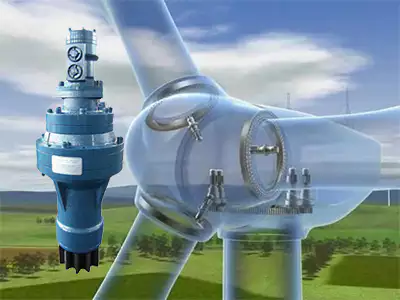
Yaw Drive’s Value and Importance in Different Application Fields
The yaw drive system finds its relevance not only in wind power generation but also in various other application fields such as maritime, aerospace, and industrial sectors. Understanding its value and importance in these diverse domains is essential for harnessing its full potential.
Wind Power Generation
In the wind energy sector, the yaw drive system ensures efficient alignment of the wind turbine rotor with the wind direction, optimizing energy capture and power generation. Its precise control and reliability are vital for maximizing wind turbine performance and overall energy output.
Maritime Applications
In maritime applications, the yaw drive system plays a crucial role in ship propulsion, maneuvering, and navigation. It enables precise steering control, ensuring safe and efficient operation of vessels in various marine environments.
Aerospace Industry
The aerospace industry heavily relies on the yaw drive system for aircraft control and stability. It allows for smooth and precise yaw motion control, contributing to safe and stable flight operations.
Industrial Machinery
In the industrial sector, the yaw drive system finds applications in various machinery and equipment, such as cranes, excavators, and robotics. It facilitates controlled rotation and positioning, enabling efficient material handling and operational versatility.

Choosing or Customizing the Right Yaw Drive Gearbox
Selecting or customizing the appropriate yaw drive gearbox is essential to ensure optimal performance and compatibility with specific operational requirements. Several key parameters and practical considerations need to be taken into account during the decision-making process.
Load Capacity and Torque Requirements
The load capacity and torque requirements of the yaw drive gearbox should be carefully evaluated to ensure it can handle the expected loads and operate within the desired torque range. Overloading the gearbox can lead to premature failure, while an oversized gearbox may result in unnecessary costs and inefficiencies.
Environmental Conditions and Protection
The environmental conditions, such as temperature, humidity, and exposure to corrosive elements, should be considered when selecting a yaw drive gearbox. It should be adequately protected through sealing mechanisms, lubricant choice, and surface treatments to ensure optimal performance and longevity in challenging environments.
Mounting and Integration
The yaw drive gearbox should be compatible with the wind turbine or the specific machinery where it will be installed. Factors such as mounting options, dimensions, and connection interfaces should be taken into account to ensure seamless integration and proper alignment.
Maintenance and Serviceability
Assessing the maintenance requirements and serviceability features of the yaw drive gearbox is crucial for long-term operational efficiency. Easy access to lubrication points, inspection ports, and replaceable components can significantly simplify maintenance tasks and reduce downtime.
Reliability and Warranty
Considering the reliability track record and warranty terms offered by the manufacturer is essential for mitigating risks and ensuring peace of mind. A reputable manufacturer with a proven track record of producing reliable yaw drive gearboxes can provide the confidence needed for a successful long-term operation.

Finally, we would like to introduce our company as a professional manufacturer and supplier of high-quality yaw drive gearboxes. With years of experience and expertise in the industry, we are committed to delivering reliable and efficient solutions for wind turbines and various application fields.
Our key strengths and advantages include:
- Advanced Technology: We utilize cutting-edge technology and innovative design approaches to develop state-of-the-art yaw drive gearboxes that meet the highest industry standards.
- Superior Performance: Our gearboxes are engineered to deliver superior performance in terms of efficiency, torque transmission, and overall reliability. They are designed to withstand demanding operating conditions and ensure optimal power transmission.
- Customization Options: We offer customization options to tailor the yaw drive gearboxes according to specific customer requirements. This ensures a perfect fit and maximum compatibility with different wind turbine models or industrial applications.
- Quality Assurance: Our products undergo rigorous quality checks and testing processes to ensure they meet or exceed industry quality standards. We are committed to delivering reliable and long-lasting yaw drive gearboxes that provide uninterrupted operation.
- Excellent Customer Support: We pride ourselves on providing exceptional customer support, including pre-sales assistance, technical guidance, and after-sales service. Our dedicated team is always ready to assist our customers and address any queries or concerns they may have.
With our reliable and high-performance yaw drive gearboxes, we aim to establish lasting partnerships with our customers and contribute to their success in wind energy and other related industries.
Author: Miya