A tractor PTO (Power Take-Off) driven rotary cultivator gearbox is a fundamental component in agricultural machinery that serves to enhance the functionality of rotary cultivators or tillers. It is specifically designed to connect to a tractor’s PTO shaft and utilize the tractor’s power to operate the cultivator. The gearbox’s role is crucial in converting the tractor’s engine power into a form that is usable by the cultivator to perform soil manipulation tasks efficiently.
By enabling the efficient transfer and conversion of power, the rotary cultivator gearbox enhances agricultural productivity. It allows farmers to prepare land more quickly and effectively than manual methods, leading to better crop yields and more efficient farming operations overall.
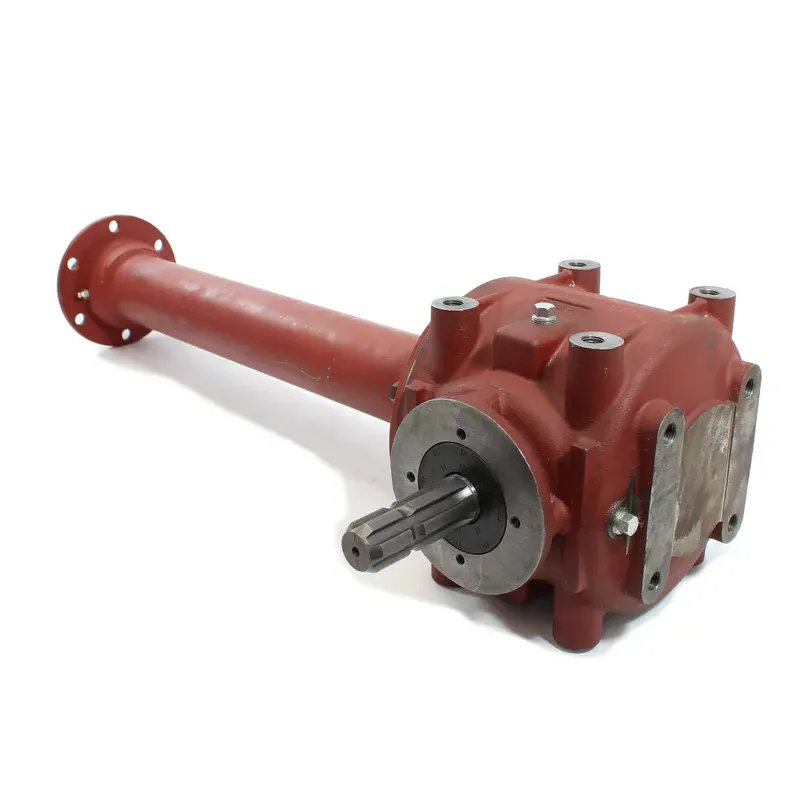
Benefits of Tractor PTO Driven Rotary Cultivator Gearbox
Using a tractor PTO (Power Take-Off) driven rotary cultivator gearbox offers numerous benefits to modern farming practices, enhancing efficiency and productivity in soil management. Here are some of the key advantages:
1. Increased Efficiency
The gearbox efficiently converts the tractor’s high-speed, low-torque power into the low-speed, high-torque output needed for effective cultivation. This allows the cultivator to operate under optimal conditions, reducing the time and effort required to prepare the land compared to manual or less mechanized methods.
2. Enhanced Soil Preparation:
The rotary cultivator gearbox enables the tiller to break up compacted soil more effectively, improving soil aeration and structure. This is crucial for healthy root growth and enhances water infiltration and retention, which are essential for robust plant development.
3. Versatility
With adjustable settings for speed and torque, the gearbox can be tailored to different soil types and conditions. This adaptability allows the same piece of equipment to be used for various tasks, including tilling, weeding, and mixing in soil amendments, making it a versatile tool in a farmer’s arsenal.
4. Cost-Effectiveness
By increasing the speed and quality of soil preparation, the gearbox reduces the need for multiple passes over the field, saving fuel and time. This cost-effectiveness extends further due to the reduced wear and tear on both the tractor and the cultivator, thanks to the efficient power transfer and usage.
5. Protection of Equipment
Safety features such as shear bolts or overload clutches protect the gearbox, cultivator, and tractor from damage. These features help prevent costly repairs and downtime by disengaging the drive when the cultivator hits an obstruction or when an operational overload occurs.
6. Improved Crop Yields
Better soil preparation leads to better planting conditions, which can improve seed germination rates and crop growth. Uniform soil tilling creates an optimal growing environment, leading to potentially higher yields and more successful cropping outcomes.
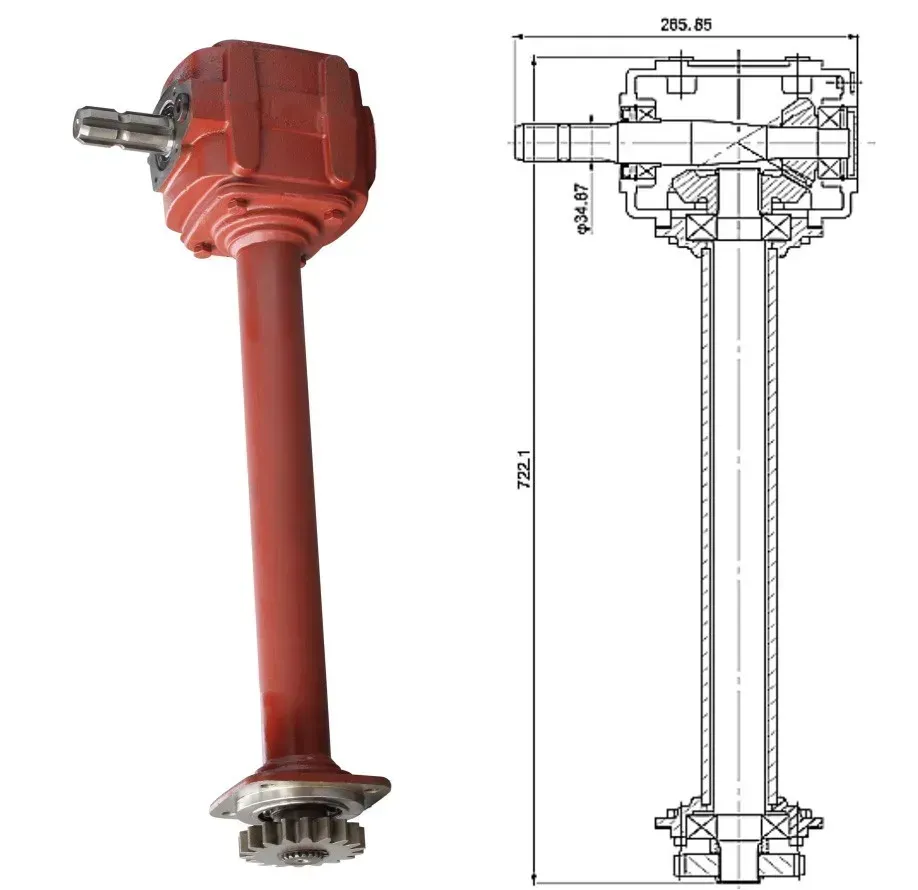
Working Principle of Tractor PTO Driven Rotary Cultivator Gearbox
The tractor PTO driven rotary tiller gearbox is a crucial component in agricultural machinery that helps to transfer and convert power from the tractor to the tiller’s rotating tines. Here’s a detailed explanation of how this gearbox works:
Power Source Activation:
The process begins with the tractor’s engine, which is the primary power source for the rotary tiller. The engine’s power is transmitted through the PTO shaft, which is a splined drive shaft attached to the tractor. When activated, this shaft spins at a rate directly proportional to the engine’s RPM (revolutions per minute). The PTO shaft is versatile and can operate at various speeds, allowing for adjustments based on different farming needs.
Gearbox Connection:
The rotating PTO shaft from the tractor connects to the rotary tiller’s gearbox via its input shaft. This connection is crucial for transferring the rotational energy directly into the gearbox. The input shaft is engineered to fit perfectly with the PTO shaft, ensuring efficient power transmission without slippage or energy loss.
Speed and Torque Adjustment:
Within the gearbox, a series of gears adjust the input speed and torque to the levels ideal for tilling operations. These gears are usually designed to reduce the input speed, thereby increasing the torque. The increase in torque is vital because it provides the necessary force to turn the tiller blades through different soil types, whether breaking new ground or cultivating at a shallower depth.
Power Output via Output Shaft:
After the speed and torque are adjusted, the power is transmitted to the output shaft of the gearbox. This shaft is specifically designed to transfer the adjusted mechanical power to the rotary tiller’s blade assembly. The output shaft’s rotational speed determines how fast the blades turn, which can be crucial for achieving the desired soil texture and depth.
Driving the Tiller Blades:
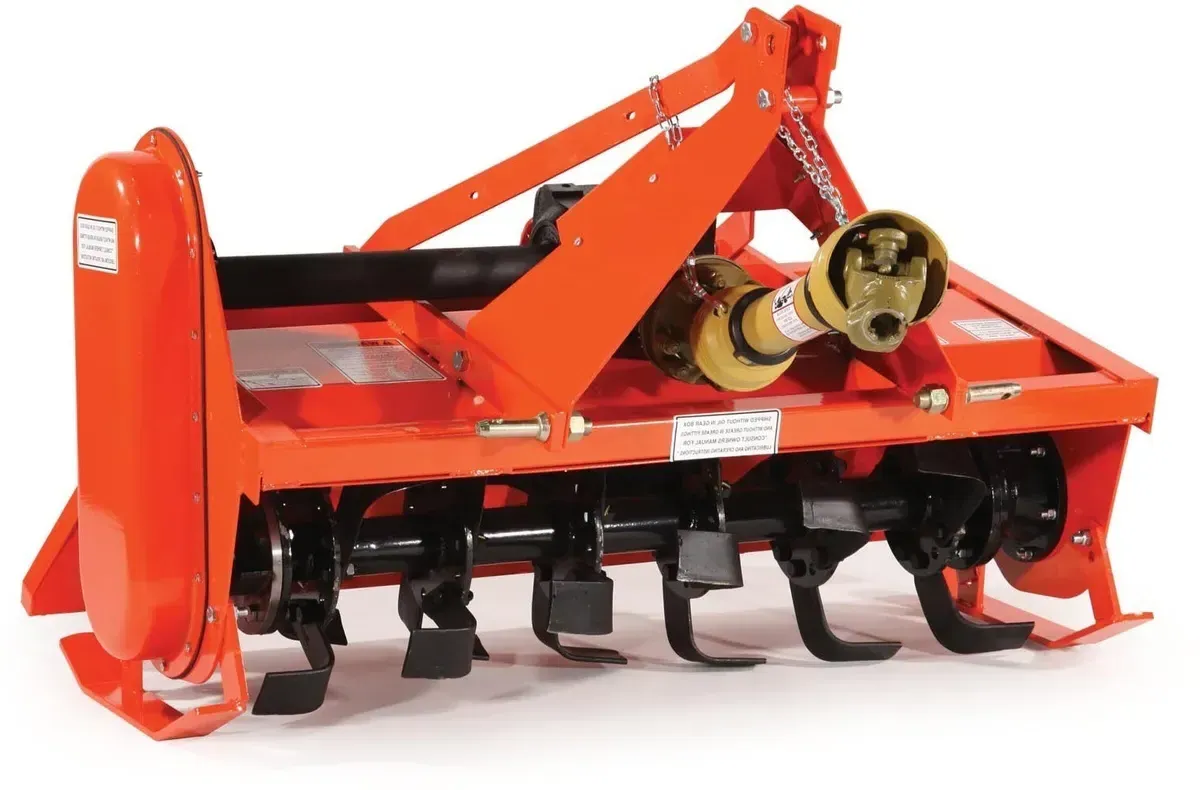
The output from the gearbox drives the rotary tiller blades, which are mounted on a horizontal axis. As the output shaft turns, it rotates the blades that dig into and turn over the soil. The effectiveness of the blades is directly influenced by the torque and speed output from the gearbox. Properly tuned, the gearbox ensures that the blades can maintain sufficient depth and speed to efficiently till the soil, optimizing the soil structure for planting.

Installation and Maintenance of Tractor PTO Driven Rotary Tiller Gearbox
Proper installation and regular maintenance are critical for the optimal performance and longevity of a tractor PTO driven rotary tiller gearbox. Here’s a comprehensive guide on how to install and maintain this essential agricultural component:
(1) Pre-Installation Preparation:
Before installing the gearbox, ensure that all necessary tools and equipment are ready. It’s crucial to also have the installation manual handy, which provides specific instructions tailored to the gearbox model. Check the compatibility of the gearbox with the tractor’s PTO shaft and tiller to ensure that all parts will connect correctly without forcing.
(2) Mounting the Gearbox:
The gearbox should be securely mounted to the rotary tiller’s frame using bolts and mounting plates provided by the manufacturer. It is essential to align the gearbox accurately with the PTO shaft to prevent misalignment, which can cause excessive wear and tear or damage.
(3) Connecting to the Tractor PTO:
Align the rotary tiller with the tractor, and connect the gearbox’s input shaft to the tractor’s PTO shaft. This may require adjusting the tractor’s position or the tiller’s height. Secure the connection with locking pins or collars to prevent the tiller from detaching during operation.
(4) Lubrication and Fluid Checks:
Before initial use, and regularly thereafter, check the oil level in the gearbox. Fill it with the recommended type and grade of oil according to the manufacturer’s specifications. The correct lubrication reduces friction and wear, cools the gearbox components, and helps to seal out dirt and moisture.
(5) Operational Testing:
After installation, conduct a test run of the tiller to ensure everything is working correctly. Listen for any unusual noises and observe the tiller operation to ensure that the gearbox is functioning smoothly. Check for excessive vibrations or movements, which may indicate a problem with installation or alignment.
(6) Regular Maintenance and Inspections:
Schedule regular maintenance checks based on the manual’s recommendations and usage frequency. This includes checking oil levels and quality, inspecting gears and bearings for wear, and replacing any worn or damaged parts. Keep the gearbox clean from soil and debris, which can enter seals and cause internal damage.
Common Troubleshooting of the Tractor PTO Driven Rotary Tiller Gearbox
Troubleshooting a tractor PTO driven rotary tiller gearbox can help identify and resolve common issues that may impair its functionality. Here’s a detailed guide to the most frequent problems and how to address them:
1. Gearbox Makes Unusual Noises:
Unusual noises such as grinding, whining, or clunking from the gearbox often indicate issues with the internal gears or bearings. Check for worn or damaged gears and replace them if necessary. Bearings should also be inspected for wear and lubricated or replaced.
2. Excessive Vibration During Operation:
Excessive vibration can be caused by misalignment of the gearbox with the tractor’s PTO shaft or imbalances in the tiller blades. First, ensure that the gearbox is securely mounted and that all bolts are tightened to the manufacturer’s specifications.
3. Overheating Gearbox:
Overheating can occur if the gearbox is not adequately lubricated or if it is overloaded due to setting the tiller too deep in hard soil. Check the oil level and the quality of the oil in the gearbox; low or degraded oil can lead to increased friction and heat.
4. Power Transmission Issues:
If the tiller is not turning or seems to lack power, there may be a problem with the power transmission from the tractor to the tiller. Ensure that the PTO shaft is correctly connected and that the shear pins or drive belts (if applicable) are intact.
5. Oil Leaks:
Oil leaks from the gearbox can lead to low oil levels and potential damage to internal components. Inspect the gearbox for any signs of leaks, which typically occur around seals and gaskets. Replace any damaged seals and gaskets.
6. Difficulty Engaging PTO Shaft:
If the PTO shaft is difficult to engage, or if it does not stay engaged, the issue may be with the PTO linkage or the gearbox’s input shaft. Check the alignment and connection points for wear or damage. Lubricate the linkage to ensure smooth operation.

Why Choose EVER-POWER’s Rotary Tiller Gearbox?
EVER-POWER is a prominent manufacturer of high-performance rotary tiller gearboxes for a variety of applications. Our technical staff can reconfigure an existing design or assist you in designing a custom rotary tiller gearbox if a standard or existing design does not fit your application. Shaft rotation, speed ratio, design type, load nature, mounting position, and the application’s environment are all considerations when choosing an rotary tiller gearbox.
Professionalism:
Our team of experts is dedicated to providing top-notch customer service and technical support to ensure that you get the right gearbox for your needs. We have years of experience in the industry and are committed to delivering high-quality products.
International Certifications:
Our gearboxes meet international quality standards and are certified for performance and durability. You can trust that our products are reliable and built to last.
Customized Services:
If you require a gearbox that is tailored to your specific requirements, we can work with you to design and manufacture a custom solution. Our engineers are skilled at creating unique gearbox designs to meet your needs.
Production Facilities:
Our state-of-the-art production facilities are equipped with the latest technology to ensure efficient and precise manufacturing processes. We adhere to strict quality control measures to guarantee the consistency and reliability of our gearboxes.
After-Sales Services:
We provide comprehensive after-sales support to assist you with installation, maintenance, and any issues that may arise with your gearbox. Our team is dedicated to ensuring that you have a positive experience with our products.
Product Range:
In addition to rotary tiller gearboxes, we offer a wide range of agricultural gearboxes and PTO shafts for various applications. Whether you need a gearbox for a rotary cutter, feed mixer, or fertilizer spreader, we have you covered.

Author: Yjx