Working Principle of Salt Spreader Gearbox
The working principle of a salt spreader gearbox with sprocket involves several key components and stages to effectively distribute salt over surfaces for de-icing or maintaining road conditions in cold weather. Here’s how it typically works:
1. Power Source Connection:
The operation of a Salt Spreader Gearbox with Sprocket begins with its connection to a power source, typically an electric motor or a hydraulic system. This power source provides the necessary mechanical energy that drives the gearbox. The motor’s output shaft connects directly to the drive shaft of the gearbox, transmitting rotational force that is crucial for the initial activation of the internal gearing system.
2. Transmission of Torque Through Gears:
Once the motor activates, it spins the drive shaft attached to the gearbox. Inside the gearbox, the drive shaft connects to several gears that convert and multiply the torque from the motor. Depending on the gearbox design—whether it uses spur, helical, or bevel gears—the rotational energy is adapted to the necessary level of torque and speed required by the spreading mechanism.
3. Sprocket Engagement:
The final gear in the sequence is directly linked to the sprocket. As the gears translate the motor’s torque, this rotational force is transferred to the sprocket. The design and size of the sprocket are crucial for maintaining the required speed and force distribution. This component’s teeth engage with a chain or belt that is connected to the salt spreader’s dispensing mechanism.
4. Chain or Belt Activation:
The movement of the sprocket drives a chain or belt system. This system is integral to the operation of the salt spreader as it provides a direct linkage from the gearbox to the dispenser. The chain or belt translates the rotational movement from the sprocket to the spinning part of the salt spreader, usually a spinner disc, which is responsible for flinging the salt outward from the machine.
5. Dispensing Mechanism Operation:
As the spinner disc receives rotational energy from the sprocket through the chain or belt, it begins to rotate at a high speed. This disc is outfitted with fins or paddles that catch and throw the salt from the hopper of the spreader out onto the road. The speed and efficiency of the disc are crucial for ensuring that salt is spread evenly and effectively over the surface area to be treated.
6. Control and Adjustment:
Most salt spreader gearboxes are equipped with controls that allow operators to adjust the rate of salt spread and the width of the distribution pattern. These adjustments can typically be made by modifying the speed of the motor or by changing the settings on the gearbox to alter the output torque and speed. This flexibility is vital for adapting the salt distribution to different conditions, such as varying ice thickness or different road widths, ensuring maximum efficiency and safety.

Installation Step of Salt Spreader Gearbox
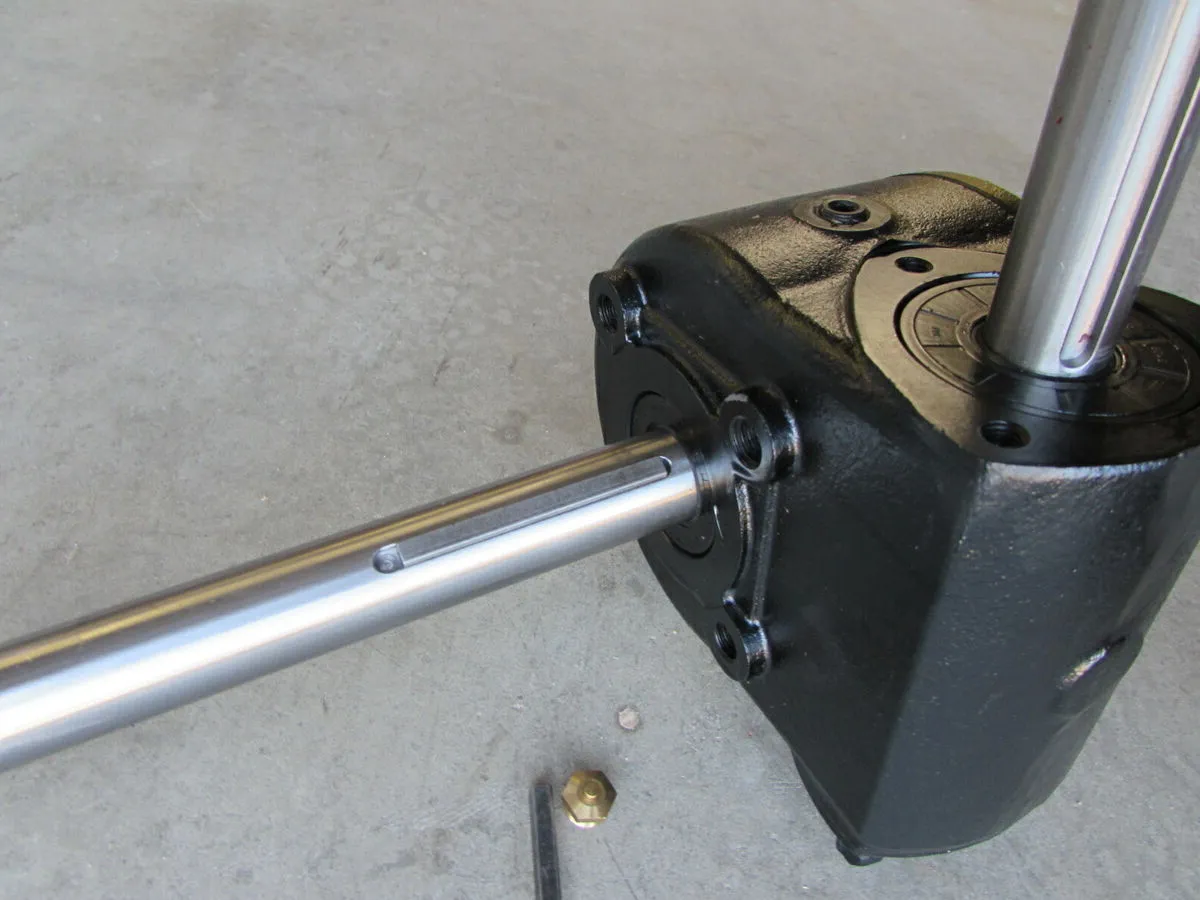
Installing a salt spreader gearbox with sprocket requires careful attention to detail to ensure proper function and durability. Here’s a step-by-step guide to help you successfully install the gearbox:
1. Preparation and Safety:
Begin the installation by ensuring that the salt spreader and vehicle are securely parked on a flat surface and that the power source (motor or hydraulic system) is turned off. It’s essential to wear appropriate safety gear such as gloves and eye protection. Gather all necessary tools and components, including the gearbox, sprocket, mounting hardware, and any required lubricants. Check the installation area for cleanliness and remove any debris or residual salt that could interfere with the installation.
2. Mounting the Gearbox:
Position the gearbox at the designated mounting spot on the salt spreader frame. It’s important to align it properly to ensure that the drive shaft from the motor and the output to the sprocket are in the correct orientation. Use the mounting brackets and bolts provided to secure the gearbox firmly in place. Ensure that all connections are tight and that the gearbox is stable, with no play or movement that could affect its operation.
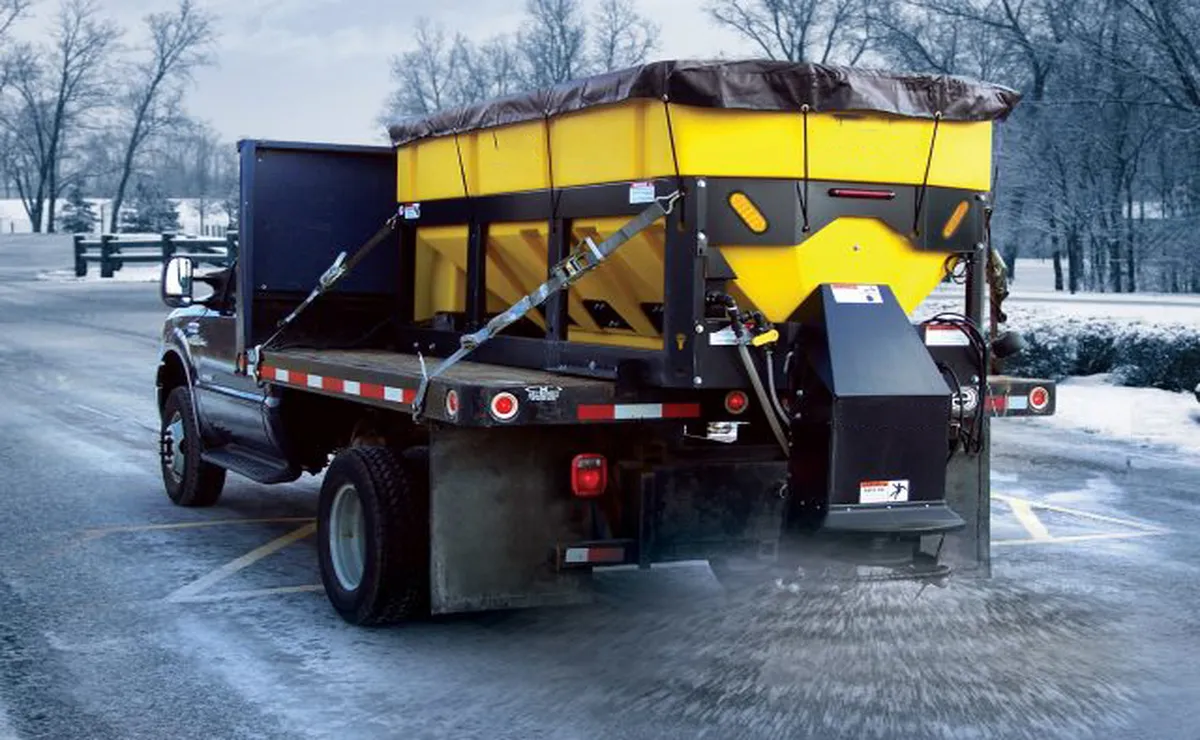
3. Attaching the Sprocket:
Install the sprocket onto the output shaft of the gearbox. Depending on the design, this may involve sliding the sprocket onto the shaft and securing it with a keyway, set screws, or a retaining ring. Ensure that the sprocket is properly aligned with the chain or belt system to avoid any misalignment that could lead to wear or failure. Double-check that all fastening elements are secure and that the sprocket rotates freely without wobble.
4. Connecting the Chain or Belt:
Install the chain or belt that will transmit the motion from the sprocket to the salt spreader’s dispersing mechanism. This may require adjusting the tension to ensure that the chain or belt is neither too tight nor too loose, which could affect performance or cause damage. Use tensioners if available to achieve the correct tension. Ensure that the entire drive system is aligned properly, from the motor to the gearbox, through the sprocket, and to the spreader mechanism.
5. Lubrication:
Properly lubricate all moving parts, including the gearbox internals, sprocket, and chain or belt. Use a high-quality grease or oil that is suitable for cold temperatures and resistant to salt corrosion. This step is crucial for reducing friction and wear, which extends the life of the components and ensures smooth operation. Pay special attention to the bearings and seals, as these are critical points that often suffer from high wear.
6. Testing and Adjustments:
After the installation is complete, conduct a thorough test to ensure everything is working correctly. This includes running the motor and observing the gearbox and sprocket operation. Check for any unusual noises or vibrations that could indicate a problem. Make any necessary adjustments to the chain or belt tension, alignment, or gearbox settings. Once satisfied, the salt spreader should be ready for a real-world operational test to confirm that it spreads salt evenly and effectively.

Common Troubleshooting of Salt Spreader Gearbox
Troubleshooting a salt spreader gearbox with sprocket involves identifying and resolving common issues that may impede its performance. Addressing these common issues can help maintain the operational efficiency of your salt spreader gearbox with sprocket, ensuring reliable performance in crucial snow removal tasks. Here are several typical problems and their solutions:
1. Excessive Noise or Vibration:
If the gearbox produces excessive noise or vibrations during operation, it may indicate misalignment, loose components, or wear within the gearbox or sprocket. Check for loose bolts or fittings and ensure all parts are securely fastened. Examine the gears and bearings for wear or damage and replace them if necessary. Ensure that the sprocket and chain or belt are properly aligned and tensioned. Misalignment can lead to uneven wear and inefficient power transfer, increasing noise and vibration.
2. Leaking Seals:
Leakage around the gearbox is a common issue, often due to deteriorating seals or gaskets. Inspect the seals around the gearbox shafts for signs of wear or damage. Replace any seals that show signs of leakage or degradation to prevent further leakage and potential contamination of the gearbox internals with salt and water, which can cause corrosion and mechanical failure. Regularly check and maintain seal integrity as part of routine maintenance.
3. Poor Salt Distribution:
If the salt spreader is not distributing salt evenly or effectively, the issue may lie in the gearbox or sprocket system. Check the sprocket and chain or belt for proper installation and tension. An improperly tensioned or worn belt can slip, causing irregular spinner speeds. Also, verify that the gearbox is delivering the correct speed and torque to the sprocket. Adjustments might be needed either on the gearbox itself or in the motor’s speed settings.
4. Gearbox Overheating:
Overheating can occur if the gearbox is under excessive load or insufficiently lubricated. Ensure that the gearbox is not overloaded beyond its rated capacity, as this can cause excessive heat due to friction and wear. Check and refill the lubricant to the recommended level, and use a lubricant that is appropriate for the operating environment, particularly one that can handle low temperatures and resist salt corrosion.
5. Sprocket or Chain Issues:
Problems with the sprocket or chain can affect the entire operation of the salt spreader. Inspect the sprocket teeth for wear or damage, and replace the sprocket if the teeth are significantly worn, as worn teeth can cause the chain to slip or jump. Similarly, inspect the chain for stretched links, corrosion, or breakage. A damaged or overly worn chain should be replaced to ensure smooth operation and to prevent further damage to the gearbox and sprocket.
6. Motor-to-Gearbox Connectivity Problems:
Issues can arise at the connection point between the motor and the gearbox. Check the coupling between the motor’s drive shaft and the gearbox’s input shaft for signs of wear, misalignment, or damage. A worn or misaligned coupling can lead to inefficient power transfer and excessive wear on both the motor and gearbox. Ensure that the coupling is correctly installed, properly aligned, and securely fastened. Replacement or adjustment of the coupling may be necessary if it shows signs of deterioration or improper function.

Why Choose EVER-POWER’s Salt Spreader Gearbox?
EVER-POWER is a prominent manufacturer of high-performance salt spreader gearboxes for a variety of applications. Our salt spreader gearboxes are a powerful replacement option for Boss, Western, Meyer, SnowEx, Fisher, Swenson, Henderson, Brinly, Chapin, SaltDogg, DownEaster, Sno-Way, Hiniker, Craftsman, John Deere, Hilltip, Scotts, Curtis, Torwel, and other brands of gearboxes.
Professionalism:
EVER-POWER prides itself on its professionalism in delivering top-quality salt spreader gearboxes that meet the highest industry standards. Our team of experts ensures that every gearbox is manufactured with precision and expertise to guarantee optimal performance and durability.
International Certifications:
Our salt spreader gearboxes are certified to meet international standards for quality and safety. We adhere to strict guidelines and regulations to ensure that our products are of the highest quality and reliability, making EVER-POWER a trusted choice for customers worldwide.
Customized Services:
At EVER-POWER, we understand that every application is unique. That’s why we offer customized services to tailor our salt spreader gearboxes to meet specific requirements. Whether you need a custom design or modifications to an existing gearbox, our technical team can assist you in finding the perfect solution for your needs.
Production Facilities:
Our state-of-the-art production facilities are equipped with the latest technology and machinery to ensure efficient and precise manufacturing processes. We invest in cutting-edge equipment to deliver high-quality salt spreader gearboxes that exceed customer expectations.
After-Sales Services:
Customer satisfaction is our top priority at EVER-POWER. That’s why we offer comprehensive after-sales services to support our customers throughout the lifespan of their salt spreader gearboxes. Our team is dedicated to providing timely assistance and solutions to any issues that may arise.