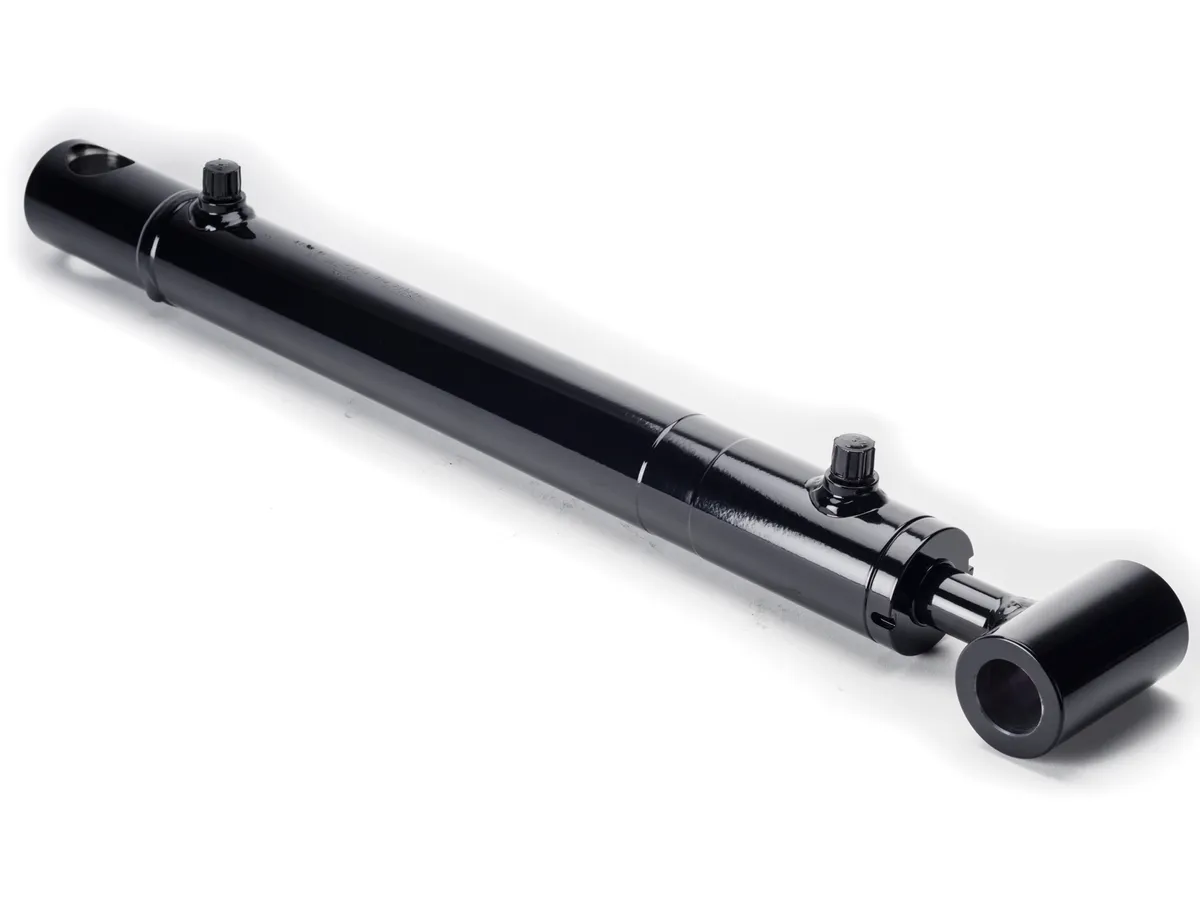
Understanding Push-Type Single-Acting Hydraulic Cylinders
In the realm of hydraulic systems, the term “push-type single-acting hydraulic cylinder” is a key player. This specialized component serves a crucial role in various industrial applications, offering unique benefits and characteristics that set it apart from other hydraulic systems.
Defining Push-Type Single-Acting Hydraulic Cylinders
Push-type single-acting hydraulic cylinders are devices that utilize hydraulic pressure to create linear motion in one direction. These cylinders are designed to generate force and movement through the use of a single hydraulic port, providing controlled and precise operation for a wide range of applications.
- Single hydraulic port for fluid input
- Linear motion in one direction
- Precision force generation
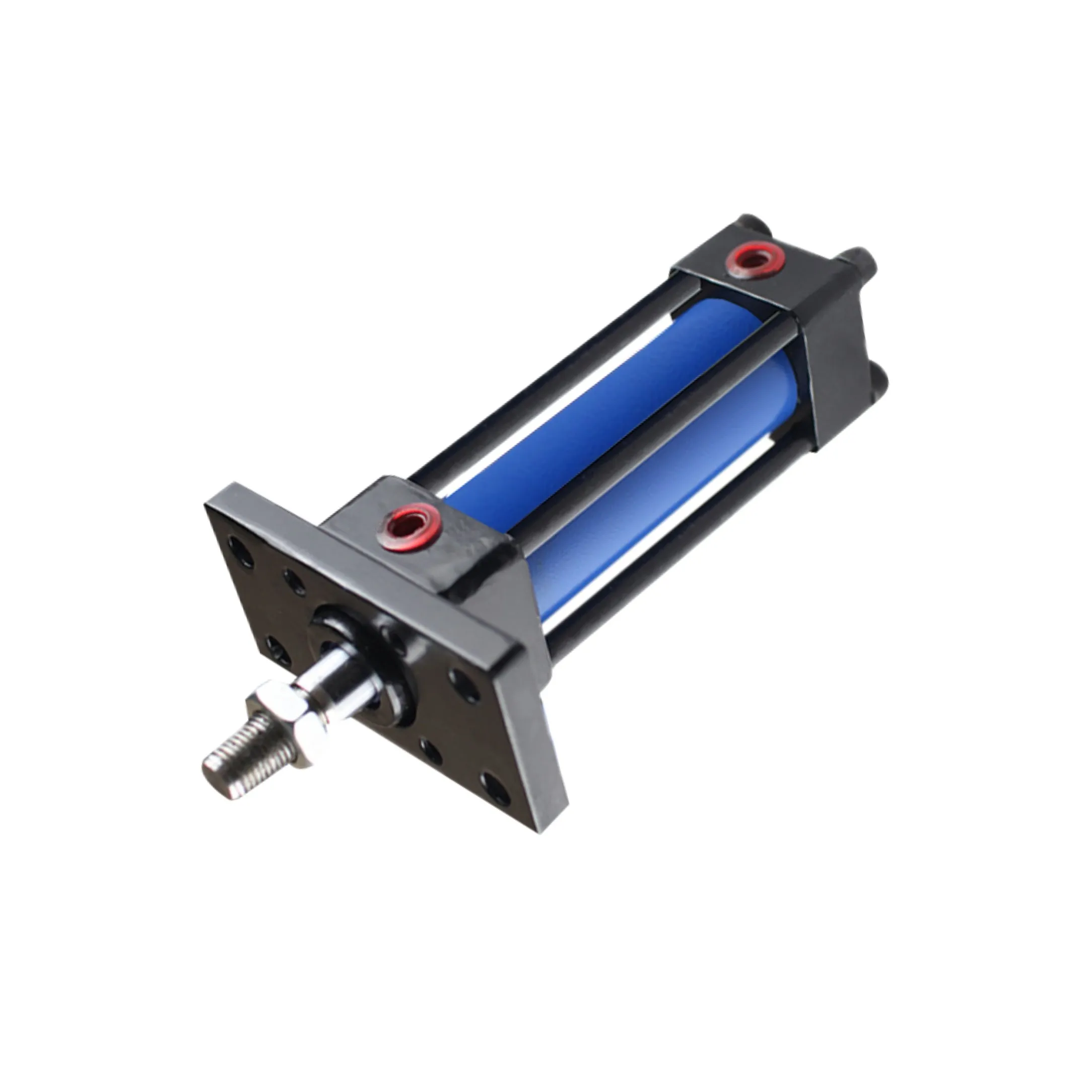
Compared to double-acting cylinders and other drive systems, push-type single-acting hydraulic cylinders offer a simpler design and operation. They are ideal for applications where unidirectional force and movement are required, providing efficiency and reliability in various industrial settings.
Components and Structure of Push-Type Single-Acting Hydraulic Cylinders
A push-type single-acting hydraulic cylinder consists of essential components such as a cylinder barrel, piston, rod, seals, and hydraulic fluid. The cylinder structure is designed to convert hydraulic energy into mechanical force, enabling controlled movement and operation in industrial machinery.
These cylinders are meticulously constructed to withstand high pressures and loads, ensuring optimal performance and durability in demanding applications. The design and construction of push-type single-acting hydraulic cylinders play a critical role in their functionality and efficiency.
Working Principle of Single-Acting Cylinders
The working principle of single-acting cylinders revolves around the utilization of hydraulic pressure to create linear motion in one direction. As hydraulic fluid enters the cylinder, it exerts force on the piston, causing it to move and generate mechanical work.
Force generation and stroke control mechanisms are integral to the operation of single-acting cylinders, allowing for precise movement and positioning in various industrial processes. Understanding the performance characteristics and limitations of these cylinders is essential for optimizing their use in different applications.
Types of Push-Type Single-Acting Hydraulic Cylinders
Push-type single-acting hydraulic cylinders come in various configurations and types to suit specific application requirements. These cylinders may differ in size, design, and functionality, catering to diverse industrial needs and operational demands.
From compact designs to high load capacities, each type of push-type single-acting hydraulic cylinder offers unique advantages and capabilities for different applications. Exploring the options available can help in selecting the most suitable cylinder for specific industrial tasks.
Advantages of Push-Type Single-Acting Hydraulic Cylinders
Push-type single-acting hydraulic cylinders offer several advantages that make them a preferred choice in industrial settings. From robust construction to cost-effectiveness, these cylinders provide reliable performance and efficiency in various applications.
- Compact design for space-saving solutions
- High load capacity for heavy-duty operations
- Robust construction for durability and longevity
- Leak resistance for enhanced performance
- Cost-effective solution for industrial needs
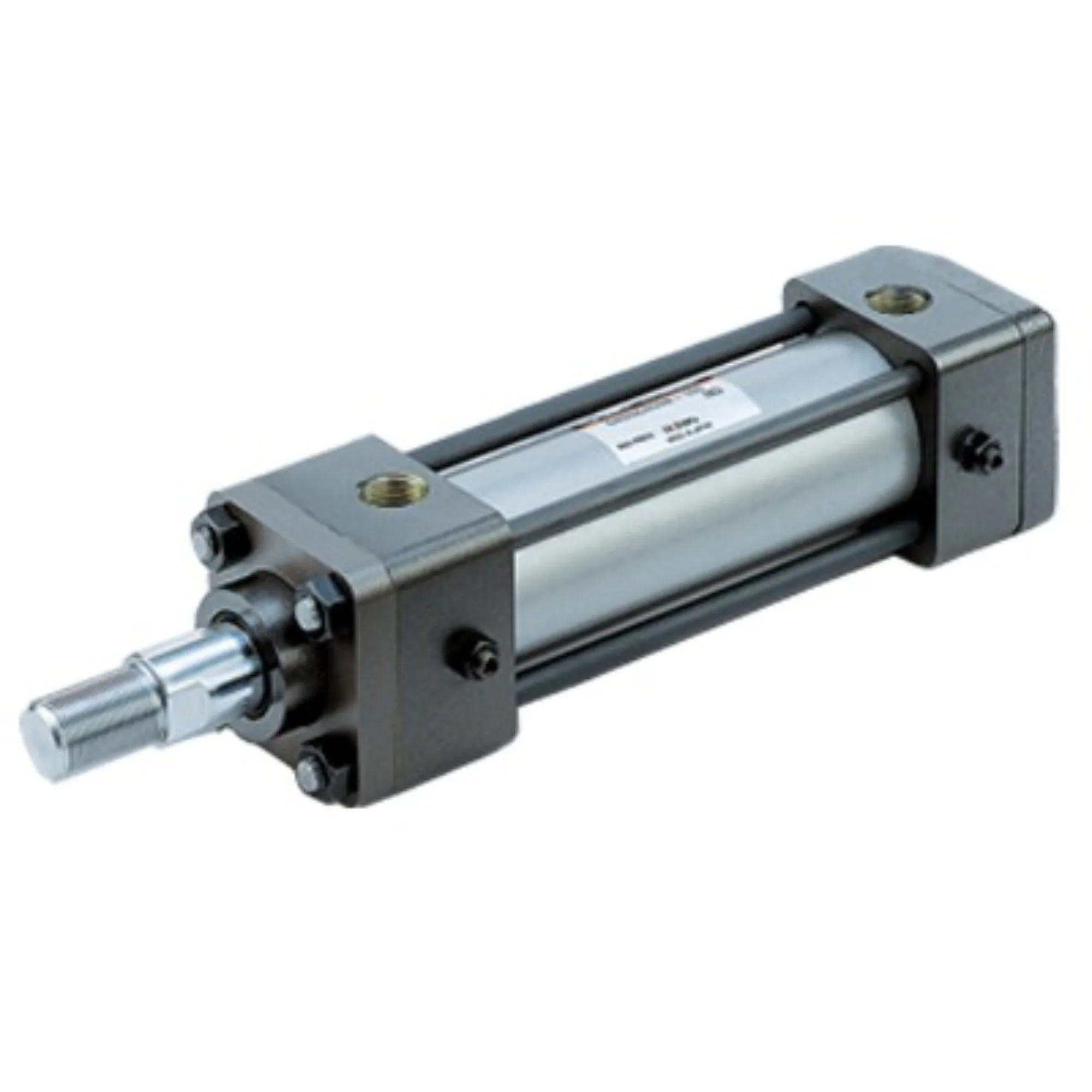
Applications of Push-Type Single-Acting Hydraulic Cylinders
Welded hydraulic cylinders are widely used across diverse industries, including construction, manufacturing, transportation, and industrial sectors. These cylinders play a vital role in various machinery and equipment, providing efficient force generation and movement control.
Understanding how push-type single-acting hydraulic cylinders are utilized in different applications can shed light on their versatility and adaptability in industrial operations. From heavy machinery to precision equipment, these cylinders offer reliable performance in a wide range of settings.
Factors to Consider When Selecting Single-Acting Cylinders
When choosing a single-acting cylinder for a specific application, factors such as cylinder size, force calculations, stroke length, inner diameter, and rod diameter must be taken into account. These design considerations are crucial for ensuring optimal performance and efficiency in industrial processes.
By evaluating the requirements of the application and selecting the appropriate cylinder design, operators can maximize the functionality and reliability of push-type single-acting hydraulic cylinders. Proper selection and sizing are essential for achieving desired results in industrial operations.
Sealing Technology and Cylinder Structure
The sealing technology and cylinder structure of push-type single-acting hydraulic cylinders play a critical role in preventing leakage and ensuring efficient operation. Seals are essential components that help maintain hydraulic fluid integrity and prevent contamination in industrial systems.
Exploring different sealing materials, their compatibility with hydraulic fluids, and cylinder structural materials can provide insights into enhancing the performance and longevity of hydraulic cylinders. Proper maintenance and care are essential for preserving the integrity and efficiency of push-type single-acting cylinders.
Controlling Cylinder Speed and Movement
Controlling the speed and movement of hydraulic cylinders is essential for optimizing performance and efficiency in industrial applications. Various methods, including adjustable buffering options, can help prevent shock and vibration, ensuring smooth operation and precise control in hydraulic systems.
Adjustable buffering offers benefits in terms of performance optimization and operational flexibility, allowing operators to tailor cylinder movement to specific application requirements. Understanding the impact of buffering on cylinder performance is crucial for achieving desired outcomes in industrial processes.
Regular Inspection and Preventive Maintenance
Regular inspection and preventive maintenance are essential practices for ensuring the longevity and reliability of push-type single-acting hydraulic cylinders. By implementing routine maintenance measures, operators can detect potential issues early and prevent costly downtime in industrial operations.
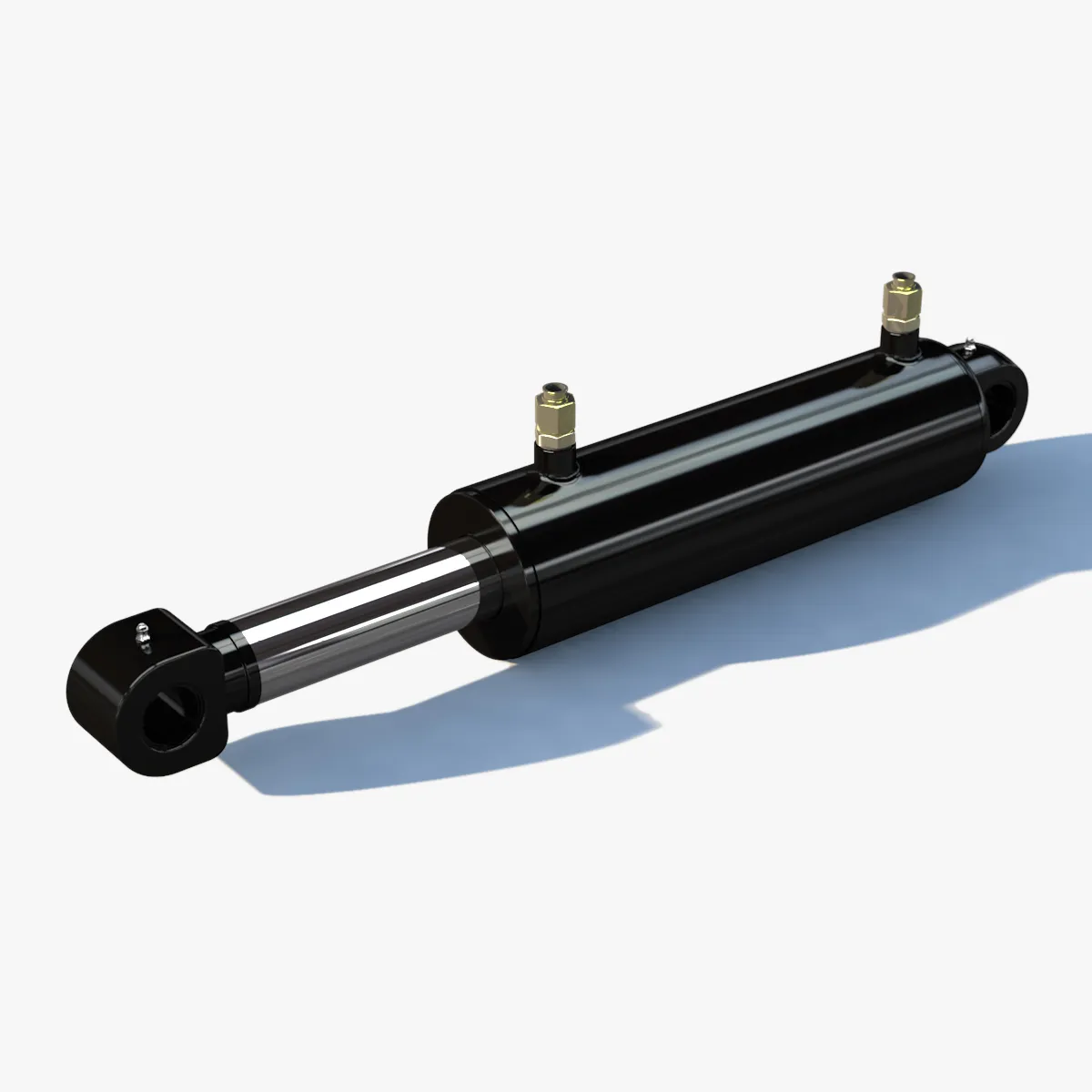
From proper lubrication to seal replacement and calibration inspection, various maintenance tasks can help preserve the integrity and efficiency of hydraulic cylinders. Following a comprehensive maintenance schedule is crucial for maximizing the performance and longevity of push-type single-acting cylinders.
Installation Guide for Push-Type Single-Acting Hydraulic Cylinders
Proper installation of push-type single-acting hydraulic cylinders is essential for ensuring optimal performance and efficiency in industrial applications. Following a step-by-step installation guide can help operators set up cylinders correctly and avoid potential issues in hydraulic systems.
By adhering to recommended installation practices and guidelines, operators can ensure the safety and functionality of push-type single-acting cylinders in various industrial settings. Proper installation is key to maximizing the performance and reliability of hydraulic systems.
Maintenance Tasks for Push-Type Single-Acting Hydraulic Cylinders
When it comes to maintaining push-type single-acting hydraulic cylinders, several key tasks must be performed regularly to ensure optimal performance and longevity. From regular inspection to proper lubrication, each maintenance task plays a crucial role in preserving the integrity and efficiency of hydraulic systems.
- Regular inspection to detect potential issues
- Proper lubrication for optimal performance
- Seal replacement to prevent leakage
Safety Considerations and Environmental Factors
Safety considerations and environmental factors are paramount when using push-type single-acting hydraulic cylinders in industrial applications. Operators must adhere to safety measures and guidelines to prevent accidents and ensure the safe operation of hydraulic systems.
Environmental factors such as temperature, humidity, and contamination can impact the performance and efficiency of hydraulic cylinders. By addressing safety concerns and environmental considerations, operators can enhance the reliability and longevity of push-type single-acting cylinders.
Fault Diagnosis and Common Problems
Diagnosing faults and addressing common problems in push-type single-acting hydraulic cylinders is essential for maintaining optimal performance and efficiency. By identifying issues early and implementing timely solutions, operators can prevent downtime and costly repairs in industrial systems.
Common problems such as seal leaks, cylinder misalignment, and piston damage can affect the functionality of hydraulic cylinders. Understanding fault diagnosis and troubleshooting techniques is crucial for addressing issues promptly and minimizing disruptions in industrial operations.
Key Questions About Push-Type Single-Acting Hydraulic Cylinders
1. How does a push-type single-acting hydraulic cylinder operate?
Push-type single-acting hydraulic cylinders utilize hydraulic pressure to create linear motion in one direction, generating controlled force and movement for industrial applications.
2. What are the advantages of using a push-type single-acting hydraulic cylinder?
The advantages of push-type single-acting hydraulic cylinders include compact design, high load capacity, robust construction, leak resistance, cost-effectiveness, and suitability for harsh industrial environments.
3. In what applications are push-type single-acting hydraulic cylinders commonly used?
Push-type single-acting hydraulic cylinders are widely used in construction, manufacturing, transportation, industrial, and sectoral industries, providing efficient force generation and movement control in various machinery and equipment.
Long-Tail Keywords for Push-Type Single-Acting Hydraulic Cylinders
1. “High Load Capacity Single-Acting Hydraulic Cylinder”: This long-tail keyword refers to a push-type single-acting cylinder with a robust design and high load-bearing capabilities, suitable for heavy-duty industrial applications.
2. “Compact Design Single-Acting Cylinder”: This long-tail keyword describes a push-type single-acting hydraulic cylinder with a space-saving design, ideal for applications where limited space is a consideration.
3. “Leak-Resistant Hydraulic Cylinder”: This long-tail keyword highlights the leak resistance and performance reliability of push-type single-acting cylinders in industrial settings, ensuring efficient operation and minimal fluid loss.
Our Company: Leading Hydraulic Cylinder Manufacturer
Our company is a reputable hydraulic cylinder replacement manufacturer, offering a comprehensive product line and serving as a leading supplier in the domestic and international markets. With a focus on quality, reliability, and customer satisfaction, we have established ourselves as a trusted provider of hydraulic solutions.
From professional services to international certifications, we strive to deliver superior products tailored to meet the unique needs of our customers. Our commitment to excellence, customized services, and after-sales support sets us apart as a top hydraulic cylinder manufacturer in the industry.
Author: lyl