Working Principle of Irrigation Wheel Drive Gearbox in Pivot Systems
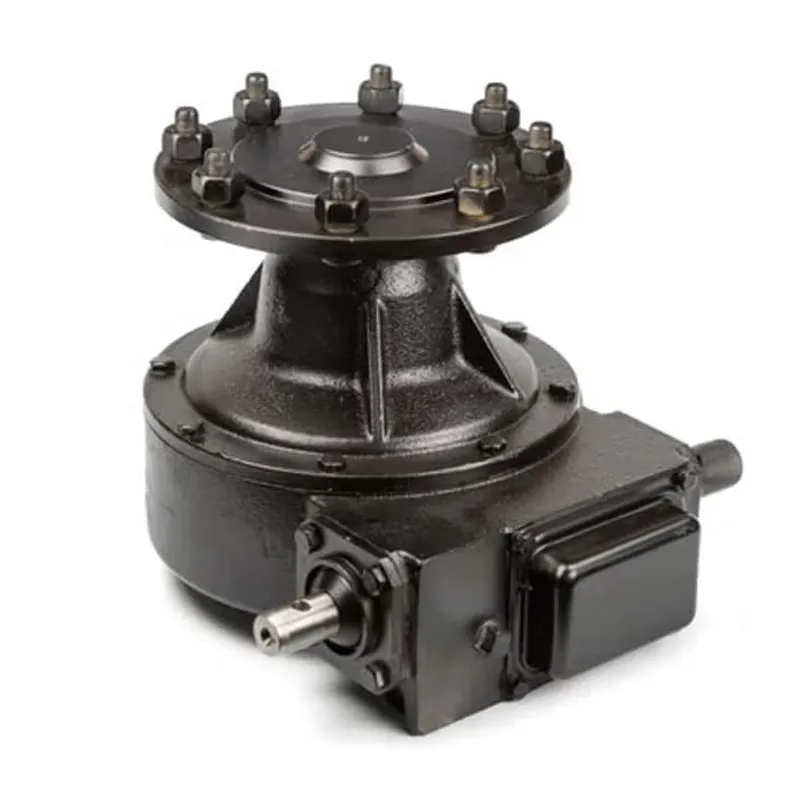
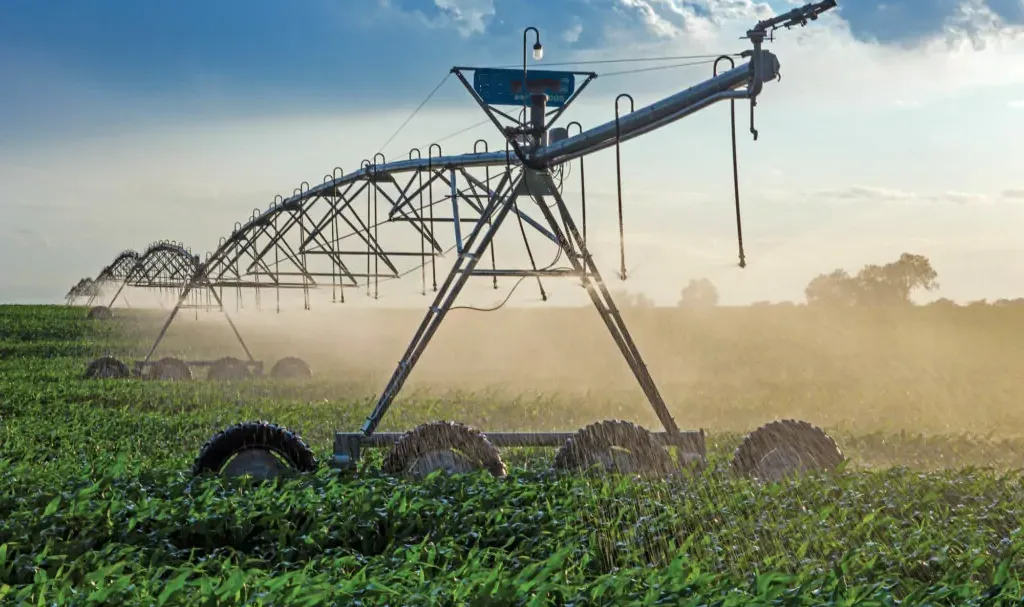
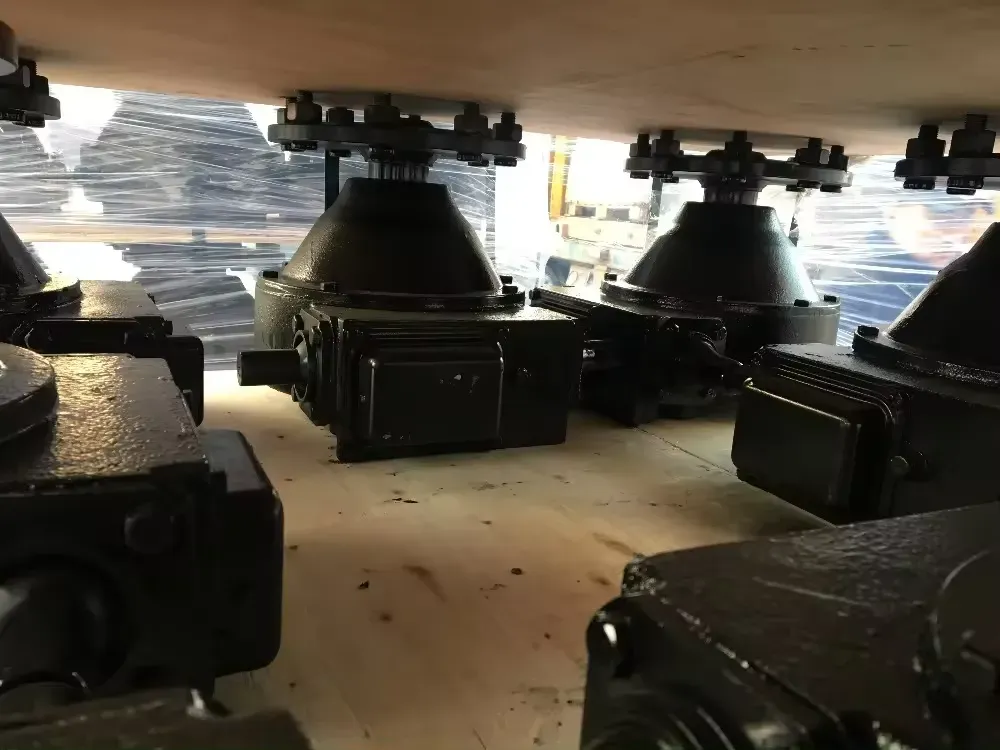
The irrigation wheel drive gearbox is a vital component in modern irrigation systems, specifically designed to provide the necessary movement for center pivot and lateral move irrigation setups. Its primary function is to convert mechanical energy into the motion required to drive the wheels of the irrigation system, ensuring even water distribution across the fields.
Power Source Connection:
The process begins with the gearbox connecting to a power source, typically an electric motor or a hydraulic system, which supplies the rotational energy necessary to drive the gearbox. This connection is made via the input shaft of the gearbox.
Transmission of Mechanical Energy:
When the power source is activated, it rotates the input shaft of the gearbox. This shaft is directly connected to the internal gearing system of the gearbox. The gearbox’s internal gears are designed to modify the characteristics of the input mechanical energy. Specifically, they reduce the rotational speed while simultaneously increasing the torque (rotational force).
Conversion Process:
The gearing system within the gearbox is crucial for the conversion process. Depending on the design (bevel gears, worm gears, etc.), the output precisely adjusts to meet the specific requirements of the irrigation system. Through this gear arrangement, the high-speed, low-torque rotation from the motor or hydraulic system is converted into low-speed, high-torque rotation. This conversion is essential because the wheels of the irrigation system require significant torque to move the heavy structure across agricultural fields.
Output Delivery:
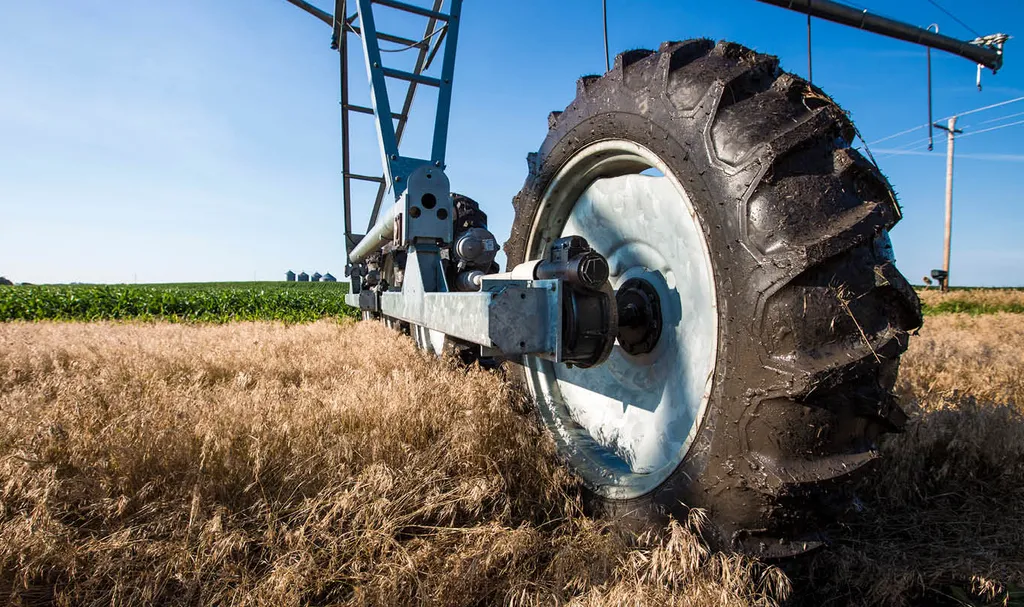
The transformed mechanical energy, now optimized for the application, is delivered to the wheels of the irrigation system via the gearbox’s output shaft. This output shaft connects to the wheel assembly, and the increased torque facilitates the movement of the irrigation system, driving it either in a circular path around a central pivot (in center pivot systems) or in a straight line (in lateral move systems).
Movement and Water Distribution:
As the gearbox drives the wheels, the irrigation system moves across the field. Simultaneously, water is pumped through the system’s pipes and emitted through sprinklers or drippers mounted along the length of the system. The motion of the system, controlled by the gearbox, ensures an even and efficient distribution of water across the crops, maximizing coverage and minimizing water waste.
Installation Steps of Irrigation Wheel Drive Gearbox for Irrigation System
Installing an irrigation wheel drive gearbox is a pivotal step in setting up or maintaining a center pivot or lateral move irrigation system. This process ensures that the irrigation system moves smoothly and efficiently across the field, providing even water distribution.
Positioning the Gearbox:
Position the gearbox where it will be mounted on the irrigation system. This typically involves aligning it with the wheel hub where the drive will occur.
Mounting the Gearbox:
Use the bolts provided to secure the gearbox to its mounting point. This is often on the drive wheel assembly of the irrigation system. Ensure that the gearbox is mounted securely and is properly aligned with the wheel and the system’s frame.
Connecting the Power Source:
Connect the drive shaft from the power source (typically an electric motor or hydraulic system) to the input shaft of the gearbox. Make sure the connection is tight and secure. Verify that the drive shaft is properly aligned with the gearbox input shaft to prevent undue wear or damage.
Lubricate the Gearbox:
If the gearbox does not come pre-lubricated, fill it with the appropriate type and amount of lubricant as specified by the manual. Apply grease to any additional moving parts associated with the gearbox installation, as recommended.
Inspect the Installation:
Double-check all connections, bolts, and lubrication points to ensure everything is properly installed and secure. Conduct a test run of the irrigation system to verify that the gearbox is functioning correctly. Listen for any unusual noises and observe the movement of the system to ensure smooth operation.
Testing and Adjust:
Conduct initial testing by manually turning the output shaft of the gearbox to ensure there is no binding or unusual resistance. Reconnect power to the system and perform a test run. Monitor the gearbox for any abnormal noises or vibrations, which might indicate issues with installation or alignment. After the test run, check for any loose bolts and ensure all connections are tight. Adjust as necessary.

Troubleshooting Common of the Irrigation Wheel Drive Gearbox
Troubleshooting common issues with an irrigation wheel drive gearbox is crucial for maintaining the efficiency and reliability of your irrigation system. Here are some common problems encountered with these gearboxes and practical solutions:
Gearbox Does Not Engage or Drive the Wheels:
Check if the power source (electric or hydraulic) is properly connected and functioning. Ensure the motor or hydraulic system is operational. Ensure the PTO shaft connecting the power source to the gearbox is correctly aligned and securely attached.
Excessive Noise or Vibration:
Noise can indicate that internal gears are worn or damaged. Inspect the gears and replace them if needed. Worn or seized bearings can also cause noise and vibration. Check the bearings and lubricate or replace them as required.
Leaking Gearbox Oil:
Inspect the gearbox for damaged or worn seals and replace them to prevent oil leaks. Ensure the gearbox is not overfilled with oil, as excessive pressure can force oil out through seals. A crack in the gearbox housing can lead to oil leaks.
Gearbox Overheating:
Check the oil level and quality. Refill or replace the oil if it is low or has degraded to ensure proper lubrication. Make sure the irrigation system is not overloaded beyond the gearbox’s capacity, which can cause overheating.
Reduced Efficiency in Power Transmission:
Regular use can lead to general wear and tear of the gearbox components. Conduct a thorough inspection and replace worn parts. Confirm that the gearbox’s gear ratio is suitable for the application. An incorrect ratio can reduce efficiency.
Why Choose EVER-POWER’s Irrigation Wheel Drive Gearbox?
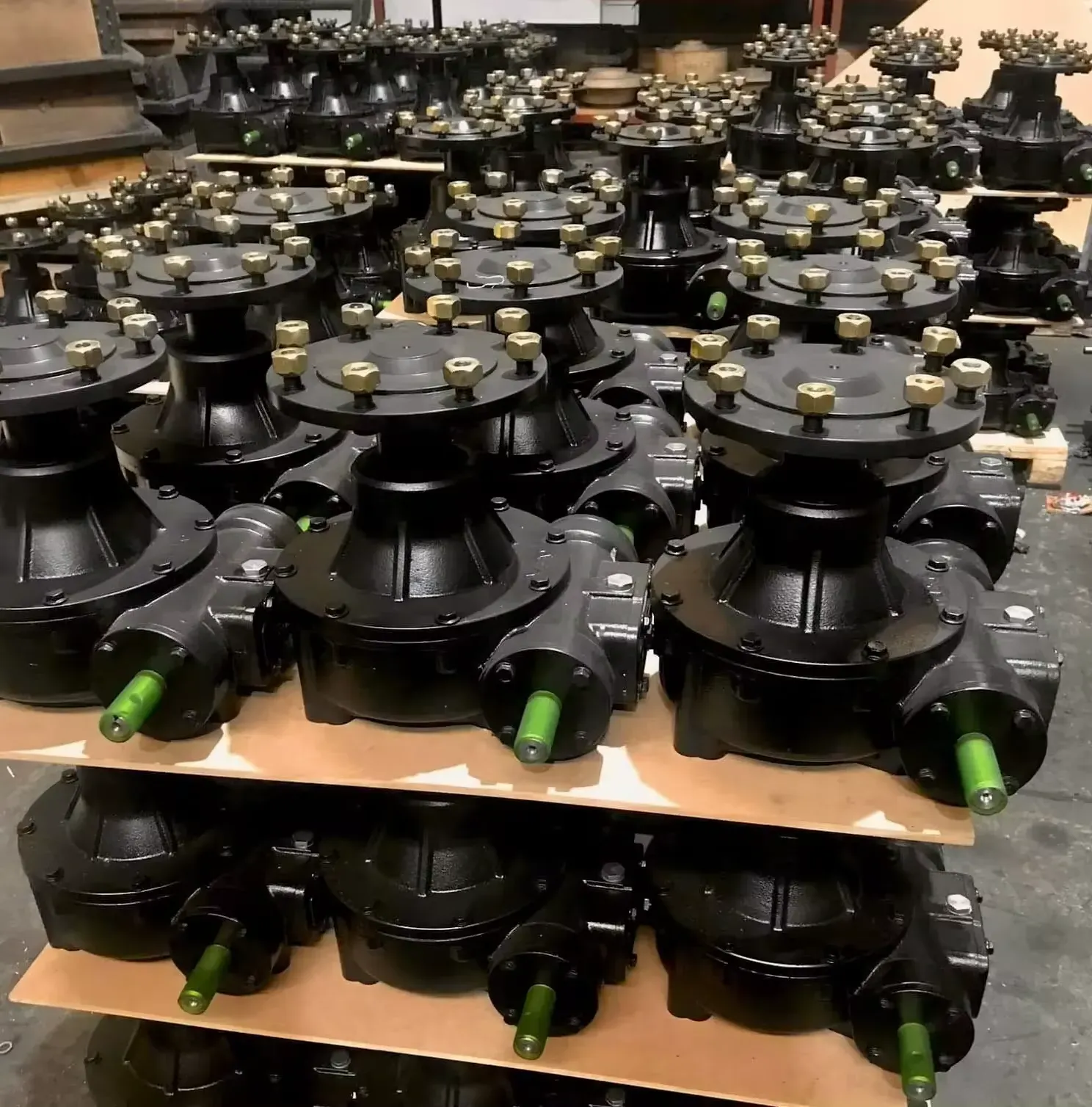
EVER-POWER is a prominent manufacturer of high-performance irrigation wheel drive gearboxes for a variety of applications. Our technical staff can reconfigure an existing design or assist you in designing a custom irrigation wheel drive gearbox if a standard or existing design does not fit your application.
Professionalism:
Our team of experts is dedicated to providing top-notch products and services, ensuring that your irrigation system operates at peak performance.
International Certifications:
Our gearboxes meet international quality standards and certifications, guaranteeing reliability and durability.
Customized Services:
We offer tailored solutions to meet your specific requirements, ensuring that you get the perfect gearbox for your irrigation system.
Production Facilities:
Our state-of-the-art manufacturing facilities are equipped with the latest technology to produce high-quality gearboxes efficiently.
After-Sales Services:
We provide excellent after-sales support, including maintenance services and technical assistance, to ensure the long-term performance of your gearbox.
Author: Yjx