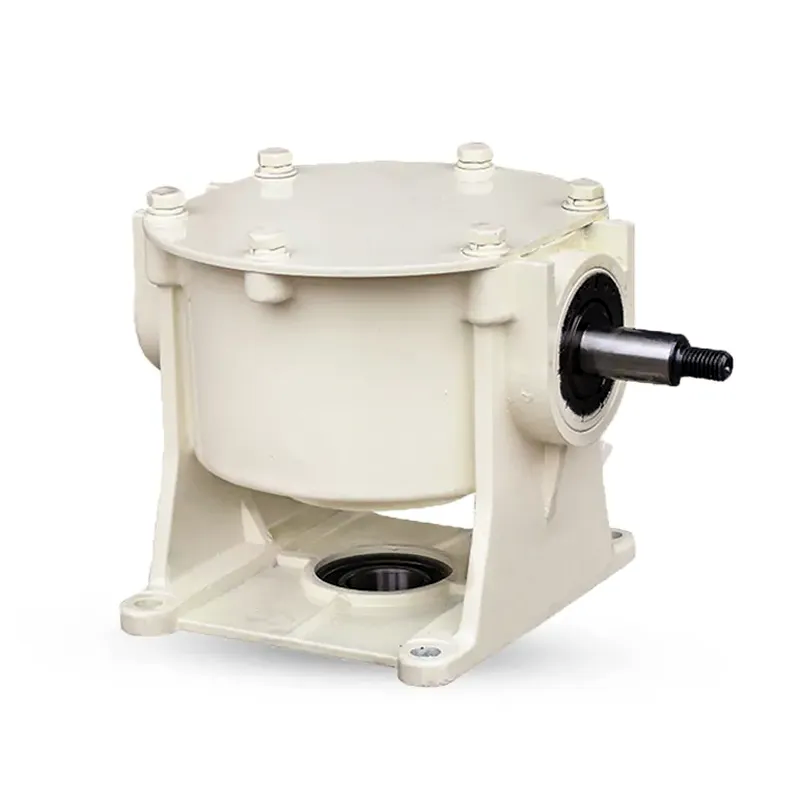
A combine harvester gearbox for grain harvesters is an essential mechanical component designed to manage the transmission of power from the engine to the various operational parts of the harvester. This gearbox is critical for converting the engine’s rotational speed and torque to the required levels needed for efficient harvesting operations. It enables the precise adjustment of speeds necessary for tasks such as cutting, threshing, and separating grain from chaff and straw.
The gearbox typically includes a range of gears that offer different ratios, allowing the operator to select the optimal speed for current field conditions, crop types, and moisture levels. This versatility is crucial for maximizing harvesting efficiency and minimizing crop damage or loss. Gearboxes in modern combine harvesters are robust and built with high-quality materials to withstand the harsh, dusty conditions of agricultural environments. They also incorporate features like automatic shifting and overload protection systems, enhancing the machine’s performance and durability.
Common Applications of the Combine Harvester Gearbox
The combine harvester gearbox is a vital component in modern agricultural machinery, specifically designed to enhance the functionality and efficiency of combine harvesters. Here are some common applications of the combine harvester gearbox:
- Crop Cutting: The gearbox drives the cutting mechanism of the combine harvester. By adjusting the speed and torque output, the gearbox ensures that the cutting blades operate at the optimal speed necessary for cleanly slicing through different types of crops, such as wheat, corn, and soybeans, without damaging the grain.
- Threshing: After cutting, the crop needs to be threshed to separate the edible parts from the chaff. The gearbox regulates the speed of the threshing drum, adapting it to the toughness and moisture content of the crop, which varies significantly from one type of grain to another and can affect the efficiency of the threshing process.
- Grain Separation: Following threshing, the gearbox helps in the separation process by driving conveyors and other mechanisms that transport the mixed materials through sieves and blowers. These components work at speeds dictated by the gearbox to efficiently separate the grain from the chaff and straw.
- Grain Transport within the Harvester: The gearbox also plays a role in moving the harvested grain through the combine to the storage bin. This involves controlling the operation of augers and conveyors that must function at precise speeds to prevent damage to the grain and ensure a steady flow without blockages.
- Fan Operation: Many combine harvesters use air blowers to help separate lighter chaff and other debris from the heavier grains. The gearbox drives these fans, providing the necessary power to generate an airflow strong enough to effectively clean the harvested grain as it is processed.

Working Principle:
The working principle of a combine harvester gearbox for grain harvesting revolves around efficiently transferring and adjusting mechanical power from the engine to the various operational components of the harvester. Here’s a step-by-step explanation of how it works:
- Power Input: The process begins when the combine harvester’s engine generates mechanical power. This power is directed into the gearbox through the input shaft. The engine’s rotational energy, characterized by speed and torque, is thus made available for conversion and transmission by the gearbox.
- Gear Engagement: Within the gearbox, there are multiple gears of different sizes and ratios. These gears engage depending on the gear selected by the operator (either manually through a lever or automatically via an electronic control system). The selection of gears is based on the speed and torque requirements dictated by the harvesting conditions and the type of crop.
- Speed and Torque Conversion: As the selected gears engage, they modify the engine’s input speed and torque to a more suitable output for the task at hand. For instance, larger gears decrease the output speed but increase the torque, providing more power at a lower speed, which is essential for tough harvesting conditions. Conversely, smaller gears increase the output speed but decrease the torque, suitable for lighter conditions.
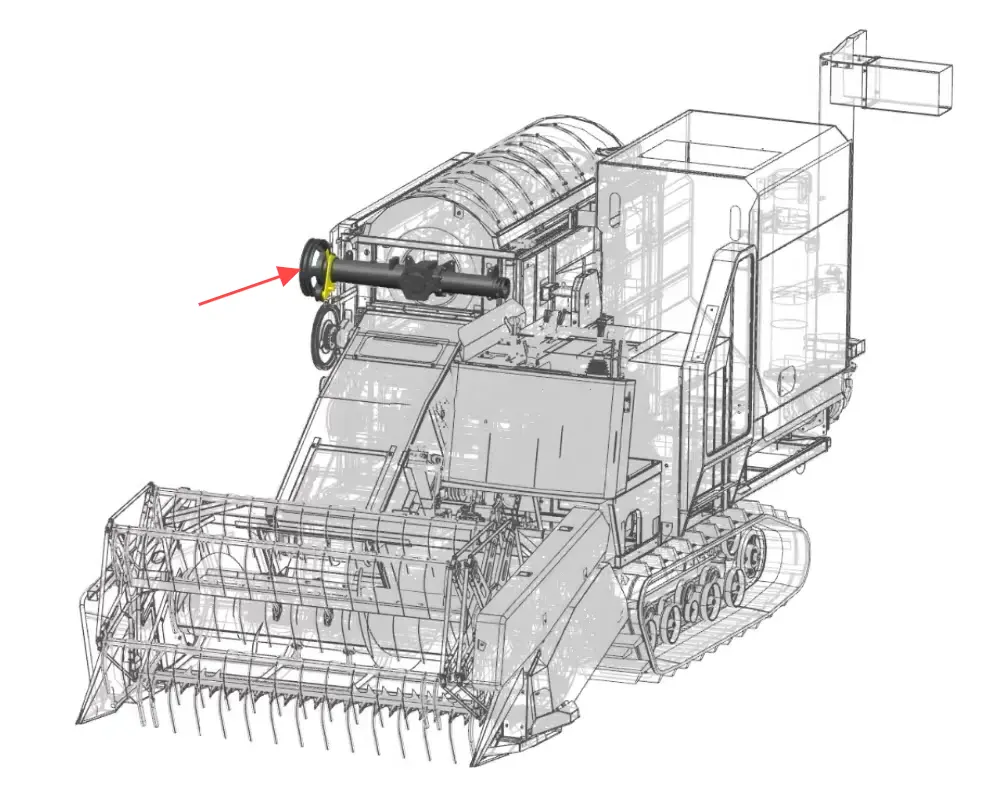
- Power Output: The transformed power (now at a different speed and torque) is delivered from the gearbox to the harvester’s operational components via the output shaft. This includes mechanisms like the threshing drum, cutting blades, and conveyor systems that are critical for the harvesting process.
- Operational Control: The gearbox also integrates with other control systems in the combine harvester, such as the clutch and hydraulic systems. The clutch allows the gearbox to be smoothly engaged or disengaged from the engine, facilitating safe and efficient starts and stops. The hydraulic or electronic control systems may adjust the gear settings automatically in response to sensors that monitor load, crop density, or other operational parameters.
Common Troubleshooting:
Troubleshooting issues with a combine harvester gearbox can help prevent costly downtime and ensure efficient operation. Here are common problems that might arise and how to address them:
- Gear Slippage or Failure to Engage: This issue can be due to worn or damaged gears, inadequate lubrication, or an improperly adjusted clutch. To resolve it, inspect the gears for wear and replace them if necessary. Check the gearbox oil level and quality, replenishing or changing the oil as needed. Adjust or replace the clutch if it’s not engaging properly.
- Excessive Noise or Vibration: Unusual noises or vibrations are typically caused by worn bearings, misaligned gears, or loose components. Inspect and replace any worn bearings. Ensure all gears are correctly aligned and that there are no loose parts in the gearbox assembly. Tighten all bolts and fasteners.
- Overheating: Overheating can occur due to excessive load, poor lubrication, or blocked cooling channels. Ensure the gearbox is not being overloaded beyond its capacity. Check and replace the lubricant to ensure it’s of the correct type and at the proper level. Clean any dirt or debris from cooling fins or fans to improve heat dissipation.
- Oil Leakage: Look for leaks in seals or gaskets and replace them if they are cracked or worn. Ensure all housing bolts are tight and check for cracks in the gearbox casing. Regular maintenance checks for leaks can prevent severe lubrication issues.
- Difficulty Shifting Gears: This could be a sign of a malfunctioning shift mechanism or hydraulic control issues. Check the linkage or cables for wear and proper adjustment. Inspect the hydraulic system for leaks and ensure it is correctly pressurized. Replace any faulty hydraulic components.
- Increased Fuel Consumption: If the gearbox is not operating efficiently, the combine harvester might consume more fuel. This could be due to sticking or misaligned gears. Lubrication issues can also cause higher than normal resistance in moving parts. Regular maintenance and ensuring all components are functioning correctly can help mitigate this issue.
Combine Harvester Gearbox Vs Grain Transportation Gearbox
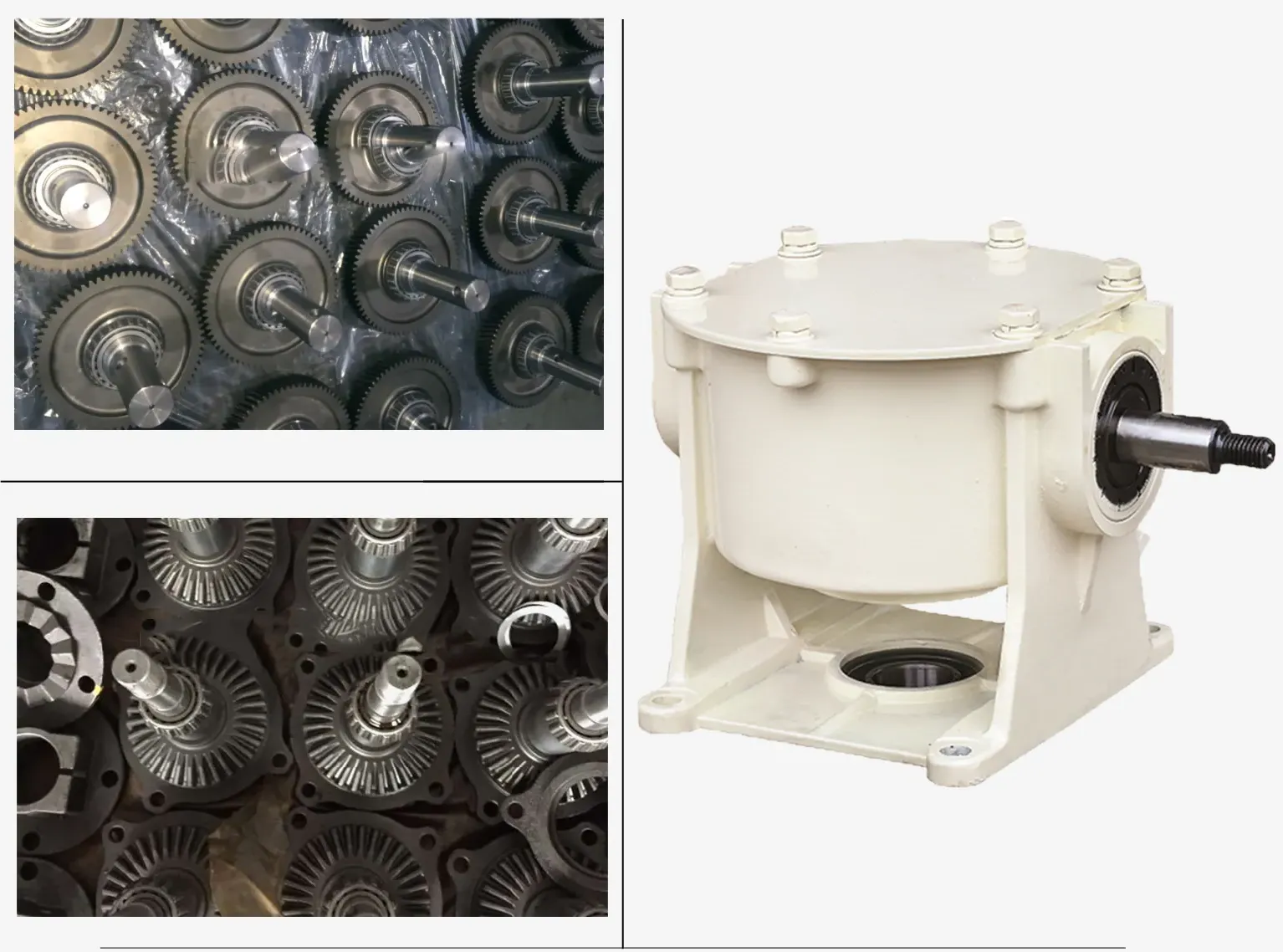
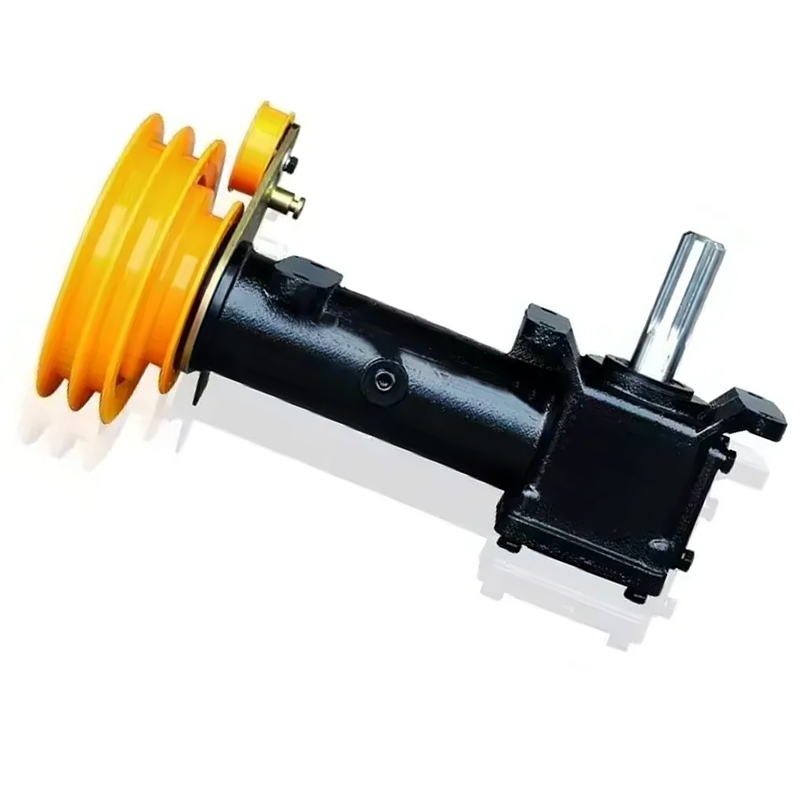
Here’s a comparison between the gearbox used in a combine harvester and a gearbox typically found in grain transportation systems, such as those used in conveyors or elevators. The table outlines key differences in their design, functionality, and typical usage requirements:
| Feature | Combine Harvester Gearbox | Grain Transportation Gearbox |
|---|---|---|
| Primary Function | Transfers power from the engine to various harvesting components like cutting blades, threshers, and separators. | Transmits power primarily to systems that move grain, such as conveyors, elevators, and augers. |
| Operational Environment | Operates in a highly variable outdoor field environment, dealing with different terrains and crop densities. | Typically operates in more controlled environments like grain storage facilities or processing plants. |
| Load Variability | Experiences significant load variability depending on crop type and field conditions. | Generally experiences consistent loads, primarily the weight and movement of grain. |
| Speed and Torque Requirements | Requires adjustable speed and torque to adapt to different harvesting conditions. | Speed and torque requirements are more consistent, primarily focusing on the efficient movement of grain at a steady rate. |
| Durability | Needs to be highly durable to withstand exposure to elements such as dust, debris, and varying weather conditions. | Durability is important but focuses more on resistance to abrasion and possibly corrosion from grain dust and other particles. |
| Complexity | Typically more complex due to the need to accommodate various operating modes and functions within the combine harvester. | Simpler in design as it usually only needs to provide a consistent rate of power transmission for grain movement. |
| Maintenance Requirements | High maintenance due to exposure to harsh conditions and the critical nature of its role during the limited harvesting season. | Maintenance is regular but can be less intensive compared to combine harvesters, focusing mainly on lubrication and alignment. |
| Design Flexibility | Requires more flexibility in design to interface with various mechanical systems of a combine harvester. | Design can be more standardized as it typically interfaces with standard grain handling equipment. |
 |
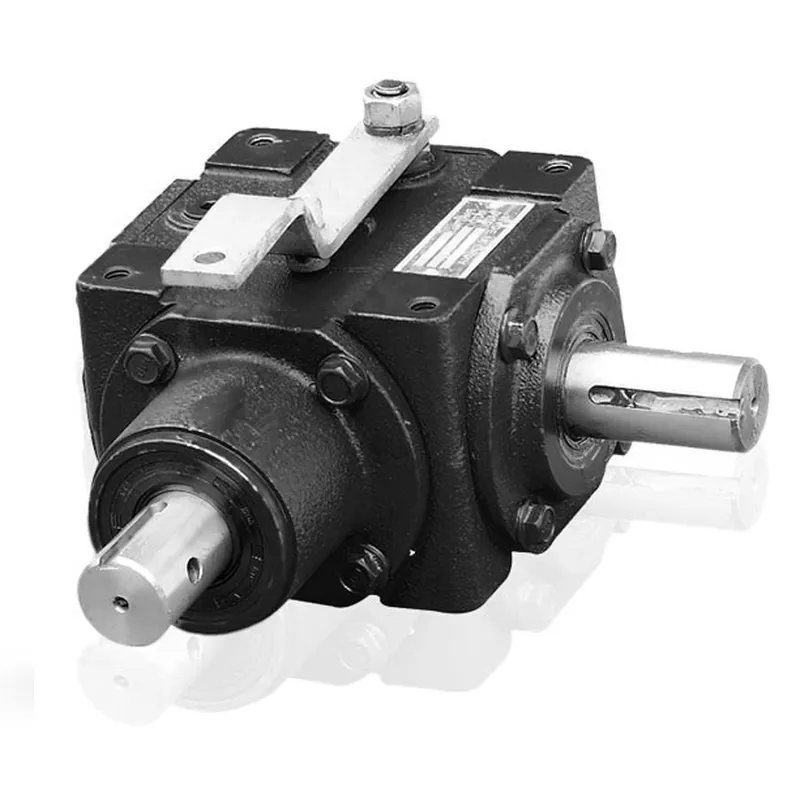 |
| Combine Harvester Gearbox | Grain Transportation Gearbox |
Why Choose EVER-POWER’s Combine Harvester Gearbox?
EVER-POWER is a prominent manufacturer of high-performance combine harvester gearboxes for a variety of applications. Our combine harvester gearboxes are a powerful replacement option for John Deere, Case IH, CLAAS, New Holland, Kubota, Lovol, Zoomlion, Krone, Shibaura, Kioti, Challenger, Versatile, Valtra, and other brands. Our technical staff can reconfigure an existing design or assist you in designing a custom combine harvester gearbox if a standard or existing design does not fit your application. Shaft rotation, speed ratio, input speed, output speed, input torque, output torque, mounting position, and the applications environment are all considerations when choosing a combine harvester gearbox. If you want to buy a combine harvester gearbox, please get in touch with us.
Professionalism:
EVER-POWER prides itself on its professionalism in designing and manufacturing high-quality combine harvester gearboxes that meet the industry’s standards and requirements.
International Certifications:
Our gearboxes are certified by international standards, ensuring that they meet the highest quality and performance benchmarks for agricultural machinery.
Customized Services:
We offer customized services to tailor combine harvester gearboxes to specific applications, ensuring optimal performance and efficiency for our customers.
Production Facilities:
Our state-of-the-art production facilities are equipped with the latest technology and machinery to ensure precision manufacturing of combine harvester gearboxes.
After-Sales Services:
EVER-POWER provides comprehensive after-sales services, including technical support, spare parts availability, and maintenance assistance to ensure the continued performance of our gearboxes.
Author: Yjx