The Working Principle Of A Standard-Stroke Hydraulic Cylinder
In the realm of hydraulic systems, the standard-stroke hydraulic cylinder plays a pivotal role. This type of cylinder is designed to convert hydraulic pressure into linear motion, making it an essential component in various industrial applications. The standard-stroke hydraulic cylinder is characterized by its ability to provide precise and controlled movement, making it ideal for tasks that require accuracy and efficiency.
Key Concepts
- Hydraulic Pressure: The force exerted by a fluid in a confined space, typically used to transmit power in hydraulic systems.
- Linear Motion: Motion along a straight path, as opposed to rotary or oscillating motion.
When hydraulic pressure is applied to the cylinder, it activates the piston, which moves back and forth within the cylinder. This movement is transmitted through the rod, resulting in linear motion.
Parts of a Standard-Stroke Hydraulic Cylinder
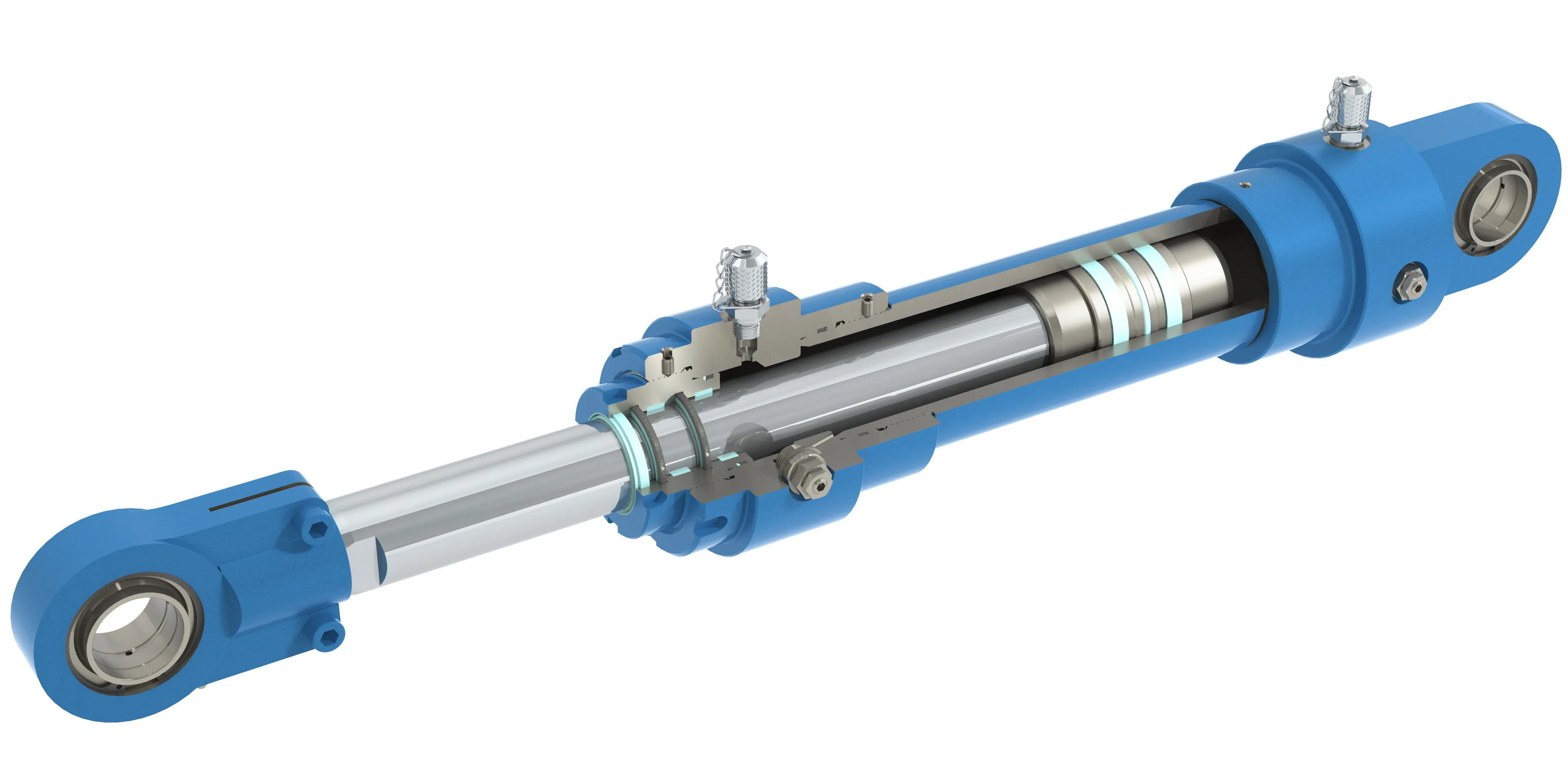
The standard-stroke hydraulic cylinder consists of several key components:
Cylinder:
The outer casing that houses the piston and rod, providing a sealed environment for hydraulic fluid.
Piston:
The component that moves back and forth within the cylinder in response to hydraulic pressure.
Rod:
The extension of the piston that transmits the linear motion to the external load.
Seal:
A vital element that prevents leakage of hydraulic fluid and maintains pressure within the cylinder.
End Cap:
The enclosure at each end of the cylinder that houses the rod and seals the hydraulic system.
Working Principle
The standard-stroke hydraulic cylinder operates on the principle of Pascal’s law, which states that pressure applied to a confined fluid is transmitted undiminished in every direction. When hydraulic fluid is pressurized, it exerts force on the piston, causing it to move linearly.
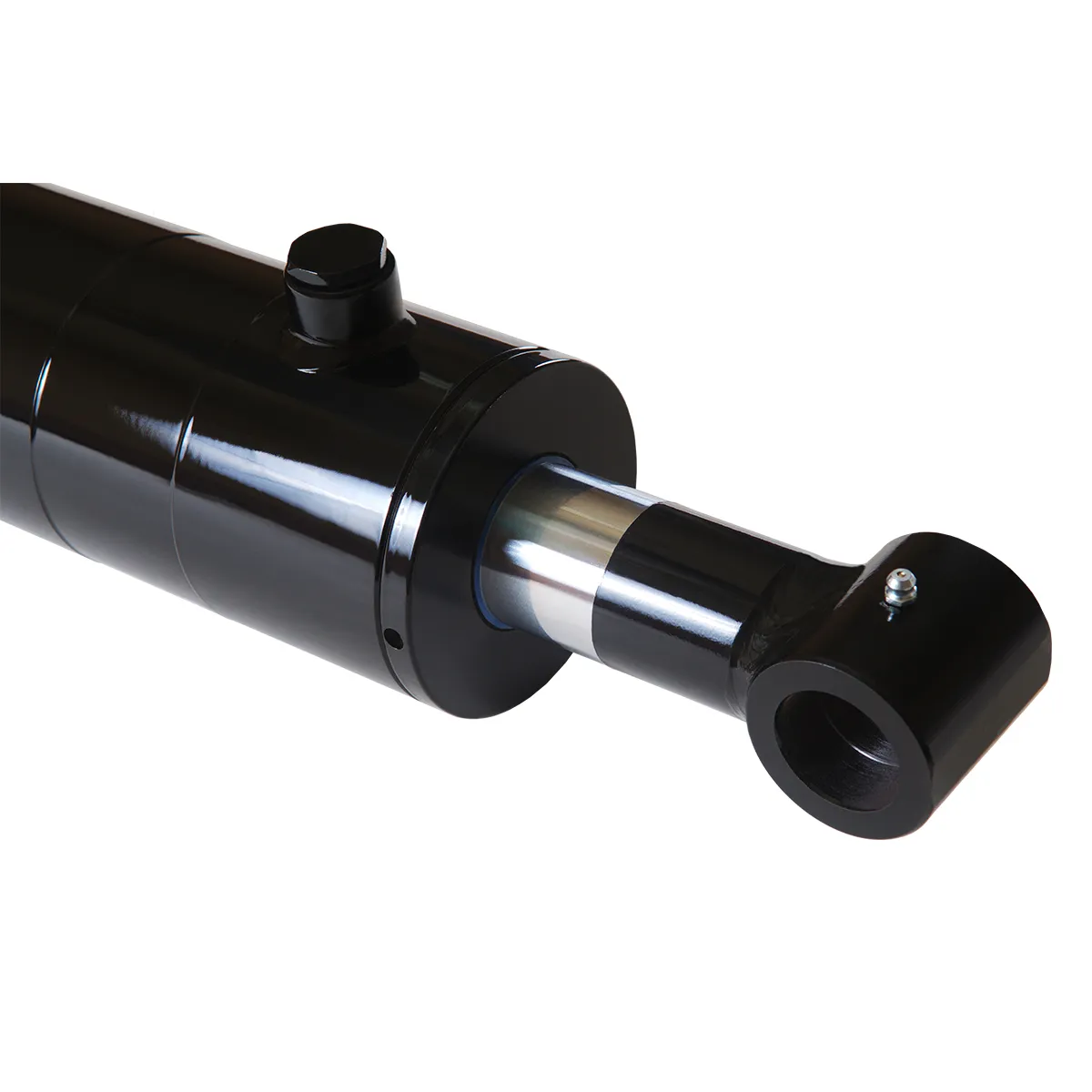
The piston’s movement is converted into mechanical work through the rod, which transfers the motion to the external load. This mechanism allows for precise control over the linear motion, making the standard-stroke hydraulic cylinder a versatile and reliable component in hydraulic systems.
Types and Configurations
Standard-stroke hydraulic cylinders come in various types and configurations to suit different applications:
Single-acting cylinders:
Operate in one direction, with hydraulic pressure applied to extend the piston.
Double-acting cylinders:
Utilize hydraulic pressure to extend and retract the piston, providing bi-directional motion.
Telescopic cylinders:
Feature nested tubes that extend and retract to provide extended stroke lengths in a compact design.
Advantages of Standard-Stroke Hydraulic Cylinders
Standard-stroke hydraulic cylinders offer several key advantages:
Accurate and Controlled Motion:
Provide precise linear movement for tasks that require accuracy.
High Load Capacity:
Capable of handling heavy loads with ease, making them ideal for industrial applications.
Reliable Performance:
Designed for durability and consistent operation in demanding environments.
Efficient Energy Conversion:
Convert hydraulic pressure into mechanical work with minimal energy loss.
Compact Design:
Optimized for space-saving applications where size is a constraint.
Applications of Standard-Stroke Hydraulic Cylinders
Standard-stroke hydraulic cylinders find wide usage in various industries:
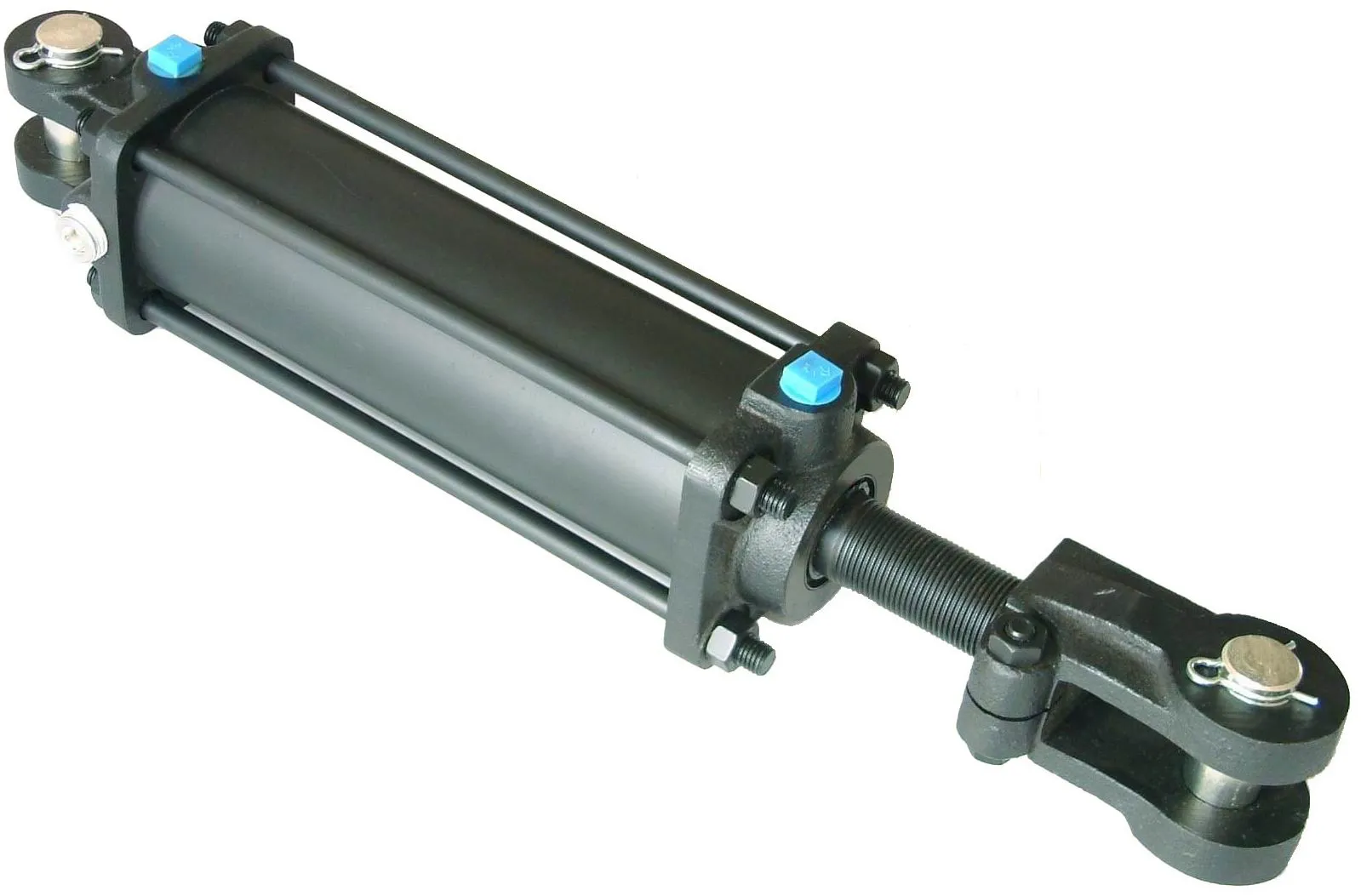
Construction Equipment:
Used in cranes, excavators, and bulldozers for lifting and moving heavy materials.
Industrial Machinery:
Incorporated into presses, shears, and injection molding machines for precision manufacturing.
Automotive Systems:
Integrated into hydraulic brakes, steering systems, and suspension components for vehicle control.
Determining Stroke Length
The stroke length of a standard-stroke hydraulic cylinder is influenced by several factors:
Application Requirements:
The specific task the cylinder needs to perform, such as lifting, pushing, or pulling.
Available Space:
The physical constraints of the installation area, which dictate the maximum allowable stroke length.
Choosing the Right Cylinder
Selecting the appropriate standard-stroke hydraulic cylinder involves considering:
Load Capacity:
The maximum force the cylinder needs to exert to perform the task effectively.
Operating Conditions:
The environmental factors that may affect the cylinder’s performance, such as temperature and humidity.
Installation Tips:
Ensure proper alignment, secure mounting, and adequate lubrication for optimal operation.
Maintenance and Inspection
Regular maintenance and inspection are crucial for ensuring the longevity and performance of standard-stroke hydraulic cylinders:
Inspection:
Check for leaks, damaged seals, and abnormal wear on components at regular intervals.
Lubrication:
Apply the recommended lubricant to moving parts to reduce friction and wear.
Seal Replacement:
Replace worn seals promptly to prevent hydraulic fluid leakage and system contamination.
Industry Standards and Certifications
Adherence to industry standards and certifications is essential for ensuring the quality and safety of standard-stroke hydraulic cylinders:
ISO Certification:
Compliance with International Organization for Standardization standards for product quality and performance.
CE Marking:
Conformance to European Economic Area requirements for product safety and environmental protection.
Fault Diagnosis and Troubleshooting
Common problems with standard-stroke hydraulic cylinders include leakage, insufficient force, and unstable motion:
Leakage:
Check for damaged seals or loose fittings, and replace or tighten as needed.
Insufficient Force:
Inspect the hydraulic system for leaks or blockages that may be affecting pressure delivery.
Unstable Motion:
Adjust the hydraulic pressure and flow rate to ensure smooth and consistent movement.
FAQs
Here are answers to some common questions about standard-stroke hydraulic cylinders:
How does a standard-stroke hydraulic cylinder differ from other types?
A standard-stroke cylinder provides linear motion in a controlled and precise manner, ideal for applications that require accuracy.
What are the key features and benefits of a standard-stroke cylinder?
Precision movement, high load capacity, reliability, energy efficiency, and compact design are key advantages.
What factors should be considered when selecting a cylinder for an application?
Load capacity, operating conditions, and space constraints are crucial factors to evaluate for optimal performance.
Long-Tail Keywords
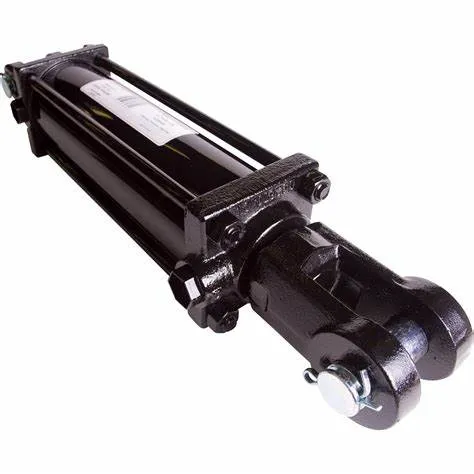
Here are three long-tail keywords related to standard-stroke hydraulic cylinders:
Hydraulic Cylinder Replacement:
When it’s time to replace your hydraulic cylinder, ensure you choose a reliable and high-quality replacement.
Leading Hydraulic Cylinder Manufacturers:
Trust industry-leading manufacturers for top-quality hydraulic cylinders that meet your specifications.
Wholesale Hydraulic Cylinder Distributors:
Find wholesale distributors that offer a wide range of hydraulic cylinders at competitive prices.
Company Overview
Our company is a prominent hydraulic cylinder replacement manufacturer, offering a comprehensive product line to meet diverse industry needs. We have established ourselves as a leading manufacturer and wholesale distributor in both domestic and international markets.
Professional Services:
We provide professional services to assist customers in selecting the right hydraulic cylinders for their applications.
International Certification:
Our products meet international quality standards and are certified for performance and safety.
Customized Solutions:
We offer customized solutions to tailor hydraulic cylinders to specific requirements and specifications.
Production Equipment:
We utilize advanced production equipment to ensure the quality and precision of our hydraulic cylinders.
After-Sales Support:
Our company offers comprehensive after-sales support to address any issues or concerns customers may have.
Author: lyl