What’s the process for stress analysis of spline shafts under combined loading?
Introduction
In today’s engineering field, the stress analysis of spline shafts under combined loading plays a crucial role in ensuring the integrity and performance of mechanical systems. This article aims to delve into the step-by-step process of conducting stress analysis for spline shafts subjected to multiple loads, shedding light on the intricacies involved in this critical procedure.
1. Understanding Spline Shafts
Before diving into the stress analysis process, it is essential to have a comprehensive understanding of spline shafts. Spline shafts are mechanical components used for transmitting torque in various applications, such as automotive drivetrains and industrial machinery. They consist of a series of ridges or teeth, known as splines, which engage with corresponding grooves to provide a secure connection.
2. Types of Combined Loading
Prior to analyzing the stress on spline shafts, it is important to identify the types of combined loading that can occur. These include:
- Torsion and axial loading: This combination of forces can exert both rotational and axial stress on the spline shaft.
- Bending and torsion: When a spline shaft is subjected to bending and torsional moments simultaneously, it experiences complex stress distribution.
- Torsion and radial loading: In certain applications, spline shafts may encounter a combination of torsion and radial forces, leading to unique stress patterns.
3. Stress Analysis Process
The stress analysis process for spline shafts under combined loading involves the following steps:
Step 1: Geometry and Material Selection
The first step is to determine the geometry and material properties of the spline shaft. This includes considering factors such as diameter, length, number of splines, and material composition, which directly influence its strength and load-bearing capacity.
Step 2: Load Determination
Next, it is crucial to accurately determine the applied loads on the spline shaft. This involves analyzing the forces and moments acting on the shaft due to external factors, such as power transmission, misalignment, and environmental conditions.
Step 3: Stress Calculation
Once the loads are known, the stress distribution within the spline shaft can be calculated using appropriate mathematical models and formulas. These calculations take into account the geometry, material properties, and applied loads to determine the stress levels at various points along the shaft.
Step 4: Fatigue Analysis
Spline shafts are often subjected to repetitive loading cycles, making fatigue analysis an essential part of the stress analysis process. This involves evaluating the shaft’s fatigue strength and determining its ability to withstand repeated loading without failure.
Step 5: Factor of Safety
To ensure the reliability and longevity of the spline shaft, a factor of safety is applied. This factor accounts for uncertainties in load estimation, material properties, and manufacturing variations, providing an additional margin of safety against potential failure.
Conclusion
The stress analysis process for spline shafts under combined loading is a meticulous procedure that requires a deep understanding of the shaft’s geometry, material properties, and applied loads. By following the steps outlined in this article, engineers can confidently analyze and optimize spline shaft designs, ultimately contributing to the overall performance and durability of mechanical systems.
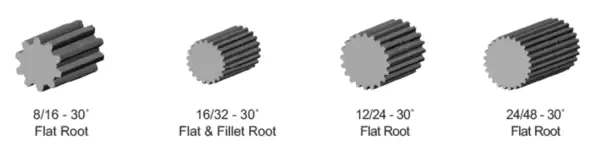
Our company specializes in the production and sale of various types of gears and spline shafts. With years of experience and expertise in the field, we take pride in offering top-quality products to our customers. Here are five key advantages of choosing our company:
1. Superior Quality
At our company, we prioritize quality above all else. Our gears and spline shafts undergo rigorous testing and inspection processes to ensure they meet the highest standards. We use advanced technologies and materials to deliver products that are durable, reliable, and efficient.
2. Customization Options
We understand that each customer may have unique requirements. That’s why we offer a wide range of customization options for our gears and spline shafts. From dimensions to tolerances to surface finishes, we can tailor our products to fit your specific needs.
3. Expertise in Stress Analysis
When it comes to analyzing the stress on spline shafts under combined loading, our team of experts is well-versed in the process. We have extensive knowledge and experience in stress analysis techniques, allowing us to design and manufacture spline shafts that can withstand various operating conditions.
4. Timely Delivery
We understand the importance of timely delivery in today’s fast-paced business environment. With our efficient production processes and streamlined supply chain, we pride ourselves on delivering our products on time, every time.
5. Exceptional Customer Service
Customer satisfaction is our top priority. Our dedicated customer service team is always ready to assist you with any inquiries or concerns you may have. We strive to provide prompt and helpful response to ensure a positive experience when working with us.
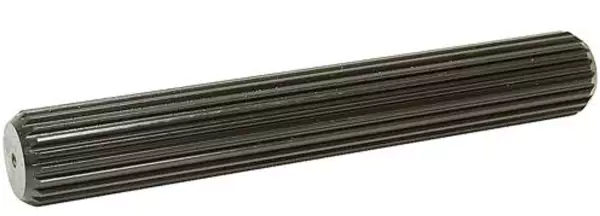
Spline Shaft Working Principle and Function
A spline shaft is a mechanical component that allows torque to be transmitted between two rotating objects while allowing for slight misalignment. It consists of a series of ridges or teeth that interlock with corresponding grooves, ensuring a secure connection and efficient power transmission.
Spline Shaft Design and Selection Guide
Designing and selecting the right spline shaft is crucial for optimal performance and longevity. Factors such as torque requirements, speed, misalignment tolerance, and environmental conditions need to be considered. Our team of experts can provide guidance and support in the design and selection process, ensuring you choose the most suitable spline shaft for your application.
Spline Shaft Manufacturing and Processing Techniques
Our company employs advanced manufacturing and processing techniques to produce high-quality spline shafts. From precision machining to heat treatment and surface finishing, we ensure that each spline shaft undergoes stringent quality control measures at every stage of the manufacturing process.
Spline Shaft Application Examples and Industry Practices
Our spline shafts have been widely used in various industries, including automotive, aerospace, machinery, and more. We have successfully implemented spline shaft solutions in numerous applications, and our experience and expertise allow us to provide industry-specific recommendations and best practices.
Partner with us today and experience the benefits of our superior products, expert knowledge, and exceptional customer service. Contact us to discuss your requirements and let us help you find the perfect spline shaft solution for your needs.
Author: Miya