Double worm reduction gearboxes are a crucial component in many industrial processes. They are used to reduce the speed of an electric motor to a level that is suitable for driving applications, such as conveyors, mixers, and packaging machines. These gearboxes are known for their durability and longevity, but like any other mechanical device, they require regular maintenance to ensure optimal performance and a long service life.
Introduction
The purpose of this article is to provide an in-depth guide on the maintenance schedule recommended for double worm reduction gearboxes. We will cover all the essential aspects of gearbox maintenance, including lubrication, inspection, and troubleshooting. We will also discuss some common problems that can occur with double worm reduction gearboxes, and how to fix them.
Why Maintenance is Important
Maintenance is essential for any mechanical device, and double worm reduction gearboxes are no exception. These gearboxes are subjected to high levels of stress and wear and tear, which can cause them to malfunction if not properly maintained. Regular maintenance helps to prevent breakdowns, reduce downtime, and extend the service life of the gearbox.
Recommended Maintenance Schedule
The recommended maintenance schedule for double worm reduction gearboxes is as follows:
- Monthly inspection of gearbox housing and mounting bolts
- Quarterly inspection of oil level, oil quality, and oil leaks
- Bi-annual oil change or as needed based on oil analysis
- Annual inspection of bearings, seals, and gears
- As needed replacement of worn or damaged parts
Lubrication
Lubrication is one of the most critical aspects of gearbox maintenance. Proper lubrication helps to reduce friction and wear between moving parts, which can cause the gearbox to overheat and fail. The type of lubricant and the frequency of lubrication will depend on the gearbox’s type and operating conditions.
Type of Lubricant
The type of lubricant recommended for double worm reduction gearboxes is mineral-based gear oil with an ISO viscosity grade of 68 to 460. The lubricant should be selected based on the gearbox’s operating temperature, speed, and load capacity. It is essential to use the lubricant recommended by the gearbox manufacturer to ensure optimal performance and avoid any potential damage.
Lubrication Frequency
The frequency of lubrication will depend on the gearbox’s operating conditions. Generally, double worm reduction gearboxes should be lubricated every three months or based on the manufacturer’s recommendations. It is essential to check the oil level regularly and top up as needed to ensure proper lubrication of the gearbox.
Inspection
Regular inspection of the gearbox is essential to identify any potential problems before they turn into major issues. The frequency and extent of inspection will depend on the gearbox’s operating conditions and the manufacturer’s recommendations.
Monthly Inspection
A monthly inspection of the gearbox housing and mounting bolts should be carried out to ensure that the gearbox is securely mounted and there are no signs of external damage. Any loose or missing bolts should be tightened or replaced as needed.
Quarterly Inspection
A quarterly inspection of the gearbox should be carried out to check the oil level, oil quality, and oil leaks. The gearbox should be visually inspected for any signs of leaks or damage. The oil level should be checked and topped up as needed. The oil quality should be checked using oil analysis to ensure that the lubricant is still suitable for use.
Annual Inspection
An annual inspection of the gearbox should be carried out to inspect the bearings, seals, and gears. The gearbox should be disassembled, and the internal components should be inspected for any signs of wear or damage. Any worn or damaged parts should be replaced as needed.
Troubleshooting
Despite proper maintenance, gearbox problems can still occur. Here are some common problems and their solutions:
Noise
If the gearbox is making noise, it could be due to worn or damaged gears or bearings. The gearbox should be inspected, and any worn or damaged parts should be replaced.
Overheating
If the gearbox is overheating, it could be due to insufficient lubrication or a clogged oil filter. The oil level and quality should be checked, and the oil filter should be cleaned or replaced as needed.
Vibration
If the gearbox is vibrating, it could be due to misalignment or unbalanced loads. The gearbox should be inspected for any signs of misalignment, and any unbalanced loads should be corrected.
Electric Motors for Sale
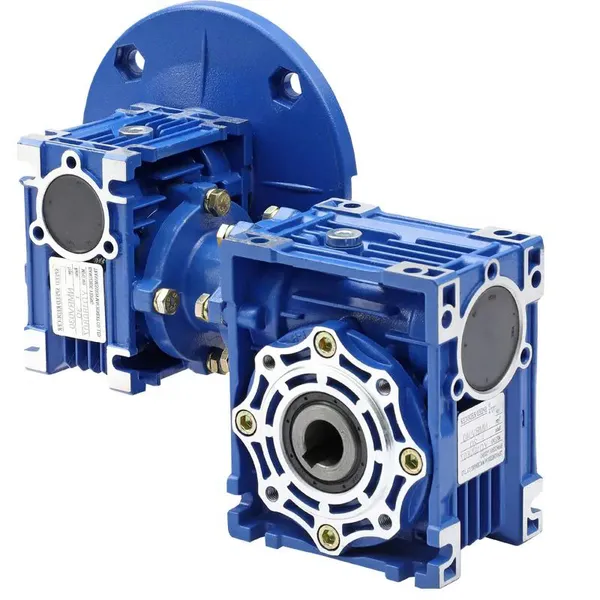
Electric motors and double worm reduction gearboxes are complementary components in many industrial applications. A high-quality electric motor can provide the power needed to drive the gearbox, while the gearbox can reduce the motor’s speed and increase its torque. At our company, we offer a wide range of electric motors for sale that are compatible with double worm reduction gearboxes.

Conclusion
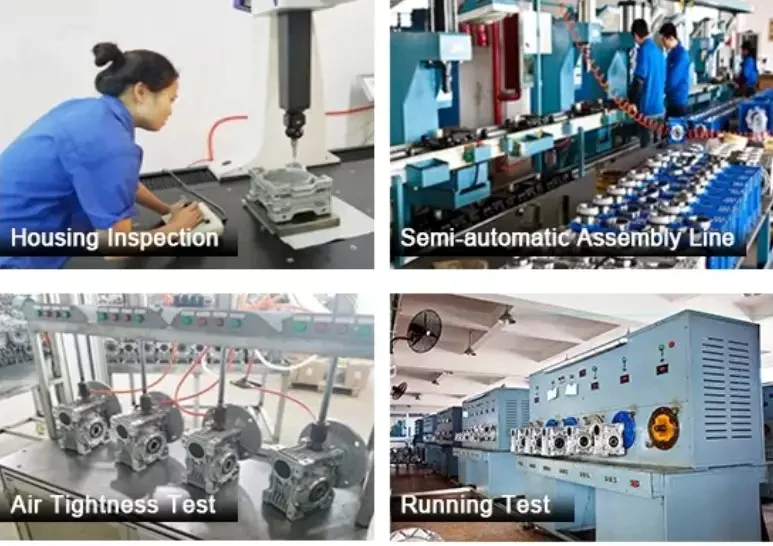
Double worm reduction gearboxes are an essential component in many industrial applications. Regular maintenance is crucial to ensure optimal performance and a long service life. By following the recommended maintenance schedule and troubleshooting any problems that arise, you can ensure that your gearbox operates smoothly and reliably for years to come. Our company is a comprehensive transmission equipment manufacturer with over 15 years of experience in the design, production, manufacture and sales of gearboxes. We offer high-quality products and services to customers worldwide and have won the praise of the market.
Q&A
Q1. Can I use synthetic oil in my double worm reduction gearbox?
A1. It is not recommended to use synthetic oil in double worm reduction gearboxes as it can cause damage to the gearbox’s internal components.
Q2. How often should I check the oil level in my gearbox?
A2. The oil level should be checked every three months or based on the manufacturer’s recommendations.
Q3. What type of lubricant should I use for my gearbox?
A3. The type of lubricant recommended for double worm reduction gearboxes is mineral-based gear oil with an ISO viscosity grade of 68 to 460.
Q4. How often should I change the oil in my gearbox?
A4. The oil should be changed every six months or based on the manufacturer’s recommendations.
Q5. Can I repair my gearbox myself?
A5. It is not recommended to repair your gearbox yourself as it requires specialized knowledge and expertise. It is best to consult a professional gearbox repair service.
Edited by Zqq.